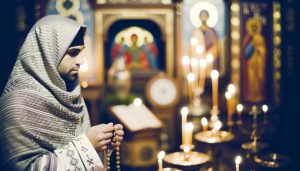
In a world often filled with chaos and division, many hearts yearn for peace and unity. “Prayers for Peace in the World: Unite Hearts Through Prayer” invites you to explore the transformative power of prayer in bringing people together. When we lift our voices in faith, we not only seek tranquility for ourselves but also for our families, communities, and nations. Each prayer acts as a gentle reminder of God’s omnipresence, nurturing hope in troubled times. As you navigate the complexities of modern life, discover how prayer can become a sanctuary, providing comfort and guidance. Join us on this spiritual journey to awaken the hearts around you and cultivate a collective desire for harmony. Together, we can create a ripple effect of love and understanding that reaches across borders. Let this be an invitation to deepen your faith and witness the profound impact of united prayers for peace.
Contents
- 1 Prayers for Global Peace: Understanding the Need
- 2 The Power of United Prayer: Strengthening Our Faith
- 3 Biblical Foundations for Praying for Peace
- 4 Prayers for Peace: Specific Scriptures to Meditate On
- 5 How to Lead a Global Prayer Initiative
- 6 Personalizing Prayers: Bringing Peace into Your Life
- 7 Prayer Groups: Creating Community for Global Peace
- 8 Inspiring Stories of Prayer Changing Lives
- 9 Fasting and Prayer: Deepening Your Spirit for Peace
- 10 Engaging Children in Prayers for World Peace
- 11 Special Prayers for Peacemakers and Leaders
- 12 Cultivating a Life of Peace Through Prayer Practices
- 13 Q&A
- 14 In Summary
Prayers for Global Peace: Understanding the Need
In a world where conflict and strife seem ever-present, the call for global peace resonates more deeply than ever. It is crucial to recognize not only the spiritual imperative behind praying for peace but also the transformative power it holds. When we engage in prayer for peace, we tap into an unparalleled resource-the collective strength of faith-filled hearts united in purpose. Such prayers can serve as a seed for reconciliation, healing, and hope in communities around the globe.
Understanding the need for prayers for global peace begins with acknowledging the widespread turmoil affecting our world. Every day, we hear news of wars, injustices, and suffering, which can easily lead to feelings of helplessness or despair. However, as Christians, we are called to be ambassadors of peace. Our prayers can stir the heavens and invite God’s intervention in some of the darkest places on Earth. The act of praying is both a profound declaration of faith and a concrete response to the challenges we face, reminding us that God is sovereign and capable of working miracles in dire situations.
As we invite others to join in prayer, it’s essential to consider specific prayer focuses that address the needs of various situations-be it prayers for those affected by violence, leaders making crucial decisions, or individuals seeking peace in their personal lives. By incorporating a variety of prayer styles, including intercessory prayer, communal prayer groups, and focused solitude, we can cultivate an environment where peace flourishes. Engaging in these practices not only deepens our collective prayer experience but also creates a bond of unity that transcends geographical and cultural barriers, reinforcing our belief that, together, we can influence change in the world.
Additionally, using scripture as the foundation for our prayers can enhance their potency. Verses like Philippians 4:6-7 remind us to present our requests to God, resulting in the peace that surpasses all understanding. By meditating on these powerful words, we can align our hearts with God’s will and reinforce our commitment to becoming vessels of peace in our families, communities, and nations. Thus, as we rise to the call for global peace, let us remember that our prayers are essential, impactful, and a vital part of God’s redemptive plan for the world.
The Power of United Prayer: Strengthening Our Faith
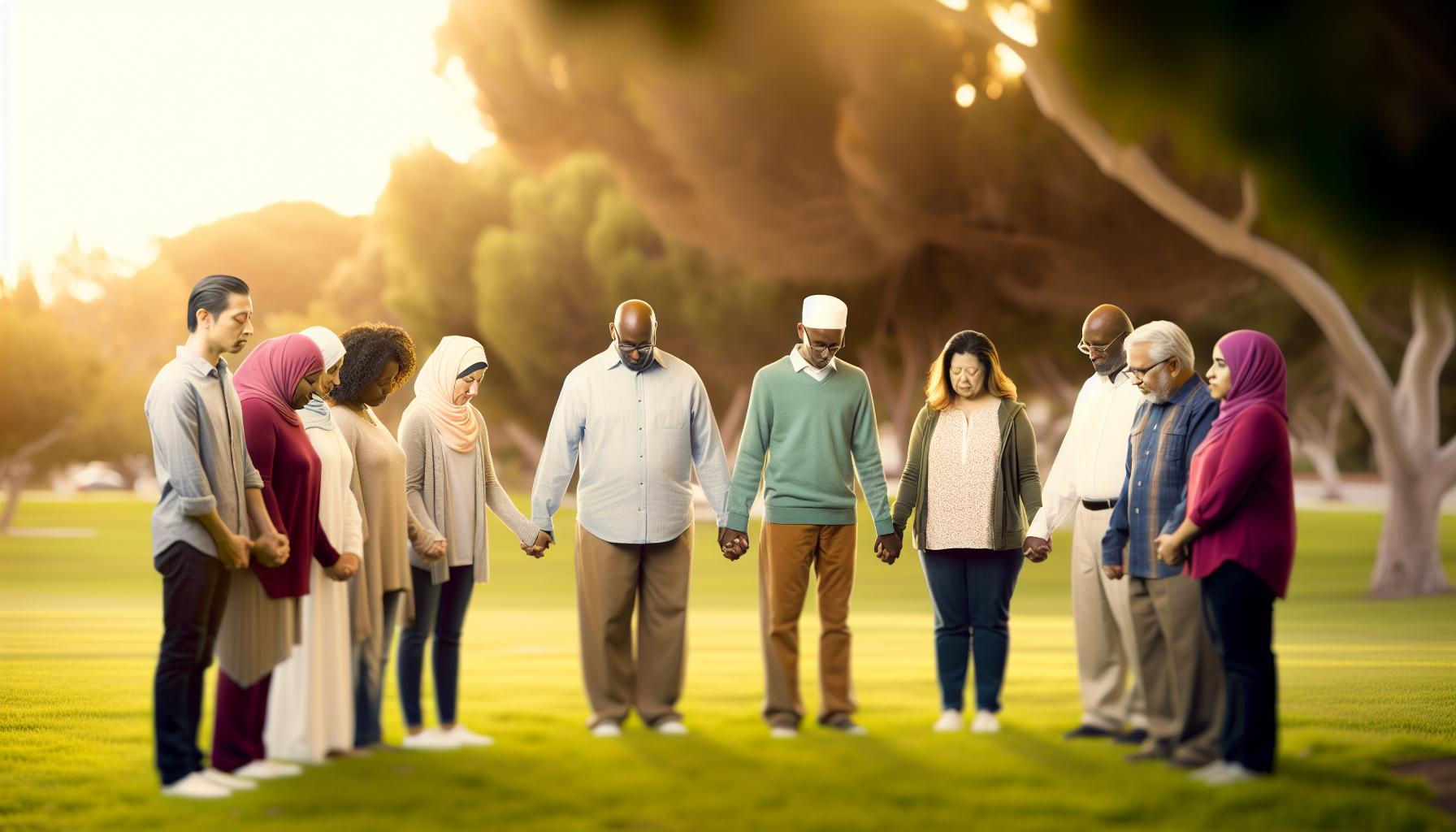
In times of uncertainty and strife, many believers turn to the profound power found in united prayer. When individuals from different walks of life come together in faith, their collective voices can create a resonating force that transcends individual limitations. This shared commitment to seeking God’s intervention not only enriches personal faith but also strengthens the entire body of Christ. As Matthew 18:20 reminds us, “For where two or three gather in my name, there am I with them.” This promise underscores the transformative potential of communal prayer, enhancing our spiritual lives in ways that solitary prayer often cannot.
One of the keys to experiencing the power of united prayer lies in the intent behind it. When we gather with fellow believers, our hearts and minds align in a focused pursuit of peace and healing not only in our lives but across the globe. This unity transforms ordinary prayer into a powerful tool that can shift atmospheres, break chains of despair, and foster an environment where hope can flourish. Consider setting aside specific times for prayer in your community, whether through a church group, a small gathering in homes, or broader initiatives like online prayer meetings. By inviting others to join you, you cultivate a supportive network that amplifies each person’s prayers, inviting God’s presence to dwell among you.
The impact of united prayer goes beyond the immediate feelings of comfort or collective hope; it fosters a deeper understanding of ourselves and others. Engaging in prayer with a diverse group cultivates empathy and expands our perspectives on global issues. We learn to pray for communities we may never visit, developing a sense of connection to those in pain or struggle. This practice not only strengthens our faith but prompts us to take action beyond prayer, encouraging us to be bearers of peace in our everyday interactions.
Incorporating scripture into your communal prayers can also serve as a guiding light, informing and enriching the prayers as you lift them together. Powerful verses like 1 Timothy 2:1-2, which urges believers to pray for all people and leaders, can become focal points for your collective requests, enhancing unity of purpose. By sharing these scriptures and inviting discussions around them, you’re not just praying together; you’re growing together in your understanding of God’s heart for peace and justice. Each act of united prayer deepens our faith and serves as a reminder of our role as peacemakers in a world so desperately in need of divine intervention.
Biblical Foundations for Praying for Peace
In a world often overshadowed by conflict and unrest, understanding the biblical basis for praying for peace can be a transformative journey. The Scriptures provide a robust framework, guiding believers to align their hearts with God’s will for peace on Earth. From the teachings of Jesus to the heartfelt prayers of the Psalms, the Bible reveals the deep significance of seeking peace not just for ourselves but for communities and nations alike.
One foundational scripture is Philippians 4:6-7, which encourages us to present our requests to God in prayer, assuring us that His peace, which transcends all understanding, will guard our hearts and minds. This promise invites us to trust in God’s ability to bring calm in the storm, emphasizing that prayer is a pathway to experiencing divine peace amidst turmoil. Additionally, Romans 12:18 exhorts believers to live at peace with everyone, underscoring that our actions should reflect the peace we seek in prayer. When we pray for peace, we are also compelled to be active participants in fostering harmony in our relationships and communities.
Furthermore, the Old Testament provides rich narratives showcasing God’s desire for peace. In Numbers 6:24-26, the priestly blessing declares, “The Lord bless you and keep you; the Lord make His face shine on you and be gracious to you; the Lord turn His face toward you and give you peace.” This blessing encapsulates God’s intention for His people to experience wholeness and tranquility. It serves as a reminder that praying for peace is not just a momentary appeal; it’s integral to our identity as God’s children, reflecting His character to the world.
Engaging with these scriptures in our prayer life fosters a deeper connection with God’s heart. Reflect on these passages, allowing their truths to shape your prayers. Consider forming prayer groups centered around these principles to lift up specific situations in need of peace, be it in families, workplaces, or nations. As you commit to praying for peace, you not only align your spirit with God’s design but also create ripples of hope that can impact lives far beyond your immediate circumstances.
Prayers for Peace: Specific Scriptures to Meditate On

In the midst of a world yearning for peace, specific scriptures can serve as powerful anchor points for prayer and meditation. Delving deeply into the Word not only inspires our hearts to seek peace but also equips us with the strength necessary to pray boldly for our communities and the world. These verses remind us that God’s peace surpasses all understanding and is a promise we can claim as we intercede for others.
Key Scriptures to Embrace
- Isaiah 26:3: “You will keep in perfect peace those whose minds are steadfast because they trust in you.” This verse underscores that our mental focus on God is vital for experiencing His peace. When we shift our gaze from our worries to our Creator, we find tranquility.
- John 14:27: “Peace I leave with you; my peace I give you. I do not give to you as the world gives. Do not let your hearts be troubled and do not be afraid.” Jesus’ promise reassures us that His peace is different-deep and lasting-allowing us to hold onto hope even in uncertain times.
- Colossians 3:15: “Let the peace of Christ rule in your hearts, since as members of one body you were called to peace. And be thankful.” Here, we are reminded that peace should govern our hearts and relationships, promoting gratitude rooted in our community of believers.
- Matthew 5:9: “Blessed are the peacemakers, for they will be called children of God.” This beatitude not only encourages us to be peacemakers but emphasizes our identity as part of God’s family when we actively seek peace.
Meditating on these passages can lead to profound changes in our prayers and hearts. Consider setting aside intentional time each day to reflect on a different scripture, allowing it to guide your conversations with God. Engage in prayer journaling, where you can express thoughts or insights that arise as you meditate. Visualize these verses in your daily life-how could embodying these truths influence your interactions, decisions, and overall demeanor?
Connecting with these specific scriptures can enhance your prayer life tremendously. As you internalize God’s promises of peace, invite the Holy Spirit to awaken your spirit to areas in your life or community that may need intercession. Let these biblical truths not only enrich your understanding but also invigorate your prayers for global peace, uniting hearts in the pursuit of God’s peace on Earth.
How to Lead a Global Prayer Initiative

In a world fraught with conflict and uncertainty, a global prayer initiative can create a powerful wave of hope and healing. Leading such an initiative requires vision, organization, and, most importantly, a heart that desires unity among believers. Drawing upon the shared goal of fostering peace through prayer, this effort can effectively mobilize individuals and communities globally to seek divine intervention and restoration.
To start, establishing a clear purpose is essential. Define what your initiative aims to achieve-whether it’s praying for specific regions affected by conflict, lifting up current global crises, or asking for peace in the hearts of individuals and leaders. Utilize digital platforms to spread awareness and gather participants. Social media can play a critical role; create engaging content that encourages followers to join in specific prayer times or themes. Consider using hashtags to amplify your reach and create a collective identity for your initiative, such as #PrayForPeace or #UnitedInPrayer.
Next, structure the initiative to foster inclusion and community. Organize virtual prayer meetings or local gatherings where participants can share their prayer requests and testimonies. This could be done through video calls or community events, allowing for interactive prayer experiences. Provide resources such as prayer guides or templates that participants can follow, facilitating focused prayers on global issues and personal needs. Encourage participants to invite friends and family, thus broadening the reach and impact of your initiative.
Lastly, continually motivate and engage participants by sharing stories of transformation resulting from prayer. Highlight testimonies of individuals and communities experiencing peace and unity through their involvement. Regular updates and encouragement can also be communicated through newsletters or social media posts, reminding participants of upcoming prayer times and offering scriptural encouragement. By weaving these threads of community and shared faith, your initiative can grow and sustain its momentum, leading countless hearts to unite in prayer for peace across the globe.
Personalizing Prayers: Bringing Peace into Your Life

In the midst of personal trials and global unrest, the act of prayer can serve as a sanctuary for the soul, leading to a profound sense of peace. Personalizing your prayers is not just a method of communication with God; it’s a way of inviting His peace into every corner of your life. When you kneel in prayer, remember that God’s desire is for you to experience His peace that transcends all understanding (Philippians 4:7). This peace can be woven into your daily actions and thoughts, turning ordinary moments into extraordinary opportunities for connection with the Divine.
To incorporate peace into your personal prayer life, start by identifying specific areas in your life that feel chaotic or unsettled. Reflect on relationships, work situations, or personal struggles that may be sources of anxiety. Craft prayers that are specific to these concerns. For instance, if you’re going through a challenging time at work, dedicate a prayer to seeking peace in the workplace, asking God for wisdom in your interactions and understanding among coworkers. This will not only strengthen your relationship with God but will also provide you with a clearer path toward peace in those areas.
Creating a ritual can also help in personalizing your prayers. Choose a specific time of day to pray-a quiet morning before the day starts or a moment of stillness in the evening. Consider using prayer journaling as a practical tool. Write down your prayers, thoughts, and reflections. Not only does this provide a space for you to articulate your worries, but it can also help track how God answers those prayers over time, reinforcing your faith and connection to His peace.
Engage with Scripture
Incorporating Scripture into your prayers enhances their depth and aligns your heart with God’s word. Meditate on verses that speak to peace, such as John 14:27, where Jesus tells us, “Peace I leave with you; my peace I give you.” As you pray, apply such verses to your life and those around you who may be struggling. This not only enriches your prayer experience but also allows God’s truths to resonate within you, shaping your perspective on life’s challenges.
As you personalize your prayers, remain open and receptive to the guidance of the Holy Spirit, who leads you to understand and embody peace in your daily life. Engage in community with fellow believers, sharing testimonies of how prayer has shifted your outlook or resolved issues. When you bring your prayers before God, you’re not merely voicing requests; you’re cultivating a lifestyle rooted in peace-one that influences others and draws them closer to God’s heart. This heavenly peace starts from within and spreads outward, creating ripples that can transform lives, communities, and ultimately, the world.
Prayer Groups: Creating Community for Global Peace
In a world often marked by discord and division, the unifying power of prayer serves as a beacon of hope and healing. When believers come together to pray for global peace, they not only express their heartfelt desires but also create a community centered around faith and collective intention. Prayer groups provide a nurturing space where individuals can support each other, share their burdens, and encourage one another in their spiritual journeys. This form of communal prayer not only strengthens the participants’ faith but also amplifies their impact on the world around them.
Creating a prayer group focused on global peace can begin with a handful of like-minded individuals who are passionate about interceding for the nations. Here are some practical steps to consider:
- Establish a Purpose: Clearly define the group’s mission, such as praying for conflict resolution, advocating for justice, or promoting peace in specific regions.
- Choose a Regular Meeting Time: Consistency is key. Select a day and time that works for everyone, and consider using a different location occasionally to keep energy levels high.
- Incorporate Scripture: Start meetings with a Scripture reading that pertains to peace, such as Isaiah 26:3, which promises perfect peace to those who trust in God. This aligns the group’s focus with God’s Word.
- Encourage Sharing: Provide time for members to share prayer requests and testimonies of answered prayers. This fosters intimacy and strengthens communal bonds.
- Engage in Active Prayer: Offer guided prayers, silent reflection, or group prayer circles focused on specific global issues. Perhaps establish themes for each meeting to keep the prayers diverse and relevant.
Moreover, these gatherings can extend beyond the walls of the church. Consider organizing online prayer meetings to include distant members or creating special events like prayer vigils during times of crisis. In many instances, the collective prayers of a group can be incredibly powerful, sparking movements of peace and reconciliation.
As members bond over their shared mission, they cultivate a supportive environment that nurtures deeper friendships and accountability in their faith lives. Together, they become a voice for the voiceless, championing for peace in their communities and globally. When believers unite through prayer, they embody the truth of Matthew 18:20, reminding us that where two or three are gathered in His name, there He is among them-an ever-present help in the pursuit of global peace.
Inspiring Stories of Prayer Changing Lives

In a world often fraught with strife, the transformative power of prayer can provide profound healing and hope. Consider the story of a small town torn apart by a violent incident that left families divided. In the aftermath, a local church initiated a week of prayer, inviting the community to come together and seek God for healing and unity. As participants shared their heartaches and prayed for reconciliation, barriers began to dissolve. Over time, what started as individual prayers blossomed into community gatherings that fostered open dialogue, ultimately leading to healing and renewed relationships. This illustrates how collective prayers can unite hearts and address deep-seated community grievances through God’s grace.
Another powerful testimony comes from a group of Christian women who formed a prayer circle specifically devoted to peace in their war-torn country. As they prayed fervently for an end to the violence, they were inspired to take action beyond their supplications. They organized peace marches and encouraged others to join in prayer, amplifying their voices and making a tangible difference. Their commitment galvanized hundreds, culminating in a citywide prayer vigil that brought together people from all walks of life. The community witnessed a significant decrease in violence in the months that followed, reminding all involved of the biblical promise in James 5:16: “The prayer of a righteous person is powerful and effective.”
These accounts serve as a testament to how prayer can span geographical and relational divides. When believers unite with purpose and intent, they tap into a divine power that transcends human efforts. Stories from around the world highlight how intercession has prompted governmental leaders to seek peaceful resolutions and pivot their focus towards constructive dialogue. As individuals share these inspiring stories, they encourage others to engage in prayerful action.
Additionally, integrating prayer into family routines can also yield remarkable results. Simple acts of praying together for peace in daily life – whether at the dinner table or during bedtime devotions – can influence a child’s perspective on conflict resolution. Family members learn the value of compassion and the importance of taking their requests before God, fostering a culture of peace and understanding that extends beyond their home.
As believers united in prayer witness these changes, they inspire others to take similar steps in their own lives, creating ripples of peace in both local and global contexts. The stories of prayer changing lives illustrate a profound truth: when we humbly come before God, committed to seeking peace and understanding, we can become vessels of His transformative love in a world in dire need of healing.
Fasting and Prayer: Deepening Your Spirit for Peace

In the pursuit of global peace, fasting and prayer serve as powerful spiritual disciplines that can deepen one’s connection to God and enhance the effectiveness of prayers offered for healing and reconciliation. This intentional combination allows believers to set aside distractions and focus their hearts and minds on seeking peace both personally and for the world around them. Fasting, in its essence, aligns us more closely with God’s will and equips us with the spiritual insight needed to pray fervently for matters that weigh heavily on our hearts.
When believers engage in fasting, they are not only abstaining from food but are also amplifying their spiritual sensitivity and receptivity. This act of self-denial models the sentiments found in Scripture, where Jesus teaches in Matthew 6:16-18 that our fasting should be a heartfelt expression of devotion to God rather than a public display. As we fast and pray, we create a sacred space that invites the Holy Spirit to intercede on our behalf, assisting us in expressing both our needs and the pressing concerns of the world to the Father. Consider creating a personal fasting journal, documenting your prayers for peace and the burdens you carry-this practice can enrich your spiritual journey and allow you to witness God’s responses over time.
To make fasting and prayer more impactful, consider the following practices:
- Choose a Focus: Select specific areas of conflict or unrest for which you feel passionate to pray. This could include global issues, community challenges, or personal relationships that need healing.
- Incorporate Scripture: Pair your fasting with scripture readings that emphasize peace and reconciliation. Powerful verses such as Isaiah 26:3, which promises perfect peace to those whose minds are stayed on God, can encourage you during your fast.
- Gather Together: Organize prayer meetings with fellow believers who share a heart for peace. United fasting and prayer can multiply the power of your petitions and deepen community bonds.
- Prayer Walks: Consider going on prayer walks in your neighborhood or community while fasting. The physical act of walking can heighten your awareness of the needs around you, allowing your prayers to become more personalized and impactful.
Ultimately, incorporating fasting into your prayer life not only deepens your spiritual experience but positions you to act as a vessel of God’s peace in a troubled world. As you engage in this sacred discipline, remember the words of Philippians 4:6-7, which reminds us that in every situation, through prayer and petition, with thanksgiving, we can present our requests to God, and His peace will guard our hearts and minds. Embracing fasting and prayer as a regular practice will cultivate a spirit of peace within, equipping you to share this transformative love broadly in your community and beyond.
Engaging Children in Prayers for World Peace
Every child possesses a natural curiosity about the world, and this perspective provides a unique opportunity to engage them in prayers for peace. Encouraging children to pray for global peace not only nurtures their spiritual growth but also helps them develop a compassionate heart for others. By learning to lift up the needs of the world in prayer, children can grasp the importance of unity, empathy, and God’s love, fostering a sense of responsibility to contribute positively to their communities and beyond.
One effective way to initiate this practice is through creative prayer activities. For instance, consider organizing a “Prayer Wall” where children can display drawings or writings of what peace means to them. This visual representation allows them to express their thoughts and feelings, which can then be incorporated into collective prayers. Additionally, incorporating simple prayers with relatable language can help children grasp complex concepts about peace. A prayer might begin with: “Dear God, please help everyone in our world to be kind to each other…” This format makes it easier for children to engage with the themes of love and unity as they connect their prayers with everyday situations.
Another engaging method is to involve children in reading stories that highlight peaceful coexistence and forgiveness, such as biblical tales or inspirational real-life accounts. After reading, encourage them to reflect and pray about the themes from the stories. For example, after discussing the story of the Good Samaritan, children can pray for people who may be neglected or hurt in their communities. This helps children understand the relevance of their prayers while equipping them with a biblical foundation for their desires for peace.
Finally, creating prayer rituals can further establish the habit of praying for peace. Setting aside specific times, such as family meals or bedtime, can serve as powerful moments to dedicate prayers for individuals and regions struggling with conflict. As children learn the practice of praying regularly, they cultivate an ongoing dialogue with God, ultimately strengthening their spiritual lives. Reinforce the idea that even the smallest prayers can make a difference, reminding them of Matthew 18:20: “For where two or three gather in my name, there am I with them.” This encouragement not only nurtures their faith but also empowers them to be agents of change, embodying the peace they pray for in their lives.
Special Prayers for Peacemakers and Leaders
In a world marked by conflict and division, the role of peacemakers and leaders is more crucial than ever. These individuals hold the power to influence change and foster environments where peace can thrive. As believers, it is our responsibility to lift them up in prayer, asking God to bestow wisdom, courage, and love upon them. By praying specifically for those leading initiatives of peace, we align ourselves with God’s heart for reconciliation and justice, impacting communities and nations.
When interceding for peacemakers and leaders, consider using targeted prayers that reflect the challenges they face. Here are a few examples of what those prayers might include:
- Wisdom and Discernment: “Heavenly Father, grant our leaders the wisdom to navigate complex situations and the discernment to make choices that promote peace and understanding among all people.” (James 1:5)
- Protection: “Lord, protect those who stand firm for peace, shielding them from harm and opposition, and surround them with righteous support.” (Psalm 121:7-8)
- Unity and Strength: “God, unite the hearts of peacemakers, empowering them to work together in harmony, drawing on collective strengths to achieve a common goal.” (Philippians 2:2)
- Courage: “Mighty God, instill in our leaders the courage to face challenges head-on and to advocate for those without a voice, even when it is difficult.” (Isaiah 41:10)
Creating a dedicated prayer space or event to focus on these intentions can deepen your community’s commitment to peace. Consider organizing a “Prayer for Peace” gathering where participants can share specific leaders and situations they are passionate about; this communal effort magnifies the power of prayer. Alternatively, you might start a prayer chain, where individuals take turns praying for specific peacemakers throughout the week.
In addition, Scripture can be a powerful tool to guide your prayers. Verses like Matthew 5:9, “Blessed are the peacemakers, for they shall be called sons of God,” remind us of the divine blessing upon those who strive for peace. By embedding these scriptures into your prayers, you not only lift the leaders but also declare truth over their efforts in faith.
Ultimately, as you dedicate time in prayer for those making significant strides toward peace, you also cultivate a heart of peace within yourself and your community. Engage in these prayers with the assurance that God hears you and is actively working through these leaders to bring about His divine purpose for peace on earth.
Cultivating a Life of Peace Through Prayer Practices

In a world brimming with turmoil, the practice of prayer emerges as a powerful tool for cultivating peace within ourselves and the communities we inhabit. It is through sustained prayer that we gain insight, strength, and the ability to foster reconciliation. Regular prayer practices not only draw us closer to God but also equip us to be vessels of His peace, which is essential in a time when discord threatens harmony both at personal and global levels.
One way to integrate prayer into daily life is by establishing a consistent prayer routine. Setting aside specific times each day to pray can create a rhythm of peace and reflection. Whether it’s a morning offering of gratitude, an afternoon prayer for comfort and love, or an evening meditation on God’s presence, these moments invite tranquility into our busy lives. Using scripture as a backdrop during these prayer times enriches the experience. For example, meditating on Philippians 4:6-7, which encourages believers to present their requests to God with thanksgiving, can help transform anxiety into a peace that surpasses understanding.
Another meaningful approach is to practice guided prayer, where individuals can focus their hearts on specific themes such as forgiveness, healing, or community support. This could involve writing down thoughts or prayer requests and surrounding them with Bible verses that reflect God’s promises about peace. When we share these guided prayers within our families or groups, we not only enhance our personal peace but also create a sense of collective purpose that transcends individual struggles.
It’s also essential to engage in praying for others, especially for those affected by conflict or crisis around the world. A simple practice is dedicating one day each week to pray for a different country or global issue. This not only heightens awareness of the world’s needs but fosters compassion and empathy, uniting our hearts in the pursuit of global peace.
Lastly, incorporating elements of worship, like music or silence, can deepen prayer experiences. Singing hymns or choruses that celebrate peace and unity can amplify our voices collectively, making our prayers more powerful and impacting the atmosphere around us. Recognizing that our prayers can resonate beyond our immediate surroundings instills a robust hope that creates ripples of peace throughout our world.
By nurturing a life of prayer, we stand firmly in our commitment to fostering peace, not just within our hearts but among all people. As we pray, let us embody the very peace we seek, influenced by Christ’s teachings and love, and actively work to be peacemakers in our daily interactions.
Q&A
Q: How can I participate in global prayers for peace?
A: You can join global prayers for peace by participating in online prayer groups or local church initiatives. Engaging in community prayer events, sharing prayer requests on social media, or using platforms like Zoom for collective prayer can help unite hearts. For guidance, refer to the section on “Creating Community for Global Peace.”
Q: What are some powerful prayers for peace?
A: Powerful prayers for peace often include heartfelt pleas for unity, healing, and love among nations. Consider using specific scriptural prayers, such as Psalms 34:14, which calls for peace and trust in God. You can find more examples in the “Prayers for Peace: Specific Scriptures to Meditate On” section.
Q: Why is prayer for world peace important?
A: Prayer for world peace is vital as it fosters a global mindset of unity and compassion. It encourages collective action towards resolving conflicts and can uplift communities in turmoil. Understanding this can deepen your faith, as discussed in “The Power of United Prayer: Strengthening Our Faith.”
Q: When is World Day of Prayer, and how can I observe it?
A: World Day of Prayer is observed annually on the first Friday in March. To participate, you can join local services, host prayer gatherings, or contribute to global prayer initiatives highlighted in your community or church.
Q: Where can I find resources for prayers for peace?
A: Resources for prayers for peace can be found in your church’s library, online Christian platforms, or dedicated prayer apps. Websites like prayerhub or specific sections in articles about “Inspiring Stories of Prayer Changing Lives” can also provide additional material.
Q: How can I teach children to pray for peace?
A: To teach children to pray for peace, use simple language and relatable examples. Engage them in discussions about current events and encourage them to express their hopes in prayer. The section “Engaging Children in Prayers for World Peace” offers creative approaches.
Q: What role does fasting play in prayer for peace?
A: Fasting can enhance your prayer for peace by deepening spiritual focus and humility. It serves as a powerful tool to seek divine intervention and can be done individually or collectively as suggested in the “Fasting and Prayer: Deepening Your Spirit for Peace” section.
Q: How can I lead a prayer initiative for peace?
A: To lead a prayer initiative for peace, start by gathering a group of willing participants, establish a regular meeting time, and set a focus for your prayers. Use digital tools for wider outreach, as discussed in “How to Lead a Global Prayer Initiative.”
In Summary
Thank you for joining us in “Prayers for Peace in the World: Unite Hearts Through Prayer.” As we collectively lift our voices to seek peace, remember that every prayer counts and can make a tremendous difference. Don’t let this moment pass-take a moment to reflect on how you can contribute to a more peaceful world through your faith and actions.
Explore our related articles on Effective Prayers for Families and Building a Prayer Habit for deeper insights into enriching your spiritual life and nurturing relationships. We invite you to subscribe to our newsletter for ongoing inspiration and practical resources to guide your prayer journey. Your commitment to prayer can transform hearts and communities-let’s strengthen our faith together today. Please share your thoughts or experiences in the comments below; your voice matters in this global initiative for peace. Together, let’s continue to unite in prayer and action for a brighter tomorrow.