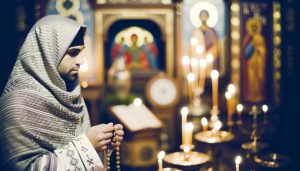
In a world filled with turmoil and division, the call for peace resonates more than ever. “Prayers for World Peace: Be the Change God Seeks” invites you to join a powerful movement of faith, where heartfelt prayers serve as a catalyst for healing and unity. As believers, we are urged to embody the change we wish to see globally, fostering love and understanding in our communities through fervent supplication. This devotional journey not only equips you with prayers that touch the heart of God but also inspires you to engage actively in promoting peace in your everyday life. Together, we can become instruments of His peace, reflecting Christ’s love in action. Dive deeper and discover how your prayers can make a significant impact, bringing hope and transformation to a world in desperate need.
Contents
- 1 Prayers for Global Harmony: A Spiritual Path
- 2 Understanding the Power of Prayer for Peace
- 3 Biblical Foundations of Peace and Reconciliation
- 4 Incorporating Prayer in Daily Life for World Peace
- 5 Praying with Purpose: Intentional Approaches to Peace
- 6 Personal Stories of Transformation Through Prayer
- 7 The Role of Community in Praying for Peace
- 8 Prayer as a Tool for Spiritual Warfare
- 9 Guided Prayer Practices for Collective Peace
- 10 Embracing Hope: Scriptures that Inspire Peace
- 11 Creating a Peaceful Home: A Prayerful Approach
- 12 Ways to Foster Global Unity Through Prayer
- 13 FAQ
- 14 The Conclusion
Prayers for Global Harmony: A Spiritual Path
In a world where turmoil often overshadows tranquility, the power of prayer emerges as a vital tool for fostering global harmony. Prayer serves not only as a personal refuge but also as a collective pathway toward peace, uniting believers across cultures and nations in their yearning for a better tomorrow. When individuals come together to pray for world peace, they engage in a sacred act that transcends geographical boundaries and social divisions. This communal act embodies the very essence of our faith-hope, compassion, and the unwavering belief that God can bring about change.
The Scriptures remind us of the profound impact that prayer can have on both our lives and the wider world. In Philippians 4:6-7, we are encouraged to present our requests to God through prayer and petition, coupled with thanksgiving, which brings about divine peace. As we seek harmony, it is crucial to incorporate prayer into our daily routines. This may look like setting aside specific times to pray, whether in solitude or with fellow believers, and focusing on the needs of others, including our global family grappling with conflict and distress.
Furthermore, intentional prayer can be transformative. Employing structured approaches such as the ACTS model-Adoration, Confession, Thanksgiving, and Supplication-can deepen our prayer experience. By lifting our voices with purpose and clarity, we invite God’s presence into the complexities of our world, asking for His guidance and intervention where peace seems unattainable. Alongside this, sharing personal stories of how prayer has influenced change in our lives can inspire others. These testimonies become powerful testimonies of God’s faithfulness and the ability to achieve peace despite challenging circumstances.
In this spiritual journey, community plays a pivotal role. Coming together to pray not only strengthens our bonds but also reinforces our collective commitment to peace. Whether through local church gatherings, online prayer groups, or global prayer movements, these communities of faith amplify our prayers, creating a chorus of hope that reverberates through the ages. In the face of adversity, let us remember that prayer is more than words; it is a vital act of faith and a profound expression of our shared longing for a world imbued with peace.
Understanding the Power of Prayer for Peace
In a world fraught with conflict and division, the profound impact of prayer for peace stands as a beacon of hope. Prayer becomes not only a refuge for the individual but a powerful catalyst for transformation on a larger scale. When we seek peace through prayer, we engage in an act that defies boundaries and transcends human limitations, inviting divine intervention into our tumultuous world. This sacred communication with God fuels our spirits and instills a sense of purpose, reminding us that while we may feel overwhelmed by the struggles around us, we are part of a greater narrative woven by love and hope.
The practice of prayer for peace can take many forms, each deeply personal yet intrinsically linked to the shared struggles of humanity. It can be as simple as lifting up the needs of our neighbors or as structured as participating in global prayer initiatives. By incorporating specific prayers for peace into our routines, we create a rhythm of hope and expectation in our lives. For instance, setting aside a moment each day to pray for individuals or nations affected by strife can cultivate a mindset of compassion and connection. As we do this, verses like Isaiah 26:3 resonate deeply: “You will keep in perfect peace those whose minds are steadfast, because they trust in you.” This reminds us that trust in God opens the door to His perfect peace.
Moreover, communal prayer magnifies our individual efforts, harnessing the collective faith and fervor of the body of Christ. When believers gather in unity to pray for peace, they create a powerful atmosphere where facets of divine presence can emerge. This can occur in small groups, congregational settings, or even online platforms where people from diverse backgrounds converge and intercede for one another. Sharing in these experiences not only reinforces our faith but also fosters a sense of belonging and purpose. Each person’s story and prayer become integral threads in the fabric of our collective plea for peace.
Finally, embracing the transformative power of prayer for peace involves recognizing its role not just in addressing immediate conflicts but also in fostering ongoing spiritual growth. As we engage in prayer, we develop a deeper understanding of God’s heart for humanity. We become attuned to His desires for reconciliation and love, learning to model those same values in our interactions with others. By allowing prayer to reshape our perspectives, we can hope to be instruments of peace in a world that desperately needs it. With each prayer, we don’t just seek change; we become part of the change that God desires for His creation.
Biblical Foundations of Peace and Reconciliation
In the rich tapestry of Scripture, the themes of peace and reconciliation are woven throughout, inviting believers to engage in the transformative work of prayer. Jesus himself emphasized peacemaking in the Beatitudes, stating, “Blessed are the peacemakers, for they will be called children of God” (Matthew 5:9). This calling is not merely a passive existence but an active pursuit of harmony that aligns us with God’s heart for humanity. By grounding our prayers in biblical truths, we unlock the profound power that lies in seeking peace not only for ourselves but for the world around us.
At the very core of peace in the Christian faith is the recognition of Christ as our ultimate Peace-maker. Ephesians 2:14 elucidates this beautifully, stating, “For he himself is our peace, who has made the two groups one and has destroyed the barrier, the dividing wall of hostility.” Through His sacrifice, Jesus has bridged the gap between humanity and God, and subsequently among ourselves. Understanding this reconciliation helps propel us toward a life characterized by peace, urging us to not only receive but also to extend it generously to others.
Furthermore, prayer serves as a vital instrument for fostering reconciliation. James 5:16 encourages, “The prayer of a righteous person is powerful and effective.” When we come before God in earnest prayer for peace and healing in relationships-whether in families, communities, or nations-we tap into His powerful grace that can transform hearts and minds. The act of praying for others infuses our intentions with humility and love, aligning our desires with God’s will for repair and healing. We are called to pray not only for those we agree with but also for those with whom we may be in conflict, embodying the spirit of Romans 12:18, which urges, “If it is possible, as far as it depends on you, live at peace with everyone.”
In practical terms, we can establish daily prayer routines that focus on different aspects of peace-be it within ourselves, our families, or the broader world. Creating a list of individuals or groups to pray for encourages a proactive role in seeking peace. This commitment can expand into wider intercessory prayers for global leaders or regions afflicted by strife, reflecting God’s compassionate heart for justice and reconciliation.
Embracing the holistic biblical understanding of peace encourages believers to:
- Seek personal peace through prayer and contemplation.
- Engage actively in resolving conflicts through dialogue and understanding.
- Pray for divine restoration in places of turmoil.
- Reflect the peace of Christ in all interactions, promoting harmony and love.
As we delve into the , let us remember that our prayers are not just words; they are infused with hope, intention, and the desire to be vessels of God’s peace in a world desperately in need of it. Each heartfelt petition we make draws us closer to living out God’s calling-not just as individuals, but as part of a community committed to fostering peace and reconciliation in every corner of life.
Incorporating Prayer in Daily Life for World Peace
In a world often overshadowed by conflict and division, the power of prayer stands as a beacon of hope, guiding us to be instruments of peace. Incorporating prayer into our daily lives can transform not only our hearts but also the atmosphere around us, fostering a collective spirit of harmony. One practical approach is to set designated times throughout the day to pray specifically for peace. This can be as simple as starting your morning with a prayer for global unity or taking a moment at lunchtime to intercede for those directly affected by conflict in various regions.
A powerful way to maintain focus during these prayer times is by creating a peace prayer journal. In this journal, you can outline specific areas of conflict you want to pray for, list names of leaders or victims of violence, and record any revelations or answers to prayer you witness over time. By visualizing the impact of your spiritual commitment, you deepen your sense of purpose and connection to God’s mission for peace. Additionally, integrating Scripture into your prayers can enhance their potency. For instance, praying passages like Isaiah 26:3, which states, “You will keep in perfect peace those whose minds are steadfast because they trust in you,” reinforces the foundation of trust necessary for lasting peace.
Another impactful practice is gathering with others for group prayers. Whether in homes, churches, or community centers, collective prayer creates an atmosphere charged with faith and intention. These gatherings provide a platform not only for shared prayer but also for discussing peace initiatives and communal support for those in crisis. Sharing personal stories of faith and transformation can also inspire others to engage in prayer, emphasizing that every prayer counts, especially when hearts unite with a common goal.
Moreover, as you pray for the world’s peace, don’t forget to align your actions with your prayers. Engaging in community service, promoting dialogue among diverse groups, and practicing kindness in daily interactions are tangible extensions of your prayer life. As believers, we are called not only to pray but also to be the change we wish to see in the world. By embodying the principles of peace through our words and deeds, we become living testimonies of Christ’s love, encouraging others to join in the quest for a more harmonious world.
Praying with Purpose: Intentional Approaches to Peace
In a world filled with chaos and uncertainty, the act of praying with purpose becomes a profound force for change. Each prayer holds not only personal significance but also collective impact, as communities unite in their quests for peace. Engaging in intentional prayer invites the Holy Spirit to guide our hearts, aligning our desires with God’s will for harmony and reconciliation. This intentionality transforms prayer from a routine activity into a powerful weapon against despair and conflict.
Establishing Intentional Prayer Practices
To pray with purpose, consider establishing a dedicated time and space for your prayers regarding peace. You can create a serene environment that fosters focus-perhaps a cozy corner in your home adorned with meaningful Scripture verses and imagery that inspires you. Include elements such as candles or soothing music to create a peaceful ambiance. Within this space, incorporate practices such as:
- Focused Prayer Sessions: Dedicate specific days of the week to pray for different aspects of global peace, such as political unrest, social justice, or healing for war-torn communities.
- Prayer Walks: As you walk through your neighborhood or city, pray for the people and places you encounter, envisioning peace enveloping each area.
- Prayers of Gratitude and Reflection: Reflect on the blessings in your life and the peace that God has provided, addressing how these elements can be extended to others.
Scriptural Guidance and Reflection
Incorporating Scripture into your prayer life enhances its depth, providing the spiritual foundation you seek. Verses such as Philippians 4:6-7 remind us to present our requests to God with thanksgiving, trusting in His promise to guard our hearts and minds with peace. Choosing key passages that resonate with the call for peace allows you to meditate on God’s Word while you pray. Journaling these reflections can also bear fruit, making it easier to track your spiritual journey and discern God’s guidance in your life.
Connecting with Others for Greater Impact
Another powerful approach is to unite with others in prayer, amplifying the impact of your efforts. Joining a prayer group or community can inspire collective solutions to global issues while cultivating a sense of belonging and encouragement. These gatherings can take many forms, from small home meetings to larger church events, where believers intercede together for peace. Each individual’s experiences and insights can enrich your understanding of the various challenges faced across the globe.
By proactively praying with purpose, you actively participate in God’s mission for peace, becoming an agent of change rooted in faith. Whether through personal practices, scriptural engagement, or community involvement, remember that every prayer counts. In the larger tapestry of God’s design for humanity, your prayers-ceded with intentionality and love-become crucial threads weaving together the fabric of global harmony.
Personal Stories of Transformation Through Prayer
In a small town rife with division and tension, the simple act of prayer began to weave a remarkable story of transformation. A local church initiated a “Prayers for Peace” movement, inviting community members from different backgrounds to come together each week to pray not only for their own concerns but for the peace of their town and the world. Through shared prayer, barriers began to crumble. Individuals who once avoided one another discovered a common bond in their desire for global harmony.
One mother, initially skeptical about the initiative, shared her experience of feeling compelled to pray for the youth in her community. As she sought the Lord for guidance, she began to witness the impact of prayer in tangible ways. Several months later, she recounted how her prayers led to collaborative efforts with local schools. Programs promoting understanding and reconciliation between students from diverse backgrounds emerged, illustrating how prayer opened pathways where hostility had previously reigned.
Similarly, a retired veteran joined the movement out of a longing to see peace flourish, especially among nations. He began praying fervently for reconciliation and understanding among veterans from conflicting backgrounds. Through his testimony of seeking peace daily, he inspired other veterans to engage in open discussions and healing talks that not only transformed individual hearts but also softened the community’s approach towards veterans’ issues. His story was emblematic of the ways individual transformation can ripple outward, creating waves of change.
The power of prayer extends beyond the personal; it builds bridges within communities. As groups gathered to pray, they shared not only their hopes for peace but also their testimonies of challenges faced and overcome. Each story served as a reminder that God works through prayer, and the act of seeking peace collectively fosters resilience and compassion. This unity sowed seeds of hope, encouraging others to embrace prayer as a vital tool in overcoming division and inspiring lasting change.
These personal narratives highlight how engaging in prayer-individually and collectively-can lead to profound transformations, not just in one’s heart but in the wider community. As believers embrace the call to pray for peace, they may witness firsthand the incredible impact of their prayers on the lives of others, echoing the message of Philippians 4:6-7, which assures us that the peace of God will guard our hearts as we bring our requests before Him.
The Role of Community in Praying for Peace
In a world often marked by division and conflict, the community emerges as a powerful catalyst for change through the shared practice of prayer. Coming together as a united body allows believers to strengthen their resolve and focus their energies on seeking peace not just for themselves but for the world. When members of a community engage in collective prayer, they cultivate a spirit of empathy and mutual support that can transcend cultural, social, and theological barriers.
One effective approach is to establish regular times for communal prayer, whether in a church setting, community center, or even virtually. These gatherings can focus specifically on local and global issues, creating a sacred space where hearts are aligned in seeking divine intervention. As participants share their personal burdens alongside communal concerns, they begin to break down isolation and foster a sense of belonging. This is reminiscent of Acts 4:32, where it says, “All the believers were one in heart and mind; no one claimed that any of their possessions was their own, but they shared everything they had.” Such a commitment can lead to a powerful movement of prayer that not only inspires individual change but also resonates throughout the community.
Moreover, sharing testimonials during these gatherings-stories of answered prayers and transformative moments-can uplift and encourage others in their spiritual journeys. These narratives act as reminders of God’s faithfulness and the collective strength found in prayer. A community of believers can amplify their prayers through initiatives such as prayer chains, where requests are continuously lifted up, ensuring that no one carries their burdens alone. Engaging in this manner creates a rhythm of grace and support that is foundational for spiritual growth.
To further foster peace, communities can also partner with local organizations dedicated to reconciliation and service, amplifying their prayers by taking actionable steps in serving those in need. This reflects the essence of James 2:14-17, which reminds believers that faith without works is dead. By coupling prayer with action, communities can exemplify God’s love in tangible ways, promoting healing and unity that ripple outward.
is indeed transformative, inviting each member to be part of a larger narrative woven by the Holy Spirit’s guidance. As we come together in prayer, let us embrace our shared mission, creating a legacy of peace that echoes throughout generations.
Prayer as a Tool for Spiritual Warfare
In the ongoing struggle for peace, many believers overlook the profound reality that prayer serves not just as a means of communication with God but as a formidable tool in spiritual warfare. Ephesians 6:12 reminds us that our battle is not against flesh and blood but against spiritual forces of evil. This understanding can equip us to wield prayer effectively, aligning our hearts and minds with divine will and power to combat the forces that sow discord and chaos in our world.
Utilizing prayer as a weapon in this spiritual conflict requires intentionality and awareness. First, recognize the importance of prayer in strengthening spiritual defenses. Regularly praying for divine protection over our loved ones, communities, and nations allows us to invite God’s presence into areas fraught with tension and strife. Additionally, praying through the armor of God (Ephesians 6:10-18) can empower us to stand firm against attacks and divisions threatening global harmony.
Moreover, integrating corporate prayer efforts can amplify the impact of individual prayers. When communities unite in focused prayer against the same issues-be it violence, injustice, or enmity-there is a spiritual synergy that can be felt. This unity reflects Jesus’ prayer for His followers in John 17:21: “that all of them may be one.” Such collective efforts not only foster a sense of shared purpose but also have the potential to transform hearts and minds, paving the way for reconciliation and understanding.
To further enhance this spiritual warfare approach, believers can practice intercessory prayer, specifically targeting conflicts and crises around the globe. This can include praying for leaders, advocating for peace in areas of unrest, or standing in the gap for those suffering. By actively engaging in intercession, believers become agents of change, harnessing the power of faith to shift the spiritual atmosphere and influence real-world outcomes.
A transformative practice is to embrace scriptural prayers that align with peace-building efforts. For instance, praying through passages like Philippians 4:6-7 can help anchor our requests in God’s peace, which surpasses all understanding, as we seek His intervention in tumultuous situations. By embedding Scripture in our prayers, we reinforce our petitions with the authority of God’s word, effectively engaging in spiritual warfare designed to usher in peace.
Through intentional prayer focused on spiritual warfare, we can be conduits of peace and champions of harmony in a conflicted world. Let us remember that each thoughtful prayer, each moment of intercession, contributes to the larger battle for peace that God calls us to engage in, empowering us to be the change He seeks.
Guided Prayer Practices for Collective Peace
Collective prayer can serve as a beacon of hope in a world often marked by discord and unrest. When believers unite in prayer, they channel their faith to invoke God’s peace over communities, nations, and the globe. This intentional gathering not only strengthens spiritual bonds among participants but also creates a transformative energy that transcends individual struggles. By engaging in guided prayer practices, communities can foster an environment ripe for reconciliation and healing.
Establishing a Prayer Gathering
Creating a space for collective prayer is the first step. Consider organizing regular meetings where participants can come together in homes, church buildings, or even community centers. To ensure inclusivity, invite individuals from different backgrounds and denominations. Prayer should serve as a unifying force, reflecting the essence of Philippians 2:2, which encourages believers to be like-minded, having the same love, being one in spirit and purpose. During these gatherings, set intentions for prayer around specific global and local issues, such as conflicts, natural disasters, or social injustices.
Guided Prayer Sessions
Incorporate structured formats within the prayer gatherings to enhance focus and effectiveness. For example, you might follow a model that includes:
- Opening Worship: Start with songs that promote peace and unity.
- Scripture Reading: Select passages that emphasize God’s heart for peace, like Isaiah 26:3 or Matthew 5:9.
- Focused Prayer Points: Designate specific areas of prayer, allowing participants to pray aloud for particular needs. This could include petitions for world leaders, areas affected by violence, or communities in need of healing.
- Silence and Reflection: Encourage moments of silent prayer to listen for God’s guidance and inspiration.
- Culminating Prayer: Conclude with a powerful prayer that encapsulates the collective desires of the group and seeks divine intervention for peace.
By creating these guided prayer sessions, the spiritual atmosphere can shift, urging participants to act as ambassadors of peace within their spheres of influence.
Encouraging Participation and Follow-Up
To maintain momentum, cultivate a culture of continuous prayer. Encourage participants to form smaller prayer circles that can pray throughout the week for pressing concerns raised in the larger gathering. Utilize technology by setting up group texts, prayer apps, or social media groups where individuals can share prayer requests and updates. This ongoing connection not only deepens relationships but reinforces the importance of community intercession.
As believers engage in these guided prayer practices, they become instruments for change, echoing the mission that God has called each of them to fulfill. Together, through the power of collective prayer, communities can break barriers of division, nurturing a world steeped in God’s peace and love.
Embracing Hope: Scriptures that Inspire Peace
In a world filled with turmoil and uncertainty, the call for peace resonates more deeply than ever. Fortunately, Scripture provides a reservoir of hope and encouragement, reminding us of God’s promise to guide us toward tranquility. Verses that echo the themes of peace can serve as affirmations during our prayer journeys, offering strength and solace. By internalizing these scriptures, we can cultivate a spirit of calm not just within ourselves, but also radiate that peace into the lives of those around us.
Scriptures to Inspire and Ground Us
Consider the profound words of Philippians 4:6-7, which advise us to be anxious for nothing but to present our requests to God in prayer. The promise that follows-that the peace of God, which transcends all understanding, will guard our hearts and minds-offers not only comfort but also a directive. When anxiety looms, turning to prayer anchored in Scripture can help to reframe our perspective and foster a serene mind.
Another powerful passage is found in Isaiah 26:3, which states, “You will keep him in perfect peace, whose mind is stayed on You, because he trusts in You.” This verse emphasizes the importance of trust in God as the foundation for peace. By focusing our minds on God’s goodness and sovereignty, we create a spiritual environment conducive to inner peace. Practically, this can involve meditating on God’s nature during challenging times, thus diminishing our fears and cultivating faith.
Delving Deeper into the Word
Incorporating these Scriptures into our daily lives can enhance our spiritual journey. You might establish a habit of writing verses on index cards and placing them throughout your home or workplace to serve as daily reminders. Reflecting on these passages during your prayer time not only draws you closer to God’s presence but can transform your heart and the hearts of those around you.
As you engage in prayer, consider integrating the words of Matthew 5:9, “Blessed are the peacemakers, for they shall be called sons of God.” This humble call to be an agent of peace encourages believers to actively pursue harmony in their relationships and communities. By embodying this principle, you can become a living testament to the scripture you uphold, influencing others and leading by example.
In times of discord, these Scriptures serve as a guiding light, anchoring our hearts in the transcendent peace that only God can provide. By embracing the promises found in the Word, we not only nurture our own spiritual lives but also become conduits of God’s peace, fostering a more harmonious world.
Creating a Peaceful Home: A Prayerful Approach
Creating a peaceful home environment starts with the understanding that our living spaces can reflect the peace of Christ in our lives. As we seek to cultivate tranquility, we must approach our homes as sacred spaces where prayer and God’s presence dwell. Prayer is a powerful tool that not only transforms our hearts but also shapes the atmosphere of our homes, creating a sanctuary that fosters love, understanding, and unity.
To begin fostering a peaceful home, consider establishing a designated prayer corner or space in your home where family members can gather for prayer and reflection. This physical space serves as a visual reminder of your commitment to seeking God’s peace in your life. You might adorn this area with encouraging scriptures, candles, or meaningful photographs that inspire serenity. Regular family prayers can include declarations for peace both within the home and in the world, promoting a collective spirit of harmony and mutual support.
When engaging in daily rituals, such as mealtime prayers or bedtime reflections, invite God into these intimate moments. These practices can strengthen family bonds and deepen your faith. Reflect on Proverbs 17:1, which teaches us that a dry morsel with quietness is better than a house full of feasting with strife. This verse emphasizes the importance of peace over material possessions, guiding us in prioritizing harmony at home.
Moreover, integrate acts of kindness and service into your family’s routine. Whether volunteering together in your community or simply helping a neighbor, these actions can reflect Christ’s love and peace, turning your home into a launching pad for broader reconciliation efforts. As you engage in these activities, pray together as a family for the ability to positively impact those around you.
Finally, equip your home with reminders of God’s promises. Use Scripture verses about peace as daily affirmations, such as Philippians 4:7, which assures us of the peace of God that guards our hearts. Incorporate these verses into your everyday life-write them on sticky notes around the house, or include them in family discussions. Your home can then become a beacon of hope and a reflection of God’s peace, influencing not just your family, but also your community.
Ways to Foster Global Unity Through Prayer
In a world that often feels divided and tumultuous, the call for global unity is both profound and necessary. Prayer serves as a powerful catalyst for fostering peace and harmony across nations and cultures. By coming together in faith, believers can transcend differences and engage in heartfelt intercession for the world. Here are some ways to cultivate a spirit of global unity through prayer:
- Engage in Collective Prayer Initiatives: Organize or participate in events where people from diverse backgrounds gather to pray for global peace. These gatherings can strengthen community bonds and demonstrate the collective power of prayer.
- Create Prayer Partners: Connect with Christians worldwide through online platforms. Exchange prayer requests and encourage one another in faith, creating a network of support that spans across continents.
- Pray for Leaders and Nations: Actively pray for governmental leaders and peace-makers in conflict zones. Use scriptural examples, such as 1 Timothy 2:1-2, urging believers to intercede for those in authority, that we may live peaceful and quiet lives.
- Use Social Media for Prayer Campaigns: Leverage platforms like Facebook, Instagram, or Twitter to launch prayer campaigns that invite others to join in praying for specific needs around the globe. This digital outreach can amplify your efforts and bring together believers across the world.
Prayer is not just a personal practice; it’s a communal one. Encourage prayer groups at your church or community center where members come together regularly to pray for world peace. As these groups grow, include discussions about global issues, fostering a deeper understanding of the challenges faced by people in different nations. You might find that prayer not only changes circumstances but often transforms hearts and attitudes.
As you engage in these practices, remember to embrace hope and faith in God’s promises for peace. Reflect on scriptures, such as John 14:27, which remind us that true peace comes from Christ. Allow these truths to inspire your prayers, knowing that they can lead to tangible change and unity across the globe. By weaving prayer for world peace into the fabric of your daily life, you become a vital part of God’s greater work of reconciliation and healing.
FAQ
Q: What are some effective prayers for world peace?
A: Effective prayers for world peace often focus on unity, healing, and compassion. Incorporate verses like Philippians 4:7, asking for God’s peace to guard hearts. Create a personal prayer routine, seeking divine intervention for global harmony, which can enhance your spiritual journey toward understanding God’s intentions for peace.
Q: How does prayer impact global peace initiatives?
A: Prayer can significantly influence global peace initiatives by fostering community solidarity and encouraging collective hope. Engaging in group prayer amplifies intentions, creating a spiritual momentum that inspires actionable peace efforts, as discussed in the section on “The Role of Community in Praying for Peace.”
Q: Why is prayer important for personal peace?
A: Prayer is essential for personal peace as it strengthens your connection to God, providing comfort and clarity amidst turmoil. Regular prayer encourages intentional reflection and spiritual growth, contributing to an inner sense of stability and tranquility in your life.
Q: When should I pray for world peace?
A: You can pray for world peace at any time, particularly during times of conflict or crisis. Consider establishing a specific time, such as during daily devotionals, to focus on prayers for peace, aligning with the section on “Incorporating Prayer in Daily Life for World Peace.”
Q: What scriptures support prayers for peace?
A: Several scriptures support prayers for peace, including Matthew 5:9, which highlights being peacemakers, and Isaiah 26:3, promising perfect peace to those who trust in God. A deep dive into these verses can enrich your prayer life and foster a commitment to seeking peace.
Q: How can I involve my community in praying for peace?
A: Involve your community in praying for peace by organizing prayer gatherings or virtual prayer meetings. Share intentions and encourage group discussions about peace-building efforts. Look into the section on “The Role of Community in Praying for Peace” for practical tips on fostering collaboration.
Q: What is the concept of prayer as spiritual warfare?
A: The concept of prayer as spiritual warfare suggests that through prayer, believers can combat spiritual forces opposing peace. This includes invoking God’s power to overcome unrest and bring about restoration. Explore this topic further in the article’s section on “Prayer as a Tool for Spiritual Warfare.”
Q: How can I cultivate a peaceful mindset through prayer?
A: Cultivating a peaceful mindset through prayer involves consistent practice of gratitude, meditation, and affirmations of peace. Use prayer to visualize a peaceful world, focusing your heart and mind on God’s promises. This is discussed in-depth in “Understanding the Power of Prayer for Peace.”
The Conclusion
As we close this journey through “Prayers for World Peace: Be the Change God Seeks,” remember that your prayers and actions ripple out into the world, creating meaningful change. Embrace the call to be a beacon of hope and peace, starting in your own life and community. If you found inspiration here, consider exploring our resources on effective prayer practices and spiritual warfare to deepen your faith journey.
Join our newsletter for ongoing encouragement and tools to support your walk with God. Take the next step-share your experiences in the comments below, and let’s foster a community committed to spreading peace together. Remember, every effort counts, and together, we can be the change the world desperately seeks. Your voice matters; use it to uplift and ignite hearts!