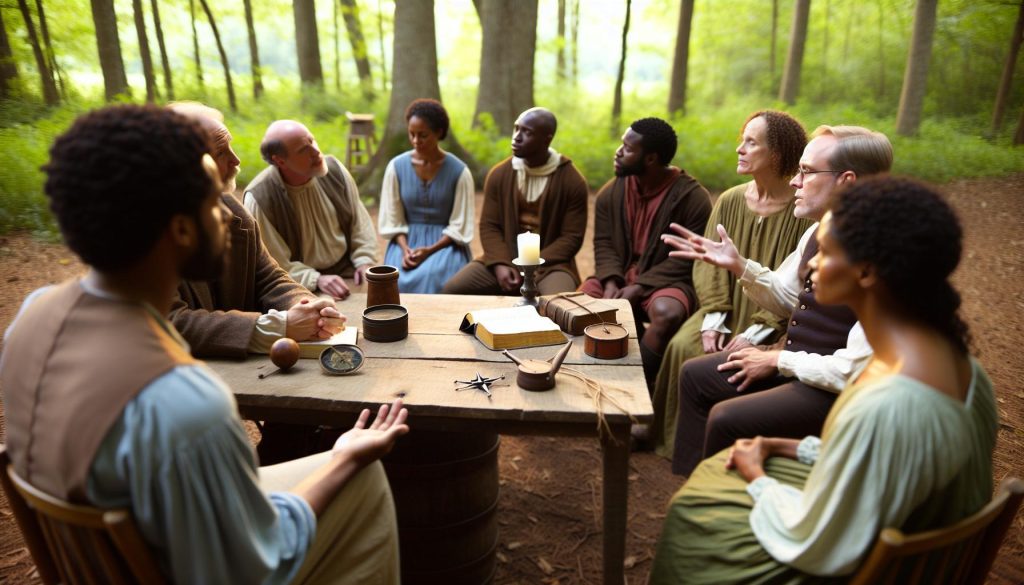
In the enchanting world of “Outlander,” where time-traveling escapades intertwine with rich historical narratives, the question of faith emerges as a profound undercurrent. Exploring how characters navigate love, loss, and moral dilemmas invites us to consider our own spiritual journeys within popular culture. Can the trials faced by Claire and Jamie teach us about trust, resilience, and God’s presence in our everyday lives? As we delve into this captivating saga, we will uncover the threads of faith woven throughout the story, offering insights that resonate with our hearts and encourage deeper reflection. Join us in this exploration to find connections between faith and the vibrant tapestry of human experience portrayed in “Outlander,” and discover how these themes speak to our struggles and triumphs today.
Contents
- 1 Did Faith Live in Outlander? Exploring Spiritual Themes in Literature
- 2 The Role of Faith in Outlander’s Narrative Structure
- 3 Exploring Religious Symbolism in Outlander Characters
- 4 How Outlander Reflects Christian Values and Morality
- 5 Interpreting Biblical References in Outlander
- 6 Faith Journeys: Claire and Jamie’s Spiritual Growth
- 7 Cultural Context: Faith in 18th Century Scotland
- 8 Lessons on Faith and Resilience from Outlander
- 9 The Influence of Faith on Relationships in Outlander
- 10 Viewer Reception: Faith Themes Among Fans
- 11 Outlander and Contemporary Spirituality: Bridging the Gap
- 12 Recommendations for Further Reading on Faith in Popular Culture
- 13 FAQ
- 14 The Conclusion
Did Faith Live in Outlander? Exploring Spiritual Themes in Literature
In the complex tapestry of storytelling that defines Outlander, faith emerges as a pivotal theme, intricately woven into the characters’ journeys and the historical backdrop of 18th-century Scotland. The narrative not only embraces the trials and tribulations of its protagonists, Claire and Jamie, but also serves as a reflection of deeper spiritual questions that resonate with many believers today. The struggles they face-whether in love, loss, or survival-echo the timeless journey of faith, where hope often interlaces with despair.
Understanding the role of faith in Outlander provides rich material for reflection on our personal spiritual lives. Claire’s resilience in the face of adversity is emblematic of the steadfastness we aspire to cultivate in our own faith journeys. Just as she navigates the tumultuous landscape of her experiences, readers and viewers are invited to consider how their faith influences their responses to challenges. With every character arc, the series offers valuable lessons on trust, grace, and the pursuit of purpose amidst chaos.
The historical context of faith within Outlander is equally compelling. The characters are often positioned at the crossroads of traditional belief systems and the evolving ideals of humanity. This struggle mirrors our contemporary challenges, as we seek to balance faith with the demands of modern life. Engaging with these themes enhances our understanding of what it means to live a life rooted in Christian principles while navigating a world that often tests our convictions.
As we explore the spiritual dimensions of this captivating narrative, it serves as a powerful reminder that faith is rarely a linear journey. Instead, it is often filled with twists and turns, requiring us to remain anchored in the hope that transcends our circumstances. Whether through prayer, community, or reflection on scriptural teachings, Outlander encourages us to deepen our understanding of faith and its profound impact on our lives and relationships.
The Role of Faith in Outlander’s Narrative Structure
In a narrative as rich and textured as Outlander, the thread of faith serves not just as a backdrop but as a driving force that influences character arcs and challenges moral dilemmas. The significance of faith manifests through pivotal moments, shaping the decisions and destinies of Claire and Jamie as they navigate the tumultuous 18th-century Scottish landscape. Their experiences echo broader spiritual inquiries, allowing viewers to ponder the role of belief in their own lives.
The structure of Outlander intertwines the protagonists’ personal struggles with larger existential questions, highlighting how individual faith journeys can reflect and defy societal expectations. For instance, Claire’s unwavering determination amidst uncertainty illustrates a modern interpretation of faith-that it isn’t merely about adherence to doctrine but about resilience, hope, and love in the face of adversity. Each time Claire clings to her belief in a better future, viewers witness a profound testament to the power of faith as it intertwines with human emotion and actions.
Furthermore, the narrative invites viewers to witness how characters wrestle with faith during moments of crisis-an essential aspect of their development. In these struggles, Outlander presents faith as a multifaceted construct: it can be a source of immense strength or a point of contention. Characters often confront their beliefs, leading to moments of doubt and revelation that enrich their personal stories while simultaneously resonating with the audience, who may find parallels in their own spiritual journeys.
Ultimately, the exploration of faith within Outlander encourages a deep reflection on what it means to believe. It compels audiences to consider how personal convictions shape their responses to life’s trials. In this way, Outlander not only entertains but also fosters a space for contemplation, reminding us that faith, much like life, is a journey filled with deep trials, unforeseen blessings, and profound transformations. Through powerful storytelling, it challenges us to seek authenticity in our spiritual lives, reinforcing that faith is an ongoing dialogue between our beliefs and experiences.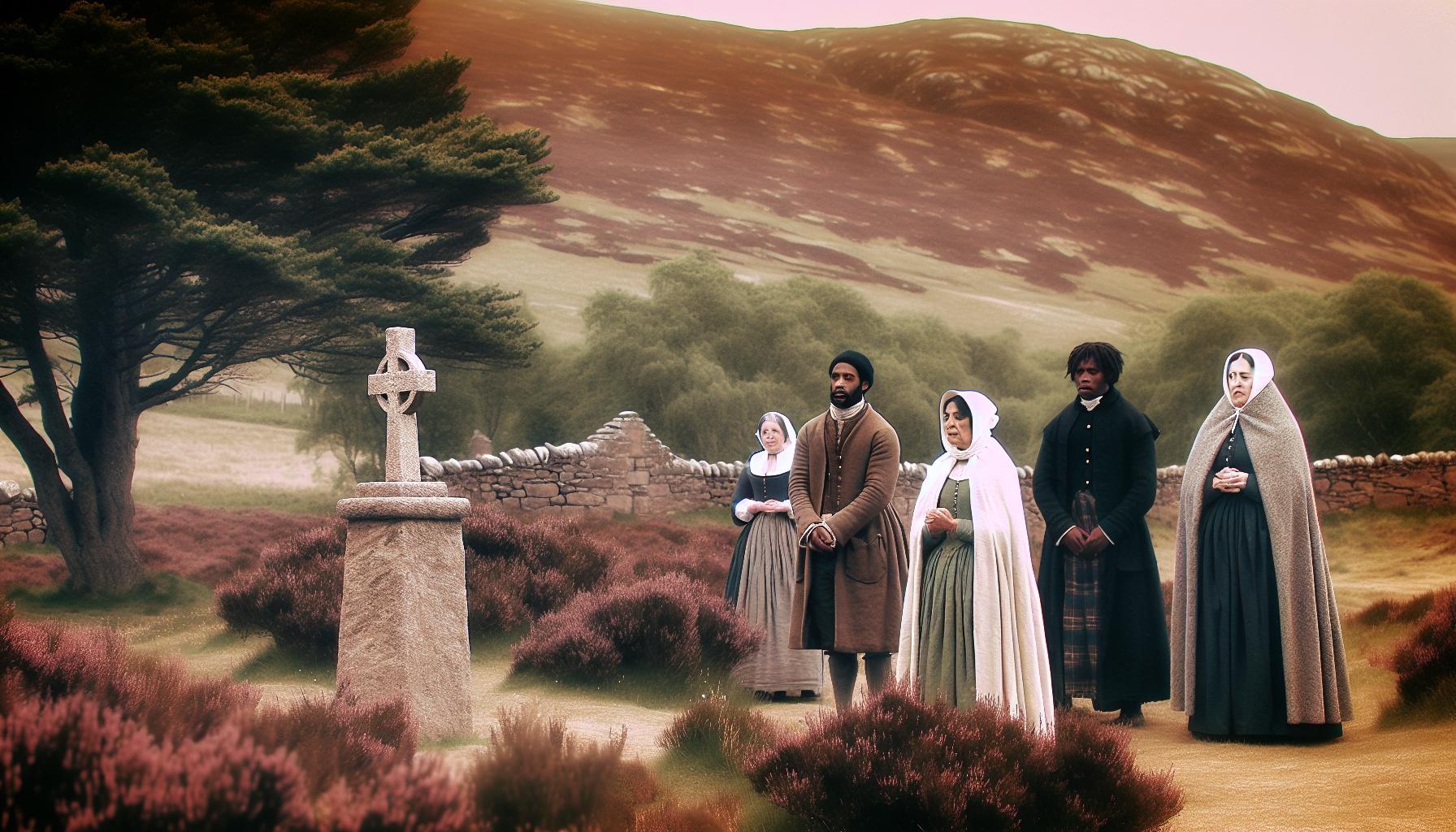
Exploring Religious Symbolism in Outlander Characters
Characters in Outlander embody a rich tapestry of religious symbolism that enhances their narratives and reflects faith’s complexities in human experience. This symbolism can often be found in the trials and tribulations they face, illustrating how belief and doubt coexist, much like in our own spiritual journeys. For instance, Claire Beauchamp’s character often represents the struggle between reason and faith; her scientific background challenges traditional beliefs, yet she also finds herself turning to faith in moments of desperation. This dynamic creates a deeper understanding of how modern audiences relate to the themes of doubt and the search for meaning.
Another notable character is Jamie Fraser, whose unwavering loyalty and resilience encapsulate the idea of steadfast faith in the face of adversity. Throughout his journey, Jamie’s experiences highlight the notion of sacrificial love, akin to biblical narratives that emphasize the importance of love as an act of faith. His journey is a testament to how faith can shape one’s identity and community; he becomes a pillar of strength for those around him, mirroring the call for believers to support one another as the body of Christ.
The symbolism extends further with the inclusion of historical figures and events woven throughout the storyline, often serving as allegories for redemption and moral dilemmas. The hardships faced by characters like Murtagh, who embodies loyalty and sacrifice, resonate with biblical figures such as David or Paul, showcasing that spiritual courage can manifest through everyday decisions and tribulations. These connections underscore the biblical principle of striving for righteousness even amidst surrounding chaos.
As you navigate your own faith journey, consider how Outlander reflects these universal truths. Each character’s struggle with their beliefs invites viewers to reflect on their values and the choices they make. Engaging with these narratives can encourage deeper conversations about your own spiritual practices, whether it’s prayer, community engagement, or scriptural study. In a world that often feels chaotic, the rich symbolism found in characters like Claire and Jamie reminds us that faith is a dynamic journey-filled with challenges, triumphs, and the ongoing search for divine understanding.
How Outlander Reflects Christian Values and Morality
In the richly woven tapestry of *Outlander*, Christian values and morality serve as guiding threads that enhance the narrative’s emotional depth and philosophical complexity. Characters grapple with dilemmas that mirror biblical principles, allowing viewers to reflect on their own moral journeys. For instance, the concept of love-particularly sacrificial love-embodies the core of Christian teaching and is a recurring theme throughout the series. Jamie Fraser’s unwavering devotion to Claire, despite the myriad challenges they face, serves as a powerful exemplar of agape love, a cornerstone of Christian relationships. This aspect of love transcends mere romantic interest; it speaks to a commitment that encompasses sacrifice, loyalty, and faithfulness, reminding viewers of the call to serve one another in love.
Moreover, the moral choices that characters confront often evoke discussions about right and wrong, forgiveness, and redemption. Claire’s journey, marked by her struggle to balance her scientific skepticism with the spiritual realities she encounters, showcases the broader human experience of wrestling with faith and doubt. This duality underscores the notion that faith is not merely about unwavering belief but also about navigating the complexities of life with grace and courage. It suggests that moments of doubt or ethical quandaries can deepen one’s faith rather than diminish it, encouraging viewers to embrace their struggles as integral parts of their spiritual growth.
Key Themes of Christian Values in Outlander
- Faithfulness: Characters demonstrate loyalty and steadfastness, reflecting biblical teachings on commitment.
- Redemption: Many characters find paths to forgiveness and healing, underscoring the importance of grace.
- Sacrificial Love: The relationships in the series illustrate love that prioritizes others’ well-being, akin to Christ’s love for humanity.
- Struggle with Doubt: Characters’ conflicts often illustrate the faith journey, inviting viewers to contemplate their own beliefs.
In viewing *Outlander*, audiences are encouraged to engage with these themes personally. Reflecting on one’s own values in relation to the moral and ethical decisions faced by Claire and Jamie can be enlightening. Are there areas in your life where you feel called to show greater love or commitment? How do you navigate doubts in your faith? Such reflections can guide you in your spiritual practices, fostering a deeper understanding of Christian principles as they relate to contemporary challenges and relationships. Ultimately, *Outlander* serves not just as entertainment but also as a mirror reflecting our own struggles, aspirations, and values, encouraging a holistic approach to faith that embraces both the joys and trials of the human experience.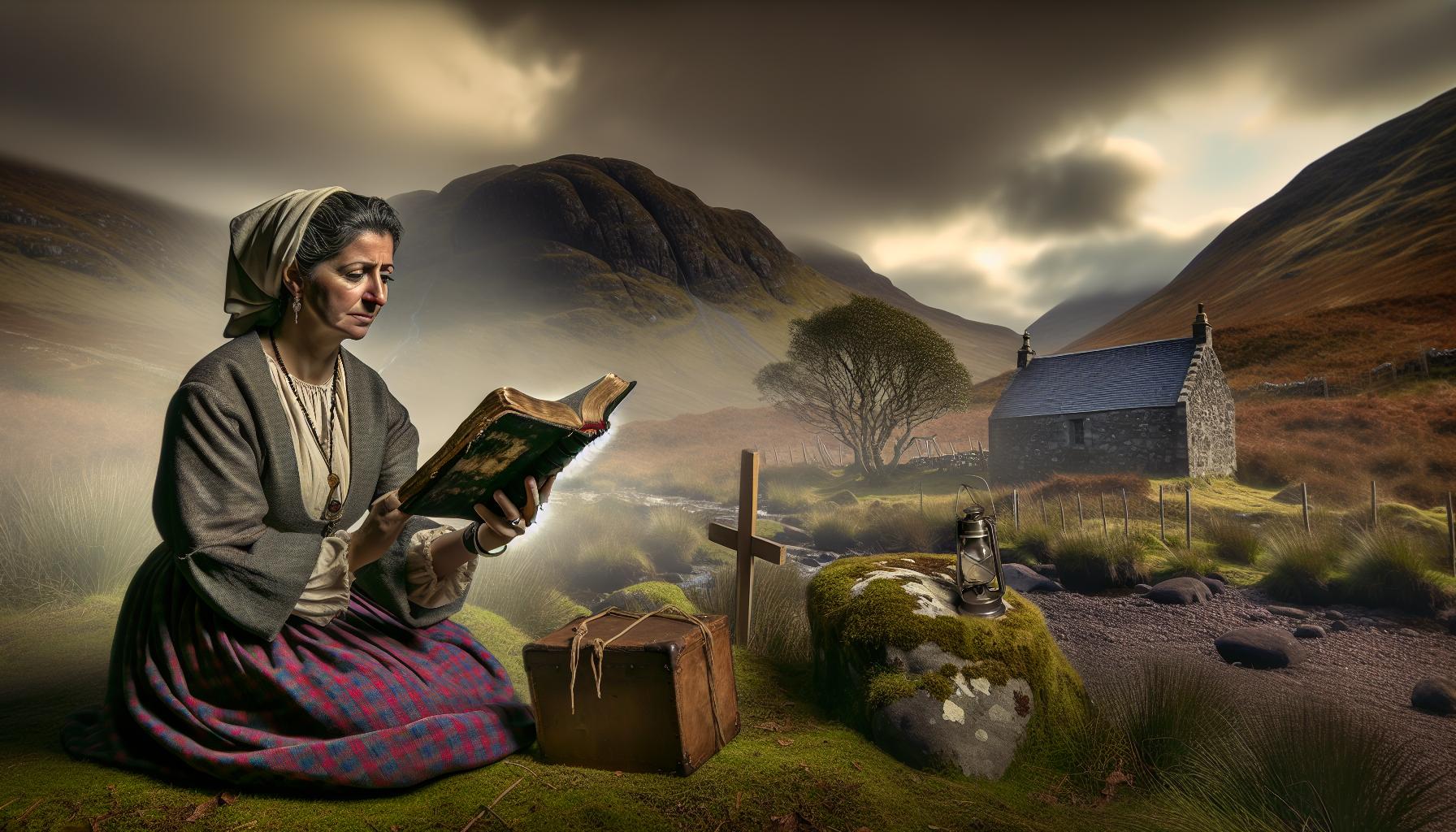
Interpreting Biblical References in Outlander
In the intricate narrative of Outlander, biblical references serve as significant underpinnings that enrich the story and deepen characters’ journeys. From the struggles of Claire and Jamie to moral dilemmas faced in the heat of battle, these allusions invite viewers to explore significant spiritual themes woven throughout the series. For instance, when characters grapple with questions about fate, sacrifice, and ultimate redemption, they often echo the stories and teachings found in scripture.
The character of Jamie Fraser often embodies the spirit of a biblical hero. His resilience in facing adversity mirrors figures like Job-enduring suffering while maintaining faith and integrity. For example, the way Jamie confronts the brutalities of his time, yet remains steadfast in his love and dedication, invites reflection on Romans 5:3-5, which speaks of rejoicing in suffering because it produces perseverance, character, and hope. This subtle mirroring of biblical narratives reinforces the idea that faith is an active journey characterized by both trials and triumphs.
Furthermore, Claire’s journey, often marked by her rational approach juxtaposed against the supernatural elements of her experiences, can be seen as an echo of Thomas’s doubt, as recorded in John 20:24-29. This dynamic interplay between faith and skepticism encourages viewers to examine their beliefs critically. Claire’s evolution reflects a complex relationship with faith that resonates with many; her development from doubt to a more profound understanding of the invisible forces at play parallels many contemporary spiritual journeys.
By interpreting these biblical references, fans of Outlander can glean insights that deepen their spiritual understanding. Engaging with these themes not only broadens the emotional and philosophical layers of the series but also encourages viewers to reflect on their personal faith experiences in light of these powerful narratives. As you watch, consider the messages of hope, redemption, and the tenacity of faith found throughout the story. What lessons can you draw from Jamie and Claire’s trials that may inform your own life and faith journey? Embrace these connections to enhance your understanding and appreciation of both the narrative and your spiritual walk.
Faith Journeys: Claire and Jamie’s Spiritual Growth
In the whirlwind of time travel and tumultuous historical events that shape Claire and Jamie’s lives, their spiritual growth forms a compelling aspect of their relationship and individual journeys. Claire Beauchamp, a 20th-century nurse who unexpectedly finds herself in 18th-century Scotland, grapples with the tension between her scientific background and the mystical elements of her new reality. Her initial skepticism is challenged as she confronts both the supernatural and the harsh realities of life in a volatile era. This journey reflects a broader truth: faith often emerges in the midst of uncertainty and questioning.
Similarly, Jamie Fraser embodies a faith journey rooted in resilience and moral conviction. Throughout the series, he navigates loss, betrayal, and the burdens of leadership, paralleling scriptural themes that highlight the strength found in trusting God through adversity. His commitment to family and community echoes the biblical call to serve and protect one another, reminding viewers of the communal aspects of faith that bind us together in love and support. This nurturing of faith is not merely a passive endeavor; it is an active engagement with the trials of life that fosters spiritual growth.
Real-life Applications of Claire and Jamie’s Journeys
For those seeking to grow in their faith, Claire and Jamie’s experiences offer several practical lessons:
- Embrace Doubt as Part of Faith: Claire’s journey encourages believers to acknowledge their doubts and questions without fear. This can lead to a more robust and authentic faith.
- Seek Guidance in Community: Both characters demonstrate the importance of surrounding oneself with supportive individuals. Engaging with a faith community can provide the encouragement needed to navigate life’s challenges.
- Find Strength in Adversity: Jamie’s resilience serves as a reminder that hardships can be opportunities for growth. James 1:2-4 teaches us to count trials as joy because they produce steadfastness.
- Practice Daily Reflection: Claire’s evolution includes moments of introspection. Regular reflection through prayer and meditation can help deepen one’s relationship with God.
As viewers journey with Claire and Jamie, they witness how faith can blossom amidst doubts and trials, encouraging a unique dialogue about their spiritual paths. Just as Claire and Jamie navigate their tumultuous world, readers are invited to consider their faith journeys-embracing both the challenges and the triumphs as integral to the tapestry of belief, ultimately leading them closer to their understanding of God’s presence in their lives. Through both characters, we see that spiritual growth is a continuous process of learning, exploring, and thriving amidst life’s unpredictable waters.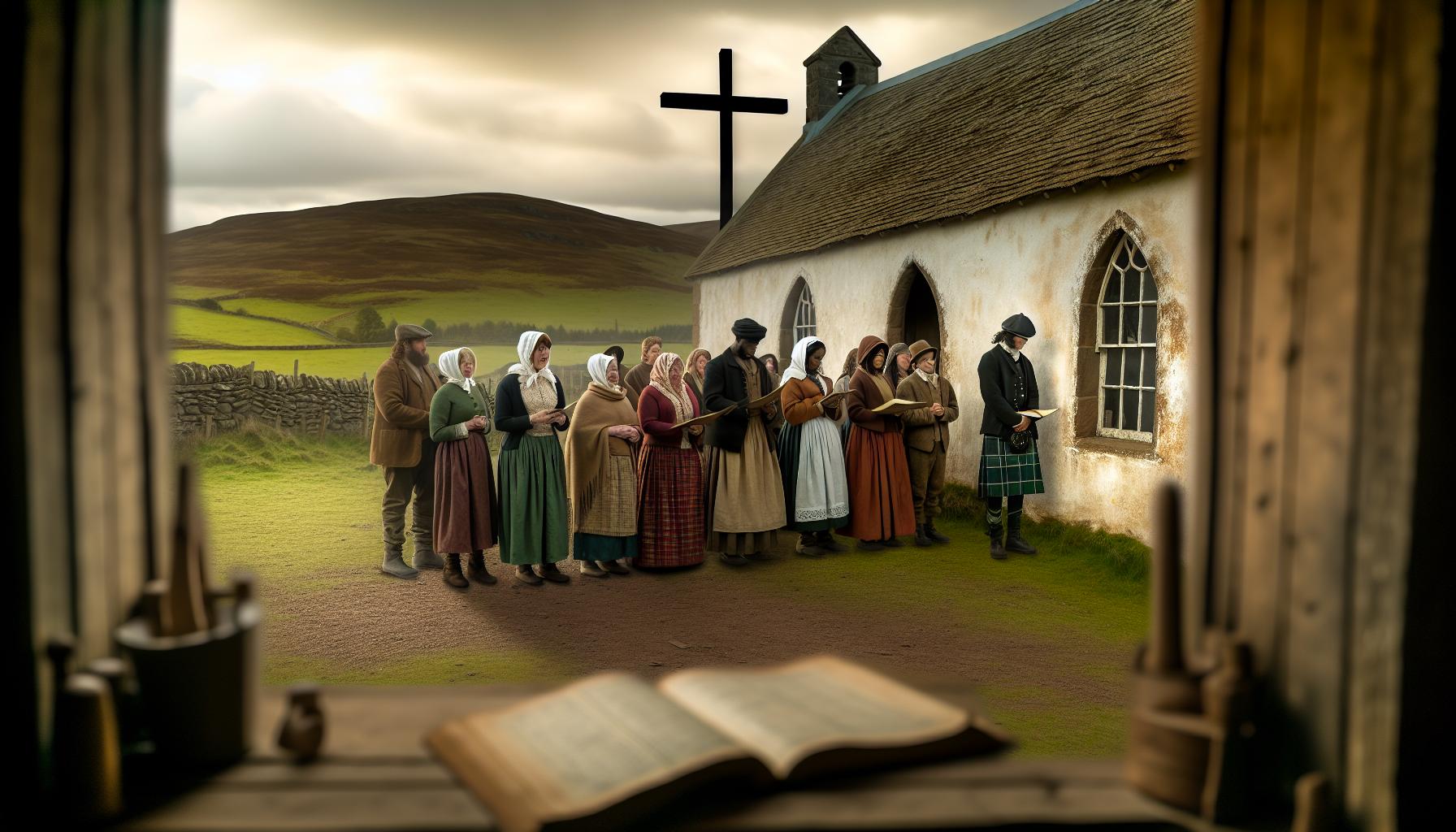
Cultural Context: Faith in 18th Century Scotland
In the 18th century, Scotland was a land of profound contrasts, where the mystical and the mundane intertwined fluidly, shaping the spiritual landscape experienced by the characters in Outlander. During this time, faith was not just a personal journey; it was integral to community life and the social fabric of Scottish society. The prominence of Christianity, particularly in the form of Presbyterianism, influenced everything from daily rituals to crucial life events, instilling a deep sense of moral obligation and collective kinship among the people.
Many Scots held tightly to their faith as a source of strength amid political turmoil and social upheaval. The Jacobite uprisings, which sought to restore the Stuart monarchy, were steeped in a religious context, often framed as holy wars. This pervasive spirituality is observed in Outlander, where characters exhibit deep faith, seeking divine guidance through tumultuous times. The struggles faced by figures like Jamie and Claire echo the real-life battles of Scots who harnessed their beliefs to find resilience amidst adversity. Faith during this era often served as a beacon of hope, inviting believers to participate actively in God’s plan despite uncertainty and turmoil.
Moreover, the notion of providence was pivotal in shaping individual and communal identities. People believed that their fates were influenced by God’s will, which instilled a profound sense of purpose and duty. Characters in Outlander grapple with this theological notion-trying to discern their roles within a divinely orchestrated narrative. Claire’s medical knowledge often clashes with the superstitions prevalent at the time, prompting viewers to reflect on how science and faith can coexist. The dialogue between these perspectives invites audiences to examine their own beliefs in light of contemporary challenges, promoting an understanding that faith can adapt and grow through various life experiences.
The spiritual practices of 18th-century Scots also shed light on the broader context of faith showcased in Outlander. Prayer, communal worship, and biblical readings were common, forming the backbone of social interaction and spiritual growth. Characters often find solace and guidance through prayer, reminding viewers that faith is a communal journey intertwined with personal experiences. This rich tapestry of belief invites modern readers to consider how these historical contexts can inform their current faith journeys and relationships, encouraging a deeper exploration of their spiritual paths and the communities that support them.
Ultimately, the exploration of faith in Outlander reflects the enduring strength of belief systems that have been shaped over centuries. By understanding the cultural context of faith in 18th-century Scotland, viewers can appreciate how these historical elements weave into the characters’ journeys, fostering resilience and a sense of purpose amid life’s inevitable trials. Embracing this knowledge can inspire contemporary believers to seek a deeper, more resilient relationship with their faith, while also recognizing the communal aspects that enhance spiritual growth and support.
Lessons on Faith and Resilience from Outlander
In the sweeping narrative of Outlander, the characters face a multitude of challenges that test their faith and resilience. This long-standing struggle not only reflects their individual journeys but also provides powerful lessons for contemporary believers navigating their own life obstacles. One of the most compelling aspects is how Jamie and Claire embody the notion of finding strength in faith amid external turmoil. Their experiences remind us that, just as they sought solace and guidance in their beliefs, we too can lean on God for support during our trials.
Faith in Outlander often manifests through both personal and communal practices, illustrating its multifaceted nature. Prayer serves as a lifeline for characters like Claire and Jamie; it is during moments of despair or uncertainty that they turn to God, finding a sense of peace that transcends their immediate problems. This aligns with biblical instruction found in Philippians 4:6-7, which encourages believers to present their requests to God in prayer, promising peace that guards our hearts and minds. By mirroring this practice, we can cultivate a deeper sense of calm and assurance in our own lives.
Moreover, the series highlights the importance of resilience, encouraging us to rely not just on our strength but also on the support of our community. The bonds formed between characters showcase the necessity of fellowship in faith; they aid each other through hardship, fostering a network of encouragement and shared belief. Ecclesiastes 4:9-10 reminds us that “two are better than one,” emphasizing that in isolation we can falter, but with support, we are far stronger. By engaging actively in our faith communities, whether through church groups or friendship circles, we reinforce the foundation that helps us endure.
As we reflect on the depiction of faith and resilience in Outlander, it becomes clear that these themes offer rich insights that can inspire our spiritual journeys. By remembering to pray, seeking community support, and allowing our faith to deepen through trials, we can navigate our contemporary challenges much like Jamie and Claire did in their turbulent world. Embracing these lessons encourages us to focus on our resolve in faith, fortifying our spirits as we participate in life’s unfolding narrative.
The Influence of Faith on Relationships in Outlander
In the intricate tapestry of relationships portrayed in *Outlander*, faith serves as both a foundation and a guiding light, shaping the bonds between characters in profound ways. As Jamie and Claire navigate the trials of love, war, and personal loss, it becomes clear that their spiritual convictions influence not just their individual paths but also their life together. This powerful intertwining of faith and relationships offers valuable insights into how belief can strengthen connections and foster resilience in believers today.
For Jamie and Claire, their shared faith journey is highlighted in the moments when they turn to God in despair. Prayer acts as a critical connector, providing them solace when facing life’s uncertainties. This is demonstrated during times of separation or distress, where their communion with God reinforces their commitment to one another and underlines the biblical principle found in James 5:16, which encourages believers to “pray for one another.” By lifting each other up in prayer, they cultivate a foundation of mutual support and understanding, reminding us that our relationships thrive when nurtured through spiritual practice.
Faith as a Catalyst for Healing
Moreover, faith in *Outlander* often acts as a catalyst for healing within their relationship. Characters grapple with personal traumas that leave emotional scars, yet it is through their unwavering belief that they find pathways to recovery. This resonates with Romans 12:12, which urges us to “be joyful in hope, patient in affliction, and faithful in prayer.” Jamie’s and Claire’s willingness to lean on their faith during moments of pain demonstrates the importance of vulnerability and trust in relationships. Their experiences illustrate that acknowledging spiritual struggles can lead to deeper intimacy, as they journey together toward healing.
As we look at the broader themes of community and fellowship in the series, we also see how faith expands beyond Jamie and Claire to include their wider circle of friends and family. The support that characters provide each other exemplifies the essence of Christian community, as outlined in Hebrews 10:24-25, which calls believers to “consider how we may spur one another on toward love and good deeds.” Whether through shared prayers, communal rituals, or simple acts of kindness, the relationships in *Outlander* serve as a poignant reminder that faith can enhance our connections with others, encouraging us to actively contribute to each other’s spiritual growth.
Ultimately, the influence of faith on relationships within *Outlander* highlights the critical role that belief plays in fostering resilience and connection. As we navigate our own relationships, we can take inspiration from Jamie and Claire, remembering that cultivating a spirit of prayer, healing, and community not only strengthens our bonds but also deepens our understanding of God’s love working through us. By prioritizing these spiritual practices, we can enhance our relationships, offering support and encouragement while fortifying our collective faith journeys in a world that constantly challenges our beliefs.
Viewer Reception: Faith Themes Among Fans
Among fans of Outlander, the faith themes woven throughout the series resonate deeply, serving as a source of inspiration and reflection on personal belief. Many viewers appreciate how the show’s creators have incorporated spiritual elements that speak to the complexity of faith in the face of adversity and change. This connection invites fans to engage in discussions about how their own spiritual journeys parallel those experienced by Jamie and Claire, sparking both affection for the characters and introspection on personal conviction.
The way Outlander depicts prayer and faith reminds viewers of its importance in navigating life’s challenges. As fans bond over these themes, they often share personal stories of how faith has been a guiding force during difficult periods. This shared narrative fosters community, allowing individuals to connect through their understanding of faith as a source of strength. Elements from the story, such as Claire’s and Jamie’s heartfelt prayers during moments of crisis, further emphasize the recognition of faith as a pillar of hope, reminding fans that they are not alone in their struggles.
Moreover, fans have taken to social media platforms to express their delight in seeing a nuanced portrayal of spirituality that goes beyond simple caricatures. They appreciate that Outlander doesn’t shy away from exploring the gritty realities of faith, including doubt, healing, and redemption. For many, the series serves as a catalyst for discussions on broader theological concepts and how they manifest in contemporary life. This engagement highlights the show’s ability to bridge the gap between historical struggles and modern spiritual exploration, prompting fans to evaluate their beliefs through a biblical lens.
In this way, the reception of faith themes in Outlander not only illuminates personal growth but also encourages a collective journey toward understanding the intricate dance between love, spirituality, and relational resilience. Fans are inspired to deepen their prayer lives, engage in communal worship, and actively explore their beliefs, demonstrating how the series acts as a powerful reminder of the enduring relevance of faith in our journeys today.
Outlander and Contemporary Spirituality: Bridging the Gap
Navigating the complexities of faith in contemporary society can often feel overwhelming, yet the narratives woven through popular culture can act as guides and touchstones. The series Outlander, rich with themes of resilience, love, and spiritual seeking, resonates with viewers not just as entertainment, but as a reflection of their own life experiences. Characters such as Claire and Jamie embody a struggle for understanding and connection amid tumultuous times, mirroring the search for divine presence that many embark upon today.
As viewers immerse themselves in the intricate lives of these characters, they witness a profound exploration of spirituality that encourages personal reflection. The series demonstrates how faith can be both a source of strength and a complex challenge. When faced with trials, the heartfelt prayers and struggles of the characters serve as reminders of the importance of faith in navigating life’s ups and downs. This portrayal encourages viewers to assess their own relationships with God, prompting them to consider how they might seek divine guidance and support in their daily lives.
Moreover, Outlander reflects the timeless nature of faith, demonstrating that spiritual journeys are universal, transcending time and cultural barriers. Characters often confront their doubts and fears, making their spiritual wrestlings relatable for modern audiences. Engaging with these narratives provides a safe space for viewers to examine their own faith-whether through seeking a deeper understanding of prayer, engaging in thoughtful Bible study, or participating in community worship. As Jamie and Claire navigate their love and struggles, they also model the importance of faith as a foundation for relationships, reminding viewers about the transformative power of love rooted in spiritual commitment.
Ultimately, Outlander not only entertains but cultivates an environment where faith can be discussed openly, fostering a sense of community among viewers. This shared experience encourages individuals to delve into their own journey of spiritual discovery-be it through prayer life, devotionals, or discussions about morality and ethics rooted in their faith. As fans find themselves inspired by the show, they are reminded that their stories are intertwined with the greater tapestry of human experience, one in which faith remains a constant source of hope and healing.
Recommendations for Further Reading on Faith in Popular Culture
Exploring faith within popular culture not only enriches our understanding of narratives like Outlander, but also provides valuable insights into our personal spiritual journeys. There is a wealth of literature that delves into these themes, and engaging with these resources can enhance your appreciation of how faith is portrayed in various media.
One excellent starting point is The Bible Through the Lens of Popular Culture by Chris Seay. This book examines how contemporary narratives in films and television reflect biblical themes, helping readers see connections between scripture and modern storytelling. Similarly, Faith in the Shadows: A Follower’s Guide to Navigating Culture by A.J. Jacobs provides practical wisdom on maintaining faith amidst the complexities of contemporary life, resonating well with the struggles faced by characters like Claire and Jamie.
For those interested in exploring the intersection of faith and storytelling more deeply, The Secret Life of Prayers: Indispensable Conversations by Claire E. B. M. Edwards is a rich resource. It offers a compelling exploration of how prayer informs our everyday lives, much like the characters in Outlander draw on their faith during pivotal moments. Furthermore, examining devotional literature such as Everyday Faith: Daily Challenges for an Everyday World could inspire you on your spiritual journey, as it applies biblical truths to the struggles we face daily.
To enhance your understanding of how faith can shape relationships, Sacred Marriage: What If God Designed Marriage to Make Us Holy More Than to Make Us Happy? by Gary Thomas is a transformative read. It challenges couples to view their marriage as a spiritual journey, mirroring the complexities of Jamie and Claire’s relationship. Additionally, Parenting with Faith: Nurturing the Spirit in Your Children offers guidance for raising children in a faith-centered environment, reflecting the resilience and values drawn from the characters of Outlander.
Ultimately, these readings not only provide a deeper comprehension of faith in popular culture but also serve as tools for personal spiritual development. As you explore these texts, reflect on how the messages resonate with your life, encouraging you to seek a more profound connection with God amidst the narratives that shape our world.
FAQ
Q: What role does faith play in the character development of Claire and Jamie in Outlander?
A: Faith significantly shapes Claire and Jamie’s character arcs, embodying their moral dilemmas and personal growth throughout the series. Their journeys reflect struggles with trust and resilience, highlighting how their beliefs influence their decisions in crisis and relationship contexts. For more on their spiritual growth, see the section “Faith Journeys: Claire and Jamie’s Spiritual Growth.”
Q: How does Outlander portray the concept of faith in a historical context?
A: Outlander depicts faith as a pivotal element in 18th-century Scotland, showcasing its influence on societal norms and personal relationships. Characters navigate their beliefs within a tumultuous historical backdrop, allowing for a rich exploration of spiritual dynamics during this era. Check “Cultural Context: Faith in 18th Century Scotland” for deeper insights.
Q: Are there specific biblical themes reflected in Outlander?
A: Yes, Outlander incorporates numerous biblical themes, such as sacrifice, redemption, and divine providence. These themes resonate through character decisions and their underlying motivations, offering viewers a layered understanding of the narrative’s spiritual dimensions. To explore this further, visit “Interpreting Biblical References in Outlander.”
Q: What insights about resilience can be drawn from Outlander’s portrayal of faith?
A: The series exemplifies resilience through faith-driven choices, showcasing how characters endure challenges and seek hope amidst despair. This resilience is often portrayed as a foundational strength that aids characters in overcoming personal and external conflicts. For more lessons on faith and resilience, check the relevant section of our article.
Q: How do fan discussions reveal the impact of faith themes in Outlander?
A: Fan discussions often highlight how faith themes resonate with audiences, providing a community for sharing interpretations and personal connections. This engagement reflects diverse perspectives on spirituality and character motivations, enriching the overall viewing experience. See “Viewer Reception: Faith Themes Among Fans” for additional context.
Q: In what ways does Outlander serve as a bridge between contemporary spirituality and historical faith practices?
A: Outlander connects contemporary spiritual dilemmas with historical faith practices, prompting discussions about belief and morality today. Characters’ struggles with faith encourage viewers to reflect on their beliefs in a modern context, making the series relevant across different time frames. Refer to “Outlander and Contemporary Spirituality: Bridging the Gap” for more insights.
Q: What literary devices does Outlander use to explore themes of faith?
A: Outlander uses symbolism, foreshadowing, and character arcs to explore faith. These devices enhance the narrative’s depth, allowing themes of belief and morality to unfold organically throughout the storyline. For a detailed analysis, read “Exploring Religious Symbolism in Outlander Characters.”
Q: How can viewers apply the lessons of faith from Outlander to their daily lives?
A: Viewers can apply the lessons of faith from Outlander by reflecting on their personal beliefs, nurturing resilience, and embracing hope in challenging times. The series encourages introspection and can inspire viewers to practice faith actively in their own life contexts, promoting spiritual growth.
The Conclusion
As we conclude our exploration of “Did Faith Live in Outlander? Finding God in Popular Culture,” we hope you’ve uncovered the profound ways faith interweaves with our favorite stories. Remember, your spiritual journey can be enriched when we view popular culture through a lens of faith. If you’re eager to deepen this connection, consider diving into our articles on prayer life and Bible study, or our resource guides for Christian marriage and parenting.
Don’t let this conversation end here! Join our community by signing up for our newsletter for regular insights and uplifting content that can nurture your faith. Share your thoughts in the comments below; we’d love to hear how Outlander has impacted your spiritual journey. Together, we can continue to explore how biblical principles resonate in the narratives we cherish. Let’s keep this dialogue alive and seek guidance in every chapter of both scripture and storytelling!


![Devoted Health Provider Portal: [Not applicable for Christian content]](https://christiancitychurch.eu/wp-content/uploads/2025/09/7285-devoted-health-provider-portal-not-applicable-for-christian-content-300x171.jpg)