Have you ever wondered about the diverse beliefs that shape our world? Understanding whether Hinduism can be classified as a monotheistic faith invites deeper exploration of morality, spirituality, and the nature of God. Unlike many religions, Hinduism presents a rich tapestry of beliefs, recognizing the divine as both singular and plural. This complexity challenges conventional definitions and can significantly impact interfaith dialogues. As you embark on this examination, you’ll discover insights that not only enhance your comprehension of Hinduism but also enrich your own spiritual journey. Let’s dive deeper into the intriguing question: Is Hinduism a monotheistic faith, and what does that mean for the broader landscape of world religions?
Contents
- 1 Is Hinduism a Monotheistic Faith?
- 2 Understanding Monotheism vs. Polytheism in Religion
- 3 Key Concepts of God in Hindu Beliefs
- 4 The Role of Brahman in Hindu Theology
- 5 Diverse Deities: Understanding Hindu Gods and Goddesses
- 6 Comparative Analysis: Hinduism and Abrahamic Religions
- 7 The Importance of Personal Experience in Hindu Worship
- 8 Limitations of Labeling Hinduism as Monotheistic
- 9 The Historical Context of Hindu Beliefs About God
- 10 Interfaith Perspectives: Engaging with Monotheism
- 11 Modern Views on Hinduism and Divine Unity
- 12 Exploring Philosophical Schools Within Hinduism
- 13 Q&A
- 14 In Retrospect
Is Hinduism a Monotheistic Faith?
Hinduism presents a rich tapestry of beliefs that intertwine elements of both monotheism and polytheism, leading many to ponder its classification as a monotheistic faith. At its core, Hinduism acknowledges the existence of one ultimate reality, known as Brahman, which is considered indefinable and transcends all forms. This concept aligns with monotheistic views in that Brahman is the singular source and essence of all existence. However, this belief is often complemented by the worship of numerous deities, each representing various aspects of life, nature, or virtues, which introduces a polytheistic element.
In Hindu theology, the divine is not limited to a single entity; rather, it is expressed through a multitude of gods and goddesses-such as Vishnu, Shiva, and Durga-each embodying different attributes and powers. Devotees may choose to focus their worship on a particular deity, but this does not negate the existence of Brahman as the ultimate reality. Thus, while Hindu worship may often seem polytheistic from the outside, it is fundamentally rooted in a monotheistic framework that recognizes all deities as manifestations of the one universal spirit.
The concept of personal experience in Hindu worship further complicates the classification. Many Hindus engage with their chosen deities in a deeply personal manner, fostering a direct connection that can be both intimate and unique. This emphasis on individual experience reflects an understanding of the divine that is fluid and adaptable, allowing for a variety of interpretations that may not fit neatly within rigid categories of monotheism or polytheism. Consequently, labeling Hinduism solely as a monotheistic faith overlooks the rich diversity and complexity of its practice and beliefs, illustrating the challenge of fitting this ancient tradition into modern definitions of religious categories.
Understanding Monotheism vs. Polytheism in Religion
Understanding the dynamics of monotheism and polytheism is essential when exploring the nature of Hinduism and its classification as a faith. At its core, monotheism is the belief in a single, all-powerful deity, while polytheism encompasses the worship of multiple gods and goddesses, each often associated with various aspects of life and the universe. Hinduism intriguingly navigates both realms, allowing for a rich and diverse spiritual landscape that invites deeper contemplation.
For many practitioners, the concept of a singular divine essence is crystallized in the understanding of Brahman, the ultimate reality that transcends all forms and attributes. This perspective introduces a monotheistic element, as Brahman is seen as the source and foundation of all existence. Yet, the religious experience of Hindus often involves engaging with a pantheon of deities like Vishnu, Shiva, and Durga, each representing specific qualities and serving various needs within the lives of devotees. This personal connection with individual gods reflects a polytheistic practice that does not contradict the acknowledgment of Brahman but rather complements it by providing a relatable approach to the divine.
In practical terms, understanding this dual nature can enrich one’s spiritual journey. When believers approach divine worship, focusing on particular aspects of the divine through chosen deities can offer intimate pathways to experience the universal spirit. Engaging with these representations can foster a more personal relationship with the divine, enhancing one’s prayer life, devotionals, and communal practices. Just as Christians find distinct ways to express their faith, such as through personal prayer or communal worship, Hindus navigate their spirituality through various forms and expressions, which can include rituals, festivals, and personal recitations.
The critical takeaway is that Hinduism’s fluid approach provides a robust framework for understanding the divine that embraces both monotheistic and polytheistic dimensions. This complexity can invite curiosity and deeper exploration, encouraging individuals to reflect on their beliefs and experiences. Ultimately, this nuanced understanding fosters a more inclusive perspective on spirituality that resonates with the variety of faith journeys present in our increasingly interconnected world.
Key Concepts of God in Hindu Beliefs
Hindu beliefs offer an intricate tapestry of concepts regarding the divine, weaving together ideas of unity and diversity. At the heart of this belief system lies Brahman, the ultimate reality that transcends all forms and attributes. Brahman is not merely one deity among many; instead, it is the collective essence of existence itself, the source from which all things arise. This perspective aligns with monotheistic ideas, suggesting that all deities in Hinduism are manifestations or reflections of this singular ultimate truth.
Understanding Brahman and Its Manifestations
Brahman is often described as formless, infinite, and beyond human comprehension. This concept may resonate deeply for individuals seeking a relationship with a higher power, providing a reminder that God exists beyond the limitations of our understanding. In contrast, the deities of Hinduism-such as Vishnu, Shiva, and Devi-serve as accessible representations of this divine essence. These gods embody specific attributes and powers, offering devotees various pathways to connect with the divine. Such connections can be profoundly personal, helping individuals to find healing, guidance, and strength in their spiritual journeys.
Integrating Personal Spiritual Practice
Devotion to these individual deities can foster a rich and dynamic worship experience. For example, during specific festivals dedicated to gods like Ganesh or Lakshmi, devotees often engage in prayer, rituals, and offerings that enhance their personal spirituality. It is not uncommon to find Hindu households adorned with altars featuring idols of multiple deities, reflecting the belief that worshiping these forms can aid practitioners in their quests for spirituality and understanding.
This multi-faceted approach to the divine not only enriches the individual’s faith experience but also provides a form of communal worship that underscores the importance of community in the Hindu faith. Just as Christians may gather in fellowship to explore scripture or engage in praise, Hindus connect through rituals, festivals, and prayers, illustrating that the divine can be understood and experienced in myriad ways.
The Bigger Picture
Engaging with these concepts offers a distinct perspective on divinity, inviting believers to reflect on their spiritual practices and the nature of their relationship with God. While Hinduism embodies both monotheistic and polytheistic dimensions, it emphasizes personal experience and devotion, reflecting the diverse ways humanity seeks to understand and relate to the divine. This understanding can inspire individuals from all faiths-whether exploring Hinduism or Christianity-to appreciate the rich tapestry of beliefs that connect humanity in its quest for meaning and purpose.
The Role of Brahman in Hindu Theology
Brahman represents the ultimate reality in Hindu theology, serving as a foundational concept that both unifies and enriches the understanding of divinity within the faith. Unlike conventional perceptions of God in many monotheistic religions, Brahman is formless, infinite, and beyond human comprehension. This essence encapsulates not only the creation of the universe but also the underlying unity of all existence. For those on spiritual journeys, Brahman can embody a profound sense of connection to everything that exists, reinforcing the idea that the divine is not confined to individual deities but is a comprehensive essence pervading all of creation.
In Hindu thought, Brahman manifests in various forms, with multiple deities such as Vishnu, Shiva, and Devi serving as personal representations of this singular ultimate truth. These deities, while distinct in their attributes and powers, are understood as different expressions of Brahman, allowing practitioners to approach the divine in a manner that resonates with their personal experiences and needs. This multifaceted nature of Brahman fosters a dynamic relationship between worshippers and the divine, illustrated by the diverse rituals, festivals, and prayers that characterize Hindu practice. Each deity provides a pathway for devotees to engage with the sacred, facilitating healing, guidance, and enrichment of their spiritual lives.
The concept of Brahman encourages the exploration of one’s personal spiritual practice. Many Hindus incorporate the worship of multiple deities into their daily lives, creating a rich tapestry of spiritual expressions that ensure a deep connection to the divine. Much like personal prayer in Christianity, which can take various forms depending on individual circumstances, the diverse expressions of worship in Hinduism emphasize personal experience and the significance of community in pursuing spiritual growth. When Hindus gather for rituals or festivals, they strengthen communal bonds while encountering the divine through shared experiences.
By focusing on Brahman as the ultimate reality, Hinduism not only invites followers to explore the divine in its many forms but also challenges the rigid categorizations often imposed on religious experiences. Rather than strictly adhering to monotheism or polytheism, the emphasis on Brahman presents a unique perspective that inspires individuals from various backgrounds-be it Hindu or Christian-to reflect on their spiritual pathways. Ultimately, the understanding of Brahman can enhance one’s quest for meaning and connection with the divine, reminiscent of the holistic relationship many believers seek through their faith traditions.
Diverse Deities: Understanding Hindu Gods and Goddesses
In Hinduism, the understanding of the divine is enriched by a fascinating tapestry of gods and goddesses, each embodying different aspects of existence and the ultimate reality, Brahman. This multifaceted approach to divinity allows followers to engage with spirituality in ways that resonate personally, making it a deeply relational practice rather than a strict ritualistic one. Just as Christians find solace in various names and attributes of God, Hindus turn to a plethora of deities, each offering unique pathways to the divine.
Diversity of Deities
The pantheon of Hindu gods and goddesses is notably vast, with each deity serving as a representation of different facets of life, creation, and the universe. Important figures include:
- Vishnu: Often viewed as the preserver, Vishnu incarnates in various forms (avatars) to restore cosmic order.
- Shiva: The destroyer or transformer, known for his dual nature of asceticism and creation, representing the cycle of life and death.
- Devi: The Divine Mother, who takes on various forms (like Durga and Kali), embodying the fierce and nurturing aspects of femininity.
These deities exemplify how the divine can manifest in seemingly infinite ways. Each serves a specific purpose and offers followers guidance, blessings, and a means of connection through personal and communal rituals, prayers, and festivals.
Personal Experience in Worship
Hinduism encourages a personal relationship with the divine, similar to how Christians experience God’s presence through prayer or Scripture. Worship practices vary widely, accommodating individual preferences and needs. Devotees may choose to focus their worship around a particular deity that resonates with their life situation or spiritual journey. This emphasis on personal experience not only democratizes spirituality but also fosters a sense of community when devoted individuals come together to celebrate their shared beliefs and traditions.
The inclusion of numerous deities means that rather than seeing them as separate gods, Hindus view them as different expressions of the singular Brahman. This perspective presents a more holistic understanding of divinity-one that emphasizes unity in diversity. Consequently, labeling Hinduism strictly as monotheistic or polytheistic can be limiting, as the faith itself transcends these binary categorizations.
Theological Implications
By embracing the myriad forms of divinity, Hindus can explore a rich and complex theology that underscores the interconnectedness of existence. Each deity’s worship provides an avenue to understand the profound truths about life, nature, and the universe. This approach is not just theological but deeply relational, echoing the Christian understanding of God’s omnipresence and multifaceted nature. The diverse representations of God and goddess figures foster an invitation towards introspection and spiritual growth, reminding believers of their unique journeys and communal experiences.
As we reflect on the diversity of deities within Hinduism, it’s essential to appreciate the spiritual richness this diversity offers. It encourages not only personal reflection and growth but also a shared understanding of the divine journey, revealing how different cultural expressions of faith can enhance the universal quest for truth and meaning in the world.
Comparative Analysis: Hinduism and Abrahamic Religions
Exploring the relationship between Hinduism and the Abrahamic religions-Judaism, Christianity, and Islam-reveals fascinating insights into how different cultures and belief systems approach the concept of God. While at first glance Hinduism’s polytheistic tendencies may seem divergent from the strict monotheism found in the Abrahamic faiths, a deeper examination uncovers nuanced similarities and connections.
Hinduism presents a unique perspective on divinity, primarily through the concept of Brahman, the ultimate reality. Brahman is often viewed as a singular formless divine essence that manifests in various forms and avatars. This idea resonates with the Abrahamic understanding of God as a singular entity that is omnipresent and transcendent. Furthermore, the Christian belief in the Trinity-God the Father, God the Son, and God the Holy Spirit-creates a parallel to the pluralistic expressions of the divine found in Hindu worship, where devotees may interact with multiple deities as different aspects of the same ultimate reality.
In the context of worship practices, both Hinduism and Abrahamic religions emphasize a deep, personal relationship with the divine. For instance, while Christians may find solace in prayer, Scripture, and worship in community, Hindus engage in puja (worship rituals) that focus on personal connection to deities representing various life aspects. This relational approach serves as a reminder of the importance of personal faith journeys, paralleling the Christian call to a personal relationship with Jesus Christ.
Ultimately, while Hinduism and the Abrahamic faiths differ in their theological structures and expressions of worship, both traditions encourage believers to seek deeper meanings within life and existence. This interfaith dialogue not only broadens our understanding of spirituality but also fosters respect and empathy among diverse religious communities. Engaging with these differences allows practitioners to appreciate the rich tapestry of faith that exists in the world, underscoring the universal quest for truth, love, and connection with the divine.
The Importance of Personal Experience in Hindu Worship
In the rich tapestry of Hindu worship, personal experience plays a pivotal role that transcends mere ritual. Devotees often engage in practices that foster a direct connection to the divine, which can feel deeply personal and intimate. This experiential aspect of faith reflects a fundamental belief that the divine can be encountered in myriad forms and is accessible to all practitioners. By approaching worship as a relationship-rather than a set of obligations-Hindus embrace a path that allows for self-discovery, spiritual growth, and communal bonding.
One of the most significant ways this personal experience manifests is through puja, the ritual of worship. During puja, individuals may invoke different deities that represent various aspects of life-love, knowledge, wealth, and health-allowing worshippers to connect with the divine in a way that reflects their unique needs and aspirations. Rather than adhering strictly to prescribed formulas, many Hindus infuse their rituals with personal touches, whether through prayers, offerings, or meditations tailored to their own life experiences. This customized approach helps to cultivate a sense of ownership over one’s faith journey, reminding practitioners that the divine is not distant but rather intimately involved in their lives.
Similarly, the flexibility inherent in Hindu worship allows for a diverse range of emotional expressions. Whether through music, dance, or heartfelt prayer, devotees can articulate their feelings and experiences in ways that resonate deeply within them. This aspect of personal connection is akin to the Christian practice of pouring one’s heart out in prayer-seeking intimacy with God and finding solace in His presence. By fostering these personal experiences, Hindus are encouraged to explore the spiritual dimensions of their lives, often leading to transformative insights and renewed faith.
Ultimately, illuminates the rich inner landscape of belief and spirituality. It serves as a reminder for all religious adherents, including those in the Christian faith, to cultivate their own experiences with the divine. By integrating personal stories and feelings into worship, believers can deepen their relationship with God, navigating the complexities of faith alongside life’s joys and challenges. Just as Hindus find divinity in their individual paths, so too can Christians cherish their relationship with the Lord-inviting Him into every aspect of their lives as they embark on their spiritual journeys.
Limitations of Labeling Hinduism as Monotheistic
Labeling Hinduism as strictly monotheistic falls short of capturing the complex and rich nature of its beliefs. While Hinduism encompasses the idea of a singular ultimate reality-Brahman-a concept that resonates with monotheism, the presence of numerous deities and manifestations complicates this straightforward classification. For many practitioners, these deities are not merely symbols or metaphors; they embody different aspects of the divine, serving distinct roles in the spiritual and material worlds. This plurality allows believers to connect with the divine in ways that are deeply personal and contextual, fostering a dynamic relationship with the sacred.
Each of the myriad deities in Hinduism-whether it be Vishnu, Shiva, or Devi-carries specific attributes and powers, facilitating diverse forms of worship and religious expression. This polytheistic facet raises important questions about the nature of God and the divine experience. For instance, while a Hindu may acknowledge Brahman as the ultimate reality, the worship of numerous gods and goddesses reflects the belief that the divine can manifest in various forms, resonating with different aspects of life and the universe. In this light, the concept of Ishvara, or a personal god within the infinite form of Brahman, emerges prominently, further illustrating the complexity of divine understanding within Hindu practice.
The also invite reflection on the nature of worship itself. Unlike many strands of monotheistic faiths, where devotion often centralizes around a single deity, Hindu worship permits a more inclusive approach. Devotees may engage with the divine through different deities, reflecting unique aspects of their lives or contexts. This multiplicity in worship suggests that redemption, grace, and divine intervention can be experienced in diverse ways, reinforcing the ethos that faith is not a one-size-fits-all journey but rather a personal pilgrimage tailored to individual spiritual needs.
Ultimately, while some may seek to categorize Hinduism within familiar frameworks of monotheism or polytheism, it is beneficial to recognize these terms’ limitations in describing a vibrant faith that honors both unity and diversity. Embracing this complexity can enrich interfaith discussions, offering a broader perspective on how different traditions express the divine. As believers, whether in Christianity or any other faith, we are called to explore these nuances not only to better understand others’ beliefs but also to deepen our own relationship with God, celebrating the manifold ways in which the divine can engage with humanity.
The Historical Context of Hindu Beliefs About God
Throughout the ages, the belief in a divine presence has shaped human civilization, and nowhere is this more evident than in the historical development of Hinduism. Hinduism’s concept of God is complex, veering between monotheism, polytheism, and everything in between, reflecting a deep philosophical and cultural evolution over thousands of years. The roots of these beliefs can be traced back to the ancient Vedic texts, where rituals and hymns primarily focused on a vast pantheon of gods and natural forces that governed various aspects of existence. This early stage of Hindu worship surrounded itself with a multitude of deities, each representing different elements of life such as fire, water, and earth.
As we move through history, the introduction of concepts such as Brahman, the ultimate reality that transcends all forms, began to redefine the understanding of divinity. This shift can be seen vividly in the Upanishads, compositions that explore the idea of a singular, all-encompassing divine essence. Here, Brahman reveals an inclination towards a more abstract notion of God, encouraging seekers to recognize that while the many gods may serve as intermediaries, they are ultimately manifestations of the same supreme reality. This philosophical evolution hints at a harmonious balance between two seemingly opposing views-individual deities and the singular divine essence-leading many to experience divinity in uniquely personal and contextual ways.
Moreover, during the Bhakti movement, which flourished between the 7th to 17th centuries, there was a significant emphasis on personal devotion and the relationship between the individual and God. Saints and poets like Mirabai and Tulsidas highlighted the accessibility of the divine through intense love and devotion, further democratizing the worship experience. This movement refined the understanding of godhood itself, allowing for both a personal and intimate connection to various deities while still recognizing the overarching Brahman. Hinduism’s rich tapestry of beliefs about God thus reflects continuity and change, inviting believers to experience the divine in diverse yet interconnected dimensions.
Ultimately, the historical context of Hindu beliefs illustrates that transcendent and immanent qualities of God coexist within the faith, emphasizing that labels of monotheism or polytheism may not adequately capture the breadth and depth of the Hindu experience. Engaging with this intricate history can not only foster a deeper understanding of Hinduism but also enrich interfaith dialogues, encouraging respectful exploration into how faith manifests in various cultures and traditions. As believers, whether immersed in Christian teachings or exploring differing philosophies, the journey serves to deepen our craving for the divine and to appreciate the beautiful diversity of human expressions of faith.
Interfaith Perspectives: Engaging with Monotheism
Understanding the diverse expressions of divinity across different cultures can enrich our spiritual lives and enhance interfaith dialogue. While Hinduism presents a complex understanding of God that intertwines monotheism, polytheism, and everything in between, it serves as a remarkable case study in how individuals can experience the divine differently. Engaging with these concepts in the context of monotheism can open pathways for deeper understanding and respect between religious traditions, particularly for those rooted in Christianity.
Hinduism’s embrace of multiple deities is not merely about worshipping an array of gods; rather, these figures often reflect various aspects of the singular ultimate reality known as Brahman. This concept can resonate with Christians who recognize the manifestations of God’s character through the Trinity-Father, Son, and Holy Spirit-demonstrating how multifaceted expressions of divinity can coexist within a belief system. Acknowledging this similarity does not diminish one’s faith but rather illuminates the shared human quest for understanding the divine. By pursuing relationships with members of different faiths, Christians can witness how the divine is celebrated in unique cultural contexts, fostering a greater appreciation for God’s work across the world.
Furthermore, the Bhakti movement in Hinduism emphasizes a personal relationship with God through devotion, reminiscent of the Christian call to cultivate a personal relationship with Jesus. This focus on individual faith experiences parallels the stories of many Christians who find comfort, inspiration, and strength through prayer and devotion. As believers engage with individuals from Hindu backgrounds, they can explore these similar spiritual practices, fostering conversations about how love, submission, and personal connection to God manifest in their respective traditions.
To navigate these complex discussions effectively, Christians are encouraged to be both informed and compassionate. Open dialogues around differences in beliefs, while focusing on shared values such as love, compassion, and the search for truth, can pave the way for mutual understanding. Consider exploring interfaith studies, attending cultural festivals, or engaging in community service projects that include members of the Hindu faith. Practical actions like these not only build bridges but also demonstrate the core Christian value of love in action.
Ultimately, as we seek to engage meaningfully with the concepts of monotheism within Hinduism and other faiths, we strengthen our own spiritual journeys and celebrate the rich mosaic of beliefs that shape human understanding of the divine. Fostering these relationships not only enhances our faith but encourages a more profound sense of unity within the diverse expressions of our shared spirituality.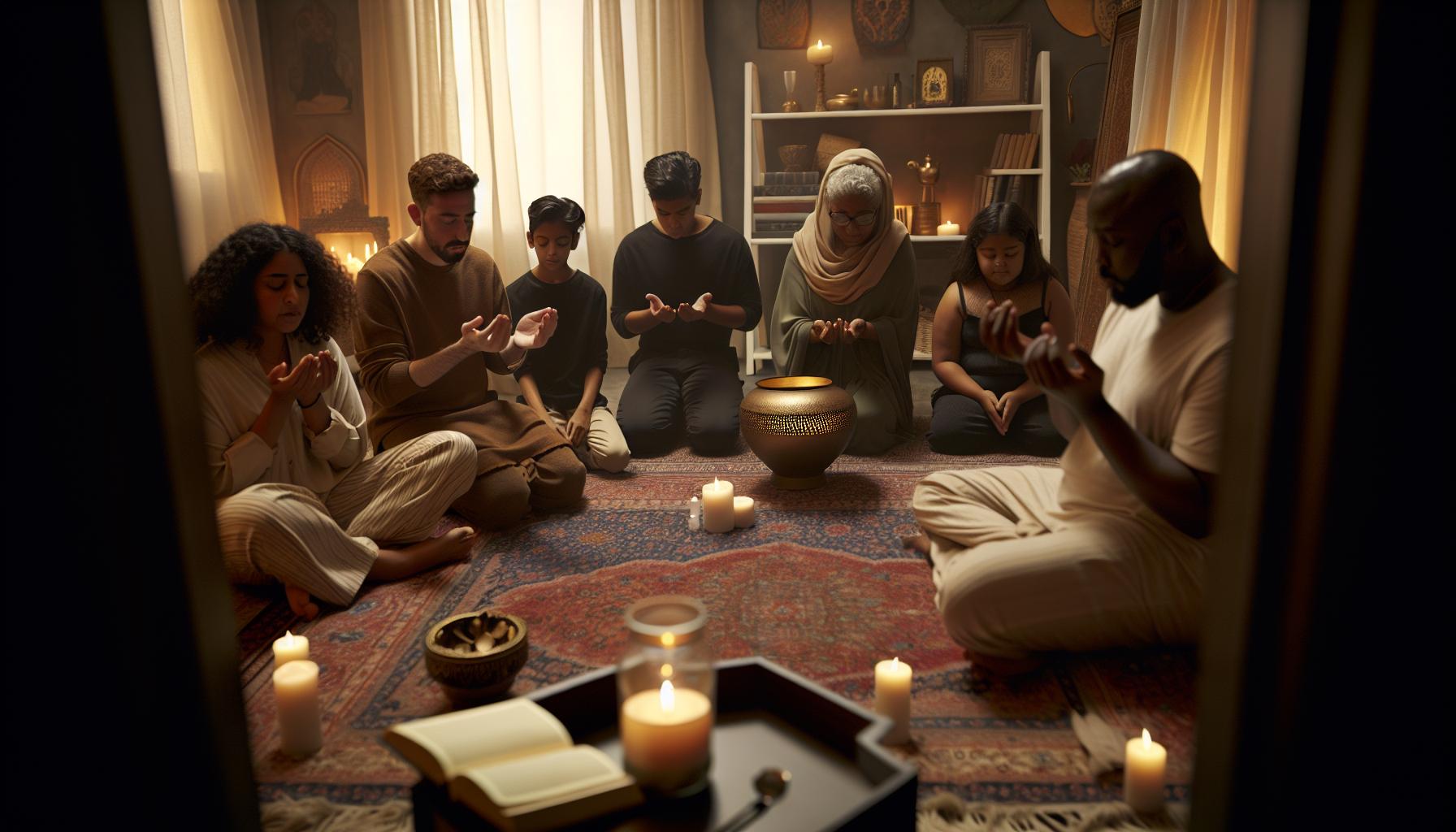
Modern Views on Hinduism and Divine Unity
Building a deeper understanding of our spiritual journeys can start with knowing how different faiths interpret divine unity. In recent years, numerous scholars and practitioners have highlighted the intricate layers of Hindu understanding of divinity, which emphasizes that, while it may appear polytheistic at first glance, many Hindus ultimately recognize a singular, all-encompassing reality-Brahman. This perspective aligns with contemporary views that celebrate diversity within unity, encouraging spiritual seekers to appreciate the harmony found within various representations of the divine.
In exploring modern views on Hinduism, many articulate the belief that different deities symbolize various aspects of the singular Brahman, embracing the idea that all paths can lead to the same truth. Such interpretations resonate with Christians who see parallels in their understanding of how God manifests in distinct ways. For instance, the multifaceted expressions of God in the Christian Trinity-Father, Son, and Holy Spirit-can connect prayerfully with the notion that any one name or form worshipped in Hinduism may just capture a piece of the greater divine essence. This perspective not only broadens our understanding of God’s nature but also enhances interfaith dialogues, allowing believers from various backgrounds to appreciate each other’s experiences of the divine.
Moreover, the modern Bhakti movement within Hinduism reinforces the significance of personal relationships with the divine, akin to Christian teachings on developing a personal relationship with Christ. This heartfelt devotion often emphasizes love, surrender, and connection-tenets that resonate deeply within Christianity. As followers of Christ engage with these expressions of faith, they can draw lessons on devotion, humility, and the transformative power of love.
To embrace the spiritual richness of different faiths, it can be beneficial for Christians to engage with Hindu practices, participate in festivals, or even explore interfaith study groups. Such activities nurture understanding and foster personal growth in faith, while also illuminating the shared humanity that seeks hope and fulfillment across cultural and religious boundaries. By focusing on what unites us-love, faith, and the quest for a deeper connection with the divine-we can enrich our own spiritual lives and contribute to a more compassionate world.
Exploring Philosophical Schools Within Hinduism
In the rich tapestry of Hindu thought, various philosophical schools offer profound insights into the nature of the divine, often blurring the lines between monotheism and polytheism. Understanding these intricate systems of belief can deepen our appreciation of how Hinduism grapples with the concept of God, particularly in the context of comparative religion. Among the most significant philosophical schools are Advaita Vedanta, Dvaita (dualism), and Vishishtadvaita (qualified non-dualism), each presenting unique perspectives.
Advaita Vedanta: The Non-Dual Approach
Advaita Vedanta, founded by the philosopher Adi Shankaracharya, emphasizes the non-dual nature of existence, where the individual soul (Atman) and the ultimate reality (Brahman) are seen as one. This school teaches that the apparent diversity of the universe is an illusion (Maya) and that understanding this unity is key to spiritual liberation (Moksha). For believers, this perspective resonates strongly with the Christian understanding of the divine as a singular entity, fostering a sense of connection and shared essence among all beings. Such insights encourage Christians to contemplate their own relationship with God, recalling John 10:30, “I and the Father are one.”
Dvaita: Embracing Dualism
In contrast, Dvaita philosophy, articulated by Madhvacharya, posits a clear distinction between the divine and the individual souls. Here, God (often personified as Vishnu) is a separate entity, and devotees maintain a personal relationship with Him, akin to the Christian notion of a personal God. This dualistic approach fosters devotion (Bhakti), emphasizing love and surrender, much like the heartfelt call in Romans 12:1 to offer ourselves as living sacrifices. For those exploring the richness of faith, Dvaita offers valuable lessons on humility, reverence, and the importance of relationship in one’s spiritual journey.
Vishishtadvaita: Qualified Unity
Vishishtadvaita, proposed by Ramanuja, presents a synthesis of the two ideas. It recognizes the individual soul’s uniqueness while affirming that all souls are part of Brahman, creating a harmonious relationship between the two. This philosophy offers a framework where worship can be seen as both personal and collective, with the divine manifesting in various forms while remaining the ultimate reality. Christians can appreciate this view through the lens of the Trinity, which showcases both unity and diversity within the Godhead, encouraging a deeper exploration of how different faith traditions can share mutual understanding.
By engaging with these philosophical schools, believers can enrich their spiritual lives and broaden their understanding of God’s nature. It allows for a more nuanced approach to interfaith dialogue, where the quest for truth transcends doctrinal differences. Ultimately, the exploration of these diverse philosophical approaches not only enhances our understanding of Hinduism but also inspires a greater appreciation of the shared human experience of seeking and relating to the divine.
Q&A
Q: Is Hinduism inherently monotheistic?
A: Hinduism cannot be strictly categorized as monotheistic due to its recognition of multiple deities and the concept of Brahman as the singular, ultimate reality. This allows for a variety of worship practices and beliefs, making it a complex system that transcends simple labels.
Q: How do Hindu beliefs compare with monotheistic religions like Christianity and Islam?
A: Unlike Christianity and Islam, which emphasize a single, personal God, Hinduism presents a diverse framework of deities and philosophies. While Brahman represents the ultimate reality akin to the God concept in Abrahamic faiths, the multitude of gods reflects a more polytheistic nature.
Q: Can Hindus worship a single deity?
A: Yes, many Hindus choose to focus their worship on a single deity, such as Vishnu or Shiva, while still acknowledging other gods. This personal approach to spirituality allows for an individualized faith experience that emphasizes devotion and personal connection to the divine.
Q: What is the role of Brahman in Hindu theology?
A: Brahman is understood as the ultimate, formless reality in Hinduism, representing the cosmic spirit that pervades everything. This philosophical foundation supports the belief in both unity and diversity within the faith, illustrating a complex understanding of divinity.
Q: Why is it challenging to label Hinduism as purely monotheistic or polytheistic?
A: Labeling Hinduism as strictly monotheistic or polytheistic overlooks its intricate belief systems, which include the concept of Brahman, multiple manifestations of deities, and philosophical schools that explore the nature of God. This complexity makes simple categorization difficult.
Q: How does personal experience shape Hindu worship practices?
A: Personal experience plays a pivotal role in Hindu worship, with individuals often forming unique relationships with their chosen deities. This subjective approach allows for a rich diversity of rituals and expressions of faith, making Hinduism deeply personal and varied.
Q: What are the implications of viewing Hinduism as a monotheistic faith?
A: Viewing Hinduism as monotheistic may limit understanding of its rich traditions and philosophies. It could overshadow the dynamic interplay between the worship of multiple deities and the recognition of an overarching reality, leading to misconceptions about the faith’s true nature.
Q: How do philosophical schools within Hinduism interpret monotheism?
A: Various philosophical schools in Hinduism, such as Advaita Vedanta, interpret monotheism through the lens of Brahman, positing that individual souls (Atman) are ultimately one with this singular reality. This interpretation affirms a unity that transcends traditional definitions of monotheism.
In Retrospect
Thank you for joining us on this exploration of “Is Hinduism a Monotheistic Faith? Comparing World Religions.” Understanding the nuances of faiths enriches our own spiritual journeys. Whether you found resonance with these concepts or have lingering questions, we encourage you to dive deeper into related discussions about world religions and their beliefs.
For more insights, check out our articles on The Role of Faith in Diverse Cultures and Understanding Prayer Across Different Faiths. Don’t miss out on our free newsletter, where we provide valuable resources and insights for your spiritual life. We invite you to share your thoughts or experiences in the comments below – your perspective matters. Keep exploring, keep questioning, and continue growing in your understanding of the divine!