In the vibrant tapestry of Catholic faith, the seven sacraments serve as crucial milestones on the spiritual journey, offering divine grace and tangible expressions of God’s love. These sacred rites, instituted by Jesus Christ, provide believers with strength and guidance, nurturing their relationship with God and the Church. Whether you’re seeking to deepen your understanding of these sacraments or looking to connect more fully with your faith, exploring each sacrament reveals essential truths about love, commitment, and spiritual growth. From the cleansing waters of baptism to the profound mysteries of the Holy Eucharist, each sacrament invites you into a deeper communion with Christ and the community of believers. Join us in this exploration and discover how these divine gifts can transform your faith journey into one filled with grace, purpose, and hope.
Contents
- 1 What Are the Seven Sacraments? An Overview
- 2 The Significance of Each Sacrament in Catholicism
- 3 Baptism: The First Step in Faith
- 4 Confirmation: Strengthening the Holy Spirit’s Gifts
- 5 Eucharist: The Heart of Catholic Worship
- 6 Penance: The Journey of Forgiveness
- 7 Anointing of the Sick: Healing Through Grace
- 8 Holy Orders: The Call to Sacred Service
- 9 Matrimony: A Divine Covenant in Marriage
- 10 Exploring the Historical Roots of the Sacraments
- 11 The Spiritual Benefits of the Sacraments
- 12 How the Sacraments Shape Catholic Life and Community
- 13 FAQs About the Seven Sacraments: Common Questions Answered
- 14 FAQ
- 15 The Way Forward
What Are the Seven Sacraments? An Overview
In the Catholic faith, the sacraments are seen as vital encounters with God that enrich the spiritual life of believers. They serve as tangible signs of God’s grace, instituted by Christ, to guide individuals on their journey toward holiness and eternal life. The seven sacraments, recognized within the Church, each have distinct purposes and graces associated with them, illuminating and nourishing the spiritual path of the faithful.
The seven sacraments include:
- Baptism – Initiates individuals into the Christian faith, cleansing them of original sin.
- Confirmation – Strengthens the gifts of the Holy Spirit received at baptism, affirming one’s commitment to the faith.
- Eucharist – The central act of Catholic worship, where believers partake in the body and blood of Christ, affirming their union with Him.
- Penance – Also known as confession, this sacrament provides a means of forgiveness for sins and reconciliation with God and the community.
- Anointing of the Sick – Offers grace and healing, both spiritually and physically, to those who are ill or in danger of death.
- Holy Orders – Confers the grace and responsibilities of ordained ministry to bishops, priests, and deacons.
- Matrimony – Celebrates the covenant of marriage, blessing the union of husband and wife and their families.
Each sacrament plays a crucial role in the life of a Catholic, serving not only as individual grace-filled moments but also as celebratory events for the community. These rituals reflect Christ’s continual presence in the lives of believers, fostering a deeper relationship with God and encouraging a supportive Christian community that upholds faith, love, and service. As individuals partake in these sacraments, they are invited to explore their own faith journeys, gaining strength and insight along the way.
The sacraments are pathways to spiritual growth, and understanding their significance helps Catholics more fully engage with their faith, ultimately leading to a richer, more meaningful experience of God’s love.
The Significance of Each Sacrament in Catholicism
The sacraments serve as powerful conduits of God’s grace, deeply embedded in the life of the Catholic Church. Each one encapsulates unique theological truths and spiritual benefits, offering believers essential ways to encounter Christ and grow in their faith. From the moment of baptism to the final reception of one’s last rites, these sacred rituals facilitate a transformative relationship with God and the community of believers.
The first sacrament, Baptism, marks the initiation into the Christian life. It symbolizes the cleansing of original sin and the rebirth of the individual into the family of God. Through baptism, one not only receives the gift of the Holy Spirit but also a profound identity as a child of God. This foundational sacrament lays the groundwork for a lifelong journey of faith.
Confirmation is the sacrament that strengthens and affirms the gifts received at baptism. During this rite, individuals are sealed with the Holy Spirit, empowering them to witness Christ actively in the world. It is a moment of renewed commitment, not just to personal faith but to a communal mission of love and service, echoing the call given during one’s baptism.
The Eucharist, known as the “source and summit” of Christian life, stands at the heart of Catholic worship. In partaking of the body and blood of Christ, the faithful unite intimately with Him. This sacrament nourishes the soul and fortifies believers to live out their faith in everyday life. Regular reception of the Eucharist fosters spiritual growth, transforming the hearts of the faithful into vessels of God’s love.
The sacrament of Penance, or confession, provides a pathway to healing and reconciliation. It offers believers the opportunity to reflect on their shortcomings and receive forgiveness from God. This sacrament not only restores the individual to grace but also rebuilds community bonds by encouraging accountability and support among believers. It is a vital element of spiritual growth, urging continual conversion and deeper reliance on God’s mercy.
Through the Anointing of the Sick, the Church reaches out to those in physical or spiritual distress, imparting healing and spiritual strength. This sacrament emphasizes God’s compassion, reminding the faithful that they are never alone in their suffering. The prayers accompanying the anointing offer comfort and hope, reinforcing the belief in eternal life and the resurrection.
Holy Orders marks the sacramental call to service within the Church. By receiving this sacrament, bishops, priests, and deacons are configured to Christ in a unique way, tasked with governing, teaching, and sanctifying the community. It highlights the importance of ordained ministry in the Catholic faith, ensuring that the sacraments are administered and the faithful are shepherded with love and guidance.
Lastly, Matrimony celebrates the sacred covenant between spouses, reflecting God’s unwavering love for humanity. This sacrament not only sanctifies the union of husband and wife but also emphasizes the communal aspect of family life within the Church. Through marital commitment, couples witness to God’s love, nurturing their families in faith, and fostering a supportive community rooted in love and mutual respect.
In essence, the seven sacraments are not merely rituals but rich encounters with divine grace that engage and transform the believer’s life. They are integral to understanding one’s faith journey and cultivating a profound relationship with God and the Church community. By participating in these sacraments, Catholics are continually invited to deepen their spiritual lives, find strength in God’s presence, and embrace their calling to live out their faith vibrantly in every aspect of life.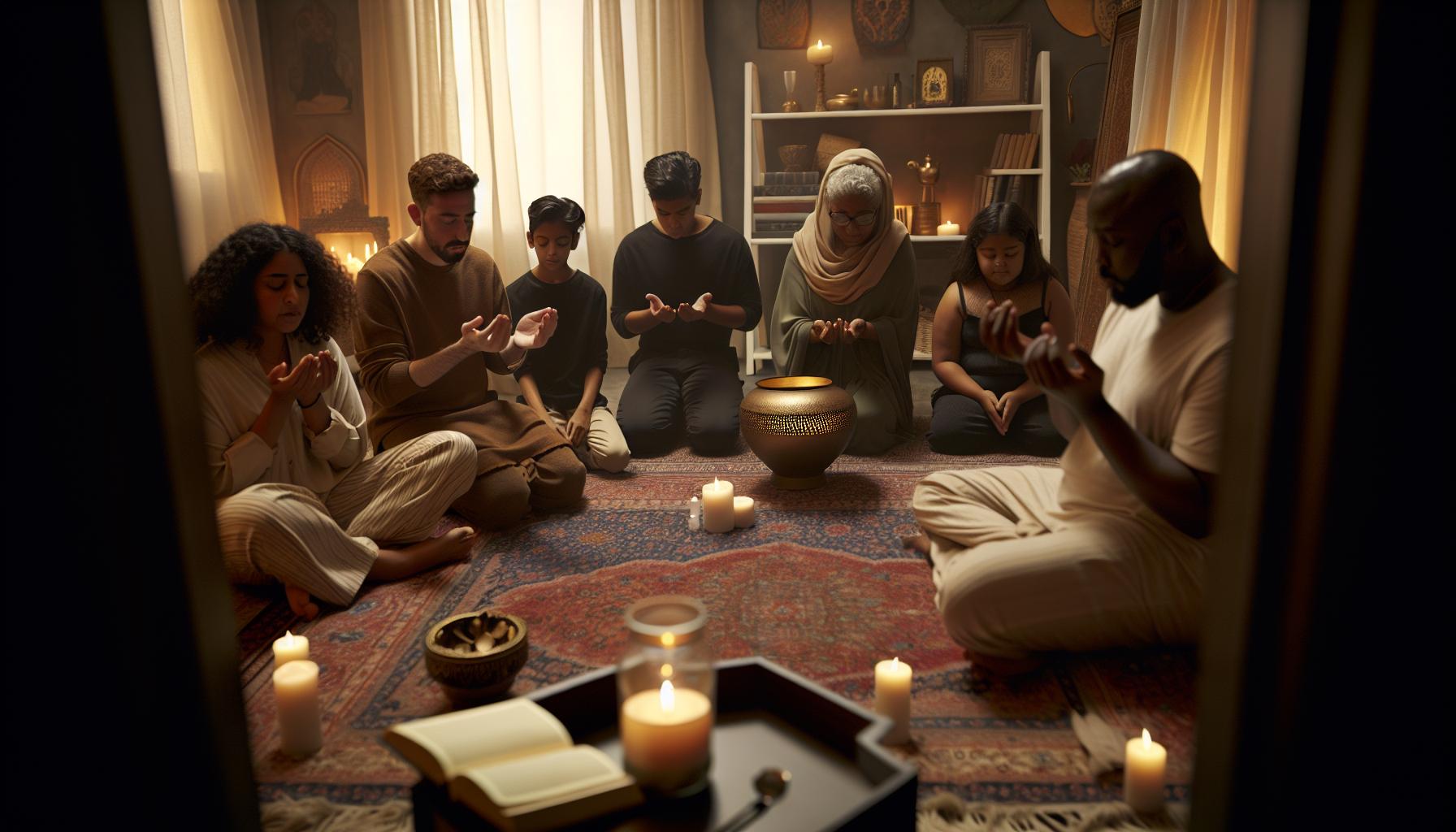
Baptism: The First Step in Faith
The journey of faith begins with baptism, a sacred milestone that ushers individuals into the Christian community and God’s loving embrace. In this sacrament, believers experience a powerful transformation: the washing away of original sin and the affirming declaration of their identity as children of God. Jesus Himself modeled this significant step when He was baptized in the River Jordan, highlighting its importance as a foundational practice for all who seek to follow Him.
The act of baptism embodies profound spiritual significance. It serves as an outward sign of inward grace, a visual representation of being cleansed and reborn in Christ. As the Apostle Paul writes in Romans 6:4, “We were therefore buried with him through baptism into death in order that, just as Christ was raised from the dead through the glory of the Father, we too may live a new life.” This new life empowers believers to embark on their faith journey with renewed vigor, embracing the teachings and calling of Jesus.
The ceremony itself often involves water-symbolizing purity and life-poured over the candidate’s head or full immersion, depending on tradition. Through this ritual, the community of faith comes together to support and nurture the newly baptized individual, fostering an environment of love and encouragement. Godparents typically play a vital role in this process, committing to guide the baptized child or individual in their spiritual growth.
Emphasizing the collective nature of this sacrament, it’s crucial to understand that baptism is not merely a personal commitment but a communal covenant. This incorporation into the Church community is what allows individuals to participate fully in the life of faith, where further sacraments, such as Confirmation and Eucharist, await to deepen that connection. As you reflect on this pivotal moment, remember that baptism opens the door to a lifelong adventure in faith, inviting you to explore spiritual practices such as prayer, Bible study, and acts of service in your community. By actively engaging in these aspects, you nurture your relationship with Christ and inspire others to embark on their own journeys of faith.
Confirmation: Strengthening the Holy Spirit’s Gifts
To step beyond the foundational grace of baptism, confirmation emerges as a vital sacrament that deepens a believer’s commitment to their faith and strengthens the gifts of the Holy Spirit. Often viewed as a moment of personal affirmation, confirmation serves to empower individuals, affirming their deepened relationship with God while actively engaging them in the service of the Church. This sacrament is not just a rite of passage but a pivotal moment in the spiritual journey that can transform a believer’s life.
During the confirmation ceremony, candidates are anointed with chrism oil and receive the laying on of hands, symbolizing the bestowal of the Holy Spirit. This act is rooted in Scripture, notably in Acts 8:14-17 and Acts 19:5-6, where the early apostles laid hands on believers to impart the Spirit. In this way, confirmation is both a personal encounter with God’s grace and a communal affirmation of faith. It invites confirmed individuals to embrace their roles as active participants in both the Church and the broader community.
To fully appreciate the richness of confirmation, consider it an invitation to engage in spiritual practices that fortify your faith. Regularly participating in the sacraments, deepening your prayer life, and studying the Bible can cultivate a vibrant faith informed by the Holy Spirit’s gifts. These gifts, including wisdom, understanding, counsel, fortitude, knowledge, piety, and fear of the Lord, are essential tools for living out a Christian life in today’s complex world. Through confirmation, believers are called not merely to receive these gifts but to consciously activate and share them in their daily lives, serving as beacons of hope and love in their communities.
Furthermore, as you ponder the significance of confirmation, consider how it sets the stage for ongoing spiritual development. This sacrament calls for a commitment to lifelong learning about one’s faith through catechesis, involvement in parish life, and engaging in service to others. Whether it’s through a youth group, volunteer work, or fostering a family environment rich in faith discussions, the post-confirmation period can be filled with opportunities to grow alongside your Church community. Ultimately, confirmation is a robust celebration of faith, offering the tools and support needed to navigate life’s challenges with grace and courage, empowering the faithful to act in service of God’s greater mission.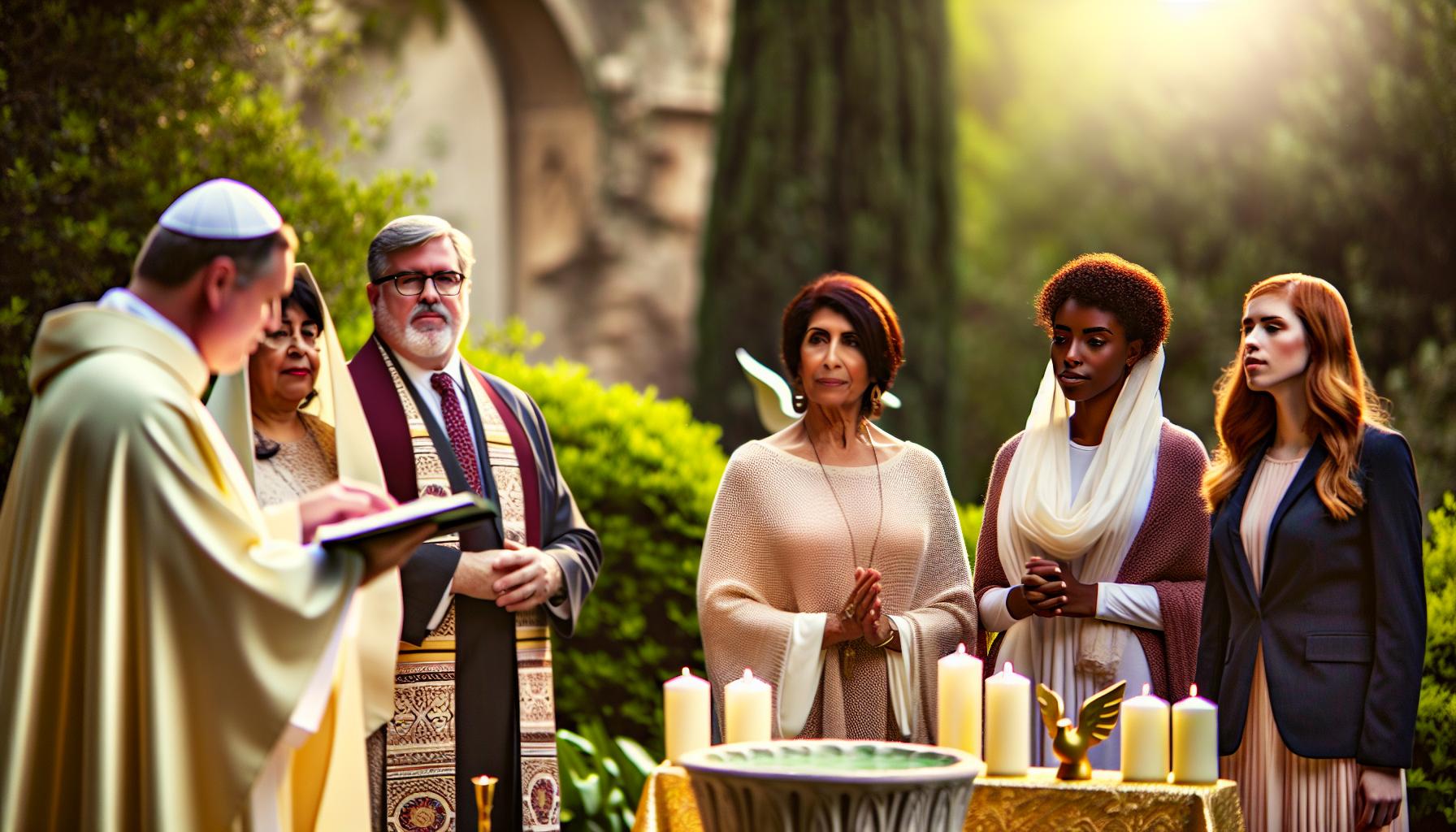
Eucharist: The Heart of Catholic Worship
The Eucharist, often referred to as the Holy Communion, stands at the very core of Catholic worship, representing a profound mystery that invites believers into deep communion with Christ and one another. At each Mass, Catholics partake in the sacred act of receiving the Body and Blood of Christ, a practice instituted by Jesus during the Last Supper. This moment is not merely a ritual; it is a heartfelt encounter with the divine, reinforcing the belief that Christ is truly present in the elements of bread and wine.
Participating in the Eucharist serves several essential purposes in the spiritual life of a Catholic. It is a source of grace, fortifying believers in their faith journey and enabling them to navigate life’s challenges with courage and hope. The Eucharist nourishes the soul, much like physical food sustains the body. It spiritually empowers individuals to live out their mission as disciples of Christ, encouraging them to act in love, service, and humility in their daily lives.
Importance of Mass
The celebration of the Mass is central to the Catholic faith, providing a communal setting where believers gather to celebrate this sacrament. Each Mass unites the congregation in prayer, worship, and song, fostering a sense of community and shared belief. The priest acts in persona Christi, consecrating the bread and wine, which invites worshippers to participate actively in the mystery of faith. Through the Liturgy of the Word and the Liturgy of the Eucharist, attendees encounter God’s teachings and grace, fostering spiritual growth and deepening their relationship with Him.
In addition to the spiritual nourishment that the Eucharist provides, it also serves as a reminder of the call to love and serve others. As Catholics reflect on Jesus’ command to “do this in memory of me” (Luke 22:19), they are invited to go beyond the Mass and live out the call of the Gospel in their daily lives. This sacrament encourages believers to engage in acts of charity, compassion, and forgiveness within their families and communities.
The Eucharist is more than just a practice; it is a transformative experience that shapes the whole of Catholic life. Regular participation helps cultivate a vibrant prayer life and a deeper understanding of Scripture, leading to a more profound engagement with God’s presence in their lives. As you prepare to receive the Eucharist, consider the graces available through this sacrament and embrace it as a cornerstone of your faith journey and personal relationship with Jesus Christ.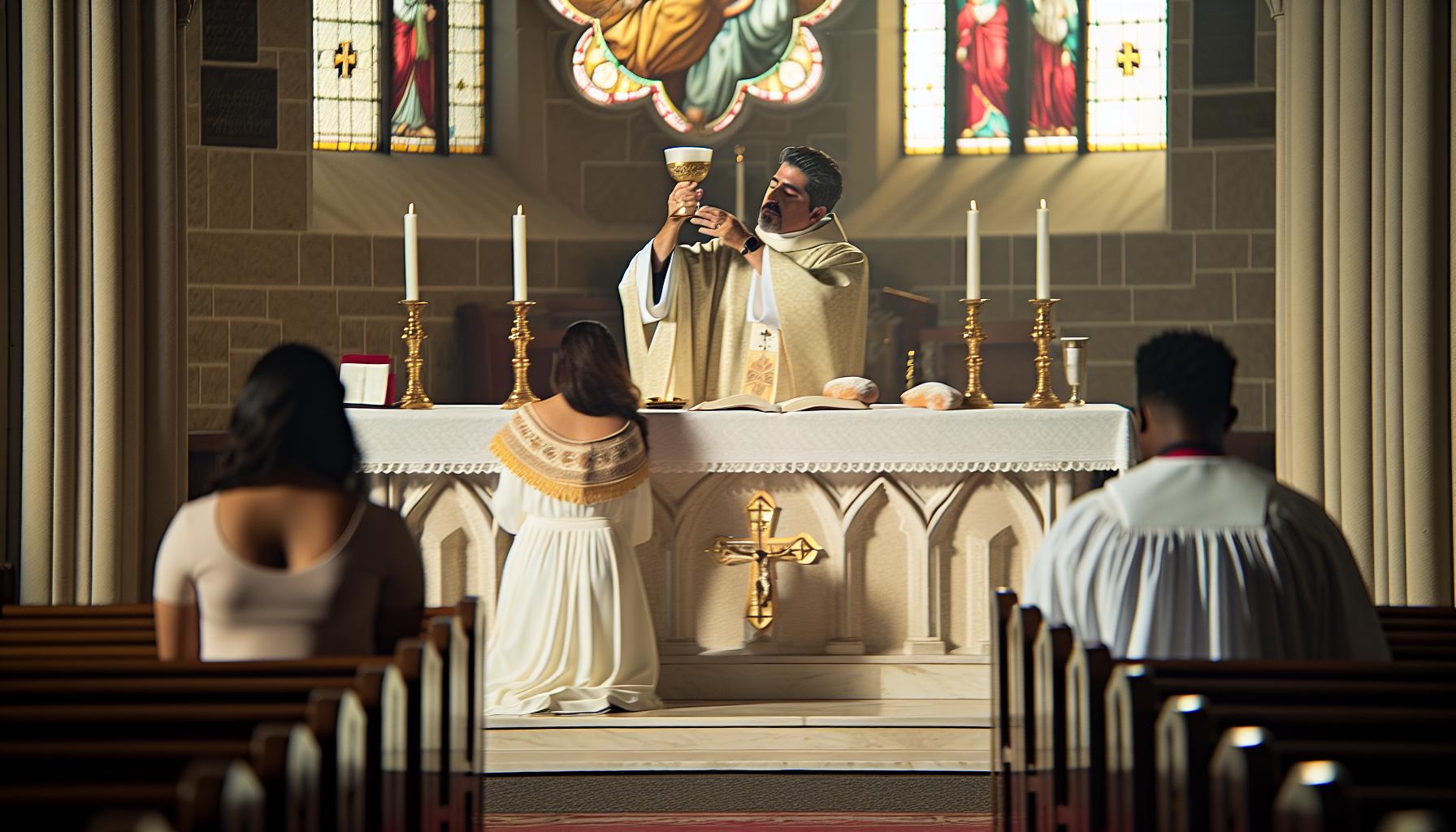
Penance: The Journey of Forgiveness
The grace of God invites us into a profound journey of healing and renewal through the sacrament of Penance, often referred to as Confession. This sacred rite enables believers to reflect upon their shortcomings and receive God’s boundless mercy. The experience is not merely about naming sins; it is an opportunity for personal transformation and a chance to draw closer to God. The journey of forgiveness begins with an act of humility, recognizing our need for God’s grace and love.
During Confession, the penitent is encouraged to engage in an examination of conscience. This practice allows for deep introspection and an honest assessment of one’s actions against God’s commandments and teachings. Here, believers can experience the liberating weight of bringing their struggles into the light, finding solace in confessing to a priest, who acts in the person of Christ. As the priest offers absolution, parishioners often find a renewed sense of peace and a commitment to amend their lives.
The Spiritual Impact of Penance
The sacrament of Penance invites Catholics to embrace the transformative power of forgiveness. Each confession serves as a reminder of the director of healing within the Church, effectively reinforcing the importance of reconciliation-not only with God but also with oneself and others. Scriptural references, such as 1 John 1:9, affirm this practice: “If we confess our sins, he is faithful and just to forgive us our sins and to cleanse us from all unrighteousness.”
Moreover, the act of penance fosters a spirit of compassion and forgiveness, enriching one’s relationship with others. By acknowledging our failures and receiving God’s pardon, believers are better equipped to extend grace and understanding to those around them. This sacrament encourages acts of kindness, cultivating a culture of love and forgiveness both within the Church community and beyond.
Practical Steps for Engaging in Penance
To fully embrace the sacrament of Penance, consider these practical steps:
- Preparation: Set aside time for a heart-felt examination of conscience. Reflect on your actions, attitudes, and relationships.
- Confession: Approach the sacrament with a sincere spirit, ready to share your sins with the priest in confidence.
- Contrition: Cultivate genuine sorrow for your sins and a resolve to change.
- Absolution and Act of Penance: Accept the priest’s forgiveness, and fulfill any penance given, as a demonstration of willingness to turn away from sin.
Engaging regularly in Penance strengthens your spiritual commitment and nurtures your faith, reminding you that the journey of forgiveness is an ongoing and enriching aspect of the Christian walk. As you navigate life’s challenges, may this sacrament be a source of strength and renewal, fostering greater intimacy with your Creator and a more profound understanding of His love.
Anointing of the Sick: Healing Through Grace
In times of illness and suffering, the Anointing of the Sick stands as a profound source of comfort and grace within the Catholic faith. This sacrament is not merely a rite for the dying; rather, it is a sacred opportunity for healing, both spiritually and physically. Jesus embodied healing throughout His ministry, and through this sacrament, the Church continues His mission, inviting the faithful to experience His compassionate presence in moments of distress.
Participants in the Anointing of the Sick are anointed with holy oil, symbolizing the healing power of the Holy Spirit. This action is often accompanied by prayers that implore divine grace, emphasizing the sacramental dimension of the ritual. The anointing serves as a reminder of God’s unending love and mercy, reinforcing the assurance that the sick are not alone in their struggles. By responding to the request for this sacrament, Catholics embrace a moment of vulnerability that opens pathways to deep spiritual strength and emotional support.
Understanding the Significance
The significance of the Anointing of the Sick extends beyond physical healing. It encapsulates the core belief in God’s healing power and unconditional love. Those undergoing the sacrament are encouraged to reflect on their journey, seek peace with God, and obtain forgiveness for their sins, further emphasizing the holistic nature of this sacrament. Many find that the peace experienced during this sacrament can lead to an uplifting transformation, regardless of the physical outcomes.
Anointing can be particularly beneficial for the elderly, those suffering from chronic illness, or anyone preparing for surgery. It is also encouraged for those experiencing mental health struggles, as the grace received through this sacrament can foster a renewed sense of hope and clarity amid life’s challenges.
Practical Steps for Receiving Anointing
To engage in the Anointing of the Sick meaningfully, consider these practical steps:
- Intent to Receive: Approach the sacrament with a sincere heart, seeking healing and grace during your time of need.
- Contact a Priest: Reach out to your parish priest or confessor, who can guide you in the process and administer the sacrament in a timely manner.
- Prepare Spiritually: Engage in prayer and reflection prior to the anointing, fostering a spirit of openness and faith.
- Community Support: Invite loved ones to pray with you, reinforcing the communal nature of faith that underscores this sacrament.
Ultimately, the Anointing of the Sick offers an opportunity for communal support, personal reflection, and divine promise. It encourages believers to place their trust in God’s plan, providing a tangible experience of His grace during life’s most challenging circumstances. By engaging in this sacramental act, Catholics can find solace, healing, and renewed faith as they navigate their journey toward wholeness.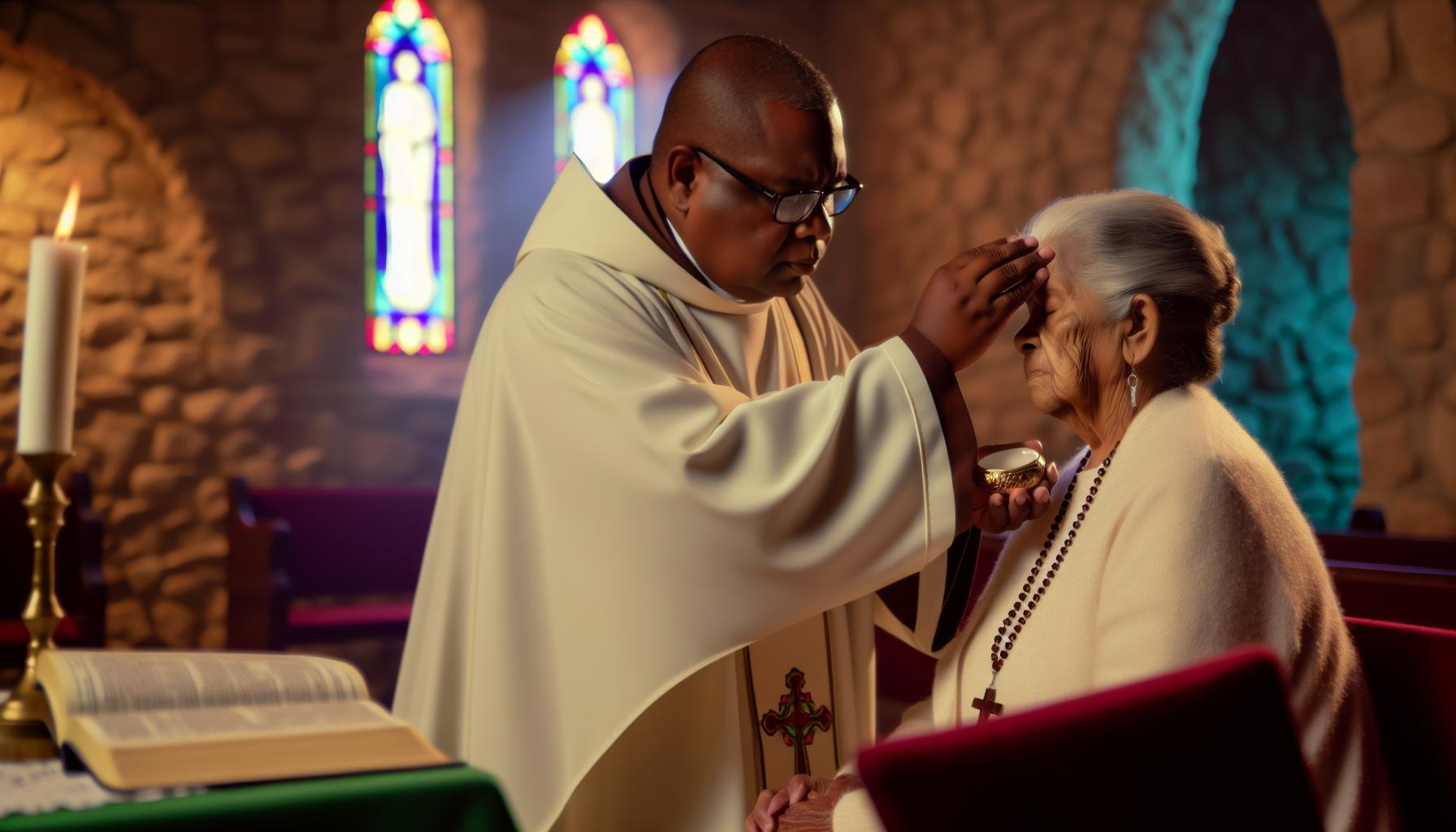
Holy Orders: The Call to Sacred Service
In the rich tapestry of the Catholic faith, the sacrament of Holy Orders stands as a transformative call, inviting individuals to serve God and His people in profound and impactful ways. Recognized as a critical expression of commitment, this sacrament is considered one of the highest vocations one can receive, establishing a sacred bond between the clergy and the divine mission of the Church. Through the laying on of hands and a specific consecration, men are ordained to become priests, deacons, or bishops-each role carrying distinct responsibilities that echo the service of Christ Himself.
Those who enter into Holy Orders embark on a journey marked by deep prayer, ongoing spiritual formation, and a dedication to the spiritual welfare of their community. As they take on their roles, they become not just leaders, but also spiritual shepherds, charged with guiding their flocks in faith. The significance of this sacrament transcends individual leaders; it impacts entire communities, reshaping how faith is lived out and experienced. For instance, a priest administering the sacraments, preaching the Gospel, and being a source of counsel not only nurtures personal belief but fosters a collective faith culture that uplifts and encourages all members.
Embracing the Responsibilities of Holy Orders
Stepping into Holy Orders involves a commitment to a life of service, characterized by the following key responsibilities:
- Preaching and Teaching: Priests and bishops are called to spread the Gospel and interpret the Scriptures, providing sound teaching that nurtures the faith of their parishioners.
- Administering the Sacraments: They play a crucial role in administering sacraments such as Baptism, Eucharist, and Confirmation, facilitating encounters with God’s grace.
- Guidance and Counseling: Holy Orders involves being available to the community for spiritual guidance, helping individuals navigate their faith journeys and personal challenges.
- Pastoral Care: Caring for the sick, marginalized, and those in distress is an essential aspect of this ministry, taking the love of Christ into the heart of human experience.
The transformative power of this sacrament continues to resonate through the lives of clergy and laypeople alike. Those ordained are seen not simply as leaders but as Christ’s representatives on Earth, bridging the divine and human realms. The influence they wield is significant, encouraging lay members to actively participate in the life of the Church as collaborators in the mission of spreading the Gospel.
Preparation for Holy Orders
For those discerning a call to Holy Orders, preparation is both an inward and outward journey. Effective discernment often includes:
- Spiritual Direction: Engaging with a mentor to seek clarity on one’s calling helps ensure that the decision is made with guidance and prayerful reflection.
- Theological Education: Pursuing studies in theology and pastoral ministry equips individuals with the necessary knowledge and skills to serve effectively.
- Community Involvement: Actively participating in parish life fosters a deeper understanding of the needs and dynamics of the community they aim to serve.
Holy Orders is a vital sacrament that not only transforms the individual but also enriches the whole Church, echoing Jesus’ call to “go and make disciples” (Matthew 28:19). As men and women answer this sacred call, they contribute to a legacy of faith that binds generations, encouraging a vibrant and nurturing environment in which believers can grow in their relationships with God and with one another.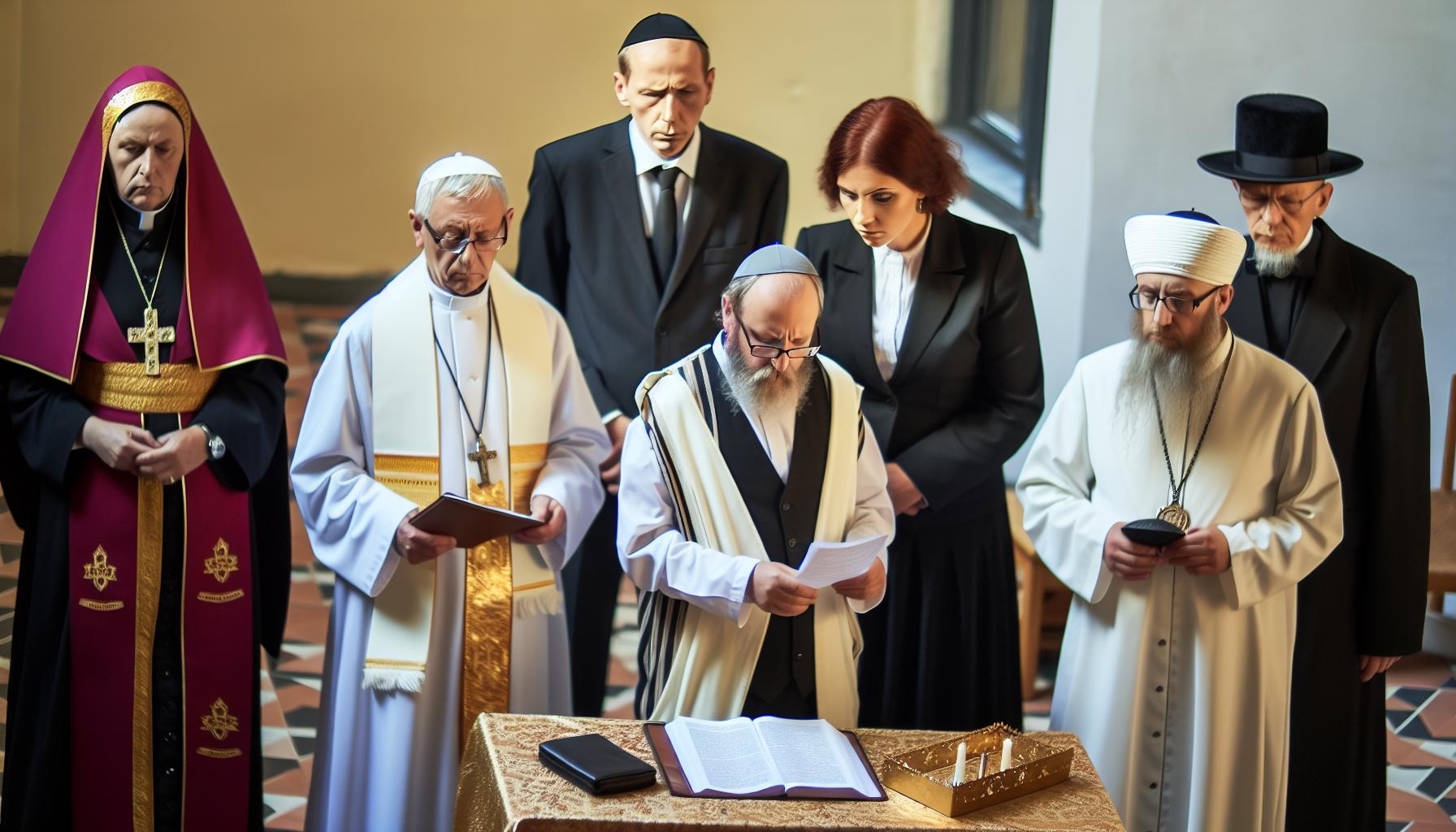
Matrimony: A Divine Covenant in Marriage
Marriage is more than just a legal contract; it is a sacred covenant deeply rooted in the heart of the Catholic faith. The sacrament of Matrimony reflects God’s enduring love for humanity, symbolizing the union between Christ and His Church. Through this divine covenant, two individuals commit themselves not only to each other but also to God, embarking on a journey of mutual love, support, and spiritual growth. This sacred bond enables couples to participate in the sacramental life of the Church, allowing them to encounter God’s grace in their daily lives.
In Catholic teaching, marriage is recognized as a lifelong commitment that encompasses both the physical and spiritual dimensions of love. Couples are called to nurture their union through shared prayer, communication, and service to one another and their communities. As they navigate life’s challenges together, they are encouraged to remember their vows and the sacredness of their commitment. By fostering an environment of love and grace, spouses can grow in holiness, reflecting Christ’s love to the world around them.
The Spiritual Benefits of Matrimony
The sacrament of Matrimony offers profound spiritual benefits. Here are some key aspects to consider:
- Grace to support one another: Couples receive divine grace that strengthens their love and equips them to face the trials of life together.
- Foundation for family life: Martimony lays a robust foundation for raising children in the faith, guiding them toward a relationship with God.
- Witness to others: A thriving marriage serves as a witness to others about the love of Christ and the beauty of God’s plan for relationships.
Living out the sacrament of Matrimony also involves practical steps such as maintaining open lines of communication and engaging in shared spiritual practices. Couples can benefit greatly from setting aside time for regular prayer together, studying Scripture, and attending Mass as a family. Creating a nurturing home that reflects God’s love allows couples not only to enjoy their own relationship but also to be a source of inspiration and support for others.
In whatever season couples find themselves, the sacrament of Matrimony beautifully illustrates how love, commitment, and faith can transform lives and communities. As spouses walk together in faith, they discover that their journey is not merely about building a life together but about participating in God’s grand design and reflecting His love in a world that so desperately needs it.
Exploring the Historical Roots of the Sacraments
Understanding the historical roots of the sacraments enriches our appreciation of their significance in the Catholic faith. The concept of a sacrament as an outward sign of inward grace finds its foundation in both Scripture and the traditions of the early Church. Jesus himself instituted the sacraments during his earthly ministry, evident in various biblical accounts where he performed acts of healing, offered bread and wine as His body and blood, and laid hands on his disciples. These actions laid the groundwork for the formal sacraments we recognize today.
The Seven Sacraments-as Baptism, Confirmation, Eucharist, Penance, Anointing of the Sick, Holy Orders, and Matrimony-were not fully defined or understood in the early Church in the same way they are now. However, early Christians practiced rites that would evolve into the sacraments. For instance, baptism, as described in the Gospel of John (3:5), signified a new birth in the Spirit, a practice seen in the Acts of the Apostles with the baptisms performed by the apostles after the resurrection of Christ. This outlines the sacramental experience as not merely ritualistic but deeply grounded in the transformative power of God in the lives of believers.
Moreover, the development of the sacramental theology intensified during the Middle Ages with theologians such as St. Augustine and St. Thomas Aquinas. They articulated the role of sacraments as essential for salvation, where they act as conduits of divine grace. This thread of tradition continued through the Council of Trent in the 16th century, which reaffirmed the necessity and significance of sacraments in the believer’s journey, further codifying their role within Church practices.
The Evolution of Sacramental Understanding
As we explore the historical context of these sacraments, it is essential to recognize their evolution:
- Institution by Christ: The sacraments are seen as directly instituted by Jesus, providing a divine source of grace.
- Early Church Practices: Rites like baptism and the Eucharist were practiced among the early Christians, reflecting their importance in community life.
- Theological Foundations: Influential Church Fathers contributed to a deeper understanding of sacraments, interpreting their significance in relation to faith and grace.
- Council of Trent: This significant gathering affirmed the sacraments as necessary for salvation, shaping Catholic teachings for centuries.
The roots of the sacraments provide a rich foundation for understanding their importance in fostering spiritual growth and community life. Each sacrament serves as a reminder of God’s ongoing presence and grace throughout our lives. Engaging with these historical aspects helps believers to appreciate even more the sacred rituals that connect them to the early Church, encouraging a vibrant faith that continues to thrive today. As you navigate your own faith journey, consider how these time-honored practices encourage you to experience God’s love and grace in profound ways.
The Spiritual Benefits of the Sacraments
Experiencing the sacraments provides a transformative journey that nourishes the soul and deepens one’s connection with God. Each sacrament is not just a mere ritual; it serves as a profound conduit of grace, facilitating a personal and communal relationship with the Divine. The sacraments reinforce our faith, wash away sin, and bring us closer to the mystery of God’s love and mercy in our lives. When we actively engage in these sacred rituals, we open ourselves to the graces that God freely bestows, fostering spiritual growth and renewal.
can be multifaceted, impacting various aspects of life:
- Enhanced Relationship with God: Each sacrament invites believers into a more intimate relationship with the Lord. For instance, the Eucharist allows us to receive Christ’s body and blood, reminding us of His real presence and love.
- Strengthened Community Bonds: Sacraments are often celebrated in community settings, fostering a sense of belonging and support among believers. This collective experience reinforces the body of Christ and encourages communal faith growth.
- Spiritual Nourishment: Participating in sacraments like Penance provides the necessary grace to overcome sin and temptation, leading to inner healing and peace. The forgiveness received encourages us to extend grace to others, transforming relationships.
- Life’s Milestones: Sacraments mark significant moments in a believer’s life journey, from Baptism to Matrimony. Each rite signifies God’s ongoing work throughout our lives, helping us to reflect on His faithfulness during various stages of our spiritual walk.
Furthermore, engaging with the sacraments cultivates virtues such as humility, faith, and love. They serve as a continual reminder of God’s grace and our calling to live in accordance with His teachings. When believers participate fully and worthily, they not only receive blessings but also become instruments of God’s love in the world. By embracing these sacred practices, Christians strengthen their faith and illuminate the path for others, embodying the very essence of Christ’s message.
How the Sacraments Shape Catholic Life and Community
The sacraments serve as vital connections between believers and the divine, greatly influencing individual lives and the church community at large. Each sacrament is more than a ritual; it represents a rich tapestry of faith, hope, and love woven into the daily lives of the faithful. By actively engaging in these sacred rites, Catholics can experience profound transformations, both personally and communally, nourishing their spiritual journeys and deepening their relationships with God.
One of the most significant ways the sacraments shape Catholic life is by fostering a robust sense of community. For instance, when families gather for a Baptism or a wedding, they are not merely celebrating a personal milestone; they are also participating in a shared experience that reinforces their connection to one another and to the larger body of Christ. The communal aspects of sacraments, particularly the Eucharist, are invitations to progress together in faith. As believers receive Christ’s body and blood, they are reminded of their unity-not just among themselves, but as part of a global church that transcends time and culture.
Moreover, the sacraments act as markers of spiritual milestones, guiding believers through life’s transitions. For children, receiving the sacraments of Baptism, Eucharist, and Confirmation is foundational, establishing a lifelong journey of faith and service. For adults, Sacraments like Matrimony and Holy Orders highlight God’s call in their lives, encouraging them to live out their faith vocally and visibly in their families and communities. Such events create storytelling opportunities, where faith experiences can be shared, reinforcing communal narratives of God’s faithfulness.
The spiritual nourishment gained from participating in the sacraments also fosters personal growth. Regular confession through Penance allows individuals to confront their shortcomings and seek healing and forgiveness, leading to transformative change. This process not only nurtures personal relationships with God but equips believers to extend grace and mercy towards others. By recognizing their own need for forgiveness, Catholics are inspired to respond compassionately in a world often in desperate need of understanding and love.
In essence, the sacraments enrich Catholic life and community, serving as both a foundation for growth and a celebration of faith. Through these sacred experiences, believers are equipped to shine the light of Christ in their daily interactions, creating a nurturing environment that encourages faith-filled living and authentic connections with God and others.
FAQs About the Seven Sacraments: Common Questions Answered
In the rich tapestry of Catholic faith, the Seven Sacraments open doors to profound grace and divine connection. These sacred rites not only mark significant milestones in a believer’s life but also serve as bridges that strengthen one’s relationship with God and the community of faith. It’s natural to have questions about these pivotal experiences, and understanding them more deeply can enhance your spiritual journey.
What Are the Seven Sacraments?
The Seven Sacraments are Baptism, Confirmation, Eucharist, Penance, Anointing of the Sick, Holy Orders, and Matrimony. Each sacrament holds a vital role in nurturing the faith of believers, from the initial cleansing of sin in Baptism to the lifelong commitment made in Matrimony. They encompass essential aspects of the Christian life, guiding individuals toward a deeper relationship with Christ.
Why Are Sacraments Important?
Sacraments are significant because they are considered visible signs of invisible grace. Through these sacred rites, Catholics experience God’s love and mercy firsthand. They not only symbolize spiritual truths but also provide essential supports during various life stages-helping to form and sustain faith communities. Through them, individuals can find strength, healing, and guidance.
Do You Have to Be Catholic to Receive the Sacraments?
Generally, sacraments are reserved for baptized Catholics. However, there are instances, especially in special pastoral situations, where non-Catholics may be welcomed to share in certain sacraments, like the Eucharist, under specific circumstances. It’s essential to consult with church leaders or mentors to understand individual situations better.
How Often Should You Participate in the Sacraments?
While the frequency can depend on the specific sacrament, regular participation in the Eucharist (ideally weekly) is encouraged, alongside the sacrament of Penance (confession), which most Catholics aim to receive at least once a year. The regular celebration of these sacraments helps believers stay aligned with God’s grace and purpose.
By engaging with these common inquiries regarding the sacraments, believers can deepen their understanding and commitment to their faith journey, enhancing not only their personal relationship with God but also their connection to the wider church community. Embrace these sacred moments-they are invitations to experience the transformative power of Christ in your life.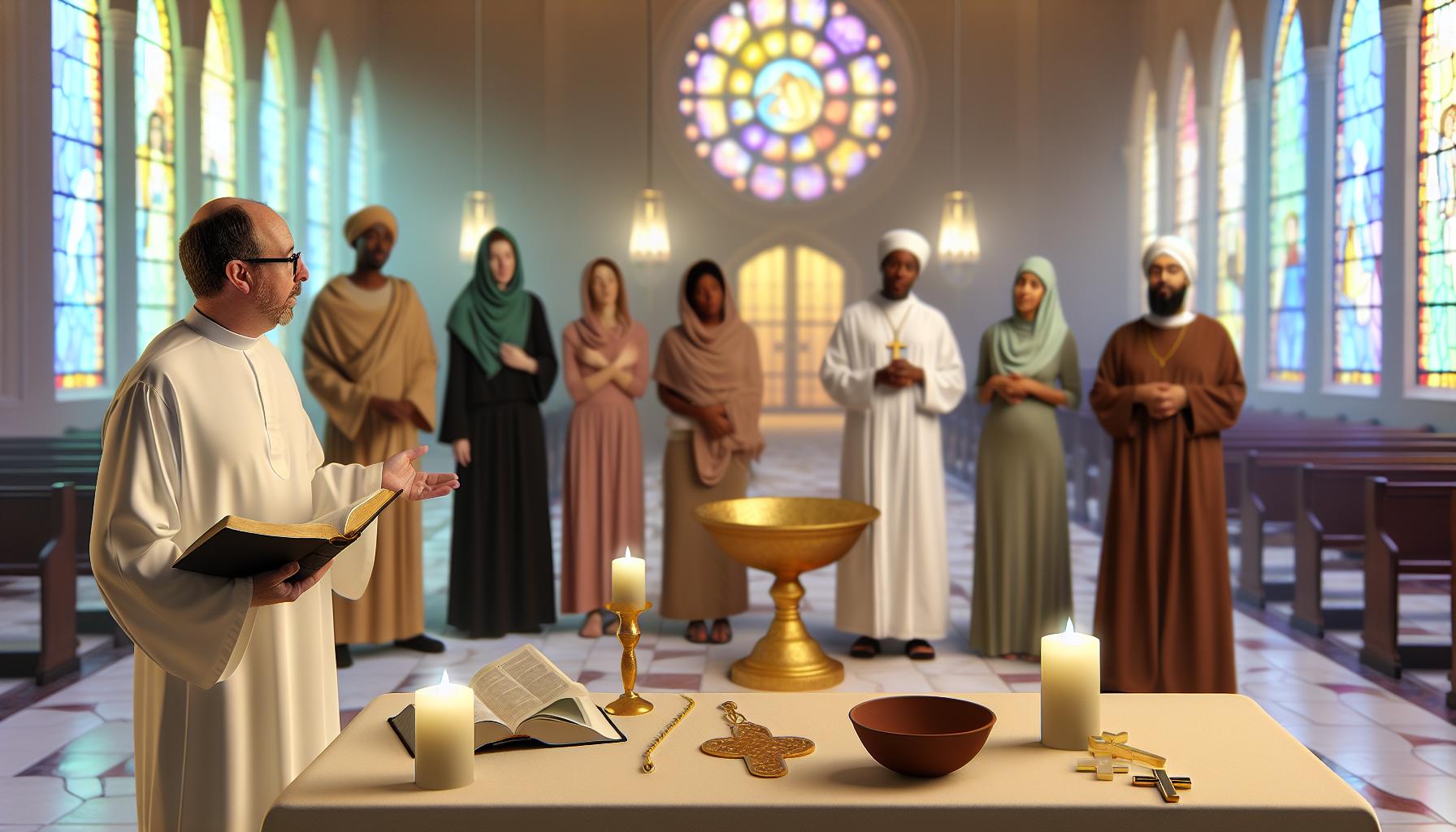
FAQ
Q: What is the significance of the Seven Sacraments in Catholic faith?
A: The Seven Sacraments are vital because they are believed to be channels of grace, helping Catholics grow in their faith and relationship with God. Each sacrament signifies different stages of spiritual life, shaping individual and communal faith practices. For more on their significance, check the section on “The Significance of Each Sacrament in Catholicism.”
Q: How do the Seven Sacraments relate to Catholic daily life?
A: The Seven Sacraments guide Catholics in their daily lives by providing spiritual milestones, fostering community, and offering divine support during life’s challenges. They encourage participation in church and enhance personal spiritual growth. Explore how they shape Catholic life in the article’s section discussing community impact.
Q: When are the Seven Sacraments typically administered?
A: Each sacrament has a specific time for administration: Baptism is usually performed in infancy, Confirmation occurs during adolescence, and Eucharist is frequently received at Mass. Other sacraments, like Matrimony and Anointing of the Sick, are administered at particular life events, enhancing spiritual journeys.
Q: Can the Seven Sacraments be received more than once?
A: Yes, some sacraments can be received multiple times, like Eucharist and Penance, while others, such as Baptism and Confirmation, are received only once due to their permanent effects. Understanding the purpose behind each sacrament can enhance your faith experience.
Q: How do the Seven Sacraments support spiritual healing?
A: The sacrament of Anointing of the Sick specifically addresses physical and spiritual healing, offering grace and strength in times of illness. Other sacraments, like Penance, also facilitate spiritual healing through forgiveness. For deeper insights, consider reading more about their benefits in the article.
Q: Why are there seven rather than more or fewer sacraments?
A: The Catholic Church recognizes seven sacraments based on Christ’s actions and teachings, which were deemed essential for spiritual life. This number encapsulates key aspects of faith journey, reflecting Catholic tradition and doctrinal foundations. For historical context, refer to “Exploring the Historical Roots of the Sacraments.”
Q: What role do the Seven Sacraments play in community worship?
A: The Seven Sacraments enhance community worship by bringing individuals together to celebrate important life events. Sacramental rituals foster unity and a shared faith experience within the church community, illustrating the collective journey of believers. The article discusses their community implications in detail.
Q: How can understanding the Seven Sacraments enrich personal faith?
A: Understanding the Seven Sacraments can deepen one’s faith by highlighting the grace available through each sacrament, leading to a more fulfilling spiritual journey. Engaging with the sacraments regularly nurtures faith and community ties. Dive into “How the Sacraments Shape Catholic Life and Community” for more insights.
The Way Forward
Understanding the seven sacraments is vital to living a fulfilled Catholic life, as they are powerful instruments of grace and spiritual nourishment. We encourage you to delve deeper into each sacrament and explore their profound significance in helping you grow closer to God. For more insights, check out our articles on Bible study practices and Christian parenting guidance.
Are you ready to enrich your spiritual journey? Subscribe to our newsletter for exclusive content and resources that will support your faith walk. Remember, the path to spiritual growth is ongoing-keep exploring, asking questions, and engaging with your community. Your journey in faith is just beginning! Share your thoughts on the sacraments in the comments below, and don’t miss our upcoming articles that will further illuminate your faith.