
Faith is more than just belief; it’s the bedrock of our Christian journey, guiding us through life’s uncertainties. Understanding what it means to have faith unlocks a powerful ability to engage with God’s promises, enabling us to face challenges with confidence and resilience. In a world that often feels chaotic, discovering how faith influences our everyday lives can bring profound peace and purpose.
As we delve into the essence of faith, we’ll explore how it impacts not just our spiritual lives, but also our relationships, decisions, and overall well-being. Whether you seek deeper engagement through prayer, aim to enrich your Bible study, or desire to strengthen family bonds through faith, this exploration will offer valuable insights. Join us on this journey to uncover the simple truths that empower your faith and inspire transformative impact. Together, let’s unlock the true power of living a faith-filled life, providing a source of strength, hope, and love that resonates deeply within our hearts.
Contents
- 1 Understanding the Essence of Faith
- 2 The Role of Faith in Daily Life
- 3 How Faith Shapes Our Perspectives
- 4 Exploring Different Types of Faith
- 5 Faith in Times of Uncertainty
- 6 Building a Stronger Spiritual Foundation
- 7 Faith and Community Engagement
- 8 The Intersection of Faith and Action
- 9 The Power of Faith in Relationships
- 10 Faith Practices: Prayer, Worship, and More
- 11 Navigating Doubt and Strengthening Faith
- 12 Real-Life Stories of Faith Transformations
- 13 Faq
- 14 Key Takeaways
Understanding the Essence of Faith

In a world bursting with information and challenges, faith stands as a beacon of hope and assurance. It is not simply a set of beliefs or an abstract concept; rather, it is a dynamic force that shapes our lives and influences our choices. begins with recognizing that it is deeply personal yet remarkably universal. At its core, faith acts as a bridge that connects us with God, allowing for a relationship grounded in trust, love, and hope. This connection provides comfort during times of distress and clarity amidst confusion.
Faith invites us to step beyond the visible realm and embrace something greater than ourselves. It encourages us to look past immediate circumstances and trust in God’s overarching plan. As Hebrews 11:1 reminds us, “Now faith is confidence in what we hope for and assurance about what we do not see.” This assurance does not eliminate doubt or questions; instead, it empowers us to navigate life’s uncertainties with courage. Each person’s journey with faith is unique, often marked by personal stories of struggle, revelation, and growth. These narratives enrich our understanding, reminding us that faith can be both a comfort and a challenge, pushing us to deeper levels of understanding and reliance on God.
One practical way to engage with the essence of faith is through daily spiritual disciplines. Incorporating practices like prayer and meditation into our routines allows us to cultivate a deeper relationship with God. These moments of intentional connection can transform our outlook and deepen our understanding. In addition, studying Scripture provides insights that not only affirm our beliefs but also challenge us to live more authentically in alignment with our faith. As you embark on this journey of discovery, consider journaling your thoughts and prayers, reflecting on how Scripture speaks to your current circumstances.
To truly understand faith, it helps to actively participate in a community. Surrounding ourselves with fellow believers fosters encouragement and accountability, creating an environment where shared experiences enhance our individual journeys. As we grow together, we gain valuable perspectives and support, making faith a communal experience that enriches our lives. Embrace the journey of understanding faith, and allow it to unfold the remarkable ways in which it can impact your life.
The Role of Faith in Daily Life

In a world that often rushes us through our days, pausing to recognize the role of faith in our daily lives can be transformative. Faith isn’t merely a concept reserved for Sundays; it’s an everyday practice that can shape our thoughts, actions, and interactions with others. Whether you find yourself in a moment of joy, frustration, or uncertainty, allowing faith to guide you turns ordinary experiences into opportunities for growth and connection with God.
Faith influences our daily decision-making in profound ways. For instance, when faced with challenges, those grounded in faith often discover a reservoir of strength and resilience. Scripture reminds us in Proverbs 3:5-6 to trust in the Lord with all our hearts and lean not on our understanding. This encourages believers to seek divine guidance in both large choices, like career changes, and smaller, everyday interactions, such as managing our time or engaging with colleagues. By incorporating prayer into daily routines, believers can offer these moments back to God, welcoming His wisdom and direction in all aspects of life.
Moreover, faith acts as a moral compass. When we nurture our relationship with God, we cultivate Christ-like qualities such as love, patience, and kindness, which can transform how we engage in relationships, whether at home, at work, or in our communities. For example, in moments of conflict, remembering the call to love our neighbors can help us respond with grace rather than frustration. In Christian marriage, it can guide spouses to support each other through prayer and shared devotion, fostering an environment of mutual respect and understanding.
Faith also fuels our outreach and service to others. Living a faith-driven life often inclines us to see and seize opportunities to serve those in need, building community, strengthening bonds, and reflecting Christ’s love to the world around us. By participating in local missions, volunteering, or simply extending a helping hand to a neighbor, we embody the hands and feet of Jesus, making a tangible impact on our communities. Embrace this opportunity to manifest your faith daily, and witness how it shapes not only your life but also the lives of those around you.
How Faith Shapes Our Perspectives
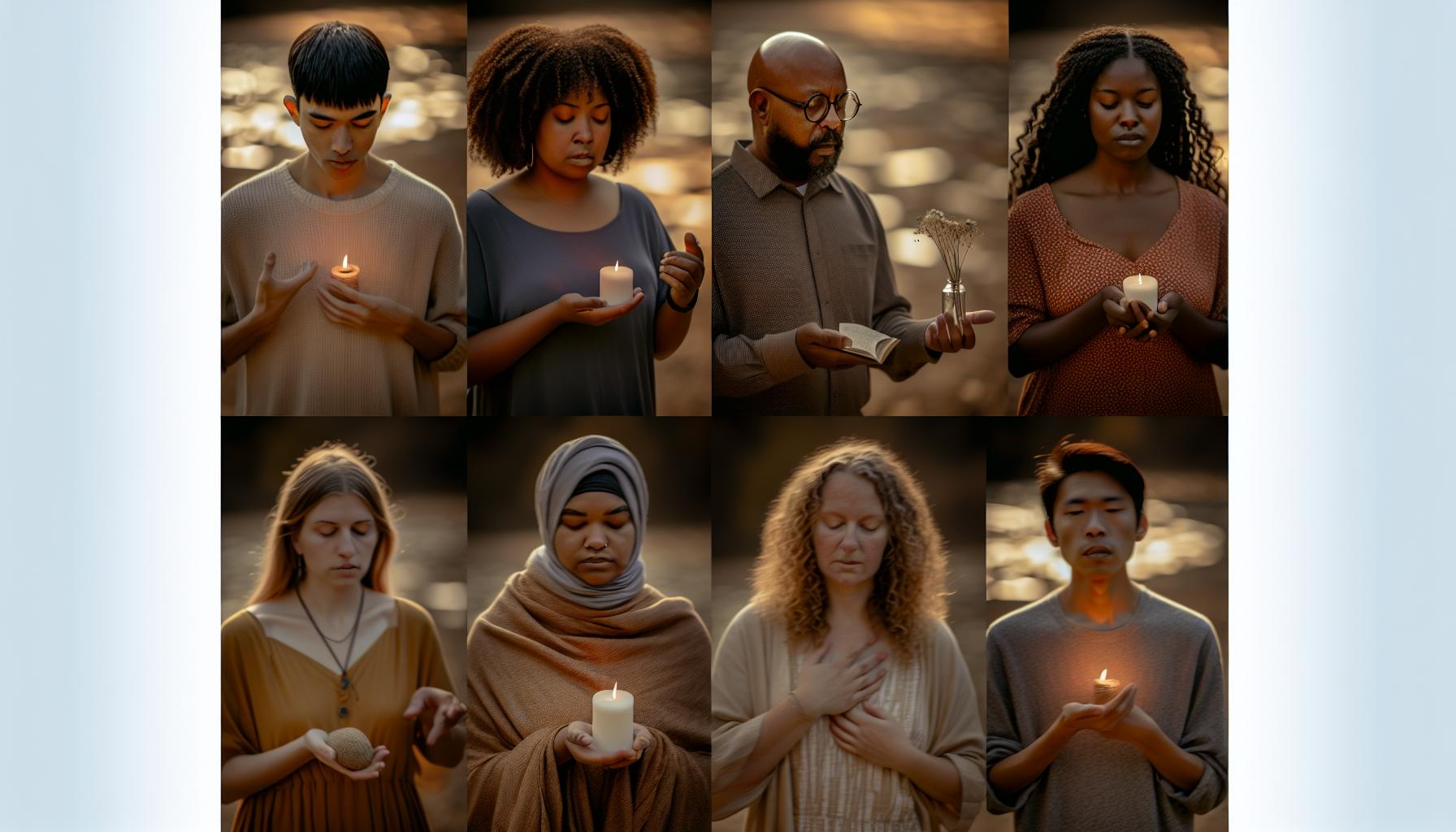
In a world filled with uncertainties and rapid changes, the lens through which we view our circumstances often defines our experiences. Faith profoundly shapes our perspectives by transforming how we interpret our challenges, relationships, and opportunities. When we anchor ourselves in faith, we begin to see the world not just as it is, but as it could be through God’s promises and truths. This fundamental shift can bring hope, provide clarity, and instill courage, allowing us to approach life’s hurdles with a renewed sense of purpose and resilience.
One way faith influences our outlook is by replacing fear with trust. Scriptures like Isaiah 41:10 remind us, “Do not fear, for I am with you; do not be dismayed, for I am your God.” When we internalize such truths, we gain confidence to step into the unknown, as faith empowers us to believe in God’s presence and provision. This trust impacts our decisions, enabling us to act based on conviction rather than apprehension. For instance, in making career choices, a faith-centered perspective encourages us to seek God’s guidance through prayer and scripture, understanding that He has a plan for our lives, even if the way forward isn’t immediately visible.
Moreover, faith nurtures a spirit of gratitude, encouraging us to view our challenges as growth opportunities rather than insurmountable obstacles. Through prayer and reflection, believers can discern the silver linings in tough situations, fostering resilience and a positive mindset. This perspective shift is beautifully illustrated in James 1:2-4, which invites us to “consider it pure joy… whenever you face trials of many kinds, because you know that the testing of your faith produces perseverance.” When we embrace difficulties with a faith-driven outlook, we cultivate strength and maturity, which in turn enhances our overall well-being and relationships.
Faith also deepens our connections with others. When we recognize the divine purpose in our interactions, we approach relationships with a spirit of love and service. As Colossians 3:23 encourages us to work heartily, as for the Lord, this perspective transforms the mundane into a sacred mission, allowing us to support and uplift those around us. In everyday conversations and interactions, a faith-infused approach fosters patience, kindness, and understanding, acting as a powerful catalyst for meaningful connections and nurturing community bonds.
Lastly, by engaging in regular spiritual practices-such as prayer, Bible study, and fellowship-we continuously reinforce and expand our faith perspective. These practices not only deepen our understanding of God’s character but also align our hearts with His will, further guiding our insights and actions. As we cultivate a faith that shapes our perspectives, we find ourselves not merely living for the moment but embracing a life rich with purpose, joy, and connection in God’s grand narrative.
Exploring Different Types of Faith
In our journey of faith, understanding its different forms can empower us to grow and deepen our spiritual lives. Just as a tree bears different types of fruit, faith manifests in various ways, each serving distinct purposes in our lives and shaping our relationship with God. As we explore these types of faith, we gain insights into our spiritual condition and the necessary steps toward a more profound commitment to our beliefs.
Types of Faith
- Saving Faith: This is the foundational belief that leads to salvation. It involves recognizing one’s need for Jesus Christ as Savior and embracing His grace and mercy. As Ephesians 2:8-9 reminds us, “For by grace you have been saved through faith, and that not of yourselves; it is the gift of God.” This type of faith is essential for eternal life.
- Great Faith: This type is characterized by extraordinary trust in God, often displayed in challenging circumstances. The centurion in Matthew 8:10 demonstrated great faith, believing that Jesus could heal his servant without being physically present. This kind of faith inspires us to trust God for the seemingly impossible.
- Little Faith: This represents a believer’s wavering trust or doubt. In Matthew 14:31, Jesus addresses Peter’s fear by asking, “O you of little faith, why did you doubt?” It serves as a reminder that, even in our weakness, we can ask God for strength to grow in our belief.
- Tested Faith: Trials and tribulations are part of every believer’s journey. James 1:2-4 encourages us to embrace these challenges, knowing that testing produces perseverance. Through these experiences, our faith can be refined and strengthened.
Each form of faith plays a role in the broader context of our Christian experience. Whether we find ourselves in a season of saving faith, struggling with doubt, or witnessing great faith in action, these experiences collectively contribute to our understanding of God’s nature and His plans for our lives. Embracing this diversity in faith allows us to navigate our spiritual journey with authenticity and courage, knowing that God meets us where we are and guides us toward a deeper relationship with Him. This knowledge is not just uplifting; it is a practical tool for everyday living, helping us to engage actively in our faith and communities, thus living out God’s calling in our lives.
Faith in Times of Uncertainty

In moments of uncertainty, when the future feels unclear and the weight of doubt looms over us, cultivating faith becomes essential. It’s during these challenging seasons that we learn the true depth of our beliefs and the character of our God. Trusting in the Lord amidst turbulent circumstances calls us to embrace a perspective rooted in hope, remembering that our faith is not a mere acknowledgment of ideals but an active reliance on the promises of God. Hebrews 11:1 beautifully encapsulates this by defining faith as the assurance of things hoped for, the conviction of things not seen.
One tangible way to nurture faith in uncertain times is through consistent prayer and Bible study. Engaging in daily conversations with God allows us to pour out our fears and receive His comforting presence. Consider developing a rhythm of prayer that includes gratitude for past provisions and requests for wisdom in navigating current challenges. Additionally, immersing ourselves in Scripture can fortify our spirits. Passages like Isaiah 41:10 remind us, “Fear not, for I am with you; be not dismayed, for I am your God; I will strengthen you, I will help you, I will uphold you with my righteous right hand.” Such truths anchor our souls, enabling us to face life’s storms with renewed courage.
Another vital aspect of maintaining faith in uncertainty is the role of community. Surrounding ourselves with fellow believers provides encouragement and accountability. Sharing our burdens and holding one another up in prayer creates a support system that reflects the body of Christ. Engaging in meaningful conversations about our struggles and how God has worked in our lives can ignite hope. Remember also to look for opportunities to serve others; often, reaching out in love can shift our focus from our own worries to the needs of our community, enriching our faith in the process.
Ultimately, invites us to step out of our comfort zones. It challenges us to hold on to God’s promises, even when they seem distant. By practicing daily faith through prayer, scripture, and community engagement, we witness how God faithfully meets us in our doubts, transforming our uncertainties into testimonies of His goodness. Armed with these spiritual tools, we are reminded that while life may not always go as planned, trusting in God provides a solid foundation on which to stand.
Building a Stronger Spiritual Foundation

In a world overflowing with distractions and uncertainties, an unwavering spiritual foundation is essential for navigating life’s challenges. Establishing a deeper relationship with God can provide clarity, peace, and strength, even when everything around us seems unstable. It’s through deliberate and consistent practices that we not only build, but also fortify our faith, enabling us to stand firm in times of trial and temptation.
Engaging in daily prayer is one of the most vital disciplines in strengthening our spiritual foundation. This practice fosters an intimate connection with our Creator, allowing us to share our concerns, express gratitude, and seek divine wisdom. To enhance your prayer life, consider incorporating the ACTS model-Adoration, Confession, Thanksgiving, and Supplication-into your prayers. This method guides you through various aspects of communication with God, enriching your spiritual experience and deepening your reliance on His presence. Additionally, setting aside specific times during the day for prayer can establish a rhythm that invites God’s peace into your life.
Equally important is immersion in Scripture, where we discover God’s character and His promises. Regular reading and memorization of Bible verses not only illuminates our paths but also equips us to face life’s adversities. You might want to select passages that resonate personally or provide encouragement-like Philippians 4:6-7, which reminds us not to be anxious and to seek God’s peace. Consider utilizing devotionals or Bible study groups to aid in reflection and application of biblical truths within your daily life. Engaging with others in these discussions can further enrich your understanding and inspire collective growth.
To cultivate a holistic spiritual life, it’s also invaluable to integrate faith into family life. This could involve establishing traditions such as family devotions, where each member can share insights, or engaging in service projects together to live out faith in practical ways. Encouraging open dialogues about faith can lay a foundation where children feel safe to ask questions and explore their beliefs.
Ultimately, requires intentionality and a heart open to God’s leading. Regular prayer, meditation on Scripture, and active engagement with community foster resilience and cultivate a faith that not only impacts your life but also those around you. As you take these steps, remember that your faith journey is unique, and God meets you exactly where you are, transforming your vulnerabilities into testimonies of His unwavering goodness.
Faith and Community Engagement

In today’s world, where disconnection and isolation are common, engaging in community through faith can create profound transformations both individually and collectively. Faith not only enriches personal spirituality but also acts as a catalyst for community engagement and service. When we participate in faith-based activities within our communities, we reflect God’s love and grace, fostering relationships that uphold the values of compassion, unity, and support.
Building a community around faith involves more than just attending church on Sundays; it means actively participating in the lives of others, sharing burdens, and celebrating joys together. Start by identifying local faith groups or ministries that resonate with your values and passions. Consider volunteering for community service projects, hosting Bible study sessions, or initiating prayer groups. Each of these avenues not only bolsters the faith of those involved but also projects a positive influence on your surrounding community. For instance, organizing food drives, clothing donations, or outreach programs can directly address the needs of the less fortunate, embodying the biblical call to serve.
Moreover, faith creates opportunities for dialogue and understanding across diverse backgrounds. Whether it’s through interfaith gatherings or community events centered on spiritual themes, these interactions encourage respect and shared values among different belief systems. Engaging with others in discussions about life challenges and aspirations can lead to partnerships that support as well as uplift entire communities. Remember, engagement is not just about advocating for your beliefs; it’s also about listening to others and finding common ground, which promotes a culture of respect and peace.
Lastly, keep in mind the importance of nurturing your spiritual life while engaging in community. Regular prayer, both individually and corporately, invites God’s presence into these activities, ensuring they are filled with purpose and impact. As Ephesians 2:10 reminds us, we are God’s handiwork, created for good works that He prepared in advance for us to do. Embrace your role as a connector and a servant, knowing that the impact of your faith can ripple out into the lives of many, fostering an environment filled with hope and love.
The Intersection of Faith and Action
In a world often marked by individualism and disconnect, the union of faith and action serves as a powerful reminder of our intrinsic purpose. When we allow faith to influence our daily choices, it manifests in tangible ways, allowing us to live out our beliefs through actions that reflect Christ’s love and servitude. This dynamic relationship fosters not only personal growth but also cultivates vibrant communities, emphasizing that faith without works is indeed dead (James 2:26).
Faith takes on a practical form when we engage with those around us, turning our beliefs into actions that inspire change. Participating in community service, whether it’s volunteering at a local shelter, organizing food drives, or simply lending a listening ear to someone in need, illustrates a commitment to living our faith authentically. These actions not only meet immediate needs but also strengthen relationships, bringing people together in shared purpose. For example, a church group that comes together to support families in temporary housing exemplifies how faith-driven initiatives can uplift entire neighborhoods while fostering unity and hope.
Moreover, also encourages personal accountability. As we strive to align our behaviors with our beliefs, we become more attuned to the needs of those around us. Setting aside time for prayer and introspection can highlight specific areas where our actions can better reflect God’s message. In doing so, we may feel led to mentor someone in our community, offer financial assistance, or participate in advocacy for social justice issues, knowing that our faith compels us to act justly, love mercy, and walk humbly with our God (Micah 6:8).
In conclusion, we are called to embody our faith through action, responding to the world’s needs with compassion, respect, and purpose. This vibrancy not only enriches our spiritual life, empowering us to grow deeper in our relationship with God, but it also radiates outward, inviting others into a shared experience of love and service. By harnessing , we can transform our communities and contribute to a legacy of hope that echoes Christ’s teachings.
The Power of Faith in Relationships

In every relationship, whether romantic, familial, or platonic, the foundation of faith can dramatically influence dynamics and outcomes. When couples or friends share the same core beliefs, they cultivate a profound sense of unity that not only enhances their bond but also provides a sturdy framework to navigate life’s challenges together. Love built on faith not only encourages mutual respect and understanding but also infuses the relationship with hope and resilience, fostering a nurturing environment for both parties. As stated in Ecclesiastes 4:12, “Though one may be overpowered, two can defend themselves. A cord of three strands is not quickly broken.” This imagery of a shared faith acting as the third strand emphasizes the strength faith brings to interpersonal connections.
When faith plays a pivotal role, it serves as a guiding principle during difficult times. Couples faced with challenges can lean on their shared beliefs to find comfort and direction, allowing them to face adversity with combined strength. This collective resilience is fundamentally different from navigating life’s trials without such support. For instance, couples can engage in prayer together, turning to God for guidance and healing. This spiritual practice not only deepens the relationship but also instills a sense of peace and purpose, as they align their decisions with divine wisdom. Regular Bible study can also enrich this aspect, providing theological insights that fuel deeper conversations and understanding of each other’s values, which are essential for effective communication and conflict resolution.
Moreover, faith in relationships extends beyond personal connections; it shapes interactions within broader communities. Couples who actively practice their beliefs together, whether through community service or church participation, find their bond strengthening as they contribute to a shared mission. This outward expression of faith not only honors their relationship with God but also reinforces their commitment to one another. Acts of service, such as volunteering or mentoring, can illuminate shared values, foster a sense of purpose, and demonstrate love in action, thereby enriching the relationship further.
Ultimately, allowing faith to guide relationships invites a sense of accountability and respect. Couples can encourage each other to grow spiritually, leading by example through their own practices of prayer, devotion, and worship. This supportive atmosphere promotes not only personal growth but also a deeper exploration of what it means to love effectively, as they strive to embody Christlike qualities in their interactions. By nurturing their faith and allowing it to permeate their relationships, they create a lasting legacy of love, grace, and unity that mirrors the heart of God’s purpose for connection.
Faith Practices: Prayer, Worship, and More

The power of faith practices such as prayer and worship can transform your spiritual journey, providing anchors of stability and sources of inspiration in daily life. Engaging in these practices develops intimacy with God, aligns your heart with His will, and instills peace amid chaos. The simplicity of prayer-whether it’s a few moments of gratitude in the morning or lengthy conversations with God during a walk-can nurture your faith deeply. Remember, it’s not just about speaking but also listening; creating sacred spaces where you can pause and reflect can be immensely rewarding.
Prayer as a Foundation
Prayer is one of the fundamental ways to cultivate your relationship with God. By establishing a routine, such as praying at specific times each day, you create a habit that reinforces your faith. Here are some approaches to enhance your prayer life:
- Structured Requests: Use the ACTS model-Adoration, Confession, Thanksgiving, Supplication. This holistic approach helps cover all aspects of a rich prayer life.
- Prayer Journaling: Document your prayers and reflections. Over time, reviewing your entries reveals God’s answered prayers and areas of growth.
- Guided Prayers: Utilize devotional books or apps that provide structured prayers to guide you, especially during difficult seasons when words can be hard to find.
Increasing your focus during prayer helps deepen your connection with God and enhances your awareness of His presence in your life.
Worship: A Heart of Praise
Worship is another vital expression of faith that goes beyond music or church services; it encompasses your entire life. Romans 12:1 calls us to present our bodies as living sacrifices, holy and pleasing to God. This means every action can reflect worship. Consider these practices to integrate worship into daily living:
- Musical Worship: Create playlists of worship songs to listen to while commuting or exercising. Allow these melodies to inspire and uplift your spirit throughout your day.
- Nature Worship: Take walks in creation, paying attention to the beauty around you, and use that time to praise God for His handiwork.
- Community Worship: Join a small group or ministry team, providing a context where worship is combined with shared service and fellowship.
Transforming your environment into a place of worship can invigorate your faith, helping you draw nearer to God in all aspects of life.
Using faith practices such as prayer and worship enriches not only your personal journey but also strengthens your bonds with others. In contexts of marriage and parenting, these practices can be a shared experience that fosters deeper connections. Praying together as a couple can fortify your relationship with one another and God, while worshiping as a family can instill faith values in your children, guiding them on their own spiritual paths. Each practice becomes not only an individual pursuit but a powerful foundation for community engagement as well, reflecting your faith in action.
By prioritizing these practices, you create a spiritual rhythm in your life that empowers and uplifts, providing the structure necessary to navigate the complexities of a world in need of Christ’s light.

Doubt is a natural part of the human experience, especially in the journey of faith. Even the most devoted believers can find themselves questioning the very foundation of their spiritual beliefs. However, doubt does not have to lead to despair; instead, it can serve as a catalyst for deeper understanding and a strengthened relationship with God. Embracing doubt as a companion in your faith journey allows you to explore your beliefs more deeply, asking the tough questions and seeking answers that can lead to a more robust faith.
One practical way to navigate doubt is through intentional study of Scripture. The Bible provides countless examples of figures who doubted-Thomas, Elijah, and even the disciples at various moments. Reflecting on their journeys can remind us that doubt is not an enemy but a common experience among believers. This perspective transforms our doubt into a dialogue with God. Set aside time each week for focused Bible study, using commentaries or study guides that address tough questions. Joining a Bible study group can also provide support and foster open discussions about faith and doubt, allowing you to learn from others’ experiences and insights.
In addition to study, prayer and contemplation can be powerful tools for addressing doubt. Engaging with God honestly about your feelings allows Him to meet you where you are. Consider introducing a habit of journaling your thoughts and feelings during prayer. Write down your questions and concerns, and as you do, remain open to the gentle nudges the Holy Spirit may provide. Sometimes, clarity emerges not through immediate answers but through the process of seeking and reflecting. Emphasize prayer that invites understanding rather than merely seeking to resolve doubt.
Practical Steps to Strengthen Faith Amid Doubt:
- Daily Devotionals: Incorporate daily devotionals that tackle themes of doubt and faith. Many resources are designed for this purpose and can help provide encouragement.
- Engage in Community: Surround yourself with fellow believers who can walk alongside you through tough questions. Engaging with a supportive faith community fosters resilience and accountability.
- Reflect on Past Experiences: Recall instances where you have seen God’s hand in your life. Reflecting on these moments can affirm your faith and ease current doubts.
As you work through these strategies, remember that doubt can lead you back to the heart of your faith-the love and grace of Christ. Allow your struggle with doubt to enrich your understanding, drawing you closer to God and developing resilience in your faith. Ultimately, it is our willingness to seek God amid uncertainty that often becomes a profound testament to the depth and sincerity of our beliefs.
Real-Life Stories of Faith Transformations
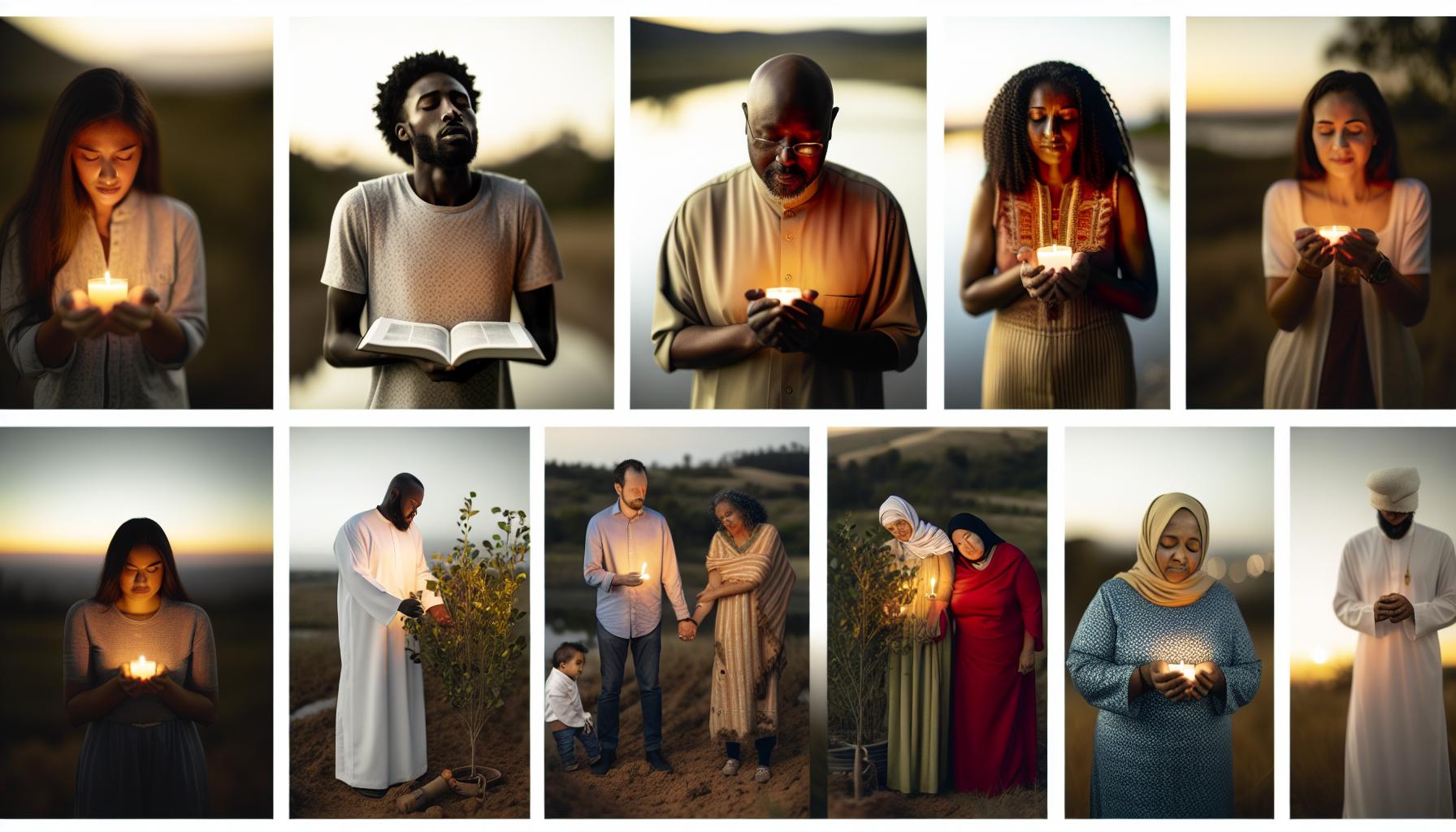
Many inspiring stories of faith transformations reveal how personal challenges can lead individuals to a deeper relationship with God. These narratives often highlight that faith is not just about unwavering belief but also about learning to trust God through life’s ups and downs. Each transformation underscores the power of faith to bring hope, healing, and purpose, even in the most difficult circumstances.
Take the story of Sarah, who found herself at a crossroads after facing a devastating loss. In her grief, she grappled with feelings of abandonment and doubt. Yet, as she began journaling her prayers and reflecting on Bible passages like Psalm 34:18, which reminds us that the Lord is close to the brokenhearted, she discovered a new depth of faith. By sharing her journey in a small group, she not only found comfort but also encouraged others facing similar struggles, illustrating how community engagement can profoundly change one’s spiritual journey.
Another powerful example is that of John, who battled addiction for years. After hitting rock bottom, he felt a nudge to attend a local church service. There, he experienced an overwhelming sense of acceptance and love from the congregation. As John immersed himself in Scripture and sought support through a faith-based recovery program, he began to see his situation change. His faith ignited a passion not only for his own healing but also to help others in similar predicaments. This transformation exemplifies how faith can lead to redemptive action, encouraging those around us to find hope.
These real-life stories showcase that moments of vulnerability can lead to profound transformation when individuals lean into their faith. The journey towards a renewed soul often requires embracing the process, asking hard questions, and actively seeking God in prayer and community. As you reflect on your path of faith, consider how the stories of others can inspire you to take steps toward your own transformation, building resilience and trust in a God who faithfully walks alongside us.
Faq
Q: What is the true meaning of faith?
A: Faith fundamentally means trust and belief in something greater than oneself. It involves surrendering to divine assurance and embracing hope, especially during challenging times. Understanding this essence is crucial for personal growth and spiritual depth, as elaborated in the article’s section on “Understanding the Essence of Faith.”
Q: How can faith impact mental health?
A: Faith can significantly enhance mental health by providing comfort, reducing anxiety, and promoting resilience. Engaging in spiritual practices, as discussed in “Faith Practices: Prayer, Worship, and More,” fosters a sense of community and belonging, which is vital for emotional well-being.
Q: Why is faith important in everyday life?
A: Faith serves as a guiding force in daily decision-making, offering strength and direction. Its importance in navigating life’s ups and downs is outlined in the section “The Role of Faith in Daily Life,” demonstrating how faith can influence actions and attitudes positively.
Q: What are the different expressions of faith?
A: Faith can manifest in various forms, including religious affiliations, personal beliefs, and community practices. The “Exploring Different Types of Faith” section of the article provides insights into these diverse expressions and how they shape individual experiences.
Q: How does faith help during uncertain times?
A: Faith provides hope and stability amid uncertainty, allowing individuals to navigate challenges with confidence. The article details ways faith supports individuals in “Faith in Times of Uncertainty,” making it a vital tool for coping with life’s unpredictability.
Q: What role does prayer play in strengthening faith?
A: Prayer is a powerful practice that deepens one’s connection to the divine and reinforces belief. As outlined in the article, prayer enhances spiritual understanding and commitment, fostering a more profound sense of peace and purpose.
Q: How can I build a stronger foundation of faith?
A: Building a stronger faith foundation involves regular prayer, community involvement, and studying scriptures. Implementing practices highlighted in “Building a Stronger Spiritual Foundation” equips individuals to grow spiritually and face life’s challenges with unwavering belief.
Q: What are some practical steps to live out my faith?
A: Living out faith involves demonstrating love, kindness, and service to others. Practical steps include volunteering, engaging in community service, and maintaining honest relationships, all emphasized in “Faith and Community Engagement,” to create a tangible impact on the world.
Key Takeaways
As we reflect on what it truly means to have faith, remember that this journey is not just about belief, but about profound, transformative action in your life. Embrace the powerful impact of faith to guide your everyday decisions, foster relationships, and nurture your spiritual growth. Whether you’re seeking deeper insights through Bible study, or enhancing your prayer life, take the next step today-your faith can be a beacon of hope for others.
Explore more resources tailored for you, like our articles on spiritual practices and parenting guidance, to enrich your experience further. Consider subscribing to our newsletter for fresh insights and encouragement straight to your inbox. Don’t hesitate to share your thoughts below or reach out if you have questions; your voice matters in this community. Let your faith redefine your world!


![Devoted Health Provider Portal: [Not applicable for Christian content]](https://christiancitychurch.eu/wp-content/uploads/2025/09/7285-devoted-health-provider-portal-not-applicable-for-christian-content-300x171.jpg)