
Indulgences in the Catholic faith are often misunderstood, yet they hold significant importance in the journey of spiritual growth and forgiveness. At their core, indulgences reflect the Church’s teaching on the mercy of God and the power of grace. They offer believers a pathway to alleviate the temporal punishment for sins, fostering a deeper connection with Christ’s redemptive work.
Understanding indulgences isn’t just a historical exploration; it’s an opportunity to grasp the fullness of God’s love and compassion. As you delve into this topic, you may discover how indulgences can encourage a more profound appreciation for the sacraments, inspire a more heartfelt prayer life, and motivate altruistic acts in service to others. This exploration will provide insights into how these practices have evolved and their relevance to your faith today, ultimately nurturing your spiritual journey and drawing you closer to God’s transformative grace. Join us as we uncover the rich history and profound significance of indulgences in Catholicism, nourishing your understanding and faith along the way.
Contents
- 1 What Is an Indulgence? A Clear Definition
- 2 The Historical Origins of Indulgences
- 3 How Indulgences Function in the Catholic Church
- 4 The Spiritual Benefits of Indulgences Explained
- 5 Indulgences in the Context of Catholic Doctrine
- 6 Common Misconceptions About Indulgences
- 7 Types of Indulgences: Partial vs. Plenary
- 8 Indulgences and the Role of Confession
- 9 The Impact of Indulgences on Salvation
- 10 Famous Controversies Surrounding Indulgences
- 11 Indulgences: A Modern Perspective and Practice
- 12 How to Obtain an Indulgence Today
- 13 FAQ
- 14 To Conclude
What Is an Indulgence? A Clear Definition
Indulgences, often misunderstood, represent a vital aspect of the Catholic faith, uniquely tied to God’s mercy and the profound journey of believers in seeking reconciliation. At its core, an indulgence is defined as a remission of the temporal punishment due for sins that have already been forgiven through the sacrament of Penance. This is not to say that indulgences forgive sins themselves; rather, they alleviate the penalties associated with sin, allowing believers to experience a deeper reconciliation with God and the community of saints.
The Church, through its God-given authority, offers indulgences as a means to draw the faithful closer to divine grace. When a person receives an indulgence, it signifies an opportunity to turn away from the consequences of past transgressions. The faithful Christian, through acts of piety, charity, and prayer, can obtain these indulgences either partially or completely (known as plenary), depending on the sincerity and conditions met during the process. This dimension of the Catholic practice emphasizes a communal connection: not only do indulgences benefit the individual penitent, but they can also extend grace to souls in purgatory, reinforcing the belief in the communion of saints.
In today’s world, where distractions abound and the challenges of faith can feel overwhelming, understanding and engaging with the practice of indulgences can serve as a beacon of hope and clarity. Believers are encouraged to actively seek ways to incorporate these acts of faith into their daily lives-whether through prayer, acts of service, or engaging with the sacraments-thus deepening their relationship with Christ and fostering a spirit of renewal and joy within their personal faith journeys.
The Historical Origins of Indulgences
Indulgences have a long and nuanced history within the Catholic Church, reflecting the evolving understanding of sin, redemption, and the grace of God. Originally rooted in the sacrament of penance, the concept of indulgences arose from the early Church’s teaching that the sins of individuals required not only forgiveness but also the fulfillment of certain penances-actions meant to reflect one’s contrition and desire for reconciliation with God. As Christians sought to live out their faith authentically and restore their relationship with God after sinning, the Church recognized the need for a structured way to address the temporal consequences of sin.
In the Middle Ages, the practice evolved significantly. By the 12th century, the Church began to formalize indulgences, providing specific measures through which individuals could mitigate their temporal penalties through charitable acts, prayers, or participation in the sacraments. The idea was not only a reflection of God’s mercy but also an encouragement for believers to engage more deeply with their faith and participate in the life of the Church. Indulgences were initially granted for private devotions or acts of piety and later expanded to include participation in certain liturgical events, pilgrimages, and the crusades, further fostering a communal aspect of faith.
However, the use of indulgences also led to controversies, particularly during the late medieval period, as some practices strayed into exploitation, leading to the infamous sale of indulgences. This abuse contributed to calls for reform, culminating in the Protestant Reformation, where figures like Martin Luther vehemently opposed both the misuse of indulgences and the broader system that supported them. The Council of Trent (1545-1563) sought to clarify and reform the Church’s stance on indulgences, emphasizing that they should never be sold and affirming the connection to genuine repentance and charitable acts.
Today, indulgences are framed within the context of God’s grace and the community of believers. They offer the faithful a tangible reminder of God’s mercy and the importance of continually seeking to deepen one’s relationship with Him. Through understanding , modern believers can appreciate them as a means of grace-a way to experience divine mercy and engage actively in their faith journey, fostering a deeper connection to God and His Church.
How Indulgences Function in the Catholic Church
To understand how indulgences function within the Catholic Church, it’s essential to grasp the foundational belief that they are rooted in God’s grace and mercy. Indulgences are not merely a means of absolution but a spiritual benefit that encourages believers to engage in acts of piety. The Church teaches that indulgences can be obtained through specified good works, prayers, and sacramental participation, which help to alleviate the temporal consequences of sin and foster a deeper relationship with God.
When a Catholic seeks an indulgence, they follow certain guidelines set forth by the Church, usually involving a sincere intention, prayer, and sometimes the performance of specific actions such as attending Mass, praying particular prayers, or engaging in works of charity. This authentic engagement not only aids in the purification from sin but also reflects a commitment to live out one’s faith actively. The conditions for obtaining an indulgence are clearly defined, and the Church encourages the faithful to approach this practice with genuine contrition and a heart oriented towards God’s love.
- Types of Indulgences: There are two main types, partial and plenary. A partial indulgence removes some of the temporal punishment due to sin, whereas a plenary indulgence removes all punishment.
- Role of Confession: While confession is not strictly required to gain a partial indulgence, it is a prerequisite for obtaining a plenary indulgence. This highlights the importance of reconciliation in the Catholic faith.
- Spiritual Growth: Engaging in the acts connected to obtaining an indulgence often leads to deeper spiritual growth, nurturing both personal faith and communal bonds within the Church.
Thus, indulgences serve as a powerful reminder of God’s boundless mercy, encouraging believers to pursue holiness and deepen their faith. By understanding the function of indulgences, individuals can navigate their spiritual journey with greater confidence, knowing that they have the support of the Church and a community of believers striving for sanctity. As you explore this aspect of Catholicism, may you find encouragement to cultivate a life rich in faith practices and a heart open to God’s transformative grace.
The Spiritual Benefits of Indulgences Explained
The practice of seeking indulgences offers profound spiritual benefits that can enrich one’s faith journey and deepen one’s relationship with God. At its core, the concept of indulgences is not merely about reducing penalties for sin; rather, it serves as a divine invitation to engage in acts of love, mercy, and devotion that foster spiritual growth. When believers actively seek to obtain an indulgence, they are often encouraged to participate in prayer, acts of charity, and other pious activities, which align their hearts more closely with Christ’s teachings.
Over the centuries, the Church has emphasized that indulging in good works not only alleviates temporal punishment but also nurtures a vibrant prayer life and community spirit. For instance, when individuals come together for communal prayer or service, they experience the joy of unity in faith, lifting each other towards holiness. This shared experience amplifies the graces bestowed upon them, as they work collectively toward the greater glory of God. Engaging in these acts cultivates virtues such as patience, kindness, and humility, enriching one’s spiritual life beyond the initial motivation of obtaining an indulgence.
The Transformative Power of Indulgences
By focusing on the spiritual benefits associated with indulgences, believers can find an opportunity for profound transformation. Each indulgence acquired through sincere intention and genuine acts can lead to:
- Enhanced Relationship with God: Through consistent engagement in prayer and devotion, individuals deepen their connection with the Divine, nurturing a responsive heart to God’s call.
- Strengthened Community Bonds: Participating in communal practices while seeking indulgences fosters fellowship and accountability within the Church, reinforcing the notion that faith is not a solitary pursuit but a shared journey.
- Growth in Virtue: The acts associated with indulgences encourage the practice of virtues in daily life, ultimately leading to greater holiness and a reflection of Christ to the world around us.
In gaining an understanding of how indulgences function within the broader context of Catholic teaching, believers are called to view these spiritual opportunities as steps towards a transformative life anchored in faith and community. Rather than mere transactions with God, indulgences are invitations to live out one’s faith fervently, growing in love and grace, and becoming an embodiment of Christ’s love in the world. Embracing this perspective allows individuals to appreciate the beauty of God’s merciful provision and integrate it into their daily lives, encouraging a faithful response to His boundless love.
Indulgences in the Context of Catholic Doctrine
In the heart of Catholic teaching, indulgences represent a profound expression of God’s mercy, inviting believers to deepen their faith and engage more fully in the life of the Church. The doctrine of indulgences is rooted in the understanding of the community of believers, known as the communion of saints, which emphasizes that one’s actions-both virtuous and sinful-have implications not only for the individual but also for the wider community. Through indulgences, the Church provides a means to reconcile oneself with God while acknowledging the seriousness of sin and the need for penance.
Indulgences stem from the Church’s authority, given by Christ, to bind and loose sins (Matthew 16:19). This divine mandate allows the Church to offer believers a way to mitigate the temporal consequences of sin, which can include both personal sufferings and the communal implications of estrangement from God. Importantly, indulgences do not replace the necessity of repentance or ongoing faith practices. Instead, they are tools through which the faithful can manifest their desire for holiness, spurring them toward acts of compassion and deepening their spiritual lives.
To receive an indulgence, one must often perform a specific act, such as prayer, pilgrimage, or participation in sacraments, all done with a contrite heart and the intention of growing closer to Christ. It’s crucial to note that indulgences can be either partial or plenary. Partial indulgences remove some of the temporal punishment due to sin, while plenary indulgences eliminate it entirely. Understanding the distinction helps reinforce the ideals of genuine repentance and the call to a life of holiness that influence one’s posture towards sin and forgiveness.
Ultimately, the Church’s teachings on indulgences underscored a pivotal shift during the Reformation, prompting a deeper examination of faith, grace, and salvation. Rather than viewing indulgences merely as transactions for sin, they are an invitation to transformative living-encouraging believers to cultivate virtues such as love, humility, and patience. In this way, indulgences are woven into the fabric of Catholic doctrine as a reflection of God’s endless mercy and the call to live in solidarity with all members of the Body of Christ. Through understanding and embracing indulgences, believers enhance their spiritual journey, contributing to a life marked by grace and love.
Common Misconceptions About Indulgences
Many people hold misconceptions about indulgences, often viewing them as mere transactions or shortcuts to salvation. This viewpoint can lead to misunderstanding the profound theological significance and pastoral purpose of indulgences within Catholic teaching. At their core, indulgences are an invitation to deepen one’s relationship with God and the Church, rather than a “get out of jail free” card for sin.
One prevalent misconception is that indulgences can replace true repentance or the sacrament of confession. In reality, indulgences are meant to complement these essential acts of faith. They do not absolve one of personal sin but rather address the temporal consequences of sin that still require acknowledgment and contrition. The Church teaches that one must be in a state of grace-having confessed their sins and genuinely repented-to fully benefit from the graces offered through an indulgence.
Another misunderstanding is that indulgences are a way for the Church to profit or collect money. This notion, rooted in historical abuses seen during the Middle Ages, overshadows the current understanding and practice of indulgences, which are freely given. Today, the Church emphasizes that indulgences are available through specific acts of love and devotion-like prayer, fasting, or charitable works-done in union with faith, and not as a means of monetary exchange.
Many believers also think that indulgences are primarily for the dead, perhaps perpetuating the idea that they are merely a relic of a bygone era. However, indulgences are very much a living aspect of the faith that can aid both the living and deceased. Engaging in them fosters a sense of community among believers, reinforcing the doctrine of the communion of saints. This communal aspect highlights how our actions can unite us with others in the Body of Christ, transcending time and space.
Ultimately, understanding these misconceptions helps to clarify that indulgences embody God’s mercy and call us to a deeper engagement with faith, repentance, and the community of believers. Engaging with indulgences can enhance one’s spiritual life, revealing how acts of devotion are integral to the journey of holiness and fostering a transformative relationship with Christ.
Types of Indulgences: Partial vs. Plenary
Understanding the types of indulgences-partial and plenary-can illuminate a vital aspect of Catholic spirituality and the Church’s teaching on sin and redemption. Indulgences, at their core, express the profound mercy of God and the Church’s role in helping believers grow closer to Him, while also addressing the consequences of sin. By knowing the distinction between partial and plenary indulgences, one can more effectively engage in practices that foster spiritual growth.
A partial indulgence removes a portion of the temporal punishment due for sin. This type of indulgence can be obtained through various acts of piety such as praying the Rosary, reading Scripture, or partaking in acts of charity. While the exact amount of temporal punishment removed may not be quantifiable, the intent is to encourage believers to engage in daily acts that strengthen their faith and devotion. Engaging in these acts regularly can deepen a person’s relationship with Christ and allow them to live out their faith in a tangible way.
On the other hand, a plenary indulgence provides complete remission of all temporal punishment for sins. To obtain a plenary indulgence, one must perform a designated act-such as attending a Mass on specific feast days, participating in the Sacrament of Reconciliation, or making a pilgrimage to a holy site-while fulfilling certain conditions. These conditions generally include having a sincere intention to receive the indulgence, being free from all attachment to sin, and going to Confession and receiving Eucharistic Communion. It’s important to note that achieving a plenary indulgence isn’t merely about completing a checklist. It is an invitation to divine grace that transforms hearts and leads believers further along their spiritual journeys.
By engaging with both partial and plenary indulgences, believers are encouraged to see their faith as a living relationship with God, one that actively involves their daily lives and actions. This practice not only helps in addressing the consequences of sin but also nurtures a deeper understanding of sacramental life and spiritual community, ultimately reinforcing the call to holiness that lies at the heart of the Christian faith. Through these opportunities, the faithful are invited not only to strive for personal sanctity but also to extend the grace they receive to others, thus embodying the love and mercy of Christ in the wider community.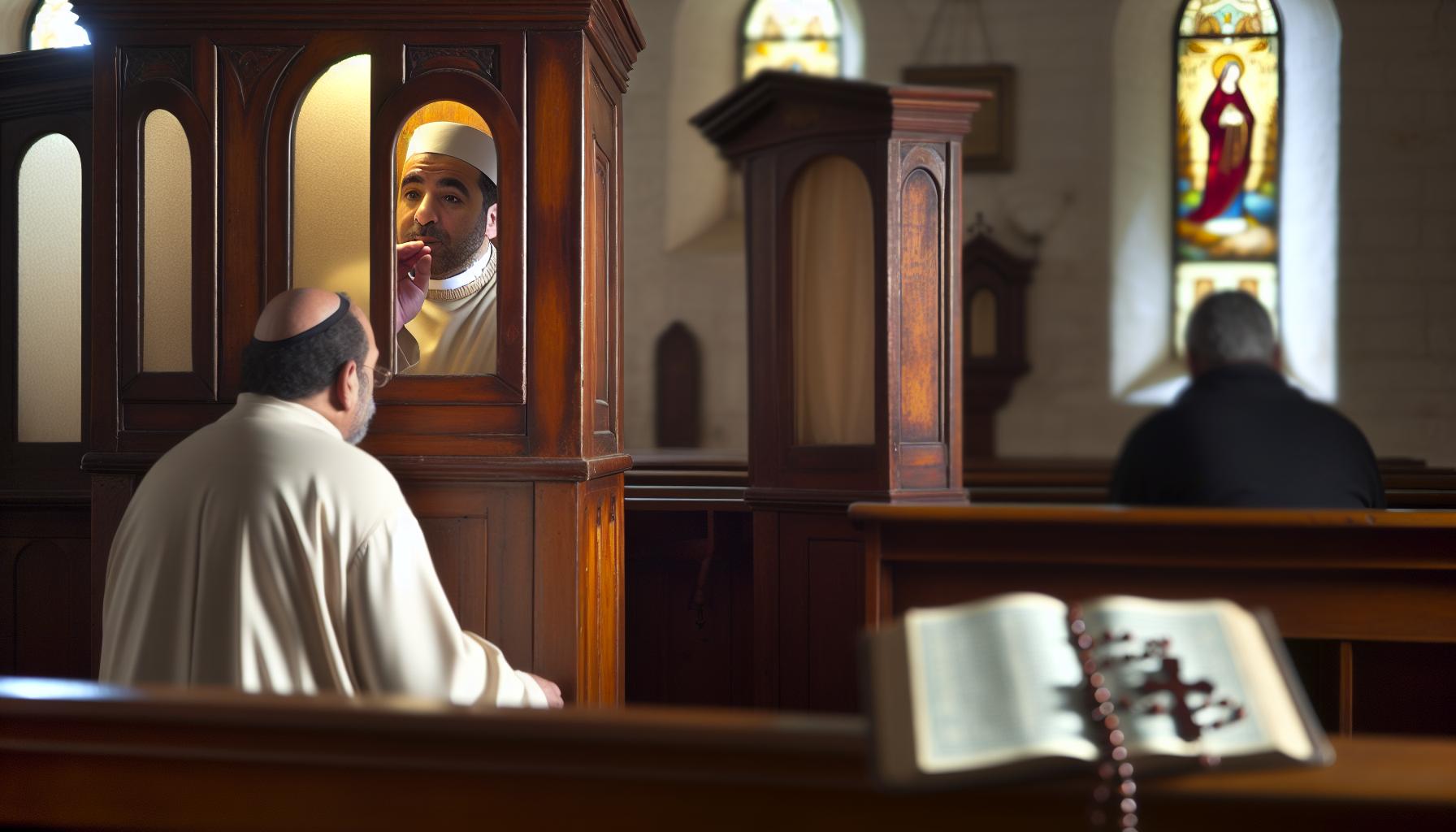
Indulgences and the Role of Confession
The Sacrament of Confession, also known as Reconciliation, plays an essential role in the understanding and practice of indulgences within the Catholic faith. When a believer confesses their sins, they receive not only forgiveness but also the opportunity to restore their relationship with God. This sacrament is foundational, as it addresses the guilt of sin, while indulgences focus specifically on the temporal punishments that may remain after sin has been forgiven. This distinction invites the faithful into a deeper experience of God’s mercy and grace.
To obtain a plenary indulgence, the faithful are generally required to participate in Confession. This sacrament acts as a gateway, allowing believers to approach God with a contrite heart and sincere desire for spiritual renewal. It is not merely a routine obligation but a profound moment for healing and conversion. During Confession, individuals acknowledge their shortcomings and sins, which can deeply affect their spiritual state. This self-reflection prepares their hearts to seek the grace of indulgences, transforming their spiritual journey into an active pursuit of holiness and divine acceptance.
Furthermore, the Church teaches that to receive a plenary indulgence, one must fulfill several conditions, including detachment from all sin, even venial sin. This can be a challenging endeavor, but Confession serves as a vital step in this journey. By confessing their sins, individuals can genuinely desire to turn away from them, thus aligning themselves more closely with God’s will. It is through this sacrament that believers can experience the profound peace of God, enabling them to obtain the fullness of indulgences and move closer to their ultimate goal of reunion with Him.
Ultimately, the relationship between indulgences and Confession underscores the Church’s teaching that God’s mercy is ever abundant. Believers are encouraged to regularly participate in the Sacrament of Confession as a means to not only receive forgiveness but also to cultivate a spirit of repentance and renewal in their lives. This practice not only helps them engage with the grace of indulgences but also deepens their spiritual maturity and commitment to living a life that reflects the love and teachings of Christ.
The Impact of Indulgences on Salvation
The idea of indulgences can initially seem daunting, but understanding their impact on salvation reveals a profoundly enriching aspect of Catholic faith. Indulgences, grounded in the Church’s authority and the boundless mercy of God, offer believers a unique opportunity to deepen their spiritual journey and their relationship with Christ. When individuals engage in the practice of obtaining indulgences, they are not merely seeking a reduction of punishment but actively participating in a grace-filled process that can transform their lives and contribute to their salvation.
Indulgences serve as a reminder of the connection between personal sin, communal responsibility, and divine grace. They encourage believers to reflect not only on their sins but also on the communal aspects of salvation, particularly how one’s spiritual state can affect others. By performing pious acts or charitable deeds and applying the fruits of these actions through indulgences, the faithful can cultivate a spirit of mercy and compassion. This is beautifully illustrated in the great commandment to love one’s neighbor, as engaging in acts that garner indulgences often leads to service-oriented actions, promoting a Christ-centered lifestyle.
Furthermore, the relationship between indulgences and salvation underscores the transformative power of Christ’s resurrection. As believers fortify their souls through prayer, acts of charity, and participation in the sacraments, they align themselves more closely with God’s salvific plan. This movement toward holiness not only prepares them for eternal life but also instills a vibrant, hopeful approach to everyday living. By participating in the communal aspect of grace-which indulgences foster-individuals can also help support the souls in purgatory, underscoring the Church’s teachings on the communion of saints.
In embracing indulgences, believers can actively participate in their salvation while cultivating a daily practice of prayer, reflection, and community. Applying indulgences becomes a part of an overarching spiritual strategy that continuously points toward the heart of the Gospel message: love, mercy, and the promise of eternal life with God. This enriching experience serves as an invitation to all believers to not only seek personal holiness but to engage with the broader Church community in a shared journey toward salvation.
Famous Controversies Surrounding Indulgences
Throughout history, indulgences have sparked intense debates that illuminate the complexities of faith and the interplay between divine grace and human action. One of the most famous controversies arose during the late Middle Ages, particularly with the sale of indulgences as a means to raise funds for church projects, such as the construction of St. Peter’s Basilica in Rome. The practices of purchasing indulgences for the forgiveness of sins clashed dramatically with the foundational teachings of Christianity that emphasize repentance and God’s grace as free and unearned.
The Protestant Reformation
The most significant backlash against indulgences intensified during the Protestant Reformation, led by figures such as Martin Luther in the early 16th century. Luther’s Ninety-Five Theses, which challenged the church’s authority and practices, particularly targeted the sale of indulgences. He argued that the church’s practice undermined the essential doctrine of salvation by faith alone. Luther emphasized that indulgences could not replace genuine repentance and faith, fueling a movement that redefined Christian practice throughout Europe. His criticisms resonated with many believers who felt that the church had strayed from its spiritual mission, leading to a deeper examination of ecclesiastical authority and scriptural interpretation.
Clarification and Reform
In response to the upheaval, the Catholic Church eventually convened the Council of Trent in the mid-16th century. This council aimed to clarify Catholic doctrine, including the purpose and nature of indulgences. The Church affirmed the importance of indulgences as a means of grace but prohibited the sale of indulgences and misplaced reliance on them for salvation. This response illustrated a commitment to pastoral care and doctrinal integrity, seeking to reconcile the need for spiritual works with the understanding that salvation ultimately comes through Christ alone.
Modern Reconsiderations
In contemporary discussions, the notion of indulgences continues to evoke mixed responses. Many modern Catholics pursue indulgences as a part of their spiritual life, engaging in acts of charity and devotion, consistent with the Church’s emphasis on spiritual growth and community support. However, the historical controversies remind believers to carry forward the principles of faith, repentance, and love that underpin the Christian journey.
As you navigate your faith, consider how understanding the history of indulgences can inspire a deeper relationship with God. Reflect on opportunities for spiritual growth through prayer, acts of kindness, and sacramental life. Embrace the humility of seeking forgiveness and the joy of community, living out the call to love and serve others as a testament to Christ’s profound grace.
Indulgences: A Modern Perspective and Practice
Many modern Catholics view indulgences as an avenue to deepen their spiritual life, enhancing their relationship with God through acts of devotion, service, and personal growth. This perspective steers away from past controversies and recognizes indulgences as opportunities to engage more fully in one’s faith journey, reinforcing the Catholic understanding of grace as a transformational and communal experience.
Catholics today can obtain indulgences through various means that align with the Church’s teachings, emphasizing the importance of personal contrition and adherence to spiritual practices. Engaging in spiritual works such as visiting the sick, praying for the dead, or participating in Eucharistic adoration can yield both partial and plenary indulgences, which allow believers to reflect on their actions’ consequences while receiving God’s mercy. This practice resonates deeply with the core of Christian living-serving others while nurturing one’s own faith.
It is essential to approach indulgences with the understanding that they do not replace the need for sincere repentance, faith, and the sacramental life. As Pope Francis highlighted, the Church calls its members to live out their faith actively by merging their personal spiritual growth with their community responsibilities. This holistic view dismantles any notion of indulgences as a mere transactional exchange, inviting believers instead to cultivate habits of prayer and charity that foster genuine transformation in their lives.
In the modern context, these practices also serve as a reminder of the interconnectedness within the Body of Christ. When one engages in acts of piety, they contribute to the spiritual well-being of the community, acknowledging the shared journey towards holiness. Thus, indulging in the beauty of God’s mercy not only benefits the individual but uplifts the collective, encouraging all toward a life characterized by love, hope, and abundant grace. This dynamic understanding embraces the complexities of faith while nurturing a deeper commitment to live out the Gospel message.
How to Obtain an Indulgence Today
To engage fully in the spiritual richness of the Catholic faith, understanding can empower believers on their faith journey. Indulgences, which are opportunities to receive the Church’s blessing through special acts of devotion, reflect a deep and ancient tradition rooted in Christ’s mercy. By participating in various prescribed acts, Catholics can experience profound spiritual benefits that foster a more intimate relationship with God.
Ways to Obtain an Indulgence
There are specific acts through which Catholics can attain both partial and plenary indulgences, each encouraging deeper spiritual growth. Here are some notable examples:
- Participate in the Sacraments: Receiving the Eucharist devoutly, especially during significant liturgical occasions, can grant indulgences. Confession within a specific timeframe before or after receiving the Eucharist is essential for plenary indulgence.
- Engage in Prayer: Praying the Rosary in a group setting, or participating in a Devotion to the Sacred Heart of Jesus, is another avenue. These prayers not only enrich individual faith but strengthen communal ties within the Church.
- Acts of Charity: Visiting the sick, providing for the poor, or even doing manual labor for the benefit of others can yield spiritual rewards.
- Meditate on Scripture: Spending time in contemplation of the Scriptures can also allow for the reception of an indulgence, enhancing your understanding of God’s word.
By committing to these practices regularly, individuals not only foster their spiritual health but also contribute positively to their community. The genuine intention behind these actions is what makes them fruitful in the eyes of God.
The Importance of Intent and Attitude
It’s crucial to approach indulgences with the right heart and mindset. Pope Francis emphasizes the importance of authentic faith expressed through acts of love and service. The desire for spiritual growth should be coupled with genuine contrition for sins committed, ensuring that one’s actions reflect true devotion rather than a mere checklist for spiritual gain.
Indulgences serve as a beautiful reminder of God’s mercy, inviting believers into a deeper communion with Him. By embracing these practices, individuals can cultivate a vibrant spiritual life that not only benefits themselves but also encourages a flourishing community of faith.
FAQ
Q: What does the Catholic Church teach about indulgences?
A: The Catholic Church teaches that indulgences are a means of reducing the temporal punishment for sin, available through specific actions like prayer, pilgrimage, or almsgiving. They can be partial or plenary, depending on the extent of remission granted. For further details, refer to the section on “How Indulgences Function in the Catholic Church.”
Q: Can anyone obtain an indulgence in the Catholic faith?
A: Yes, anyone who is a baptized Catholic can obtain an indulgence, provided they meet the necessary conditions such as having a sincere intention, participating in required sacraments, and completing designated acts of devotion. Visit “How to Obtain an Indulgence Today” for more specifics.
Q: Are indulgences still relevant in modern Catholic practice?
A: Yes, indulgences remain relevant as they offer spiritual benefits and opportunities for personal growth in faith. Many Catholics engage in practices leading to indulgences during specific liturgical seasons or sacramental events. For insights, see “Indulgences: A Modern Perspective and Practice.”
Q: What are the differences between partial and plenary indulgences?
A: Partial indulgences remove some of the temporal punishment due to sin, while plenary indulgences remove all such punishment. The requirements to obtain each type vary significantly, which is discussed in detail in the section “Types of Indulgences: Partial vs. Plenary.”
Q: How do indulgences relate to the concept of salvation in Catholicism?
A: Indulgences do not replace the necessity of God’s grace for salvation but rather support spiritual growth by helping Catholics fulfill the penance required for sin. They emphasize the Church’s role in offering pathways to healing and reconciliation. For more on this, visit “The Impact of Indulgences on Salvation.”
Q: What misconceptions exist about indulgences in the Catholic faith?
A: Common misconceptions include the belief that indulgences can be bought or that they grant a license to sin. In reality, indulgences are spiritual aids requiring genuine remorse and devotion. Explore “Common Misconceptions About Indulgences” for clarification.
Q: Why were indulgences controversial during the Reformation?
A: Indulgences were controversial because some practices, such as selling them, led to abuses perceived as corruption. This controversy highlighted broader questions about authority and the nature of salvation, which were central issues during the Reformation period. More details can be found in “Famous Controversies Surrounding Indulgences.”
Q: What role do prayers play in obtaining indulgences?
A: Prayers are essential in obtaining both partial and plenary indulgences. Specific prayers, along with contrition and works of charity, can fulfill the conditions set by the Church. For actionable insights, check out the section “How to Obtain an Indulgence Today.”
To Conclude
As we’ve explored, indulgences in the Catholic faith represent a complex interplay of mercy and discipline, emphasizing the Church’s role in the journey of redemption. Understanding this history can deepen your faith and enhance your spiritual practices. If you’re eager to dive deeper into other facets of Christian life, consider reading about prayer life or engaging with our resources on biblical study tips.
Don’t miss out-subscribe to our newsletter for the latest insights and spiritually enriching content that nurtures your faith journey. Join the conversation by sharing your thoughts or questions in the comments below, and let’s continue to grow together in Christ. Remember, seeking understanding is a continuous process; stay curious and explore our articles on Christian marriage and parenting guidance for further enrichment. Your next steps in faith are just a click away!


![Devoted Health Provider Portal: [Not applicable for Christian content]](https://christiancitychurch.eu/wp-content/uploads/2025/09/7285-devoted-health-provider-portal-not-applicable-for-christian-content-300x171.jpg)