Faith in God is more than a belief-it’s a transformative journey that shapes our daily lives and infuses our existence with purpose and hope. In an increasingly uncertain world, understanding what it means to have faith can provide a solid foundation for peace and resilience. This guide is designed for newcomers and those seeking to deepen their understanding of faith, exploring its biblical roots and practical applications.
Discover how genuine faith not only inspires us to trust in God’s promises but also motivates acts of compassion and love toward others. Whether you’re grappling with life’s challenges or simply looking to enrich your spiritual walk, understanding faith in God unlocks profound insights into prayer, devotion, and everyday living. As you explore this topic, allow your curiosity to guide you into a deeper relationship with God, where unwavering faith becomes both a source of strength and a beacon of hope in your life.
Contents
- 1 What Is Faith in God? Understanding Its Meaning
- 2 The Essential Role of Faith in Christian Life
- 3 Exploring Different Types of Faith: Personal, Communal, and Biblical
- 4 How to Develop a Stronger Faith in God
- 5 Common Challenges to Faith and Overcoming Doubts
- 6 The Relationship Between Faith and Prayer
- 7 Faith in Action: Living Out Your Beliefs Daily
- 8 The Importance of Scripture in Strengthening Faith
- 9 Faith, Hope, and Love: Understanding Their Connection
- 10 The Journey of Faith: Stages and Growth
- 11 Real-Life Testimonials: Transformative Power of Faith
- 12 Practical Steps: Incorporating Faith into Family Life
- 13 Q&A
- 14 Insights and Conclusions
What Is Faith in God? Understanding Its Meaning
Faith in God serves as a cornerstone for many believers, providing both a foundation and a lens through which to view the world. It is not merely an abstract concept, but a profound assurance that links the individual to the divine. Understanding faith in God involves recognizing it as a deep, personal trust in His character, promises, and authority. According to Hebrews 11:1, faith is described as “the substance of things hoped for, the evidence of things not seen,” a declaration that encompasses both hope and assurance in the unseen realities of life and faith itself.
One way to comprehend the meaning of faith is through the distinction between belief and trust. While belief may involve accepting certain truths, faith moves beyond that to a relational trust. It’s the difference between acknowledging that God exists and actively relying on Him to fulfill His promises. This form of trust allows believers to navigate life’s challenges, drawing on God’s strength and guidance even when circumstances are difficult or uncertain. For instance, in times of personal loss or hardship, faith acts as a source of comfort, reassuring individuals that God is in control and working for their good.
Moreover, the journey of faith is often depicted as a continuous process of growth and discovery. As believers engage with Scripture, prayer, and community, they deepen their understanding of God’s nature and foster a stronger faith. This experiential aspect of faith highlights the importance of actively living out one’s beliefs. Through acts of service, commitment to prayer, and fostering relationships within a faith community, individuals can witness the transformative power of faith-both in their lives and in the lives of those around them.
In conclusion, faith in God is a dynamic and life-giving force that inspires and sustains believers. It enriches the Christian journey, offering a profound sense of purpose and connection with the Creator. As individuals cultivate their faith, they not only grow closer to God but also become beacons of hope and love in the world, demonstrating the practical application of their beliefs in everyday life.
The Essential Role of Faith in Christian Life
Faith permeates every aspect of a Christian’s life, serving as the guiding light that illuminates our path and shapes our understanding of God and His purpose for us. As believers, we are invited to rely heavily on faith, which not only anchors our souls but also fuels our actions, decisions, and interactions with others. It’s not merely a belief system; it’s a transformative experience that empowers individuals to embrace God’s promises and navigate life’s challenges with assurance.
In practical terms, faith encourages a close relationship with God, nurtured through regular practices such as prayer, studying Scripture, and participating in community worship. This spiritual discipline fosters a deeper understanding of God’s character and His promises, allowing believers to tailor their lives according to His guidance. For instance, engaging with the Bible allows for personal revelations, as God’s Word often speaks directly to our circumstances, stirring faith within our hearts. Moreover, prayer becomes the lifeline through which we communicate our hopes, fears, and desires to God while also listening to His voice.
Faith also enhances interpersonal relationships within the Christian community. It encourages believers to support one another, share testimonies of God’s faithfulness, and collectively seek God’s will. When Christians come together, their shared faith creates a powerful atmosphere of encouragement, where doubts are addressed, and victories celebrated. This connection underscores the truth found in Ecclesiastes 4:9-10, which tells us that “two are better than one” because they can help each other in their struggles.
Ultimately, both the individual and communal aspects of faith contribute to a flourishing Christian life, where believers find strength not only for themselves but also for others. As faith is actively lived out-through service, love, and a commitment to God’s will-it cultivates a vibrant Christian witness to the world around them. Faith, therefore, is essential, not just as a personal conviction but as the heartbeat of a loving and unified body of Christ, poised to reflect His light and love in a world that desperately needs it.
Exploring Different Types of Faith: Personal, Communal, and Biblical
In our journey of faith, it’s essential to recognize the distinct but interconnected types of faith that shape our experiences as believers. Personal faith is the intimate trust and reliance each individual develops in God. It is characterized by personal experiences and revelations, often nurtured through daily practices of prayer and Bible study. This type of faith encourages believers to cultivate a loving relationship with God, as they seek His guidance for their lives. For many, personal faith flourishes during times of quiet reflection-whether in solitude, during devotional time, or in heartfelt conversations with God. The Psalms are rich with expressions of personal faith, revealing a deep dialogue between the believer and the Creator.
Moving from the individual to the broader perspective, communal faith highlights the importance of collective belief and encouragement among Christians. This type of faith is cultivated within a community, such as a church or small group, where members share their experiences, support one another, and grow together in their understanding of God. Acts 2:42-47 beautifully illustrates this communal aspect, as the early church devoted themselves to the apostles’ teaching, fellowship, breaking of bread, and prayer. Regular gatherings foster strong bonds, allowing believers to celebrate victories and shoulder burdens together, reinforcing the idea that “Iron sharpens iron” (Proverbs 27:17). Being part of a community not only strengthens individual faith but also amplifies it through shared testimonies and collective worship.
The biblical faith we explore in Scripture serves as a foundation for both personal and communal faith. It encompasses the teachings, stories, and promises found within the Bible, guiding believers in their daily lives. By immersing themselves in God’s Word, Christians can discover the roots of their faith and understand its purpose in a broader context. Hebrews 11, for example, serves as a powerful reminder of the faith of biblical figures who trusted God despite uncertainty. Their stories not only inspire but also provide a blueprint for how faith can manifest in various aspects of life-from overcoming trials to acting in obedience to God’s call.
In nurturing all three types of faith-personal, communal, and biblical-believers can foster a well-rounded and dynamic spiritual life. Each type supports the others, encouraging a deeper understanding of God’s character and His unchanging promises. Embracing this multifaceted approach enables Christians to navigate both personal and collective challenges, bolstering their witness in a world that greatly needs the love and hope found in God.
How to Develop a Stronger Faith in God
To deepen your faith in God, it’s vital to engage actively with your spiritual journey through practices that cultivate a closer relationship with Him. A significant way to start is through prayer. Consistent, heartfelt prayer opens the dialogue with God, allowing you to express your hopes, fears, and gratitude. Whether it’s through structured prayer or spontaneous conversations with God throughout your day, this practice fosters intimacy in your relationship with Him. Remember Philippians 4:6-7, which encourages believers to not be anxious but to present their requests to God in prayer, promising His peace will guard your hearts and minds.
Another essential component to strengthen your faith is regular Bible study. The Bible is not just a historical document; it is God’s living word that offers guidance, comfort, and wisdom. Consider setting aside specific times during the week to read and meditate on Scripture. You might find it helpful to use devotionals that provide daily readings and reflections. As you immerse yourself in God’s word, look for passages that speak to your current life circumstances or challenges. This practice helps you understand God’s character and His promises, which can bolster your faith during tough times.
Furthermore, actively participating in a community of believers can dramatically enhance your faith journey. Surrounding yourself with other Christians brings accountability and encouragement. Join a small group or a church where members gather to share their experiences and insights on faith. As stated in Hebrews 10:24-25, gathering together can inspire one another to love and good works, reinforcing your spiritual growth. This collective support not only enriches your personal faith but also builds a stronger community united in Christ.
Lastly, be intentional about integrating faith into your everyday life, including your roles in family and parenting. Modeling faith to your children encourages them to explore their beliefs. Consider establishing family devotions or discussions about faith that align with daily experiences. Remember, living out your beliefs authentically communicates the essence of faith. As you embody Christ-like characteristics-love, patience, and kindness-you not only strengthen your faith but also serve as a living example to those around you.
By prioritizing prayer, Bible study, community involvement, and daily applications of faith, you can experience a profound transformation in your spiritual journey, drawing closer to God and nourishing a faith that can weather any storm.
Common Challenges to Faith and Overcoming Doubts
Many believers find themselves wrestling with doubts at various points in their faith journey. This common struggle can arise due to personal losses, unanswered prayers, or even the overwhelming challenges of life. Yet, it is essential to remember that doubts are not the end of faith; rather, they can serve as catalysts for a deeper understanding of our beliefs. The Bible itself is filled with stories of faithful individuals who encountered significant struggles, such as Thomas, whose doubts led him to a profound revelation of Christ’s resurrection (John 20:24-29). Embracing doubts can open the door to a more robust and authentic faith.
Identifying Common Challenges
Many people face a range of challenges that can shake their faith, including:
- Personal Suffering: Experiences of pain can lead to questions about God’s goodness and presence.
- Environmental Pressures: The influences of a secular society may challenge traditional beliefs.
- Intellectual Doubts: Questions arising from scientific discoveries or philosophical inquiries can cause friction with faith principles.
- Isolation: Feeling disconnected from a community of believers may foster doubt and confusion about one’s faith.
Addressing these challenges involves acknowledging them without fear. It can be incredibly enlightening to engage in open dialogue with God, bringing these questions before Him in prayer. Additionally, seeking guidance from scripture and spiritual leaders can provide valuable insights into reconciling doubts with faith.
Practical Steps for Overcoming Doubts
To navigate through periods of uncertainty, implementing specific practices can be beneficial:
- Prayer as a Dialogue: Engage in honest conversations with God. Express your doubts freely, allowing space for Him to respond.
- Bible Engagement: Regularly reading and meditating on the Word can reinforce faith and offer clarity during tough times. Verses such as Proverbs 3:5-6 remind us to trust in the Lord, even when understanding may escape us.
- Community Support: Join a group where you can discuss your faith openly. Sharing experiences with others who have wrestled with similar doubts can foster growth and encouragement.
- Reflect on Testimonies: Seek out stories of faith from others that inspire you. Hearing how God has worked in the lives of fellow believers can reignite your faith.
As you work through doubts, remember that faith is often not about having all the answers but about trusting God in the midst of uncertainty. Embrace this journey, knowing that God values your heart’s desire to seek Him. Your struggles can lead to stronger faith, as they cultivate a resilience that draws you nearer to Christ, encouraging others along the way.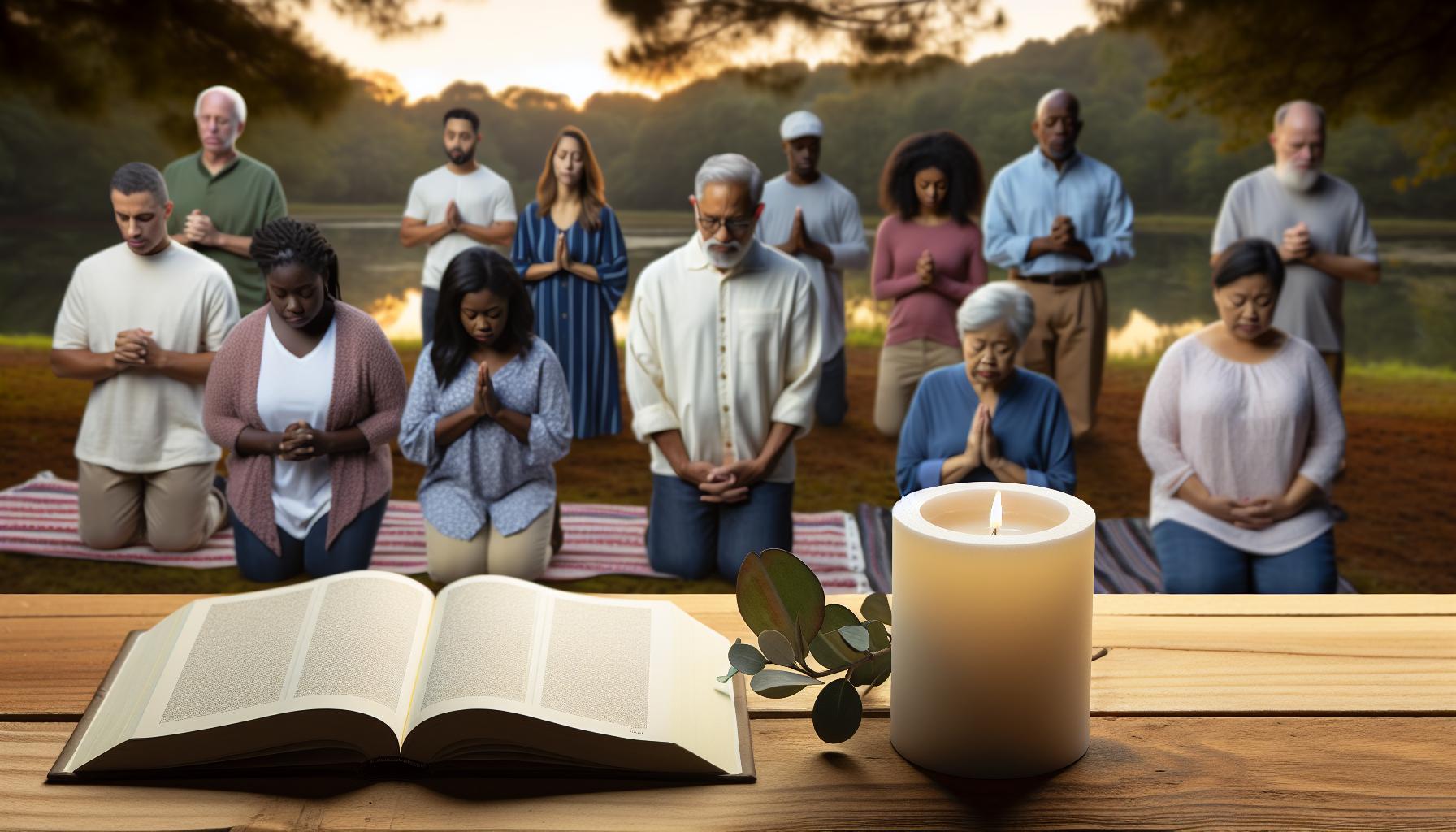
The Relationship Between Faith and Prayer
The foundation of a vibrant faith life is prayer, acting as both a lifeline and a language of love between the believer and God. When we engage in prayer, we embark on a sacred dialogue that deepens our relationship with the Almighty, reinforcing the essence of our faith. Prayer is not solely about presenting requests or demands; it is an invitation to converse, listen, and grow alongside our Creator. Just as Jesus often withdrew to pray, we too can find strength and clarity through this intimate practice (Luke 5:16).
The Power of Connection Through Prayer
Faith and prayer intertwine beautifully, as prayer serves to align our heart with God’s will. When we approach Him with sincerity, we open ourselves to His guidance. This two-way communication helps fortify our belief, particularly in moments when faith feels shaky. Imagine a child asking a loving parent for direction; in the same way, we seek God’s wisdom and comfort through our prayers. Each prayer becomes a brick in the foundation of our faith, reinforcing our understanding of His promises and presence in our lives.
Consider the example of the early church, which devoted itself to prayer and communal support. Acts 2:42 illustrates how prayer was central to their community, allowing their faith to flourish collectively. Such practices encourage us today to establish prayer as a priority, fostering environments where faith can thrive together.
Practicing Robust Prayer
To nurture this vital connection, believers are encouraged to practice specific forms of prayer. Here are some suggestions to enhance your prayer life:
- Adoration: Begin your prayers by acknowledging God’s greatness and sovereignty. This sets the stage for deeper communion.
- Confession: Take time to reflect on personal shortcomings and seek God’s forgiveness, which restores your sense of wholeness.
- Thanksgiving: Regularly express gratitude for His blessings, cultivating a mindset of appreciation that enhances faith.
- Supplication: Present your requests and the needs of others, trusting that God hears and responds in His perfect timing.
Incorporating structured prayer time can guide daily rhythms, allowing believers to anticipate moments of divine connection. Whether through journaling, meditative prayer, or communal prayer groups, varying your approach can bring freshness to your dialogue with God.
Ultimately, developing a vibrant prayer life unlocks transformative growth in faith. The act of praying becomes an affirmation of trust, reminding us that even in life’s uncertainties, God remains faithful and sovereign. As you cultivate this relationship, expect your faith to be strengthened, knowing that every prayer shared is a step towards a deeper, more trusting walk with Christ.
Faith in Action: Living Out Your Beliefs Daily
Living your faith authentically can change not only your life but also the lives of those around you. Imagine how powerful it is when the love and teachings of Christ are reflected through your daily actions. The call to faith in God isn’t merely an internal conviction; it’s a dynamic force that propels us into action, illuminating our everyday interactions and choices. By embodying your beliefs, you’re not only honoring God but also serving as a beacon of hope and encouragement for others.
One practical way to manifest faith daily is through acts of kindness and service. God calls us to love our neighbors as ourselves, which can take many forms. Whether it’s volunteering in your community, lending a listening ear to a friend in need, or simply offering a smile to a stranger, each act signifies the living expression of your faith. Matthew 25:40 reminds us that whenever we serve others, we are serving Christ Himself. So, look for opportunities within your daily routine to extend grace and love, transforming mundane moments into divine encounters.
In addition to acts of service, integrating your faith into family life is crucial. Establishing a family devotion time can cultivate spiritual growth and unity. Gather together for prayer, share Bible stories, or discuss faith-based lessons that apply to your family’s experiences. As Deuteronomy 6:6-7 emphasizes, teaching God’s commandments to your children perpetuates a lifestyle of faith for generations to come. Engaging in spiritual discussions fosters a deeper understanding and encourages children to take ownership of their faith journey.
Moreover, don’t underestimate the power of your everyday decisions. Aligning your actions, choices, and values with Biblical principles showcases your faith in practical ways. Whether it’s how you approach work, relate to colleagues, or manage resources, living righteously speaks volumes about your commitment to God. Prayerfully consider how each aspect of your life reflects your beliefs, and be intentional in making choices that honor Him.
Ultimately, faith in action is about a lifestyle rooted in love, service, and integrity. It’s an ongoing journey of embodying Christ’s teachings in every sphere of life, shining brightly amidst a world that often seeks darkness. Remember that each small step you take in faith reinforces your relationship with God and creates a ripple effect of positivity and transformation in the lives of those around you. As you endeavor to live out your beliefs, trust in the promise that every action, no matter how small, is seen and valued by God.
The Importance of Scripture in Strengthening Faith
Engaging with Scripture is not just a practice for Christians; it is a lifeline that nurtures and strengthens one’s faith. The Bible is referred to as the “living word” because it has the power to speak directly to our hearts, offering encouragement, wisdom, and guidance in times of uncertainty. Each verse holds the potential to illuminate our thoughts and actions, demonstrating how Scripture is essential for deepening our relationship with God and fortifying our beliefs during life’s challenges.
The potency of Scripture is highlighted in Romans 10:17, which states, “So faith comes from hearing, and hearing through the word of Christ.” This scripture encapsulates the idea that hearing and reading God’s Word cultivates a deeper faith. Regular Bible study enables individuals to learn about God’s promises, historical acts of faithfulness, and His unfailing love for humanity. As you immerse yourself in the Scriptures, it becomes easier to anchor your life’s decisions and actions in His truths, allowing faith to flourish.
To effectively integrate Scripture into daily life, consider establishing a routine that includes not only reading but also meditating on the Word. Here are a few practical approaches to get started:
- Daily Devotionals: Set aside time each day for personal devotionals that include prayer and reflection on a specific Bible passage.
- Scripture Memorization: Memorizing key verses can fortify your spirit, as they become readily accessible during moments of doubt or distress.
- Group Bible Studies: Join or initiate a small group where members can discuss and share insights on various passages, fostering community and collective growth.
The insights gained through Scripture not only bolster individual faith but also create opportunities for shared experiences within families and communities. For instance, discussing Bible stories with children can ignite their spiritual curiosity and help them understand Biblical principles in their own lives. As Psalms 119:105 beautifully states, “Your word is a lamp for my feet, a light on my path,” illuminating the way forward in moral and spiritual dilemmas.
Remember, the engagement with Scripture is not a one-time event but a lifelong journey. Each reading can reveal new facets of God’s character and pave the way for personal transformation. As you embrace this practice, let it fuel your faith and enrich your understanding, molding you closer to the image of Christ. By allowing the Scriptures to inform your day-to-day life, you not only grow in faith but also exemplify the beauty of living faithfully, serving as a testament to others around you.
Faith, Hope, and Love: Understanding Their Connection
Understanding the profound relationship between faith, hope, and love can significantly enrich one’s spiritual journey. These three virtues are not just individual concepts; they are intertwined, each one supporting and enhancing the others. As highlighted in 1 Corinthians 13:13, “And now these three remain: faith, hope and love. But the greatest of these is love.” This distinction offers insight into the foundational role that love plays in the Christian life, but it is equally essential to recognize how faith and hope work synergistically with it.
Faith begins the journey; it is the assurance we have in things hoped for and the conviction in things not seen (Hebrews 11:1). This faith allows us to trust God’s promises, forming the bedrock of our relationship with Him. Hope emerges from that faith, giving us a vision for the future and the strength to persevere through trials. When we face challenges or uncertainties, hope allows us to look beyond our current circumstances and anticipate God’s goodness and provision. It reminds us that our story doesn’t end with our present struggles, but continues with the promises of God’s love.
Love, however, often acts as the driving force behind faith and hope. It motivates us to trust in God fully and to cling to hope in the midst of life’s storms. When we cultivate a deeper understanding of God’s love for us, as expressed in Romans 5:5-“And hope does not put us to shame, because God’s love has been poured out into our hearts through the Holy Spirit”-we begin to see how these three virtues operate together.
To live out this connection practically, consider how you can cultivate these virtues in your daily life. Engage in practices that nurture your faith, such as consistent prayer and Bible study, and allow them to deepen your understanding of God’s love. Reflect on the hope you have in Christ and share that hope with others, fostering a community rooted in these Christian principles. Through acts of kindness, support, and service, you can manifest love in action, reinforcing your faith and inspiring hope in those around you.
- Daily Reminders: Write down verses that emphasize faith, hope, and love. Place them where you will see them regularly to encourage your spirit.
- Engaging in Community: Surround yourself with fellow believers who can uplift and challenge you in your faith journey, sharing insights about love and hope.
- Acts of Service: Identify opportunities within your community to practice love through service, demonstrating how faith and hope guide your actions.
By understanding and nurturing the connection between faith, hope, and love, you can embark on a transformative journey that enriches not only your own spiritual life but also positively impacts those around you, creating a powerful ripple effect of Christ-like love in action.
The Journey of Faith: Stages and Growth
The journey of faith is a dynamic and transformative process that every believer undergoes, characterized by various stages of growth and deepening understanding of God’s character and promises. Just as a seed takes time to sprout and grow into a strong tree, so too is our faith developed through experiences, challenges, and the ongoing work of the Holy Spirit within us. One crucial aspect of this journey is recognizing that growth does not happen overnight; it is a lifelong adventure filled with opportunities for learning, service, and spiritual maturity.
In the initial stages of faith, believers often feel an overwhelming sense of joy and excitement about their new relationship with Christ. This is akin to the “first love” experience mentioned in Revelation 2:4, where the fervor and enthusiasm ignite a desire for deeper knowledge through prayer and Scripture. During this phase, individuals usually engage in basic spiritual practices, such as attending church services, participating in community groups, and reading the Bible regularly. As they delve deeper, they begin to wrestle with profound questions about purpose and faith, which lead to deeper reliance on God and exploration of their beliefs.
As believers mature, they encounter challenges that test their faith. This is a vital stage of growth where they learn to depend on God’s promises more fully, as illustrated in James 1:2-4, which speaks to the importance of perseverance in trials. These experiences often refine and strengthen their faith, helping them to grow spiritually. During this time, relying on the support of a Christian community becomes essential. Engaging in meaningful relationships with fellow believers provides encouragement and accountability, fostering an environment for growth and mutual support.
Transformational Growth Through Application
A significant aspect of growing in faith is taking what is learned and putting it into action. Believers are called to be the body of Christ, actively living out their faith through acts of service, love, and sharing the gospel with others. Practical steps can include committing to regular service opportunities, volunteering for missions, or simply finding ways to show kindness and compassion in daily life. In doing so, they not only strengthen their faith but also inspire others in their communities.
Incorporating spiritual disciplines such as prayer, fasting, and meditation helps deepen believers’ understanding and connection with God. These practices can create spaces for reflection and deepen one’s reliance on His guidance. For instance, maintaining a daily prayer habit allows believers to bring their concerns and gratitude before God, nurturing a personal relationship that thrives on communication and intimacy.
Ultimately, the journey of faith is a beautiful tapestry woven of experiences, challenges, triumphs, and revelations. As believers navigate each stage with openness and a willingness to learn, they grow not only in knowledge but also in love, hope, and faith in God. The result is a vibrant and authentic faith that reflects the character of Christ, impacting their lives and the lives of those around them.
Real-Life Testimonials: Transformative Power of Faith
In the tapestry of Christian life, numerous stories shine like beacons, illuminating the profound transformative power of faith in God. These real-life testimonials serve not just as inspiration but as a testament to the tangible impact faith can have on individuals facing life’s challenges. Each story reflects how reliance on God’s promises and character has led to remarkable breakthroughs, healing, restoration, and revival of hope.
One such testimony is that of Sarah, who faced debilitating anxiety and depression. Despite her struggle, she turned to scripture for comfort and guidance. One verse from Philippians 4:6-7 became her anchor: “Do not be anxious about anything, but in every situation, by prayer and petition, with thanksgiving, present your requests to God.” Through consistent prayer and immersing herself in the Word, Sarah found peace that surpasses all understanding. Gradually, her fear subsided, and she could embrace life with renewed joy and purpose. Her journey emphasizes the powerful role of prayer in cultivating a deep relationship with God, which invites peace into our turbulent hearts.
Another powerful narrative comes from Mark, a devoted husband and father who lost his job unexpectedly. Faced with financial insecurity, he and his family turned to their faith community for support and prayer. Together, they leaned on promises found in Matthew 6:33, where Jesus encourages us to “seek first the kingdom of God.” Remarkably, during this difficult season, Mark discovered a passion for a new career path he never considered before. With the help of his community and God’s direction, he not only found a new job but one that aligns more closely with his talents and passions. This experience taught Mark that sometimes trials can lead to a deeper understanding of God’s purpose and provisions.
These testimonials highlight that faith is not merely an abstract concept; it is a dynamic and powerful force that can lead to profound personal transformation. By sharing these experiences, we equip one another with the encouragement to press on through challenges, knowing that God is actively working in and through our lives. As believers, we are reminded to share our stories, fostering a community filled with hope, gratitude, and the encouragement that God is faithful ever-present in our journeys.
Ultimately, the stories of faith-like those of Sarah and Mark-serve as vital reminders that God is intricately involved in the fabric of our lives, ready to transform our struggles into testimonies of His greatness. Through prayer, community, and scriptural engagement, we can witness our lives transformed, reflecting the love and purpose He has for us.
Practical Steps: Incorporating Faith into Family Life
In today’s fast-paced world, seamlessly incorporating faith into family life can seem daunting, yet it is essential in helping family members grow spiritually together. Rather than viewing faith as a mere set of beliefs, consider it as a vibrant lifestyle that enhances every aspect of daily living. For families striving to create a home rooted in faith, practical steps can guide their journey, fostering an environment that nurtures spiritual growth and connection.
One effective way to weave faith into daily life is through regular family devotionals. Setting aside dedicated time each week for prayer, Bible reading, and discussion can transform ordinary moments into extraordinary opportunities for growth. During these sessions, consider engaging family members through stimulating questions that spark thoughtful conversations about God’s word. This not only deepens understanding but also builds strong familial bonds as everyone shares their perspectives and insights. Scripture passages like Deuteronomy 6:6-7 encourage families to teach faith diligently, suggesting that discussing God’s commands should be woven into the fabric of daily life, from morning routines to evening reflections.
Creating Faith-Friendly Routines
In addition to devotionals, integrating faith into everyday routines can be incredibly impactful. For instance, initiating family meals with prayer not only invites God’s presence but also cultivates an atmosphere of gratitude. It serves as a reminder to acknowledge God’s provision and gifts. Furthermore, consider sharing a “gratitude moment” at dinner, where each family member expresses something they are thankful for, taking inspiration from 1 Thessalonians 5:18, which reminds us to “give thanks in all circumstances.”
Family outings can also reflect a commitment to faith. Visiting a local church, participating in community service projects, or attending Christian events together can provide shared experiences that reinforce family faith. As families engage in acts of service, they not only put their faith into action but also model Christ-like behavior, fostering compassion and generosity in the hearts of their children.
Encouraging Open Dialogue
Lastly, fostering an open dialogue about faith challenges and questions is crucial for spiritual growth. Encourage family members to express their doubts and explore difficult questions together, using scripture as a foundation for discussion. This openness creates a safe environment where everyone’s faith journey can be validated, allowing for collective and individual growth. Philippians 4:6 encourages us to bring our requests and concerns to God, cultivating an atmosphere where prayer requests can be shared freely amongst family members.
By incorporating these practical steps into daily life, families can create a strong, supportive environment where faith flourishes. As members grow in their understanding and relationship with God, they will form a Christ-centered home that nurtures love, hope, and unity, making evident the beauty of living a life of faith together.
Q&A
Q: What does the Bible say about faith in God?
A: The Bible emphasizes that faith is central to the Christian life. Hebrews 11:1 defines faith as the assurance of things hoped for, the conviction of things not seen. This highlights that faith involves trust in God’s promises and His character, guiding believers in their daily lives.
Q: How can I strengthen my faith in God?
A: To strengthen your faith, engage in regular prayer, study Scripture, and practice obedience to God’s teachings. Joining a faith community can provide support and encouragement. Also, reflecting on personal experiences where you felt God’s presence can deepen your trust and belief.
Q: Why is faith important in Christianity?
A: Faith is important in Christianity as it forms the foundation of a believer’s relationship with God. It enables individuals to accept divine grace, encourages moral living, and offers hope for eternal life. Faith acts as a guiding principle in navigating life’s challenges.
Q: What are the signs of a strong faith?
A: Signs of strong faith include consistent prayer, a deep understanding of Scripture, and a willingness to share beliefs with others. A strong faith often manifests in a transformed life, marked by love, joy, peace, and resilience in difficulties, reflecting Jesus’ teachings.
Q: How does faith differ from belief?
A: While belief is an intellectual acknowledgment of something, faith involves trust and commitment. In Christianity, faith is a relational dynamic with God, incorporating belief and actionable trust in His promises and character, as seen in James 2:19, which distinguishes mere belief from active faith.
Q: When does faith become doubt?
A: Faith can turn into doubt when individuals face overwhelming challenges or unanswered prayers. Doubt is a natural part of the faith journey and can lead to deeper understanding and growth. Addressing doubts through prayer and community support can help restore faith.
Q: How do I live out my faith in daily life?
A: Living out your faith involves embodying Christian values through actions, such as showing kindness, serving others, and practicing honesty. Daily prayer and reading Scripture can guide your decisions and interactions, helping you align everyday life with your faith.
Q: Where can I find support for my faith journey?
A: Support for your faith journey can be found in local churches, faith groups, or online communities. Engaging in Bible study or devotional groups can foster connections with others who share your beliefs, providing encouragement and accountability as you grow in faith.
Insights and Conclusions
As you embark on your journey of understanding faith in God, remember that this foundational belief is not just a concept but a vibrant, living experience. By nurturing your relationship with God through prayer, Bible study, and spiritual practices, you’ll discover the profound impact faith can have on every aspect of your life. If you’re eager to deepen your understanding, explore our articles on prayer life and biblical lifestyle advice to further enrich your faith journey.
Don’t hesitate to take that next step-sign up for our newsletter for daily encouragement and access to exclusive resources that can support you on this path. Remember, every question you have is a building block in your faith, so feel free to share your thoughts in the comments below. Dive deeper into our content to uncover more about topics like Christian parenting and spiritual warfare, ensuring you stay equipped and inspired. Your walk with God is just beginning; continue to explore, grow, and engage with our community!