Protestantism, a major branch of Christianity, stems from the Reformation and embraces a diverse range of beliefs that shape the spiritual lives of millions. Did you know that the movement began with Martin Luther’s courageous stand against certain practices of the Catholic Church in 1517? This pivotal moment ignited a quest for authentic faith and personal connection to God that resonates with many today. As we explore the core beliefs of Protestant faith, we’ll uncover how these principles not only provide guidance for prayer, Bible study, and spiritual practices but also address everyday concerns like marriage, parenting, and living a biblically grounded lifestyle. By underpinning our convictions with scripture, we can cultivate a vibrant faith journey that nurtures both personal growth and communal engagement. Dive deeper with us, and discover the transformative power of Protestantism in shaping lives and fostering a heartfelt relationship with Christ.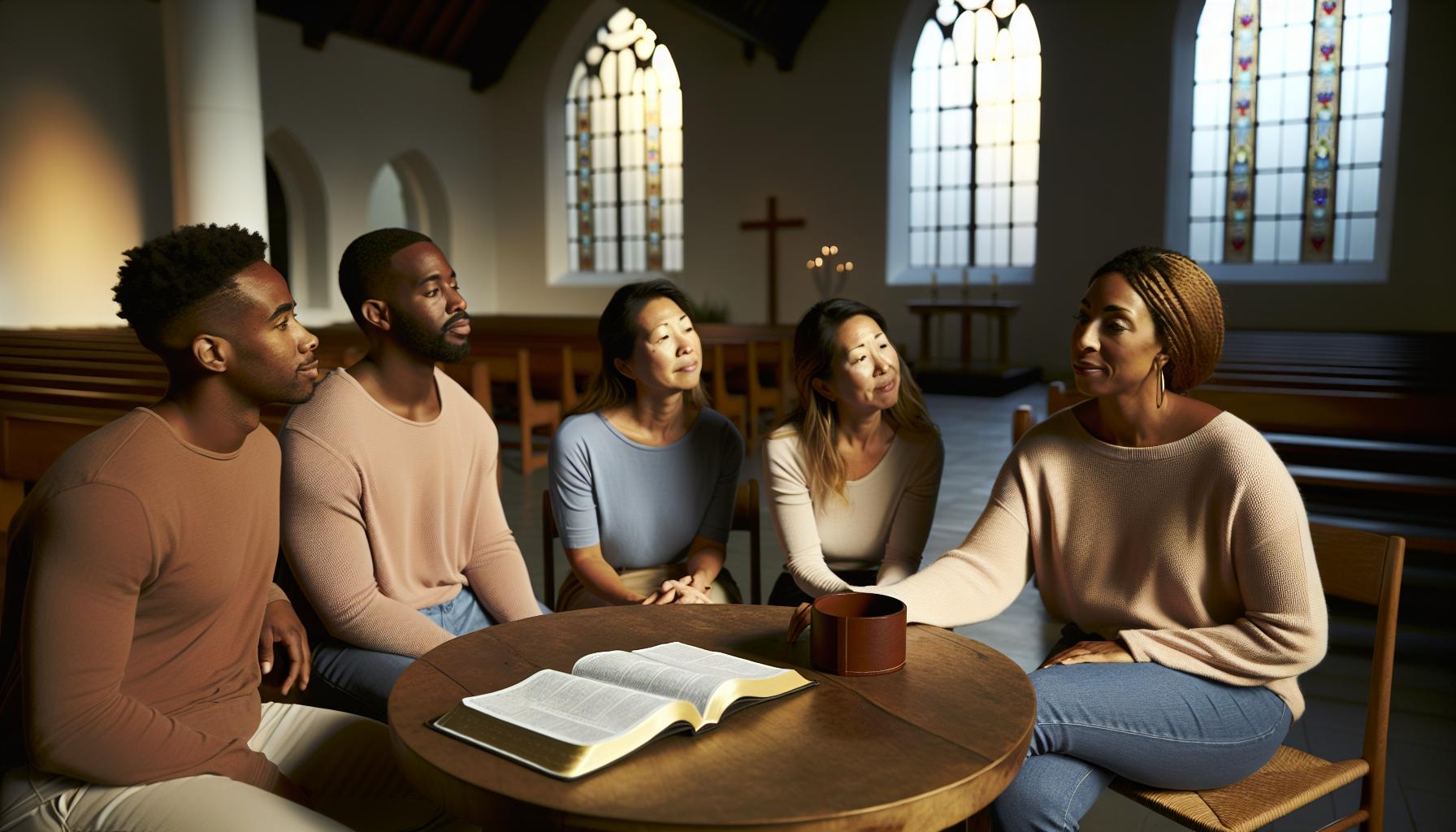
Contents
- 1 What Does It Mean to Be Protestant?
- 2 Roots and History of Protestant Faith
- 3 Core Beliefs of Protestant Denominations
- 4 The Role of Scripture in Protestantism
- 5 Understanding Salvation in Protestant Theology
- 6 Prayer and Worship Practices in Protestant Faith
- 7 Key Differences Between Protestant Traditions
- 8 Protestant Views on Sacraments and Ordinances
- 9 The Importance of Community and Fellowship
- 10 How Protestant Faith Influences Daily Life
- 11 Challenges and Misconceptions About Protestantism
- 12 Exploring Contemporary Issues Facing Protestants
- 13 FAQ
- 14 In Summary
What Does It Mean to Be Protestant?
As you walk through the journey of faith, understanding what it means to be Protestant can be both enriching and transformative. At its core, being Protestant involves a deep relationship with Jesus Christ, grounded in the belief that faith is accessible to all through grace. This perspective prioritizes personal engagement with God, encouraging believers to seek a direct and intimate relationship through prayer and Scripture. Many find that the essence of Protestantism lies not just in doctrines, but in the daily expressions of faith that shape their lives and communities.
Emphasizing the authority of the Bible, Protestants hold that Scripture is the ultimate guide for both personal conduct and the collective life of the church. This conviction rejects the idea of mediators, such as priests or the Pope, standing between individuals and God, fostering a sense of personal responsibility in spiritual growth. The freedom to interpret the Bible encourages believers to engage deeply, discovering insights and guidance relevant to their specific life situations. This commitment to Scriptural authority leads to varied expression in worship and community, offering rich diversity among denominations while remaining unified in core beliefs.
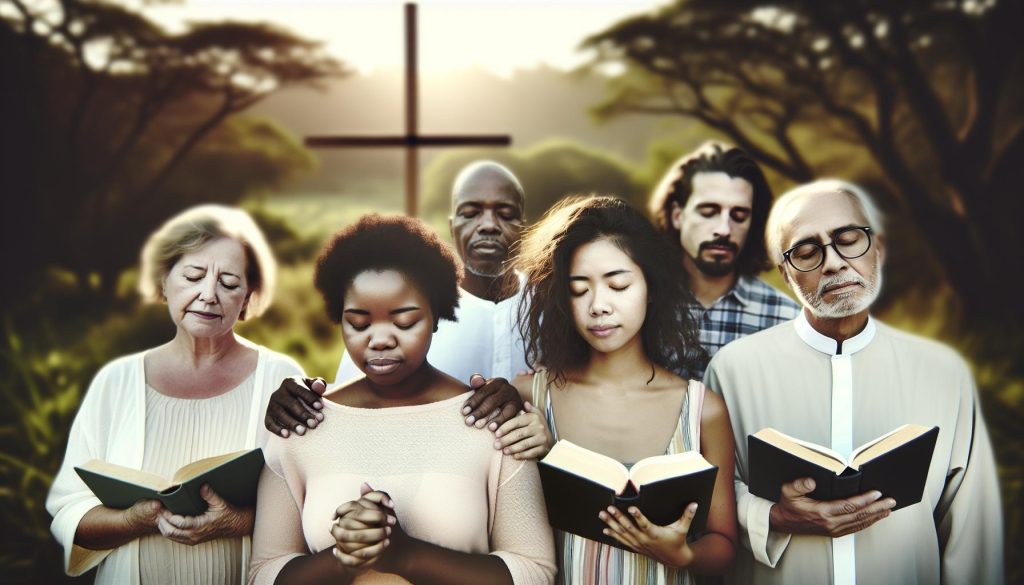
In practical terms, being Protestant often manifests in active faith communities where individuals gather for worship, service, and fellowship. These gatherings are not simply social events; they are vital opportunities for spiritual nurture and encouragement. Whether through small groups, Bible studies, or corporate worship, Protestants strive to support one another in their faith journeys, providing a network of love and accountability. As Proverbs 27:17 states, “As iron sharpens iron, so one person sharpens another,” highlighting the importance of interaction within the body of Christ.
Daily life for a Protestant is embedded with a sense of purpose derived from their faith. This might encompass committed prayer practices, intentional study of God’s Word, or applying biblical principles to challenges in family life, work, and community engagement. The Protestant emphasis on personal responsibility can empower believers to live out their faith authentically, impacting the world around them. Ultimately, being Protestant is about living out the Gospel in tangible ways, reflecting Christ’s love and grace in every aspect of life.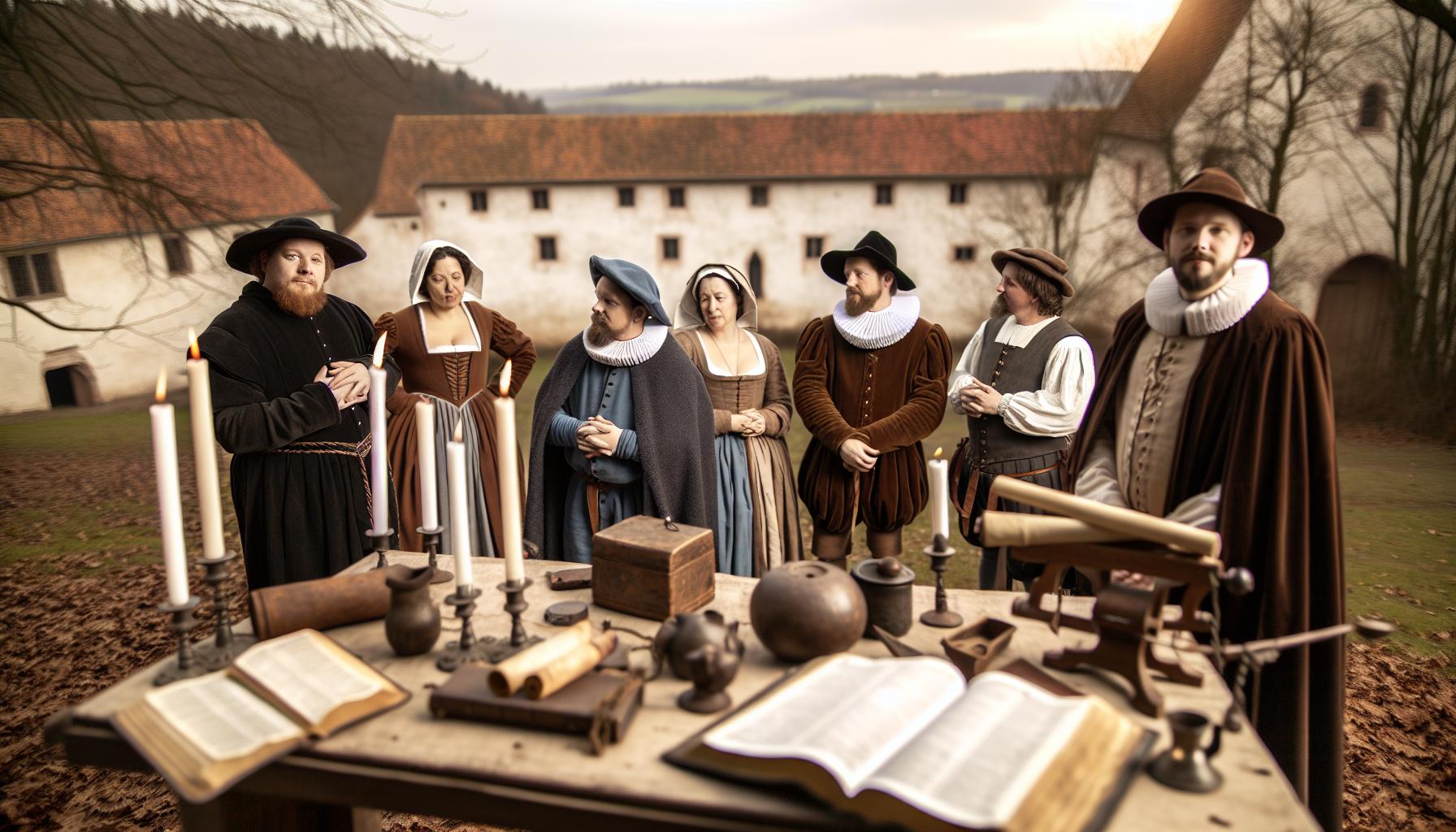
Roots and History of Protestant Faith
The roots of Protestant faith are deeply intertwined with a desire for reform within the Christian church, sparked by a commitment to return to the core tenets of Scripture. This movement began in the early 16th century, primarily through the tireless efforts of figures like Martin Luther, whose bold act of nailing the 95 Theses to the door of the Wittenberg Castle Church in 1517 ignited the Protestant Reformation. Luther’s challenge to the Catholic Church’s practices, particularly the sale of indulgences, highlighted a growing discontent with the church’s authority and dogma. He called not only for changes in church practices but also for a deeper, personal relationship with God through the Scriptures.
As the Reformation gained momentum, it ushered in a diverse array of movements and denominations, each seeking to emphasize personal faith and the authority of the Bible. Notably, theologians like John Calvin and Ulrich Zwingli contributed to shaping Protestant doctrine, advocating for principles such as sola scriptura (Scripture alone) and sola fide (faith alone). These ideas emphasized that salvation comes through faith in Jesus Christ, accessible to all believers, rather than through the mediation of clergy or church traditions. Such beliefs fundamentally transformed not only religious beliefs but also societal structures, fostering a culture that valued individual conscience and rationality in matters of faith.
The historical impact of the Protestant Reformation cannot be understated. It catalyzed significant changes across Europe, encouraging religious pluralism and the formation of various branches of Protestantism, including Lutheranism, Calvinism, and Anglicanism, among others. As each branch grew, so too did its unique expressions of worship, theology, and community life, creating a rich tapestry of faith that continues to influence Christians today.
In contemporary times, this legacy is evident in how Protestant faith shapes the daily lives of millions. It encourages the faithful to engage with Scripture authentically, create supportive faith communities, and commit to living out biblical principles in all areas of life, from parenting to social justice initiatives. Understanding this historical context helps enrich one’s own spiritual journey, providing a foundation upon which to build a vibrant, responsive faith that reflects the love and teachings of Jesus Christ.
Core Beliefs of Protestant Denominations
The serve as the foundational pillars that guide millions in their spiritual journey, emphasizing a personal relationship with God and the authority of Scripture. At the heart of Protestant belief is the concept of salvation by faith alone-a principle derived from Scripture that declares individuals are justified before God not by their good works or adherence to rituals, but through faith in Jesus Christ (Ephesians 2:8-9). This belief liberates Christians to engage deeply with their faith without the fear of falling short of humanly defined standards.
Another essential tenet is sola scriptura, or the authority of Scripture alone. This principle holds that the Bible is the ultimate source of divine revelation. It is viewed as sufficient for teaching, rebuking, correcting, and training in righteousness (2 Timothy 3:16-17). This focus on Scripture encourages believers to interact with the Word daily, fostering personal study, reflection, and application that enhances their understanding and relationship with God.
Core Beliefs Summary
- Faith Alone: Salvation is through faith in Christ, not works.
- Scripture Alone: The Bible is the sole authority for Christian doctrine.
- Priesthood of All Believers: Every believer has direct access to God and the responsibility to serve.
- Grace Alone: Salvation is a gift from God, unearned and unmerited.
These principles foster a community where each individual is seen as having a unique role in God’s plan, promoting the priesthood of all believers. This belief encourages Christians to pursue their God-given calling in everyday life, engaging in worship, service, and fellowship without the need for priestly mediation (1 Peter 2:9). It cultivates a culture of empowerment, urging believers to live out their faith authentically and to support one another in their spiritual journeys.
The impact of these beliefs is significant, shaping not only personal faith but also community practices and societal values. As Protestants gather in worship, they embody the richness of these core tenets through various expressions including communal songs, Bible study discussions, and service projects that reflect Christ’s love and grace. It emphasizes the importance of deep, meaningful relationships within the church and the world, challenging believers to live out their faith through acts of love and service, thus becoming vessels of hope in a world longing for truth and connection.
The Role of Scripture in Protestantism
The Bible stands as a cornerstone of Protestant faith, offering not just spiritual sustenance but also practical guidance for daily living. This unwavering commitment to Scripture is rooted in the principle of sola scriptura, which emphasizes the Bible’s role as the ultimate authority in all matters of faith and practice. This foundational belief not only fosters deep personal connections with God but also empowers believers to approach life’s challenges with wisdom and courage drawn directly from biblical texts.
Protestants believe that the Bible is sufficient for teaching, rebuking, correcting, and training in righteousness (2 Timothy 3:16-17). This assertion invites every individual to engage deeply with Scripture, encouraging personal interpretation and application in various life situations. For instance, many believers find comfort in Psalms during times of distress, guidance in Proverbs for everyday decisions, and hope in the Gospels that narrate the life and teachings of Jesus Christ. This ongoing interaction with the Word cultivates spiritual growth and offers a framework for ethical living.
The accessibility of Scripture today, facilitated by numerous translations and digital formats, allows believers to explore the Bible in ways that resonate with their personal experiences. Bible study groups flourish within Protestant communities, fostering robust discussions that lead to deeper insights and collective understanding. This communal approach not only enhances individual faith journeys but also creates a supportive environment where Christians can wrestle with doubt and celebrate revelations together.
Incorporating Scripture into daily life can take various forms, including memorization, devotional reading, and prayerful meditation on passages. The act of journaling insights gleaned from Scripture can further solidify understanding and application, leading to transformative life changes. For parents, engaging with the Bible alongside their children offers a powerful means to impart faith and values, shaping a future generation grounded in God’s Word. By creating a culture that prioritizes Scripture, Protestants not only secure their spiritual anchor but also inspire others to explore the depths of God’s message of love and grace.
Understanding Salvation in Protestant Theology
The concept of salvation is central to Protestant theology, embodying the transformative journey that every believer undertakes upon accepting Jesus Christ as their Savior. At its core, Protestant salvation emphasizes grace alone, through faith alone, in Christ alone-principles that affirm that salvation is not earned by human efforts, but is a divine gift freely given by God to those who believe. This perspective is crucial, as it forms the foundation for a personal relationship with Christ, encouraging individuals to rest in the assurance of their salvation.
The Grace of God
Protestants affirm that God’s grace is the unmerited, loving favor bestowed upon humanity. This grace becomes evident in Ephesians 2:8-9, which states, “For by grace you have been saved through faith, and that not of yourselves; it is the gift of God, not of works, lest anyone should boast.” Believers understand that their salvation is entirely dependent on God’s initiative and sacrifice, particularly through the death and resurrection of Jesus Christ. This profound realization creates a sense of gratitude and motivates believers to live lives that reflect Christ’s love and integrity.
Faith and Acceptance
The act of faith is integral to receiving this gift of salvation. Protestant teachings underscore that faith is more than mere belief; it is a confident trust in Christ’s redemptive work. Romans 10:9 highlights this concept: “If you declare with your mouth, ‘Jesus is Lord,’ and believe in your heart that God raised him from the dead, you will be saved.” This dual aspect of confessing and believing encourages believers to articulate their faith publicly, fostering a deeper sense of community and accountability within the church.
Living Out Salvation
Salvation in Protestant thought is not merely a one-time event, but a continual process of transformation and spiritual growth. As believers accept salvation, they embark on a journey of sanctification-the process of being made holy through the Holy Spirit’s guidance. This journey influences many facets of life, from prayer practice and Bible study to how individuals interact with their families and communities. By actively engaging in spiritual disciplines, such as regular worship and studying God’s Word, believers enable themselves to grow closer to God and deepen their understanding of His intentions for their lives.
As they progress in their faith, Christians are often encouraged to reflect on their salvation’s implications, seeking ways to serve others and share the Gospel’s hope with those around them. By integrating their faith into everyday situations, whether in their marriages, parenting, or careers, Protestants seek to embody the love of Christ in both word and deed, illustrating the transformative power of salvation in a tangible way. This commitment not only enriches their lives but also serves as a powerful witness to the world, inviting others to experience the same grace that has changed their lives.
Prayer and Worship Practices in Protestant Faith
In the heart of Protestant faith lies a vibrant tapestry of prayer and worship practices that invite believers into a deeper relationship with God. Central to these practices is the understanding that worship is not confined to the four walls of a church; rather, it is a lifelong journey that manifests in daily life. Whether through collective gatherings or personal moments of devotion, Protestant worship emphasizes the importance of connecting with God both individually and as a community.
Prayer Life
Prayer is a foundational element of the Protestant spiritual experience, serving as the primary means of communication with God. Many Protestants engage in daily prayers, which can be spontaneous or structured, such as the Lord’s Prayer (Matthew 6:9-13). This practice fosters an open dialogue with God, where believers can express their gratitude, seek guidance, and intercede for others. Furthermore, prayer is encouraged within families, creating a nurturing environment where spiritual conversations can flourish, thus strengthening bonds and anchoring the family in biblical principles.
Worship Services
Protestant worship services typically include Scripture readings, singing hymns, and sermons that expound on the Word of God. These gatherings are designed not just to edify individual believers but to cultivate a communal experience where faith is strengthened collectively. Many congregations incorporate aspects such as contemporary worship music, prayer sessions, and moments of reflection, fostering an atmosphere where the presence of God is palpable. This collective worship experience encourages fellowship, accountability, and support among members, as believers share their journeys and testimonies of faith.
Devotional Practices
Engaging in personal devotionals is another vital aspect of Protestant life, wherein believers take time to meditate on Scripture, reflect on God’s character, and understand His will for their lives. This practice often includes journaling prayers, studying daily devotionals, and using Bible study guides that encourage deeper exploration of the Scriptures. Such habits not only enhance biblical literacy but also strengthen one’s faith by encouraging spiritual growth and personal reflection.
In Protestantism, daily life is an extension of worship. Whether it’s through acts of service in the community, leading one’s family in faith practices, or simply living out Christian values in the workplace, the influence of prayer and worship permeates every aspect of a believer’s life. By embodying the principles of love, integrity, and compassion, Protestants demonstrate their faith in action, creating a ripple effect of Christ’s love in the world around them.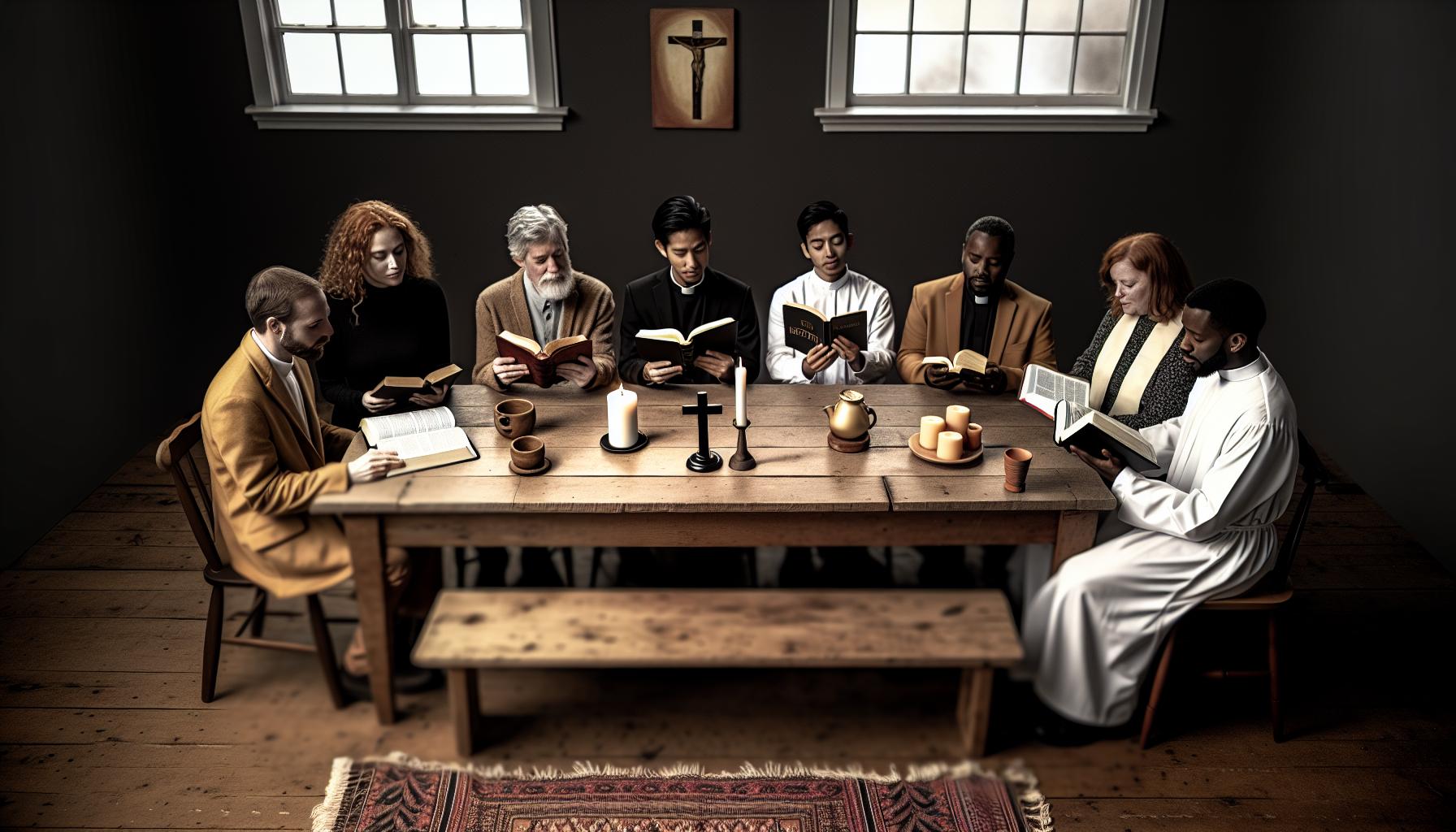
Key Differences Between Protestant Traditions
Within the vibrant landscape of Protestantism lies a rich diversity of traditions, each uniquely reflecting interpretations of faith that have developed over centuries. Whether it’s the fervor of Baptist worship, the liturgical practices of Anglican services, or the theological emphasis of Lutheran beliefs, understanding these key differences can enrich a believer’s spiritual journey and foster greater appreciation for fellow Christians. While all Protestants share core principles, such as the authority of Scripture and the centrality of Jesus Christ, the nuances in practice and doctrine reveal a tapestry woven from unique historical and cultural threads.
Theological Perspectives
At the heart of Protestant diversity are differing theological perspectives. For instance, Lutherans emphasize justification by faith alone and uphold a sacramental view of Baptism and the Eucharist that underscores God’s grace in tangible forms. Conversely, Baptists stress individual faith and believer’s baptism, often placing a greater emphasis on personal conversion and the priesthood of all believers. Calvinists, associated with Reformed traditions, take a doctrinal stance rooted in the sovereignty of God, which influences their views on predestination and grace. Such theological distinctions inform not only worship practices but also individual and communal piety.
Worship Styles
Worship styles notably vary among Protestant denominations, each reflecting their theological emphases. More liturgical traditions, like the Episcopalians and Lutherans, incorporate structured services, including creeds, responsive readings, and the sacraments. In contrast, evangelical communities, such as Pentecostals and Charismatics, often prioritize spontaneous worship, expressive prayer, and contemporary music, seeking a dynamic experience of the Holy Spirit. This diversity in worship can empower believers to engage with God in ways that resonate with their cultural backgrounds and spiritual needs, fostering closer connections within communities and congregations.
Community Practices
The importance of fellowship is a shared value across all Protestant traditions, yet the way communities cultivate this connection can differ significantly. Congregations may engage in small group Bible studies, outreach programs, and prayer meetings, yet the approach and frequency can vary. For instance, Congregationalists focus on local church governance, emphasizing autonomy and the role of the congregation in decision-making, while Methodists highlight communal accountability through small groups, known as “bands.” Such practices enhance spiritual growth and formation, creating environments that nurture believers in their faith journeys.
In navigating these differences, it’s essential to celebrate the rich inheritance of Protestantism. Each tradition contributes to the global Christian narrative, encouraging believers to delve deeper into their faith, engage with their communities, and reflect the heart of Christ in their lives. Understanding these key differences not only promotes unity but also invites believers into a broader, more comprehensive view of God’s work in the world, prompting a greater love for one’s neighbor and the diverse body of Christ.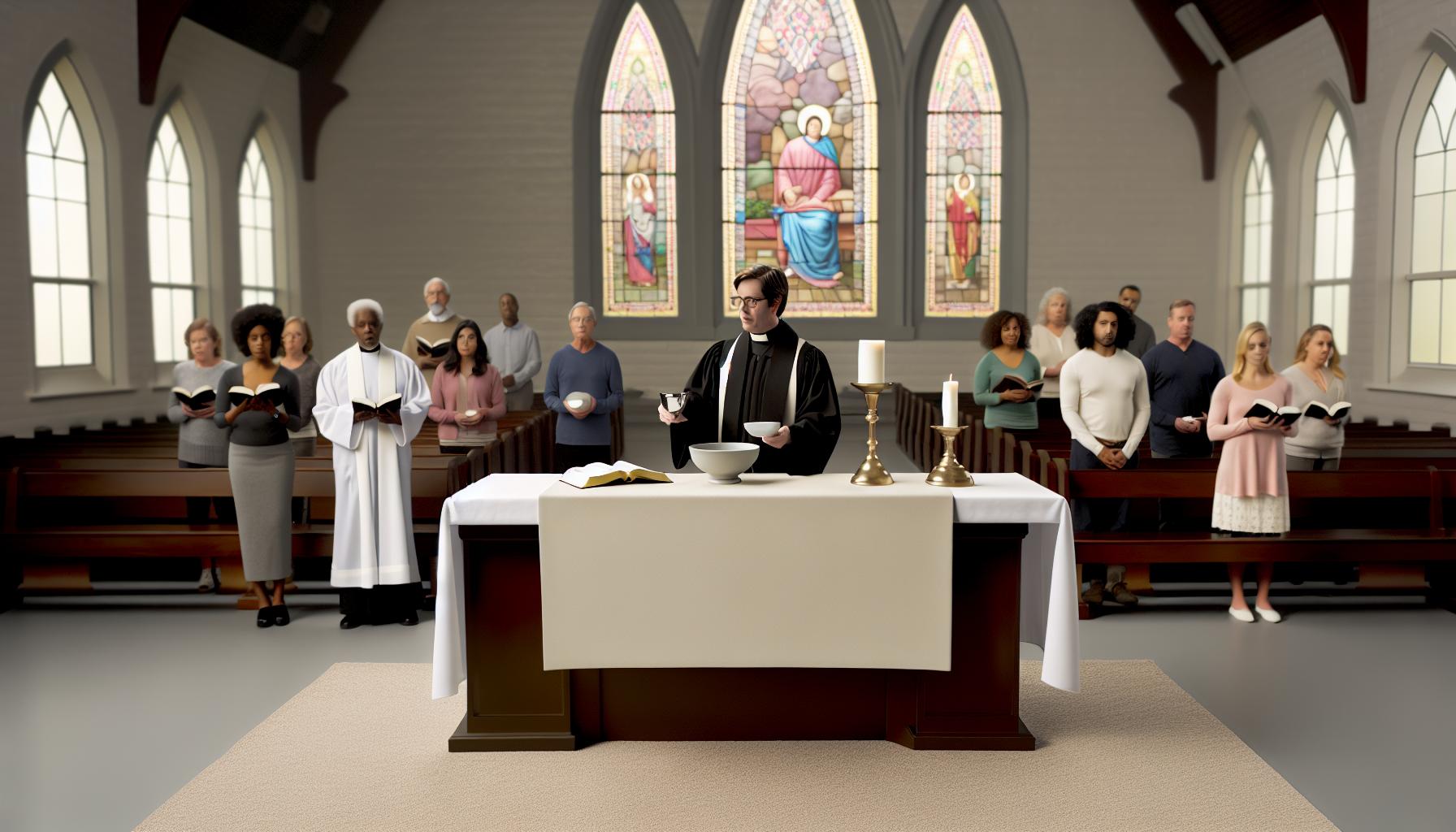
Protestant Views on Sacraments and Ordinances
The understanding of sacraments and ordinances within Protestantism varies significantly among its many denominations, reflecting a rich tapestry of theological interpretations and practices. At the forefront of these beliefs is the conviction that these acts symbolize deeper spiritual truths and facilitate a profound connection with God. Unlike some traditions that may ascribe salvific power to the sacraments, most Protestants view them as outward signs of inward grace-a practice demonstrating obedience to Christ’s commands.
Key Sacraments and Ordinances
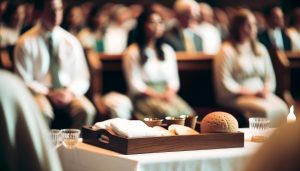
Protestants typically recognize two primary sacraments: Baptism and the Lord’s Supper (also known as Communion or Eucharist). These practices are not merely rituals, but pivotal expressions of faith and community.
- Baptism: This sacrament symbolizes the believer’s faith and repentance, marking the entry into the Christian community. Different denominations interpret the significance and method of baptism quite distinctively. For example, Baptists emphasize believer’s baptism-administered only to those who consciously profess their faith-while many Paedobaptist denominations practice infant baptism, viewing it as a covenant sign.
- Lord’s Supper: This ordinance commemorates the Last Supper of Jesus with His disciples. While some Protestants, like Lutherans, believe in the real presence of Christ in the elements, others, such as most Reformed and Baptist groups, view it as a memorial act that spiritually nourishes believers but does not entail Christ’s physical presence in the bread and wine.
Understanding the Significance
For many Protestants, the concept of ordinances extends beyond the traditional sacraments. Practices such as foot-washing, anointing of the sick, and community prayer gatherings can also hold significant meaning, even if they are not universally recognized as sacraments. These ordinances emphasize service, community support, and the believer’s active faith life-a reminder that faith is not just a personal journey but also a communal experience.
Participating in these practices invites believers to contemplate the grace that underpins their faith. The sacraments serve as powerful reminders of God’s promises and the believer’s identity in Christ, fostering a collective sense of purpose and belonging within the Church. This creates a supportive environment where individuals can grow spiritually and impact the world around them positively.
In today’s fast-paced society, these sacraments and ordinances offer a chance for spiritual grounding. Regular engagement with these practices not only deepens one’s relationship with Christ but also strengthens community ties, which are essential for navigating life’s challenges with faith and resilience. By understanding and participating in these acts, believers can experience a fuller expression of their faith, leading to a vibrant, authentic Christian life.
The Importance of Community and Fellowship
In a world where individualism often reigns, the communal aspect of faith can be a transformative pillar in a believer’s life. Community and fellowship are not just supplementary to the Protestant experience; they are foundational elements that enrich and shape spiritual journeys. From small group gatherings to large church services, the shared expressions of faith bolster individual growth and provide essential support to navigate life’s ups and downs. Engaging in communal worship fosters deeper connections with God and one another, reminding us of the interconnectedness of the body of Christ.
The Power of Fellowship
Fellowship among believers provides a safe space for sharing struggles, joys, and testimonies. As Hebrews 10:24-25 encourages, we are called to “consider how to stir up one another to love and good works, not neglecting to meet together.” These gatherings are fertile ground for spiritual encouragement and accountability. Within the community, Christians can find mentors, friends, and partners for ministry, fostering an environment where everyone’s gifts contribute to the greater good of the church.
Practical Engagement
In practical terms, what does fostering community look like? Here are a few actionable steps:
- Join a Small Group: Small groups allow for intimate settings where members can study the Bible together, pray, and support one another. These discussions provide deep insights and the opportunity to form lasting relationships.
- Participate in Church Activities: Be involved in volunteer opportunities, social events, or service projects. These activities help cultivate a sense of belonging and demonstrate the love of Christ in action.
- Encourage Regular Communication: Stay connected through phone calls, texts, or social media. A simple message can uplift someone struggling and remind them they are not alone.
Building a Christ-Centered Community
Protestant faith does not exist in isolation; it thrives in community. The Church is portrayed as the body of Christ in the New Testament (1 Corinthians 12:12-27), emphasizing that each member plays a crucial role. When believers unite in pursuing shared goals-serving the community, sharing the Gospel, and supporting one another spiritually-they embody the love of Christ in tangible ways. By engaging in community, Protestants can experience the fullness of joy and support that Christ intended for His followers, creating a vibrant and nurturing environment where faith can flourish.
How Protestant Faith Influences Daily Life
In the journey of faith, many believers discover that their Protestant beliefs shape everyday living in profound and practical ways. Emphasizing a personal relationship with God through Jesus Christ, this faith offers guidance on how to navigate the complexities of daily life. Whether it’s making ethical decisions, fostering relationships, or facing challenges, the teachings of Protestantism provide a moral compass that spiritualizes the mundane aspects of life.
Living out one’s faith often transforms how individuals approach their work, family, and community. Grounded in the belief that everything is an act of service to God, Protestants are encouraged to find purpose and meaning in their daily tasks. This perspective can lead to a more engaged and fulfilled life, as work is viewed not merely as a means to an end but as an opportunity to honor God through diligence and integrity. Colossians 3:23 reminds believers, “Whatever you do, work heartily, as for the Lord and not for men,” instilling a sense of mission in every action.
Prayer and Devotion
Incorporating prayer and Bible study into daily routines strengthens a believer’s connection to God. Regular devotionals provide spiritual nourishment and direction, helping individuals reflect on their experiences and align their actions with biblical principles. For families, establishing a routine of prayer before meals or bedtime fosters spiritual growth and unity, encouraging open discussions about faith and life’s challenges.
Influence on Relationships
The Protestant emphasis on love, grace, and forgiveness greatly impacts interpersonal relationships. Whether in marriage, parenting, or friendships, the principles of Christian love and understanding guide how believers interact with one another. Ephesians 4:32 calls Christians to “be kind to one another, tenderhearted, forgiving one another, as God in Christ forgave you,” highlighting the importance of grace in strengthening bonds and overcoming conflicts.
Community Engagement
Service is another significant aspect of daily life for Protestants. Volunteering in the community, engaging in outreach programs, or simply helping a neighbor reflects the fundamental Christian call to love and serve others. These actions not only fulfill the Great Commandment to love one’s neighbor but also help foster a sense of belonging and purpose in a world that often feels disconnected. By participating in community service, Protestants can experience the joy of giving back, demonstrating their faith in action, and living out the teachings of Christ actively.
In essence, the Protestant faith permeates daily life, providing believers with a framework for decision-making, relationships, and community involvement. By integrating these spiritual practices and principles, individuals can navigate life’s ups and downs with confidence, purpose, and joy, creating an authentic and vibrant witness of their faith.
Challenges and Misconceptions About Protestantism
Many people have preconceived notions about Protestantism, often based on limited understanding or historical stereotypes. One significant misconception is that all Protestants share identical beliefs and practices. In reality, Protestantism encompasses a wide variety of denominations, each with distinct doctrines, worship styles, and interpretations of Scripture. From Baptists to Lutherans, Methodists to Pentecostals, the diversity can be as colorful as it is complex. This diffusion of belief can lead to confusion, especially for those unfamiliar with the nuances of Protestant faith.
Understanding Diversity
This diversity should not be seen as a weakness but as a rich tapestry that enhances the Christian experience. For believers, this means there is likely a community or congregation that aligns closely with their theological and social convictions. As individuals explore their faith, understanding the variety of expressions within Protestantism can foster an appreciation for different practices and encourage respectful dialogue among believers. It can also help dispel the myth that Protestantism is merely a reaction against Catholicism, highlighting a faithful pursuit of Christ that transcends doctrinal differences.
Addressing Common Questions
Another challenge is the misconception that Protestantism lacks structure or authority. While it’s true that Protestants emphasize the priesthood of all believers and often resist hierarchical structures, many denominations do have governing bodies and doctrinal standards. This serves to maintain order and accountability within churches. Additionally, the belief in *sola scriptura*-the idea that the Bible alone is the authoritative source of faith and practice-can also be misunderstood. It does not mean that individuals interpret Scripture in isolation but often involves community engagement through study groups and fellowship to interpret and apply biblical teachings collaboratively.
Encouragement in Faith Journeys
For those navigating these challenges, it’s essential to approach Protestantism with an open heart and mind. Engaging with different denominations can enrich one’s faith life. Consider attending services at various churches, participating in community Bible studies, or seeking out resources that discuss different Protestant beliefs and practices. This exploration can lead to personal growth and greater understanding of the faith as a whole.
Protestants are encouraged to ground their understanding in prayer and Scripture, seeking the Holy Spirit’s guidance for discernment. Philippians 4:19 reminds us, “And my God will supply every need of yours according to his riches in glory in Christ Jesus.” As believers venture through the complexities of faith and community, trusting in God’s provision will lead to clarity and confidence in their spiritual journeys, helping to overcome challenges and misconceptions about what it truly means to be Protestant.
Exploring Contemporary Issues Facing Protestants
In an ever-evolving society, contemporary issues facing Protestants often mirror broader cultural shifts, challenging believers to navigate their faith in increasingly complex environments. As debates swirl around topics like social justice, sexuality, and religious pluralism, many within the Protestant community find themselves seeking clarity and wisdom. These challenges do not merely test the fidelity of individual beliefs but also the coherence and unity of congregational life.
One pressing concern is the impact of cultural relativism on biblical teachings. As society promotes diverse lifestyles and beliefs, some Protestants grapple with the call to uphold traditional values while fostering inclusivity. Balancing truth with grace requires believers to anchor themselves in Scripture, continually seeking the Holy Spirit’s guidance to remain faithful to doctrinal standards without alienating others. Regular Bible study groups can provide a communal space to discuss these matters, allowing believers to share insights and solidify their understanding of Scripture in today’s context.
Another significant issue is the perception of the church as being out of touch with societal needs. Protestants are increasingly called to engage actively with their communities, demonstrating their faith through social action and service. Churches that emphasize outreach and engagement can witness transformative change, both for those they serve and within their congregations. Believers are encouraged to participate in local service projects, which can help them see God’s work in the world and inspire collaborative efforts to address poverty, injustice, and other pressing concerns.
As Protestants navigate these contemporary challenges, it is vital to embrace prayer and fellowship as foundational practices. Engaging in regular prayer-both individually and within church communities-can empower believers to discern God’s direction in tumultuous times. Likewise, fostering strong relationships among fellow believers cultivates a supportive environment where questions can be raised and encouragement offered. In moments of doubt or confusion, reference to Philippians 4:6-7 can remind believers to present their requests to God, finding peace amidst society’s noise.
By confronting these issues head-on and remaining committed to an authentic, grace-centered faith, Protestants can showcase the beauty of their beliefs. They can embody Christ’s love in a way that resonates with today’s world, illustrating that their faith is not confined to tradition but dynamically interacts with and impacts the current landscape.
FAQ
Q: What are the key beliefs of Protestantism?
A: The key beliefs of Protestantism center on salvation by faith alone, the authority of Scripture, and the priesthood of all believers. Protestants reject the idea of salvation through works or church tradition, emphasizing a direct, personal relationship with God through Jesus Christ.
Q: How does Protestant faith differ from Catholicism?
A: Protestant faith differs from Catholicism primarily in its beliefs about authority and salvation. Protestants rely on the Bible as the sole authority and emphasize faith as the means to salvation, while Catholics recognize church tradition and the authority of the Pope.
Q: Why is community important in Protestantism?
A: Community is vital in Protestantism as it fosters fellowship, support, and collective worship among believers. Engaging in church activities, small group studies, and community service enhances spiritual growth and strengthens relationships with God and each other.
Q: What is the role of Scripture in Protestant worship?
A: Scripture plays a central role in Protestant worship, serving as the foundation for teachings, sermons, and personal devotion. Protestants believe that the Bible is the ultimate guide for faith and practice, shaping both individual lives and corporate worship experiences.
Q: How do Protestants view the sacraments?
A: Protestants typically recognize two sacraments: baptism and communion (the Lord’s Supper). These are seen as important acts of obedience and faith rather than means of grace, highlighting a symbolic rather than sacramental understanding compared to Catholicism.
Q: What challenges do modern Protestants face?
A: Modern Protestants face challenges such as secularism, differing interpretations of Scripture, and the need to maintain relevance within a rapidly changing society. Engaging with contemporary issues while staying true to core beliefs is essential for many church communities.
Q: How can prayer and Bible study enhance Protestant faith?
A: Prayer and Bible study are crucial for deepening understanding and connection with God in Protestant faith. Regular engagement in these practices helps believers cultivate a personal relationship with Christ, discern His will, and gain spiritual strength for daily living.
Q: What misconceptions exist about Protestant faith?
A: Common misconceptions about Protestant faith include the belief that it is disorganized or lacks tradition. In reality, there is a rich diversity of beliefs and practices within Protestantism, with many denominations emphasizing structured worship and deep theological foundations.
In Summary
Understanding the Protestant faith can transform your spiritual journey, offering insights into core beliefs that shape the lives of millions. As you reflect on this rich tradition, consider diving deeper into related topics such as the significance of personal prayer life or effective Bible study methods. The Protestant movement encourages a personal relationship with God, empowering you to explore your faith further through devotionals and practical advice for family living.
Don’t miss the opportunity to enrich your experience-subscribe to our newsletter for ongoing inspiration and access to valuable resources. Whether you’re navigating spiritual warfare or seeking guidance for Christian marriage and parenting, we’ve got you covered. Join our community, share your thoughts in the comments below, and continue exploring the world of Protestantism with us. Your faith journey matters, and it’s a journey best taken together!


![Devoted Health Provider Portal: [Not applicable for Christian content]](https://christiancitychurch.eu/wp-content/uploads/2025/09/7285-devoted-health-provider-portal-not-applicable-for-christian-content-300x171.jpg)