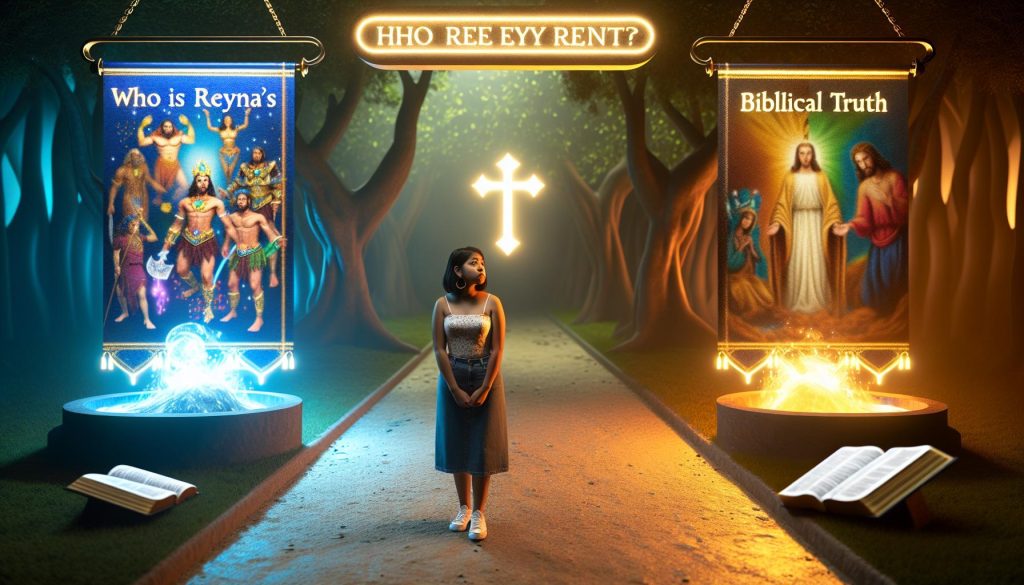
In the captivating realm of fiction and folklore, Reyna Avila Ramírez-Arellano stands out as a powerful demigod daughter of the Roman goddess Bellona in Rick Riordan’s “The Trials of Apollo.” Yet, what can we learn about divine parentage through the lens of biblical truth? Understanding Reyna’s godly lineage prompts us to reflect on our own spiritual heritage and the profound implications of who we consider our true parent in faith. Each of us navigates the complexities of identity, purpose, and belonging, and exploring this topic can enrich our spiritual journey. As we dive deeper into the fascinating intersection of myth and doctrine, prepare to uncover insights that inspire both curiosity and a stronger connection to your faith. Join us as we unravel the layers of Reyna’s story and its meaningful parallels in the Biblical narrative, equipping you to reflect on your own divine influences.
Contents
- 1 Who is Reyna in Mythology vs. the Bible?
- 2 Understanding the Concept of Godly Parents
- 3 Reyna’s Attributes: Fictional versus Biblical Insights
- 4 Exploring the Role of Divine Parentage in Literature
- 5 The Influence of Greek Mythology on Modern Fiction
- 6 Comparative Analysis: Reyna and Biblical Figures
- 7 Godly Parentage: Symbolism and Themes Explored
- 8 Readers’ Perspectives: Reyna’s Impact in Pop Culture
- 9 Lessons from Reyna: Faith and Character Development
- 10 How Mythical Lineages Shape Biblical Narratives
- 11 Diving Deeper: Theological Implications of Parentage
- 12 Engaging with Reyna: Community Interpretations and Discussions
- 13 Faq
- 14 The Conclusion
Who is Reyna in Mythology vs. the Bible?
In exploring the figure of Reyna across different narratives, it is essential to note the distinctions between her portrayals in mythology and biblical texts. In contemporary literature, particularly within Rick Riordan’s “Percy Jackson” series and its related works, Reyna Avila ramirez-arellano emerges as a character of notable power and leadership, often depicted as a praetor of the Roman demigods. Her character is infused with traits of bravery, strategic thinking, and a strong sense of duty, often associated with her divine lineage, as she is recognized as being the daughter of Bellona, the Roman goddess of war. This connection to a warrior deity provides her with attributes that are both fierce and protective, solidifying her role as a champion of her people.
In contrast, the biblical narratives do not have a direct figure named Reyna. Instead, they present various characters with godly parentage, such as Jesus Christ, the ultimate embodiment of divine lineage, being the Son of God. Figures like Moses and David, while not godly offspring in the same sense as characters in mythology, also exhibit leadership qualities shaped by their encounters with the divine. What is pivotal in the biblical understanding of godly parentage is the emphasis on holiness, divine calling, and the transformative relationship individuals have with God. For instance, Jesus showcases his divine authority through his teachings and miracles, deeply rooted in his identity as the Son of God.
This comparison invites readers to reflect on the broader themes of divine influence on human lives. In mythology, godly parentage often emphasizes inherent traits and destinies, leading to epic battles and heroic tales. Conversely, the biblical tradition centers on a relational aspect where the divine presence motivates and equips humans to fulfill their purpose. Though Reyna represents a mythological construct, the attributes and themes she embodies-bravery, leadership, and responsibility-resonate with the spiritual growth and fortitude encouraged in biblical figures. By understanding these dynamics, believers can appreciate the symbolic depth of godly parents, whether in fiction or sacred texts, recognizing that both realms speak to the fundamental human desire for purpose and connection.
Understanding the Concept of Godly Parents
The relationship between godly parents and their children offers a profound glimpse into the themes of identity, purpose, and spiritual inheritance, beautifully illustrated in both mythology and biblical narratives. In the realm of mythology, such as depicted in Rick Riordan’s works, Reyna’s divine parentage signifies not only her origin but also her inherent traits and responsibilities that come with being the daughter of Bellona, the Roman goddess of war. This connection marks her as a figure steeped in valor, leadership, and a commitment to her community. Such godly parentage portrays an inherent destiny, often intertwining personal struggle with broader epic tales where divine influences direct the flow of human experience.
Conversely, biblical narratives offer a nuanced approach to the concept of divine parentage. Figures like Jesus Christ represent the ultimate fulfillment of divine lineage, where the relationship with God reflects deeper spiritual truths rather than merely heritage. Godly parentage in the Bible emphasizes the transformative relationship individuals can cultivate with the Divine. It is not solely about lineage but involves embracing one’s identity in God. This is seen in various biblical leaders like David and Moses, who, despite not being direct offspring of a god in the mythological sense, illustrate how divine calling shapes their destinies through faith, obedience, and personal encounters with the Holy.
Both perspectives underscore the importance of identity, whether framed in terms of power myths or spiritual truths. Godly parentage reminds us that while we may face challenges and embody certain traits due to our backgrounds, our true identity is defined by our relationship with God. Embracing this identity can empower believers to tap into their potential and recognize that they are called to fulfill unique purposes in life, empowered not by ancestry, but through their faith and connection to a loving Creator.
As we reflect on the concept of godly parents, let’s draw practical lessons for our spiritual journeys. Cultivating a vibrant prayer life, participating in Bible study, and understanding our identity in Christ can lead to profound growth. Remember, whether through fictional narratives or biblical truths, you are part of a divine legacy that values your unique contributions to the world. Through faith, may we embrace and honor our own spiritual parentage, living lives that reflect the love and power of our Heavenly Father.
Reyna’s Attributes: Fictional versus Biblical Insights
Reyna, the daughter of Bellona in Rick Riordan’s Heroes of Olympus series, embodies a complex blend of attributes shaped by her divine lineage and personal experiences. Her character is steeped in qualities of strength and leadership, echoing the traditional warrior spirit of her mother, the Roman goddess of war. Reyna’s responsibilities as a leader and protector of the demigods demonstrate her commitment to community and valor, undoubtedly influenced by her mythological background. She navigates challenges with a fierce sense of duty, often showcasing her ability to make tough decisions for the greater good. This dynamic portrays Reyna not just as a warrior but as a figure embodying the profound weight of legacy and responsibility that comes with godly parentage.
In contrast to the mythological framework of Reyna, biblical narratives present a rich tapestry of figures who, while not defined by divine ancestry in the same way, experience transformation through their relationships with God. Characters like Moses and David reflect unique qualities stemming from their encounters with the Divine rather than their physical lineage. Faith becomes a central theme, underscoring that a person’s true strength and identity come from their connection with God. As believers, we too are invited to cultivate our identity in Christ, transforming our backgrounds and experiences into tools for His glory.
To further enrich our understanding, we can reflect on how Reyna’s resilience resonates with biblical themes such as perseverance and divine calling. Much like Reyna, who operates in a world fraught with conflict, biblical figures often faced daunting challenges that required unwavering faith. This highlights an essential truth: God’s purpose can unfold through our struggles, and our identity is shaped not by our ancestry but by our faith journey in Him.
Just as Reyna embraces her godly parentage to fulfill her destiny, believers are encouraged to embrace their spiritual inheritance as children of God. This invitation leads us to engage actively in prayer, participate in Bible study, and cultivate an authentic relationship with our Creator. As we explore these narratives-be they mythical or biblical-we discover the profound impact of faith on our identities and destinies, inspiring us to walk boldly in our divine calling each day.
Exploring the Role of Divine Parentage in Literature
In various literary traditions, divine parentage often serves as a profound device that shapes the identities and destinies of characters. Reyna, as a daughter of Bellona in Rick Riordan’s Heroes of Olympus, exemplifies how the weight of godly lineage influences character attributes and narrative arcs. This concept transcends mythology and permeates religious texts, reflecting in biblical figures who similarly navigate their identities in light of spiritual heritage.
Divine parentage within literature often introduces themes of destiny, responsibility, and the quest for identity. Characters like Reyna symbolize not just strength and bravery but also the burdens that accompany a powerful lineage. Her journey reflects the struggles between personal desires and duties imposed by her ancestry, a conflict that resonates with readers who grapple with expectations in their own lives. In contrast, biblical characters also embody the essence of divine influence, but they emphasize spiritual transformation through reliance on God rather than hereditary traits.
This exploration encourages readers to consider their own “parentage” in a spiritual sense. Much like Reyna’s warrior spirit can inspire today’s believers to embrace their identities as children of God, who are also called to be courageous and strong. The biblical narrative highlights that worth and identity are defined not by lineage but by the relationship with our Creator. Engaging deeply with these narratives invites personal reflection on how divine influence shapes life paths, propelling individuals toward purpose and spiritual calling.
Ultimately, these stories remind us that irrespective of our origins-whether mythical or biblical-we hold the potential to fulfill significant roles in our communities and lives. Embracing our identities in Christ, readers can find empowerment and inspiration within their spiritual inheritance, encouraging a life of faith characterized by love, service, and an unwavering commitment to fulfill God’s purpose. Engaging with these themes can lead to personal growth and a deeper understanding of how divine guidance directs our journeys, fostering resilience and purpose in all circumstances.
The Influence of Greek Mythology on Modern Fiction
The enduring influence of Greek mythology on modern fiction is vividly illustrated through contemporary characters who grapple with themes of identity, destiny, and lineage. Reyna, as the daughter of Bellona, embodies the profound legacy of mythological storytelling, showcasing how such characters resonate with readers today. This connection not only highlights the archetypal struggles faced by these figures but also emphasizes the moral and spiritual dimensions that echo within the Christian faith.
In modern literature, the integration of mythological elements allows for rich narratives where characters must confront their godly parentage, often reflecting on personal struggles and societal expectations. For instance, Reyna’s journey of self-discovery and responsibility mirrors that of numerous biblical figures who faced their own crossroads framed by divine influence. In both realms, these characters must navigate their destinies while embracing the qualities that shape their identities-whether it’s Reyna’s battle prowess or the biblical David’s shepherding heart. This intersection of myth and faith serves to enrich the understanding of both literary traditions, encouraging believers to reflect on their own spiritual callings.
As readers engage with these stories, they are reminded that the essence of their journey transcends mere heritage. The biblical narrative presents a transformative perspective where one’s identity is not solely defined by lineage but also by one’s relationship with God. This truth not only inspires individual growth and resilience but also cultivates a deeper appreciation for the divine purpose each person holds. Just as Reyna’s lineage presents challenges and strengths, so too does faith invite believers to embrace their identities as children of God, called to exemplify grace and strength in their daily lives.
By understanding the links between Greek mythology and modern fiction, readers can cultivate a richer spiritual life that honors both their mythical legacies and their commitment to Christ. Engaging with these narratives fosters an environment of reflection and growth, reminding believers to draw strength from their faith in overcoming life’s challenges and fulfilling their divine purpose. Through this lens, the stories of Reyna and biblical figures inspire a collective journey toward heroism in faith, inviting everyone to live boldly in service of a greater good.
Comparative Analysis: Reyna and Biblical Figures
Reyna’s narrative, born from the pages of Greek mythology, allows for a profound exploration when contrasted with biblical figures. She is the daughter of Bellona, the Roman goddess of war, which directly influences her identity-imbued with strength, valor, and the weight of expectation. In the biblical tradition, similar themes emerge through characters like David, who, despite his humble beginnings as a shepherd, was destined to become a king and a man after God’s own heart. Both Reyna and David illustrate how the burden of divine lineage shapes their destinies, providing readers with rich ground for reflection on identity and purpose.
Reyna’s experiences, marked by struggles within the framework of her divine parentage, showcase an inherent conflict between expectation and personal desire. Similarly, biblical figures often grapple with their identities in light of their relationship with God. For instance, Moses was called to lead his people despite his hesitations and insecurities, ultimately embracing his role as a prophet. Just as Reyna’s strength manifests in her commitment to protect others, Moses’ leadership reflects his journey toward fulfilling God’s plan, illustrating the critical role of obedience amidst doubt.
In examining these parallels, readers can appreciate that the challenges faced by both Reyna and biblical characters serve as a reminder of God’s greater purpose. Through their stories, believers are encouraged to see their own lives as part of a divine narrative where God’s call to action can emerge from seemingly mundane beginnings. Engaging with these narratives fosters a spiritual resilience that invites individuals to act courageously, echoing Reyna’s tenacity and David’s heart.
This comparative analysis not only highlights the rich tapestry of narratives found in both mythology and scripture but also ignites a deeper understanding of how one’s lineage can influence character and agency. The moral complexities presented encourage readers to integrate their faith into their personal journeys-embracing strengths while remaining humble in the face of challenges, and drawing from the wellspring of divine purpose that guides believers in their daily lives. Embracing the essence of these characters inspires a life of faith filled with courage, service, and an unwavering commitment to fulfilling one’s God-given destiny.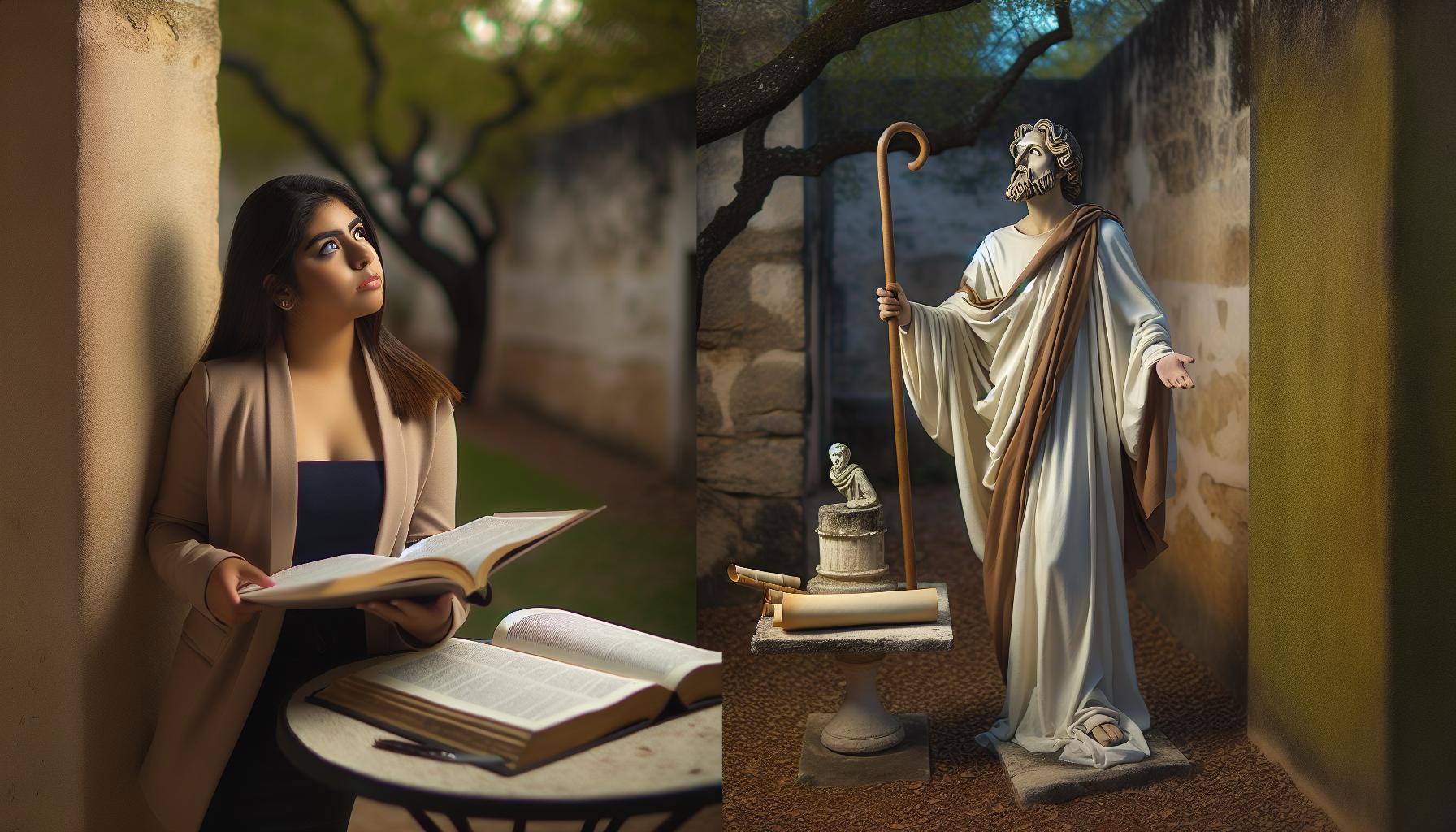
Godly Parentage: Symbolism and Themes Explored
In both mythology and scripture, the concept of godly parentage serves as a powerful narrative device, shaping characters and their destinies in profound ways. Reyna, rooted in the rich tapestry of Roman mythology as the daughter of Bellona, not only embodies valor and strength but also reflects the duality of expectation and personal identity that comes with divine lineage. This theme resonates deeply within the biblical context as well, where figures such as Jesus Christ are depicted as both divine and human, highlighting the intricate balance of spiritual heritage and earthly existence.
Throughout the scriptures, godly parentage often symbolizes a divine calling and purpose. Characters like Samuel and Jesus showcase how their births and backgrounds are central to their missions. Samuel, raised by Hannah who dedicated him to God, serves as a reminder of the importance of prayer and divine planning. Similarly, Jesus’ identity as the Son of God offers believers a profound understanding of grace, redemption, and the promise of eternal life. In both cases, the expectations and responsibilities tied to their godly lineage shape their life choices and the paths they take, underscoring the belief that our origins can influence our destinies.
Engaging with these narratives allows for a rich exploration of identity, purpose, and faith. One helpful way to reflect on this is by considering how understanding our spiritual heritage can inform our personal journeys. Here are some points to contemplate:
- Identity in Christ: Recognizing that believers are referred to as children of God in 1 John 3:1 encourages a deeper understanding of one’s identity rooted in divine love.
- Calling and Purpose: Just as Reyna and biblical figures struggle with their identities, so too can Christians seek out and embrace their individual callings through prayer, scripture, and community.
- Embracing Strengths and Weaknesses: Understanding the complexities of godly parentage helps individuals accept their full selves, including their strengths and vulnerabilities, as gifts from God meant to be used for His glory.
Exploring the symbolism and themes of godly parentage invites believers to see their lives as intricately woven into God’s greater narrative. By praying for guidance, studying the Bible for wisdom, and engaging with fellow believers, individuals can unearth the richness of their spiritual heritage and navigate their faith journeys with courage and purpose. This divine connection reminds us that we are never alone; our lives are part of a larger story crafted by a loving Creator who is intimately involved in our destinies.
Readers’ Perspectives: Reyna’s Impact in Pop Culture
Reyna, as a character from Rick Riordan’s Heroes of Olympus series, has left a profound impact on pop culture, particularly in how she embodies the complexities of divine parentage. This portrayal resonates deeply with a contemporary audience, reflecting personal struggles many face in reconciling their identities with expectations placed upon them. Reyna’s connection to Bellona, the Roman goddess of war, emphasizes themes of courage, resilience, and leadership, inspiring readers to recognize their strengths amidst adversity.
As fans engage with Reyna’s narrative, they often find themselves drawn to the spiritual undertones of her journey. Her character challenges societal norms, echoing biblical figures who navigated their own journeys of self-discovery while living under the weight of their godly heritage. Much like Moses, who grappled with his calling despite his doubts, Reyna’s story encourages readers to confront their fears and embrace their destinies. This parallel creates a powerful connection between mythological and biblical narratives, prompting discussions around the significance of purpose and divine guidance in our lives.
One way Reyna’s impact is felt in pop culture is through the conversations it sparks about individual identity, community, and faith. Many readers express how Reyna’s journey encourages them to explore their personal callings, reminding them that their worth is not solely defined by their lineage but also by their choices and actions. This provides a platform for readers to reflect on their own stories, urging them to seek wisdom from scripture and engage with their faith community to navigate life’s challenges.
As we delve deeper into Reyna’s legacy, it’s essential to consider how her journey inspires a broader narrative about faith and character development. Engaging with stories like hers fosters an environment where readers can openly discuss their spiritual journeys and seek to understand how their backgrounds shape their identities. In this space, they are reminded that, much like Reyna, they are called to rise above circumstances and rely on their faith in God to guide them.
Lessons from Reyna: Faith and Character Development
Reyna’s journey encapsulates profound lessons of faith and character development that resonate deeply within a modern context. As the daughter of Bellona, the Roman goddess of war, Reyna operates in a world filled with expectations and aspirations tied to her divine lineage. This complex identity creates a rich ground for exploring how her experiences can guide individuals toward spiritual maturity and understanding of their own divine purpose. Through Reyna, readers encounter the powerful message that our worth is not just in our heritage, but in how we respond to our challenges and responsibilities.
Central to Reyna’s narrative is the theme of resilience. In the face of adversity, she exemplifies courage and determination, qualities that reflect the Christian call to press on despite challenges. Philippians 4:13 reminds us that “I can do all things through Christ who strengthens me,” highlighting the importance of relying on divine strength in difficult times. Reyna’s struggles and triumphs can serve as a relatable example, encouraging believers to lean into their faith as a source of empowerment. By embracing their true identities-rooted in God’s love rather than societal expectations-readers can experience transformative growth.
Moreover, Reyna’s journey emphasizes the significance of community. Just as she navigates her path alongside fellow demigods, Christians are called to foster supportive relationships that promote spiritual growth. The Bible talks extensively about the necessity of fellowship (see Hebrews 10:24-25), encouraging believers to “consider how to stir up one another to love and good works.” This communal aspect not only strengthens individual faith but also nurtures a collective resilience. Readers can draw from Reyna’s collaborative spirit, seeking to engage with their own faith communities to build a supportive network where each person’s journey enriches the other.
Ultimately, Reyna’s character development parallels the broader Christian journey of faith formation. Her story challenges us to reflect deeply on our struggles, reminding us that our paths, while sometimes fraught with difficulty, are also filled with opportunities for growth and understanding. As believers navigate their own quests for meaning and identity, Reyna’s experiences can inspire them to emerge stronger, lead with grace, and embody the loving resilience that faith invites. By intertwining personal struggles with a commitment to divine purpose, readers are encouraged to view their challenges as opportunities for faithful character development in alignment with God’s design.
How Mythical Lineages Shape Biblical Narratives
The exploration of mythical lineages resonates deeply in both ancient mythology and biblical narratives, as characters are often shaped by their parentage and the traits passed down from divine or heroic figures. In the case of Reyna, the daughter of Bellona, her identity as a demigod gives her heightened expectations and responsibilities, mirroring the challenges faced by biblical figures who also grappled with their divine heritages. Understanding how these narratives develop can enrich our comprehension of faith, identity, and purpose.
In biblical contexts, characters like Jesus Christ, who is referred to as the Son of God, inherently possess qualities that define their missions on Earth. This divine lineage is crucial not just for the individual’s identity, but also for the broader narrative of redemption and salvation in scripture. The life and sacrifices made by such figures exemplify the attributes that believers are called to cultivate, such as love, sacrifice, and faithfulness. For instance, as Reyna deals with the tribulations of being a child of a war goddess, readers can reflect on the trials faced by Jesus, who despite His divine origin, embraced human suffering to fulfill His destiny.
Moreover, the concept of divine parentage extends beyond just lineage; it embodies themes of purpose, legacy, and the inherent struggle between expectation and personal growth. Biblical characters often find themselves in situations that call them to realize their potential and mission amidst familial or societal pressures. This can serve as an encouraging template for readers who may feel overwhelmed by their personal backgrounds or the expectation that comes with them. By studying Reyna’s narrative alongside biblical stories, readers can find solace in the idea that despite our beginnings, our responses to our challenges define us.
As you delve into your own spiritual journey, consider the lessons gleaned from both mythical and biblical lineages. Embrace the truth that your identity, shaped by divine influence, empowers you to navigate the complexities of life. Reflect on Scriptures such as Romans 8:17, which proclaims, “Now if we are children, then we are heirs-heirs of God and co-heirs with Christ,” reinforcing the idea that our divine heritage is not only a blessing but also a call to live out our faith boldly. Just as Reyna must align her actions with her identity, we too are called to step into our God-given purpose, ensuring that our lives tell a story of hope, resilience, and faithfulness.
Diving Deeper: Theological Implications of Parentage
The exploration of divine parentage offers a profound understanding of identity and purpose, particularly in relation to characters like Reyna from mythology and her biblical counterparts. Central to many narratives is the idea that our origins shape who we are and the roles we play in the world, both in fiction and in life. This concept resonates strongly within Christian theology, emphasizing that believers, like Reyna, are heirs to a divine legacy that carries both privileges and responsibilities.
In the case of Reyna, daughter of the Roman goddess Bellona, her identity is marked by expectations linked to her divine heritage. This expectation reflects in her character’s strength, leadership, and the burdens she bears, embodying qualities similar to biblical figures who grappled with their own divine origins. For instance, Jesus Christ, recognized as the Son of God, faced monumental challenges that came with His identity-He was tasked with embodying love, sacrifice, and a mission to redeem humanity. Both Reyna and biblical figures illustrate that the knowledge of one’s divine parentage is not merely a source of power; it is also a call to live out one’s purpose amidst adversity.
Many biblical teachings encourage believers to recognize their spiritual lineage in Christ, which propels them towards a life of faith and service. In Romans 8:17, we are reminded of this relationship: “Now if we are children, then we are heirs-heirs of God and co-heirs with Christ.” This scriptural truth empowers believers to embrace their identity and purpose, suggesting that while our backgrounds may differ-be it mythological or biblical-we are all invited to respond to our divine calling with courage and integrity.
As readers reflect on Reyna’s journey alongside biblical narratives, they can find encouragement in the idea that, like Reyna and Jesus, their own struggles and responses define their character. The lessons drawn from these intertwined stories can transform challenges into opportunities for growth, guiding individuals toward an authentic expression of faith that resonates in daily life. Consequently, understanding the implications of divine parentage not only enriches the narrative of mythological characters but also underscores a vital truth in Christian living: that our responses to lineage and legacy shape our identity and purpose within God’s grand narrative.
Engaging with Reyna: Community Interpretations and Discussions
Exploring the character of Reyna, particularly in the context of her divine parentage, invites rich community dialogue and interpretation. This conversation often reveals how diverse backgrounds and biblical truths intertwine with character narratives, making them universally relatable. As fans of Reyna engage in discussions, they often draw parallels between her mythological roots and the transformative journeys depicted in biblical texts.
Community interpretations tend to emphasize Reyna’s resilience and leadership qualities, which can parallel the struggles faced by numerous biblical figures. For instance, readers frequently highlight her ability to step into authority despite the weight of her divine heritage. This mirrors the story of leaders like Deborah in the Old Testament, who, despite societal challenges, rose to prominence through faith and determination. By engaging in these discussions, communities can find support and encouragement, recognizing that many face similar struggles when called to take on responsibility, prompted by their own legacies.
Moreover, these conversations serve as a foundation for deeper spiritual growth. As individuals share personal experiences of forging their identity amidst unexpected challenges, they often refer back to biblical principles of humility, service, and divine purpose. In particular, the concept of being “heirs of God” (Romans 8:17) resonates deeply, reminding believers that their identity is rooted not only in their heritage but also in their relationship with Christ. This perspective invites members to reflect on how they can embody their faith in daily living, much like Reyna embodies her strength and purpose in her narrative.
Ultimately, engagement with Reyna’s story is not merely academic; it cultivates a space for faith-sharing and community support. Discussions encourage believers to pray, study scripture, and reflect on their own roles in God’s narrative. These exchanges foster an environment where individuals can courageously embrace their identity and purpose, allowing the lessons learned from Reyna’s experience to inspire personal growth within their faith journey. In this way, engaging with Reyna serves as a unique opportunity for believers to affirm their commitment to authentic Christian living and to encourage one another in their paths.
Faq
Q: What mythology influences Reyna’s character?
A: Reyna’s character is primarily influenced by Roman mythology, particularly as a daughter of the Roman god Mars. This parallels certain biblical figures, illustrating how fearlessness and strength are celebrated in both traditions. For deeper insights, explore the “Influence of Greek Mythology on Modern Fiction” section of the article.
Q: How does Reyna compare to other fictional characters with divine parentage?
A: Reyna shares similarities with characters like Percy Jackson from Greek mythology, both representing themes of heroism and destiny tied to their godly parents. This comparison illuminates narrative strategies used in literature. For more specific details, refer to the “Comparative Analysis: Reyna and Biblical Figures” section.
Q: What themes are explored through Reyna’s divine parentage?
A: Themes of sacrifice, identity, and the struggle between personal desires and expectations emerge through Reyna’s divine lineage. These themes resonate across both mythological and biblical contexts, enriching the narrative. For in-depth discussion, check out “Godly Parentage: Symbolism and Themes Explored.”
Q: Why is the concept of godly parents significant in storytelling?
A: The concept of godly parents serves to elevate characters’ quests, imbuing them with challenges that reflect larger philosophical or moral dilemmas. This device connects Reyna’s journey to broader human experiences. Delve into “Understanding the Concept of Godly Parents” for a more detailed exploration.
Q: In what ways does Reyna embody biblical values?
A: Reyna exemplifies biblical values such as courage, faithfulness, and resilience in adversity. These traits not only enhance her character but also provide a bridge between mythological and biblical narratives. Explore “Lessons from Reyna: Faith and Character Development” for additional insights.
Q: How does Reyna’s story reflect societal views on women in mythology?
A: Reyna’s character challenges traditional gender roles by portraying a powerful warrior who leads and inspires, thus reflecting evolving societal views on women. For a comprehensive analysis, see the section “Exploring the Role of Divine Parentage in Literature.”
Q: What can modern readers learn from Reyna’s journey?
A: Modern readers can learn about the importance of self-discovery and empowerment through Reyna’s experiences with her godly lineage. These themes encourage reflection on one’s identity and purpose. For practical applications, visit “Engaging with Reyna: Community Interpretations and Discussions.”
Q: How does Reyna’s background affect her relationships with other characters?
A: Reyna’s divine lineage shapes her interactions, often placing her in leadership roles and creating complex dynamics with peers. Her relationships reflect themes of loyalty and sacrifice, common in both mythical and biblical contexts. For further exploration, refer to “Readers’ Perspectives: Reyna’s Impact in Pop Culture.”
The Conclusion
As we explore the rich tapestry of Reyna’s lineage, it’s essential to remember the underlying truths that resonate with our own life journeys. The distinction between fiction and biblical truth illustrates not just a storyline, but an invitation for deeper understanding and connection with our faith. Reflecting on Reyna’s Godly parentage can inspire us to contemplate our own divine heritage and the impact it has on our lives. If you’re eager to dive deeper into biblical narratives or discover more about prayer life and spiritual practices, consider checking out our article on practical faith resources and our guide on navigating spiritual warfare.
Take a moment to reflect on what aspects of Reyna’s story resonate with you. Have questions or thoughts? We’d love to hear from you in the comments! Don’t forget to subscribe to our newsletter for more insights on faith-based living and Bible study resources. Your journey in understanding these profound truths continues, and we’re here to walk it with you. Explore more, stay engaged, and let God’s guidance illuminate your path.

![Devoted Health Provider Portal: [Not applicable for Christian content]](https://christiancitychurch.eu/wp-content/uploads/2025/09/7285-devoted-health-provider-portal-not-applicable-for-christian-content-300x171.jpg)