In an age where narratives shape our understanding of identity and purpose, the intersection of Percy Jackson’s mythological adventures and the teachings of Christianity offers profound insights. Many fans grapple with their spiritual journeys and seek answers about their divine heritage, feeling a pull between the thrilling exploits of demigods and the steadfast truth of their faith. This exploration, “Who’s Your Godly Parent: Percy Jackson Meets Christianity,” invites you to reflect on your own spiritual lineage while uncovering how biblical principles illuminate an authentic life of faith. By bridging these worlds, we address the desire for belonging and purpose, empowering you to turn to Scripture for guidance in your journey toward understanding your true identity in Christ. Join us as we delve deeper, aiming to affirm your faith while igniting a fresh perspective on both the familiar tales of Percy Jackson and the transformative power of the Christian message.
Contents
- 1 Who’s Your Godly Parent? Understanding the Concept
- 2 Exploring Percy Jackson’s Mythology and Its Influence
- 3 Christianity and Mythology: A Comparative Analysis
- 4 The Role of Divine Parenting in Christian Faith
- 5 Identifying Your Godly Parent: Percy Jackson vs. Biblical Figures
- 6 Lessons from Percy Jackson: Courage, Faith, and Friendship
- 7 How Mythology Enriches Christian Understanding and Practice
- 8 Parenting Lessons from Mythological Figures in Scripture
- 9 The Spiritual Battle: Comparing Percy Jackson’s Adventures to Christian Warfare
- 10 Fan Theories: Merging Percy Jackson with Christian Lore
- 11 Creating a Percy Jackson-Inspired Faith Journey for Teens
- 12 Engaging with Mythology: A Christian Perspective on Storytelling
- 13 Frequently Asked Questions
- 14 To Conclude
Who’s Your Godly Parent? Understanding the Concept
From demigods to divine beings, understanding the concept of a godly parent is deeply fascinating and resonates not only within the pages of mythology but also amidst the aspirations of one’s spiritual journey. In the world of Percy Jackson, knowing your godly parent shapes your identity, powers, and ultimate destiny, echoing a similar thread in Christian faith where believers are called children of God. Both realms highlight a profound connection between a child and their divine lineage, inviting us to explore the implications of this relationship.
The idea of identifying a godly parent can provide insight into one’s purpose and strengths. Within Percy Jackson’s universe, each demigod possesses unique abilities tied to their divine heritage, illustrating how parental influence extends beyond mere genetics. In Christianity, the understanding of being a child of God is transformative; it grants believers access to the wisdom, power, and love of the Creator. Just as Percy learns that he is the son of Poseidon, Christians are reminded that their identity hinges on being sons and daughters of the Most High, called to live reflecting His character and teachings.
Engaging with these concepts can encourage believers to ask introspective questions like, “What qualities or strengths do I embody that may reflect my spiritual heritage?” or “How can my relationship with God guide my actions and decisions?” Moreover, this exploration can foster a deeper appreciation for the roles of divine figures, just as Percy’s journey highlights the strengths and weaknesses of Godly parents and their impacts on youth. Embracing one’s spiritual parentage fosters a sense of belonging and purpose, inspiring followers to manifest courage, faith, and love in their everyday lives.
In essence, whether through the adventures of a demigod or the teachings found in scripture, understanding one’s godly parent-whether mythological or biblical-empowers individuals to embrace their identity, driving them to fulfill their divine purpose in ways that resonate both in story and heartfelt faith.
Exploring Percy Jackson’s Mythology and Its Influence
Percy Jackson’s adventures unfold in a rich tapestry of Greek mythology, where gods, demigods, and monsters intertwine with the journey of a young hero. This intricate blend of mythological narratives offers readers a unique lens to examine their own spiritual journeys. The characters and stories within the series not only captivate the imagination but also subtly reflect timeless human truths about identity, family, and the struggle between good and evil. For many readers, especially those on a Christian faith journey, this exploration prompts significant questions about what it means to have a divine parentage, whether that stems from ancient myth or biblical truths.
The mythology in Percy Jackson serves to illustrate various attributes of divinity – strength, wisdom, loyalty, and even vulnerability. Each demigod like Percy embodies traits connected to their godly parent, showcasing the impact of divine lineage on personal identity. For Christians, this parallels the biblical assertion that believers are children of God, made in His image and empowered by the Holy Spirit. This connection offers a profound opportunity for reflection on one’s own spiritual gifts and responsibilities. Just as Percy discovers his potential through the guidance of his godly father, Christians can seek to understand how their relationship with God informs their purpose and actions.
In both the world of Percy Jackson and Christian teachings, the battles faced by characters underscore essential themes of courage and faith. As Percy confronts mythical monsters and divine challenges, he learns the importance of relying on friends and mentors, a principle echoed in the Christian call to community and support. Engaging with such narratives can inspire believers to lean into their faith communities for encouragement and accountability, recognizing that they too are part of a larger divine story that calls them to act justly, love mercy, and walk humbly.
Ultimately, exploring the mythology of Percy Jackson enriches the understanding of what it means to have a godly parent, highlighting the parallels between ancient beliefs and modern faith. The journey through these stories invites reflection on personal identity, divine relationships, and the courage to face life’s challenges, empowering readers to walk boldly in their faith while embracing the adventures that lie ahead. By infusing their lives with the lessons gleaned from both myth and scripture, individuals can nurture a deeper appreciation for their unique narrative as children of the King.
Christianity and Mythology: A Comparative Analysis
In a world where myth and faith often intertwine, exploring the intersections between the stories of Percy Jackson and Christian narratives can provide profound insights into our understanding of divine relationships. Both traditions grapple with the concept of divine parentage and the influence of godly figures on an individual’s journey. For Christians, the notion of being a child of God echoes the journey of demigods like Percy, who navigate their identities amidst the legacies of their divine parents. This comparison not only highlights individual potential but also opens up avenues for personal growth and faith development.
Divine Parentage
Just as the demigods in Percy Jackson’s world are defined by their godly lineage-shaping their strengths, weaknesses, and life paths-Christians believe they are shaped by their identity as children of God. Scriptures such as Romans 8:16-17 affirm this bond: “The Spirit himself bears witness with our spirit that we are children of God, and if children, then heirs-heirs of God and fellow heirs with Christ.” Both narratives encourage believers and readers alike to explore what it means to embody the traits passed down from their divine parentage, whether it be courage, wisdom, or a sense of moral responsibility.
Courage and Spiritual Battles
The trials faced by Percy Jackson parallel the spiritual battles Christians encounter in their lives. In both cases, characters experience growth through challenges that test their faith and resilience. Percy’s confrontations with mythological monsters serve as an allegory for the temptations and struggles outlined in Ephesians 6:10-18, where believers are called to “put on the whole armor of God.” This universal theme of fighting against odds while relying on strength from above can empower believers to approach their own battles with courage, knowing they have divine support.
Community and Support
Both Percy and his friends rely on one another, demonstrating the importance of community in navigating life’s challenges. In the Christian faith, the call to support one another is echoed in Galatians 6:2, which invites believers to “bear one another’s burdens.” By comparing these narratives, readers can see that just as Percy depends on his friends for guidance and strength, Christians are encouraged to engage with their faith community, creating networks of support that reflect the love and cooperation needed to face life’s complexities.
By thoughtfully examining the connections between Percy Jackson’s adventures and Christian doctrines, believers can enrich their understanding of their faith journeys. This reflection urges them to embrace their identity as children of God while navigating their unique paths, equipped to face life’s challenges with courage and community support, much like the heroes of mythology. This uplifting recognition strengthens the belief that everyone is part of a divine narrative, destined to embody the qualities that their Heavenly Father instills within them.
The Role of Divine Parenting in Christian Faith
In the realm of faith, the bond between a divine parent and their child offers profound insights into identity, purpose, and belonging. Just as demigods in Percy Jackson’s universe are influenced by their godly lineage, so too are Christians shaped by their relationship with God as their heavenly Father. This divine parentage is not merely a theological concept; it’s an intimate reality that calls believers into a transformative journey of faith, encouraging them to understand their identity through the lens of what it means to be a child of God.
The Scriptures beautifully articulate this relationship. For instance, 1 John 3:1 reminds us, “See what kind of love the Father has given to us, that we should be called children of God; and so we are.” This foundational truth underlines the significance of divine parenting in Christianity. It instills a sense of belonging and purpose, guiding believers to recognize their inherent worth and calling. As children of God, Christians are invited to embrace the qualities passed down through their Heavenly Father-such as love, wisdom, and grace-and to embody these traits in their daily lives.
Moreover, understanding divine parentage fosters resilience in the face of life’s challenges. Similar to how Percy Jackson confronts formidable opponents, Christians are often called to engage in spiritual battles. Ephesians 6:12 reinforces this idea, stating, “For we do not wrestle against flesh and blood, but against the rulers, against the authorities, against the cosmic powers over this present darkness.” This perspective helps believers see their struggles as opportunities for growth, reliant on the strength and guidance that come from their Father above. In prayer, they can seek support and fortitude, echoing the reliance that demigods have on their divine heritage.
Additionally, the role of divine parenting emphasizes the importance of community in the faith journey. Just as Percy relies on his friends at Camp Half-Blood for encouragement and strength, Christians are called to uplift one another within their spiritual communities. Galatians 6:2 states, “Bear one another’s burdens, and so fulfill the law of Christ.” This invitation not only affirms the significance of relationships but also reflects the love and support that stem from understanding one’s identity as a child of God. By engaging in prayer groups, Bible studies, and fellowship activities, believers can fortify their faith journeys while nurturing a sense of belonging and shared purpose.
In embracing the role of divine parenting, Christians can find solace and strength, affirming their identity as beloved children of God. This relationship shapes the essence of their faith, enabling them to navigate life’s complexities with courage, support, and divine guidance.
Identifying Your Godly Parent: Percy Jackson vs. Biblical Figures
In both the world of Percy Jackson and within Christianity, the concept of divine parentage plays a pivotal role in defining identity, purpose, and belonging. Just as demigods in the Percy Jackson series derive their powers and characteristics from their godly parents-like Poseidon or Athena-Christians draw their spiritual identity from their relationship with God as their Heavenly Father. This dual narrative allows individuals to explore themes of heritage, responsibility, and personal growth through their respective mythologies.
To identify your “godly parent” in the context of these two worlds, consider the attributes and life lessons associated with key figures. In Percy Jackson, characters are often distinct reflections of their divine parents. For instance, Percy, as the son of Poseidon, embodies traits of loyalty, bravery, and a connection to nature. Similarly, you might see yourself in biblical figures who reflect values you cherish. For instance, if you resonate with Moses’ leadership and courage, you may consider God as your ultimate parent guiding you through life’s challenges.
It’s beneficial to draw parallels between the traits of these characters and your own life. Reflecting on the qualities of these figures can provide insights into your spiritual gifts and areas for growth. Consider journaling questions such as:
- What traits do I admire in characters from Percy Jackson?
- Which biblical figures do I feel connected to and why?
- How can I embody the courage of David or the wisdom of Solomon in my daily life?
These reflections encourage a deeper engagement with your faith, enabling you to identify your spiritual lineage not only through mythological stories but also through biblical principles. Remember, much like the demigods who find strength in their community at Camp Half-Blood, God calls Christians to grow within a supportive church family, fostering bonds that echo the love and guidance found in divine parentage. In this light, understanding your “godly parent” is not just about recognizing traits; it’s about living out those values in a way that connects you to both the stories you love and the truth of your faith.
Lessons from Percy Jackson: Courage, Faith, and Friendship
In the world of Percy Jackson, the themes of courage, faith, and friendship are woven through the fabric of the narrative, serving as valuable life lessons that resonate with readers, particularly those on a Christian journey. Percy, like many of us, confronts challenges that test his bravery and resolve. The series illustrates that true courage is not the absence of fear but the willingness to act despite it. This mirrors the Christian faith, where believers are called to trust in God’s promise to uphold them even in their darkest hours. As Philippians 4:13 reminds us, “I can do all things through Christ who strengthens me.” Embracing this truth empowers individuals to face life’s obstacles with confidence.
Strong friendships are also a cornerstone of Percy Jackson’s adventures. The loyalty and camaraderie shared among the demigods underscore the importance of community. In Christianity, believers are encouraged to support and uplift one another, much like the companions of Percy unite to face gods and monsters together. These bonds can remind us of Proverbs 27:17, “Iron sharpens iron, and one man sharpens another.” Cultivating friendships that challenge and inspire us in our faith journeys helps create an environment where spiritual growth flourishes.
Faith is another powerful element depicted throughout the series. Percy’s journey is a quest filled with divine purpose, ultimately pointing to a greater plan. Similarly, Christians are reminded that their lives hold meaning through their relationship with God. This assurance can bolster one’s sense of identity and belonging, especially when navigating life’s uncertainties. Engaging in prayer, studying scripture, and relying on God’s promises equips believers to navigate their unique paths with the same resilience as Percy and his friends.
Incorporating these lessons into daily life can be as simple as reflecting on personal challenges and the role faith plays in overcoming them. Consider journaling about instances where you’ve needed courage or times when friends have been pivotal in your decision-making. Thoughtfully engaging with these themes can deepen your faith and highlight the parallels between personal experiences and the stories that inspire us. Remember, just as Percy Jackson embraces his identity as a demigod, Christians can embrace their heavenly heritage, allowing those truths to inspire courage, foster meaningful friendships, and strengthen their faith.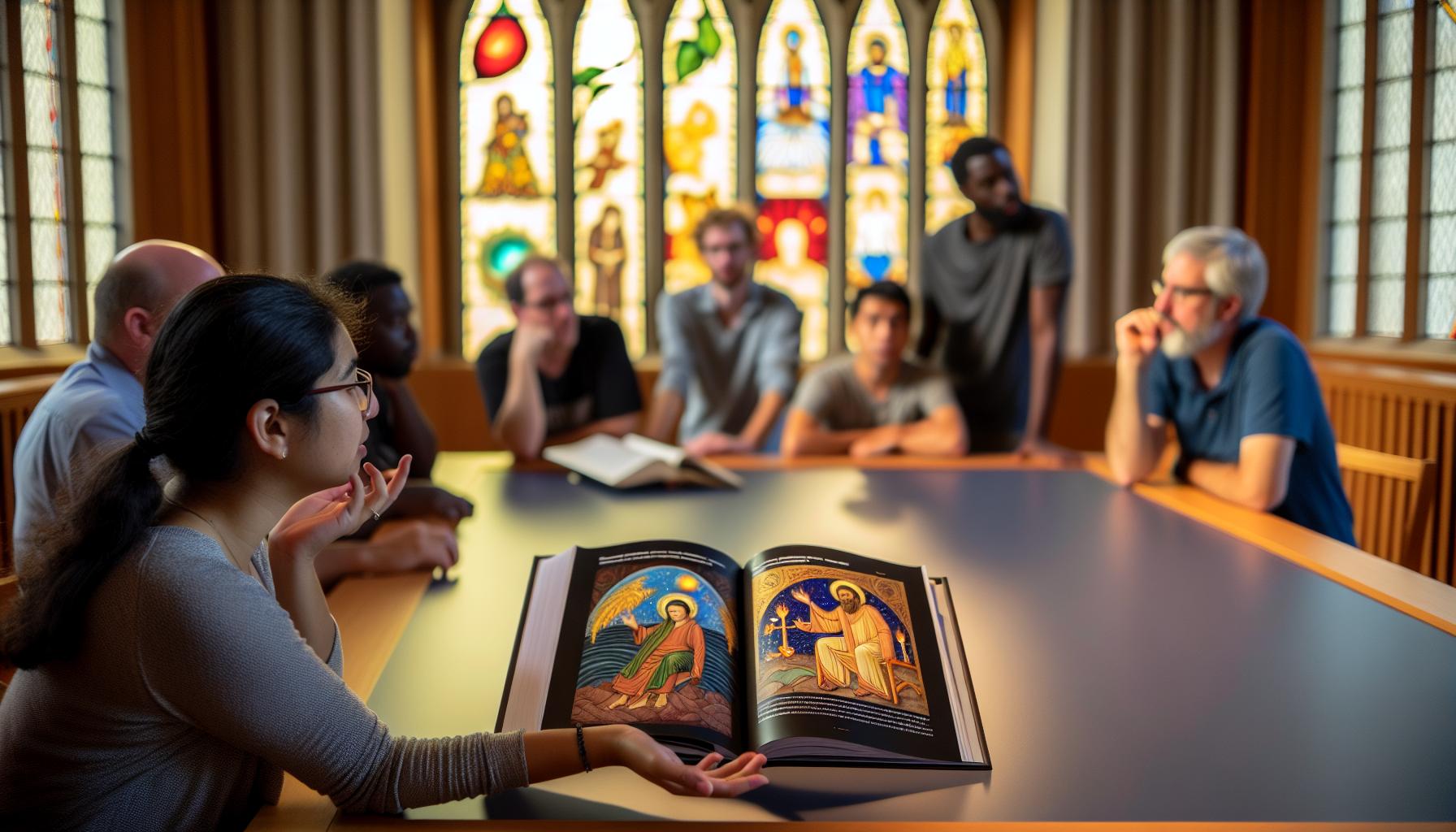
How Mythology Enriches Christian Understanding and Practice
Incorporating mythology into a Christian framework can provide valuable insights and enrich one’s spiritual journey. Myths, like those found in the world of Percy Jackson, often reflect universal themes and moral lessons that resonate with Christian beliefs. By exploring these narratives, believers can draw parallels between mythological figures and biblical characters, engaging with the stories that shape their understanding of faith and identity.
Delving into the adventures of Percy and his fellow demigods, readers can find familiar concepts of divine guidance, purpose, and the struggle between good and evil. Much like Christian teachings, these stories often emphasize the importance of courage, sacrifice, and community. For instance, Percy’s trials and relationships demonstrate the necessity of standing firm in faith amidst adversity, echoing the perseverance shown by biblical figures like Daniel and Esther. Such comparisons not only enhance the understanding of scripture but also empower individuals to see their own life experiences through a mythological lens, discovering lessons that can lead to deeper faith and resilience.
Moreover, engaging with mythology can inspire innovative approaches to prayer and devotion. Consider integrating themes from Percy Jackson into your spiritual practices-whether through journaling reflections on courage inspired by Percy’s battles, or discussing community dynamics in both myth and scripture. These practices can enrich Bible study, making familiar stories more relatable and applicable to everyday life. When young believers relate to a character like Percy Jackson, they are more likely to explore their own godly identity and purpose, much as he does in his journey.
Additionally, the interplay between mythology and Christian teachings offers a creative avenue for discussing faith with others. Engaging in conversations about the characters and lessons in mythology can help bridge discussions about the Bible, encouraging friends and family to explore their beliefs more openly. By embracing the beauty of both worlds, individuals can cultivate a more comprehensive understanding of their faith, illustrating how lessons from mythology can enhance, rather than contradict, Christian beliefs. This enriching dialogue fosters a community that encourages growth, understanding, and a shared quest for truth in both scriptural and mythological landscapes.
Parenting Lessons from Mythological Figures in Scripture
The intersection of mythology and spirituality offers profound insights into the nature of parenting, particularly when considering figures from both the world of Percy Jackson and biblical narratives. As families navigate the complexities of nurturing young faith-filled lives, drawing lessons from these mythological and scriptural characters can provide a wealth of inspiration and practical guidance.
First and foremost, consider the unwavering commitment shown by both divine parents and earthly ones. For instance, in Percy Jackson, we see the protective instincts of characters like Poseidon, who embodies a strong but sometimes distant father figure. This reflects the biblical portrayal of God as a loving guardian, as seen in passages like Psalm 68:5, which describes God as a “father to the fatherless.” Parents can take significance from these examples, recognizing the importance of being present and supportive, while also guiding children to embrace their own identities without overshadowing their individuality.
Additionally, both mythological and biblical figures face trials, illustrating the importance of resilience and faith in parenting. For example, consider the journey of Mary, the mother of Jesus, who navigated immense challenges with grace and trust in God’s plan. Similarly, Percy and his demigod peers endure various tests that shape their characters. These narratives can empower parents to approach adversity with their children as teaching moments. To foster resilience, parents can share stories of both triumph and struggle, encouraging their children to see challenges as opportunities for growth and deepening faith.
Moreover, open dialogue about one’s beliefs and moral dilemmas is vital in both mythological tales and biblical teachings. Characters like Athena provide wisdom and guidance, reinforcing the value of seeking counsel and understanding in making decisions. In a Christian context, Proverbs 1:5 emphasizes the importance of listening to wise counsel. Parents can foster environments that welcome questions about faith and morality, creating safe spaces where children feel encouraged to explore their beliefs and learn from both successes and mistakes.
By integrating these lessons from mythological figures and biblical narratives, parents can cultivate a nurturing home environment steeped in wisdom, resilience, and open communication. Emphasizing these principles not only strengthens family bonds but also fosters a deeper understanding of divine love and guidance, encouraging children to navigate their own spiritual paths with confidence and grace.
The Spiritual Battle: Comparing Percy Jackson’s Adventures to Christian Warfare
In a world filled with invisible battles, the themes of spiritual warfare in the Percy Jackson series resonate deeply with the Christian journey. Both Percy and his companions face formidable foes, from mythological monsters to conflicting deities, mirroring the biblical call to engage in the spiritual battles of life. Just as the demigods wield their weapons and the powers bestowed upon them by their godly parents, Christians are equipped with the armor of God to stand against the trials and tribulations of this world.
Equipping for Battle
In the realm of Percy Jackson, characters must train and prepare for physical confrontations, relying on their unique abilities to defend against giants and mythical creatures. Similarly, Ephesians 6:10-18 reminds Christians to wear the full armor of God. This armor-comprising truth, righteousness, readiness, faith, and the Word-equips believers to face their spiritual challenges. By engaging in prayer, studying Scripture, and nurturing a relationship with God, individuals can ready themselves for the daily battles that come their way. Each day becomes an opportunity to strengthen one’s spiritual defenses, just as Percy practices his combat techniques.
Identifying the Enemy
Throughout Percy’s adventures, identifying the adversaries becomes crucial for survival. The demigods learn that their greatest threat often comes from those they least expect, reflecting the biblical warning in 1 Peter 5:8 to be alert, as the devil prowls like a roaring lion. This understanding calls for vigilance among believers, encouraging them to recognize that not all battles are physical; many are fought in the mind, heart, and spirit. This truth advocates for awareness of the subtle schemes that may disrupt peace and weaken faith.
Community and Fellowship
Percy’s journey also emphasizes the importance of friendship and teamwork. The bond between Percy and his friends provides strength in adversity, highlighting the notion that no one should face their battles alone. This concept echoes Ecclesiastes 4:9-12, which stresses that “two are better than one,” as they can support each other in times of trouble. Having a community of believers fosters accountability and encouragement, enabling individuals to face their spiritual battles with confidence and unity.
Ultimately, the adventures of Percy Jackson serve not only as entertainment but also as a modern metaphor for the Christian life. Each challenge invites reflection on God’s promises and the spiritual tools available to overcome obstacles. As believers arm themselves with biblical truths and surround themselves with supportive fellowship, they can emerge victorious in their own spiritual battles, knowing they fight not just for themselves, but for a greater purpose and an eternal victory.
Fan Theories: Merging Percy Jackson with Christian Lore
In the rich tapestry of storytelling, the intersection of mythology and Christianity offers a fertile ground for imaginative fan theories, particularly when we explore the world of Percy Jackson. Enthusiasts often delight in drawing parallels between the characters of Rick Riordan’s universe and biblical figures, proposing intriguing connections that enrich both the lore of demigods and the tenets of Christian faith. This merging of narratives allows readers to step back and engage with the stories on a more profound level, awakening a deeper appreciation for the themes of divine parentage, redemption, and spiritual growth.
One popular theory suggests that Percy himself embodies aspects of both mythological and biblical heroes. For example, his journey mirrors that of Moses, who also faced significant trials and was called to lead his people. Just as Moses was empowered by God to confront Pharaoh, Percy harnesses the power of his godly parent, Poseidon, to face the overwhelming forces of the Titans and other mythological antagonists. This reflectiveness urges readers to consider their own divine purpose and the ways in which they might resist the challenges life presents, leaning into their faith much like Percy draws strength from his lineage.
Furthermore, some fans delve into the potential archetypes represented by Percy’s companions and adversaries, likening them to biblical characters. Annabeth, for instance, shares qualities with figures like Deborah, a woman of strong wisdom and cunning who led her people into battle. This exploration not only highlights the significance of teamwork in both universes but also emphasizes the value of strong, intelligent women in leadership roles within a faith context. It is a beautiful reminder that, in both mythology and Christianity, individuals are called to fulfill their unique roles in the narrative of life, often intertwined with others in a divine story that spans generations.
Engaging with these theories can be uplifting and spiritually nurturing, encouraging fans to pray, seek biblical wisdom, and appreciate the richness of their own faith journey. As readers explore these connections, they can foster discussions about how God operates in the lives of His children, mirroring the experiences and conflicts depicted within the pages of Percy Jackson’s adventures. Ultimately, such fan theories not only serve to entertain but also illuminate the enduring lessons of courage, faith, and the importance of community-core aspects that resonate deeply within both the realms of myth and Christian life.
Creating a Percy Jackson-Inspired Faith Journey for Teens
In a world where myths and reality intertwine, teens can embark on a faith journey that mirrors the adventures of Percy Jackson while deepening their relationship with Christ. Integrating the dynamic elements of RIck Riordan’s stories allows young believers to explore their spiritual identity in a relatable way. By drawing parallels between the challenges faced by demigods and their own trials, teens can find encouragement and guidance rooted in Scripture.
To begin crafting this enriching journey, consider implementing practices that resonate both with the struggles depicted in the Percy Jackson series and the teachings of Christianity. Here are some practical steps:
Engage in Reflective Bible Study
Create a study group that explores themes from Percy Jackson alongside biblical texts. For example, as Percy struggles with loyalty and friendship, discuss passages like Proverbs 27:17, which highlights the importance of companionship. Encourage participants to share their insights, drawing connections between their favorite characters and biblical figures, fostering a deeper understanding of divine support.
Develop a Prayer Practice
Just like Percy seeks guidance from the gods, teens can cultivate a habit of prayer. Begin with a simple structure, such as ACTS (Adoration, Confession, Thanksgiving, Supplication). Encourage them to bring their concerns and aspirations to God, much like Percy would appeal to his divine parent. This practice not only strengthens their faith but also teaches them the importance of dependence on God through life’s challenges.
Create a Community Support System
Engage teens in friendly discussions that echo Percy’s camaraderie with his friends. Form a small group or even a mentorship program where they can discuss their experiences, fears, and victories in faith. Just like Camp Half-Blood is a haven for demigods, fostering a community creates a safe space for teens to support one another spiritually, encouraging accountability and growth.
Ultimately, combining the whimsical yet profound lessons from the world of Percy Jackson with the rich truths of Christianity invites teens to explore their faith in a way that is both joyful and meaningful. By harmonizing the excitement of mythology with biblical teachings, they can discover their “godly parent,” not just in the context of fiction, but as a lifelong relationship with their heavenly Father, empowering them to navigate their unique journeys in faith.
Engaging with Mythology: A Christian Perspective on Storytelling
In storytelling, mythology serves as a rich tapestry that reflects universal truths and moral lessons, and when viewed through a Christian lens, it can deepen our understanding of faith. The adventures of Percy Jackson and his demigod companions not only entertain but also resonate with themes of courage, sacrifice, and the eternal quest for identity. These narratives remind readers, especially the younger generation, that even within fiction, they can discover profound relational dynamics that mirror their own connection with God.
Drawing parallels between the trials faced by Percy and biblical figures like David or Esther can unveil the timeless truths that both stories convey. For instance, just as Percy grapples with feelings of inadequacy, young believers can take comfort in the fact that God uses imperfect individuals for His grand purpose. This reflection encourages readers to embrace their unique God-given identity and to understand that their personal struggles are often part of a larger narrative crafted by a loving Creator.
As they engage with these stories, readers can adopt practices that highlight this thematic richness. Consider hosting discussion groups where participants reflect on the lessons learned from both Percy Jackson’s adventures and Scripture. Create a devotional study guide pairing chapters from Riordan’s books with Bible verses that reinforce similar messages-like bravery in the face of adversity or loyalty in friendship. These discussions can not only enhance biblical literacy but also strengthen community bonds, as participants see themselves in the stories and recognize the divine lessons embedded within.
This exploration of mythology is not just an academic exercise; it’s a vibrant way to help young believers see their faith journey as part of an epic story where they too are called to courage and purpose. Through the lens of Percy Jackson, they can reflect on their own “godly parentage,” ultimately guiding them closer to understanding their relationship with God. By embracing both the adventurous spirit of mythology and the moral anchor of faith, they can navigate their life’s journey with renewed hope and purpose.
Frequently Asked Questions
Q: What would happen if Percy Jackson met Jesus?
A: If Percy Jackson met Jesus, their encounter would be a fascinating blend of myth and faith. Percy, as a demigod, embodies Greek mythology, while Jesus represents Christian teachings. This meeting could explore themes of sacrifice, courage, and the nature of divine intervention, inspiring readers to consider how mythology can enrich their understanding of faith.
Q: How can Percy Jackson inspire Christian youth?
A: Percy Jackson can inspire Christian youth by showcasing values like bravery, friendship, and loyalty. His adventures and challenges echo biblical lessons about perseverance and faith in the face of adversity, encouraging teens to apply these themes in their spiritual journeys. For more insights, see “Lessons from Percy Jackson: Courage, Faith, and Friendship.”
Q: What parallels exist between Greek gods and Christian figures?
A: Parallels can be drawn between Greek gods and Christian figures in their roles as protectors or mentors. For example, both Zeus and God offer guidance and authority, while figures like Hermes and angels represent messengers. Understanding these connections can enhance readers’ comprehension of both mythologies and their spiritual implications.
Q: Can the concept of divine parenting in Percy Jackson relate to Christianity?
A: Yes, the concept of divine parenting in Percy Jackson correlates with Christian beliefs about God as a loving father. Both narratives explore the significance of guidance and support from divine sources, shedding light on how mythological themes can reflect and enhance Christian understanding of divine relationships.
Q: How does Percy Jackson’s story compare to biblical teachings?
A: Percy Jackson’s story often mirrors biblical teachings through themes of heroism, morality, and the battle against evil. Just as biblical figures face their trials, Percy navigates challenges that test his character and faith, illustrating how modern stories can convey timeless lessons found in scripture.
Q: What lessons about faith can be learned from Percy Jackson?
A: Readers can learn about faith in the face of uncertainty from Percy Jackson. His journey emphasizes trust in friends and divine guidance, similar to relying on God’s plan. These lessons can help strengthen one’s spiritual life by encouraging perseverance and community support.
Q: How can fans integrate Percy Jackson themes into their faith journey?
A: Fans can integrate Percy Jackson themes into their faith journey by reflecting on courage, friendship, and loyalty found in both the series and scripture. Engaging with these themes can inspire practical applications in daily life and deepen their understanding of God’s teachings.
Q: What impact has Percy Jackson had on modern interpretations of mythology?
A: Percy Jackson has significantly impacted modern interpretations of mythology by making ancient stories accessible and relatable to younger audiences. This resurgence encourages exploration of mythological concepts and their relevance today, bridging the gap between classical narratives and contemporary faith discussions.
Feel free to explore more in-depth insights in the article sections such as “Exploring Percy Jackson’s Mythology and Its Influence” and “The Role of Divine Parenting in Christian Faith.”
To Conclude
As we conclude our exploration of “Who’s Your Godly Parent: Percy Jackson Meets Christianity,” remember that understanding our spiritual lineage can enrich our faith journey. This unique intersection of myth and belief encourages you to dive deeper into your personal connection with God and the scriptures. If you enjoyed this perspective, don’t miss out on our articles on biblical principles in parenting and devotionals that deepen your prayer life.
Take action today by signing up for our newsletter to receive insights directly to your inbox, or explore our resources on spiritual warfare and practical guidance for living a Christ-centered life. Your spiritual adventure doesn’t end here! Join the conversation by sharing your thoughts in the comments below and discover what others have experienced in their journeys. We look forward to seeing you back for more enlightening discussions that can help guide you in authentic Christian living.