Motherhood is a sacred calling, serving as both a privilege and a responsibility that deeply shapes future generations. In “A Godly Mother: Nurturing Children with Christian Love,” we explore how mothers can instill values rooted in faith, fostering emotional and spiritual growth in their children. Many parents grapple with the challenge of balancing love and discipline while cultivating an environment where their children can thrive in God’s grace. As you embark on this journey, consider how your role can echo biblical principles that prioritize compassion, understanding, and unwavering support. Through prayer, intentional teaching, and an authentic expression of faith, a mother’s love can be a powerful tool for nurturing a relationship with Christ. Join us as we delve deeper into practical ways to raise children who not only know about God but also experience His love, guiding them toward a life of purpose and service. Discover how every moment spent in faith can be transformative for you and your children.
Contents
- 1 The Role of a Godly Mother in Children’s Lives
- 2 Embracing Christian Love Through Parenting
- 3 Spiritual Foundations: Raising Children in Faith
- 4 Effective Prayer Strategies for Mothers
- 5 Biblical Principles of Discipline and Guidance
- 6 Creating a Nurturing Home Environment
- 7 Encouraging Biblical Values in Daily Life
- 8 Fostering Spiritual Growth and Development
- 9 The Importance of Family Worship and Devotionals
- 10 Connecting with the Community: Support for Christian Mothers
- 11 Overcoming Challenges: A Mother’s Journey in Faith
- 12 Celebrating Milestones: Spiritual Parenting in Action
- 13 Q&A
- 14 Final Thoughts
The Role of a Godly Mother in Children’s Lives
In today’s fast-paced world, the nurturing role of a mother remains a cornerstone of a child’s spiritual and emotional development. A godly mother exemplifies love, compassion, and guidance rooted in Christian principles, shaping her children into individuals who can navigate life with faith and integrity. According to Proverbs 31:26, “She opens her mouth with wisdom, and the teaching of kindness is on her tongue,” highlighting the significant impact a mother can have in instilling Christian values through everyday conversations and actions.
A nurturing mother effectively integrates prayer and scripture into daily life, ensuring her children understand the importance of seeking God in all circumstances. Creating a routine that includes family prayer time or Bible study not only encourages open dialogues about faith but also helps children develop a personal relationship with God. Practical engagement such as sharing stories from the Bible that resonate with their experiences allows children to see how God’s word applies to their lives, reinforcing the teachings of Christ.
Furthermore, a godly mother fosters a loving home environment that acts as a sanctuary for growth and development. This nurturing atmosphere can be cultivated through establishing family traditions that emphasize faith, such as regular family devotionals or attending church together. These activities not only build connections within the family but also reinforce the importance of community and shared beliefs, echoing the sentiments of Hebrews 10:24-25 about encouraging one another.
In endorsing biblical principles, a mother acts as a moral compass, guiding her children through challenges with grace and wisdom. Discipline, when grounded in love, becomes an opportunity for teaching rather than punishment. Emphasizing forgiveness, kindness, and accountability through examples in scripture helps children learn how to apply these principles in their interactions with others. Through her nurturing presence, a godly mother can shape the spiritual journey of her children, equipping them to thrive as faithful individuals in a world that often challenges their beliefs.
Embracing Christian Love Through Parenting
In a world filled with distractions and competing influences, the guiding light of a mother’s love can create a profound impact on her children’s spiritual journey. not only strengthens familial bonds but also cultivates a nurturing environment for children to develop their faith. When mothers embody the principles of love, patience, and kindness as demonstrated in 1 Corinthians 13, they create an atmosphere where children are encouraged to explore their spirituality openly and honestly.
To effectively embody this love, mothers can incorporate practical daily actions that reflect Christ’s teachings. Simple gestures like expressing gratitude during mealtime or sharing heartfelt prayers before bed can instill a sense of gratefulness and awareness of God’s presence in daily life. Engaging children in conversations about their feelings and experiences while gently guiding them through biblical wisdom fosters a safe space where they can freely connect their personal lives with their faith.
Creating family rituals that celebrate Christian values reinforces the sense of love within the home. Activities such as family devotionals, where everyone shares their insights from scripture, or special prayer times during significant life events can deepen their collective faith experience. These moments not only help children feel secure in their mother’s love but also depict the beauty and richness of a life lived in Christ.
Moreover, the journey of embracing Christian love is not devoid of challenges. Acknowledging and sharing personal struggles can strengthen the bond between mother and child, illustrating that faith is a journey filled with both trials and triumphs. As mothers walk this path with their children, they demonstrate the beauty of perseverance and reliance on God’s unconditional love, instilling a resilient spirit in their children that will carry them through life’s storms.
Spiritual Foundations: Raising Children in Faith
In the journey of motherhood, the call to nurture children in faith stands paramount. The incredible responsibility of raising spiritually grounded individuals is both a challenge and a divine privilege. Research shows that children whose parents actively engage in their spiritual journey are more likely to embrace their own faith as they grow. This underscores the essential role that mothers play in laying the spiritual foundations for their children.
To cultivate a thriving faith environment, mothers can implement daily practices that reinforce spiritual growth. This can be as simple as creating a routine that incorporates prayer and Bible reading into everyday life. Consider these actionable steps:
- Daily Devotions: Designate a specific time each day for family devotions. This can include reading a passage from the Bible, discussing its meaning, and praying together. Engaging children in this process helps them understand scripture in a personal context.
- Incorporate Faith into Daily Activities: Look for opportunities in everyday tasks to discuss biblical principles. Whether it’s telling a story that illustrates honesty during chores or relating kindness to a sports team, these lessons help children see God’s word in action.
- Encourage Questions: Foster an open dialogue about faith by encouraging children to ask questions about God and spirituality. This not only deepens their understanding but also shows them that their thoughts and beliefs matter.
Creating rituals around faith is another effective strategy. Families can celebrate spiritual milestones, such as baptism or confirmation, with special events that highlight their importance. Holding prayer nights for significant moments-like starting a new school year or transitioning to new life stages-can imprint these experiences on a child’s heart.
Moreover, embodying faith through personal example is vital. Children learn by observing, so demonstrating a strong prayer life, and showing reliance on God during challenging times teaches them about faith’s practical application. As mothers share their own spiritual journeys-both triumphs and struggles-they cultivate resilience and openness in their children, showing them that faith is a lifelong journey marked by both challenges and blessings.
Ultimately, by weaving faith into the fabric of daily life, mothers not only nurture a deep spiritual foundation in their children but also prepare them to navigate the complexities of the world with a Christ-centered worldview. Through love, guidance, and prayer, a mother’s influence can leave an indelible mark on her children’s hearts, nurturing a faith that endures a lifetime.
Effective Prayer Strategies for Mothers
Mothers play a crucial role in shaping not only the spiritual lives of their children but also their overall well-being through the power of prayer. Engaging in effective prayer practices can strengthen a mother’s faith while creating a warm, loving environment conducive to spiritual growth. Integrating prayer into family life transforms daily interactions and nurtures a sense of divine connection.
One practical approach is to establish a routine that includes dedicated prayer time. This can take many forms, such as morning prayers before the day begins, mealtime blessings, or evening prayers that reflect on the day’s experiences. Additionally, incorporating prayer journaling can enhance this practice; mothers can write down prayer requests and answered prayers, providing a tangible record of God’s faithfulness. This habit helps children understand the importance of communication with God and encourages them to articulate their own thoughts and feelings in prayer.
Involve children in the prayer process by inviting them to lead prayers or choose prayer topics. This participatory method not only empowers children but also makes prayer a shared family experience. Encourage them to pray for their friends, community, and personal concerns, reinforcing the idea that prayer is about relationship, not just requests. Furthermore, reading prayers or scriptures aloud can deepen understanding and appreciation for God’s word.
It is also vital to model a strong personal prayer life. Children learn best through observation, so when mothers demonstrate sincerity and consistency in their prayers-whether it be during quiet moments or amidst challenges-they illustrate the importance of reliance on God. Engaging in prayer during significant family events or transitions can also highlight the power of prayer in seeking guidance and support during life’s ups and downs.
By cultivating a prayer-filled home, mothers not only foster a rich spiritual atmosphere but also equip their children with essential tools to navigate their faith journey. Through these strategies, prayer becomes a natural part of everyday life, helping to anchor children in their spiritual foundations while nurturing a lifelong relationship with God.
Biblical Principles of Discipline and Guidance
Every mother desires to raise her children in a loving and nurturing environment, yet the journey of discipline and guidance can often feel daunting. By anchoring parenting practices in biblical principles, mothers can provide a framework that cultivates both obedience and a heartfelt connection to God. Scripture offers profound insights into how to guide children effectively, transforming moments of correction into opportunities for spiritual growth.
Understanding the Heart of Discipline
Proverbs 3:11-12 reminds us, “My son, do not despise the Lord’s discipline, and do not resent his rebuke, because the Lord disciplines those he loves.” This scripture illustrates that true discipline is not merely punitive but is rooted in love and desire for a child’s growth. When a mother approaches discipline through a lens of love and concern rather than frustration, it sets the stage for her child to understand the nature of God’s correction. Instead of focusing on punishment, consider framing discipline as a way to teach children the consequences of their actions and the importance of making wise choices.
Setting Consistent Boundaries
Establishing clear and consistent boundaries is fundamental in the discipline process. Children thrive when they know what is expected of them. Mothers can incorporate biblical wisdom by:
- Communicating Expectations: Clearly state what behaviors are acceptable and why. Use biblical references to highlight values, such as honesty (Proverbs 12:22) and kindness (Ephesians 4:32).
- Consistency Is Key: Be consistent in enforcing rules. When children see that the same consequences follow specific actions, they learn to associate behavior with its impacts, reinforcing a deeper understanding of accountability.
- Involvement in the Process: Engage children in discussions about rules and the reasons behind them. This not only aids in their comprehension but also fosters a sense of responsibility. Ask questions like, “How do you think this behavior affects others?”
Guidance through Teaching Moments
Discipline can also be a rich teaching opportunity. Redirecting and guiding children can be accomplished through everyday scenarios, allowing them to learn life lessons within the context of real experiences. For example, when a conflict arises between siblings, a mother can facilitate a discussion on forgiveness, drawing from biblical teachings like Matthew 18:21-22, where Jesus emphasizes forgiveness. By addressing the issue openly and relating it back to scripture, she teaches her children valuable lessons in grace and resolution.
Encouraging a Heart for God
Ultimately, the goal of discipline and guidance is to lead children towards a loving relationship with God. Incorporate opportunities for prayer, reflection, and scripture reading into discipline practices. Encourage children to pray about their feelings and seek God’s help in changing behaviors. This approach not only reinforces the concept of reliance on God but also nurtures their spiritual development.
Through grace-filled discipline rooted in biblical principles, mothers can cultivate a harmonious home where children grow not only in obedience but also in their relationship with the Lord. Each instance of teaching, correction, and guidance becomes a stepping stone for children to embrace a life characterized by faith, understanding, and love.
Creating a Nurturing Home Environment
Creating a warm and nurturing atmosphere in the home is essential for a godly mother seeking to instill Christian love and values in her children. A nurturing environment fosters not only emotional safety but also spiritual growth, providing children with a tangible sense of God’s love. In a world filled with distractions and uncertainties, cultivating a home that reflects the peace and joy of Christ can make all the difference in how children perceive their faith.
To create such an environment, mothers can begin by establishing a foundation of open communication. Encourage children to express their feelings and thoughts without fear of judgment. This openness allows for meaningful discussions about faith, struggles, and everyday life, ensuring that children learn the importance of bringing all their concerns before God in prayer. As Proverbs 18:15 states, “The heart of the discerning acquires knowledge, for the ears of the wise seek it out.” Mamas can model this by actively listening and guiding their children as they navigate their spiritual journeys.
Incorporating family traditions that celebrate faith can also nurture a child’s spiritual connection. Regular family devotionals, prayers, and Bible study times reinforce the importance of God in everyday life. Additionally, creating rituals such as reading Bible stories at bedtime or discussing the day’s blessings over dinner helps children internalize Christian teachings. Each interaction can serve as a reminder of God’s presence and love in their lives, grounding them in biblical truths that they can carry with them into the world.
Moreover, the physical space of the home can reflect the love and grace of God. Create a dedicated area for prayer or quiet reflection, adorned with scriptures, religious symbols, or family photos that highlight special faith moments. Encourage children to decorate this space, reminding them that their relationship with God is personal and cherished. A visually appealing home that reflects Christian values can serve as a constant reminder of God’s love and the importance of staying rooted in faith.
Ultimately, the goal is to weave faith into the very fabric of home life, ensuring that love, kindness, and grace flow freely. By doing so, mothers not only foster a nurturing environment but also equip their children with the tools to face the world with confidence in their faith and a heart full of Christian love.
Encouraging Biblical Values in Daily Life
In a rapidly changing world, instilling biblical values in daily life is vital for nurturing children who will grow into faithful adults. Mothers have the profound privilege and responsibility to set the stage for their children, cultivating not just awareness of Christian principles but internalizing these values as part of their identity. The small, consistent habits practiced in the home are often the seeds of faith that flourish in a child’s heart, leading them to embrace a life rich in Christian love and action.
One effective way to encourage biblical values is through modeling behavior that reflects Christ’s teachings. Children are keen observers, often mimicking their parents’ words and actions. Make it a point to demonstrate kindness, forgiveness, and generosity in daily interactions. For example, when a conflict arises, openly discussing how to respond as Jesus would can provide a practical illustration of reconciliation. Incorporating real-life scenarios, where family members can gather together to share experiences and discuss lessons learned, reinforces these values authentically.
Creating a family culture that emphasizes biblical teachings is equally important. Start with simple routines that incorporate faith into everyday life:
- Daily Bible Reading: Set aside time each day for reading scripture together, discussing its meaning, and applying it to personal experiences.
- Acts of Service: Engage in community service as a family, reinforcing the value of helping others and seeing Christ in those we serve.
- Prayer Practice: Include prayer in daily routines, whether at meal times, bedtime, or during challenges, encouraging children to express their hearts to God.
These practices not only build a foundation of faith at home but also prepare children to exhibit these values in school and social settings, helping them stand firm against peer pressure. Encourage kids to seek ways to share their faith within their circles. Simple gestures such as inviting friends to church or sharing a Christian book can open conversations about beliefs and foster their confidence in living out their faith.
Finally, use the stories from the Bible as a source of inspiration and guidance. As children learn about biblical characters and their journeys, encourage them to draw parallels to their own lives and challenges. Discussing how David faced Goliath with courage or how Ruth demonstrated loyalty can empower children to embrace similar virtues. Such reflections ground them in a narrative of faith that is both relatable and instructive.
By weaving biblical values seamlessly into the fabric of daily life, mothers can nurture a love for God in their children that transforms into lifelong devotion. These values not only shape character but also prepare their hearts to navigate the complexities of life with faith as their anchor.
Fostering Spiritual Growth and Development
Nurturing spiritual growth in children requires intentionality and a heart aligned with God’s love. As mothers, the unique role played in shaping a child’s spiritual development is powerful and transformative. By incorporating principles and practices that center around faith, mothers can create an environment where their children feel encouraged and supported in their spiritual journeys. This foundational growth not only shapes their understanding of God but instills a lifelong desire to know Him more deeply.
One effective way to foster spiritual growth is through consistent Bible engagement. Setting a routine that includes family devotionals can offer a platform for discussion and reflection on Scripture. Reading age-appropriate Bible stories together allows children to connect with the characters and lessons, making the narratives more relatable. Use questions to provoke thoughtful discussions, such as “What did you learn from this story?” or “How can we apply this lesson today?” Providing opportunities for expression, whether through art, discussion, or journaling, helps internalize these concepts.
Equally essential is the practice of prayer. Mothers can model a vibrant prayer life by involving their children in heartfelt conversations with God. Teach them the importance of prayer not just as a ritual but as a way of communicating and building a relationship with their Heavenly Father. Encourage children to share their concerns, express gratitude, and pray for others, helping them see the impact of prayer in everyday life. A suggested practice could be dedicating a specific time each week for family prayer, making it a special event marked by sharing joys and struggles.
Another significant aspect is demonstrating service and compassion. Get involved in community outreach projects as a family, emphasizing the importance of helping others. Teach children that serving is a reflection of Christ’s love and encourages them to view the world through a lens of kindness. Simple acts, such as helping a neighbor or participating in church activities, can be powerful lessons in compassion. Discuss with them how these activities align with biblical teachings, reinforcing the importance of living out their faith through action.
A child’s spiritual development thrives in an atmosphere of love, support, and encouragement. Celebrate milestones such as memorizing Scripture or serving in a new capacity, and affirm their contributions to family and community. Celebrating these moments will not only motivate but also instill a sense of accomplishment and belonging within their faith journey.
By creating an environment rich in spiritual nourishment, mothers can help foster an authentic relationship with God in their children’s hearts, preparing them to face life’s challenges with faith and trust as their foundation.
The Importance of Family Worship and Devotionals
Creating a routine for family worship and devotionals is a transformative practice that can nurture a child’s relationship with God in profound ways. Engaging in regular spiritual activities as a family not only solidifies the faith foundation in children’s hearts but also strengthens family bonds. Statistics show that families who worship together regularly experience deeper connections and a shared sense of purpose, leading to a more cohesive family unit anchored in God’s love.
Structured Family Worship
Establishing a dedicated time for family worship can take various forms. It might be a short morning devotional or an evening gathering that includes Bible reading, prayer, and worship through song. Kids thrive on consistency, so setting a specific day or time makes it a cherished part of the weekly routine. During these moments, you can incorporate engaging elements such as:
- Bible Stories: Choose stories that resonate with your children’s experiences and include lively discussions.
- Music: Singing together can uplift spirits and reinforce the messages learned through worship.
- Prayer: Encourage each family member to participate, sharing prayer requests and testimonies.
Encouraging Participation
To keep children engaged, allow them to take active roles in the worship process. Assign tasks like selecting the Bible passage to read or leading a prayer. This involvement fosters ownership of their spiritual journey and encourages them to express their thoughts and feelings about faith. Set up a rotation where each child has a chance to share something they learned or a prayer that touches their heart. This not only deepens their understanding but also demonstrates that their voices matter in the family’s spiritual conversations.
Benefits of Family Devotionals
The health benefits of consistent family devotionals extend beyond mere knowledge of scripture. Children learn resilience, empathy, and community through the shared experiences of worship. They see firsthand how to walk in faith during life’s ups and downs. Such gatherings create a safe space for kids to process their thoughts, ask questions, and express doubts, all while knowing they are anchored by their family’s unconditional love and faith.
In conclusion, family worship and devotionals lay a powerful groundwork for spiritual growth, guiding children through life while firmly rooting them in loving, Christian values. By prioritizing this practice, mothers can instill a deep and lasting faith in their children, empowering them to navigate life’s challenges with grace and confidence, anchored firmly in a relationship with God.
Connecting with the Community: Support for Christian Mothers
Building a supportive community is essential for Christian mothers, as it offers a network of encouragement and shared faith experiences. Here are a few strategies to foster connections with fellow believers that can significantly enhance your parenting journey.
Joining local church groups or parenting ministries can be invaluable. These gatherings provide a space for mothers to share their challenges, joys, and triumphs in raising children with Christian values. Engaging in discussions about faith-based parenting practices can lead to new insights and camaraderie. Many churches offer opportunities for moms to volunteer together, strengthening emotional bonds and creating a community rooted in mutual support.
Participating in prayer groups and Bible studies specifically designed for mothers can also offer spiritual nourishment. These small groups allow for intimate sharing and accountability, encouraging you to grow deeper in your faith while building relationships with other women on the same journey. Together, you can pray for your children, discuss scripture, and explore practical ways to incorporate faith into your daily lives.
Encouraging involvement in community service through church-led initiatives can be another meaningful way to connect. By working together with other mothers in service projects, you not only develop friendships but also model the importance of giving back to your children. This creates rich opportunities to nurture compassion and empathy in your family while reinforcing a sense of belonging in a larger faith community.
Through these communal activities, Christian mothers can find encouragement, inspiration, and practical wisdom that aligns with their goal of nurturing children in a loving, faith-filled environment. Remember, as you journey through motherhood, you are not alone; your community is there to walk alongside you and support your vital role in shaping the next generation in Christ’s love.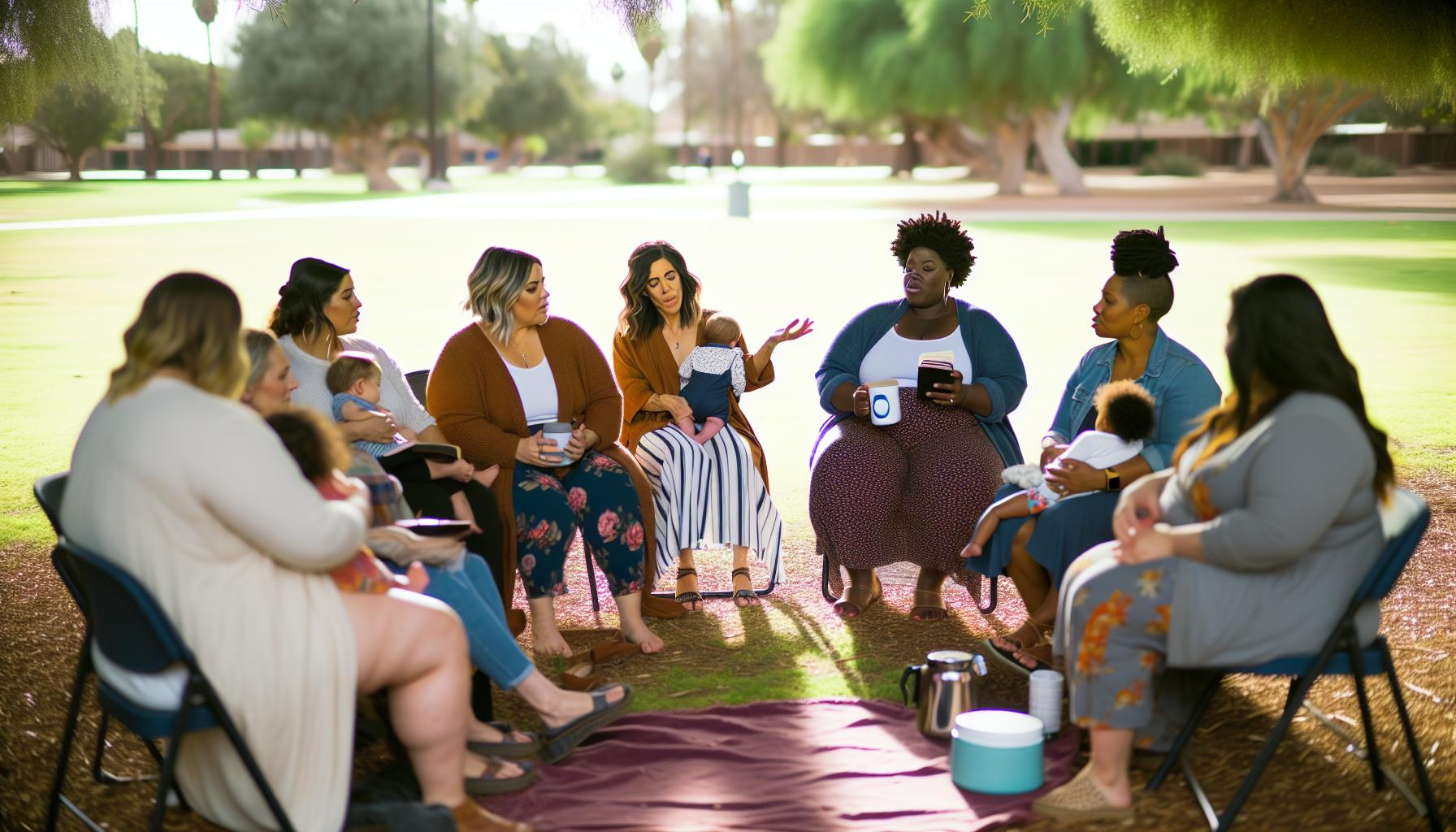
Overcoming Challenges: A Mother’s Journey in Faith
Navigating the complexities of motherhood can often feel like traversing a treacherous mountain trail, filled with unexpected turns and steep inclines. Yet, it is within these challenges that a mother’s faith can shine the brightest. Overcoming trials is not merely about finding solutions; it is about walking in faith and leaning on God for strength. Each obstacle faced-whether it be sleepless nights, balancing work and family, or dealing with societal pressures-presents an opportunity to deepen your reliance on Christ, reminding you that you are not alone in your journey.
When faced with challenges, one of the most powerful tools in a mother’s arsenal is prayer. Establishing a routine that includes regular prayer helps to center your heart and mind. Carve out moments in your day for heartfelt conversations with God, whether during a quiet morning sip of coffee or while driving the kids to school. Seek guidance from scriptures, such as Philippians 4:6-7, which encourages believers not to be anxious but to present their requests to God. This practice not only cultivates spiritual resilience but also serves as a model for children, demonstrating the importance of turning to faith during difficult times.
Additionally, embracing vulnerability can transform your motherhood journey. Sharing your struggles with trusted friends, church groups, or fellow mothers allows for support and encouragement. As Proverbs 27:17 states, “Iron sharpens iron, and one person sharpens another.” Surrounding yourself with a community of believers who understand your challenges can provide both practical advice and emotional support, reminding you that every mother experiences doubts and hardships.
As you encounter obstacles, consider framing each challenge as a learning experience that can fortify your family’s faith. Use stories from the Bible or your own life to illustrate how perseverance in faith can lead to God’s blessings. This not only fosters a spirit of resilience but also encourages your children to seek solace in their faith when life gets tough. Remember, the goal is not perfection in motherhood but rather seeking God’s presence in every moment, transforming challenges into growth opportunities for both yourself and your children.
Celebrating Milestones: Spiritual Parenting in Action
Celebrating milestones in your child’s spiritual journey can be a profoundly impactful way to instill a deep sense of faith and belonging within your family. Just as birthdays mark the passing of another year, spiritual milestones highlight growth and transformation in one’s faith. These moments present wonderful opportunities for mothers to engage their children in discussions about God’s grace, love, and expectations, reinforcing the core values of their Christian upbringing.
One of the most significant milestones in a child’s spiritual journey is their baptism. This sacred moment can be a family-centered event filled with prayer, discussion, and celebration. Encourage your child to share their thoughts and feelings about what baptism means to them, making it a personal testament of faith. Recognize this milestone not just as a ritual but as a commitment to walking in faith-demonstrating that acknowledging and accepting Jesus is a lifelong journey that will be celebrated throughout their life.
Rituals and Celebrations
Creating traditions around spiritual milestones can also nurture faith in daily life. These can range from something as simple as a special family dinner to commemorate a child’s first scripture memory verse, to an annual retreat dedicated to reflecting on the past year’s spiritual growth. Such rituals strengthen family bonds and reinforce the importance of faith as a pivotal aspect of living.
Consider making a milestone board at home where you can document and celebrate various spiritual achievements, such as memorizing Bible verses, participating in community service, or reaching personal goals in prayer. This visual representation serves not only as a source of pride but as a constant reminder of your family’s commitment to spiritual growth.
Encouraging Growth Through Community
Additionally, engage your church community in recognizing these milestones. Invite friends and family to share prayers or testimonies during these significant events. This practice not only enriches the experience for your child but also fosters a sense of belonging within the larger body of Christ. Being part of a supportive community enriches faith life, encourages accountability, and provides inspiring examples of God’s work in the lives of others.
Ultimately, celebrating milestones as a part of spiritual parenting fosters a rich environment where children can understand their faith journey is not merely individual but intertwined with family and community. By emphasizing these moments, mothers can help their children see faith as a living, active part of their everyday lives, encouraged to reflect on their achievements while remaining steadfast in their spiritual growth.
Q&A
Q: What does it mean to be a godly mother?
A: A godly mother exemplifies Christian love and service, nurturing her children in faith and guiding them with biblical principles. She prioritizes spiritual growth, models Christ-like behavior, and creates a nurturing home environment. Her role is vital in shaping a child’s character and relationship with God.
Q: How can a mother teach her children Christian values?
A: A mother can teach Christian values by incorporating Bible stories into daily life, engaging in discussions about faith, and practicing values like love, kindness, and honesty. Family worship and devotionals, as highlighted in your article, provide consistent reinforcement of these values in a child’s life.
Q: What are effective ways to pray for my children?
A: Praying specifically for your children’s character, choices, and spiritual growth is crucial. Consider dedicating a time each day for prayer, using scripture to guide your prayers, and involving your children in the process to teach them the importance of prayer in their lives.
Q: Why is family worship important?
A: Family worship fosters spiritual intimacy and shared faith experiences, strengthening familial bonds. It creates a space for learning, prayer, and worship, helping children to understand the importance of faith in everyday life. Regular family devotionals cultivate an environment rich in spiritual growth.
Q: How can mothers overcome challenges in raising children?
A: Mothers can overcome challenges by seeking community support through church and fellowship groups, engaging in prayer, and utilizing parenting resources. Embracing God’s guidance through scripture and sharing experiences with other mothers creates a supportive atmosphere for growth and resilience.
Q: What role does discipline play in raising children?
A: Biblical discipline is essential for teaching children right from wrong. It involves guiding principles rather than harsh punishment. Integrating love and understanding while enforcing rules helps children learn accountability, respect, and aligns their behavior with Christian teachings as discussed in your article.
Q: How can I nurture my child’s spiritual growth?
A: Nurturing spiritual growth involves encouraging regular Bible reading, participation in church activities, and conversations about faith. Creating a daily routine that includes prayer and worship can significantly influence children’s understanding and relationship with God, as highlighted in the article.
Q: What are some practical ways to embrace Christian love in parenting?
A: Practical ways include openly expressing love and affection, modeling forgiveness, and demonstrating kindness in daily interactions. Encourage acts of service within the family and community to instill a sense of compassion and empathy in children, reinforcing the Christian love they learn at home.
Final Thoughts
As we conclude this exploration of “A Godly Mother: Nurturing Children with Christian Love,” remember that your role as a nurturing guide is not only a privilege but a divine calling. Embrace the power of prayer, engage deeply with Bible study, and utilize the practical guidance found in our articles on Christian parenting and marriage. If you haven’t yet, consider subscribing to our newsletter for regular insights and resources that support your journey in faith.
Don’t let this moment pass-commit to nurturing your children with love today. Dive deeper with our related resources on spiritual practices and parenting strategies to further enrich your family’s faith life. Share your thoughts or experiences in the comments; your voice could inspire fellow moms on their journey. Together, let’s cultivate homes filled with Christ-centered love, creating a bright future for the next generation!