In a world where distractions abound and true purpose often feels elusive, the journey toward godliness becomes both a profound necessity and a fulfilling aspiration. “How to Become Godly: Your Step-by-Step Faith Journey” invites you to embark on a transformative path that deepens your relationship with God and aligns your daily life with His word. This guide addresses the common struggles many face in nurturing their faith, whether through prayer, Bible study, or the challenges of Christian parenting and marriage. Each step fosters not only spiritual growth but authentic living that reflects Christ’s love and teachings. As you navigate this journey, you’ll discover practical wisdom and scriptural insights that empower you to overcome obstacles, enhancing every aspect of your life. Prepare to dive deeper into faith and encounter the joy and fulfillment that comes from walking closely with God. Your journey toward a godly life is not just a personal quest; it’s an odyssey that will illuminate your spirit and inspire those around you. Let’s begin this adventure together!
Contents
- 1 How to Cultivate a Godly Mindset Daily
- 2 Essential Spiritual Practices for Your Journey
- 3 Deepening Your Bible Study for Insightful Growth
- 4 The Power of Prayer: Strengthening Your Faith
- 5 Embracing Devotionals to Enrich Your Spirit
- 6 Building a Christ-Centered Marriage
- 7 Guiding Your Children in Faithful Living
- 8 Understanding Spiritual Warfare: Protecting Your Faith
- 9 Living a Biblical Lifestyle in Modern Times
- 10 Developing Resilience Through Faith Challenges
- 11 Finding Community: The Role of Fellowship
- 12 Sharing Your Faith Journey: Inspiring Others
- 13 Frequently asked questions
- 14 Key Takeaways
How to Cultivate a Godly Mindset Daily
To truly embrace a godly mindset each day, it requires intentional effort and consistent practices that root us deeply in our faith. Cultivating this mindset is not just about adhering to religious rituals but about fostering a relationship with God that influences our thoughts, actions, and responses to daily challenges. By grounding ourselves in scripture, prayer, and community, we can reflect Christ’s love and directed purpose in our lives.
One practical approach to cultivate a godly mindset daily is through consistent prayer. Begin your day with a moment of communion with God, seeking His guidance and strength for the day ahead. As Philippians 4:6-7 reminds us, “Do not be anxious about anything, but in every situation, by prayer and petition, with thanksgiving, present your requests to God.” This habit not only helps alleviate stress but also aligns your heart with God’s will.
Additionally, deepening your Bible study is crucial. Set aside dedicated time to read and meditate on scripture. Reflect on passages that speak to your current life situation and seek to apply their teachings. As Romans 12:2 encourages, “Do not conform to the pattern of this world, but be transformed by the renewing of your mind.” This transformation allows you to discern God’s perfect will for your life amidst the chaos of daily living.
Moreover, embracing devotionals can enrich your spiritual journey. Choose devotional materials that challenge you and draw you closer to understanding God’s purpose. Engaging with thought-provoking literature can provide fresh insights and help reinforce your commitment to a godly mindset.
As you pursue these practices, consider your relationships. Surround yourself with fellow believers who encourage and challenge you in your faith journey. Building a supportive community is essential, as Proverbs 27:17 states, “Iron sharpens iron, and one man sharpens another.” This connection not only fosters accountability but also enhances your spiritual growth as you learn from each other’s experiences and insights.
In summary, a daily commitment to prayer, Bible study, and fostering community can profoundly impact your mindset, helping you navigate life’s challenges while remaining steadfast in your faith. By actively engaging with these practices, you empower yourself to live out your faith authentically, reflecting Christ’s love in every aspect of your life.
Essential Spiritual Practices for Your Journey
To walk a pathway that leads to a deeper relationship with God, it’s essential to engage in spiritual practices that nurture your faith and transform your daily life. Consider these essential practices as cornerstones of your journey towards becoming more godly, offering both structure and depth to your walk with Christ.
Connecting Through Prayer
At the heart of a faithful life is a vibrant prayer life. Communication with God should be intimate and regular, encompassing prayers of gratitude, confession, supplication, and adoration. Start your mornings by dedicating time to connect with God, asking for wisdom and strength for the day ahead. As 1 Thessalonians 5:16-18 reminds us, “Rejoice always, pray continually, give thanks in all circumstances; for this is God’s will for you in Christ Jesus.” Establishing a routine where you pray bountifully will anchor your spirit and reassure you of God’s presence throughout each day.
Diving into Scripture
Deepening your Bible study enriches your understanding of God’s character and His will for your life. Devote time daily to read and reflect on scripture, allowing God’s Word to illuminate your path. Utilize a study plan that encourages you to explore various themes and passages. One effective method is to journal your reflections on what you study, helping to cement the lessons learned and apply them to your experiences. Hebrews 4:12 notes that the Word of God is “alive and active,” serving as a powerful tool for transformation and guidance.
Embracing Devotionals
Incorporating devotionals into your routine can significantly enhance your spiritual growth. Choose devotionals that resonate with your current life stage or spiritual needs, challenging you to think deeply about your faith. These readings often present insights and questions that provoke further reflection, inviting deeper conversations with God. Create a space where you can engage with these resources daily or weekly, setting a goal to embrace the themes presented as you meditate on their implications in your life.
Fellowship and Community
Surrounding yourself with a community of like-minded believers is crucial for sustained spiritual growth. Engage with others who encourage you, share insights, and hold you accountable in your faith journey. This fellowship can take place through church gatherings, small groups, or even casual meet-ups for prayer and discussion. Ecclesiastes 4:9-10 emphasizes the strength found in companionship: “Two are better than one, because they have a good return for their labor: If either of them falls down, one can help the other up.” Building these relationships not only nourishes your spirit but also provides a support system that can uplift you through challenges.
These essential spiritual practices-prayer, Scripture study, devotional readings, and community fellowship-form a robust framework for cultivating a deeper, more godly life. Embrace them with purpose and expectancy, trusting that they will shape your faith journey and draw you closer to the heart of God.
Deepening Your Bible Study for Insightful Growth
To cultivate a deeper and more insightful Bible study, it’s essential to approach your scripture readings with intention and a heart open to revelation. The Bible is not just a historical text; it’s the living Word of God that has the power to transform your mind and spirit. Engaging with scripture in a meaningful way can illuminate not only your understanding of God’s character but also His will for your life.
Start by establishing a consistent study schedule that prioritizes your time in the Word. Consider setting aside a specific time each day dedicated solely to reading and reflecting on scripture. This could be early in the morning, during lunch breaks, or in the evenings-whenever you are most alert and receptive. As you read, bring a notebook to document your thoughts, insights, and questions. Journaling this way allows you to track your spiritual growth over time, and you may find patterns or recurring themes that speak to your journey. Proverbs 2:2 encourages us to “tune your ears to wisdom, and concentrate on understanding,” reminding you to be intentional in your learning process.
Incorporating various study resources can also enhance your engagement. Use study Bibles, commentaries, and online tools to deepen your understanding of context, language, and application. A great method is to select passages that resonate with your current life circumstances and examine them closely. For example, you might explore the Sermon on the Mount (Matthew 5-7) to gain insight into Jesus’ teachings on living a godly life amidst challenges. By cross-referencing related verses and themes, you can see how interconnected God’s messages are.
Moreover, consider joining a Bible study group where discussions can further enrich your understanding. Engaging with others allows for diverse perspectives and collective wisdom, helping to solidify your insights as you hear how God is speaking through His Word to fellow believers. As you learn from one another, you strengthen not just your knowledge, but also your community in faith, aligning beautifully with the biblical principle found in Proverbs 27:17: “As iron sharpens iron, so one person sharpens another.” Investing in both personal reading and community study creates a balanced approach that nurtures your spiritual growth.
As you deepen your Bible study, remain open to the Holy Spirit’s guidance. Pray before your sessions, asking for wisdom and clarity. This prayerful approach can turn your time in scripture from a mere routine into an opportunity for divine revelation and personal transformation, helping you walk more closely with God each day.
The Power of Prayer: Strengthening Your Faith
Prayer is one of the most profound elements of a believer’s life, functioning as a channel of communication with God that can transform our spiritual journey. It is not just a ritual or recitation, but a dynamic conversation with our Creator, and it serves as a foundation for building a resilient faith. Whether you’re expressing gratitude, seeking guidance, or imploring support during challenging times, prayer is pivotal in developing a deeper relationship with God. As James 5:16 encourages us, “The prayer of a righteous person is powerful and effective,” illustrating the immense potential our prayers hold.
Establishing a regular prayer routine can significantly enhance your spiritual growth. Consider dedicating specific times throughout your day to pause and commune with God. Morning prayers can set a positive tone, while evening reflections serve as a way to acknowledge His faithfulness throughout the day. Integrating prayer into your daily activities-whether you’re commuting, cooking, or engaging in family time-can create a rhythm that reinforces your connection to the divine. Additionally, using a prayer journal may help to organize your thoughts and track answered prayers, deepening your appreciation for how God works in your life.
Another effective practice is to incorporate scripture into your prayers. This not only aligns your thoughts with the truths of the Bible but also helps you to internalize God’s promises and guidance. For example, when facing uncertainty, you might pray through Psalm 23, asking God to shepherd you through your challenges. By doing so, your prayers become infused with His Word, leading to a greater sense of peace and assurance. Participating in communal prayer, whether in church or small groups, can also enhance your faith, as the collective strength of believers amplifies individual prayers, creating a supportive environment that cultivates spiritual growth.
Additionally, being mindful of the Holy Spirit’s presence while praying can transform your conversations with God. Approach each prayer session with an open heart, inviting the Spirit to guide your thoughts and words. This practice fosters an awareness of how God may be speaking to you, helping to enrich your understanding and relationship with Him. In this way, prayer transforms from a duty to a delightful and intimate dialogue, nurturing your faith and equipping you to face life’s uncertainties with confidence and hope.
Embracing Devotionals to Enrich Your Spirit
Embracing devotionals can significantly deepen your spiritual journey, providing daily inspiration and guidance that aligns your heart with God’s will. These focused reflections serve as spiritual fuel, helping you navigate the complexities of life while nurturing your faith. Whether you seek peace in chaos or clarity amidst confusion, a well-chosen devotional can illuminate your path, drawing you closer to the heart of God.
To effectively incorporate devotionals into your daily routine, consider setting aside dedicated time each day, perhaps in the early morning or during a quiet moment in the evening. This intentional time allows you to engage fully with the material, fostering a space for God to speak to you. Begin with a prayer, asking for insight and understanding as you read. After reflecting on the message, jot down key thoughts or verses in a journal. This record not only tracks your spiritual growth but also serves as a reminder of God’s faithfulness in your life.
The beauty of devotionals lies in their versatility; they can cover a wide range of themes, from handling trials and cultivating gratitude to diving deep into God’s character. Many devotionals also provide related scripture passages, encouraging you to delve into the Bible further as you seek to solidify the day’s message. Engaging with these scriptures enhances your understanding of God’s Word and reinforces the lessons you learn each day.
Moreover, consider utilizing devotionals that resonate with different seasons of your life. For instance, if you’re embarking on the journey of marriage, seek out devotionals focused on building a Christ-centered partnership. Similarly, for parenting, find materials that offer wisdom and guidance on raising children in faith. This tailored approach ensures that your spiritual nourishment is relevant and impactful, helping you to flourish in your unique faith journey. Embrace this enriching practice and watch how it transforms your spirit, paving the way for a deeper and more profound relationship with God.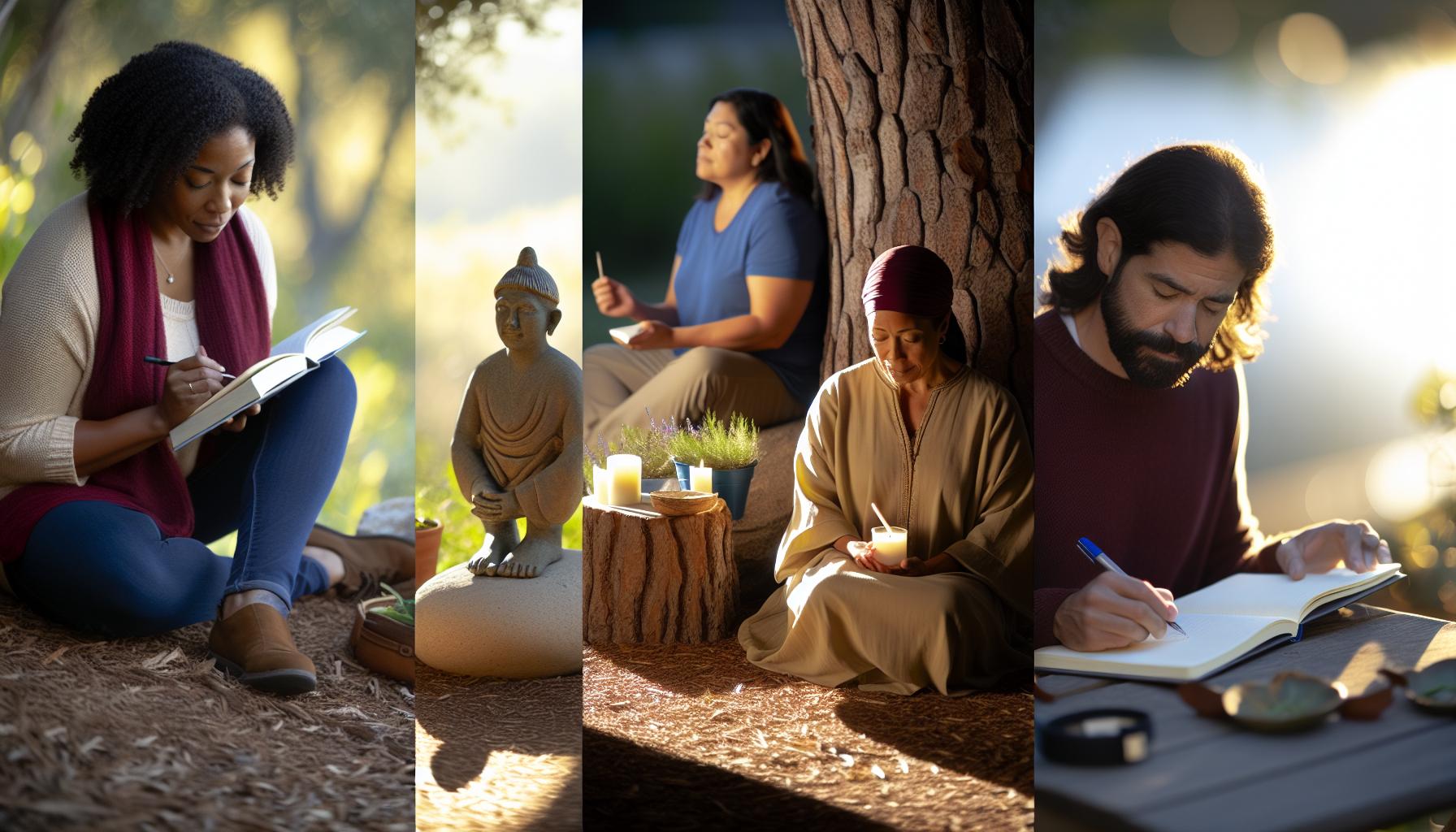
Building a Christ-Centered Marriage
In the journey of faith, serves not only as a foundation for a loving partnership but also as a vital part of your spiritual growth. A marriage grounded in Christ is a beautiful testament to God’s design and purpose for relationships, and it can profoundly impact both partners’ spiritual lives and those around them. By anchoring your relationship in biblical principles, you create a nurturing environment that fosters love, respect, and mutual support grounded in faith.
One of the most effective ways to cultivate a Christ-centered marriage is through shared spiritual practices. Setting aside intentional time for prayer and Bible study together helps deepen your connection, allowing both partners to grow spiritually as a unit and individually. Consider dedicating a specific time each week to discuss a scripture passage that speaks to your relationship. This can be a powerful way to evaluate your marriage through God’s Word, encouraging open conversations about how to live out its teachings.
Another essential aspect of nurturing a Christ-focused partnership is practicing forgiveness and grace. Every marriage will encounter challenges; however, overcoming these obstacles can be a blessing when approached with a heart of love. Ephesians 4:32 reminds us, “Be kind and compassionate to one another, forgiving each other, just as in Christ God forgave you.” Embracing this mindset in times of conflict not only strengthens your bond but also demonstrates the love of Christ to one another as you work toward reconciliation.
To further enrich your Christ-centered marriage, consider participating in devotional readings or workshops that focus on marriage enrichment. Many resources offer guidance on building intimacy, effective communication, and resolving conflicts biblically. Engaging together in such activities can help you reach new heights in your relational journey and solidify your commitment to Christ at the center of your love story.
As you navigate the beautiful yet challenging journey of marriage, invite God into every aspect of your partnership. Regularly remind yourselves of your commitment to one another before God and seek to live out His purposes in both your hearts and home. Through prayer, shared scripture, and acts of service, you can cultivate a marriage that radiates love, reflecting the heart of Christ in a world that desperately needs His light.
Guiding Your Children in Faithful Living
In today’s fast-paced world, can feel like a daunting task. However, nurturing their spiritual growth from a young age lays the foundation for their character and beliefs. By intentionally incorporating faith into daily life, you can help your children develop a personal relationship with God, enriching their understanding of His love and purpose.
One effective approach is to create a family routine that centers around spiritual practices. This could include family prayers before meals, bedtime Bible stories, or discussion prompts that encourage open conversations about faith. Consider setting aside a specific night each week for a family devotion time, where you can explore a Bible passage together. Tailoring these moments to suit your children’s age and interests can foster an engaging environment. For instance, you might use interactive storytelling for younger kids or incorporate music and art for older children, allowing them to express their faith creatively.
Moreover, leading by example is crucial. Children are more likely to embrace their faith when they see it reflected in their parents’ lives. Share personal testimonies of God’s work in your life, demonstrate love and kindness to others, and engage in acts of service as a family. This not only teaches them to live out their faith but also shows them that being a follower of Christ is a transformative and joyful journey. As 1 Corinthians 11:1 states, “Follow my example, as I follow the example of Christ.” Your actions serve as a powerful model for your children.
To further enrich their spiritual journey, integrate real-life teachings from the Bible into everyday situations. When challenges arise, reference relevant scriptures to highlight how faith can offer comfort and guidance. Whether it’s dealing with a disappointment or celebrating a victory, remind them of God’s presence and provision. Creating a faith-centered dialogue about life’s events will instill a biblical worldview in their hearts.
By actively engaging in these practices, you equip your children with the tools they need to navigate life’s challenges confidently and faithfully. They will learn that faith is not just a set of beliefs but a daily commitment to walk with God, fostering resilience and hope that will carry them through their lives.
Understanding Spiritual Warfare: Protecting Your Faith
In the journey of faith, understanding spiritual warfare is essential. It equips believers to recognize the subtle yet powerful influences vying for their attention and commitment. As Ephesians 6:12 reminds us, “For we do not wrestle against flesh and blood, but against principalities, against powers, against the rulers of the darkness of this age, against spiritual hosts of wickedness in the heavenly places.” This passage highlights the reality of the spiritual conflict that exists beyond our physical world, emphasizing the need for vigilance and readiness in our spiritual lives.
To protect your faith effectively, it is important to cultivate practices that reinforce your spiritual armor. Here are a few practical steps to consider:
- Daily Prayer: Establish a consistent prayer life where you seek God’s guidance and protection. Share your struggles and intentions with Him, asking for strength against negative influences.
- Engage with Scripture: Immerse yourself in the Word of God. Verses like 2 Timothy 3:16-17 teach us that Scripture is God-breathed and useful for instruction. Regular Bible study not only deepens your understanding but also fortifies you against challenges.
- Accountability and Fellowship: Surround yourself with a community of believers who encourage and support one another. Engaging in group prayer and study fosters a sense of unity and shared strength in the face of spiritual battles.
Moreover, developing discernment is crucial. Not every thought or feeling comes from a place of truth or divine origin. As 1 John 4:1 encourages, “Beloved, do not believe every spirit, but test the spirits to see whether they are from God.” This involves recognizing lies or doubts that may creep in and contrasting them with God’s truth. Having principles rooted in the Bible provides clarity in moments of confusion.
Ultimately, spiritual warfare is about protecting your heart and mind from the deceptions that can derail your faith journey. By adopting these practices and relying on the strength that comes from Christ, you can effectively stand firm in your beliefs, empowering not only yourself but those around you. Remember, you are not alone in this battle-God’s power within you is greater than any force that seeks to lead you astray.
Living a Biblical Lifestyle in Modern Times
In today’s fast-paced and often chaotic world, living a biblical lifestyle can seem challenging, yet it is profoundly rewarding. Embracing the teachings of Scripture offers direction, purpose, and a grounding framework for making decisions that honor God and reflect Christ’s love. To navigate modern life while staying true to biblical principles, it’s essential to integrate these teachings into your daily routines and interactions.
Embodying Love and Kindness
A crucial aspect of a biblical lifestyle is exhibiting love and kindness to others. Galatians 5:22-23 reminds us that the fruit of the Spirit includes love, joy, and peace. These qualities should manifest in our relationships, whether with family, friends, or even strangers. Make intentional efforts to show kindness-simple acts such as helping a neighbor, encouraging a coworker, or participating in community service can reflect God’s love in a tangible way.
Maintaining Integrity in All Areas
Integrity is another foundational principle emphasized in the Bible. Proverbs 10:9 tells us, “Whoever walks in integrity walks securely.” This applies to our personal lives, workplaces, and social interactions. Make choices that align with biblical values, even when it’s difficult or unpopular. Consider how you handle situations that may tempt you to compromise your values, and strive to exemplify honesty and righteousness in all you do.
Creating a Christ-Centered Home
Your home can serve as a sanctuary of faith where biblical principles are lived out daily. Involve family members in prayer, Bible study, and discussions about faith. Ephesians 5:25-26 highlights the importance of love within marriage, providing a model for relationships that emulate Christ’s love for the church. Prioritizing spiritual growth within your family unit can lead to deeper connections and collective resilience against life’s challenges.
Pursuing Holiness Amidst Cultural Pressures
Living out your faith also means being discerning about cultural influences. Romans 12:2 calls us not to conform to the patterns of this world but to be transformed by the renewing of our minds. This may involve evaluating the media you consume and the environments you frequent. Seek out content and communities that inspire spiritual growth and align with God’s teachings, fostering an atmosphere where faith thrives.
By actively integrating these practices into your life, you cultivate a biblical lifestyle that not only draws you closer to God but also shines as a light to others in a world that desperately needs the hope and love found in Christ. Your daily choices can reflect your commitment to God and impact those around you, ultimately enabling you to fulfill your calling to be a disciple and a witness for Him.
Developing Resilience Through Faith Challenges
In the journey of faith, challenges are not just obstacles; they serve as opportunities to deepen our trust in God and build resilience. Every believer encounters trials that test their resolve, but it’s through these very challenges that our faith is forged and strengthened. As James 1:2-3 reminds us, “Consider it pure joy… whenever you face trials of many kinds, because you know that the testing of your faith develops perseverance.” Embracing difficulties as divine tools for growth is essential in cultivating a robust spiritual life.
Embracing Trials as Growth Opportunities
When you face adversity, it’s vital to shift your perspective. Instead of seeing hardships as setbacks, view them as stepping stones on your faith journey. Each challenge molds your character and faith, much like how a sculptor chisels away at stone to reveal a masterpiece. Engaging in prayer during tough times is key; it aligns your heart with God’s purpose and allows His strength to sustain you. Scripture serves as a source of comfort and guidance, providing a powerful reminder of God’s promises: “For I know the plans I have for you… plans to prosper you and not to harm you, plans to give you hope and a future” (Jeremiah 29:11).
Building a Support System
No believer is meant to walk their faith journey alone. Surround yourself with a supportive community that can encourage you through tough times. Fellowship with fellow believers not only provides strength but also accountability. Participating in small groups or church activities can help you share your burdens and celebrate victories together. Galatians 6:2 encourages us to bear one another’s burdens, thus fulfilling the law of Christ. These relationships add layers of support that can make navigating challenges more bearable and meaningful.
Practicing Daily Spiritual Disciplines
Incorporating spiritual disciplines into your daily routine is crucial for developing resilience. Regular prayer, meditation on scripture, and participation in worship can foster an intimate relationship with God, allowing His presence to permeate your life. Consider starting each day with a moment of reflection, focusing on God’s goodness and your reliance on Him. Additionally, journaling your thoughts and prayers can be a powerful way to track your growth and recognize patterns in your faith journey. Psalm 46:1 reassures us, “God is our refuge and strength, an ever-present help in trouble.”
By understanding that challenges are a part of your faith journey, fostering a compassionate community, and engaging in spiritual practices, you can cultivate resilience that reflects a deepening relationship with God. These aspects not only empower you to withstand life’s storms but also equip you to inspire others in their own journeys of faith. Remember, each trial is an opportunity for remarkable growth, as you lean into Christ and trust His unwavering love and care.
Finding Community: The Role of Fellowship
In the tapestry of faith, the threads of community weave together a fabric of encouragement, support, and shared experience. Fellowship among believers is not a mere social gathering; it is a vital aspect of spiritual growth that can uplift us in difficult times, foster accountability, and deepen our understanding of God’s purpose in our lives. As the early church demonstrated in Acts 2:42, they were devoted to teaching, fellowship, breaking bread, and prayer, exemplifying the richness of a shared faith journey.
Engaging in authentic community allows believers to share their joys and sorrows, creating a safe space for vulnerability. Surrounding yourself with fellow Christians cultivates a fertile ground where seeds of faith can grow. Here are essential components to look for in a supportive community:
- Small Groups: These intimate settings encourage meaningful discussions and allow participants to share personal stories and insights. They often provide a platform for prayer, Bible study, and fellowship.
- Mentorship Relationships: Seeking guidance from seasoned believers can offer perspective and wisdom as you navigate challenges and opportunities for growth.
- Service Projects: Engaging in communal service allows believers to put their faith into action, building camaraderie and reflecting God’s love through tangible acts of kindness.
As we embrace the role of fellowship, it becomes crucial to actively participate. Just as iron sharpens iron (Proverbs 27:17), our interactions with one another can lead to spiritual sharpening. Make it a habit to attend church services, join small group meetings, and participate in community events. Our shared experiences can enrich our faith and bring accountability in our personal spiritual practices.
In addition, don’t underestimate the power of prayer within your community. Make prayer a central component of your fellowship, as it aligns your hearts together towards God’s will. Encourage one another through prayer chains, intercessory sessions, and even simple follow-ups on personal prayer requests. Romans 12:12 encourages us to “be joyful in hope, patient in affliction, faithful in prayer.”
In conclusion, finding and nurturing a community of faith is vital to your spiritual journey. As you engage with other believers, remember that you are not just part of a group; you are joining hands with fellow travelers, all seeking to grow in grace and knowledge of our Lord, Jesus Christ. By investing in these relationships, your faith journey will be enriched, and you will find encouragement and inspiration to pursue a deeper intimacy with God.
Sharing Your Faith Journey: Inspiring Others
Sharing your personal faith journey can be a powerful tool for inspiration and encouragement. Each story is a testament to God’s grace and transformative power, resonating with people at various stages of their spiritual walk. Your experiences can spark hope in others, prompting them to seek or deepen their relationship with Christ. When you reveal the struggles and triumphs of your journey, you create a bridge of connection that can draw others closer to their own faith.
One way to effectively share your journey is through storytelling. Consider how God has worked in your life, acknowledging both the highs and lows. Reflect on moments of doubt and how prayer or scripture provided clarity. Use specific examples to illustrate your growth-perhaps a challenging situation where faith guided your response or a time of profound revelation that changed your perspective. When crafting your narrative, remember the power of vulnerability. Sharing how God has helped you overcome obstacles can provide hope and a sense of community to those facing similar trials.
Another compelling method is utilizing various platforms to share your insights. You can write a blog, engage in social media discussions, or speak in local church gatherings. Each platform allows for different engagement levels; choose what feels right for you. Encourage discussions around your personal experiences and invite others to share theirs, fostering a culture of openness and support. Also, actively listen to the stories of others; their experiences may inspire your own growth and understanding.
To enrich your sharing process, consider integrating Bible verses that resonate with your journey. Verses like 2 Corinthians 1:3-4, which remind us that our experiences can comfort others, underscore the importance of sharing. When you weave scripture into your story, you not only validate your experiences but also highlight the foundational role of faith in your life. By pointing to the truth of God’s Word, you can inspire others to delve deeper into their own study and prayer life.
In every interaction, maintain an attitude of encouragement and inclusivity. Remember that sharing your faith journey isn’t about presenting a perfect image; it’s about authenticity and the reality of God’s constant work in our lives. As you inspire others through your journey, focus on creating a safe space for them to explore and express their own faith. Be a lighthouse in the lives of others, guiding them towards the warmth and light of God’s love.
Frequently asked questions
Q: How can I start my faith journey today?
A: Begin your faith journey by spending time in prayer and reading Scripture daily. Start with the Gospels to understand the life of Jesus. Engage with a local church community to foster connections and support. For insights, refer to “Essential Spiritual Practices for Your Journey.”
Q: What are the foundational beliefs of Christianity?
A: The foundational beliefs of Christianity include the belief in one God, the divinity of Jesus Christ, salvation through faith, and the authority of the Bible. Understanding these concepts can guide your spiritual growth. Consider exploring the section on “Deepening Your Bible Study for Insightful Growth.”
Q: How do I strengthen my relationship with God?
A: Strengthening your relationship with God involves regular prayer, studying Scripture, and engaging in worship. Participate in small group activities and seek fellowship to enhance your spiritual journey. Check the section on “Finding Community: The Role of Fellowship” for more guidance.
Q: What steps can I take to be a better parent in faith?
A: To be a better parent in faith, model Christ-like behavior, engage in family prayer, and discuss biblical teachings with your children. Encourage them to participate in church activities. Explore “Guiding Your Children in Faithful Living” for effective strategies.
Q: Why is community important in my faith journey?
A: Community provides support, encouragement, and accountability in your faith journey. Engaging with fellow believers can deepen your understanding of Scripture and help you grow spiritually. Learn more about this in “Finding Community: The Role of Fellowship.”
Q: What role does prayer play in becoming more godly?
A: Prayer is vital for communicating with God and seeking His guidance. It strengthens your faith and helps you align your will with His. Develop a consistent prayer routine as suggested in “The Power of Prayer: Strengthening Your Faith.”
Q: How can I overcome challenges in my faith?
A: Overcoming challenges in faith is possible through prayer, studying the Bible, and seeking support from fellow believers. Drawing on God’s promises can help you remain resilient. For deeper insights, refer to “Developing Resilience Through Faith Challenges.”
Q: What resources can help me in my spiritual growth?
A: Resources such as Bible study guides, devotional books, and faith-based apps can enhance your spiritual growth. Consider seeking mentorship from spiritually mature individuals in your community. Explore “Embracing Devotionals to Enrich Your Spirit” for additional suggestions.
Key Takeaways
As you conclude your journey through “How to Become Godly: Your Step-by-Step Faith Journey,” remember that each step you take brings you closer to a deeper relationship with Christ. Reflect on the insights gained about prayer, Bible study, and spiritual practices that enrich your faith. If you feel inspired, don’t hesitate to explore our resources on Christian marriage or parenting guidance to further enhance your spiritual journey today.
Take action now-sign up for our newsletter to receive ongoing encouragement and practical tools for your faith walk. For a more in-depth study, check out our articles on spiritual warfare and biblical lifestyle advice, designed to equip you for every challenge. Let’s commit to growing together in faith; your journey matters, and your comments and shares are welcome as we strive to uplift one another in Christ.


![Devoted Health Provider Portal: [Not applicable for Christian content]](https://christiancitychurch.eu/wp-content/uploads/2025/09/7285-devoted-health-provider-portal-not-applicable-for-christian-content-300x171.jpg)