
In a fast-paced world brimming with distractions, the pursuit of inner peace and mindfulness has never been more crucial. Many are turning to meditation, but the question arises: Is meditation compatible with our Christian faith? This article explores the biblical perspective on mindfulness, revealing how aligning our thoughts and practices with scripture can deepen our connection with God. By understanding whether meditation can be a godly practice, we invite a conversation that bridges contemporary needs with timeless truths. As you navigate your faith journey, discover insights that offer not only spiritual nourishment but also practical guidance for living authentically in today’s world. Join us as we uncover how to cultivate a mindful heart rooted in Christ, enhancing your prayer life, devotionals, and overall spiritual well-being.
Contents
- 1 Is Meditation Biblical or Godly? Understanding the Roots
- 2 The Intersection of Mindfulness and Christian Faith
- 3 Scriptural Insights on Contemplation and Stillness
- 4 Health Benefits of Mindfulness: A Christian Perspective
- 5 Mindfulness Practices: Aligning with Biblical Teachings
- 6 Potential Spiritual Risks of Meditation in Christianity
- 7 Cultivating a Prayer Life: Mindfulness in Action
- 8 Comparing Christian Prayer and Secular Meditation
- 9 Guided Christian Meditations: Resources and Recommendations
- 10 Biblical Alternatives to Meditation: Deepening Your Faith
- 11 Finding Balance: Meditation, Worship, and Daily Life
- 12 Transforming Your Mind: The Role of Scripture and Reflection
- 13 Q&A
- 14 Closing Remarks
Is Meditation Biblical or Godly? Understanding the Roots
In a world buzzing with distractions and fleeting moments, the pursuit of inner peace is a journey many undertake. But as Christians, it’s vital to explore whether meditation aligns with our faith and how it can enhance our spiritual walk. Meditation, in its essence, is a practice of focused contemplation; seeking stillness to attune ourselves to God’s presence and voice can be a powerful tool for spiritual growth.
Biblically speaking, meditation is woven throughout the Scriptures. For instance, Psalm 1:2 urges us to delight in the law of the Lord and meditate on it day and night. This indicates that meditation isn’t inherently contrary to our faith; rather, it serves as a gateway to deeper understanding and connection with God’s word. Additionally, Philippians 4:8 invites us to think about what is true, noble, and right-suggesting that our thoughts can shape our experiences and that meditation can facilitate a focused, prayerful reflection on these divine qualities.
Moreover, the practice of meditation can be viewed through the lens of prayer. When we meditate on Scripture or spend time in quiet reflection, we engage in a dialogue with God, allowing His truths to penetrate our hearts. This contemplative approach can lead to enhanced clarity, calmness, and a deeper sense of God’s love, ultimately aligning our minds with His will. Just as a gardener must sometimes prune back branches to allow a plant to flourish, those moments of stillness and quiet can help spread our roots deeper into the soil of faith.
As we navigate our spiritual journeys, we can adopt meditation not just as a practice but as an enriching discipline that fosters a vibrant prayer life. By centering our thoughts on Christ and grounding our meditative practices in Scripture, we invite His guidance, allowing ourselves to be transformed in the process. Embracing this blend of meditation and mindfulness within the framework of Biblical teachings not only supports our spiritual health but also nurtures our community, as we grow together in faith and understanding.
The Intersection of Mindfulness and Christian Faith
In our fast-paced world, the quest for peace and clarity often leads us to consider mindfulness practices, which aim to ground us in the present moment. For Christians, this journey intersects profoundly with the teachings of Scripture and the call to develop a closer relationship with God. Mindfulness, in its essence, can be understood as the practice of being fully engaged in the here and now-something that resonates with the biblical command to be still and know that He is God (Psalm 46:10). This connection emphasizes the importance of cultivating not just awareness of our surroundings, but also a heightened sensitivity to God’s presence in our everyday lives.
Rather than viewing mindfulness as separate from our faith, we can integrate it into our spiritual practices. For example, when we meditate on Scripture or engage in silent prayers, we create space for God to speak into our lives. This can be as simple as reflecting on a verse while taking deep breaths, allowing each word to settle into our hearts. By intentionally setting aside time for such practices, we mimic the biblical call to seek first the Kingdom of God (Matthew 6:33), effectively prioritizing our spiritual health over the distractions that vie for our attention.
Additionally, mindfulness practices can enhance our understanding of God’s creation. Spending time in nature, for instance, encourages us to appreciate the beauty of His work. As we immerse ourselves in the details-the rustling leaves, the colors of a sunset-we align our hearts with the Creator, filling our minds with wonder and gratitude. This practice invites us to cultivate an attitude of reverence and mindfulness about our lives and the world around us, effectively nurturing a deeper faith.
Practical Steps for Mindful Living
To incorporate mindfulness into your Christian walk, consider these actionable steps:
- Daily Scripture Meditation: Set aside 10-15 minutes each day to meditate on a selected Bible passage. Reflect on its meaning and how it applies to your life.
- Nature Walks: Take a walk outdoors, paying attention to the sights and sounds around you. Use this time to pray and contemplate God’s creation.
- Silent Prayer: Dedicate moments during the day for silent prayer, inviting God into your thoughts and anxieties, allowing His peace to fill you.
- Journaling: Keep a journal of your reflections and prayers. Writing down your thoughts can help you process your spiritual experiences more deeply.
In embracing mindfulness from a Christian perspective, we can find that it enriches our prayer life and deepens our faith. Allowing ourselves to practice being present with God transforms our daily rituals into opportunities for divine connection, fostering a profound sense of peace and awareness that aligns beautifully with our journey of faith.
Scriptural Insights on Contemplation and Stillness
In a world filled with noise and distraction, finding moments of stillness can transform our spiritual lives. The Bible beautifully emphasizes the significance of contemplation and stillness, inviting believers to quiet their hearts to hear God’s voice. Psalms serve as a rich source for understanding this concept; for instance, Psalm 46:10 urges us, “Be still, and know that I am God.” This call to reflection invites us to set aside our worries and distractions, allowing the Holy Spirit to guide our thoughts and intentions. Just as still water reflects the surrounding landscape, our hearts can reflect God’s presence when we create space for peace and clarity.
Contemplation isn’t merely silence; it’s an active engagement with the Word of God. Jesus Himself often withdrew to solitary places to pray (Luke 5:16). These moments away from the crowd allowed Him to reconnect with the Father, strengthening His mission and purpose. We can replicate this practice by dedicating daily time to meditate on Scripture. As we immerse ourselves in God’s Word, we allow the truth to settle in our minds and transform our hearts, leading to deeper faith and spiritual growth.
To cultivate a habit of contemplation, consider integrating these practices into your daily routine:
- Morning Quiet Time: Set aside the first few minutes of your day for silent meditation, inviting God’s guidance as you prepare for the day ahead.
- Breath Prayers: Use your breath to focus on short prayers or Scripture verses throughout the day, helping to ground you in His presence.
- Evening Reflection: At the end of the day, spend time in quiet reflection, thanking God for His blessings and contemplating moments where you saw His hand at work.
These practices not only enhance our awareness of God’s continuous presence but also align our hearts with His will. As we engage in contemplation and stillness, we align ourselves with a pace of life that nurtures spiritual growth and cultivates peace, allowing us to thrive in our faith journey. This rhythm of stillness amidst life’s bustle enables us to hear God’s whispers and embrace His guidance more fully.
Health Benefits of Mindfulness: A Christian Perspective
Incorporating mindfulness into our daily lives can yield profound health benefits, especially when viewed through a biblical lens. Studies continue to reveal that practices focusing on contemplation, gratitude, and the presence of God can reduce anxiety, improve emotional regulation, and enhance overall well-being. When believers actively engage in mindfulness rooted in Scripture, it not only strengthens their faith but also aligns with the journey of healing that Jesus offers.
Embracing moments of stillness and reflection is a practice encouraged throughout the Bible. Psalm 119:15 states, “I will meditate on your precepts and fix my eyes on your ways.” This verse highlights the importance of redirecting our thoughts towards God’s Word, allowing His teachings to permeate our minds. Regularly setting time aside to meditate on Scripture can lead to profound mental clarity and emotional stability, benefiting our health and fostering a spirit of peace amidst life’s challenges.
Moreover, when believers approach mindfulness through prayer and contemplation, they are often better equipped to manage stress. Techniques such as breath prayers not only invite God’s presence into our struggles but also help to lower blood pressure and create a sense of calm. By acknowledging God’s sovereignty and grace during moments of anxiety, Christians can transform their approach to stress and cultivate a healthier mindset.
Additionally, aligning mindfulness practices with biblical teachings can serve as a form of worship. By focusing our thoughts on God’s promises and reflecting on His goodness, we deepen our faith and experience emotional healing. Activities like journaling prayers or meditating on uplifting scripture create space for the Holy Spirit to move, enhancing our spiritual journey while promoting mental wellness. As we commit these practices to our daily routine, we become vessels of God’s peace, not only for ourselves but also for those around us, embodying the love of Christ amid an often chaotic world.
Mindfulness Practices: Aligning with Biblical Teachings
In the hustle and bustle of modern life, many find themselves yearning for peace and clarity amid chaos. Mindfulness, a practice grounded in awareness and presence, aligns beautifully with biblical teachings, offering believers a pathway to deeper communion with God. The Bible encourages us to meditate not just as a form of mental exercise but as a means to draw closer to our Creator, fostering a commitment to introspection and spiritual growth.
One practical way to incorporate mindfulness within a biblical framework is through meditative prayer. This practice varies from traditional prayer by inviting a deeper level of stillness and focus on the present moment. For example, instead of speaking a multitude of words, you might dedicate time to reflect on a specific verse, allowing its truth to resonate within you. This echoes the exhortation in Psalm 46:10, “Be still, and know that I am God,” reminding us of the importance of quieting our inner turmoil to recognize God’s presence and sovereignty.
Another mindfulness practice that aligns with biblical teachings is contemplative reading of Scripture. This involves not just reading tasks but immersing oneself in the Word to hear what God might be saying personally. Consider journaling your thoughts, questions, or revelations as you delve into the Scriptures. Reflecting on verses like James 1:5 encourages us to ask God for wisdom, which can guide our understanding as we meditate on His Word. By allowing the text to shape our thoughts and emotions, we integrate mindfulness into our spiritual routine, ultimately fostering a deeper relationship with Christ.
For families, practicing mindfulness together can enhance both spiritual life and interpersonal relationships. Activities like family devotions or shared reflections on the week’s challenges encourage open dialogue about faith and struggles, creating a supportive environment. Establishing a routine of discussing Bible verses and how they apply to everyday situations can nurture a collective mindfulness that reflects biblical principles, creating a legacy of faith and resilience.
Lastly, don’t underestimate the power of nature in your mindfulness practice. God created a world rich in beauty that speaks to His glory. Regularly taking time to walk in creation can serve as a form of worship and reflection. In Psalms 19:1, we see that “The heavens declare the glory of God,” inviting us to resonate with our surroundings while we meditate on His majesty and faithfulness.
By intertwining mindfulness practices with biblical teachings, believers can transform their approach to daily life, enhancing both spiritual and emotional well-being while cultivating a life rooted in Christ’s love and truth.
Potential Spiritual Risks of Meditation in Christianity
The pursuit of peace and mindfulness can sometimes lead Christians to encounter practices that may not align with their faith foundations. While meditation is often celebrated for its mental health benefits, it’s essential to acknowledge and discern potential spiritual risks that may arise from certain forms of meditation, especially those rooted in non-Christian traditions. Understanding these risks allows believers to cultivate practices that promote spiritual growth without compromising their faith.
Certain meditation techniques, particularly those derived from Eastern religions, may invite participants to empty their minds or detach from earthly concerns, which can conflict with the Christian call to engage thoughtfully with one’s thoughts and emotions through prayer and scripture. Engaging in a form of meditation that encourages a detachment from one’s identity in Christ might lead one to distraction from God’s truth. Christians are reminded in Romans 12:2 to “not conform to the pattern of this world, but be transformed by the renewing of your mind,” ensuring that any mindfulness practice is aligned with biblical convictions rather than opposing them.
Additionally, some meditation practices involve centering on inner peace or personal enlightenment, which can unintentionally shift focus away from God and the community of faith. This inward shift is counter to Jesus’ teachings that prioritize loving God and others, as highlighted in Matthew 22:37-39. When meditation becomes a solitary pursuit of peace apart from God or community, it can lead to spiritual isolation and hinder the believer’s relationship with Christ and fellow believers.
To navigate these potential pitfalls, Christians seeking mindfulness can adopt practices that firmly root their meditation in scripture and prayer. For example, incorporating reflective practices such as reading and meditating on specific Bible verses can transform meditation into a deeply enriching spiritual exercise. By focusing on God’s Word and inviting the Holy Spirit to guide them, believers can harness mindfulness in a way that draws them closer to their Creator and nurtures their faith.
Moreover, seeking accountability within a community of faith when exploring mindfulness practices can provide safeguards against potential spiritual risks. Engaging with fellow believers allows for shared growth, dialogue, and support, ensuring that practices are biblically grounded and aligned with Christian teachings. Together, Christians can pursue mindfulness while remaining steadfast in their commitment to Christ’s teachings, fostering a holistic approach that embraces both mental clarity and spiritual depth.
Cultivating a Prayer Life: Mindfulness in Action
Drawing closer to God can transform our daily lives, and cultivating a prayer life is a powerful way to infuse mindfulness into that journey. When we think of prayer, we often envision a list of requests or a moment of silent reflection, but it is much more profound. Genuine prayer is an active relationship with God, inviting His presence into every aspect of our lives. This connection can greatly enhance our mindfulness practice, encouraging us to be present and aware of God’s movements and grace throughout our day.
Integrating mindfulness into our prayer life involves being fully engaged during our conversations with God. This does not mean merely reciting prayers, but actively listening for His voice and seeking His guidance in our thoughts and feelings. Here are some practical ways to nurture this practice:
- Scripture Meditation: Spend time reading and reflecting on verses that resonate with you, allowing God’s Word to shape your thoughts and inspire your prayers. For instance, Psalm 46:10, “Be still, and know that I am God,” serves as a profound reminder to pause and recognize His sovereignty.
- Breath Prayers: Simple prayers that sync with your breathing can help center your thoughts. As you inhale, silently pray, “Lord, fill me with Your peace,” and as you exhale, release any worries or distractions.
- A Gratitude Journal: Keeping a journal where you note daily blessings can enhance your awareness of God’s presence in your life. This practice encourages you to reflect on His goodness and fosters a spirit of thankfulness.
- Nature Walks: Take your prayer life into the world around you. While walking, observe God’s creation and thank Him for the beauty surrounding you. This physical movement can enrich your spiritual awareness and deepen your connection with God.
By incorporating these mindful practices into your prayer life, you not only cultivate a deeper relationship with God but also enhance your spiritual discipline. Each moment spent in mindful prayer becomes an opportunity for growth, reflection, and renewal, ultimately leading to a life that glorifies Him and builds a vibrant faith community. As you journey through prayer, invite the Holy Spirit to awaken your senses to God’s presence in all circumstances, allowing mindfulness to be an integral aspect of your faith walk. This transformation nurtures our souls, grounding us in His peace amidst life’s chaos.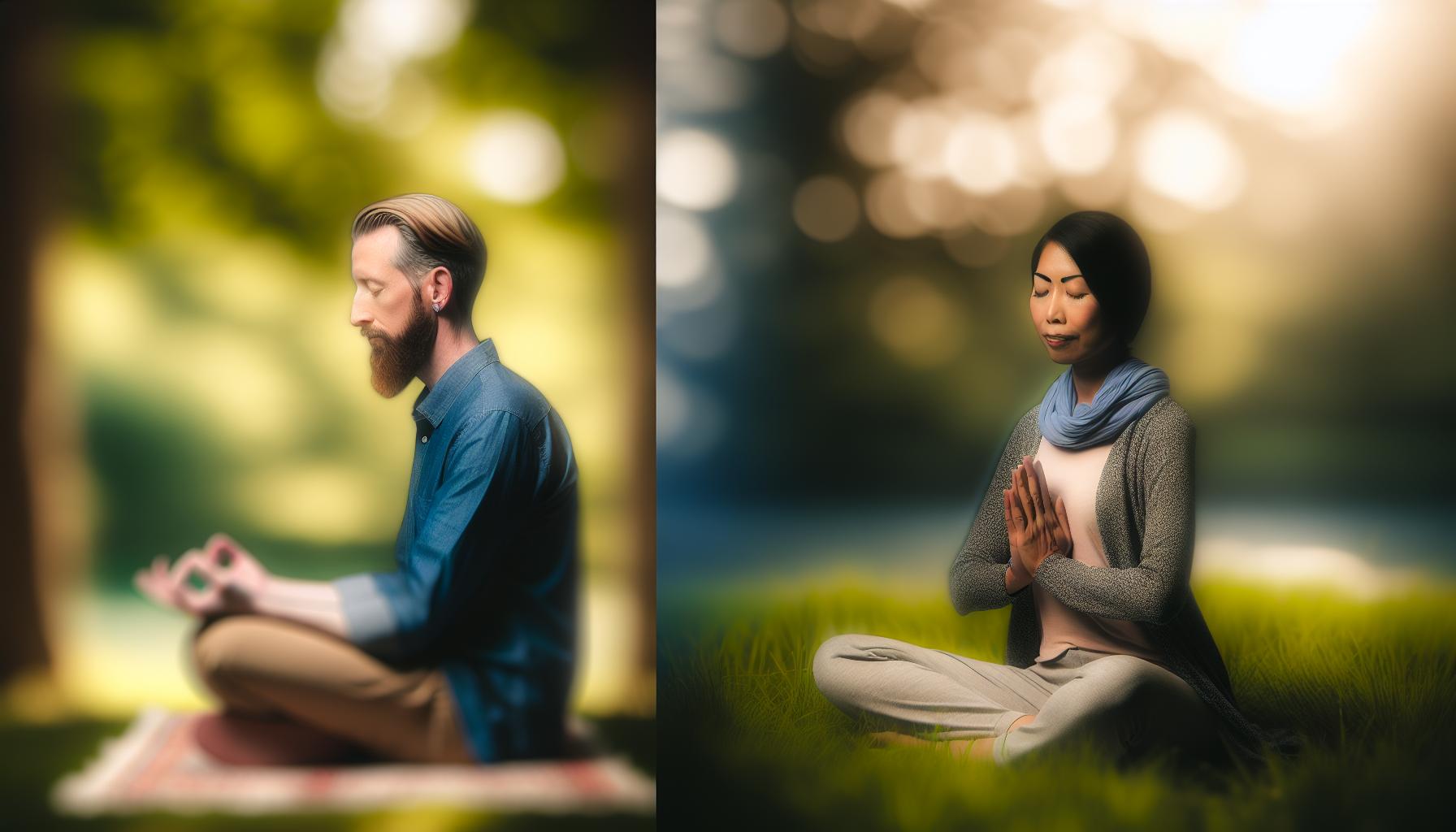
Comparing Christian Prayer and Secular Meditation
In an age where stress and distraction seem to reign supreme, many people are seeking out practices that promote peace and clarity. While secular meditation often emphasizes mindfulness and personal well-being, Christian prayer offers a different approach-one that invites God into the very center of our thoughts and emotional states. Understanding the contrast between these two practices can deepen our appreciation for the rich tradition of prayer within Christianity, allowing us to navigate our spiritual journeys with purpose and intentionality.
At its core, secular meditation is often self-focused, aiming to enhance personal health, reduce anxiety, and foster a sense of calm. It encourages individuals to direct attention inward, often through techniques like breath awareness or mantra repetition, with the goal of achieving a peaceful state of mind. Christian prayer, however, emphasizes not only mindfulness but also communion with God. It is an invitation to engage in dialogue with the Creator, express gratitude, seek guidance, and lift up the needs of others. Such an approach aligns with Philippians 4:6-7, which encourages believers to present their requests to God, promising peace that transcends understanding.
Key Differences
- Purpose: Secular meditation primarily aims for personal tranquility, while Christian prayer focuses on a relationship with God, seeking His will and submitting to His guidance.
- Content: In meditation, the mind may dwell on personal affirmation or mindfulness techniques; in contrast, prayer invites the recitation of Scriptures, praise, and intercession.
- Foundation: Secular practices are rooted in psychological techniques and philosophies, whereas prayer is grounded in biblical teachings and a community of faith.
Christian prayer is meant to be transformative, extending beyond mere mental quietude to a profound existential engagement with God. Consider how Jesus prayed in the Garden of Gethsemane; His prayers were not about seeking calm but about surrendering His will to the Father. This surrender can also transform our anxieties into moments of peace. As we lift our burdens in prayer, we create space for God’s peace to fill our hearts, as promised in the Scriptures.
As believers explore various meditation practices, it is vital to discern which methods align with biblical teachings. A prayer life enriched by mindfulness can enhance our connection to God and nurture our spirits. By marrying mindfulness techniques with prayer, we can create a holistic approach that honors both our mental needs and our spiritual commitments, allowing for deeper encounters with God in our daily lives.
Guided Christian Meditations: Resources and Recommendations
In a world filled with noise and distraction, guided Christian meditations can be a powerful tool for deepening your spiritual walk. These meditative practices offer believers a peaceful avenue to connect more intimately with God, reflecting on His word while cultivating mindfulness in a way that honors biblical teachings. By engaging with guided meditations that center on Scripture and prayer, individuals can carve out sacred moments to hear God’s voice amidst life’s chaos.
When seeking resources for guided Christian meditations, consider exploring platforms that provide structured content aligned with scriptural truths. Websites and apps like Turning Point and Abide offer audio meditations that incorporate Bible verses, providing spiritual nourishment along with tranquility. These meditations often include themes such as gratitude, peace, and strength, making them suitable for various stages of faith. Additionally, many local churches and Christian ministries may host meditation groups or offer downloadable resources that can help you grow in prayer and mindfulness.
For those who appreciate a visual element, you might find comfort in video meditations available on platforms like YouTube. Channels dedicated to Christian mindfulness combine soothing imagery with gentle guidance, allowing you to visualize your prayers and meditate on scripture in a serene setting. Consider setting aside time during your week to partake in these sessions, allowing God’s presence to fill your heart and mind as you seek His peace.
Practical Tips for Engaging with Guided Meditations
- Set a Regular Time: Make meditation a priority by choosing a consistent time to engage with the guided content, whether in the morning or before bed.
- Create a Sacred Space: Dedicate a quiet area in your home that encourages peace and focus, using soft lighting and perhaps visual reminders of Scripture.
- Start with Short Sessions: If you’re new to meditation, begin with shorter sessions of 5 to 10 minutes, gradually increasing as you feel comfortable in the practice.
- Reflect and Journal: After each meditation, take a moment to jot down any insights or feelings that arose during the session, fostering a deeper connection with your experiences.
By integrating guided Christian meditations into your routine, you not only enhance your spiritual journey but also reinforce the peace and strength offered through Christ. As you meditate, invite the Holy Spirit to guide your thoughts, opening your heart to a more profound understanding of God’s love and purpose in your life. This enriching practice can empower you to face each day with a renewed perspective grounded in faith.
Biblical Alternatives to Meditation: Deepening Your Faith
In the journey of faith, many believers seek ways to deepen their connection with God beyond traditional practices. One powerful alternative to meditation rooted in Scripture is the discipline of meditative prayer, where one intentionally focuses on God’s presence and listens for His guidance. This method of prayer can be transformative, offering a way to cultivate stillness and reflection, similar to the meditative practices found in many eastern religions, yet distinctly grounded in the Christian faith.
Another enriching practice is lectio divina, or “divine reading,” which invites believers to immerse themselves in Scripture, reading and reflecting on biblical passages multiple times. This approach allows God’s Word to penetrate the heart, fostering a deeper understanding and relationship with Him. As you read slowly, pause to contemplate how the text applies to your life, inviting the Holy Spirit to reveal insights and personal applications. The aim is to engage with the Scripture thoughtfully, encouraging a dialogue with God that fosters a rich spiritual experience.
Additionally, incorporating worship through music can serve as a powerful alternative to meditation. Singing hymns or contemporary Christian music can elevate your spirit and focus your mind on God’s character and promises. Music acts as a meditative tool, soothing the heart and creating an atmosphere conducive to receiving divine peace and guidance. Take time to worship not just in church settings but also in your home, allowing the lyrics to bolster your faith and fill your surroundings with praise.
Lastly, consider nature walks as a form of contemplation where you connect with God through His creation. The Psalms remind us that all creation declares the glory of God (Psalm 19:1), making time spent in nature a beautiful way to meditate on His greatness. As you walk, reflect on the beauty around you, and allow yourself to be mindful of God’s presence, creating a space to hear Him speak amidst the whispers of His creation.
By integrating these biblical alternatives into your spiritual routine, you can cultivate a faith that is vibrant and resilient, fostering a deeper intimacy with God while navigating the complexities of life. Don’t hesitate to explore these approaches, and let them inspire your journey toward a more profound connection with the Lord.
Finding Balance: Meditation, Worship, and Daily Life
In today’s fast-paced world, cultivating a sense of balance between meditation, worship, and daily life is essential for nurturing a robust spiritual journey. Effective integration of these practices allows believers to not only draw closer to God but also to find peace amidst life’s distractions. The act of quiet reflection, when grounded in biblical principles, can complement a worshipful heart, enhancing one’s daily walk with the Lord.
Incorporating moments of meditative prayer throughout your day can serve as a powerful anchor. This doesn’t require a lengthy commitment; even a few minutes of focused breathing and prayerful contemplation can effectively refocus your heart and mind. For example, start your morning by dedicating your day to God, asking Him to guide your thoughts and actions. Throughout your day, whenever you feel overwhelmed or uncertain, pause to recenter yourself by recalling Scripture – such as Philippians 4:6-7, which encourages us not to be anxious but to present our requests to God.
Practical Integration of Worship and Mindfulness
To create a seamless blend of worship and meditation, consider setting aside specific times for spiritual practices that resonate with you. Here are some suggestions to help find that balance:
- Music Worship: Create a playlist of hymns or worship songs that inspire you. Play them while you meditate or during quiet moments at home to cultivate an atmosphere of worship all day long.
- Nature and Reflection: Take moments in nature to reflect on God’s creation. Whether walking through a park or sitting in your garden, use this time to meditate on God’s promises, as expressed in Psalm 104:24-25.
- Journaling: Keep a devotional journal where you can jot down insights from your meditative practices, thoughts inspired by Scripture, or prayers. This can deepen your understanding and provide a space for the Holy Spirit to speak to you.
Another important aspect of maintaining balance is recognizing when your spiritual practices may become overwhelming instead of refreshing. If meditation feels like an obligation rather than a joy, take a step back and explore different forms of worship or reflection that resonate with your spirit in that season of your life. Remember, the goal is not to achieve a perfect practice but to foster a sincere connection with God.
Finding balance is indeed an ongoing journey, one that requires intention and openness. By embracing both meditation and worship, you can enhance your relationship with Christ and navigate your daily life with a spirit of peace and purpose. Encourage others in your community to join you on this journey, fostering an environment where shared experiences can lead to deeper connections both with one another and with God.
Transforming Your Mind: The Role of Scripture and Reflection
In the journey of faith, the act of transforming our minds and hearts through Scripture is a powerful practice. The Bible emphasizes the importance of meditating on God’s Word, as seen in passages like Psalm 1:2-3, which declares that the blessed man delights in the law of the Lord and meditates on it day and night. This kind of meditation is not akin to the emptying of the mind often found in secular practices; instead, it’s a focused reflection on God’s truth, a deepening relationship with Him that shapes our thoughts and actions.
Engaging with Scripture through reflective meditation can yield profound insights and spiritual growth. By setting aside dedicated time for this purpose, you’re allowing the Holy Spirit to speak into your life. A practical approach to this is to choose a specific verse or passage, read it slowly, and then ponder its meaning throughout your day. Consider asking yourself questions like: “What does this reveal about God’s character?” or “How can I apply this truth in my circumstances?” This reflective practice not only deepens your understanding of God’s Word but also aligns your thoughts with His will.
Additionally, integrating prayer into your meditation brings another layer of depth. As you reflect on Scripture, invite God into that conversation. Share your struggles, insights, and requests, fostering a dialogue that enriches your spiritual practice. Scriptures like Romans 12:2 remind us not to be conformed to this world but to be transformed by the renewing of our minds. This renewal happens through consistent engagement with God’s Word, leading to a lifestyle that reflects Christ more accurately.
To further enhance this practice, consider creating a space conducive to meditation-one that is free from distractions and invites a sense of peace. You might find it helpful to use a journal to jot down your reflections and prayer responses. This not only helps clarify your thoughts but also allows you to track your spiritual journey over time. Ultimately, the goal is to cultivate a heart and mind that are anchored in God’s truth, allowing His power to transform you from the inside out as you walk in faith.
Q&A
Q: Is meditation compatible with Christian beliefs?
A: Yes, meditation can be compatible with Christian beliefs when it focuses on scripture and prayer. Many Christians practice contemplative prayer, which aligns closely with mindful meditation, as it encourages deeper connection with God through reflection on His Word.
Q: What does the Bible say about mindfulness and stillness?
A: The Bible encourages mindfulness and stillness in several passages, such as Psalm 46:10 (“Be still, and know that I am God”). This highlights the importance of quieting the mind to foster a deeper relationship with God through reflection and worship.
Q: Can meditation enhance my prayer life as a Christian?
A: Absolutely! Incorporating meditation into your prayer life can enhance your spiritual discipline. It allows for a focused awareness on God’s presence, facilitating deeper contemplation and receptiveness to His guidance, as discussed in your article on cultivating a prayer life.
Q: Are there specific meditation techniques recommended for Christians?
A: Yes, techniques such as breath prayer, lectio divina (sacred reading), and visualization of scripture are highly recommended. These practices can deepen spiritual insights while remaining aligned with Christian teachings as mentioned in the section on aligning mindfulness practices with biblical teachings.
Q: What are the spiritual risks of secular meditation for Christians?
A: Secular meditation may encourage detachment from biblical truths or promote non-Christian philosophies. It’s essential for Christians to discern and understand the practices used and ensure they remain rooted in scripture to avoid spiritual confusion, as pointed out in the article.
Q: How can I find a balance between mediation, worship, and daily life?
A: Begin by integrating short meditation sessions focused on scripture into your daily routine. This practice can foster mindfulness throughout the day, enhancing worship while maintaining a balanced life, as suggested in your article on finding balance.
Q: Is there a difference between Christian meditation and other forms of meditation?
A: Yes, Christian meditation centers around the teachings of the Bible and deepening one’s relationship with God, unlike other forms that may focus on mind-clearing or self-exploration. This distinction is crucial for maintaining a biblically grounded spiritual practice.
Q: How can I start a guided Christian meditation practice?
A: To start, look for resources such as apps or online videos specifically designed for Christian meditation. Guided practices can help structure your sessions and keep the focus on reflecting upon God’s Word, as recommended in your section on resources and recommendations for guided meditations.
Closing Remarks
As we conclude our exploration of the biblical perspective on mindfulness in “Is Meditation Godly,” we hope you’ve gained valuable insights into integrating meditation with your faith journey. Remember, meditation can be a spiritual practice that deepens your relationship with God, fosters peace, and enhances your prayer life. Don’t let questions linger-dive deeper into related readings on prayer and devotionals to enrich your spiritual growth.
Join our community by signing up for our newsletter for ongoing inspiration and faith-building resources. Embrace this journey of mindfulness in your life today, and share your thoughts or experiences in the comments below-your insights could inspire others! Explore our articles on biblical lifestyle advice and spiritual warfare to further equip yourself on this path. Let’s continue to grow together in Christ, with mindful practices that honor Him at the core of our lives.


![Devoted Health Provider Portal: [Not applicable for Christian content]](https://christiancitychurch.eu/wp-content/uploads/2025/09/7285-devoted-health-provider-portal-not-applicable-for-christian-content-300x171.jpg)