A godly mother embodies a noble heart, reflecting the love and wisdom that the Bible highlights for nurturing her family. In a world that often celebrates self-interest, understanding the biblical perspective on motherhood can offer profound insights into the selflessness, strength, and faith required for this sacred role. Mothers play an indispensable part in shaping the next generation, nurturing their spiritual walks, and fostering a Christ-centered home.
As we delve into what Scripture says about godly motherhood, we’ll explore the qualities that define a virtuous mother, the challenges she may face, and the divine purpose in her calling. This journey through Biblical truth can empower mothers-whether they are new in their roles or seasoned-infusing hope, guidance, and encouragement. Embrace the wisdom found in God’s Word and discover how a noble heart can create a legacy of faith that resonates through generations. Join us in reflecting on the beauty and responsibility of motherhood as illuminated in Scripture.
Contents
- 1 What the Bible Teaches About Motherhood
- 2 The Characteristics of a Godly Mother
- 3 Nurturing a Noble Heart: Biblical Insights
- 4 Scriptural Examples of Godly Mothers
- 5 How Prayer Empowers a Mother’s Role
- 6 Raising Children in Faith: A Biblical Approach
- 7 Cultivating a Christ-Centered Home
- 8 The Importance of a Mother’s Spiritual Influence
- 9 Overcoming Challenges in Motherhood with Faith
- 10 Biblical Wisdom for Parenting Teens
- 11 Devotions for Godly Mothers: Finding Strength
- 12 Encouraging Motherhood: Community and Support in Faith
- 13 Q&A
- 14 To Conclude
What the Bible Teaches About Motherhood
In examining what Scripture reveals about motherhood, it is clear that the role of a mother is both a profound privilege and a significant responsibility. The Bible portrays motherhood as a divine calling, one that is to be embraced with joy, diligence, and a heart oriented toward God. Through the lens of faith, we see how mothers are entrusted with the vital task of nurturing and guiding their children, emphasizing the spiritual and moral upbringing that shapes future generations.
Mothers are encouraged to embody qualities such as love, patience, and wisdom. Proverbs 31 beautifully encapsulates this by describing a woman of noble character who is industrious, kind, and dedicated to her family. This passage serves as an ideal blueprint, highlighting the importance of spiritual devotion and practical wisdom in shaping a home grounded in faith. By seeking God’s guidance through prayer and His Word, mothers cultivate a rich inner life that reflects God’s love and grace, which in turn influences their families.
Moreover, in Titus 2:4-5, older women are instructed to teach younger women to love their husbands and children, indicating a generational transfer of wisdom that is both biblical and necessary. This act not only strengthens family ties but establishes a community rooted in faith where motherhood is celebrated and supported. Engaging with one another in fellowship allows mothers to share experiences, provide encouragement, and uplift one another as they navigate the challenges of raising children in today’s world.
Understanding these biblical principles empowers mothers to embrace their role with confidence, knowing they are fulfilling God’s purposes for their lives and families. Embracing a heart for God and a commitment to nurture their children spiritually creates an environment where faith can flourish, preparing the next generation to live out their own noble hearts in service to others.
The Characteristics of a Godly Mother
A godly mother embodies the essence of love, wisdom, and strength, influencing her family and those around her in profound ways. Scripture provides us with a vivid portrait of these characteristics, portraying motherhood not just as a role, but as a divine vocation filled with purpose. A flourishing spiritual life, rooted in prayer and devotion, is at the heart of her ability to nurture and guide her children. As mothers seek God daily, they mirror His unconditional love, which becomes a powerful force in their households.
The Bible illustrates several key traits that characterize a godly mother. First and foremost is faithfulness-a commitment to trust God’s plan, even through trials. In Proverbs 31:25, it states, “She is clothed with strength and dignity; she can laugh at the days to come.” This strength is cultivated through reliance on God’s promises and a deep-seated relationship with Him. Additionally, godly mothers exhibit patience; they endure the challenges of parenting with grace, knowing that growth often requires time. Reflecting on Epheza 6:4, we see the call to raise children in the “nurturing and admonition of the Lord,” which demands a gentle and nurturing spirit.
Another essential quality is wisdom. The godly mother seeks wisdom from Scripture and applies it in her daily life, teaching her children through both word and example. James 1:5 encourages believers to ask God for wisdom, reminding mothers that this divine insight is readily available. Moreover, she understands the importance of being a role model of faithfulness and moral integrity. Children learn through observation, and a mother’s actions can leave a lasting impact on their lives.
In her daily life, a godly mother also practices hospitality and cultivates a nurturing environment, fostering relationships that reflect Christ’s love. This extends beyond her immediate family, welcoming friends and community, thus embodying a spirit of togetherness and support. Remembering the teachings of Titus 2, where older women are called to teach younger ones, highlights the importance of community support and the sharing of wisdom among mothers.
By embracing these characteristics-faithfulness, patience, wisdom, role modeling, and hospitality-a godly mother not only fulfills her divine calling but also leaves an indelible mark on the lives of her children and the broader community. As she continues to grow in her relationship with the Lord, her noble heart becomes a beacon of hope and strength, guiding her family toward a Christ-centered life.
Nurturing a Noble Heart: Biblical Insights
A mother’s heart is a powerful, nurturing force, deeply designed to cultivate love, strength, and character in her family. The Bible reveals that this noble heart reflects God’s nature, functioning as a guide, mentor, and source of unwavering faith for her children. Proverbs 31:26 beautifully illustrates this by stating, “She opens her mouth with wisdom, and the teaching of kindness is on her tongue.” This verse emphasizes the profound influence a mother has, highlighting the importance of cultivating a heart that is not only wise but also kind and compassionate.
To nurture a heart that embodies these qualities, godly mothers can engage in several practices rooted in Scripture. First, consistent prayer is essential. Through prayer, mothers align their hearts with God’s will and seek His guidance in their parenting journey. Philippians 4:6-7 encourages believers to present their requests to God, assuring them of His peace in the midst of challenges. Incorporating a daily prayer routine fosters a deeper connection with the Holy Spirit, enabling mothers to tap into divine strength and love as they navigate the complexities of raising children.
Additionally, immersing oneself in God’s Word is crucial for developing a noble heart. Regular Bible study provides essential insights and guidance, allowing mothers to model biblical principles for their families. By reflecting on stories of faith and perseverance, such as those seen in the lives of Hannah or Mary, mothers can draw inspiration and practicality from their experiences. These biblical figures exemplified devotion, resilience, and courage in the face of adversity, offering timeless lessons on nurturing a Christ-centered home.
Moreover, surrounding themselves with a supportive community can greatly enhance a mother’s journey. Engaging in fellowship with other believers provides opportunities for growth, accountability, and encouragement. Proverbs 27:17 states that “Iron sharpens iron,” indicating the importance of mutual support in personal and spiritual development. By sharing experiences, challenges, and victories, mothers can uplift one another, fostering a shared commitment to raising their children in faith.
Ultimately, nurturing a noble heart involves a continuous process of seeking God’s wisdom, cultivating kindness, and embracing community. As mothers devote themselves to these sacred practices, they become not only the spiritual architects of their homes but also enduring vessels of grace and truth, shaping the next generation to walk in faith and righteousness.
Scriptural Examples of Godly Mothers
The Bible is rich with examples of godly mothers whose stories illuminate the profound influence of a mother’s heart in the lives of their children and the broader community. These women exemplify qualities that inspire and guide mothers today, offering powerful lessons on faith, resilience, and love.
One such mother is Hannah, who is celebrated for her fervent prayers and deep faith. In 1 Samuel 1, we learn about her heartfelt plea to God for a child and her promise to dedicate him to the Lord’s service. Her unwavering commitment and gratitude led to the birth of Samuel, who became one of Israel’s greatest prophets. Hannah’s story reminds us that a mother’s prayers can pave the way for incredible destinies and that nurturing a life dedicated to God begins with a heart that is fervently in prayer.
Another striking example is Mary, the mother of Jesus, whose trust and obedience to God’s call set a standard for all mothers. Luke 1:38 reveals Mary’s response to the angel Gabriel, where she states, “I am the Lord’s servant. May your word to me be fulfilled.” Mary’s faith in the face of uncertainty and her nurturing of Jesus during His formative years illustrate the importance of obedience to God’s plans. Her life teaches mothers the significance of embracing divine purpose and nurturing their children in a faithful environment.
Lois and Eunice, the mother and grandmother of Timothy, also stand as exemplars of godly motherhood. In 2 Timothy 1:5, Paul highlights their genuine faith, which they passed down to Timothy. This demonstrates the importance of generational faith and the role that mothers play in instilling biblical values in their children. Their legacy encourages today’s mothers to create a culture of faith and teach their children the truths of Scripture from an early age.
In each of these examples, we see that godly mothers not only nurture their children’s physical needs but also guide their spiritual journeys. By following their footsteps through prayer, faith, and a commitment to God’s purposes, mothers today can cultivate homes filled with love, wisdom, and a vibrant relationship with Christ. The impact of a mother’s faithful heart resonates for generations, making the nurturing role of a godly mother both timeless and essential in fulfilling God’s plan.
How Prayer Empowers a Mother’s Role
In the beautiful journey of motherhood, prayer stands as a powerful beacon of hope and guidance. For many mothers, the act of prayer is not just a ritual; it becomes a lifeline, connecting them to God and empowering them to navigate the complexities of raising children. The Bible emphasizes the importance of prayer, encouraging mothers to bring their concerns, joys, and hopes directly to God, who listens and responds to every heartfelt plea. By fostering a consistent prayer life, mothers can cultivate a strong spiritual foundation for themselves and their families.
Strengthening the Mother-Child Bond
When a mother prays, she invites God’s presence into her family’s life. This connection is not only comforting but transformative. Prayer provides an opportunity to express gratitude, seek wisdom, and find peace amidst daily challenges. For instance, a mother might pray for patience during a trying day or for guidance when facing difficult parenting decisions. As she cultivates this relationship with God, she often finds herself better equipped to model faith, hope, and resilience to her children. This divine dialogue helps mothers not only to grow spiritually but also to nurture their children in a way that reflects Christ’s love and compassion.
Setting a Spiritual Example
Moreover, prayer can profoundly influence the spiritual environment of a home. When children witness their mother’s unwavering faith and commitment to prayer, they are more likely to embrace these practices themselves. Studies indicate that children raised in prayerful homes are more inclined to develop strong spiritual lives. Teaching children to pray together can foster a sense of unity and nurture their relationship with God. This practice can include simple prayers at mealtimes, bedtime discussions about God’s blessings, or family devotionals, reinforcing the idea that faith is a shared journey.
Facing Challenges with Prayer
Every mother faces challenges, whether they involve health concerns, academic struggles, or relational dynamics within the family. In these moments, prayer becomes a source of strength and clarity. Philippians 4:6-7 encourages believers to present their requests to God with thanksgiving, promising that His peace will guard their hearts and minds. When mothers turn to God in prayer, they can find solace and assurance, helping them overcome feelings of inadequacy or fear. By relying on God, they can tackle challenges with renewed vigor and grace, knowing they are not alone in their journey.
In conclusion, the empowering nature of prayer is an essential aspect of a godly mother’s role. Through consistent communication with God, mothers can strengthen their spiritual lives, model faith for their children, and navigate the challenges of motherhood with divine guidance. Embracing prayer not only enriches a mother’s own faith but also cultivates a home environment where love, trust, and spiritual growth flourish.
Raising Children in Faith: A Biblical Approach
In today’s ever-changing world, raising children who are grounded in faith can feel like a daunting challenge for many mothers. However, the Bible offers profound wisdom and practical guidance that can light the path for mothers seeking to instill strong spiritual foundations in their children. By embracing biblical principles, mothers can create an environment where faith flourishes, encouraging their children to develop a personal relationship with God and a lifelong commitment to His teachings.
Building a faith-centered family begins with intentionality. Deuteronomy 6:6-7 emphasizes the importance of teaching God’s commands to our children: “These commandments that I give you today are to be on your hearts. Impress them on your children. Talk about them when you sit at home and when you walk along the road, when you lie down and when you get up.” This scripture highlights the need for mothers to integrate faith into daily life, making conversations about God natural and frequent. Establishing family rituals, such as sharing stories from the Bible, praying together, or discussing how faith influences decisions, can foster a rich spiritual upbringing.
Another key component is modeling a vibrant faith. Children often learn by observing their parents’ actions and attitudes. When mothers actively demonstrate their love for God through their actions-whether by attending church, serving the community, or practicing generosity-they set a powerful example for their children to emulate. Hebrews 13:7 advises, “Remember your leaders, who spoke the word of God to you. Consider the outcome of their way of life and imitate their faith.” This suggests that mothers not only teach but also lead by example, instilling values that resonate deeply within their households.
Additionally, cultivating a supportive community is vital for nurturing faith in children. Connecting with other believers provides a network of encouragement and shared experiences that can enrich a mother’s journey while directly impacting her children. Engage with local church activities, youth groups, or family ministries that foster spiritual growth-these interactions can significantly shape children’s understanding of faith as they learn from others in the Christian community. As Proverbs 27:17 states, “Iron sharpens iron, and one man sharpens another,” emphasizing the importance of mutual encouragement and growth.
As mothers strive to raise children in faith, the journey also includes recognizing challenges. How do we approach periods of doubt or lack of interest from our children? Regular prayer and reliance on God’s wisdom are crucial during these times. Remember Philippians 4:6-7, which assures us to not be anxious but to present our requests to God, knowing that His peace will guide us. Engaging in open discussions about faith, addressing questions without judgment, and sharing personal stories of faith can create a safe space for children to explore their beliefs.
Ultimately, raising children with a biblically based faith is a rewarding endeavor that yields lifelong dividends. By teaching them to seek God, modeling strong faith, fostering community connections, and navigating challenges with prayer, mothers can instill enduring spiritual values that shape their children’s lives for years to come. Embracing this journey encourages both mothers and children to grow closer to God, enriching their faith experience together.
Cultivating a Christ-Centered Home
Creating a home where Christ is the center involves more than attending church once a week-it requires intentional actions and decisions that reflect a deep commitment to faith. By embedding biblical principles into daily life, mothers have a unique opportunity to foster an environment where their children not only feel loved but also learn to love and follow Christ. This nurturing environment can be as simple as integrating prayer into daily routines or as structured as setting aside time for family Bible study, ensuring that spiritual growth is part of the fabric of family life.
To cultivate a Christ-centered home, mothers can focus on establishing rituals that reinforce faith. Regular family devotions, where everyone gathers to read scripture and discuss its relevance, can become a cherished tradition. This practice not only deepens understanding of God’s word but also strengthens family bonds as members share insights and pray together. Moreover, encouraging children to express their thoughts on scripture fosters a personal connection to God’s message and empowers them to develop their faith independently.
Real-Life Application: Infusing Christ into Everyday Moments
Life is full of teachable moments that can be harnessed to glorify God. For instance, during everyday tasks such as cooking or cleaning, mothers can incorporate conversations about gratitude and service, relating their actions to biblical teachings. These discussions can reinforce the idea that everything we do should reflect Christ’s love and teachings. Reminding children of verses like Colossians 3:23, which encourages working with enthusiasm, can help children understand how their daily efforts can honor God.
Another critical aspect of fostering a Christ-centered home is modeling godly behavior. Children learn significantly through observation, so displaying virtues like patience, kindness, and humility in interactions not only provides a living example but also sets expectations for how they should treat others. Encouraging dialogues about moral dilemmas they face-whether at school or in relationships-can help children discern right from wrong based on biblical wisdom.
Creating a Prayerful Atmosphere
Moreover, making prayer an integral part of daily life-both for personal needs and family matters-can significantly impact children’s spiritual development. Mothers can lead by example, sharing their own experiences of prayer to illustrate its importance and effectiveness. Encouraging children to pray openly about their concerns builds a habit of seeking divine guidance, reminding them that God cares about their worries and decisions.
In conclusion, is an ongoing commitment that reflects both dedication and love. By integrating faith into everyday life, nurturing open discussions about scripture, modeling Christian values, and establishing a prayerful atmosphere, mothers can guide their families toward a deeper relationship with Christ. This journey not only impacts the spiritual growth of children but also strengthens the entire family unit, creating a legacy of faith that extends through generations.
The Importance of a Mother’s Spiritual Influence
The profound spiritual influence a mother has on her children can be likened to the quiet strength of a river, nurturing everything in its path while shaping the landscape around it. In the context of faith, a mother’s role transcends mere guidance; it taps into the very essence of cultivating a child’s understanding of God and their relationship with Him. Scripture teaches us that the heart of a godly mother is a powerful beacon, guiding her children toward spiritual truth and love. The wisdom found in Proverbs 22:6 implores mothers to “train up a child in the way he should go,” illustrating that the foundational support a mother provides can lead children to a lifetime of faithfulness.
To embody this spiritual influence, mothers can take intentional steps to integrate biblical teachings into their daily lives. Regular conversations about faith, stories from the Bible, and shared moments of prayer create a rich tapestry of spiritual understanding that children carry with them. For instance, dedicating time each week for family devotions or Bible study not only educates but also strengthens familial bonds. These shared experiences can further foster a sense of community and belonging within the family, embedding faith deeply in each member’s heart.
Modeling Faith Through Action
Children are not merely passive recipients of their mother’s teachings; they actively observe and learn from her actions. A mother’s response to life’s challenges can serve as a live demonstration of faith in action. By consistently exhibiting traits such as patience, kindness, and resilience-qualities echoed in Galatians 5:22-23 as the fruits of the Spirit-mothers can illustrate what it means to live a Christ-centered life. It is through these examples that children grasp how to navigate their own lives in accordance with biblical principles.
Prayer is another cornerstone of a mother’s spiritual influence. Establishing a culture of prayer within the household is vital. Mothers can invite their children to voice their prayers and intercessions, fostering a sense of ownership in their spiritual journey. This practice not only builds a habit of seeking God’s guidance but also instills confidence in children as they witness God answering prayers. As they grow, they will remember these prayerful conversations, carrying them into their adolescent years and beyond, enabling them to navigate their faith independently.
Ultimately, the journey of motherhood is steeped in the responsibility and privilege of spiritual mentorship. As mothers embrace their role with intention, love, and faithfulness, they cultivate an environment where children not only learn about God but also experience His presence. This dynamic fosters a legacy of faith that transcends generations, where the love of Christ is evident and steadfast, influencing children long into their futures.
Overcoming Challenges in Motherhood with Faith
Navigating the tumultuous waters of motherhood can often feel overwhelming, yet faith serves as a steadfast anchor amidst the storms. The challenges faced by mothers-ranging from sleepless nights to the anxiety of parenting choices-can drain energy and heighten stress. However, aligning these struggles with faith can transform difficult moments into opportunities for spiritual growth and reliance on God’s promises. Scripture beautifully illustrates this transformative journey; for instance, Philippians 4:6-7 encourages us not to be anxious but to present our requests to God, who will provide peace beyond understanding.
Mothers can harness the power of prayer as an essential tool for overcoming challenges. Incorporating prayer into daily routines not only nurtures a personal relationship with God but can also be a collective family experience. Creating designated times for prayer can foster a sense of unity and purpose, reminding each family member of God’s unchanging nature and His commitment to guiding them through trials. From praying for patience during chaotic mornings to seeking wisdom for guiding a teenager, prayer can form the backbone of a mother’s responses to the ups and downs of parenting.
Additionally, embracing community support is vital in this journey. Engaging with fellow mothers within a church group or a support network can provide encouragement during trying times. Sharing experiences and insights strengthens bonds and creates a nurturing environment where mothers can learn from one another. In Proverbs 27:17, we see the value of iron sharpening iron, a reminder that shared wisdom can help navigate the complexities of motherhood. Mothers can also benefit from biblical mentorship, where older, experienced mothers offer guidance based on their own experiences and God’s Word.
Finally, maintaining a biblical perspective on challenges can fortify a mother’s heart. Ephesians 3:20 reassures us that God is able to do immeasurably more than we could ask or imagine. When faced with obstacles, mothers should actively seek God’s perspective, flipping challenges into prayers for strength and opportunities for growth. Journaling these experiences, along with witness of God’s faithfulness, can serve as powerful reminders during future trials, building a faith story that is rich with testimonies of His provision and grace. Each challenge, approached with prayer and support, can indeed transform into a stepping stone toward a deeper faith and stronger family relationships.
Biblical Wisdom for Parenting Teens
Navigating the teenage years often feels like steering a ship through stormy seas. With a blend of independence and uncertainty, teens are searching for their identity while still needing guidance. A godly mother plays a crucial role during this pivotal stage, offering wisdom, support, and a steady voice rooted in faith. Drawing from biblical principles can equip mothers with the tools they need to nurture their teens effectively.
One foundational approach to parenting teens is to establish open lines of communication. Proverbs 18:13 reminds us, “To answer before listening-that is folly and shame.” By actively listening to their concerns, dreams, and struggles, mothers can create a safe space where teens feel valued and understood. This openness fosters trust, making it easier for mothers to impart critical insights when necessary. Regularly setting aside time for one-on-one conversations-whether during a walk or sharing a meal-can be an excellent way to deepen this connection.
In addition to communication, cultivating a shared spiritual life can greatly benefit both mother and teen. Incorporating Bible study into family activities not only grounds conversations in scriptural truths but also reinforces shared values. For instance, addressing contemporary issues through the lens of Scripture helps teens navigate challenges such as peer pressure, relationships, and moral dilemmas with a clearer perspective. Consider starting a Bible study group at home where each family member gets to share insights and ask questions. This collective approach not only enriches understanding but also positions mothers as mentors in their teen’s faith journey.
Empowering Through Prayer
Prayer serves as a powerful tool, providing strength and direction for mothers and their teens alike. Encouraging your teen to engage in personal prayer can foster a sense of responsibility in their own spiritual life. Romans 12:12 advises believers to “be joyful in hope, patient in affliction, faithful in prayer.” Likewise, praying together as a family can fortify unity and encourage mutual support in navigating the tumultuous teen years. Mothers can introduce specific prayer themes, such as preparing for exams, friendships, or personal challenges, allowing the teens to bring their concerns, fostering a sense of collective faith.
Furthermore, as teens grapple with their emerging identities, mothers can guide them in understanding their unique purpose in Christ. Ephesians 2:10 states, “For we are God’s handiwork, created in Christ Jesus to do good works.” Encouraging teens to explore their gifts and interests within a faith context can be transformative. Mothers might consider helping their teens find volunteer opportunities that align with their passions, fostering not just a sense of contribution but also reinforcing their identity as beloved children of God.
Ultimately, the journey through the teenage years is a multi-faceted experience filled with both trials and triumphs. A godly mother, grounded in faith and equipped with biblical wisdom, can navigate these waters with grace, establishing a nurturing environment that supports not only growth but also a lasting bond woven through shared faith experiences. Encouragement, love, and guidance rooted in Scripture create a foundation for teens to thrive in their faith and personal journeys.
Devotions for Godly Mothers: Finding Strength
Finding strength as a mother can often feel like a daunting task, yet it’s one of the most fulfilling roles a woman can embrace. With the daily challenges, emotional ups and downs, and the immense responsibilities tied to nurturing children, mothers need a reliable source of strength to guide them. The Bible offers rich insights and prayers that can serve as powerful anchors in a mother’s life, fostering resilience and divine support throughout her journey.
Devotions can play a vital role in a mother’s spiritual life, serving not only as moments of reflection but also as times of empowerment. Engaging in daily devotional practices allows mothers to realign their focus on God’s promises and wisdom, which is crucial in nurturing a noble heart. For example, spending time in prayer and meditation on verses such as Isaiah 40:31, “But those who hope in the Lord will renew their strength,” can remind mothers that they are not alone; God’s strength is always available to uplift them.
Additionally, a practical approach to incorporating devotions into daily life can take various forms. Setting aside time each morning for scripture reading or journaling can establish a routine that fosters a deep connection with God. Consider the following practices to enhance your devotional time:
- Scripture Memorization: Choose key verses that resonate with your current circumstances and work to memorize them. This can help keep the Word close to your heart throughout the day.
- Gratitude Journaling: Maintain a journal where you jot down daily blessings and answered prayers. Reflecting on these can cultivate contentment and joy.
- Community Prayer Groups: Joining or forming a group of other mothers can provide encouragement and accountability as you share devotions and prayers together.
In addition to personal devotionals, engaging in family prayer can fortify both mother and child’s faith. When mothers involve their children in prayer, they teach them the importance of seeking God’s guidance in every aspect of life. Proverbs 22:6 encourages us, “Train up a child in the way he should go; even when he is old he will not depart from it.” Solidifying these spiritual practices within family routines can significantly influence a child’s understanding of faith and instill lifelong habits.
Ultimately, embracing the journey of motherhood with faith-filled devotion lays a strong foundation for both personal growth and family unity. With the right encouragement and spiritual practices, mothers can find the strength they need not only to face challenges but to thrive in their calling as nurturers, educators, and guardians of their children’s spiritual journeys. Each step taken in faith draws them closer to embodying the noble heart that Scripture praises, creating an environment of love and strength within their homes.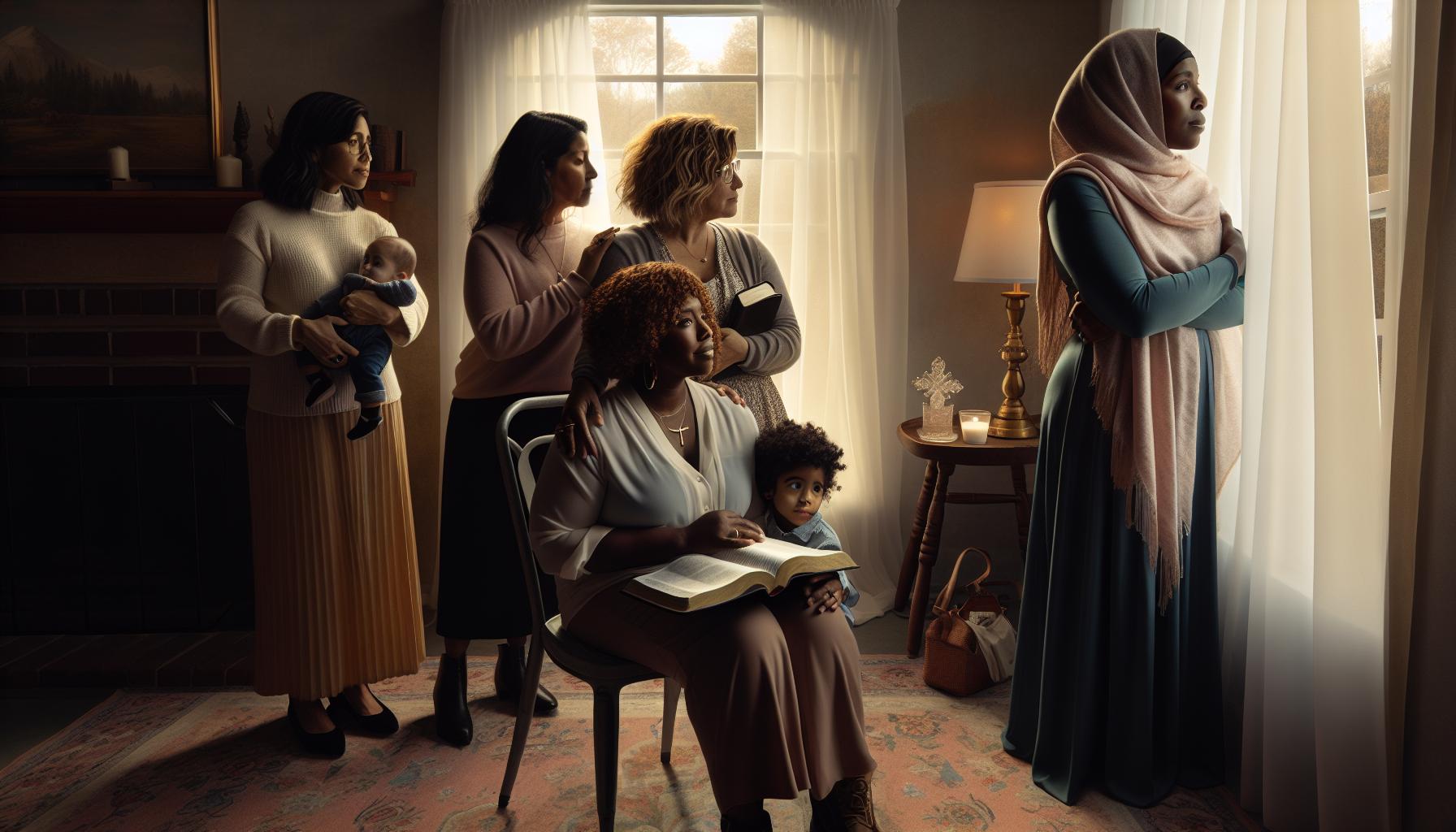
Encouraging Motherhood: Community and Support in Faith
Embracing motherhood is a remarkable journey, yet it can often feel overwhelming and isolating. However, the Bible offers a beautiful reminder that women are not meant to navigate this path alone. Community and support play an essential role in encouraging mothers and nurturing a godly heart. Ecclesiastes 4:9-10 emphasizes this when it states, “Two are better than one, because they have a good return for their labor: If either of them falls down, one can help the other up.” Creating a network of supportive relationships can bring immense strength and encouragement to mothers as they strive to raise their children in faith.
A vibrant community can take many forms, from church groups to online forums, where mothers can share their experiences, exchange advice, and pray together. Participating in such communities allows mothers to not only seek support during tough times but also to celebrate their triumphs and milestones. Within this space, mothers can discuss various topics such as parenting challenges, scripture applications, and strategies for living out their faith daily. These interactions foster a sense of belonging and reinforce that they are part of a larger family of believers, united in purpose and love.
Effective Strategies to Foster Community
- Join a Mother’s Group: Look for local or church-based mothers’ groups that focus predominantly on faith-driven parenting and support.
- Start a Weekly Prayer Circle: Set aside time each week for mothers to gather in prayer, sharing both joys and struggles.
- Utilize Social Media: Online platforms can facilitate connections across distances, allowing mothers to share inspirations, scripture verses, and experiences.
- Host Family Fellowship Events: Organizing gatherings where families come together can help build relationships among mothers, fathers, and children, creating a supportive church family.
In addition to community, leveraging scriptural truths can reinforce the strength found in unity. For instance, Galatians 6:2 calls believers to “Carry each other’s burdens, and in this way you will fulfill the law of Christ.” Encouraging mothers to reach out for help when needed not only uplifts them but also allows others to fulfill their calling to support and love. When mothers collaborate in their faith journeys, they cultivate a nurturing environment conducive to personal growth and family discipleship.
Ultimately, combining the power of community support with a firm foundation in Scripture encourages mothers to embrace their vocation with greater confidence and hope. Together, through shared faith and sisterhood, mothers can discover the indispensable resources they need to nurture their families and foster a spirit of love, teaching their children the richness of a life led by Christ.
Q&A
Q: What qualities define a godly mother according to the Bible?
A: A godly mother is characterized by her faith, love, patience, and wisdom. Proverbs 31 highlights her strength and dignity, emphasizing her role as a loving nurturer and spiritual guide. She is diligent in her duties and prays for her children, embodying a heart that seeks God daily.
Q: How can a mother cultivate a noble heart in her family?
A: A mother can cultivate a noble heart by modeling Christlike virtues such as kindness, compassion, and humility. Engage in daily prayer and Bible study as a family, creating an environment of love and faith. Encourage open communication and support, as discussed in sections like “Nurturing a Noble Heart.”
Q: What does Proverbs say about the impact of a mother on her children?
A: Proverbs highlights that a mother’s teachings are foundational in a child’s life. Proverbs 22:6 emphasizes training a child in the way they should go, ensuring they remain grounded in their faith. A mother’s guidance and prayer can profoundly shape a child’s character and life choices.
Q: Why is prayer important in a mother’s role?
A: Prayer is vital as it empowers a mother to seek divine guidance and intercede for her children. It fosters spiritual strength and reminds her of her reliance on God. Sections such as “How Prayer Empowers a Mother’s Role” explore this essential practice’s significance in nurturing faith.
Q: What biblical examples illustrate godly mothers?
A: Biblical examples of godly mothers include Hannah, who dedicated her son Samuel to God, and Mary, the mother of Jesus, whose faith and obedience are celebrated. Their stories exemplify devotion and sacrifice, highlighting the profound impact a mother’s faith can have on her children.
Q: How can mothers support each other in their spiritual journeys?
A: Mothers can support each other through prayer groups, Bible study, and fellowship activities. Creating a community that encourages sharing faith journeys strengthens spirits and fosters unity. The section “Encouraging Motherhood” explores how mutual support enriches their roles as caregivers and faith leaders.
Q: What does the Bible say about a mother’s influence on her children’s faith?
A: The Bible underscores the significant influence mothers have on their children’s faith development. In 2 Timothy 1:5, Paul notes Timothy’s faith came from his grandmother and mother. This illustrates that nurturing faith in the home lays a strong foundation for spiritual growth.
Q: How can a mother overcome challenges in her motherhood journey?
A: A mother can overcome challenges by seeking God’s wisdom through prayer and scripture. Building a strong support network and focusing on grace rather than perfection can provide encouragement. The article section on “Overcoming Challenges in Motherhood with Faith” offers practical insights for navigating difficulties.
To Conclude
As we reflect on the noble heart of a godly mother, it’s essential to carry these insights into your spiritual journey. A mother’s role embodies selflessness, love, and unwavering faith, which can inspire us all to deepen our prayer life and Bible study. If you found value in this exploration, consider reading more about how to nurture your family’s faith through our articles on Christian parenting guidance and devotionals. Don’t miss the chance to strengthen your own spiritual practices-subscribe to our newsletter for regular encouragement and resources that can help you thrive in faith.
Join the conversation! Share your thoughts below on how godly mothers have impacted your life, and connect with others who cherish the same values. Together, let’s continue to empower one another on this beautiful journey of faith. Discover additional tools and community support to enrich your biblical lifestyle by exploring our faith resources, including discussions on spiritual warfare and practical faith application. Remember, each step we take in faith not only bolsters our journey but also uplifts those around us.