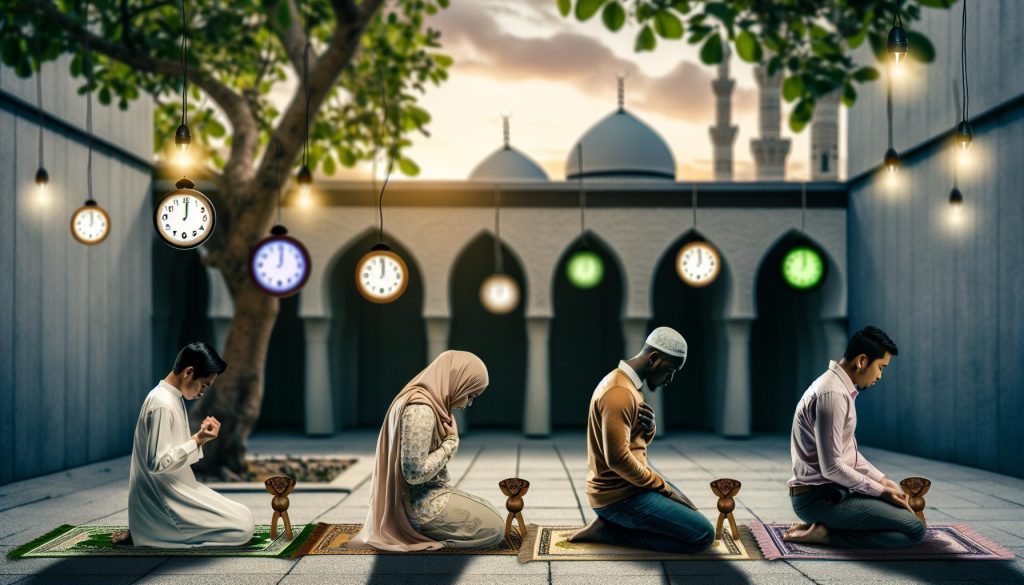
Did you know that over 1.6 billion Muslims around the world dedicate specific times throughout their day to prayer, known as Salah? Understanding the five daily prayers of Islam is essential for grasping how these practices connect to the faith’s deep spiritual roots and the daily lives of its followers. Each prayer time not only serves as a moment of spiritual reflection and connection to God but also reinforces a sense of community and discipline. Whether you’re looking to deepen your understanding of diverse religious practices, enhance interfaith dialogue, or simply gain insight into the daily rhythms of Muslim life, exploring the Islamic prayer schedule can prove invaluable. Join us as we uncover the significance of these prayer times and how they foster a robust faith experience for millions around the globe.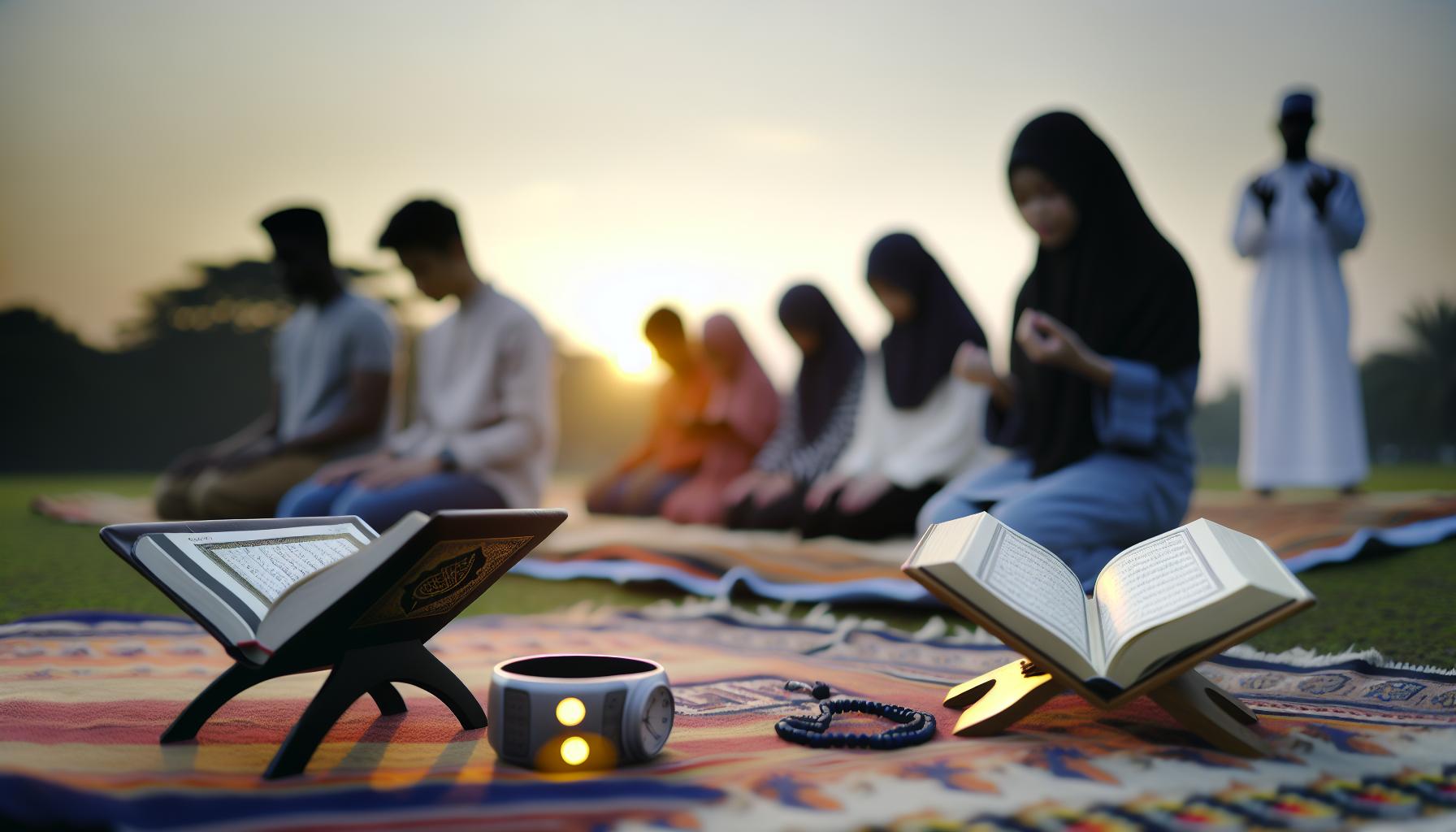
Contents
- 1 Understanding the Five Daily Prayers in Islam
- 2 The Significance of Prayer Times in Islam
- 3 How to Read and Interpret the Islamic Prayer Schedule
- 4 Factors Affecting Prayer Times throughout the Year
- 5 The Role of the Mosque in Daily Prayer Rituals
- 6 Tips for Maintaining a Consistent Prayer Routine
- 7 Exploring the Importance of Fajr, Dhuhr, Asr, Maghrib, and Isha
- 8 Cultural Variations in Observing Islamic Prayer Times
- 9 Technology and Tools to Assist with Prayer Scheduling
- 10 Common Myths about Islamic Prayer Practices
- 11 Integrating Prayer into Daily Life for Spiritual Growth
- 12 The Benefits of Regular Prayer in a Faithful Life
- 13 Frequently Asked Questions
- 14 To Conclude
Understanding the Five Daily Prayers in Islam
The five daily prayers in Islam, known as Salah, form the foundation of a Muslim’s spiritual life, serving as a direct link between the believer and Allah. Each prayer holds profound significance, reflecting different times of the day and various aspects of spiritual connection and submission. The practice of performing these prayers not only fulfills a religious obligation but also fosters discipline and mindfulness in a believer’s daily routine.
To break it down, the prayers are as follows:
Fajr
This pre-dawn prayer is performed before sunrise and establishes a peaceful start to the day. It encourages reflection and the setting of intentions for the hours ahead.
Dhuhr
The midday prayer occurs after the sun passes its zenith. It serves as a reminder to pause and reconnect with God amidst the day’s busyness, reinforcing the importance of placing spirituality at the forefront of our activities.
Asr
This afternoon prayer occurs in the late afternoon and symbolizes the fleeting nature of time. It encourages believers to remain aware of their actions and intentions throughout the day.
Maghrib
After sunset, Maghrib marks the transition from day to night. It encourages gratitude for the blessings of the day and serves as a moment for reflection before entering the evening.
Isha
Performed at night, the Isha prayer concludes the daily cycle of worship. This prayer allows for a quiet time of connection with God, reflecting on one’s day and seeking forgiveness.
The five prayers exemplify a structured way to cultivate a continuous sense of spiritual awareness that transcends the routine of daily life. Each prayer is strategically placed at times designed to align with our natural rhythms, encouraging a balanced life guided by faith. By integrating these practices, not only does one engage with their faith actively, but it also establishes a calming routine amidst the complexities of modern existence, fostering both spiritual growth and community connection.
The Significance of Prayer Times in Islam
The designated times for prayer in Islam are not merely schedules; they represent profound moments for a believer to reconnect with God throughout the day. Each of the five daily prayers, known as Salah, embodies a unique significance that transcends routine, weaving time into a sacred tapestry of devotion and spirituality. By embracing these moments, a Muslim cultivates a rhythm of life steeped in faith, reflection, and mindfulness.
Understanding these prayer times aids in realizing their role as pillars of spiritual discipline. For instance, Fajr-a time before dawn-serves to awaken not only the body but also the soul, encouraging believers to set their intentions for the day ahead. This initial act of worship lays the groundwork for the following prayers, inviting serenity into chaotic daily routines. Similarly, each subsequent prayer gives one’s thoughts and actions a spiritual focal point; the midday Dhuhr prayer breaks the monotony of work or school, reminding believers to reconnect with their Creator, while Asr serves as a gentle nudge to remain conscious of time and personal accountability.
Moreover, the evening prayers of Maghrib and Isha encapsulate a cycle of gratitude and reflection. Maghrib, following sunset, allows for acknowledgment of the day’s blessings before transitioning into the night, while Isha provides an opportunity for introspection and spiritual renewal before rest. These structured moments throughout the day commit believers to a lifestyle of awareness, mindfulness, and continual submission to God, establishing a strong spiritual foundation.
In practical terms, understanding and adhering to these prayer times can enhance one’s daily life. Utilizing tools like prayer time apps or community calendars can facilitate this integration, making it easier for individuals to embed these sacred pauses into their day-to-day activities. Ultimately, extends beyond mere obligation; it is an invitation to spiritual growth and connection, transforming the mundane into the extraordinary.
How to Read and Interpret the Islamic Prayer Schedule
Reading and interpreting the Islamic prayer schedule can be both enlightening and practical, allowing believers to effectively integrate prayer into their daily routines. A prayer schedule typically outlines the specific times for the five daily prayers: Fajr, Dhuhr, Asr, Maghrib, and Isha, each marked by the position of the sun. These timings may vary based on geographic location, season, and local customs, making it essential for individuals to access a reliable prayer timetable specific to their area.
To effectively read a prayer timetable, one should first familiarize themselves with the prayer times listed for each day. Here’s a brief guide on what the terms mean:
- Fajr: The dawn prayer, performed before sunrise.
- Dhuhr: The midday prayer, observed after the sun passes its zenith.
- Asr: The afternoon prayer, offered in the late part of the day.
- Maghrib: The evening prayer, performed just after sunset.
- Isha: The night prayer, which takes place after twilight has disappeared.
The schedule often provides prayer times in a 12-hour format, along with corresponding times in a 24-hour format for clarity. For example, a typical prayer schedule might indicate Fajr at 6:00 AM, Dhuhr at 12:30 PM, Asr at 4:00 PM, Maghrib at 7:30 PM, and Isha at 9:00 PM. It’s important to keep in mind that times can shift daily due to the changing position of the sun.
Understanding your local prayer times is crucial not only for fulfilling religious obligations but also for spiritual discipline. One effective method is to benefit from technology, such as mobile apps that send notifications about prayer times, ensuring you never miss a moment to connect with God. Additionally, many community centers and mosques provide printed schedules and online resources, catering to the specific prayer times relevant to your local area.
Equipped with these insights, believers can navigate their prayer schedules with confidence and make prayer a natural part of their daily lives, fostering a deeper relationship with their spirituality and commitment to their faith.
Factors Affecting Prayer Times throughout the Year
The timing of Islamic prayers is a dynamic element deeply intertwined with the natural world, influenced primarily by the sun’s progression across the sky. Understanding the various factors that affect these prayer times throughout the year can enhance the practice of this essential aspect of faith.
Variations in latitude and longitude play significant roles in determining when each prayer is due. For instance, regions closer to the equator experience more consistent prayer times throughout the year as the sun sets and rises at similar intervals every day. Conversely, as you move toward the poles, the shifts in daylight hours become more pronounced, leading to significant changes in prayer times, particularly in the summer and winter months where the sun may barely rise or set. As such, many Muslims living in these regions often rely on local mosques or trusted online resources to find accurate prayer times for their location.
Another influential factor is the seasonal changes in daylight. During the summer solstice, days are longer, which means that Fajr can occur quite early, and Maghrib may follow much later in the evening. This can lead to a situation where the time between prayers becomes shorter. In winter, the opposite is true: day length decreases, affecting the timing of prayers.
Geographic features can also impact the visibility of the sun. For example, cities surrounded by mountain ranges may have delays in the sunrise and sunset times compared to flat areas. Being aware of these local variations can help believers adjust their prayer schedules with greater accuracy.
Additionally, cultural and religious practices vary, with some communities adopting different methods to determine prayer times based on local customs or specific calculations. It’s crucial for individuals to understand their community’s norms, whether it be using astronomical calculations or a predetermined prayer timetable, to align their practices with those around them.
By staying attuned to these factors, individuals can ensure timely observance of prayers, fostering a deeper connection with their spiritual routines and the natural rhythms of life.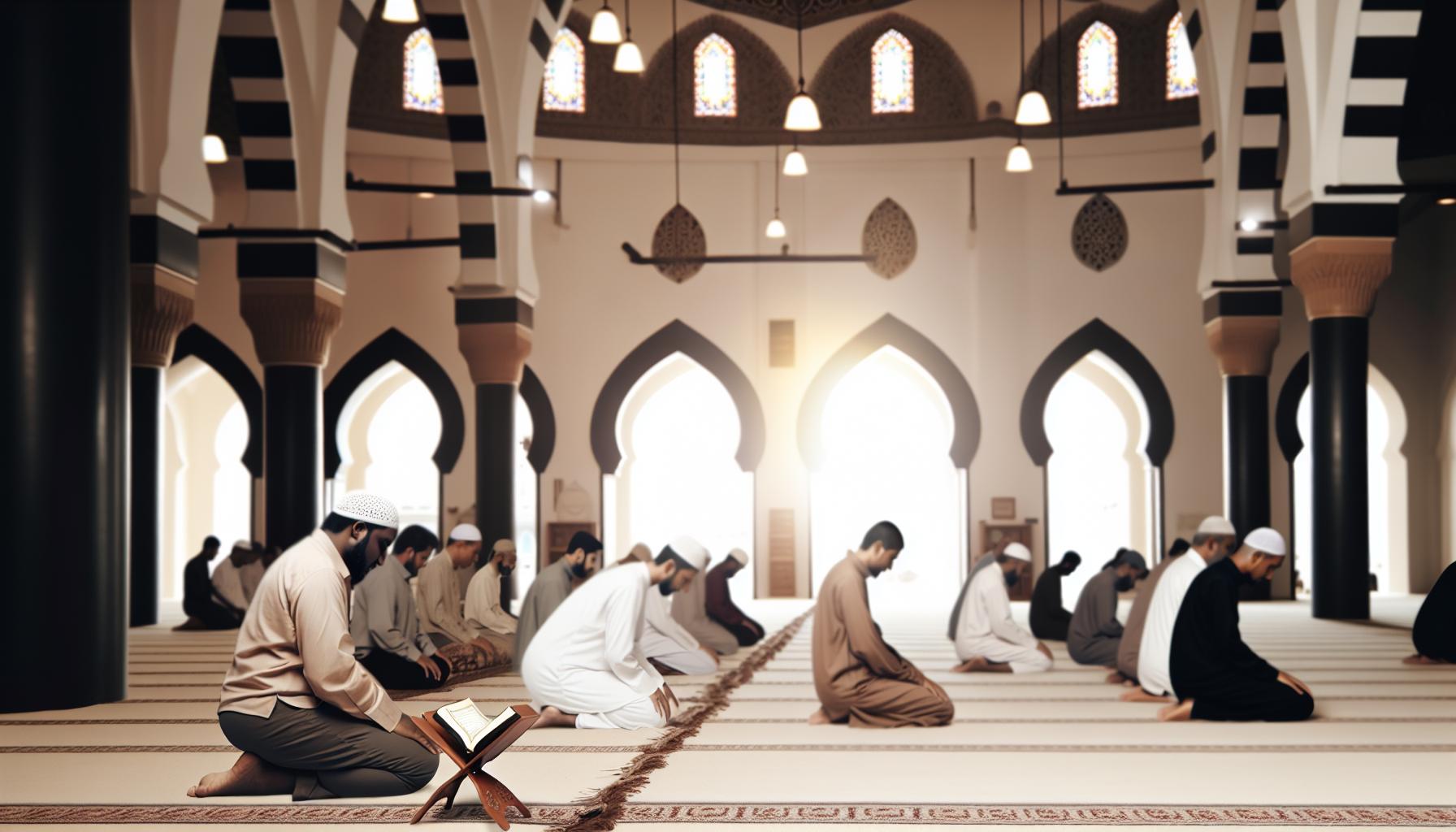
The Role of the Mosque in Daily Prayer Rituals
The mosque serves as a vital cornerstone for daily prayer rituals in the life of a Muslim. It is not simply a place of worship but a hub of community, faith, and spiritual growth. These sacred spaces foster a sense of unity, allowing believers to gather, connect, and worship together, which enhances the overall spiritual experience. When congregating for the five daily prayers-Fajr, Dhuhr, Asr, Maghrib, and Isha-Muslims find not only sacred timing but also fellowship that strengthens their faith.
One of the unique aspects of praying in a mosque is the practice of congregational prayers. For many Muslims, participating in the daily prayers at the mosque is an opportunity to engage with their community and partake in a collective worship experience. The act of praying in unison not only heightens the feeling of devotion but also instills a sense of accountability. Believers are reminded that while their relationship with God is personal, they are also part of a larger faith community. This community aspect can be particularly uplifting, helping individuals to maintain their prayer routines even during busy or challenging times.
Moreover, mosques often provide scheduled prayer times that are crucial for those trying to navigate their daily commitments around their religious duties. The mosque plays a significant role in informing congregants about prayer timings, especially in regions where the sun’s position can make it difficult to determine times accurately throughout the year. Many mosques offer printed schedules or digital notifications that align with local timings, allowing members of the community to plan their day effectively.
In addition to acting as a venue for prayers, mosques frequently host educational programs and discussions about Islamic teachings and practices. This enrichment not only fortifies individual faith but also empowers members of the community to deepen their understanding of prayer and its significance. For those looking to enhance their daily prayer life, frequenting the mosque can provide inspiration, encouragement, and a nurturing environment that fosters spiritual growth and connection.
Tips for Maintaining a Consistent Prayer Routine
Establishing a consistent prayer routine can profoundly enhance one’s spiritual journey, much like how regular devotion can deepen faith in a biblical context. Here are some practical tips to help maintain a steady prayer schedule:
- Set Daily Reminders: Utilize alarms on your phone or reminders written in a planner to signal prayer times. This commitment to a schedule fosters discipline and ensures that prayer doesn’t slip through the cracks of a busy day.
- Create a Dedicated Prayer Space: Designate a specific area in your home for prayer. This sacred space should be peaceful and free from distractions, serving as a physical reminder to pause and engage in your spiritual practice.
- Make Prayer a Family Activity: Encourage family members to join in prayer. Sharing these moments can strengthen familial bonds and promote accountability within your household.
- Start with Simple Prayers: If you feel overwhelmed, begin with short, simple prayers. Gradually increase the length and depth as you become more comfortable and find your rhythm.
- Incorporate Prayer into Daily Activities: Tie your prayer times to daily routines. For example, pray before meals, during commuting, or before bed. This integration strengthens the habitual nature of prayer within your life.
- Join a Prayer Group: Engaging with a community praying together can provide encouragement and make your prayer life more enriching. A group can also offer diverse perspectives on prayer that enhance your understanding.
By turning prayer into a habitual part of your day, you create a rhythm that not only honors the five daily prayers but also enriches your overall spiritual life. Remember that maintaining consistency in your prayers is a journey, and like any journey, it is best approached gradually, with grace and understanding. By creating a supportive environment – both physically and socially – you will find it easier to remain dedicated to this uplifting practice.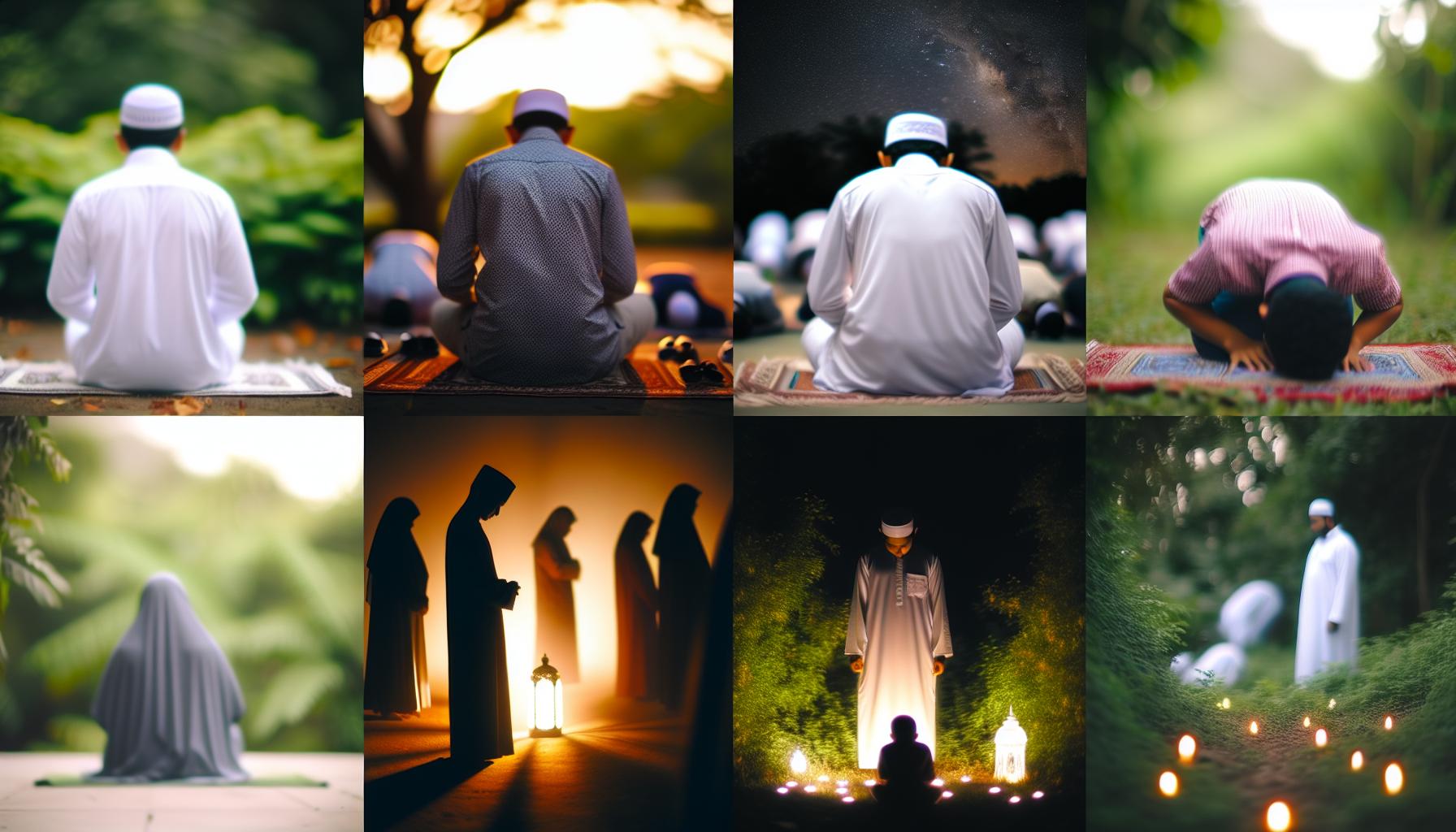
Exploring the Importance of Fajr, Dhuhr, Asr, Maghrib, and Isha
The five daily prayers in Islam-Fajr, Dhuhr, Asr, Maghrib, and Isha-serve as profound markers of time that structure the day for Muslims, guiding them in spirituality, reflection, and community engagement. Each of these prayers holds unique significance, embodying themes of devotion, gratitude, and submission to Allah. Engaging in these rituals provides not only a means to connect with the divine but also instills a deep sense of discipline and purpose in the lives of faithful practitioners.
Fajr, the pre-dawn prayer, symbolizes a fresh start and the opportunity to seek guidance for the day ahead. It serves as a powerful reminder of the importance of beginning each day with intention and mindfulness. As the world is still quiet, this time allows for personal reflection and connection with Allah, setting a positive tone for the day. Dhuhr, performed at midday, calls upon believers to pause amidst their daily activities, realigning themselves with spiritual goals and reminding themselves of the presence of God in every aspect of daily life.
In the afternoon, Asr invites practitioners to remain steadfast in their faith through the hustle and bustle of daily challenges. This prayer emphasizes the importance of perseverance and serves to rejuvenate one’s spiritual connection as the day unfolds. Maghrib, prayed just after sunset, encourages gratitude for the blessings received throughout the day. This time is often associated with family gatherings and communal worship, reinforcing social bonds and fostering a sense of unity among believers.
Finally, the Isha prayer encapsulates the day, providing an opportunity for reflection and peace before rest. It is a time to seek forgiveness and renew one’s commitment to faith, inviting a deepened sense of connection and harmony within oneself and with others. Each prayer, while distinct, contributes to a cycle of spiritual awareness that nurtures the soul throughout the day, creating a rhythm that cultivates both individual devotion and community strength.
By understanding and embracing the significance of each prayer, believers can enrich their spiritual lives, cultivate deeper relationships with fellow practitioners, and grow in their commitment to living a life aligned with their faith.
Cultural Variations in Observing Islamic Prayer Times
Cultural expressions of Islamic prayer times can vary widely across different regions and communities, reflecting local traditions, societal norms, and the interplay of culture with religious practice. For many Muslims, prayer is not only a spiritual duty but also a cultural cornerstone that unites families and communities, transcending geographic boundaries. This rich tapestry is woven from diverse practices while maintaining the core tenets of the five daily prayers.
In some cultures, communal prayers are an integral part of daily life, particularly in countries where Islam is the predominant faith. For example, in countries like Saudi Arabia and Turkey, the call to prayer (adhan) resonates in public spaces, beckoning people to gather at mosques. In contrast, in non-Muslim-majority countries, Muslims may adapt their practices, organizing smaller group prayers in homes or community centers. This flexibility highlights a shared commitment to faith while navigating the complexities of a multicultural environment.
Moreover, the timing of each prayer can reflect local customs and the rhythms of daily life. In Mediterranean countries, for instance, the Dhuhr prayer might be observed later to accommodate the traditional midday siesta, allowing for a more relaxed approach to spirituality amidst the bustling daily activities. Similarly, the evening prayer (Maghrib) can become a beautiful communal event, often accompanied by family gatherings and shared meals, enhancing social bonds even further.
Adapting to various climates, latitudes, and daylight hours also influences how prayer times are observed. The significance of Fajr, prayed at dawn, can vary in places with extreme seasonal changes, such as Scandinavia, where during summer the sun hardly sets, leading communities to interpret and adjust prayer times creatively. In such instances, communities may rely on local scholars or consensus to determine acceptable prayer times, showcasing the dynamic nature of Islamic practice in different contexts.
In essence, while the five daily prayers serve as a universal practice for Muslims worldwide, cultural variations provide a unique lens through which the faith is lived and expressed, entrenching both spiritual commitment and social cohesion. These communal activities, tailored by local customs, encapsulate the essence of Islamic principles, allowing for a rich variety of experiences that deepen believers’ connection to their faith and each other.
Technology and Tools to Assist with Prayer Scheduling
Advancements in technology have transformed how Muslims approach their daily prayers, making it easier than ever to stay connected to their spiritual practices despite the challenges of modern life. With just a smartphone or an internet connection, tools are available that provide accurate prayer times tailored to one’s geographical location, ensuring that believers can fulfill their obligations seamlessly throughout their busy days.
One effective way to maintain an accurate prayer schedule is through mobile applications specifically designed for Muslims. These apps not only provide prayer times but also include features like notifications for prayer alerts, Quran readings, and the ability to track one’s prayers over time. Popular options like “Muslim Pro” and “iPray” offer customizable settings according to various schools of thought, adjusting prayer times as needed based on the user’s location and the method of calculation preferred.
Resources for Enhanced Prayer Practices
In addition to mobile applications, websites dedicated to Islamic resources often provide downloadable prayer schedules that can be personalized. Many mosques and community centers post prayer times online, accessible via their websites or social media pages. This transparency allows community members to remain in sync with communal prayers, fostering a sense of unity and shared purpose. Moreover, using smart home devices like Amazon Alexa or Google Home can also assist by setting up reminders for prayer times, thereby integrating spiritual observance seamlessly into daily life.
Innovative tools and gadgets, such as prayer clocks that display accurate prayer times with audible adhan reminders, are another practical solution. These devices can often be set to various calculation methods and accommodate different locations, making them ideal for families or individuals who prefer a reliable physical reminder.
In conclusion, the blend of traditional practices with innovative technology aids Muslims in fulfilling their prayer obligations with ease and precision. Whether utilizing apps, smart devices, or customized prayer schedules, these resources help cultivate a routine that deepens one’s spiritual connection while navigating the complexities of modern living. Embracing these tools can lead to a more consistent prayer life, allowing individuals to engage with their faith meaningfully and consistently.
Common Myths about Islamic Prayer Practices
Many misconceptions surround the practices of daily prayer in Islam, leading to a lack of understanding among both Muslims and non-Muslims alike. One prevalent myth is that the five daily prayers are merely ritualistic obligations without any profound significance or connection to daily life. In reality, these prayers serve as vital touchstones for the spirituality of a Muslim, helping them maintain a sense of purpose and connection to their Creator throughout the day. Each prayer is intended to bring the individual closer to God, providing moments of reflection, gratitude, and humility.
Another common myth is that Muslims only pray in mosques. While communal prayers in mosques are encouraged, especially for Friday prayers and during significant periods like Ramadan, the five daily prayers can be performed anywhere that is clean and suitable. This flexibility demonstrates the accessibility of worship in Islam, allowing individuals to connect with God regardless of their environment. Whether at home, work, or outdoors, Muslims can engage in their prayers, which speaks to the personal relationship one cultivates with God.
Furthermore, there’s a misconception that prayer times are rigid and cannot accommodate personal circumstances. While there are designated times for each prayer (Fajr, Dhuhr, Asr, Maghrib, and Isha), Islam emphasizes the importance of intention and sincerity in worship. If a person genuinely cannot perform a prayer at its prescribed time due to unavoidable circumstances, they can make their prayers up later. This understanding reflects a compassionate aspect of Islam, recognizing human limitations while encouraging a heartfelt connection with God.
Lastly, some people may think that the physical actions involved in prayer, such as bowing and prostration, are purely cultural or traditional. However, these movements symbolize submission and humility before God, fostering a sense of discipline and mindfulness. Each posture is filled with meaning, inviting followers to reflect on their spirituality and approach to life. By debunking these myths, we can appreciate the depth and beauty of Islamic prayer practices, encouraging a more profound understanding and respect among diverse communities.
Integrating Prayer into Daily Life for Spiritual Growth
Integrating prayer seamlessly into daily life can transform mundane moments into opportunities for spiritual growth. The five daily prayers in Islam, known as Salah, are not just a series of rituals but profound acts of worship that deepen the connection to Allah. Consider this: each prayer is an intentional pause, allowing individuals to reflect on their day, express gratitude, and seek guidance. This practice fosters mindfulness, turning everyday activities into acts of devotion.
To effectively incorporate these prayers into daily routines, it helps to establish a rhythm around the designated times. Here are some practical tips to consider:
- Plan Your Day: Use a prayer schedule to structure your day around the prayer times: Fajr in the early morning, Dhuhr after midday, Asr in the afternoon, Maghrib at sunset, and Isha in the evening. This can also serve as a reminder to take breaks that reorient your focus towards spiritual matters!
- Create a Prayer Space: Designate a clean, quiet area in your home or office for prayer. Having a dedicated space can help reduce distractions, making it easier to concentrate and connect with Allah during each prayer.
- Use Technology Wisely: Utilize apps that notify you of prayer times and provide reminders. This can help you stay punctual and make it easier to schedule your day effectively around the prayers.
- Involve Family and Friends: Encourage loved ones to join in prayer, fostering a deeper sense of community and shared faith. Family prayers, especially during significant occasions, can strengthen bonds and create a supportive spiritual environment.
Additionally, personalizing your prayer time can enhance its significance. Take a moment before each Salah to reflect on its meaning, perhaps by focusing on specific aspects of Allah’s attributes or recalling personal goals and aspirations. This intentional focus can transform the prayer from a routine obligation into a deeply personal and enriching experience.
Moreover, consider integrating small moments of reflection throughout your day. Whether during a lunch break or while commuting, pausing for a brief moment of gratitude or reciting a verse from the Quran can serve as reminders of the divine presence. By consciously weaving prayer and reflection into daily life, you cultivate a consistent spiritual practice that nurtures inner peace and resilience, supporting both personal and communal connection with faith.
Embracing the rhythm of the five daily prayers allows us to remain anchored spiritually in a fast-paced world. Each prayer serves as a milestone, enriching your journey of faith while providing an ever-present reminder of your purpose and connection to a higher power.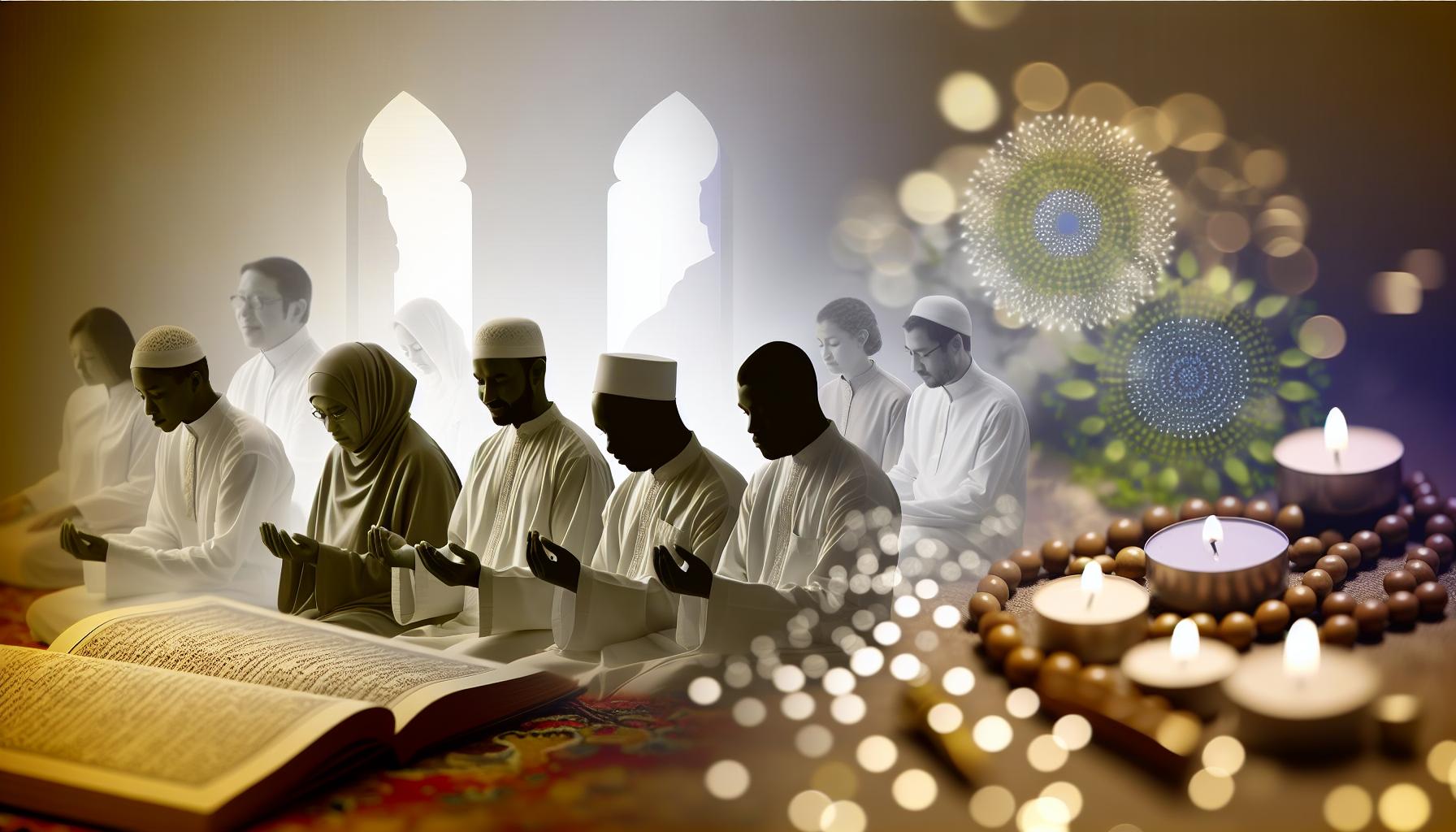
The Benefits of Regular Prayer in a Faithful Life
Engaging in regular prayer within the structure of Islamic practice offers profound benefits that transcend mere habit, fostering spiritual growth and deeper connections with Allah. Each of the five daily prayers-Fajr, Dhuhr, Asr, Maghrib, and Isha-serves as a dedicated time to pause, reflect, and realign oneself with the divine purpose. Through these moments of spiritual discipline, individuals often find solace, clarity, and a renewed sense of focus in their daily lives.
The routine of performing Salah instills a sense of discipline and structure, fostering a rhythm that can enhance one’s overall well-being. This regular commitment to prayer provides an opportunity to disconnect from the distractions of everyday life, creating space for spiritual rejuvenation. Studies indicate that individuals who maintain consistent prayer practices often experience lower stress levels, improved mental clarity, and a greater sense of peace. The act of bowing down and submitting to Allah not only symbolizes humility but can also lead to feelings of liberation from life’s burdens.
When one embraces the practice of prayer, it can significantly enhance interpersonal relationships and foster a sense of community. Group prayers, especially in a mosque, provide opportunities for social interaction, mutual support, and collective worship. This communal aspect helps strengthen bonds among believers, reminding us that faith is not a solitary endeavor but a shared journey. Moreover, the commitment to praying together reinforces spiritual teachings and encourages adherence to religious principles within families and communities.
Ultimately, incorporating regular prayer into one’s life is a transformative practice that nurtures a faithful heart. It inspires believers to cultivate an attitude of gratitude and mindfulness throughout their daily activities. Each prayer serves as a checkpoint, encouraging reflection on personal goals, aspirations, and the inherent blessings of life. By embracing this sacred routine, individuals can draw closer to Allah, resulting in enriched relationships, enhanced mental well-being, and a more profound sense of purpose in their spiritual journey.
In this way, regular prayer serves not just as a religious obligation but as a catalyst for personal growth and communal harmony, creating a ripple effect of positivity that touches all facets of life.
Frequently Asked Questions
Q: What are the five daily prayers in Islam?
A: The five daily prayers in Islam are Fajr (pre-dawn), Dhuhr (noon), Asr (afternoon), Maghrib (after sunset), and Isha (night). Each prayer has specific times and varies based on geographic location and time of year. Understanding these times is crucial for observing Islamic practices effectively.
Q: How do I calculate prayer times for my location?
A: You can calculate prayer times using Islamic apps or websites that factor in your geographical coordinates. Most local mosques also provide prayer schedules based on their specific location. Reference the section on “How to Read and Interpret the Islamic Prayer Schedule” for guidance on calculation methods.
Q: Why are prayer times important in Islam?
A: Prayer times hold importance as they structure a Muslim’s day around worship and reflection, fostering a continuous connection with God. This practice enhances spiritual discipline and communal ties during congregational prayers, especially in mosques.
Q: Can prayer times change throughout the year?
A: Yes, prayer times change seasonally due to variations in daylight hours. Additionally, local factors such as latitude and longitude influence timings. Regularly referring to updated prayer schedules helps maintain accuracy in observance.
Q: Are there different ways to observe prayer times in various cultures?
A: Yes, cultural practices may influence the style and methods of prayer observance. For example, varying rituals and community practices can affect how prayers are performed. The section on “Cultural Variations in Observing Islamic Prayer Times” provides deeper insights into these differences.
Q: What tools can assist with tracking prayer times?
A: There are various tools available, including mobile apps, online calculators, and calendars that can help track prayer times. Many mosques also share updates on prayer schedules via their websites, incorporating community announcements.
Q: How do time zones affect Islamic prayer times?
A: Time zones significantly affect Islamic prayer times, as they determine the local time when prayers are observed. Muslims should be aware of the local time in relation to global prayer schedules to ensure proper practice.
Q: How can I enhance my prayer routine?
A: To enhance your prayer routine, plan your day around the prayer times, seek community support at mosques, and utilize reminders on your devices. Furthermore, refer to the section on “Tips for Maintaining a Consistent Prayer Routine” for actionable insights.
To Conclude
As you explore the profound significance of the Islamic prayer schedule, remember that each of the five daily prayers is not just a ritual; it’s an opportunity to deepen your relationship with Allah. Understanding these prayer times helps cultivate a disciplined and spiritually enriching life, honoring the call to prayer in our everyday routines. Don’t miss our in-depth articles on the Five Pillars of Islam and Islamic Worship Practices to gain further insights into the faith and its rich traditions.
If you have questions or wish to share your thoughts, please leave a comment below; we would love to hear from you! For those eager to deepen their spiritual journey further, consider subscribing to our newsletter for regular updates and resources that inspire your daily worship. Your path to a more fulfilling prayer life starts here-continue to engage with our site for more enlightening content that aligns with your spiritual explorations in Islam.


![Devoted Health Provider Portal: [Not applicable for Christian content]](https://christiancitychurch.eu/wp-content/uploads/2025/09/7285-devoted-health-provider-portal-not-applicable-for-christian-content-300x171.jpg)