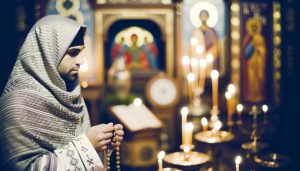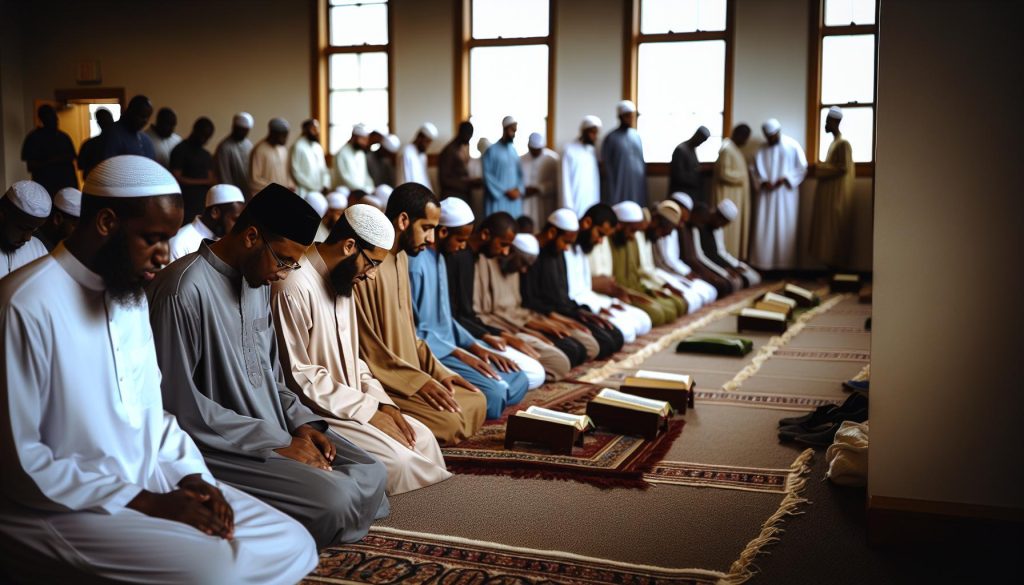
Did you know that Muslims perform five daily prayers, known as Salah, as a cornerstone of their faith? These structured moments of prayer not only deepen their connection to God but also foster a sense of community and discipline. In our increasingly interconnected world, understanding the prayers of our interfaith neighbors can enrich our own spiritual journeys and cultivate empathy. As Christians, we know the power of prayer in our lives, allowing us to commune with God and seek His guidance. By exploring the five prayers practiced in Islam, we not only gain insight into their rituals but also draw parallels to our own faith experiences, fostering a mutual respect and understanding. Join us as we delve into the significance of these prayers, highlighting how they shape the lives of millions and invite reflection on our personal relationships with God.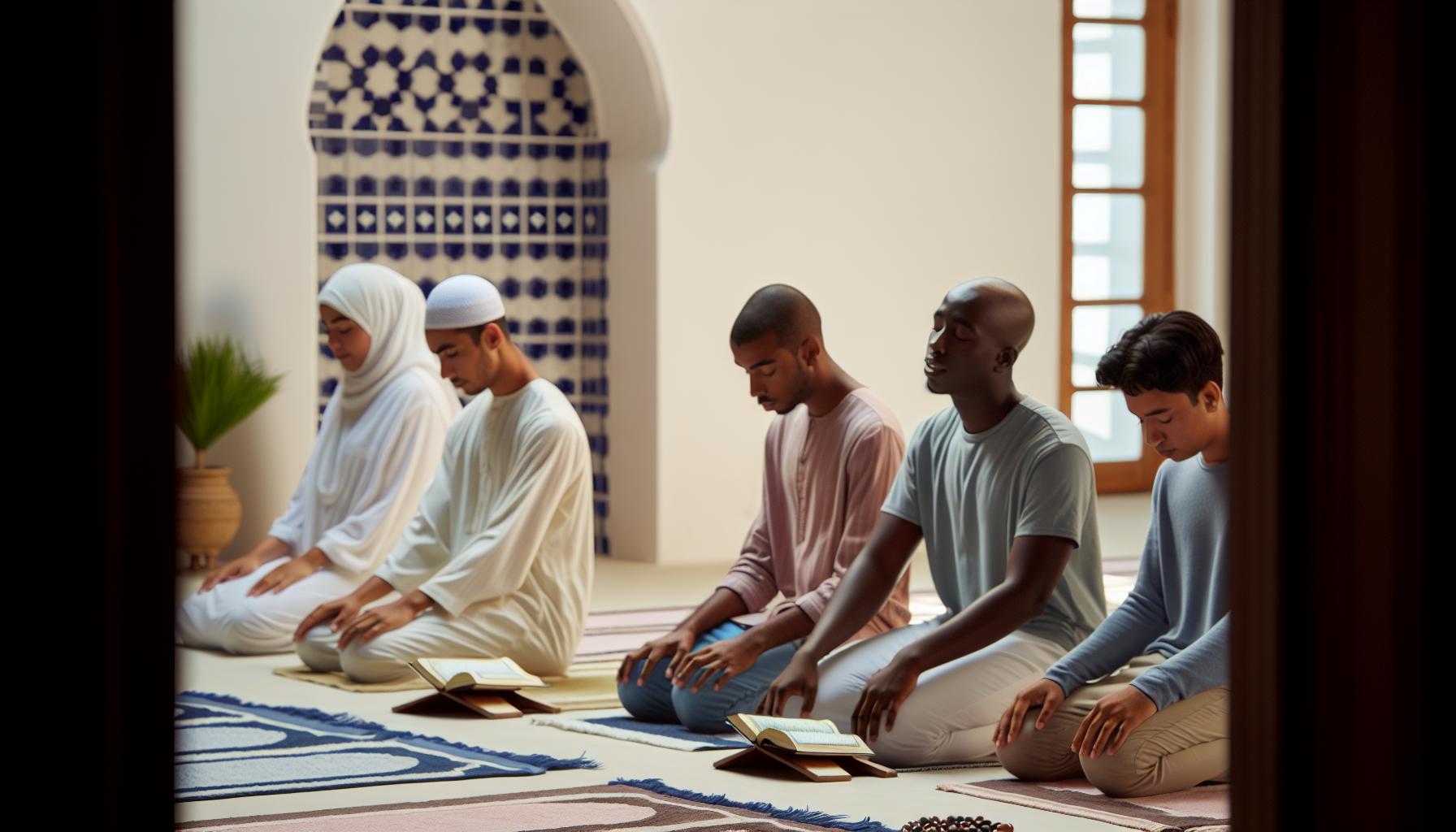
Contents
- 1 Understanding the Five Daily Prayers in Islam
- 2 The Spiritual Significance of Salah in Muslim Life
- 3 A Comparative Look: Islamic and Christian Prayer Practices
- 4 The Role of Intentions in Islamic Prayers
- 5 Exploring the Wisdom of the Quran in Daily Prayers
- 6 How Interfaith Dialogue Enhances Understanding
- 7 Challenges and Misconceptions About Islamic Prayer
- 8 The Personal and Communal Aspects of Prayer in Islam
- 9 Cultural Variations in the Practice of Salah
- 10 Benefits of Learning About Different Faith Prayers
- 11 Encouraging Interfaith Respect Through Prayer Insights
- 12 Resources for Further Exploration of Islamic Practices
- 13 FAQ
- 14 The Way Forward
Understanding the Five Daily Prayers in Islam
The practice of Salah, or the five daily prayers, is a cornerstone of Islamic life, serving as a direct link between the believer and Allah. Each prayer is an opportunity for reflection, gratitude, and spiritual connection, marking the rhythm of a Muslim’s day with moments of devotion and mindfulness. These prayers-Fajr, Dhuhr, Asr, Maghrib, and Isha-are meticulously timed and represent both a personal commitment to faith and a discipline that fosters communal ties among Muslims.
During these prayers, Muslims perform specific physical movements and recite verses from the Quran, which are not only acts of worship but also a means to engage with the divine word. This ritual underscores the importance of intention; the heart and mind must be aligned with the commitment to prayer. Notably, the morning prayer, Fajr, is seen as a time of particular tranquility, where one’s day is spiritually set in motion, encouraging a focus on values and purpose.
From a comparative perspective, the structure and significance of prayer in Islam have notable parallels with Christian practices. While the rituals may differ, both faiths emphasize the act of prayer as a fundamental aspect of life, embodying a desire for connection with God. Many Christians may find similarities in the discipline of daily prayer or meditation, where personal reflection and acknowledgment of God’s presence serve to enhance spiritual growth.
Understanding these practices can pave the way for interfaith dialogue, promoting respect and knowledge between communities. By learning about the five daily prayers, individuals from diverse backgrounds can cultivate a deeper appreciation for the shared values of devotion, discipline, and community that underlie both Islamic and Christian prayer practices.
The Spiritual Significance of Salah in Muslim Life
The practice of Salah, or the five daily prayers, is not merely a routine but a profound spiritual discipline that lies at the heart of a Muslim’s life. It serves as a continuous reminder of the divine presence in the everyday. Each prayer, whether it’s the tranquility of Fajr at dawn or the reflective nature of Isha at night, creates sacred spaces where Muslims can pause, realign themselves with their faith, and cultivate a deep sense of connection to Allah. This rhythm of prayer punctuates the day, offering believers moments of stillness in an often chaotic world.
Engaging in Salah provides numerous spiritual benefits, establishing a direct link between the believer and their Creator. It reinforces a daily commitment to faith while instilling a sense of discipline and purpose. The physical movements of prayer, which include standing, bowing, and prostrating, are not only acts of worship but also serve to remind the practitioner of humility and submission before Allah. Through the recitation of Quranic verses, individuals reflect on the divine message, allowing the wisdom of the scriptures to permeate their hearts and minds.
In the broader context of interfaith understanding, recognizing the significance of Salah fosters respect for the practices and beliefs of our neighbors. The disciplined nature of Islamic prayer can resonate with Christians who also find value in the structure and routine of their prayer lives. Just as Salah serves to cultivate a deeper relationship with Allah, Christian prayer practices-be it through silent contemplation, collective worship, or personal devotion-can also enhance one’s spiritual journey, encouraging growth, reflection, and a sense of community.
For Muslims, the personal significance of Salah transcends the act itself; it is a pathway to spiritual fortitude and a reminder of their values and commitments. Just as Christians are invited to engage in heartfelt communication with God through prayer, understanding the beauty and intent behind Salah enables a shared appreciation of devotion, discipline, and the hunger for divine connection that binds all people of faith.
A Comparative Look: Islamic and Christian Prayer Practices
The practice of prayer is a foundational aspect of both Islamic and Christian faith traditions, highlighting a universal human longing for connection with the divine. While there are distinct differences between how these two religions approach prayer, the underlying desire to seek spiritual fulfillment and guidance resonates deeply within both communities. Understanding these practices can enrich interfaith dialogue and foster greater appreciation for our neighbors’ beliefs.
Muslims engage in Salah, the five daily prayers, which are performed at specific times throughout the day-from the early morning Fajr to the evening Isha. Each prayer consists of a series of physical postures and Quranic recitations, fostering a deep sense of discipline and structure. This regularity not only provides spiritual nourishment but also serves as a reminder of God’s omnipresence in all aspects of life. Similarly, Christians may approach prayer through various forms such as structured liturgy, spontaneous requests, or meditative silence. The flexibility in Christian prayer allows for personal expression and heartfelt conversations with God, reinforcing individual faith journeys and communal worship.
### Common Themes in Prayer Practices
Despite the differences, both Islamic and Christian prayer traditions share several themes that are integral to their respective practices:
- Intentionality: Both Muslims and Christians emphasize the importance of intention and focus in prayer, with the understanding that prayer is a conscious effort to engage with the divine.
- Community and Fellowship: Prayer acts as a communal bond, strengthening the ties between believers within both faiths-whether through congregational Salah or church services and prayer groups.
- Spiritual Reflection: Each tradition incorporates reflection upon sacred texts, with Muslims reciting verses from the Quran and Christians often praying through Scripture, facilitating a deeper understanding of their faith.
### Conclusion
The diverse ways in which prayer is practiced across faiths encourage a growth mindset toward understanding and respect. Christians can find inspiration in the orderly nature of Islamic Salah, just as Muslims can appreciate the personal and spontaneous elements that characterize many Christian prayers. Engaging with these practices promotes a richer spiritual life, inviting believers to explore the profound connections that unite them despite their differences. In a world often marked by division, the insights gained from understanding each other’s prayer practices can help cultivate mutual respect and love, echoing the core teachings of faith in both Islam and Christianity.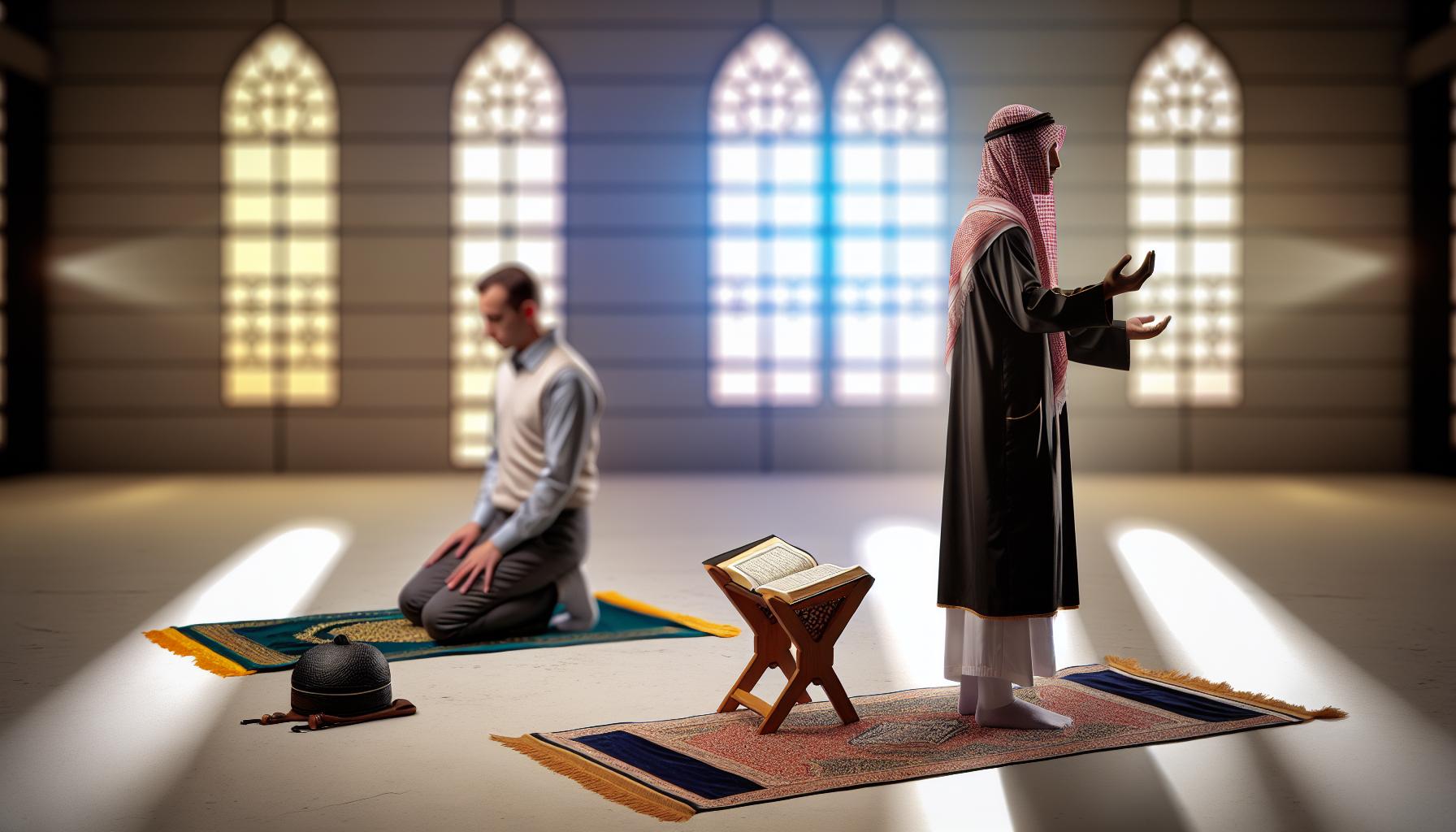
The Role of Intentions in Islamic Prayers
The essence of prayer in Islam goes beyond mere ritualistic actions; it is deeply intertwined with the concept of intention, known as *niyyah*. This fundamental aspect of Salah-Muslim prayer-serves as a heart-centered approach that shapes the quality and authenticity of their connection to Allah. Intentions in Islamic prayers are not just about fulfilling an obligation; they are a means by which worshippers attune their hearts and souls to God. This emphasis on intention can be likened to Colossians 3:23-24, which encourages believers to work heartily, as for the Lord rather than for men, underlining that the motivations behind one’s actions matter deeply in faith.
In preparing for Salah, Muslims are encouraged to consciously state their intentions, often silently in their hearts. This practice centers their focus during prayer and aligns their actions with their spiritual objectives. For example, before initiating the prayer, one may reflect on the reasons for praying-seeking forgiveness, expressing gratitude, or asking for guidance. This moment of reflection mirrors the biblical principle of aligning one’s heart with God’s will, making prayer a genuine dialogue with the divine.
The Spiritual Framework Created by Intentions
The spiritual framework established by focusing on intentions influences not only the individual’s prayer experience but also cultivates a broader sense of community. Gathered in congregational prayers, Muslims collectively affirm their intentions to worship, enhancing their shared connection. This echoes the communal aspects of Christian prayer, where believers come together to seek God’s presence-not just individually, but collectively as the body of Christ.
- Deepening Focus: Intentions refine the worshipper’s focus, transforming each prayer into a meaningful encounter with God rather than a scheduled obligation.
- Enhancing Humility: By understanding the importance of intentions, Muslims practice humility, recognizing their dependence on Divine guidance during Salah.
- Personal Reflection: This foundational act of defining one’s intentions allows for personal growth and reflection in one’s journey of faith.
Ultimately, reveals a profound truth that resonates across faith traditions: how one approaches prayer significantly shapes spiritual life. As Christians, being mindful of our own intentions in prayer not only enriches our personal relationship with God but also fosters a spirit of openness and understanding toward our interfaith neighbors. In recognizing how both traditions prioritize the intent behind prayer, believers can cultivate a richer and more inclusive spiritual community that honors both similarities and differences in their faith journeys.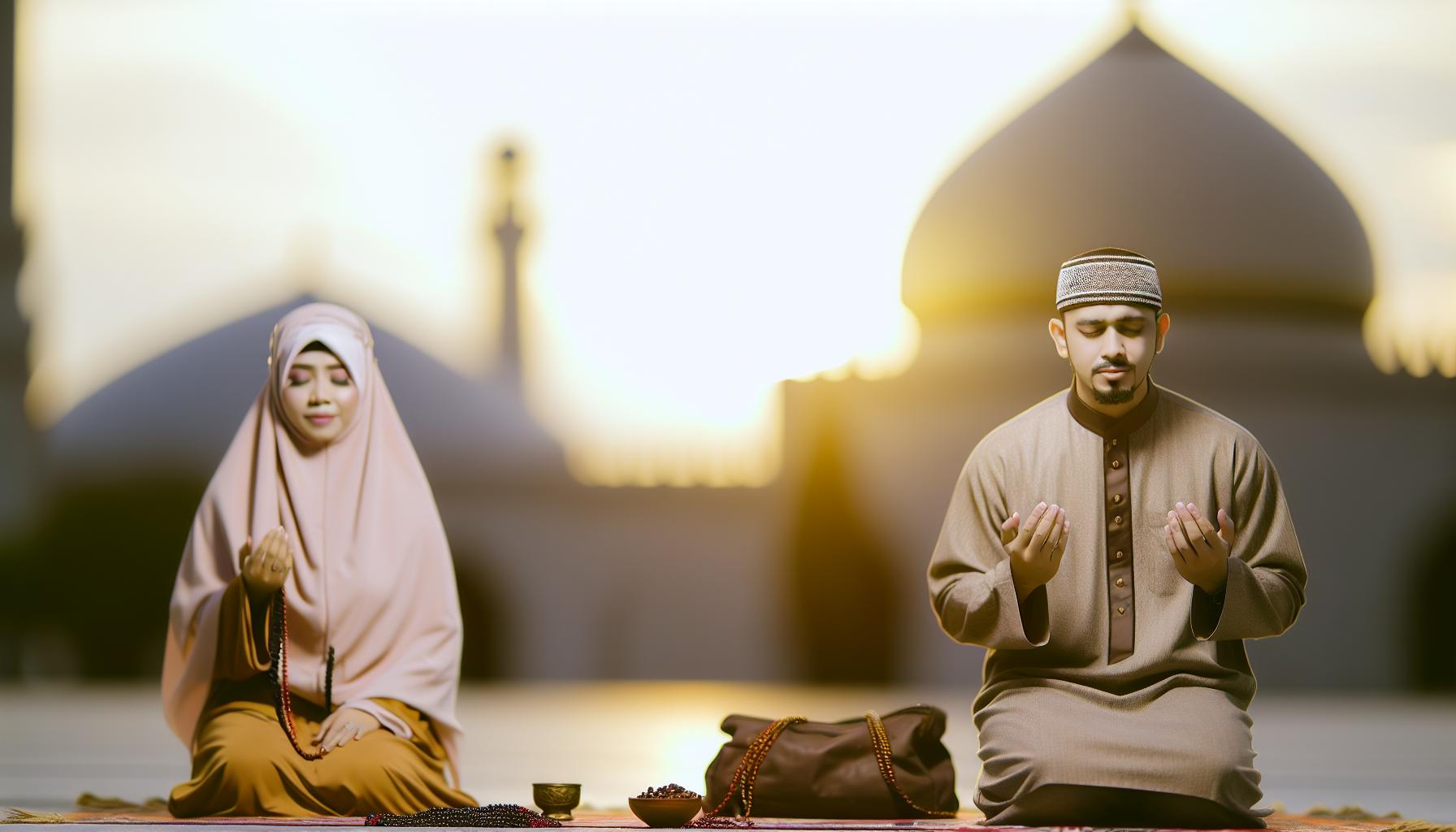
Exploring the Wisdom of the Quran in Daily Prayers
The Quran serves as a fundamental guide for Muslims, particularly influencing their daily prayers, known as Salah. Each of the five obligatory prayers is not only a physical act of worship but also a profound spiritual journey that enriches the believer’s relationship with Allah. During Salah, verses from the Quran are recited, allowing practitioners to engage directly with the divine message. This interactive approach transforms prayer into a meaningful dialogue, encouraging worshippers to internalize the wisdom and teachings of the Quran.
One of the most admired aspects of the Quran in relation to prayer is its emphasis on humility, gratitude, and the recognition of divine sovereignty. For instance, the opening chapter, Al-Fatiha, is recited in every unit of prayer, serving as a reminder of God’s mercy and guidance. This foundational verse encapsulates key themes that resonate well with Christians: the importance of worshiping God alone, asking for guidance on the straight path, and acknowledging our dependence on Him. In this way, each prayer becomes a moment not only to seek divine intervention but to reflect on personal and communal responsibilities before God.
Engagement with the Quran during prayer also underscores the importance of contemplation. The repeated phrases and verses serve as an opportunity for Muslims to meditate on their meanings, fostering a deeper understanding of their faith. Just as Christians may dwell on scriptural passages during prayer or devotionals, Muslims find wisdom and inspiration in the Quran that shapes their everyday lives. This shared value of sacred texts in both traditions encourages believers to seek wisdom through prayer and to open themselves to spiritual reflection.
Additionally, the structure of Islamic prayers, which incorporates specific postures and movements, helps to focus the mind and body on the act of worship. This physical engagement can be likened to the way Christians use postures like kneeling or raising hands to enhance their prayer experience. In both faiths, prayer acts as a grounding practice that connects believers with their faith, community, and ultimately God.
By exploring these shared principles, we can appreciate the goal of prayer in nurturing a profound relationship with the divine-encouraging a cycle of devotion, reflection, and communal unity that resonates through both Islamic and Christian practices. Ultimately, learning about the wisdom of the Quran in daily prayers not only enriches the spiritual lives of Muslims but also fosters understanding and respect among their interfaith neighbors, reminding us of our collective journey towards deeper faith and wisdom.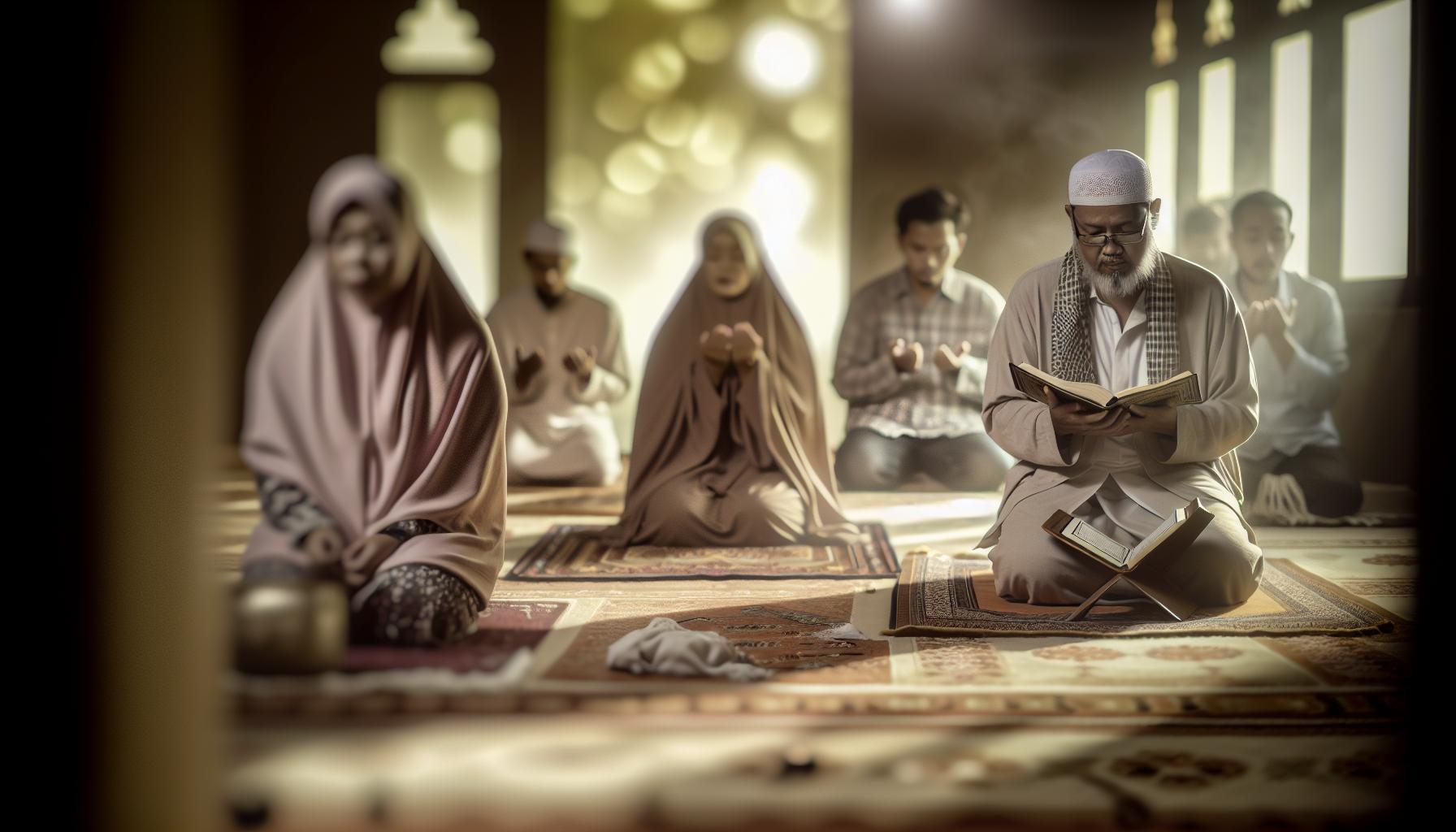
How Interfaith Dialogue Enhances Understanding
Interfaith dialogue serves as a vital tool for fostering understanding and respect between different faith communities, especially in a world rich with diverse beliefs. Engaging in conversations about practices such as the five daily prayers in Islam allows Christians and Muslims to connect on shared values like the importance of prayer in nurturing one’s relationship with God. As Christians, adopting a spirit of openness and curiosity encourages us to explore the ways in which our Muslim neighbors express their faith, ultimately leading to deeper community bonds and mutual respect.
Through interfaith dialogue, we gain unique insights into the spiritual significance of Salah and can appreciate the discipline and devotion that goes into these daily prayers. For example, understanding that the act of prayer in Islam serves as both a personal connection to Allah and a means of forging a communal identity can help Christians reflect on their own traditions. This process can be enriching, inviting us to consider how our practices-whether prayer, worship, or study-cement our relationships with God and one another. It’s an opportunity to share our Christ-centered beliefs while also listening to experiences that shape our interfaith neighbors’ spiritual lives.
Furthermore, open discussions surrounding the rituals, postures, and intentions behind Islamic prayer can help demystify common misconceptions. By addressing questions directly-such as why Muslims pray facing the Kaaba, or the emphasis on intention in Salah-Christians can dispel stereotypes, replacing them with informed perspectives. In turn, such clarity promotes empathy and understanding, which are foundational to building bridges across faith communities. This mutual learning experience, characterized by respect and curiosity, can inspire individuals to draw nearer to God, regardless of the method of worship.
As believers rooted in faith and love, we are called to pursue relationships that reflect Christ’s compassion. Engaging in interfaith dialogue not only nurtures understanding but also provides us with opportunities to live out the biblical principle of loving our neighbors as ourselves (Mark 12:31). By seeking to understand and respect the practices of other faith traditions, we not only enhance our own spiritual journeys but also contribute to a more harmonious and peaceful world where spiritual diversity is cherished.
Challenges and Misconceptions About Islamic Prayer
Understanding the intricacies of Islamic prayer can sometimes seem daunting, especially when misconceptions abound. For many, the five daily prayers (Salah) serve as a focal point for understanding Islam. Yet, common challenges and myths can create barriers to grasping their true significance. One prevalent misconception is that Muslim prayers are merely ritualistic and devoid of personal meaning. In reality, these prayers encapsulate deep spiritual devotion and community identity. Each of the five daily prayers not only serves as a moment for individual connection with Allah but also reinforces a sense of belonging within the global Muslim community.
Many Christians might wonder why Muslims perform specific movements during prayer, such as bowing and prostrating. These physical postures are not random but are vital expressions of humility, gratitude, and submission to God. Familiarizing ourselves with these actions can enhance our understanding of their purpose. By acknowledging that prayer positions symbolize surrender and reverence, we can appreciate the depth of faith behind each prayer, fostering empathetic dialogue between Muslim and Christian traditions.
Another common hurdle is the perception that the prayers are inflexible in nature. However, it is essential to recognize that the essence of Salah lies in the intentions (niyyah) behind the prayers. Muslims are encouraged to approach their prayers with sincerity and mindfulness, allowing for personal reflection amid structured rituals. This emphasis on intention resonates with Christian teachings about the heart’s posture in prayer, aligning our understanding of both faiths in seeking authentic communion with God.
Finally, there is often a misunderstanding about the role of geographical and cultural elements in Islamic prayers. Although Muslims pray facing the Kaaba in Mecca, the underlying premise of unity and direction toward God transcends physical locations. In interfaith discussions, highlighting these connections can promote respect and harmony. Recognizing the common pursuit of divine connection through structured yet meaningful practices allows us, as believers, to deepen our relationships with one another, fostering a rich environment of learning and faith-sharing.
Through a lens of openness and grace, addressing these misconceptions invites us to engage more deeply with our interfaith neighbors, allowing us to grow closer not only to them but also in our walk with Christ.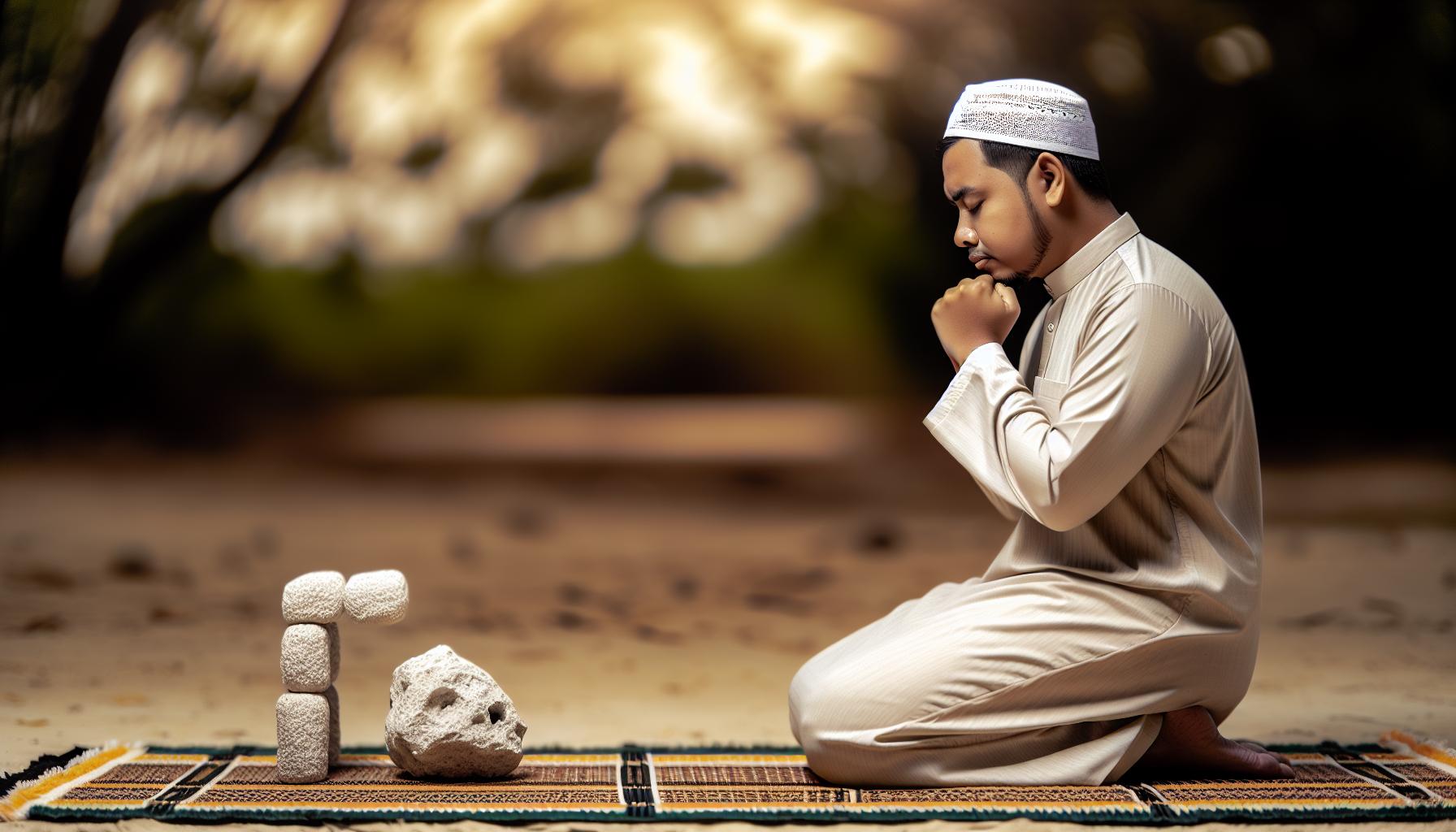
The Personal and Communal Aspects of Prayer in Islam
Prayer serves as a cornerstone in the life of a Muslim, intertwining both personal and communal dimensions that reflect a commitment to faith and community. Each of the five daily prayers (Salah) acts as a reminder to Muslims of their purpose and connection to a higher power, nurturing spiritual development while fostering social bonds. The communal aspect of Salah is especially evident during Friday prayers, where Muslims gather in mosques, transcending personal worship to create a unified community dedicated to collective worship and support.
In addition to its communal significance, prayer acts as a deeply personal experience, providing moments of solace and reflection. For many Muslims, the act of praying five times a day interrupts the busyness of life, offering a structured pause that encourages mindfulness and spiritual renewal. This practice resonates with the Christian principle of setting aside time for God, as seen in Matthew 6:6, where Jesus advises believers to find a quiet place for prayer. Through Salah, Muslims recite verses from the Qur’an, focusing on themes of mercy, guidance, and gratitude, much like Christians who turn to Scripture for comfort and direction in their prayers.
Salah also serves as a means of reinforcing community and shared values within the Muslim world. It emphasizes inclusivity, as people from diverse backgrounds come together in sync and harmony. This aspect of communal prayer invites connections and strengthens ties, fostering relationships built on mutual respect and understanding. For Christians seeking to comprehend these dynamics, recognizing that prayer is not solely an individual act but a thread that weaves believers together can cultivate appreciation for how faith serves as a unifying force across different religions.
Finally, the shared moments of prayer encourage interfaith respect and dialogue. By understanding that both Muslims and Christians seek to connect with the divine through structured practices, believers can find common ground in their worship experiences. This interconnectedness highlights the beauty of diverse expressions of faith and can lead to respectful conversations about spiritual journeys. As Christians reflect on their own prayer lives, they might consider moments where they too experience personal and communal encounters with God, thus enriching their understanding of interfaith neighbors and nurturing a spirit of unity.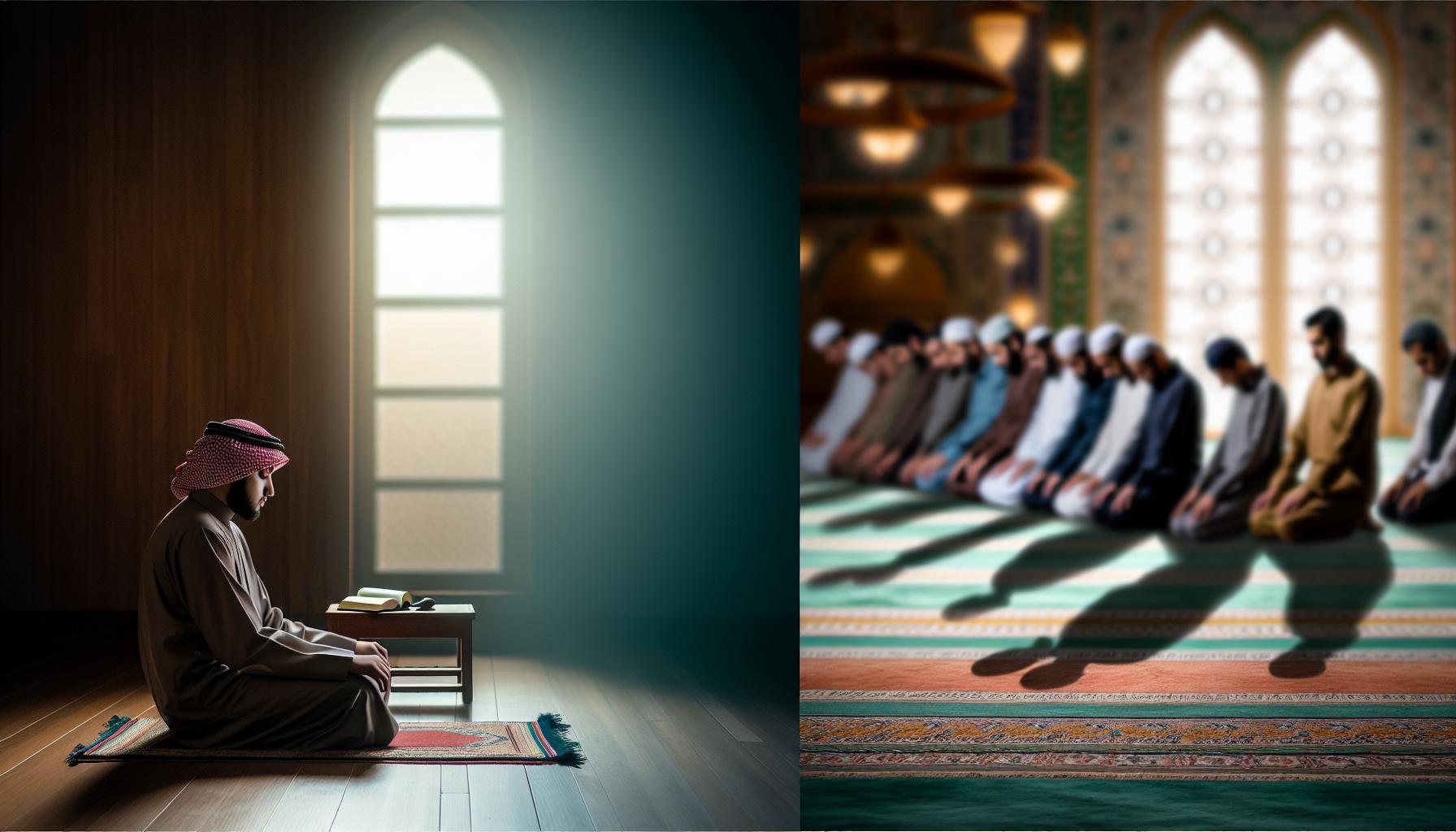
Cultural Variations in the Practice of Salah
Different cultures within the global Muslim community have unique approaches to the practice of Salah, enriching the expression of this essential act of worship. While the fundamental principles of prayer remain consistent-facing the Kaaba in Mecca, reciting specific verses from the Qur’an, and performing a set cycle of physical movements-the ways in which these prayers are observed can vary greatly. This diversity can be seen in the timings of prayers, regional customs, and even the ambiance surrounding the prayer environment.
In many Middle Eastern countries, communal prayers during Ramadan take on heightened significance, with evening prayers, or Tarawih, drawing large crowds to mosques. This communal gathering fosters a sense of belonging and spiritual rejuvenation. Conversely, in Western contexts, Muslims may face challenges in finding community spaces for prayer, often adapting their practices in homes or shared public spaces. Yet, even in solitary settings, the intention and devotion remain central, illustrating a resilient spirituality.
Cultural variations also extend to prayer attire and the atmosphere created for Salah. In Indonesia, for example, people might wear vibrant traditional clothes, reflecting local heritage, while in more conservative regions, subdued tones may be preferred. Furthermore, the use of language can also vary; whereas Arabic is the liturgical language, translations of key prayers and supplications are often shared to accommodate diverse linguistic backgrounds, fostering inclusivity.
Understanding these cultural nuances can enhance interfaith dialogue, as Christians can appreciate the diverse expressions of faith that parallel their own practices. Just as many Christians have unique traditions within their denominations, from liturgical attire to specific prayers, recognizing the beauty in this variety can deepen mutual respect. In moments of prayer, both Muslims and Christians seek connection-to God and to one another-a reminder of our shared human desire for divine companionship and community. Thus, acknowledging and celebrating these cultural differences lays the groundwork for enriching conversations and greater understanding among faith communities.
Benefits of Learning About Different Faith Prayers
Learning about the different prayer practices across faiths enriches our understanding of spiritual expression and cultivates empathy. As we explore the five daily prayers in Islam, it’s essential to recognize the shared human experience behind these rituals. In the tapestry of global faith, prayer acts as a thread that connects us, emphasizing that while our approaches may differ, the intent behind them often remains the same: to seek connection with the divine.
Understanding Islamic prayers can deepen one’s appreciation for the spiritual life of our Muslim neighbors. The structured nature of Salah exemplifies devotion and discipline, qualities that resonate across the Christian tradition as well. When Christians learn about the significance of intention in Salah-where each prayer is not only an act of worship but an opportunity for self-reflection and community engagement-it can inspire a more profound approach to their own prayer practices. Hebrews 4:16 reminds us to approach God’s throne of grace with confidence, building a bridge of understanding with those who practice their faith differently.
Moreover, recognizing the diverse cultural expressions within Islamic prayers can enhance interfaith dialogue. For instance, the vibrant attire worn during prayers in various cultures or the communal aspect during events like Ramadan can reflect rich traditions that remind us of God’s creativity in human expression. Engaging with these practices not only promotes inclusivity but also affirms our shared values of love, respect, and the search for truth. Romans 12:4-5 speaks to this unity in diversity, encouraging believers to understand and empathize with one another as part of one body in Christ.
As we broaden our understanding of prayer beyond our own faith traditions, we open the door to powerful conversations and deeper connections. This approach can foster mutual respect and create an inviting environment for interfaith relations, where similarities are highlighted and differences celebrated, enriching our spiritual journeys collectively. Embracing this journey not only enhances personal growth but also aligns with Christ’s call for His followers to love one another (John 13:34).
Encouraging Interfaith Respect Through Prayer Insights
In an increasingly interconnected world, the act of prayer transcends religious boundaries, creating a fertile ground for fostering interfaith respect and understanding. Each faith tradition, including Islam, brings unique rituals and understandings to the concept of prayer, yet the underlying desire for connection with the divine remains a universal pursuit. As Christians explore and appreciate the five daily prayers (Salah) observed by Muslims, it is essential to embrace the insights and practices that drive these sacred moments.
By learning about the significance of Salah, believers can see it not just as a religious obligation but as a profound act of devotion and discipline. Each prayer serves as an opportunity for Muslims to reconnect with God amidst the busyness of daily life. This commitment can inspire Christians to reflect on their own prayer practices. For instance, incorporating structured moments of prayer can deepen one’s spiritual life and enhance community engagement. Understanding that Muslims approach prayer with intentionality can prompt Christians to evaluate their own intentions in prayer, asking questions like: “What do I seek during my time with God?”
Recognizing the shared values underlying both Islamic and Christian prayers can be a powerful tool for building respect and understanding. Both traditions emphasize the importance of humility, gratitude, and community. Engaging in conversations about these shared values can help dispel myths and miscommunications that often arise in interfaith dialogues. An example could be inviting a Muslim neighbor to discuss Ramadan, where fasting and prayer become a means of communal solidarity and spiritual renewal. This kind of exchange not only fosters respect but also creates an inviting space for learning and growth.
Moreover, participating in or observing Muslim prayer practices can enrich one’s own faith journey. This could involve attending a community Iftar during Ramadan or joining local interfaith prayer events. Such engagements can illuminate the beauty of different expressions of worship while reinforcing the Christian call to love one’s neighbor (Mark 12:31). By embracing diversity in prayer practices as a means of understanding the broader human search for God, we inherently build a foundation of empathy, respect, and perhaps, even friendship.
Ultimately, approaching interfaith dialogue through the lens of prayer can nurture a spiritual environment ripe for mutual respect. As believers continue to seek ways to connect with those of different faith backgrounds, let the insights gained from prayer practices serve as reminders of our shared humanity and divine purpose. This journey not only enhances personal growth but also aligns seamlessly with the Christ-centered mission to love and understand others, inviting greater peace in our communities.
Resources for Further Exploration of Islamic Practices
Understanding the diverse practices of prayer across different faiths can greatly enrich our spiritual journeys. For Christians seeking to deepen their understanding of Islamic practices, particularly the five daily prayers (Salah), numerous resources are available to facilitate this exploration. By engaging with these materials, believers can foster interfaith dialogue and strengthen their own spiritual disciplines, enriching their relationship with God.
To begin, consider the following resources that provide deeper insights into Islamic prayer practices:
- Books:
Titles such as “Understanding Islam: An Introduction to the Muslim World” by Dr. John L. Esposito offer comprehensive overviews of Islamic practices, including prayer. Additionally, “The Heart of the Quran: An Introduction to Islamic Spirituality” by Reza Shah-Kazemi can guide readers in appreciating the spiritual dimensions of Salah. - Online Courses:
Platforms like Coursera and EdX frequently feature courses on Islamic studies that cover the fundamentals of prayers and their significance in daily life. These courses provide an interactive way to learn directly from scholars. - Community Events:
Participate in local interfaith gatherings or community Iftars during Ramadan to experience Salah in practice. These events provide firsthand insight into the rhythm and spiritual significance of daily prayers and build bridges between communities. - Documentaries and Lectures:
Explore documentaries that focus on Islamic culture and religious practices, like the PBS series “Inside Islam.” Additionally, platforms like YouTube host lectures from respected Islamic scholars who can explain the nuances of Salah.
By engaging with these resources, Christians can not only learn about Islamic prayer but also reflect on their own practices. This exploration encourages a more profound devotion to prayer and a deeper appreciation for the diversity of faith expressions. As Christians witness the intentionality behind Salah, they may find inspiration to enhance their prayer life through structured moments of communion with God, fostering a vibrant spiritual practice.
As you dive into these studies, let your heart remain open to the movement of the Holy Spirit, guiding you in your understanding and appreciation of these sacred practices. Remember, every step taken towards understanding interfaith prayer is a beautiful reflection of love and respect for our neighbors, fulfilling the call to bear witness to God’s love in all its forms.
FAQ
Q: What are the main components of the five daily prayers in Islam?
A: The five daily prayers, known as Salah, consist of specific actions and recitations. Each prayer includes a series of bowing and prostration, along with verses from the Quran, emphasizing submission and devotion to Allah. Understanding these components fosters deeper interfaith respect and dialogue.
Q: How can understanding Islamic prayers promote interfaith dialogue?
A: Understanding Islamic prayers can promote interfaith dialogue by highlighting common values like community, spirituality, and devotion. This knowledge facilitates respectful conversations, allowing individuals to connect through shared principles of faith and enhances mutual respect among different religions.
Q: Why is prayer important in the daily life of a Muslim?
A: Prayer is vital in a Muslim’s daily life as it establishes a direct connection with Allah, serves as a reminder of faith, and structures the day around spiritual commitments. It fosters discipline, community, and personal reflection, enriching their spiritual journey.
Q: What are the cultural variations in the practice of Salah?
A: Cultural variations in Salah practice can be observed in how prayers are performed, including the style of recitation, the time of day for prayers, and local customs. These differences reflect the diverse expressions of faith within Islamic communities worldwide.
Q: How do Islamic prayers compare to Christian prayers?
A: Islamic prayers, performed five times daily, emphasize formality and ritual compared to Christian prayers, which may vary in frequency and style. Both, however, aim to enhance the individual’s relationship with God and provide spiritual fulfillment.
Q: What misconceptions exist about Islamic prayer practices?
A: Common misconceptions about Islamic prayer include the belief that it is purely ritualistic or burdensome. In reality, Salah holds significant spiritual meaning, reflecting personal devotion and communal identity, which encourages a deeper understanding of interfaith practices.
Q: When do Muslims perform the five daily prayers?
A: Muslims perform the five daily prayers at specific times: Fajr (pre-dawn), Dhuhr (midday), Asr (afternoon), Maghrib (evening), and Isha (night). Each prayer structure offers moments for spiritual reflection throughout the day, strengthening their faith routine.
Q: How can learning about Islamic prayer enhance one’s own spiritual practices?
A: Learning about Islamic prayers can enhance personal spiritual practices by introducing new perspectives on devotion, discipline, and community worship. This understanding can inspire followers of any faith to incorporate similar values into their spiritual routines.
For more insights into Islamic practices and interfaith understanding, explore our article on Comparative Look: Islamic and Christian Prayer Practices. Engaging with diverse faiths enriches our spiritual lives and fosters deeper connections.
The Way Forward
As we wrap up our exploration of “5 Prayers of Islam: Understanding Our Interfaith Neighbors,” let’s take a moment to reflect on the immense value of interfaith dialogue in nurturing compassion and understanding. We’ve seen how these prayers not only articulate faith but also bridge gaps between different beliefs. Consider how this knowledge can deepen your own spiritual journey and enhance your interactions with others.
If you’re eager to further enrich your understanding of various faith practices, check out our articles on Christian Prayer Life, or explore how interfaith dialogues can strengthen community bonds in Building Bridges: Faith and Friendship. Remember, engaging in discussions about faith can transform perceptions and foster unity.
Don’t miss the opportunity to join our community! Subscribe to our newsletter for more insightful articles and practical resources that support your faith journey. Share your thoughts below and let us know how these prayers have impacted your perspective. Together, let’s cultivate a world where faith brings us closer rather than apart.


![Devoted Health Provider Portal: [Not applicable for Christian content]](https://christiancitychurch.eu/wp-content/uploads/2025/09/7285-devoted-health-provider-portal-not-applicable-for-christian-content-300x171.jpg)