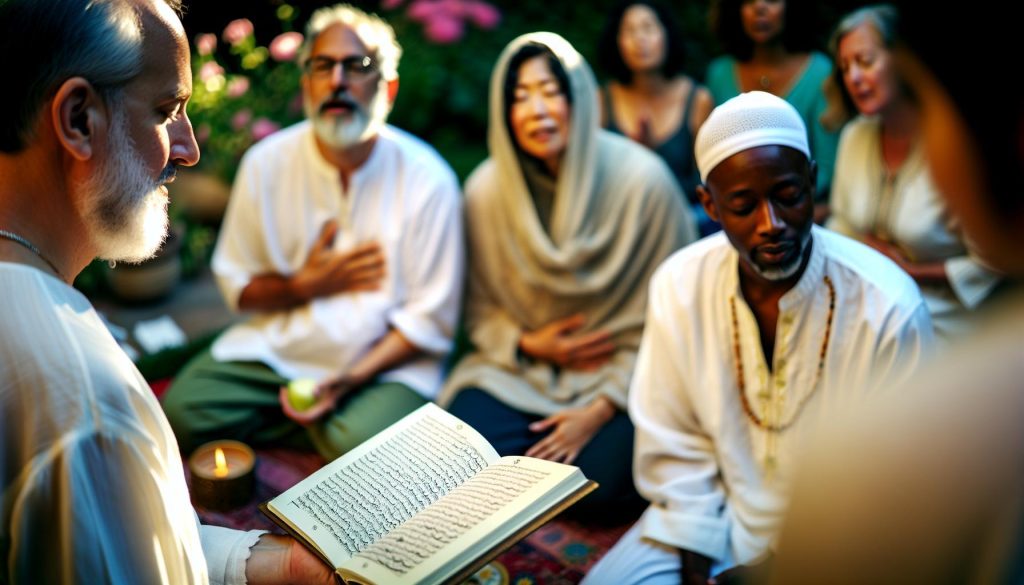
In an increasingly complex world, the quest for spiritual comfort and clarity is more important than ever. “Baha’i Prayers: Exploring Universal Faith Through Sacred Words” invites you to discover prayers that bridge cultural divides and promote unity in diversity. Originating from the teachings of Baha’u’llah, the Bab, and ‘Abdu’l-Baha, these sacred words offer profound insights into the human experience, resonating with our common aspirations for peace and connection. As you delve into these prayers, you’ll find that they not only articulate the deepest yearnings of the soul but also provide practical avenues for personal reflection and communal worship. This exploration seeks to nurture your spirit, inspire authentic devotion, and expand your understanding of a faith that values inclusivity and the power of prayer. Join us on this journey as we uncover the transformative essence of Baha’i prayers, inviting you to enrich your spiritual life and foster a deeper connection with the divine.
Contents
- 1 Baha’i Faith: Understanding Its Core Principles
- 2 The Role of Prayer in the Baha’i Community
- 3 Exploring the Structure of Baha’i Prayers
- 4 Types of Baha’i Prayers and Their Significance
- 5 Sacred Texts: The Words Behind Baha’i Prayer
- 6 Universal Themes in Baha’i Prayer Practices
- 7 The Impact of Baha’i Prayers on Daily Life
- 8 Baha’i Prayers for Personal and Collective Healing
- 9 Integrating Baha’i Prayers in Interfaith Practices
- 10 Encouraging Spiritual Growth Through Baha’i Teachings
- 11 Practical Tips for Engaging with Baha’i Prayers
- 12 Testimonials: Experiences with Baha’i Prayer Practices
- 13 Frequently Asked Questions
- 14 The Way Forward
Baha’i Faith: Understanding Its Core Principles
The Baha’i Faith offers a profound perspective on the unity of humanity and the spiritual principles that bind us together. At its core, the Baha’i Faith teaches that God is one and that all major religions stem from this singular divine source, emphasizing the importance of unity and peace among all people. This belief is encapsulated in the writings of Baha’u’llah, the founder of the Baha’i Faith, who proclaimed that humanity is one family and that diversity in culture and religion should be celebrated as part of God’s design.
Central to the Baha’i teachings is the concept of the oneness of religion, which asserts that all religious frameworks are linked and progressive, leading humanity toward greater spiritual understanding. This interconnectedness highlights the importance of collective human effort in resolving global challenges. The Baha’i community encourages actions that reflect fundamental moral principles, such as justice, compassion, and service to others.
To engage deeply with the Baha’i Faith is to embrace a life of service and spiritual growth, recognizing that prayer is not just a solitary act but a way to connect with the divine and with one another. Baha’i prayers serve as a means of fostering community, encouraging individual reflection, and promoting unity through a shared spiritual practice. This communal engagement with prayer not only nurtures personal spirituality but also reinforces collective strength, empowering individuals to contribute positively to society.
In practice, the core principles of the Baha’i Faith inspire a spiritual journey characterized by reflection, action, and transformation, leading adherents toward a life defined by love, service, and the pursuit of justice.
The Role of Prayer in the Baha’i Community
Prayer is an essential thread in the tapestry of community life for Baha’is, serving as both a personal refuge and a communal bond. When individuals engage in prayer, they not only commune with the divine but also contribute to the spiritual welfare of their communities. This dual aspect of prayer reflects the Baha’i understanding that individual spirituality is deeply intertwined with the health of the community as a whole. Baha’u’llah, the founder of the Baha’i Faith, emphasized that prayer is a source of strength, a powerful means of transformation both personally and collectively.
The communal aspect of prayer in the Baha’i Faith often manifests in gatherings, where individuals come together to pray, meditate, and share insights. These gatherings foster a sense of unity and shared purpose, reinforcing the belief that all humanity is interconnected. During such moments, prayers are recited for various needs-guidance, healing, wisdom, and peace-which echo the universal spirit of compassion embedded in Baha’i teachings. Such collective practices not only deepen individual connections to God but also cultivate a spirit of togetherness, allowing participants to experience the uplifting power of shared intention.
Moreover, Baha’i prayers are structured in a way that encourages inclusivity and accessibility, allowing individuals from diverse backgrounds to find solace and inspiration. The variety of prayers, ranging from short phrases to lengthy passages, caters to different needs and contexts, making them suitable for both personal reflection and communal activities. This variety empowers individuals to engage with prayer in a manner that resonates with their personal spiritual journey, while simultaneously enhancing the communal experience.
The significance of prayer extends beyond mere words; it acts as a catalyst for action and service in the world. When Baha’is gather to pray, they not only seek solace for themselves but also invoke divine assistance for the challenges facing humanity. This collective prayerful focus inspires individuals to take tangible steps towards justice, unity, and healing in their communities, manifesting the foundational Baha’i principle that true spirituality must express itself through action. Thus, is not just about personal devotion; it is a dynamic force that propels members towards communal responsibility and humanitarian efforts.
Exploring the Structure of Baha’i Prayers
Baha’i prayers are designed with a specific structure that nurtures a deep spiritual connection and promotes inclusivity among believers. The richness of these prayers lies not only in their profound meanings but also in the way they are organized, making them accessible for both personal reflection and communal worship. At the heart of Baha’i prayers is a blend of forms-some are short and simple, while others are more elaborate and lyrical. This variety allows individuals from diverse backgrounds and spiritual journeys to find a prayer that resonates deeply with their personal needs and conditions.
Types of Baha’i Prayers typically fall into four main categories, each serving a unique purpose and function:
- Obligatory Prayers: These prayers are mandatory for Baha’is and are performed daily. They reinforce a personal commitment to faith and are meant to enhance the individual’s connection with God. Each prayer varies in length and structure, providing flexibility while ensuring devotion.
- Devotional Prayers: These can be freely chosen by individuals based on their requirements and can range from short verses to longer scripture excerpts. They are often recited during personal study or community gatherings, focusing on themes such as gratitude, healing, and guidance.
- Prayers for Special Occasions: These prayers are specifically composed for special events such as weddings, funerals, or community celebrations. They articulate feelings and intentions that arise during these significant moments, offering solace and unity.
- Spontaneous Prayers: Personal expressions of faith that might emerge in the moment. These can be whispered thoughts or spoken aloud, reflecting individual experiences and needs.
In addition to the types, the language and imagery used in Baha’i prayers are intentionally inclusive and universal, often echoing themes common to many faith traditions. The aesthetic quality of the words is designed to invoke a sense of peace and inspire inner reflection. For instance, many prayers highlight unity and collective identity, encouraging believers to see beyond individual concerns towards a more global perspective of compassion and love.
Engaging with the structured nature of these prayers can also enhance the worship experience. Individuals are encouraged to set aside specific times for prayer, creating spaces oriented toward contemplation and gratitude. Incorporating physical elements-such as a designated prayer space or the use of prayer beads-can help deepen this engagement. By developing a routine around Baha’i prayers, individuals can cultivate a spiritual practice that is both grounding and uplifting, reinforcing the dynamic relationship between personal devotion and communal involvement.
In summary, the structure of Baha’i prayers is a beautiful tapestry of forms and functions that cater to the diverse spiritual needs of believers. This intentional design fosters an environment where faith can flourish, allowing for both personal growth and a strong sense of community connectedness.
Types of Baha’i Prayers and Their Significance
In the tapestry of spiritual practice within the Baha’i Faith, prayer serves as a profound manner to connect with the Divine, embodying both personal devotion and communal harmony. Each type of prayer fulfills a specific role, enriching the lives of believers in unique ways. Recognizing the variety of Baha’i prayers empowers individuals to engage more meaningfully in their spiritual journeys.
Obligatory Prayers are the cornerstone of daily spiritual practice for Baha’is. Mandatory for all adherents, they reinforce a commitment to faith and cultivate a closer relationship with God. Each of these prayers varies in length and structure, offering choices that resonate with different individuals. For instance, the three forms of obligatory prayers-short, medium, and long-allow for flexibility, ensuring that one can find a prayer suitable for their circumstances and time constraints. This daily commitment is a powerful testament to an individual’s devotion and a reminder of the presence of the Divine in everyday life.
Devotional Prayers allow for personal expression and spiritual reflection. Believers can choose from a wide array of prayers that cater to their unique emotional or spiritual needs, facilitating moments of gratitude, healing, or guidance. These prayers are often shared in community settings, fostering togetherness as they collectively focus on themes that uplift and resonate within their hearts. The beauty of devotional prayers lies not only in their sacred texts but also in the sense of community they inspire, uniting individuals under shared intentions.
Prayers for Special Occasions highlight the Baha’i community’s appreciation for life’s significant moments. Whether celebrating a wedding, a funeral, or various community gatherings, these prayers articulate emotions and intentions that arise during these pivotal experiences. By offering solace, words of unity, and profound blessings, they help strengthen connections among community members during times of joy or sorrow, reminding them of the shared journey of faith.
Spontaneous Prayers invite individuals to express their innermost thoughts and feelings in the moment. This personal form of prayer can reflect an individual’s immediate needs or gratitude, transcending traditional boundaries often found in structured prayers. Whether whispered silently or spoken aloud, spontaneous prayers embody authenticity, allowing individuals to connect with God in a genuine and unscripted manner.
Together, these types of prayers weave a rich fabric that nurtures both personal spirituality and communal togetherness in the Baha’i Faith. Engaging with this diversity allows individuals to find avenues for growth, healing, and unity, reaffirming their commitment to a faith that embraces every facet of life.
Sacred Texts: The Words Behind Baha’i Prayer
The essence of Baha’i prayers is deeply rooted in the sacred texts that underpin the faith, providing believers with a direct connection to their Creator. These texts, composed by Baha’u’llah, the founder of the Baha’i Faith, and other central figures, are viewed not merely as words but as powerful instruments that elevate the soul and guide personal and communal reflections. Each prayer is imbued with spiritual significance, inviting practitioners to draw closer to God and facilitating a transformative dialog that transcends mere recitation.
Sources of Baha’i Sacred Texts
Baha’i prayers can be found in several foundational writings, which include:
- The Hidden Words: A collection of spiritual aphorisms that emphasize the unity of all people and the importance of love and compassion.
- The Book of Certitude: This text addresses the quest for understanding and the importance of faith in uncovering inner truths.
- Prayer Books: Various compilations, including *The Compilation of Compilations*, that contain devotional prayers for personal and community use.
Each piece is distinct in its focus and appeal, catering to the diverse needs of believers. For example, *The Hidden Words* serves as a reminder of ethical living, while prayer books contain structured prayers for both obligatory and spontaneous use.
Furthermore, the universal themes present in these texts resonate with core human experiences-seekers of truth, moments of grief, or expressions of gratitude-making them accessible for everyone. Believers are encouraged to engage with these words, reflecting on their meanings and applying them in daily life. In this sense, Baha’i prayers are not static; they are dynamic calls to action that inspire believers to embody the principles of love, unity, and service.
Understanding the context and significance of these sacred words can enhance one’s prayer life and foster a deeper connection with the Divine. Engaging with the texts through meditation or study can lead to personal revelations and shared experiences that strengthen the community bond, ultimately illustrating how the Baha’i Faith encourages each individual to tread their spiritual path while contributing to the collective elevation of humanity.
Universal Themes in Baha’i Prayer Practices
In the Baha’i Faith, prayers are imbued with universal themes that resonate deeply across cultures and religions, emphasizing principles such as unity, love, and service. These themes reflect the core tenets of the faith, which call upon believers to transcend individual differences and recognize the shared essence of humanity. Whether used for personal reflection or communal worship, Baha’i prayers incorporate elements that foster a sense of connection among diverse practitioners, bridging gaps between differing perspectives and backgrounds.
One of the most significant universal themes present in Baha’i prayer practices is the principle of unity. The Baha’i teachings consistently advocate for the oneness of humanity, encouraging individuals to see beyond superficial distinctions in race, ethnicity, or nationality. Baha’i prayers often invoke this concept, reminding believers that they are part of a larger tapestry woven together by the Creator. This perspective helps cultivate a profound sense of belonging and shared responsibility for fostering peace and harmony in the world.
Another theme prevalent in Baha’i prayers is the importance of love and compassion. Many prayers include supplications for love to permeate human hearts, fostering understanding and kindness among people. This is not merely an act of devotion; it is a call to action for believers to embody these traits in their daily lives. By emphasizing love as a foundational principle, Baha’i prayers motivate followers to engage in acts of service and support for their neighbors, reflecting Baha’u’llah’s teachings about the essential nature of selflessness and giving.
Additionally, spiritual growth and personal transformation are recurring motifs in Baha’i prayer practices. Many prayers serve as both a source of comfort and as a catalyst for action, encouraging believers to reflect on their personal journeys and aspire to embody higher virtues. This ongoing cycle of reflection and aspiration helps each individual connect more deeply with their faith and contribute to their community’s collective spiritual elevation.
By engaging with these themes through prayer, believers experience not just personal spiritual renewal but also collective healing and unity. The Baha’i commitment to inclusivity encourages individuals from various backgrounds to participate in prayer, making it accessible and resonant for all. Through this shared experience, the Baha’i community exemplifies how prayer can be a powerful instrument for fostering understanding and collaboration among humanity.
In essence, the universal themes found within Baha’i prayers underscore an enduring call to love, unity, and transformation, inviting practitioners to dwell on their personal and communal effects while embodying these principles in their interactions with the world around them.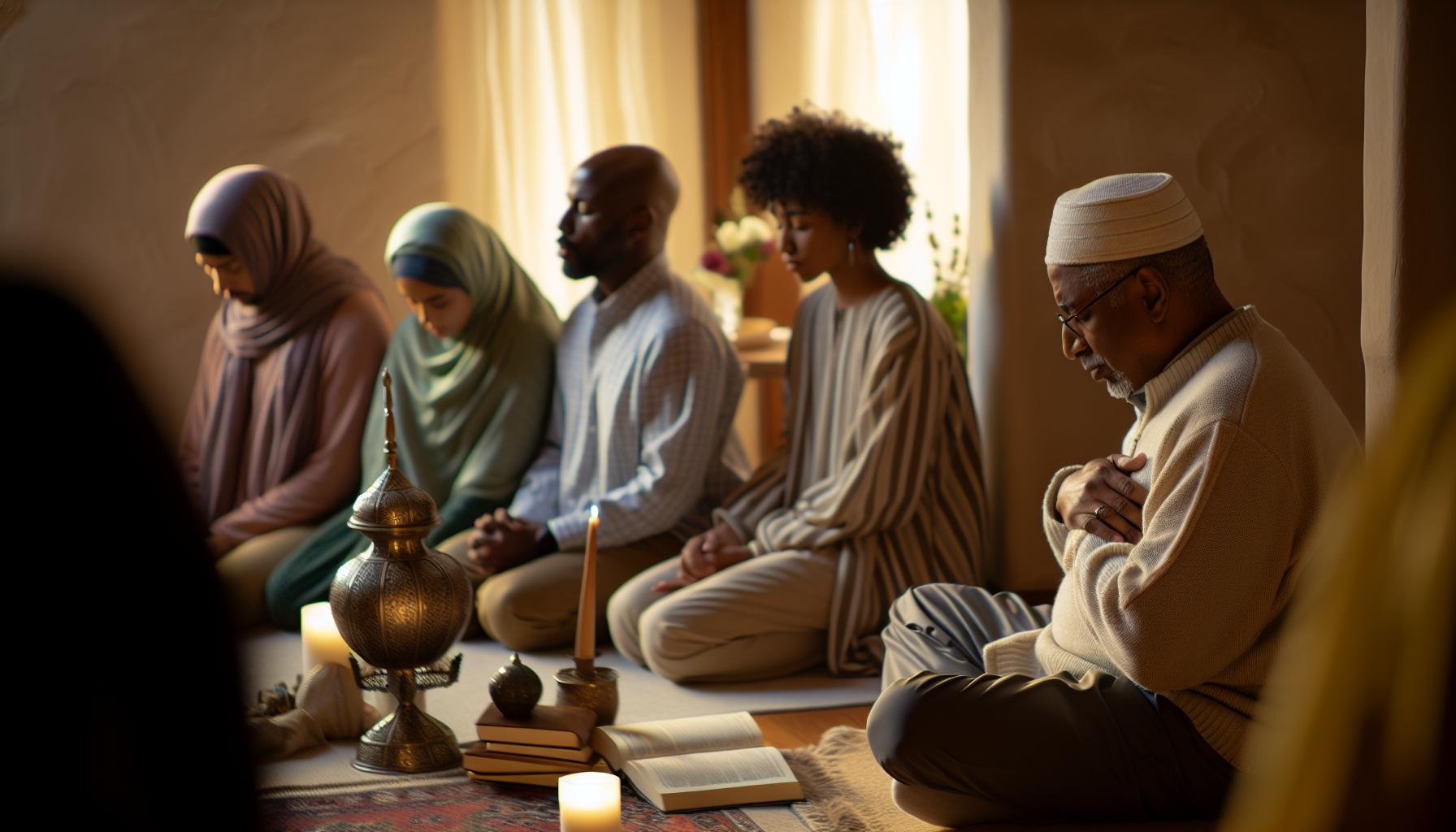
The Impact of Baha’i Prayers on Daily Life
Engaging in Baha’i prayers can profoundly influence daily life, shaping the way individuals perceive their personal journeys, relationships, and societal responsibilities. The transformative power of these prayers manifests in varied dimensions, encouraging practitioners to cultivate a life that resonates with the core principles of unity, love, and service.
Every morning can begin with a few moments dedicated to prayer, framing one’s mindset with intention and purpose. Start the day by reciting prayers that reflect gratitude and openness to divine guidance. This practice fosters a sense of peace and clarity, empowering individuals to navigate daily challenges with a constructive perspective. Establishing a routine that incorporates prayer can serve as a grounding practice, reminding individuals of their connections to a broader community and the ideals they strive to embody.
Throughout the day, Baha’i prayers facilitate connections with others. Incorporating these sacred words into discussions or gatherings can create a shared atmosphere of reverence and unity. Whether it’s through community gatherings or family activities, encouraging open conversations about the values embedded in Baha’i teachings allows for deeper bonds and greater understanding. This collective engagement cultivates an environment where love and compassion thrive, providing a basis for resolving conflicts and nurturing relationships.
In addition to fostering community connections, the impact of Baha’i prayers extends to personal well-being. Many practitioners report that prayer serves as a source of solace during challenging times, providing comfort and a sense of hope. Additionally, the emphasis on spiritual growth and transformation encourages individuals to assess their lives openly and work towards personal virtues. This cycle of reflection and aspiration reinforces self-awareness, guiding practitioners in their pursuit of higher principles that can positively affect their choices and interactions.
Ultimately, the regular practice of Baha’i prayers has the potential to enrich daily life, transforming individual perspectives and collective experiences. As practitioners embody the themes of unity, love, and service, they contribute to a more harmonious world, manifesting the core teachings of the Baha’i Faith in tangible, impactful ways.
Baha’i Prayers for Personal and Collective Healing
Engaging with Baha’i prayers can play a significant role in both personal and collective healing, offering a pathway for individuals and communities to find solace and strength in times of turmoil. The power of these sacred words resonates deeply in the hearts of believers, providing comfort and fostering resilience during challenging moments. Whether one seeks personal healing from emotional distress, physical illness, or spiritual uncertainty, Baha’i prayers serve as a source of refuge and renewal, nurturing both the soul and the communal spirit.
Baha’i prayers emphasize themes of unity and compassion, encouraging individuals to focus on the well-being of themselves and others. Regular recitation of these prayers can facilitate a profound connection to the divine, which many find essential for healing. For instance, the prayers of healing, such as those found in the Baha’i Writings, are often recited collectively during community gatherings, creating a harmonious atmosphere where participants foster one another’s emotional and spiritual well-being. This collective engagement not only reinforces individual healing journeys but also strengthens community bonds, creating a resilient network of support.
In practical terms, individuals can incorporate specific prayers into their daily routines for both personal reflection and communal healing. Setting aside quiet moments for prayer and meditation invites peace and clarity, allowing practitioners to release burdens and fears that may hinder personal growth. Communities can also organize prayer sessions geared towards collective healing, bringing together members to share experiences, discuss challenges, and invoke the healing power of prayer in an atmosphere of love and understanding. These sessions can serve as transformative experiences, promoting a sense of belonging and shared purpose.
Furthermore, embracing the teachings embedded within Baha’i prayers offers a blueprint for navigating collective challenges, encouraging cooperation and compassion amidst adversity. The principles of forgiveness, love, and service are woven throughout Baha’i prayers, guiding individuals to not only seek healing for themselves but also to extend compassion and support to others facing hardships. By fostering a practice of mutual uplifting through prayer, communities can cultivate resilience, restore harmony, and encourage growth, creating environments where both individual and collective healing flourish.
Integrating Baha’i Prayers in Interfaith Practices
In a world where divisions often overshadow commonalities, integrating Baha’i prayers into interfaith practices offers a transformative approach to fostering unity and understanding among diverse communities. The Baha’i teachings emphasize the interconnectedness of all religions and the importance of harmony, making its prayers a rich resource for interfaith dialogue and collaboration. By inviting people from various faith backgrounds to join in prayer, participants can experience a shared moment of reflection that transcends individual beliefs.
One effective way to integrate Baha’i prayers in interfaith gatherings is through shared prayer sessions that highlight the universal themes of love, compassion, and unity found in these sacred texts. Participants can take turns sharing prayers from their respective faiths, opening the floor for discussion on the similar values and ethical teachings that bind them together. For instance, a Baha’i prayer for healing can be recited alongside prayers from other traditions that aim for the well-being of individuals and communities, fostering an atmosphere of mutual respect and understanding.
Moreover, creating themed prayer events focused on specific issues, such as peace, healing, or community service, can enhance interfaith engagement. In these scenarios, Baha’i prayers can serve as a powerful collective mantra, inviting participants to align their intentions and prayers towards common goals. Through meditative silence, shared prayers, and active discussions, individuals can deepen their connections not only with one another but also with the divine.
Finally, documenting the experiences and reflections from these interfaith prayer sessions can provide valuable insights and strengthen ongoing relationships among participants. Sharing stories of unity, healing, and collaboration can foster a sense of community and inspire further initiatives for engagement. In doing so, the profound wisdom of Baha’i prayers extends beyond individual practices, creating a meaningful foundation for collective spiritual growth and understanding in an increasingly interconnected world.
Encouraging Spiritual Growth Through Baha’i Teachings
In the journey of spiritual development, the Baha’i teachings present valuable insights and practices that encourage individuals to deepen their connection with the divine and cultivate a life of purpose. Central to this journey is the rich tradition of prayer, which serves as a powerful tool for personal reflection and growth. By incorporating Baha’i prayers into daily life, believers can experience a profound transformation that nurtures their spirit and fosters a sense of community.
Baha’i prayers are designed not only to strengthen individual faith but also to bridge the gap between humanity and the divine. Engaging with these sacred words allows individuals to reflect on their inner thoughts and intentions, thus fostering a sense of mindfulness. Reading and reciting prayers can create sacred moments within one’s day, inviting a deeper exploration of personal beliefs and the joys and challenges of life. This practice can lead to enhanced spiritual awareness and a greater understanding of one’s purpose in a broader context.
Moreover, the teachings of Baha’u’llah emphasize the significance of service and unity among humanity. By embodying these principles through prayer, individuals can cultivate characteristics such as compassion, forgiveness, and resilience. For example, turning to prayers that focus on healing-whether for oneself or others-can help in times of distress, offering comfort and encouragement. Participating in group prayers or community gatherings further allows individuals to share their experiences, creating a supportive environment that fosters collective spiritual growth.
As Baha’is engage with their prayers, they find ample opportunities to reflect on universal themes that resonate across all faith traditions. This interconnectedness not only enriches their personal spiritual journey but also encourages a broader dialogue with others. By sharing the wisdom encapsulated in Baha’i prayers during interfaith events or community discussions, believers can inspire others and reinforce the idea that spiritual growth is a shared human experience, transcending individual boundaries. In essence, through the transformative power of prayer and a commitment to Baha’i teachings, individuals can embark on a profound journey of self-discovery and collective healing in the world around them.
Practical Tips for Engaging with Baha’i Prayers
Engaging with Baha’i prayers can transform your spiritual practice, fostering a deeper connection with the divine as well as with the community. One effective way to start is by establishing a routine that accommodates prayer into your daily life. Setting aside specific times each day – whether in the morning, during breaks, or in the evening – can create a sacred space for reflection, allowing prayers to become a powerful rhythm in your spiritual journey.
To deepen your engagement, consider selecting prayers that resonate with your current life circumstances. This personal connection can significantly enhance the experience. For example, if you’re seeking peace or healing, choose prayers focused on those themes. Reciting these prayers intentionally can create a mindful moment, helping you process your thoughts and emotions while inviting spiritual insight.
Another tip is to create a prayer journal. This journal can serve as a personal space for reflections, tracking answered prayers, and documenting your spiritual growth. Writing down your thoughts not only enhances your focus during prayer but also provides a tangible way to observe your journey over time.
Engaging with others can also amplify the power of prayer. Consider inviting family or friends to join you in group prayers, whether in person or online. Sharing these moments fosters community and collective upliftment and offers a chance to support one another on your spiritual paths. By embracing these practices, you cultivate a nurturing environment that encourages deeper connection, not only with your own spirit but with the broader Baha’i community and beyond.
Testimonials: Experiences with Baha’i Prayer Practices
Experiencing Baha’i prayer practices can be transformative, creating deeply personal connections to the divine and fostering a sense of community among peers. Many individuals from diverse backgrounds have shared their journeys, illustrating how prayer has shaped their spiritual lives and reinforced their understanding of universal truths. One such individual, Sarah, reflects on her early experiences with Baha’i prayers, stating, “The calmness I felt when reciting the Daily Prayer was unlike anything I had encountered before. It wasn’t just about the words; it was about the peace that enveloped me, guiding my thoughts.”
Hearing others’ stories often illuminates various aspects of the Baha’i faith that may not be immediately apparent. James, a father of two, emphasizes the importance of integrating prayer into family life. He recalls how collectively saying prayers as a family has become a cherished ritual, “It creates a bonding experience that strengthens our family ties. We share our hopes and worries, and through prayer, we find comfort together.” This shared practice not only reinforces their family unit but also instills spiritual values in the next generation, emphasizing the unbreakable bond formed through communal and individual prayer.
Furthermore, the universality of Baha’i prayer practices resonates deeply across different cultures and faith backgrounds. Some have noted how they incorporate Baha’i prayers into their interfaith gatherings, fostering understanding and respect among diverse beliefs. For instance, Maria recounts a recent experience at an interfaith dialogue where she shared Baha’i prayers for peace. “The way the room transformed in energy was palpable. Everyone found common ground in the shared longing for unity and healing,” she shares. Through these testimonials, it’s evident that Baha’i prayers serve as powerful tools for personal reflection and collective empowerment.
Ultimately, the stories of individuals embracing Baha’i prayers reveal the potential for spiritual growth and communal harmony. Each personal account showcases the ability of sacred words to nurture souls, bridge gaps between diverse beliefs, and encourage deeper connections with both self and others. Whether one is a lifelong Baha’i or new to the community, these experiences inspire a journey toward understanding and living out the core principles of a universal faith.
Frequently Asked Questions
Q: What is the significance of Baha’i prayers in daily life?
A: Baha’i prayers play a crucial role in daily life by fostering a connection with the Divine and promoting inner peace. They provide guidance, healing, and a sense of community. Engaging in regular prayer helps individuals develop spiritually and find strength in personal challenges, as highlighted in the article’s section on the impact of prayer.
Q: How can someone start practicing Baha’i prayers?
A: To start practicing Baha’i prayers, one should explore the writings of Baha’u’llah, the Báb, and ‘Abdu’l-Bahá for prayer texts. Setting aside quiet time for meditation and reflection can also enhance the prayer experience. For guidance, refer to the practical tips shared in the article.
Q: Are there specific Baha’i prayers for healing?
A: Yes, there are Baha’i prayers specifically for healing, both personal and collective. These prayers focus on invoking divine assistance and comfort. The article discusses various prayers, emphasizing their role in healing processes, which can be beneficial for spiritual well-being.
Q: Can Baha’i prayers be used in interfaith gatherings?
A: Absolutely! Baha’i prayers promote unity and harmony among diverse faiths, making them suitable for interfaith gatherings. They can serve as a bridge to foster understanding and respect among participants. Explore how these prayers integrate into interfaith practices in the article.
Q: What themes are present in Baha’i prayers?
A: Common themes in Baha’i prayers include love, unity, service, and spirituality. These themes reflect the universal principles of the Baha’i Faith and encourage participants to cultivate compassion and understanding. The article’s section on universal themes elaborates further on these concepts.
Q: How do Baha’i prayers evolve over time?
A: Baha’i prayers have remained relevant by addressing contemporary issues and personal experiences. The teachings continually inspire new expressions of faith, reflecting the evolving understanding of spiritual life. The article highlights the timeless nature of these prayers in relation to changing societal needs.
Q: Is it necessary to learn Baha’i prayers in Arabic?
A: While many Baha’i prayers are originally in Arabic, it is not necessary to learn them in that language. Translations are widely available, allowing individuals to engage meaningfully with the prayers. The article mentions resources available for both original texts and translations.
Q: How do Baha’i prayers encourage spiritual growth?
A: Baha’i prayers encourage spiritual growth by promoting reflection, meditation, and a deeper connection with God. Regular engagement with prayers nurtures the soul and fosters a desire for personal improvement and community service, as discussed in the article’s section on spiritual growth through prayer.
The Way Forward
As we explore the transformative power of Baha’i prayers, it’s essential to recognize how these sacred words can deepen your spiritual journey. By embracing these profound teachings, you not only connect with universal truths but also cultivate a sense of unity and purpose in your daily life. Don’t miss out on the opportunity to enrich your understanding further-take a moment to browse our curated selections of Baha’i writings and related resources on prayer life and spiritual practices.
If you’re inspired to delve deeper, check out our sections on uplifting devotional practices and prayer resources to enhance your connection with the divine. Join our community by subscribing to our newsletter for ongoing insights and inspiration delivered directly to you. Remember, every moment spent in prayer is a step toward greater peace and understanding. We invite you to share your thoughts and experiences in the comments below; your voice adds to this vibrant tapestry of faith. Let’s explore together the limitless blessings that await us through the power of prayer!