
In today’s fast-paced world, cultivating a meaningful relationship with God through daily prayer can often feel like a challenge. “Book of Prayers: Complete Guide to Talking with God Daily” serves as your essential companion on this spiritual journey, offering structured insights and heartfelt prayers that guide you in deepening your connection with the divine. Understanding that prayer is not just a ritual but a lifeline, this guide addresses common concerns like feeling disconnected or unsure about how to articulate your thoughts to God. Each chapter is designed to inspire authenticity in your conversations with Him, fostering a nurturing environment for both new believers and seasoned followers. As you turn these pages, prepare to explore the power of prayer-transforming your daily interactions into meaningful dialogues that uplift your spirit and strengthen your faith. Join us in discovering how simple yet profound conversations with God can enrich your life and bring clarity, peace, and direction to your everyday existence.
Contents
- 1 Understanding the Power of Prayer in Daily Life
- 2 Essential Components of a Meaningful Prayer
- 3 How to Create a Daily Prayer Routine
- 4 Exploring Different Types of Prayer Practices
- 5 Scriptural Foundations: Prayers from the Bible
- 6 Incorporating Prayer into Family Life
- 7 Tips for Effective Prayer Journaling
- 8 Overcoming Common Barriers to Prayer
- 9 Prayers for Specific Life Situations
- 10 The Role of Meditation in Deepening Prayer
- 11 Fostering a Prayerful Community: Group Prayer Practices
- 12 Encouragement for a Consistent Prayer Life
- 13 Faq
- 14 To Wrap It Up
Understanding the Power of Prayer in Daily Life
Prayer is a profound act that transcends mere words; it embodies a relationship with God that builds trust, understanding, and a sense of peace. Every day presents us with an opportunity to engage in this sacred dialogue, reminding us of our dependence on God and His sovereign power in our lives. Recognizing the power of prayer can transform our daily routines and provide clarity during turbulent times. It serves not just as a plea for help but as a means to strengthen our faith and cultivate a deeper connection with our Creator.
Incorporating prayer into our daily life can lead to moments of reflection and spiritual growth. For instance, setting aside specific times throughout the day for prayer can help establish a rhythm within our busy schedules. Furthermore, integrating prayer into common activities-like mealtime or family gatherings-can foster a collective spirit of gratitude and reliance on God’s guidance. As we commit to prayer, we often find that it becomes a source of strength and encouragement, refining our character and aligning our desires with His will.
Additionally, understanding that prayer is not only about talking but also about listening can shift our perspective. Taking moments to pause and reflect after our prayers allows us to attune our hearts to God’s voice, creating space for His wisdom to permeate our thoughts and actions. This two-way communication is vital in our spiritual journey, reinforcing the belief that God is always present and desires to guide us. By adopting this mindset, we can embrace the life-changing power of prayer, enabling us to approach daily challenges with hope and faith.
Essential Components of a Meaningful Prayer
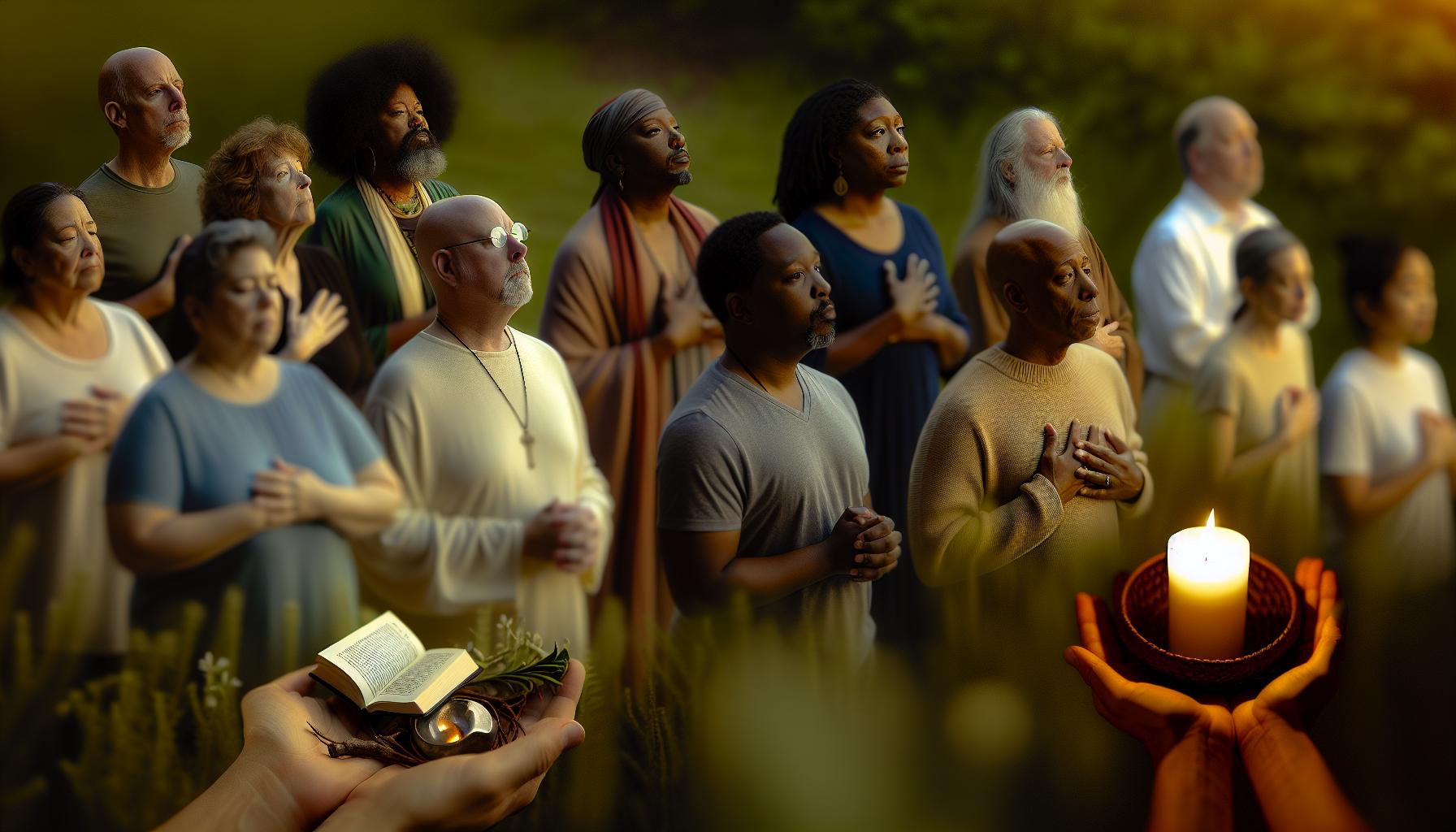
Prayer is more than just a collection of words; it is a heartfelt conversation with God that fosters intimacy and understanding. To enrich this dialogue, certain essential components can transform your prayer experience from routine recitation to a meaningful sanctuary of spiritual connection. Engaging in prayer with intention and awareness can significantly deepen your relationship with the Lord and empower your daily life.
One of the crucial elements of a meaningful prayer is gratitude. Begin by acknowledging the blessings in your life, no matter how small they may seem. As Philippians 4:6 encourages us, “In everything by prayer and supplication with thanksgiving let your requests be made known to God.” Gratitude sets a positive tone and reminds us of God’s faithfulness, helping to cultivate a heart of worship.
Another vital aspect is confession and repentance. Coming before God with a humble spirit, acknowledging our shortcomings, and seeking His forgiveness fosters spiritual growth and a closer relationship with Him. Psalm 51:10 states, “Create in me a clean heart, O God, and renew a right spirit within me.” This process not only helps us release burdens but also allows us to experience the fullness of God’s grace and mercy.
In addition, specificity in prayer encourages clarity in our requests and deepens our trust in God’s provision. Instead of broad or vague pleas, consider being direct about your needs and concerns. James 4:2 reminds us that “you do not have, because you do not ask.” Articulating clear, specific prayers not only helps in tracking God’s answers but reinforces your faith as you witness His responsiveness.
Lastly, don’t underestimate the power of listening. Prayer is a two-way street where you not only present your requests but also create space to hear from God. Proverbs 3:5-6 encourages us to lean not on our own understanding but to trust in the Lord wholeheartedly. Taking time for silence after your spoken prayers allows you to be receptive to His guidance, opening your heart and mind to the insights He may impart.
Incorporating these components into your daily prayer routine will cultivate a richer, more fulfilling conversation with God. Through gratitude, confession, specificity, and attentive listening, you will not only deepen your spiritual journey but also witness the divine transformation woven through your everyday life.
How to Create a Daily Prayer Routine

Creating a daily prayer routine is a powerful way to deepen your relationship with God and to invite His presence into your everyday life. Consistency in prayer can transform your spiritual journey, allowing you to experience God’s comfort and guidance. A well-structured routine helps you maintain focus and intentions while nurturing your faith. Here are some steps to establish a fulfilling daily prayer routine that resonates with your personal spiritual journey.
1. Designate a Specific Time and Place
Choosing a consistent time and place to pray can significantly enhance your spiritual practice. Whether it’s early morning, on your lunch break, or right before bed, find a time that works best for you. The quietness of early mornings can help you start your day with intentionality, while evenings provide a moment of reflection. Your chosen place should feel comfortable and free from distractions, whether it’s a corner of your bedroom, a garden, or a church.
2. Prepare Your Heart
Before you begin praying, take a moment to prepare your heart and mind. This could involve reading a brief passage from Scripture, meditating on a particular verse, or simply sitting in silence. This preparation sets the tone, allowing you to enter prayer with a spirit of reverence and openness. As Psalm 46:10 reminds us, “Be still, and know that I am God.” This time of stillness can help you focus on God’s greatness before presenting your requests.
3. Create a Prayer Guide
A structured approach can help navigate your prayers effectively. Consider creating a prayer list that includes topics such as gratitude, confession, specific requests, and intercessions for others. This practice helps in setting your intentions and gives you a roadmap for your prayer time. You might find it helpful to categorize your prayers into:
- Adoration: Praising God for who He is.
- Confession: Acknowledging and repenting of sins.
- Thanksgiving: Expressing gratitude for blessings.
- Supplication: Presenting your needs and the needs of others.
4. Engage in Reflective Prayer
Incorporating moments of reflection during prayer can deepen your experience. After presenting your thoughts and requests, spend time in silence to listen for God’s response. This act of listening can foster a deeper communion with Him and can guide your thoughts in alignment with His will. Jeremiah 29:12-13 encourages us, saying, “Then you will call on me and come and pray to me, and I will listen to you.” Allowing God to speak into your heart can profoundly enrich your prayer life.
As you commit to a daily prayer routine, remember that consistency is crucial, but flexibility is also important. Life can bring unforeseen challenges, so adapt your routine when necessary without losing heart. Keep a journal to track your prayers and reflect on God’s answers, transforming your daily conversations into a significant record of your spiritual journey. With time and dedication, your daily prayer will evolve into a powerful source of strength, guidance, and peace in your life.
Exploring Different Types of Prayer Practices

Prayer is a profound expression of our relationship with God, and understanding the different types of prayer practices can enrich that relationship. Each practice provides unique pathways for connecting with the divine, addressing varying spiritual needs and contexts. Whether you seek solace, guidance, or a deeper understanding of your faith, exploring these practices can lead to transformative experiences in your prayer life.
One popular practice is intercessory prayer, where believers pray on behalf of others, lifting their needs before God. This form of prayer not only showcases the compassion and love we have for one another but also fulfills the biblical mandate to bear one another’s burdens (Galatians 6:2). Consider creating a prayer list to regularly intercede for friends, family, and even strangers. This not only encourages community support but also allows you to witness God’s work in the lives of those you pray for.
Another impactful approach is contemplative prayer, which emphasizes silence and stillness in God’s presence. This practice invites us to step away from the distractions of everyday life and listen for God’s voice. Incorporating moments of silence can deepen your spiritual connection. As Psalm 46:10 encourages us, being still helps us recognize God’s sovereignty and peace. Set aside time during your daily routine to engage in this type of prayer, allowing the quiet to foster a more profound awareness of His presence in your life.
Additionally, thanksgiving and praise play crucial roles in our prayer lives. Expressing gratitude not only acknowledges God’s blessings but cultivates a heart of joy and contentment. Set aside time to reflect on and verbalize things you are grateful for, creating a habitual posture of thanks. As 1 Thessalonians 5:16-18 reminds us, rejoice always and pray without ceasing, giving thanks in all circumstances. This practice can transform our perspective and deepen our understanding of God’s grace.
Finally, scriptural prayer, where prayers are woven from verses in the Bible, can be highly effective. By praying Scripture, you align your thoughts with God’s word, reinforcing your faith and understanding of His promises. Consider choosing a verse that resonates with your current situation and use it as a foundation for your prayers, inviting God’s truth to uplift and guide you.
Exploring these diverse types of prayer not only enriches your personal faith journey but can also invigorate your communal worship experiences. As you embrace each practice with sincerity and openness, your conversations with God will deepen, fostering a transformative connection that brings peace, guidance, and joy into your life.
Scriptural Foundations: Prayers from the Bible

Prayer is a vital aspect of the Christian life, intricately woven throughout the scriptures and serving as a foundation for our relationship with God. By exploring the prayers found in the Bible, we can gain deeper insight into how to communicate with God, express our hearts, and align our will with His divine purpose. These scriptural prayers not only provide examples to follow but also inspire our personal discussions with God.
One powerful example is the prayer of Hannah in 1 Samuel 1:9-18, where she fervently petitions God for a child. Her heartfelt cry teaches us about sincerity and persistence in prayer. Hannah didn’t just make a request; she poured out her soul before God, showing that vulnerability is a vital component of meaningful prayer. When approaching God, consider what burdens you carry and don’t be afraid to express them openly.
Equally profound is the Lord’s Prayer in Matthew 6:9-13, which serves as a model for our prayers. This prayer encapsulates essential elements such as adoration, confession, thanksgiving, and supplication. By incorporating these components into our daily prayers, we create space for a holistic approach to our communication with God. Reflecting on each line of this prayer can help deepen our understanding of God’s nature and our needs.
We also find prayers filled with praise and thanksgiving throughout the Psalms. Psalm 100 encourages us to “enter His gates with thanksgiving, and His courts with praise.” This reminds us that gratitude should be at the forefront of our prayers, fostering a joyful spirit that allows us to acknowledge all that God has done and continues to do in our lives. Making a habit of expressing thanks to God not only uplifts our spirits but also aligns us closer to His heart.
Engaging with these biblically grounded prayers equips us to express our thoughts and feelings authentically. Let these examples inspire you to develop your prayer life, rooted in the truths of scripture. As you pray, allow God’s Word to guide you, fostering a transformative dialogue where His voice and your heart meet in powerful ways. By weaving scriptural truths into your prayers, you invite God’s promises into your daily life, nurturing both faith and purpose.
Incorporating Prayer into Family Life

can transform your home into a sanctuary of faith and love. Engaging in prayer as a family not only strengthens individual relationships with God but also fosters unity and understanding among family members. A study found that families who pray together report higher levels of satisfaction and stability. By making prayer a shared activity, you cultivate an environment where open communication about feelings, struggles, and joys is encouraged, creating a deeper familial bond.
Establishing Family Prayer Times
A great way to start is by setting aside specific times for family prayer. Whether it’s morning devotionals, mealtime blessings, or evening prayer, these moments can become cherished rituals that everyone looks forward to. For example, every Sunday evening could be dedicated to reflecting on the week’s events and praying for upcoming challenges. This routine can help instill a sense of spiritual rhythm in the family’s life.
- Morning Prayer: Begin the day with gratitude and guidance, inviting God into the hours ahead.
- Meal Prayer: Use mealtimes to acknowledge God’s provision and blessings as a family.
- Evening Reflection: Conclude each day by recounting blessings and seeking God’s peace for restful sleep.
Involving Everyone in Prayer
Encourage each family member to participate in the prayer process, tailoring it to their comfort levels. Younger children might express their hopes and concerns simply, while older children and adults can share more profound petitions and reflections. This inclusivity not only teaches children the importance of prayer but also helps foster a sense of ownership and responsibility in their spiritual journey.
Another effective strategy is to create a family prayer journal. Each member can contribute their thoughts, prayers, and responses. This not only tracks spiritual growth but also provides an opportunity to revisit prayers and celebrate how God answers them over time.
Prayers for Specific Situations
When faced with specific family circumstances-whether a member is struggling at school, facing health issues, or navigating a challenging relationship-gathering together to pray specifically about these matters can be incredibly uplifting. It demonstrates to children the importance of turning to God in times of need and acknowledging His power and sovereignty.
As you weave prayer into your family life, remember that it’s vital to maintain an atmosphere of love and grace. Recognize that each family member may grow in different ways and at different paces in their spiritual journey. Encouraging an environment where prayer is prized creates fertile ground for faith to flourish within the hearts of your loved ones. Let your home be a place where prayer is not an obligation but a delightful expression of love for God and each other.
Tips for Effective Prayer Journaling

The practice of prayer journaling can be a transformative and enriching experience for believers, serving as a tangible way to reflect on one’s spiritual journey. Not only does it provide a space to articulate thoughts and feelings, but it also fosters a deeper connection with God. A well-maintained prayer journal can become a cherished record of conversations with God, documenting not only requests and struggles but also blessings and answered prayers.
One effective approach to prayer journaling is to start each entry with gratitude. Begin by listing three things you are thankful for that day. This simple practice can shift your focus from worries to blessings, reinforcing the belief that God is actively at work in your life. As Paul encourages in 1 Thessalonians 5:16-18, maintaining an attitude of gratitude can deepen your prayer life and enhance your sensitivity to the Lord’s presence.
To structure your journaling sessions, consider creating prompts or categories that guide your reflections. For example, dedicate sections in your journal to various themes such as “Personal Prayer Requests,” “Scripture Reflections,” or “Blessings and Answers.” These categories can provide clarity and purpose to your journaling practice. You might create a section for poignant scripture passages that resonate with you, allowing you to intertwine God’s Word with your personal experiences. Reflecting on these scriptures can illuminate how God speaks to your current circumstances.
Lastly, don’t underestimate the power of creativity in your prayer journaling. Whether through doodles, drawings, or using different colored pens, artistic expression can enhance your engagement with God. Consider using visuals to represent your prayers or drawing out your emotions. Alternatively, incorporate prayers written by saints or authors that inspire you, integrating them with your personal prayers for a richer experience.
By approaching prayer journaling with intentionality, you create a sacred space for dialogue with God, fostering spiritual growth and a deeper understanding of His will for your life. Allow your prayer journal to be a reflection of your heart, a testament to your faith, and a resource as you continue on your journey of discovering and nurturing a relationship with the Lord.
Overcoming Common Barriers to Prayer

In our fast-paced world, prayer can sometimes feel like just another task on a never-ending to-do list, making it easy to succumb to distractions and obstacles. Many believers struggle with barriers such as busyness, doubt, feelings of unworthiness, or simply the challenge of maintaining consistency in their prayer life. Recognizing and addressing these hurdles is essential for nurturing a deeper relationship with God.
One common barrier is the illusion of busyness. It’s easy to convince ourselves that we don’t have time to pray, yet making a conscious effort to prioritize prayer can transform our daily routines. Begin by setting specific times for prayer, whether in the morning, during a lunch break, or before bed. Treat these moments as sacred appointments with God. Consider using reminders or apps that foster a prayerful mindset. Finding small, manageable intervals-like a two-minute prayer throughout your day-can seamlessly integrate prayer into your daily life without overwhelming your schedule.
Another challenge is the doubt or uncertainty that can creep into our hearts, leaving us questioning the effectiveness of our prayers. In these moments, it’s essential to turn to scripture for reassurance. Romans 8:26-27 reminds us that the Holy Spirit intercedes for us, even when we don’t have the words. When feelings of inadequacy arise, remember that prayer isn’t about eloquence or perfection but about sincerity. Approach God with your honest feelings and trust in His character and faithfulness.
It’s also not uncommon to experience feelings of unworthiness when approaching God in prayer, particularly after experiencing sin or failure. However, our worthiness stems not from our actions but from Christ’s sacrifice. Ephesians 2:8-9 reminds us that we are saved by grace through faith. When you find yourself struggling with feelings of unworthiness, remind yourself of God’s unconditional love and the access to Him that has been provided through Jesus. Embrace the truth that coming to Him in prayer is an opportunity for healing and restoration.
Lastly, consider the importance of community in overcoming prayer barriers. Engaging in group prayers or accountability partners can provide encouragement and motivation. Surrounding yourself with other believers who uplift and inspire you can rekindle your passion for prayer. Organize group prayer meetings or join a small group to foster a collective spirit of prayerfulness.
By acknowledging and addressing these common barriers, you can create a vibrant and consistent prayer life that reflects the depth of your relationship with God, leading to spiritual growth and profound transformation.
Prayers for Specific Life Situations

In life’s various seasons, prayer can be a powerful anchor, providing comfort and guidance. When facing specific situations-such as stress at work, health challenges, relationship struggles, or grief-turning to God in prayer helps align our hearts with His will, offering peace amid chaos.
Prayers for Stress and Anxiety
When overwhelmed by stress, Philippians 4:6-7 encourages us to present our requests to God: “Do not be anxious about anything, but in every situation, by prayer and petition, with thanksgiving, present your requests to God.” A simple prayer might look like this:
- Prayer for Calm: “Dear God, I feel overwhelmed right now. Please grant me peace and clear my mind so I can focus on Your presence.”
Writing down our worries can also be beneficial. After listing them, commit each one to prayer, asking God for wisdom and strength to handle each situation.
Prayers for Healing
In moments of physical or emotional pain, prayers for healing can be profoundly transformative. James 5:15 reminds us that prayer offered in faith will heal the sick. Consider praying:
- Prayer for Healing: “Heavenly Father, I ask for Your healing touch upon my body (or my loved one’s body). I trust in Your goodness and love, knowing that You are the Great Physician.”
Seeking support from others through communal prayer can amplify the impact of your requests, making the healing journey one of unity and faith.
Prayers for Relationships
Building strong, God-centered relationships takes intentional effort combined with prayer. Whether it’s a marriage in need of revitalizing or a friendship experiencing tension, the power of prayer is essential.
- Prayer for Relationships: “Lord, help me to be patient and kind. May Your love flow through me, bringing reconciliation and understanding to my relationships. Guide us back to harmony and love.”
Consider dedicating time to pray with those involved, inviting God into the conversation as a mediator and healer.
Prayers for Grief and Loss
When navigating the difficult waters of grief, it’s essential to honor your emotions and seek God’s comfort. Jesus promises comfort in Matthew 5:4: “Blessed are those who mourn, for they will be comforted.”
- Prayer for Comfort: “Gracious God, I am heartbroken over my loss. Please hold me closely and remind me of the hope we have in You. Help me to process this grief as I lean on You for strength.”
Writing prayers in a journal can also be therapeutic, helping to express feelings while strengthening your connection with God.
By incorporating these specific prayers into your life, you can cultivate a deeper dependence on God, finding strength, comfort, and guidance through the diverse challenges you face. Each situation calls for a unique conversation with God-so don’t hesitate to express your heart and rely on the Holy Spirit to guide your words.
The Role of Meditation in Deepening Prayer

Engaging in meditation can significantly enhance your prayer experience, creating a deeper and more meaningful connection with God. This practice may often be overlooked in a bustling world filled with distractions. However, taking the time to meditate allows your spirit to align more closely with the Holy Spirit, enabling you to approach prayer with a heart open to listening and receiving. By quieting your mind and focusing on God’s presence, you can foster an environment where genuine communication thrives.
One effective method of meditation is to choose a specific Scripture or prayer phrase that resonates with you. Spend a few minutes in silence, allowing the words to wash over you. Consider this passage from Psalm 46:10: “Be still, and know that I am God.” As you meditate on such verses, envision the peace that God offers and let that peace permeate your thoughts. This practice not only calms anxiety but also sets a foundation for prayer that is rooted in faith and understanding.
Incorporating meditation into your daily routine can also clarify your intentions in prayer. Before entering into your prayer time, take a moment to breathe deeply, inviting God’s presence into your space. Ask the Holy Spirit to guide you, and allow stillness to bring forth clarity. This may lead to deeper insights into your needs and the needs of others, transforming your prayer into an even more effective tool for intercession and supplication.
Ultimately, as you cultivate the discipline of meditation, you will find that your prayers become more intentional and focused. This meditative practice fosters a deeper sense of connection to God, allowing you to approach conversations with Him not just as requests, but as shared moments of communion. Such intimacy enriches your relationship with the Creator, making prayer a natural outpouring of your heart in response to His steadfast presence.
Fostering a Prayerful Community: Group Prayer Practices

Building a prayerful community can profoundly impact both individual and collective faith journeys. When believers gather to pray, it creates an atmosphere charged with spiritual energy, fostering unity and encouragement. Not only can group prayer affirm our faith in the power of God, but it also serves as a reminder that we are not alone in our struggles and aspirations. Our collective voices lifted in prayer become a powerful testimony of our faith, allowing us to experience God’s presence in a unique and profound way.
Creating a Supportive Environment
Establishing a prayer group can be as simple as inviting friends or family members to come together at a designated time each week. This can be done in person, at a local church, or even online via video calls-especially beneficial for those with busy schedules or distances to cover. The main goal is to cultivate an atmosphere of openness and trust. Start with a few simple practices:
- Set Intentions: Begin each session by sharing your intentions for prayer and any specific needs or praises you may wish to address.
- Use Scripture: Incorporate Bible verses as a foundation for your prayers. This not only teaches the group but also encourages deeper reflection on God’s Word.
- Include Variety: Mix up prayer styles during your gatherings. Include silent prayers, spontaneous prayers, and guided prayers led by different members.
This variety keeps the group dynamic fresh and engaging, catering to different personality types and spiritual preferences within the group.
Encouraging Participation
To foster an attitude of participation, encourage each member to contribute. This could be through leading a prayer, sharing a personal prayer request, or reading Scripture. Doing so helps develop leadership skills and deepens connections among participants. Celebrate milestones together, such as answered prayers or personal achievements, reinforcing the shared journey of faith.
Utilize small group discussions to reflect on how prayer is influencing individual lives. Such reflection offers a chance to celebrate God’s work and can motivate others to stay committed. For instance, you could dedicate one meeting to discussing particular biblical characters who faced challenges and how prayer played a critical role in their journeys.
Creating Lasting Impact
The benefits of a communal approach to prayer extend beyond the meetings themselves. Consider establishing a prayer chain or prayer partners to keep the momentum going during the week. This encourages ongoing support and accountability in your spiritual lives. Use technology, like group chats or apps, to share prayer requests and continue uplifting one another in daily prayer.
As your group grows, so will the impact on your community. Seek ways to extend this practice outward by organizing community prayer events or serving together in volunteer roles that emphasize prayer during service. Remember, the act of praying together is not only an opportunity for personal growth but also a pathway to encourage and uplift those around you.
In fostering a prayerful community, you create a nurturing space where faith flourishes and relationships deepen, ultimately enriching your journey with God and enhancing the collective spiritual vitality of your church or community.
Encouragement for a Consistent Prayer Life
Embracing a consistent prayer life can transform your daily routine into a profound conversation with God. Just as we depend on daily nourishment for our physical bodies, prayer provides a spiritual sustenance that nurtures our souls and strengthens our relationship with the divine. The beauty of prayer is that it isn’t defined by elaborate structures or specific words; rather, it is an open dialogue with our Creator, who desires to hear from us in every moment of our lives.
To cultivate this vital practice, consider setting clear intentions for your prayer time. Think of prayer not just as a ritual but as an opportunity for intimacy with God. Establish a dedicated space and time each day to connect-this could be in the early morning, during lunch, or before bed. Using prompts can help guide your thoughts; for instance, you might focus on gratitude, requests for guidance, or intercessions for others. Writing these down can create a deeper connection and serve as a reminder of God’s faithfulness as you revisit past prayers.
Practical Steps for Consistency
- Create a Prayer Journal: Document your prayers, thoughts, and the scriptures that inspire you. This record not only helps track your spiritual growth but also reinforces your commitment to a prayerful life.
- Incorporate Scripture: Use verses as a foundation for your requests and praises. Scriptures can guide your focus, providing comfort and encouragement as you pray.
- Engagement through Variety: Change up your approach to prayer. Engage in silent prayer, recite prayers from scripture, or reflect on prayer books to keep your engagement fresh and meaningful.
Staying Motivated
Establish accountability by sharing your prayer journey with a friend or joining a prayer group. A community of believers can uplift you, offer support, and remind you of the power of united prayer. Celebrate milestones together, acknowledging how God answers prayer, thus reinforcing the habit within the context of community.
As you commit to this pattern, remember that each prayer is not merely a task to complete but a vital part of your relationship with God. Lean into the comfort of knowing that He desires to converse with you, guiding you through each challenge and rejoicing in each triumph. With persistent prayer, you will grow not only in grace but also in love, as each conversation brings you closer to the heart of God and deepens your faith walk.
Faq
Q: What are the benefits of having a daily prayer ritual?
A: Establishing a daily prayer ritual enhances spiritual growth, provides emotional stability, and fosters a deep connection with God. It helps center your thoughts, encourages gratitude, and can significantly reduce stress by promoting peace and reflection. Consider implementing this practice alongside guidance from your spiritual community.
Q: How can I incorporate prayer into my work routine?
A: You can incorporate prayer into your work routine by setting aside specific times for brief moments of prayer or reflection throughout the day. This could include starting your workday with a prayer for guidance or taking breaks to express gratitude, boosting focus and productivity.
Q: What should I pray about on difficult days?
A: On difficult days, focus your prayers on seeking strength, comfort, and clarity. Ask for guidance to navigate challenges and express vulnerability to God. Reflect on specific scriptures that resonate with your struggles for deeper connection and comfort.
Q: How does praying for others impact my spiritual life?
A: Praying for others enriches your spiritual life by fostering empathy and community. It allows you to step outside of your own concerns and express love and support for those around you. This practice can deepen your understanding of God’s love and strengthen your faith in the process.
Q: What role does scripture play in prayer?
A: Scripture serves as a powerful foundation for prayer, providing both language and context for conversation with God. Incorporating Bible verses into your prayers can inspire and guide your thoughts, helping you articulate your needs and gratitude more fully. Explore relevant passages for added depth in your prayer life.
Q: How can families make prayer a regular part of their home life?
A: Families can make prayer a regular part of home life by setting aside specific times for group prayer, such as at meals or before bed. Encourage each family member to share their prayer requests, fostering open communication while creating a supportive environment for spiritual growth together.
Q: What are some creative ways to visualize my prayers?
A: Creative visualizations for prayer can include prayer journals, drawing representations of your prayers, or using prayer beads. These methods engage various senses and can make your prayer experience more meaningful and memorable, helping you to connect deeper with your intentions and requests.
Q: How can I overcome distractions during prayer?
A: Overcoming distractions during prayer can be achieved by finding a quiet space, setting a specific time, and perhaps using calming music or meditation techniques beforehand. Focus on breathing deeply and intentionally center your thoughts on your communication with God, which can enhance your connection and clarity.
To Wrap It Up
As you embark on your journey with “Book of Prayers: Complete Guide to Talking with God Daily,” remember that each prayer is an opportunity to deepen your relationship with God. This guide offers practical insights on how to incorporate prayer into your daily life, providing you with the tools to communicate effectively and authentically with the Creator. Don’t wait any longer-start transforming your spiritual practice today!
Explore our related resources on biblical studies and devotionals to enrich your faith further. For more practical advice on Christian marriage and parenting, check out our articles that encourage and uplift your family life. If you found value in this guide, consider subscribing to our newsletter for ongoing inspiration and community support. And don’t hesitate to leave a comment sharing your experiences or insights-your journey is important, and your voice matters. Embrace this path, and let your prayers bring you closer to God daily!


![Devoted Health Provider Portal: [Not applicable for Christian content]](https://christiancitychurch.eu/wp-content/uploads/2025/09/7285-devoted-health-provider-portal-not-applicable-for-christian-content-300x171.jpg)