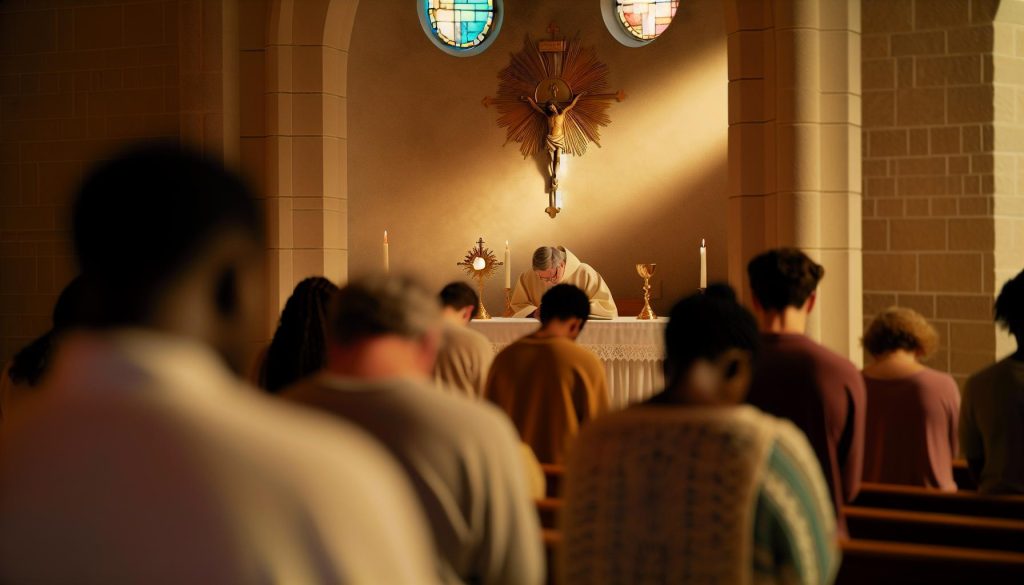
In the sacred practice of Catholic Adoration, believers are invited into intimate moments with Jesus, fostering a deep, personal connection with the Lord. This profound encounter not only enriches our spiritual lives but also offers solace amid the chaos of daily challenges. Many seek a deeper relationship with God, desiring moments of quiet reflection and prayer that can transform their lives. As you delve into “Catholic Adoration Prayers: Intimate Moments with Jesus,” you’ll discover prayers that guide your heart and mind in worship, bringing you closer to the divine. Whether you’re new to this practice or looking to deepen your experience, these moments of adoration will help nourish your faith and strengthen your resolve to live a Christ-centered life. Join us in exploring these prayers and allow them to illuminate your journey toward a richer spiritual existence.
Contents
- 1 Catholic Adoration: Understanding the Sacred Tradition
- 2 The Meaning of Adoration: A Deep Connection with Jesus
- 3 Powerful Prayers for Eucharistic Adoration
- 4 Creating an Atmosphere for Effective Adoration
- 5 Practical Tips for Engaging in Adoration
- 6 Emotional Moments: Stories of Transformation in Adoration
- 7 Incorporating Scriptural Reflections in Your Prayers
- 8 The Role of Silence and Contemplation in Adoration
- 9 Adoration and Its Impact on Personal Faith
- 10 Adoration for Families: Involving Your Children
- 11 Special Occasions: Adoration in Liturgical Seasons
- 12 Community Adoration: Strengthening Bonds in Faith
- 13 Frequently Asked Questions
- 14 Concluding Remarks
Catholic Adoration: Understanding the Sacred Tradition

Eucharistic Adoration is a profound expression of faith that has been cherished by Catholics for centuries, inviting believers into an intimate encounter with the presence of Christ. This sacred tradition encourages the faithful to spend time in prayer and reflection before the Most Blessed Sacrament, often exposed in a monstrance for all to see. Through this practice, individuals seek to deepen their relationship with Jesus, allowing His love and grace to transform them. The act of adoration draws on an understanding of Jesus’ real presence in the Eucharist, reminding participants that they are in the proximity of God Himself.
The beauty of Eucharistic Adoration lies in its simplicity and accessibility. Whether in a parish chapel or a dedicated adoration space, believers can participate in this sacred tradition individually or as a community, creating a space of prayer that is both personal and collective. During the adoration, participants often engage in various forms of prayer, including silent contemplation, vocal prayers, or meditative scripture reading, allowing their hearts and minds to align with God’s will. As noted in various resources, personal intentions may be lifted up, spiritual guidance sought, or thanksgiving offered, cultivating an atmosphere of reverence and connection with the divine [1][2].
Because Eucharistic Adoration has a rich history, nurturing a deep connection with Jesus has been a vital part of Christian spirituality for many believers. This devotion has seen resurgence in recent years, as more parishes introduce perpetual adoration, where members unite to fill hours of prayer throughout the day and night [1]. The commitment to maintain continuous prayer before the Blessed Sacrament creates strong bonds within the community, transforming individual hearts and lives in profound ways. As the faithful engage in this sacramental devotion, they often encounter moments of clarity, peace, and a renewed sense of purpose.
Ultimately, understanding the sacred tradition of Catholic Adoration invites believers to embrace a practice that not only enriches their personal faith but also strengthens their community and commitment to living out the Gospel. It serves as a reminder of God’s infinite love, encouraging ongoing dialogue through prayer and reflection, fostering a spiritual journey filled with grace and divine connection.
The Meaning of Adoration: A Deep Connection with Jesus
In the sacred stillness of Eucharistic Adoration, believers encounter a profound communion with Jesus that transcends mere moments of prayer. This intimate practice is more than just a tradition; it invites individuals into a deep, personal relationship with Christ, allowing His presence to transform and guide their lives. The heart of adoration lies in recognizing that Christ is truly present in the Eucharist, a belief that instills a sense of awe and reverence, drawing worshippers closer to the Divine. As one kneels before the Blessed Sacrament, there is an opportunity for heartfelt dialogue, where the faithful can express their joys, sorrows, hopes, and fears in the presence of Love itself.
Participating in adoration opens avenues for spiritual growth and renewal. Believers often report experiencing profound peace and clarity during these moments of contemplation, where distractions fade, and the only focus is on the divine presence before them. This sacred time can encourage introspection and self-examination, prompting individuals to align their lives with God’s will. Importantly, adoration nurtures a spirit of gratitude, as worshippers reflect on Christ’s sacrifice and the abundant grace received through the Sacrament. This central aspect of Catholic Faith invites the faithful to come as they are, whether filled with faith or struggling with doubt, knowing that Jesus welcomes them with open arms.
Moreover, the transformative power of Eucharistic Adoration can reverberate beyond personal encounters. As families and communities gather for communal adoration, bonds are strengthened, and collective faith is nurtured. This environment fosters shared experiences of God’s grace, uniting hearts and minds in worship. The shared silence gives way to shared testimonies of change, healing, and inspiration, encouraging others to deepen their spiritual journeys. Engaging in adoration together showcases the beauty of community in faith, reinforcing the message that we are, indeed, the Body of Christ.
In cultivating these moments with Jesus, Catholics embrace a profound legacy of devotion that has enriched spiritual lives for centuries. As you embark on your journey of adoration, remember that it’s a cherished opportunity to listen, reflect, and respond to Jesus’ love-an invitation to experience His grace in the most intimate way. Allow your heart and mind to be open to the divine encounters waiting for you in these sacred moments, transforming not just your own life but those around you as well.
Powerful Prayers for Eucharistic Adoration

In the sacred space of Eucharistic Adoration, prayers become a pathway to deepen our connection with Jesus, allowing His presence to envelop us in peace and healing. One of the most powerful aspects of this devotion is the opportunity to articulate our thoughts, emotions, and needs through structured prayers or spontaneous expressions of the heart. These intimate moments can transform a simple prayer into a profound encounter with the Divine.
Types of Powerful Prayers
- Personal Reflections: Begin by acknowledging Jesus’ presence in the Eucharist. A simple yet heartfelt prayer like, “Lord, I am here with you. Thank you for your love and sacrifice,” can center your heart and mind.
- Scriptural Prayers: Incorporate Bible verses to guide your intentions. For instance, Psalm 46:10, “Be still, and know that I am God,” can serve as a meditation point, drawing your focus to silence and inner peace.
- Intercessory Prayers: Bring the needs of others before Jesus. Pray for loved ones, the Church, or those suffering, saying, “Lord, I lift up to you [name or situation] and ask for your grace and healing.”
- Act of Consecration: Offer your life and the lives of your loved ones to Christ. A prayer such as, “Jesus, I entrust my family to your loving care,” can deepen this commitment.
Engaging with the Divine
Remember, powerful prayers are not limited to formal structures; many find beauty in simply talking to Jesus as a dear friend. Sharing your joys and struggles fosters a genuine relationship. The moments of silence spent after prayers can also be fertile ground for listening to God’s voice. During these contemplative phases, cultivate a heart attentive to God’s whispers, allowing the Holy Spirit to guide your thoughts.
In your prayer journey, consider creating a dedicated notebook to jot down prayers, reflections, and insights during each adoration session. This practice not only helps in tracking your spiritual growth but also serves as a reminder of the fruits of your time spent with Jesus. As you engage in these prayers, be open to the transformative power they hold-both for you and those around you. Through these intimate moments in adoration, we encounter Jesus in ways that inspire and uplift, strengthening our faith communities and guiding our spiritual journeys.
Creating an Atmosphere for Effective Adoration

Creating an effective atmosphere for Eucharistic Adoration is vital for facilitating a meaningful encounter with Christ. The environment plays a transformative role in our ability to connect deeply with God, providing a physical and spiritual space where we can focus completely on His presence. A serene, prayerful atmosphere can make all the difference in how we approach our time in the chapel.
To set the stage for effective adoration, first consider the physical surroundings. A quiet, softly lit space can encourage a sense of peace and reverence. Arrange comfortable seating to allow for relaxation without distraction, and consider gentle music or the soothing sounds of nature to create a background ambiance that nurtures reflection. If available, including elements like sacred images, candles, or floral arrangements can enhance the visual appeal, drawing your attention toward the Divine.
| Atmosphere Elements | Purpose |
| Soft Lighting | Promotes a calm and serene environment. |
| Comfortable Seating | Encourages extended periods of prayer without discomfort. |
| Sacred Images and Icons | Helps direct your attention to spiritual matters. |
| Background Music or Silence | Creates a reflective mood that facilitates prayer. |
In addition to the physical space, fostering an inner atmosphere conducive to adoration is equally important. Come prepared with a heart open to God’s presence, identifying any distractions that may disrupt your focus. Consider using a few moments of silence upon entering-taking deep breaths and consciously letting go of worries or to-do lists. This grounding practice can shift your mindset, allowing for a more profound spiritual experience.
To enrich your time in adoration, bring along a prayer journal or use devotional materials that help you engage with the Scriptures. Reflecting on passages can guide your thoughts and facilitate deeper conversations with God. Remember, effective adoration does not merely happen; it is nurtured by intentional preparation, an open heart, and a quiet spirit ready to encounter the love of Christ. By creating such an atmosphere, both physically and spiritually, you open the door to the transformative power of this sacred practice.
Practical Tips for Engaging in Adoration

Engaging in Eucharistic Adoration is a profound way to deepen your relationship with Jesus, but knowing how to make the most of this sacred time can elevate your experience. One practical tip is to arrive with intention. Before entering the chapel, take a moment to center yourself. Quiet your mind and heart by taking deep breaths and offering a short prayer, asking the Holy Spirit for guidance on how to spend this time effectively. A focused approach invites divine inspiration throughout your adoration.
Another wonderful way to engage is by utilizing a variety of prayer methods. You might consider weaving in silent reflection, spoken prayers, or even music. Having a prayer journal at hand can be beneficial; jot down your thoughts, aspirations, and the reflections that arise during your time before the Blessed Sacrament. Verses from Scripture, like Psalm 46:10, “Be still, and know that I am God,” remind you of the power of silence and the importance of simply being in His presence.
Creating a personal ritual can also deepen your experience. This might involve lighting a candle upon arrival, utilizing specific prayers or devotionals like the Divine Mercy Chaplet, or incorporating a specific Scripture passage into your prayers. Such actions can serve as a physical representation of your commitment to meeting Jesus in this sacred space.
Lastly, consider praying for others as a way of connecting with the broader community of faith. Bring along a list of prayer intentions, not only for yourself but for family, friends, and global issues. This outward focus can illuminate your heart, fostering a sense of unity and purpose in your prayer life. Engaging actively in adoration shapes it into a transformative experience, allowing you to savor those intimate moments with Jesus in a deeply fulfilling manner.
Emotional Moments: Stories of Transformation in Adoration

In the sacred silence of Eucharistic Adoration, countless believers have encountered transformative moments that radically altered their spiritual journeys. These intimate experiences are profound reminders of the presence of Jesus in the Eucharist, creating a space where faith can blossom and healing can begin. Often, these moments are shared in community, inspiring others to take that step into adoration with the hope of encountering God in a powerful way.
Consider the story of Sarah, who struggled with anxiety that often overwhelmed her daily life. One evening, she decided to visit the chapel for adoration, feeling a nudge in her spirit to seek God’s peace. As she sat quietly before the Blessed Sacrament, tears streamed down her face as she laid her burdens at His feet. In that stillness, she felt an overwhelming sense of God’s love cascading over her. Through the simplicity of her surrender, Sarah found the strength to confront her worries, and she left the chapel that night with a renewed spirit and a heart full of hope.
Such emotional moments of transformation are not rare; they are often echoed throughout the community. Many have shared how consistent time spent in adoration has led to powerful revelations during prayer. John recounts a particularly poignant evening when he felt called to open his Bible during adoration. As he flipped through the pages, a specific verse jumped out and resonated deeply with him-one that spoke directly to a tough decision he was grappling with. That night, John not only received clarity but also a profound sense of God’s guidance, reinforcing his trust in God’s plan for his life.
Making room for these transformative experiences requires intentionality in our approach to Eucharistic Adoration. Here are a few practical steps to enhance your time:
- Come with an open heart: Enter the chapel expecting God to speak to you personally.
- Reflect on your intentions: Bring specific prayer requests and be open to the unexpected.
- Share your journey: Consider forming a small group where you can share experiences and prayers, reinforcing the communal aspect of faith.
In moments of quiet contemplation, the emotional weight we carry can be lifted, revealing the gentle presence of Jesus. Whether it’s through tears of joy or surrender, the experiences of transformation in adoration serve as reminders that we are never alone on our faith journey. Each story echoes the promise that when we draw near to God, He draws near to us, ready to heal, guide, and transform every aspect of our lives.
Incorporating Scriptural Reflections in Your Prayers

Incorporating Scripture into your prayers during Eucharistic Adoration transforms your experience from mere silence to an intimate dialogue with God. The Word of God is alive and active (Hebrews 4:12), offering both comfort and challenge. By weaving specific biblical passages into your time of adoration, you not only deepen your understanding of God’s nature but also invite His Word to speak into your current circumstances, illuminating the path ahead.
Start with a few chosen verses that resonate with your heart and current life situation. For example, Psalm 46:10-“Be still and know that I am God”-reminds us to embrace tranquility in His presence. With this passage, you can sit quietly and reflect, allowing the reality of His sovereignty to settle in your spirit. Gather passages that speak of God’s love, peace, or guidance to guide your prayers. Having a small notebook during adoration can help you jot down verses that stand out or moments of inspiration that arise.
Practical Steps for Incorporating Scripture
- Preparation: Before your time of adoration, select a few passages that resonate with your intentions or areas of need. Meditating on these verses beforehand creates familiarity, making it easier to focus during adoration.
- Reading Aloud: Don’t hesitate to read the passages aloud in the chapel. Speaking His words can have powerful effects, reinforcing their truths in your heart.
- Prayerful Reflection: After reading, take time to meditate on the meaning of the verses. Ask God how He might want to apply scripture to your life at this moment.
- Journaling Insights: Write down insights or words of encouragement that come to mind as you sit in His presence. This practice not only captures your thoughts but also documents your spiritual growth over time.
Scriptural reflections invite deeper connections, as they align your heart with God’s promises and truths. In your prayers, include confessions or thanksgivings that respond to the Scripture’s teachings. For instance, if you read Matthew 11:28-“Come to me, all you who are weary and burdened, and I will give you rest”-consider thanking God for His invitation and expressing your need for His rest. This interaction fosters a deeper relationship built on trust, revealing layers of God’s love that are even more apparent in moments of quiet adoration.
By deliberately bringing Scripture into your adoration experience, you open pathways for transformation, healing, and renewed strength on your spiritual journey. Each session becomes a sacred exchange where scripture illuminates your prayers, and your heart finds rest in the profound presence of Jesus.
The Role of Silence and Contemplation in Adoration

In the sacred space of Eucharistic Adoration, silence becomes a profound teacher. It provides a unique opportunity to step away from the chaos of daily life and enter into a tranquil communion with Jesus present in the Blessed Sacrament. Within this stillness, we create a serene environment where our hearts can listen, reflect, and engage with God in a deeply personal way. Silence is not merely the absence of noise; it is an open invitation to encounter the divine and to allow God to speak to our innermost selves.
Taking time for contemplation during Adoration cultivates an awareness of God’s presence that transcends words. In the quiet moments, we can ponder our relationship with Him, acknowledge our struggles, and discern His guidance. Consider the words of Psalm 46:10, “Be still, and know that I am God.” This powerful command encourages us to embrace stillness, letting go of our anxieties and distractions. Surrendering to silence allows us to experience God’s love more fully, drawing us closer to His heart and revealing the depths of His grace.
Embracing Silence in Practice
- Find Your Quiet Space: Seek a designated place for Adoration where you can minimize distractions. A calm chapel or a peaceful corner of your home can serve as a refuge for your spiritual journey.
- Focus on Your Breathing: Start your time of silence by taking deep, intentional breaths. This practice can help center your thoughts and ease any tension, creating a perfect environment for contemplation.
- Use a Prayer Journal: As thoughts arise, jot them down in a journal. Writing can help clarify what God may be saying to you amidst the silence, and it serves as a reference for future reflection.
- Invite the Holy Spirit: Before entering silence, invite the Holy Spirit to enlighten your heart and mind. Ask for the grace to listen sincerely and to be open to whatever the Lord wishes to convey.
In these moments of silence and contemplation, we often find our hearts transformed. Many believers start to share stories of how Adoration has deepened their faith, revealing clarity in decisions and renewal in spirit. It is through this divine dialogue that we learn to trust and relinquish control, understanding more profoundly that God walks with us every step of the way. Whether we are seeking comfort, guidance, or simply a deeper relationship, silence during Adoration allows us to encounter Jesus in a powerful and intimate manner, illuminating our path and igniting our faith journey.
Adoration and Its Impact on Personal Faith

In moments of Eucharistic Adoration, the faithful encounter a unique opportunity to deepen their relationship with Jesus Christ. This sacred practice serves not only as a form of prayer and devotion but also as a catalyst for transformative personal faith. Many believers find that spending time in the presence of the Blessed Sacrament nurtures their spiritual lives, offering them clarity, peace, and a renewed sense of purpose. Just as a candle needs a flame to burn brightly, our faith thrives in the light of intimate communion with Christ.
The impact of Adoration on personal faith can be profound and multifaceted. Many individuals report experiencing a heightened sense of awareness of God’s love and presence, leading to deeper trust in Him. This trust often manifests through the courage to face personal challenges, knowing that they are not alone. For instance, someone grappling with anxiety might find solace in intentionally bringing their worries before Jesus, allowing the act of surrender to illuminate paths that were previously obscured by fear. Such encounters can foster a lasting change in the way believers approach life’s uncertainties, transforming anxiety into faith-driven action.
Practical Steps to Experience Transformation
To amplify the effects of Adoration on personal faith, consider the following practices:
- Set Intentions: Before entering Adoration, take a moment to establish what you hope to gain from the experience. Whether it’s seeking guidance, strength, or healing, articulating your intentions can help you stay focused during your time of prayer.
- Engage in Reflective Prayer: Utilize this time to engage deeply with your thoughts. Use prayers specific to Adoration, such as the Anima Christi, or simply converse with Jesus about your day’s challenges.
- Meditate on Scripture: Reflecting on relevant scripture passages, such as Matthew 11:28-30, “Come to me, all you who are weary and burdened, and I will give you rest,” invites Jesus’ words directly into your heart.
- Invite Others to Join You: Sharing the experience of Adoration enhances community and personal faith. Consider inviting friends or family to join you, fostering a collective encounter with Christ that strengthens bonds in faith.
Incorporating these practices into your Adoration time not only enriches your personal experience but also positions your heart to receive divine insights and encouragement. It is through these moments of quiet communion that many have found their faith reinvigorated and their understanding of God’s grace broadened. As believers engage consistently in Adoration, they begin to cultivate a more intimate relationship with Jesus, leading to a genuine transformation that resonates through every aspect of their lives.
Adoration for Families: Involving Your Children

Involving children in Eucharistic Adoration can be a profound opportunity for families to deepen their spiritual lives together. Children are naturally drawn to the mysteries of faith, and introducing them to the practice of Adoration not only nurtures their understanding of the Eucharist but also transforms these intimate moments into lasting memories. Imagine your little ones sitting quietly in the presence of Jesus, curiosity sparkling in their eyes as they begin to grasp the vastness of His love for them. This sacred space can become a cherished part of their spiritual upbringing.
To begin, start by explaining the significance of Adoration to your children in age-appropriate language. Utilize engaging stories or relatable examples, such as describing how Jesus is like a friend who loves us unconditionally and is always there to listen. You might say, “When we go to Adoration, we spend time with Jesus, just like how we enjoy spending time with our family.” Instill a sense of reverence by teaching them how to kneel or bow when entering the chapel, emphasizing the importance of being respectful in His presence.
Creating a Family-Friendly Environment
Here are some practical tips to make Adoration more accessible and meaningful for children:
- Bring along special items: Allow your children to bring their favorite prayer books, art supplies for drawing, or a small pillow for their knees. Having a familiar item can make them feel more comfortable and engaged.
- Set a time limit: Young children may have short attention spans. Start with brief periods, gradually increasing the duration as they grow more accustomed to the experience.
- Incorporate prayers and songs: Teach your children simple prayers or hymns they can recite or sing quietly. Familiarity with these spiritual expressions deepens their connection to the practice.
- Use visual aids: Pictures of the Eucharist or devotional icons can help spark discussions and provide visual stimuli for children to reflect upon during Adoration.
By creating a welcoming atmosphere, you help children understand the importance of regular prayer and contemplation in their spiritual journey.
Lessons Learned and Lasting Impact
Sharing experiences in Adoration as a family can lead to profound lessons about faith, love, and community. Consider discussing what each family member felt, saw, or thought during the time spent in Adoration afterward. This reflection encourages an open dialogue about their relationship with God and fosters a supportive environment for exploring spiritual questions. It can also be a beautiful time to pray together, submitting family intentions to Jesus while invoking His guidance and grace.
As children participate in Eucharistic Adoration, they learn not only about the sacramental presence of Christ but also about the values of patience and reverence. Over time, these experiences can encourage a deeper understanding of their faith, instill a sense of peace during times of stress, and nurture lifelong habits of prayer and devotion. Emphasizing the connection and love that exists in these moments can help shape their faith journeys and encourage them to return to the Blessed Sacrament throughout their lives.
Special Occasions: Adoration in Liturgical Seasons

In the vibrant rhythm of the liturgical year, Eucharistic Adoration can take on special significance during various seasons and celebrations of the Church. Each occasion invites Christians to enter into a deeper, more reflective prayer life, creating unique opportunities for spiritual growth and connection with Jesus. During these sacred times, the act of Adoration becomes more than a personal endeavor-it transforms into a communal celebration of faith, where the faithful can draw strength and inspiration from both the Eucharist and the surrounding liturgical themes.
During Advent, for instance, Adoration offers a perfect pause in the busy preparations for Christmas, allowing individuals and families to focus on the coming of Christ into the world. This season encourages prayers of anticipation and longing, where believers can meditate on the Incarnation. In these moments, one might reflect on scripture passages like Isaiah 9:6, which speaks of the coming King, and imagine the beauty of His presence during Adoration. Creating a serene atmosphere with candles or Advent wreaths can enhance this experience, drawing the heart into a state of hopeful expectation.
Lent, on the other hand, serves as a powerful period for penance and renewal. Adoration during this time can be profound, emphasizing themes of sacrifice and redemption. Believers may engage in thoughtful prayers of contrition and repentance, bringing their concerns and burdens before the Lord. Spending time in front of the Eucharist allows for reflection on Christ’s passion, fostering a deeper understanding of His sacrifice. It can be beneficial to incorporate scripture readings such as Matthew 26:36-39-where Jesus prays in the Garden of Gethsemane-inviting congregants to join in this journey of self-examination and reconciliation.
Moreover, particular feast days, like the Feast of Corpus Christi, present excellent opportunities to celebrate Adoration in a communal setting. This event honors the real presence of Jesus in the Eucharist and often includes processions, hymns, and communal prayers. Participating in these larger gatherings not only strengthens personal faith but also builds a sense of community among parishioners, underscoring the collective aspect of worship and belief.
Incorporating these special liturgical seasons and occasions into the practice of Adoration enriches the devotional life, providing varied experiences of worship and prayer. Whether in solitude or community, these moments become transformative encounters with the living Christ, inspiring deeper love and commitment to our faith.
Community Adoration: Strengthening Bonds in Faith

Gathering for community adoration is a powerful testament to the collective faith of believers, creating an environment where hearts unite in the presence of Christ. This shared experience goes beyond individual devotion; it fosters a sense of belonging and mutual support among parishioners. When individuals come together in the solemnity of the Eucharist, they not only strengthen their personal faith but also reinforce their connections with one another, reminding everyone of the church as a living body in Christ.
During community adoration, participants are encouraged to engage more deeply and share their spiritual journeys. This can be achieved through various means, such as organized prayer sessions, scripture readings, or shared meditations that invite reflection on God’s word. For instance, small groups can take turns leading prayerful petitions or sharing moments of inspiration derived from their own experiences of adoration. This collaborative aspect cultivates deeper relationships and encourages vulnerability, allowing parishioners to grow together.
Moreover, community adoration can serve as a catalyst for outreach and evangelization within the church. As families and individuals gather, they can extend invitations to friends and neighbors who might be exploring their faith or seeking connection. Such moments of worship can create a welcoming atmosphere that invites others to experience the power and peace found in the presence of Jesus. The collective prayers and intentions of a community often resonate loudly, creating an environment where the Holy Spirit can work wonders in the lives of individuals.
Incorporating elements of shared worship, such as music, silence, and celebration, can enhance the atmosphere of community adoration. Gatherings can begin with communal hymns to uplift spirits, followed by periods of silent prayer, allowing all to soak in the divine presence. This blend of fellowship and individual reflection enriches the experience, making the act of adoration not only a personal encounter with Jesus but also a beautiful expression of the Church’s wider mission. By nurturing these bonds in faith, believers not only grow as individuals but also strengthen the fabric of their community, reflecting the love and unity that Christ calls us to embody.
Frequently Asked Questions
Q: What are the benefits of Catholic Adoration prayers?
A: Catholic Adoration prayers foster a deep connection with Jesus, promoting spiritual growth and emotional healing. They create a serene atmosphere for reflection, help build community faith, and can strengthen personal relationships with God through intimate moments of worship and gratitude.
Q: How can I prepare for Eucharistic Adoration?
A: Preparing for Eucharistic Adoration involves setting aside time for quiet prayer, choosing a comfortable and peaceful environment, and bringing along a journal for reflection. Engaging in these practices can enhance your focus and spiritual openness during your time of adoration.
Q: When is the best time for Adoration?
A: The best time for Adoration often depends on personal schedules and church offerings. Many find early mornings or evenings effective, as these times offer a peaceful setting. Check your local parish for specific Adoration hours, and consider quiet moments when distractions are minimal.
Q: Can children participate in Adoration?
A: Yes, children can and should participate in Adoration! Involving them can strengthen their faith and understanding. Implement simple prayers or engage in silent reflection with age-appropriate activities, fostering a family-friendly atmosphere of faith and reverence during Adoration.
Q: What prayers can I use during Adoration?
A: You can use traditional prayers like the Rosary or custom prayers addressing personal needs and thanks. Incorporating Scripture reflections enhances your experience, as it grounds your intentions in God’s Word. For examples of specific prayers, refer to the section on Powerful Prayers in our article.
Q: What role does silence play in Eucharistic Adoration?
A: Silence is vital in Eucharistic Adoration, allowing for contemplation and listening to God’s voice. It helps quiet the mind and fosters a deeper spiritual connection. Utilize moments of silence to reflect on personal thoughts, prayers, or Scripture to enrich your experience of Adoration.
Q: How can I incorporate Scripture into my Adoration prayers?
A: Incorporating Scripture involves selecting passages that resonate with you, meditating on them during Adoration, and using them as a conversation starter with Jesus. This practice deepens your prayer life and personal engagement with God’s Word, enhancing the overall Adoration experience.
Q: Why is community Adoration important?
A: Community Adoration strengthens bonds among parishioners, encouraging collective prayer and shared faith experiences. It fosters a sense of belonging and support, allowing individuals to witness the power of worship together, thereby enriching the spiritual life of the whole community.
Concluding Remarks
As you conclude your journey through “Catholic Adoration Prayers: Intimate Moments with Jesus,” remember that these heartfelt prayers are not just words; they are pathways to a deeper relationship with Christ. Engaging in Eucharistic Adoration allows you to experience profound peace and insight, enriching your spiritual life and guiding your daily decisions. Don’t let this moment end-commit to a regular practice of prayer and reflection in front of the Eucharist, and invite friends and family to join you in this beautiful devotion.
For those seeking more ways to deepen their faith, explore our articles on the power of prayer and spiritual reflection guides that can elevate your experience in Adoration. Consider signing up for our newsletter to receive inspiration directly to your inbox, ensuring you never miss an opportunity to grow spiritually. Your journey in faith is just beginning-stay connected and dive deeper into the love of Christ!


![Devoted Health Provider Portal: [Not applicable for Christian content]](https://christiancitychurch.eu/wp-content/uploads/2025/09/7285-devoted-health-provider-portal-not-applicable-for-christian-content-300x171.jpg)