In a world filled with distractions and uncertainty, the power of prayer remains a vital source of peace and strength for believers. The “Catholic Book of Prayers: Essential Collection for Daily Faith” serves as a guiding light, offering a rich variety of prayers that nurture one’s spiritual journey. This essential collection not only provides words for communication with God but also cultivates a deeper understanding of faith, encouraging individuals to connect with their Creator amidst daily challenges.
By incorporating structured prayer into your routine, you can find solace, clarity, and purpose each day. Whether you seek solace during times of distress, gratitude in moments of joy, or wisdom in life’s decisions, this collection is crafted to meet your spiritual needs. Prepare to embark on a transformative journey that invites you to explore the depths of your faith and deepen your relationship with God, enriching your daily life in profound ways. Let each prayer inspire you to live a Christ-centered life, fully aligned with His will and filled with hope.
Contents
- 1 The Importance of Daily Prayer in Catholic Life
- 2 Must-Have Prayers for Morning and Evening
- 3 Exploring the Richness of Traditional Catholic Prayers
- 4 Prayers for Personal and Family Reflection
- 5 Essential Novenas and Their Spiritual Benefits
- 6 Incorporating Sacramentals into Your Prayer Life
- 7 Understanding the Liturgical Year and Its Prayers
- 8 Crafting Your Own Personal Prayer Experience
- 9 Intercession and Advocacy Through Prayer
- 10 Guidance for Prayerful Parenting and Family Growth
- 11 Connecting with Scripture: Prayers Inspired by the Bible
- 12 Elevating Your Spiritual Life with Daily Devotionals
- 13 Frequently Asked Questions
- 14 In Conclusion
The Importance of Daily Prayer in Catholic Life
Incorporating daily prayer into one’s life is not merely a ritualistic undertaking; it is a profound expression of faith that serves as a lifeline to the divine. For Catholics, this practice is vital, anchoring their spiritual journey in a world that often feels chaotic and overwhelming. Engaging in daily prayer cultivates a deeper relationship with God, providing strength and guidance as believers navigate the complexities of life. By dedicating time each day to communicate with God, individuals find solace, courage, and clarity-attributes that foster resilience and hope.
One significant aspect of daily prayer is the sense of community it fosters, both individually and collectively. When members of a parish engage in prayer, they unify their intentions and draw closer not only to God but also to one another. This communal aspect enhances the spiritual experience, creating bonds through shared faith and strengthening the fabric of the Catholic community. For families, establishing a routine of prayer together can reinforce shared values and foster a deeper understanding of faith, making it an essential practice in nurturing spiritual growth at home.
Moreover, the practice of prayer is foundational in navigating life’s challenges. During moments of uncertainty or distress, turning to prayer offers comfort and a framework for reflection. The Psalms, for example, provide ancient prayers that resonate through time, helping individuals articulate their struggles and aspirations. Catholic prayer practices, such as the Rosary or daily Mass, serve as powerful tools for meditation, allowing believers to immerse themselves in the mystery of faith and draw strength from the sacraments. As Christians embrace these moments of prayer, they not only express their needs but also open their hearts to the transforming power of God’s grace.
In conclusion, cannot be overstated. It serves as the spiritual foundation that enriches personal faith journeys, deepens communal bonds, and provides guidance through the trials of life. As Catholics commit to a life of prayer, they cultivate a vibrant relationship with God, paving the way for a more fulfilled and centered existence.
Must-Have Prayers for Morning and Evening
In the rhythm of daily life, finding moments to pause and connect with God is crucial for nurturing spiritual health. Morning and evening prayers serve as bookends to our day, grounding us in faith, gratitude, and purpose. Starting and ending each day with prayer reinforces our reliance on God’s grace and invites His presence into our lives, allowing us to face the day’s challenges with renewed strength and take stock of our experiences before resting for the night.
Morning Prayers to Start Your Day
Morning prayers are an opportunity to set intentions and seek guidance for the day ahead. A simple yet profound practice is to recite the “Morning Offering,” which dedicates the day’s tasks to God’s service. This prayer can be personalized to include specific intentions for the day or the needs of others. Additionally, including scripture readings, such as Psalm 118:24, “This is the day that the Lord has made; let us rejoice and be glad in it,” encourages a positive mindset and prepares the heart for engagement with the world.
- The “Our Father” to seek divine guidance.
- A moment of silence to listen for God’s voice.
- Prayers for specific intentions, asking for support and strength.
Evening Reflections to End Your Day
As the day winds down, evening prayers offer a sacred space for reflection and gratitude. This can include the “Examen,” a traditional Ignatian practice that invites believers to review the day, recognize God’s presence, and contemplate moments of grace. Speaking from the heart in your own words, thanking God for blessings and asking forgiveness for moments of weakness helps to clear the mind and soul before rest.
- Thanksgiving for the day’s experiences and lessons.
- Repentance for shortcomings and a plea for peace.
- A prayer asking for restful sleep and protection through the night.
Embracing these sacred moments in the morning and evening allows Catholic believers to weave prayer seamlessly into their daily lives, becoming a practice that nurtures a deeper relationship with God. By intentionally choosing to engage in these prayers, individuals not only anchor themselves in faith but also cultivate a spirit of peace and focus that transcends the busyness of life.
Exploring the Richness of Traditional Catholic Prayers
Catholic tradition is deeply enriched by a tapestry of prayers that span centuries, serving as spiritual tools for individuals and communities alike. Each prayer holds profound meaning, inviting the faithful to connect with God in various ways-whether through supplication, thanksgiving, or meditation. The beauty of traditional prayers lies in their ability to transcend time and culture, providing a framework for personal reflection and communal worship that has guided countless believers on their spiritual journeys.
One of the most cherished aspects of these prayers is their accessibility. For instance, the “Hail Mary” and the “Our Father” are not just recited but are also meditated upon, encouraging a deeper understanding of Christ’s life and teachings. Engaging with these prayers can inspire a sense of peace and purpose, especially when integrated into daily routines. By reciting such prayers, individuals can immerse themselves in a rhythm of grace that refocuses the heart and mind amid life’s challenges. The collective memory of the Church is woven into these prayers, making them sources of strength and solace for both personal struggles and communal worship.
Moreover, the inclusion of prayers from the rich liturgical calendar-like those for Advent, Lent, and Feast Days-can enhance one’s spiritual practice, allowing believers to rhythm their lives with the seasons of the Church. These prayers often draw on scriptural truths, making them powerful avenues for divine connection. For example, during Lent, prayers of repentance and foresight not only help to prepare hearts for Easter but also remind the faithful of the overarching themes of sacrifice and resurrection present throughout the entire Christian experience.
Integrating traditional prayers into daily life doesn’t have to be daunting; it can simply begin with a few minutes each day to contemplate their meanings. Utilizing resources such as a Catholic Book of Prayers can assist individuals in discovering new prayers or rediscovering forgotten ones. By reflecting on these prayers, believers can experience renewal in their faith and develop a richer relationship with God, grounding their lives in the timeless truths found within these sacred texts.
Prayers for Personal and Family Reflection
In the hustle and bustle of everyday life, finding moments of peace and reflection can seem challenging, yet it is these very moments that nourish our spiritual growth and deepen our connection with God. Regular prayer, especially framed within the context of family life, serves as a cornerstone for building lasting faith and unity among loved ones. When families gather to pray, they create an intimate space for sharing hopes, concerns, and gratitude, fostering an environment where each person feels heard and cherished. Embracing the practice of prayer encourages individual and collective reflection, enabling family members to grow in understanding and love.
Utilizing a Catholic Book of Prayers can greatly enhance this practice, offering a wealth of prayers tailored for personal and familial reflection. Here are a few suggestions to incorporate into daily or weekly routines:
- Morning Offerings: Begin the day by acknowledging God’s presence with prayers such as the Morning Offering, expressing gratitude and commitment to living in His grace.
- Family Rosary: Set aside time in the evening to pray the Rosary together, a beautiful way to meditate on the life of Christ while fostering unity and devotion.
- Gratitude Journaling: Encourage family members to write down daily blessings and prayer intentions, sharing them with each other to cultivate a spirit of thankfulness.
- Bedtime Prayers: Establish a routine where everyone shares a prayer before sleep, creating a comforting atmosphere that reinforces faith as part of everyday life.
By intentionally choosing prayers that resonate with personal experiences and family dynamics, you’ll find that reflection becomes more profound and meaningful. Moreover, selecting prayers that reflect the liturgical seasons-like Advent or Lent-will keep the family engaged with the rhythms of the Church year, linking everyday lives to the greater story of salvation.
As you navigate the journey of faith together, encourage one another to explore and share personal reflections or insights gained through prayer. Consider discussing how certain prayers have impacted your lives or how they may address current challenges facing the family. Such open dialogues can cultivate deeper relationships, transforming occasional prayers into a powerful expression of collective faith.
Incorporating prayer into the fabric of family life not only strengthens each member’s faith but also lays a solid foundation for the younger generations. By embodying a prayerful life, parents can model steadfastness and devotion, guiding their children into an ever-closer relationship with God. Let this practice of prayer be a source of hope and strength as you nurture a spiritually vibrant home.
Essential Novenas and Their Spiritual Benefits
Novenas are powerful and transformative prayers, rooted in the Catholic tradition, that consist of nine days of prayer, typically focused on specific intentions or novena saints. They serve not only as a means of petitioning for specific graces but also as a profound spiritual exercise that nurtures the soul in a communal aspect of faith. The very structure of a novena invites participants to engage with God in a deeper way, fostering a sense of anticipation and hope.
By committing to pray a novena, individuals dedicate time to reflect on their faith, intentions, and the lives of the saints they invoke. For instance, the Novena to St. Jude is especially popular among those seeking intercession in desperate situations, prompting many to turn to his guidance during challenging times. This act of focused prayer can unite believers, providing comfort and encouragement as they share their experiences and intentions with one another.
The benefits of novenas extend beyond immediate petitions; they can lead to a deeper understanding of the virtues and characteristics of the saints being honored. For example, the Novena to the Sacred Heart of Jesus emphasizes love, mercy, and compassion, encouraging participants to embody these traits in their daily lives. Additionally, many novenas include meditations and reflections that inspire personal growth and spiritual insight, enriching one’s journey of faith.
When participating in novenas, consider involving family members or friends, transforming this spiritual practice into a meaningful community experience. Gather together for prayer, share intentions, and discuss the significance of the novena. This shared journey allows for collective growth in faith and understanding while reinforcing the bonds of community. In essence, the spiritual benefits of novenas resonate far beyond those nine days, often leading to lasting change and deeper faith in the lives of those who commit to this practice.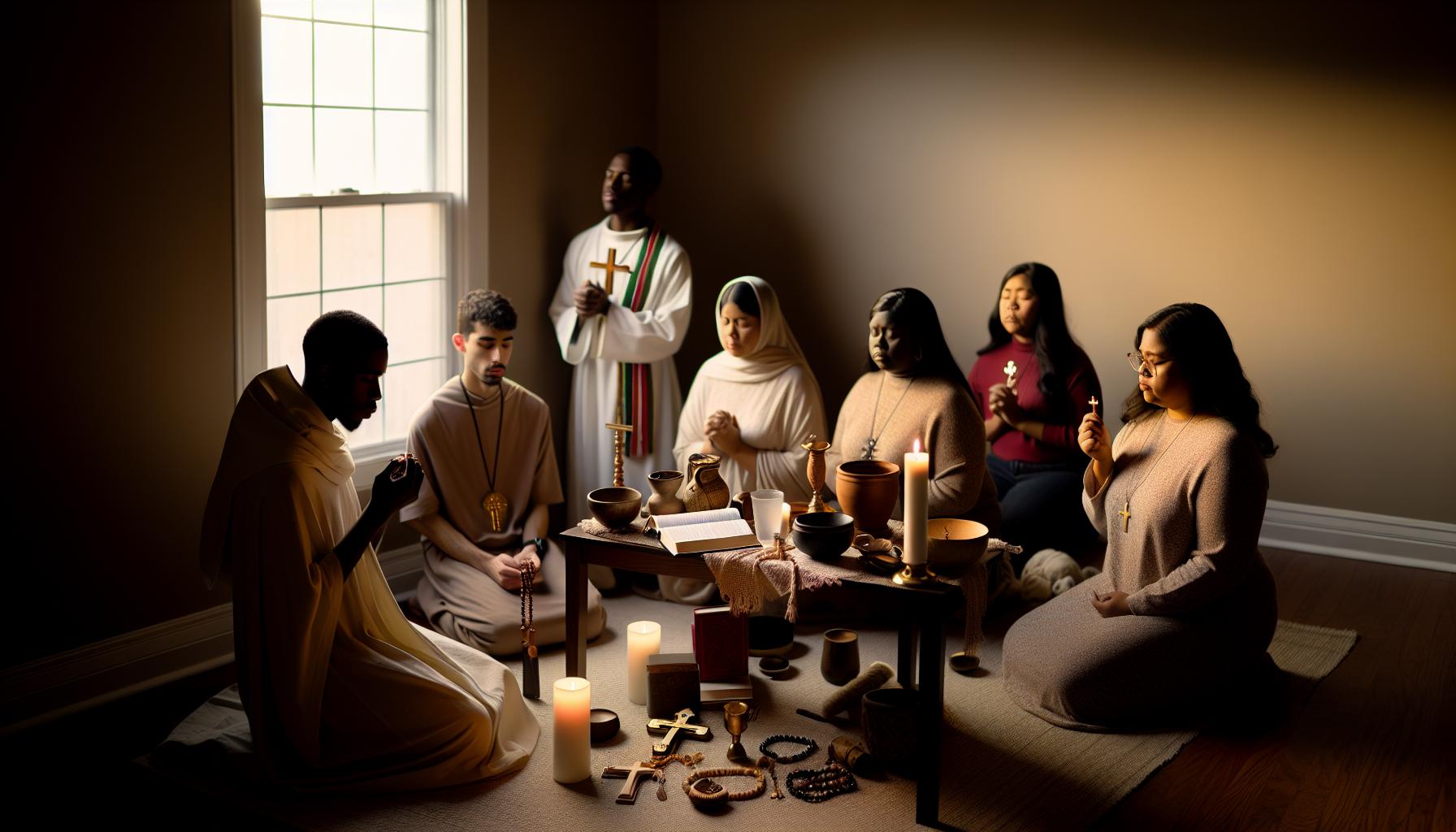
Incorporating Sacramentals into Your Prayer Life
can enrich your spiritual journey, creating tangible connections between the physical and the spiritual. Sacramentals, which include items such as holy water, rosaries, crucifixes, and medals, serve as visual reminders of our faith and the grace of God. They are not magical objects, but channels of grace, inviting us to deepen our relationship with God. Integrating these elements into your daily routines can make your prayer life more meaningful and focused.
One effective way to incorporate sacramentals is by setting up a dedicated prayer space in your home. This area can feature a small altar adorned with crucifixes, statues of saints, or candles. When you approach this sacred space, it helps to foster an atmosphere conducive to prayer and reflection. For example, lighting a candle while reciting a prayer can symbolize bringing your intentions to God, while the flickering flame serves as a reminder of Christ, the Light of the World.
Using a rosary is another powerful practice that not only aids meditation but also connects you with the broader tradition of the Church. As you pray the rosary, each bead represents a prayer, and meditating on the mysteries can guide your reflections, drawing your heart and mind closer to God. It’s also a wonderful way to involve family members-praying together can strengthen bonds and create a shared faith experience.
Additionally, consider carrying small sacramentals, such as a saint medal or a prayer card, in your wallet or purse. These can serve as reminders throughout your day to pause and seek the Lord, invoking the intercessions of the saints when faced with challenges or decisions. By weaving sacramentals into the fabric of your daily life, you create an environment that nurtures spiritual growth, reminding you that you are always in God’s presence.
By thoughtfully , you can enhance your faith journey, deepen your relationship with God, and cultivate a vibrant spiritual rhythm that nourishes both you and your family.
Understanding the Liturgical Year and Its Prayers
The rhythm of the liturgical year serves to guide Catholics through the cycle of Christ’s life, inviting believers to immerse themselves in His mysteries and graces throughout the year. This structure not only informs the community’s worship but also enriches personal prayer life, as each season presents unique themes and prayers that deepen one’s relationship with God.
During Advent, for instance, the anticipation of Christ’s birth is highlighted through specific prayers and reflections that prepare the heart for this joyous event. Families might engage in daily prayers or special devotions, such as the Advent wreath or a calendar of prayers leading up to Christmas. As believers gather for Mass, the readings and prayers reflect the hope and preparation central to this season, fostering an environment of expectation and spiritual growth.
In the joyous season of Easter, the prayers shift to reflect resurrection and renewal. The prayers of the faithful echo with themes of joy, hope, and the promise of eternal life, allowing believers to celebrate the miraculous events of Jesus’ resurrection. Incorporating traditional Easter prayers and communal worship experiences can serve as powerful reminders of the transformative nature of faith.
Throughout the year, various feast days and solemnities offer additional opportunities for prayer and reflection, often honoring saints who exemplify virtues relevant to the Church’s mission. Engaging with these prayers can help guide personal intentions and enhance understanding of the Church’s rich heritage.
Moreover, as you navigate through each season, consider creating a prayer plan that aligns with the liturgical calendar. This can include selecting prayers that correspond with the readings of the season, utilizing resources like the Catholic Book of Prayers for focused reflections, and participating in seasonal novenas that invite deeper engagement.
Using the liturgical year as a framework for prayer not only provides structure to daily devotional practices but also cultivates a deeper sense of belonging within the larger community of faith, ultimately nurturing a spiritually vibrant life rooted in Christ’s teachings.
Crafting Your Own Personal Prayer Experience
In today’s fast-paced world, many people wrestle with finding the time and space for personal prayer, yet it is within this sacred practice that Christians often find the deepest connection to God. Crafting a personalized prayer experience allows you to go beyond rote recitation, enriching your spiritual journey and aligning it with your unique circumstances and needs. By incorporating elements from the Catholic Book of Prayers, you can create a prayer routine that resonates with your heart, fosters intimacy with God, and nourishes your faith.
Begin by setting aside specific times for prayer that fit seamlessly into your daily routine. Early mornings or quiet evenings can provide the perfect backdrop for reflection and communion with God. In these moments, utilize prayers that speak specifically to the joys and challenges you face. For example, you might begin your day with a morning offering or the Lord’s Prayer, offering your intentions for the day ahead. In the evening, reflect on your day with prayers of gratitude or the examination of conscience, inviting the Holy Spirit to guide your reflections.
Incorporating Scripture and Reflection
Integrating Scripture into your prayer practice enhances your understanding and connection to God’s word. Choose a verse or passage that resonates with you, and meditate on it while praying. You might also consider keeping a prayer journal where you can write down prayers, reflections, and any insights you glean during these quiet times. This not only helps you articulate your thoughts but also allows you to witness your spiritual growth over time.
- Engage with the Psalms: These ancient prayers can speak to various emotions, from joy to sorrow, guiding your own words when you feel you lack them.
- Use Novenas Wisely: Selecting relevant novenas can deepen your prayer life and provide a focused intention for specific needs or desires.
- Exploration of Themes: Align your prayer sessions with themes from the liturgical calendar, allowing you to fully immerse in the life of Christ throughout the year.
Assembling your spiritual toolbox, consider incorporating specific sacramentals, like rosaries or holy cards, that can ground your prayers and make them more tangible. Lighting a candle as you pray can create a physical reminder of Christ’s presence, enhancing your focus and intent.
In personal prayer, authenticity is key. Speak to God as you would to a trusted friend-expressing your doubts, fears, and gratitude openly. By doing so, you foster a relationship that is both intimate and transformative. Keep in mind that creating a fulfilling prayer experience may evolve over time; what resonates now may shift as your life circumstances change, so remain flexible and attuned to the Holy Spirit’s guidance.
Through this crafted personal prayer experience, you can develop a resilient spiritual framework that not only supports your relationship with God but also nurtures your overall well-being and sense of purpose as you navigate the challenges and blessings of life.
Intercession and Advocacy Through Prayer
In the life of a Catholic, stand as pillars of spiritual practice and communal growth. These acts not only serve to deepen one’s personal relationship with God but also extend our faith beyond ourselves, inviting grace into the lives of others. Whether praying for a loved one facing hardships or interceding for broader society, each prayer lifts intentions directly to the heart of our Father, who welcomes and cherishes our earnest supplications.
Intercessory prayer is a way to embrace the collective nature of our faith. By praying for others, we engage in an act of love that mirrors Christ’s own compassion, reminding us that we are part of a larger community-the Body of Christ. Utilize the rich resources found in the Catholic Book of Prayers, selecting specific prayers that resonate with your intentions. Prayers such as the Prayer of Saint Gertrude, which offers a mighty plea for souls in purgatory, or the Litany of the Saints, which invokes the powerful intercession of holy figures, can greatly enhance your advocacy.
Additionally, consider setting aside time each week to focus on intercession in your prayer routine. This could be as simple as making a list of individuals or groups in need-whether they are family members, friends, or global issues-and bringing them before God. Engage your family in this practice, fostering a spirit of prayerful advocacy that can transform your home into a sanctuary of support. Encourage each family member to suggest intentions, thereby creating a shared bond through prayer, enriching both personal and communal faith life.
Lastly, reflect on the timeless words of James 5:16, which remind us that “the prayer of a righteous person is powerful and effective.” Each prayer offered in faith is not just a request but a divine conversation, one that can alter circumstances and bring about healing and restoration. Embrace this transformative power, knowing that your intercessions reflect your love for God and for others, reinforcing the idea that we are all called to be advocates of grace in our daily lives. Through dedicated intercessory prayer, we not only serve others but grow in our understanding of God’s boundless mercy and love.
Guidance for Prayerful Parenting and Family Growth
In today’s fast-paced world, creating a spiritually enriching environment for your family can sometimes feel like a daunting task. However, integrating prayer into the daily rhythm of family life not only nurtures spiritual growth but also fosters stronger bonds among family members. Establishing a habit of prayer can serve as an anchor, guiding families through both joyful and challenging times. Here are some strategies to help you cultivate a prayerful atmosphere at home.
Incorporating Daily Prayer
Start by designating specific times for family prayer each day, such as during breakfast or just before bedtime. This consistency allows everyone to anticipate and prepare for this sacred time. Involve your children in the prayer process by having them choose or read prayers from the Catholic Book of Prayers. This not only makes them feel included but also encourages them to express their own thoughts and gratitude.
- Morning Prayers: Kickstart the day by praying for guidance and strength.
- Evening Reflections: Conclude the day with gratitude, recounting the blessings and challenges faced.
- Weekly Family Prayer Night: Dedicate one night a week for deeper prayer and spiritual discussion.
Engaging in Prayerful Activities
Turn prayer into a family project, encouraging everyone to participate in prayerful activities. Create a prayer jar where each family member can write down their intentions or prayers for others. On a designated day, gather together to read these aloud, fostering a sense of community and shared faith.
Another enriching practice is to celebrate liturgical events together, using the rich prayers associated with each season of the Church year. Advent and Lent are excellent times to introduce specific prayers and reflections, making it a family tradition to explore their meanings and significance.
Modeling Prayerful Behavior
Children learn by example, so model a prayerful lifestyle by demonstrating your own devotion. Share with them the prayers that resonate with you-be it a simple “thank you” to God for the day or more structured prayers from the Catholic tradition. Engage in discussions about the importance and impact of these prayers, helping them understand that their conversation with God can be both formal and informal.
Additionally, include scriptural teachings that align with your family’s values. Reading relevant Bible passages before praying can encourage deeper reflections and lead to heartfelt discussions about faith, morality, and life’s challenges.
Encouraging Family Spiritual Growth
As your family delves deeper into prayer, consider exploring the variety of novenas and sacramentals available in the Catholic tradition. You may find that certain novenas resonate more profoundly with your family members’ experiences and intentions. Participating in these together not only deepens individual spiritual journeys but also strengthens familial ties.
Ensure your home is filled with symbols of your faith-icons, crucifixes, or prayer cards can serve as visual reminders to turn to God in prayer regularly. As your family grows in faith and prayer, you’ll foster an environment where everyone feels safe bringing their concerns to God, simultaneously developing a warm and nurturing home filled with love and support.
By weaving prayer into the fabric of your family life, you create a foundation for not only spiritual growth but also emotional and relational development, allowing both parents and children to grow closer to God and to each other.
Connecting with Scripture: Prayers Inspired by the Bible
Prayer is an essential component of the Catholic faith, and connecting with Scripture enhances the authenticity and depth of our dialogue with God. When we allow the Word of God to guide our prayers, it not only enriches our spiritual practice but also aligns our hearts with divine truths. Many traditional prayers in the Catholic tradition are deeply rooted in biblical texts. For instance, prayers inspired by Psalm 23 remind us of God’s everlasting presence and care, prompting reflections of peace and comfort amidst our daily challenges.
Incorporating Scripture into daily prayers can take many forms. You might consider starting each prayer session by reading a specific passage that resonates with your current circumstances or spiritual needs. This can be especially powerful when you face trials; using verses like Philippians 4:6-7 can center your mind: “Do not be anxious about anything, but in every situation, by prayer and petition, with thanksgiving, present your requests to God.” Such practices transform ordinary moments into extraordinary encounters with God, deepening your reliance on Him through His Word.
Additionally, creating a habit of reflecting on a verse while praying can guide your intentions. For families, sharing a daily Bible verse and discussing its meaning prior to prayer can foster understanding and bond family members. For example, you could choose a different verse each week, journaling about how it applies to your life or the lives of each family member. This focus on Scripture not only leads to personal growth but also nurtures a supportive environment where everyone can share their insights and prayers.
As you delve into this enriching practice, consider using resources like the Catholic Book of Prayers to find prayers that correlate with specific Bible verses or themes. This resource can be instrumental in aligning your daily prayers with the Church’s liturgical seasons, cultivating a deeper connection to your faith and the rhythm of the Church year. Whether through reciting traditional prayers infused with Scripture or crafting your own inspired by the Bible, this approach invites God’s Word into the heart of your prayer life, transforming your faith journey into an even more profound and intimate relationship with Him.
Elevating Your Spiritual Life with Daily Devotionals
Daily devotionals serve as anchors in a hectic world, providing intentional space for reflection and connection with God. They help believers develop a disciplined prayer life that fosters spiritual growth and deepens their faith. Using resources like the Catholic Book of Prayers can guide this daily practice, offering structured yet flexible approaches to nurture a stronger relationship with God.
Integrating Prayer and Reflection
Prayer is not merely a petition to God but an avenue for dialogue that combines gratitude, worship, and scriptural reflection. When utilizing daily devotionals, consider setting aside a specific time each day-perhaps in the morning, when the day is new, or in the evening, when you can reflect on daily events. This consistency helps cultivate an environment of tranquility and receptiveness. Begin your devotional time by reading a prayer or reflection from the Catholic Book of Prayers, allowing it to center your thoughts and open your heart to God’s presence.
To make the most of your devotional time, you might also keep a journal. Documenting your prayers, thoughts, and reflections not only enhances your focus but also allows you to track your spiritual journey over time. Aim to write down any insights or feelings that arise as you pray, which can serve as a reminder of God’s faithfulness during challenging times.
Engaging with Sacred Texts
Incorporating Scripture into your daily devotionals can enrich your experience significantly. Reading passages that resonate with your current life circumstances invites deeper understanding and personal connection. For instance, you could align your readings from the Bible with the theme of the day’s prayer. This dual approach anchors your prayer life in the Word of God, making each interaction with Him more profound and meaningful.
As you reflect on Scripture, consider asking yourself questions like:
– How does this passage challenge me?
– What message is God revealing to me through this text?
– How can I apply this teaching in my daily life?
These reflections can transform your devotionals from routine to sacramental, where each moment spent in prayer becomes an opportunity for personal and spiritual transformation.
Creating a Community of Prayer
Your devotional practices can be further strengthened by sharing them with others. Forming a small prayer group or engaging in family devotionals allows for shared insights and collective prayers. The communal aspect not only enriches your own experience but also fosters fellowship and support among members, creating a nurturing environment where faith can thrive. You could rotate the leadership of the group, allowing each person to share their favorite prayers and reflections, further enhancing the communal journey of faith.
In summary, elevating your spiritual life through daily devotionals requires intention, engagement, and community. By incorporating structured prayers, reflection on Scripture, and the support of fellow believers, you deepen your relationship with God and enhance your overall spiritual well-being. Embrace this sacred practice and experience the transformative power of prayer in your life.
Frequently Asked Questions
Q: What are the key benefits of daily prayer in the Catholic faith?
A: Daily prayer nurtures a closer relationship with God, enhances spiritual awareness, and provides emotional support. It fosters a habit of reflection and gratitude. For deeper understanding, explore “The Importance of Daily Prayer in Catholic Life” in our article.
Q: How can I incorporate traditional Catholic prayers into my daily routine?
A: You can incorporate traditional prayers by setting specific times for prayer each day, such as morning and evening. Using a prayer book can help guide you through these prayers. Check out “Must-Have Prayers for Morning and Evening” for recommended prayers.
Q: What role do novenas play in Catholic prayer life?
A: Novenas are special prayers recited over nine days, focusing on specific intentions. They strengthen faith and offer communal support. For insights on essential novenas, refer to “Essential Novenas and Their Spiritual Benefits” within our collection.
Q: How can I adapt my prayer practices for family involvement?
A: Engaging the family in prayer can be enriching. Create a prayer schedule, use family-friendly prayers, and involve children in reading. Discover more in “Guidance for Prayerful Parenting and Family Growth,” which offers practical tips.
Q: What are some prayers for personal reflection in everyday life?
A: Daily prayers for personal reflection include the Act of Contrition and prayers for guidance and wisdom. Incorporating these can deepen personal insight. Refer to “Prayers for Personal and Family Reflection” for additional resources.
Q: How do sacramentals enhance prayer experiences?
A: Sacramentals, including rosaries and holy water, elevate prayer by providing tangible connections to faith. They remind individuals of the sacred. Learn more about incorporating sacramentals in “Incorporating Sacramentals into Your Prayer Life.”
Q: When is the best time to pray according to the Catholic tradition?
A: The best times for prayer are traditionally in the morning upon waking and in the evening before sleep, allowing for reflection on the day’s events. Reference “Must-Have Prayers for Morning and Evening” for structured prayer ideas.
Q: What is the significance of connecting prayers to scripture?
A: Linking prayers to scripture enriches understanding and application of God’s word in daily life. It cultivates a deeper spiritual journey. Explore “Connecting with Scripture: Prayers Inspired by the Bible” for more insights.
In Conclusion
Thank you for exploring the “Catholic Book of Prayers: Essential Collection for Daily Faith.” This resource is designed to enrich your prayer life, deepen your devotion, and guide you on your spiritual journey. Remember, your daily connection with God through prayer can transform your faith and bolster your resilience in life’s challenges. We encourage you to dive deeper into related topics such as our articles on Christian marriage and parenting guidance to further enhance your understanding of living a biblically-grounded life.
If you found inspiration here, don’t hesitate to subscribe to our newsletter for ongoing insights and resources directly to your inbox. Your spiritual growth matters, and we’re here to support you every step of the way. Share your thoughts below, and let us know how this collection has impacted your faith journey. For additional prayers, devotionals, and spiritual practices, visit our dedicated sections to keep nurturing your relationship with God. Together, let’s continue to grow in faith and community.


![Devoted Health Provider Portal: [Not applicable for Christian content]](https://christiancitychurch.eu/wp-content/uploads/2025/09/7285-devoted-health-provider-portal-not-applicable-for-christian-content-300x171.jpg)