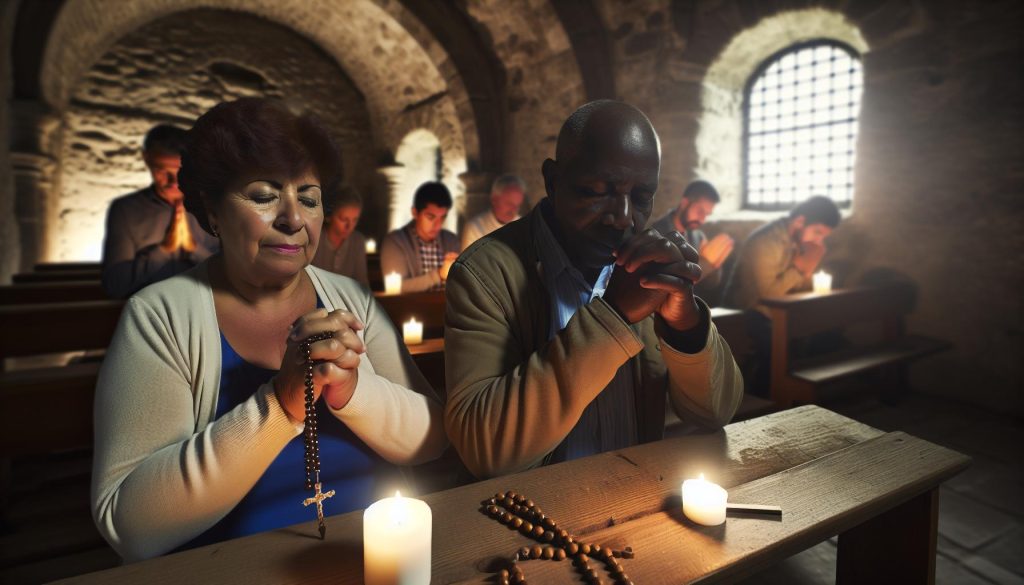
Did you know that prayer has been recognized as a powerful tool for healing, both physically and spiritually, for centuries? In today’s fast-paced world, many of us grapple with stress, illness, and broken relationships, seeking solace and renewal. “Catholic Healing Prayers: Ancient Words for Modern Miracles” invites you on a journey to explore how time-honored prayers can transform your life, offering hope and restoration through deep connection with God.
Whether you’re a lifelong believer or just beginning to explore your faith, these prayers can serve as a lifeline, helping to nurture your spiritual growth and renewal. The ancient words resonate with timeless wisdom, providing comfort in our most challenging moments. As you dive into this collection, you’ll discover the profound impact that prayer can have, not just for individual healing, but also for nurturing families, marriages, and communities. Prepare to unlock the miraculous potential of your prayer life as you learn to incorporate these sacred expressions into your daily routine. Your path to healing begins here, and it’s filled with divine promise and purpose.
Contents
- 1 Understanding the Power of Catholic Healing Prayers
- 2 The Historical Significance of Healing in Catholicism
- 3 Types of Catholic Healing Prayers You Can Use
- 4 How to Incorporate Healing Prayers into Daily Life
- 5 Miraculous Testimonies: Transformative Healing Experiences
- 6 Scriptural Foundations for Healing Prayers
- 7 Creating a Sacred Space for Prayer and Healing
- 8 The Role of Faith and Sacraments in Healing
- 9 Using Traditional Prayers vs. Personal Prayer Strategies
- 10 Group Prayers and Their Impact on Healing
- 11 Tips for Strengthening Your Healing Prayer Practice
- 12 Finding Community Support in Healing Prayer Circles
- 13 Q&A
- 14 In Summary
Understanding the Power of Catholic Healing Prayers
The profound strength of Catholic healing prayers lies in their ability to connect believers with divine grace, offering solace, comfort, and transformative power in times of distress. Many faithful find themselves in moments when earthly remedies fail and hope seems dim. It is precisely in these moments that turning to prayer can unlock extraordinary possibilities. When uttered with sincere faith, these prayers can become conduits for God’s healing touch, encouraging individuals to not only seek physical restoration but also spiritual and emotional rejuvenation.
At the heart of Catholic healing prayers is the recognition that God is both the healer and the source of all life. The fervent invocation of saints and the rich tapestry of tradition play an essential role in this practice. For example, invoking the intercession of Saints like St. Jude, the patron of desperate cases, or St. Raphael, the archangel of healing, can provide believers with a sense of spiritual empowerment and community. Their lives serve as beacons of hope, reminding us that healing encompasses more than the physical; it involves restoration of the soul and the spirit.
In practice, incorporating healing prayers into your life can be simple yet profoundly effective. Here are some practical steps to consider:
- Choose your prayers intentionally: Select traditional prayers such as the “Prayer for Healing” or the “Anointing of the Sick,” and consider writing your own prayers that reflect your personal struggles or those of loved ones.
- Prayer journaling: Record your prayer requests and answered prayers to track your journey, reinforcing your faith as you witness God’s responses.
- Create a prayer routine: Set aside specific times each day to dedicate to healing prayers, fostering a deeper relationship with God through this consistent practice.
The healing power of prayer is not confined to isolated experiences; it thrives within a supportive community. Whether through family prayer, participation in a parish healing service, or joining a prayer circle, sharing the journey of healing with others can amplify the effects of these sacred words. Together, believers bolster each other’s faith while demonstrating the love and compassion of Christ in action. In moments of despair, remember that quiet confidence and fervent prayer can coexist, cultivating an environment where miraculous change is not just possible, but expected. Through faith, earnest prayer, and community support, healing becomes a vibrant reality, echoing Christ’s promise of hope and restoration.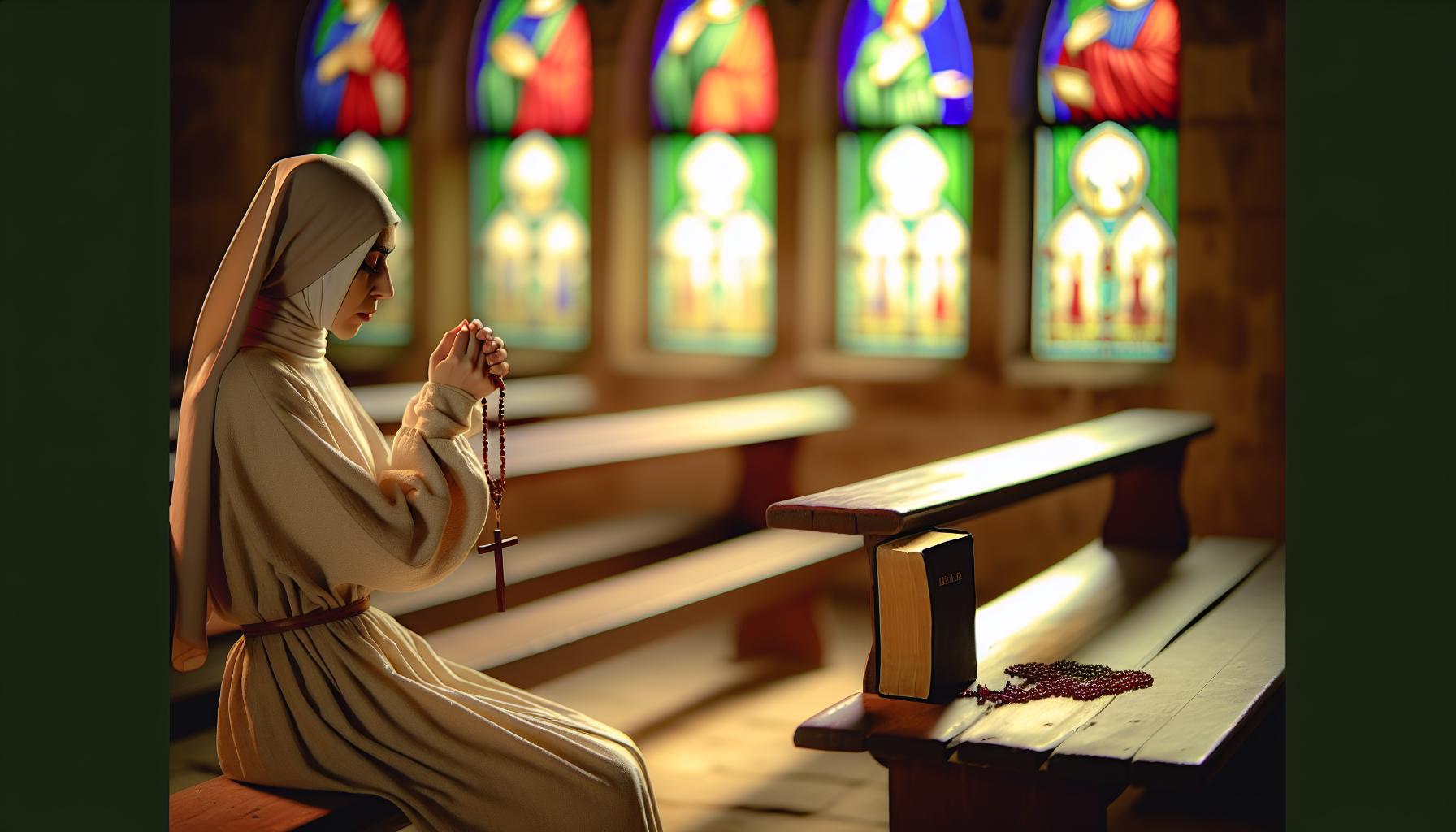
The Historical Significance of Healing in Catholicism
The tradition of healing within Catholicism dates back to the earliest days of the Church, rooted in the teachings and actions of Jesus Christ. Throughout the Gospels, we find accounts of Jesus healing the sick, restoring sight to the blind, and even raising the dead. His compassion became the foundation for a theological understanding that healing is not merely a physical restoration but a deep, spiritual journey toward wholeness. This divine mandate for healing did not end with Christ; the apostles and their successors continued this sacred work, establishing a legacy that informs our modern practices of Catholic healing prayers.
Central to is the sacrament of Anointing of the Sick. This sacrament, once known as Extreme Unction, is celebrated for its power to provide grace in times of physical suffering, and it reaffirms God’s presence in the midst of illness. The early Church believed in the efficacy of prayer and the intercession of saints, a practice that has deep roots in catechism and liturgy. It fosters a sense of community that emphasizes the importance of both spiritual and physical well-being, reminding us that we are called to support one another in times of need.
Historical Figures and Their Impact
Throughout history, many saints have been recognized for their miraculous healing abilities, strengthening the faith of believers and offering examples of divine intervention. For example, St. Francis of Assisi, known for his deep connection to nature and compassion towards the suffering, often prayed for healings and comfort for the ill. In our contemporary world, the stories of these saints inspire many Catholics to seek healing through prayer, believing that such petitions can lead to transformative experiences of faith.
- St. Anthony of Padua: Known for helping the lost, he is also invoked for healing ailments, as his intercessions have brought comfort and restoration to countless believers.
- St. Therese of Lisieux: Her ‘little way’ harnesses the simplicity of faith, encouraging others to trust in the Lord’s healing power in their lives through small acts and prayers.
- St. Peregrine: The patron saint of cancer patients, he presents a compelling witness of life and hope for those facing serious health challenges.
The significance of healing extends beyond mere tradition; it serves as a vivid reminder of God’s promise and the transformative power of faith. In the face of modern challenges, the historical aspects of Catholic healing prayers encourage believers to embrace both communal and personal prayer practices, leading to not only physical healing but also spiritual renewal. By looking back at these examples, we can find strength and inspiration to incorporate healing prayers deeply into our daily lives, affirming that faith remains a powerful force for change in our world today.
Types of Catholic Healing Prayers You Can Use
In the rich tapestry of Catholic tradition, healing prayers serve as powerful instruments of faith and hope, transcending time and connecting believers to the divine. These prayers, rooted in scripture and the practices of the early Church, encompass various forms and intentions, each designed to offer comfort, restoration, and spiritual growth. Whether you are seeking physical healing, emotional support, or spiritual renewal, there is a diverse array of prayers to articulate your heart’s deepest desires.
One of the most recognized types of healing prayers is the Prayer of Healing. This prayer often asks for God’s grace and mercy upon the person in need, invoking the Lord’s strength to heal body, mind, and spirit. Another essential prayer is the Litany of Healing, which allows for focused intercession, calling upon specific saints known for their healing power, such as St. Jude or St. Peregrine. The Anointing of the Sick is a sacramental prayer that involves the laying on of hands and anointing with oil, symbolizing the gifts of the Holy Spirit to heal the sick and provide spiritual fortitude in times of suffering.
Additionally, prayer can take a more personal form through spontaneous prayers, whereby individuals pour out their innermost thoughts and pleadings directly to God. This type of prayer is especially potent as it reflects one’s unique relationship with God, allowing for genuine expression and deep connection. Furthermore, prayers like the rosary not only serve as a meditative practice but also invite tranquility and healing through contemplation on the life of Christ and the intercession of the Virgin Mary.
- Prayer of Healing: A general prayer for the healing of body, mind, and spirit.
- Litany of Healing: Invoking saints known for their healing powers.
- Anointing of the Sick: A sacramental prayer invoking the Holy Spirit’s gifts.
- Spontaneous Prayer: Personal pleas for healing directly to God.
- Rosary: A meditative prayer invoking peace and healing.
Incorporating these varied types of prayers into your spiritual practice can be profoundly transformative. Believers are encouraged to explore and adopt the forms that resonate most deeply within their own journey of faith. Through these prayers, individuals not only seek healing for themselves but also cultivate a supportive community, grounded in shared faith and prayerful compassion. This multifaceted approach fosters an environment where God’s healing grace can flow abundantly, inspiring hope and renewal in the lives of all who seek it.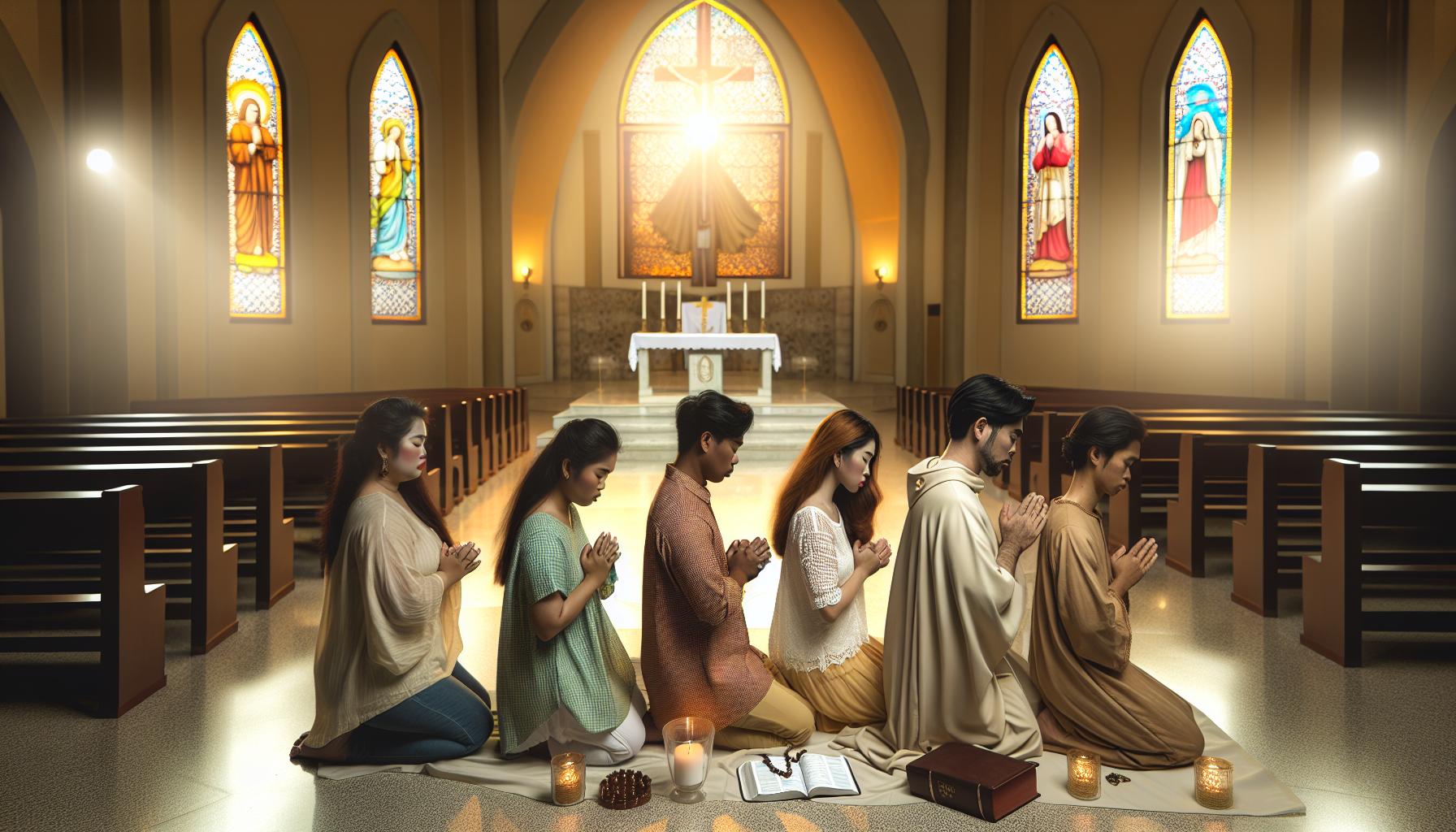
How to Incorporate Healing Prayers into Daily Life
Incorporating healing prayers into your daily life can transform your spiritual journey, anchoring you in faith while fostering a deeper connection with God. The daily rhythm of life can sometimes feel overwhelming, but dedicating moments each day to prayer can invite peace and healing into your heart and home. By making healing prayers an intentional part of your routine, you fill your daily interactions with divine grace and strength.
One effective way to weave healing prayers into your life is to establish a dedicated time for prayer each day. This could be in the early morning to set a positive tone for the day, during lunch for spiritual rejuvenation, or in the evening as a way to reflect and unwind. Choose a quiet space in your home-a corner of your living room, a cozy chair in your bedroom, or even a serene spot in your garden-where you can seek the Lord without distractions. Setting aside this time can create a sacred ritual, allowing you to pour out your heart, using prayers like the Prayer of Healing or the Litany of Healing to seek comfort and strength.
Consider integrating healing prayer into your family life as well. Gather your loved ones for a brief prayer session, perhaps before dinner or at bedtime. Encourage each family member to offer their own prayers for healing, whether for themselves, someone they know, or broader intentions in the community. This collective prayer not only strengthens familial bonds but also nurtures a supportive environment where faith is shared and celebrated. You might also engage in prayer journaling as a personal activity, recording your healing prayer requests and reflecting on how God answers them over time.
Prayer Practices To Enrich Spiritual Life
- Set Prayer Reminders: Use your phone or a planner to remind you to pause and pray throughout your day.
- Incorporate Scripture: Pair healing prayers with scripture verses that speak to healing, such as James 5:15 (“And the prayer of faith will save the one who is sick…”).
- Reflective Walks: Engage in nature walks while meditating on God’s presence; let this time be a moment to silently pray for healing.
- Create a Healing Prayer Corner: Designate an area in your home for prayer that includes candles, scripture, and reminders of the saints.
Spiritual growth and healing often flourish in community. Look for opportunities to participate in group prayers-whether in church, small gatherings, or prayer circles dedicated to healing. These group settings not only amplify individual prayers but also foster a collective spirit of intercession that can touch many lives. As you practice and incorporate healing prayers into your daily life, you’ll likely witness profound transformations, not just within yourself but in the environment surrounding you. The journey of faith is vibrant and filled with possibilities, and embracing healing prayers can lead you towards miraculous experiences and renewed hope.
Miraculous Testimonies: Transformative Healing Experiences
Every day, countless individuals across the globe share inspiring accounts of miraculous healings that they attribute to the power of prayer. These testimonies not only serve as remarkable reminders of God’s grace but also affirm the deep-rooted belief that healing prayers can facilitate transformation, both physically and spiritually. From chronic illnesses being healed unexpectedly to emotional wounds finding closure, the stories of those touched by healing prayers often ignite hope and faith in others, encouraging them to seek a closer walk with God.
In communities around the world, believers gather to share their experiences in the context of healing prayers. For instance, a woman named Sarah, who battled debilitating migraines for years, recounts how she experienced a profound healing after attending a prayer service dedicated to intercession for health ailments. Surrounded by fellow worshipers, she felt an overwhelming sense of peace and warmth wash over her as they collectively petitioned God for healing. Sarah’s testimony, which now resonates across her church community, emphasizes the idea that communal prayer amplifies individual petitions, creating a powerful spiritual force devoted to the healing of others.
Moreover, personal stories can serve as poignant reminders of the sacred connection between faith and healing. Consider David, who faced a life-threatening diagnosis. During this pivotal moment, he turned to prayer, often reciting the *Our Father* and invoking the intercession of St. Jude, the patron saint of desperate situations. David describes how he found strength through these simple prayers and witnessed a miraculous turn in his health after weeks of treatment. By sharing his story, he inspires others facing similar challenges, illustrating the importance of unwavering faith and the miraculous nature of healing when prayers are offered earnestly.
- Seek Community Support: Find a group of believers who are committed to healing prayers; shared faith can amplify your journey.
- Keep a Prayer Journal: Document your prayers and any healing experiences, as this can strengthen your faith and encourage others.
- Share Your Story: Let your healing testimonies inspire others on their spiritual journeys; a single account can spark hope in many hearts.
Remember, personal testimonies of healing are not merely stories; they are expressions of faith that remind us of God’s unchanging nature. By sharing these experiences, believers can encourage each other, nurture a community of hope, and engage more deeply in the transformative power of healing prayers. Every experience affirms that God listens, recognizes the cries of His children, and is willing to perform miracles in their lives-sometimes in ways that transcend our understanding, reminding us that faith, when coupled with heartfelt prayer, opens doors to incredible possibilities.
Scriptural Foundations for Healing Prayers
The Bible serves as a foundational source for understanding the power of healing prayers, offering a wealth of passages that inspire confidence in God’s ability to heal both body and spirit. Throughout Scripture, we see numerous instances where God intervened in human suffering, restoring health and wholeness. For believers today, these biblical accounts not only provide encouragement but also practical guidance for how to approach healing prayer in their own lives.
One of the most well-known passages is found in James 5:14-15, which instructs believers to call upon church elders to pray over the sick, anointing them with oil in the name of the Lord. This not only highlights the communal aspect of healing prayer but also reinforces the belief that prayers offered in faith can lead to restoration. Similarly, Psalm 103:2-4 reminds us of the merciful nature of God, who “forgives all your sins and heals all your diseases.” Such verses underscore the integral relationship between faith, forgiveness, and healing, illustrating that spiritual and physical well-being are intrinsically linked.
To incorporate these biblical truths into your healing prayer practice, consider the following actionable steps:
- Memorize Key Scriptures: Commit verses like Isaiah 53:5 (“By His stripes we are healed”) and Matthew 11:28 (“Come to me, all you who are weary and burdened, and I will give you rest”) to memory. Reflecting on them during prayer can bolster your faith in God’s promises.
- Pray with Scripture: Directly incorporate passages into your prayers, weaving them through your petitions. For instance, you might pray, “Lord, I bring to you my pain, trusting in Your word from Psalm 147:3 that says, ‘He heals the brokenhearted and binds up their wounds.'”
- Reflect on Healing Miracles: Meditate on the healing miracles of Jesus, such as the healing of the woman with the issue of blood (Mark 5:34), to inspire faith in Jesus’ power to heal today.
By rooting your healing prayers in Scripture, you connect deeply with the heart of God, whose desires for us include health and wholeness. You foster a prayer life enriched by the promises of His word, creating a foundation that not only nurtures faith but also encourages resilience in the face of challenges. Remember, God is unchanging, and His promises, as seen throughout the Biblical narrative, continue to hold transformative power today. In prayer, let the Scriptures guide you toward healing, reminding you that every plea offered in faith has the potential to unlock miraculous grace in your life.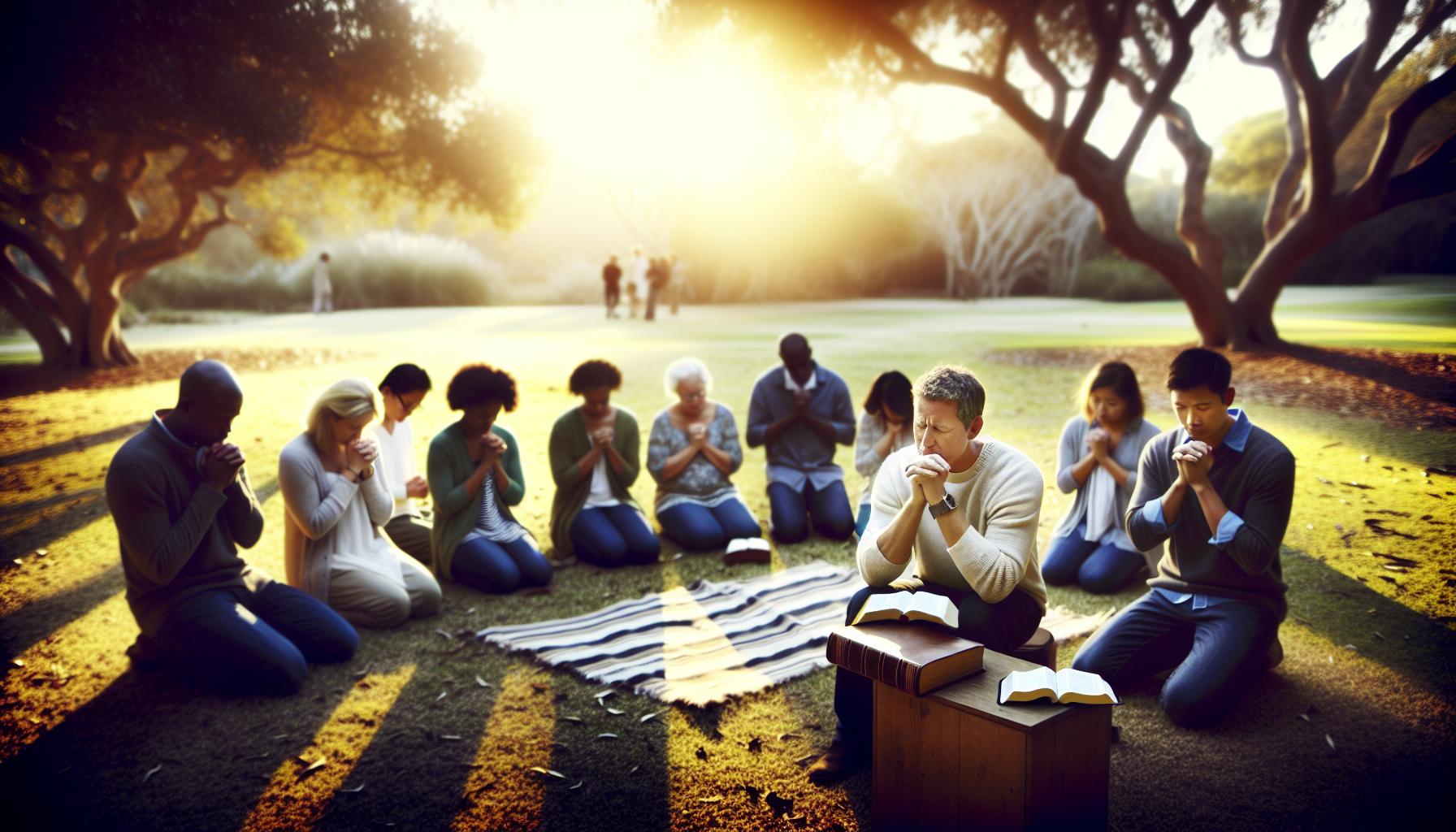
Creating a Sacred Space for Prayer and Healing
Creating a conducive environment for prayer and healing can serve as a powerful catalyst for deepening one’s faith and connection with God. God desires for His believers to engage in prayerful practices that cultivate both spiritual growth and emotional well-being. By setting aside a sacred space, we create an atmosphere where we can encounter the Divine more intimately, allowing those moments of connection to transform our healing journey.
To design a sacred space for prayer and healing, consider the following elements that can enhance your experience:
Elements of a Sacred Space
- Dedicated Area: Choose a specific spot in your home that feels peaceful and quiet. This could be a corner of a room, a small nook, or even a garden outside. Make it your designated prayer area where distractions are minimized, allowing you to focus solely on prayer and reflection.
- Comfortable Seating: Invest in comfortable seating, such as a cozy chair or prayer cushion. This will encourage you to spend longer periods in prayer and meditation, fostering a deeper connection with God.
- Sacred Symbols: Decorate your space with religious icons, candles, or images that inspire you-such as a crucifix, statues of saints, or meaningful scriptures. These visual reminders can help set the tone for your prayers and meditative practices.
- Natural Elements: Incorporate elements of nature, like plants or flowers, to remind you of God’s creation and the beauty of life. Natural light streaming in through a window can also create a more uplifting atmosphere.
- Prayer Journal Visibility: Keep a prayer journal nearby to jot down prayers, scriptures, or reflections. This practice not only helps in maintaining focus during prayer but also acts as a tangible record of your spiritual journey and healing process.
Creating an Atmosphere for Healing
In addition to the physical aspects of your sacred space, consider the ambiance you wish to create. Soft music with hymns or instrumental Christian worship can facilitate a deeper focus on prayer. You might also find it beneficial to light a candle as a symbol of Christ’s presence and to create a serene atmosphere.
As you enter this sacred space for the purpose of healing prayer, approach with intentionality. Begin by inviting the Holy Spirit to guide your time, seeking divine wisdom and comfort. The act of physically stepping into this designated space can serve as a ritual, helping you transition from the hectic pace of daily life into a more prayerful mindset.
In times of stress or physical illness, this sacred space can be a refuge, offering a place where you can safely lay your burdens before God. By consistently returning to this designated area, you nurture your faith and create a rhythm of prayer that echoes the ages-while serving as a modern vessel for miracles rooted in ancient beliefs. Whether you seek healing for yourself or intercession for others, remember that this space is not only a physical location but also a spiritual sanctuary where you can witness God’s transformative power firsthand.
The Role of Faith and Sacraments in Healing
In Catholicism, faith and sacraments play an integral role in the healing journey, serving as conduits through which divine grace flows. The belief in the transformative power of these elements is deeply rooted in Scripture and tradition, reflecting God’s unwavering desire to heal both physical and spiritual ailments. When coupled with the fervent practice of prayer, faith can become a formidable force in responding to our deepest needs and challenges.
A cornerstone of this belief is found in the sacraments, which are tangible signs of God’s grace. Each sacrament-be it Baptism, Confirmation, Eucharist, Reconciliation, Anointing of the Sick, Holy Orders, or Matrimony-serves a unique purpose in the spiritual life of believers. For healing specifically, the Anointing of the Sick stands out as a profound sacrament that conveys healing and strength. The Catechism of the Catholic Church teaches that this sacrament is meant to bring peace, courage, and healing to those who are seriously ill. Through the anointing with oil, prayers, and the laying on of hands by a priest, the recipient is spiritually fortified, and through their faith, they may experience miraculous physical healing as well.
Alongside the sacraments, the act of faith itself is pivotal in the process of healing. Believers are encouraged to approach God with unwavering confidence in His promises. In Mark 11:24, we read, “Whatever you ask for in prayer, believe that you have received it, and it will be yours.” This verse underscores the importance of faith-filled prayer, illustrating how a heart anchored in trust enables believers to open themselves to God’s healing power.
In practical terms, incorporating faith into your healing journey involves several actionable steps. You might begin by participating actively in the sacraments-making regular confessions, receiving the Eucharist with devotion, or seeking the Anointing of the Sick when necessary. Additionally, dedicating time for prayerful reflection on relevant passages from the Bible can deepen your understanding of faith’s role:
- Philippians 4:6-7: Encourages prayer and supplication, promising peace beyond understanding.
- James 5:14-15: Advises the faithful to call upon the elders to anoint the sick.
- Matthew 18:19-20: Reminds believers of the power of communal prayer.
Utilizing these scriptures, along with a steadfast commitment to prayer, can create a robust environment for healing in your life. Allow your faith to guide you, drawing you closer to the heart of God where miraculous healings can begin, reminding you that your spiritual journey is an ongoing partnership infused with hope, grace, and divine possibility. In times of need, remember that both faith and sacraments work in harmony, offering a pathway to healing that is as ancient as the Church itself, yet remarkably relevant in our modern world.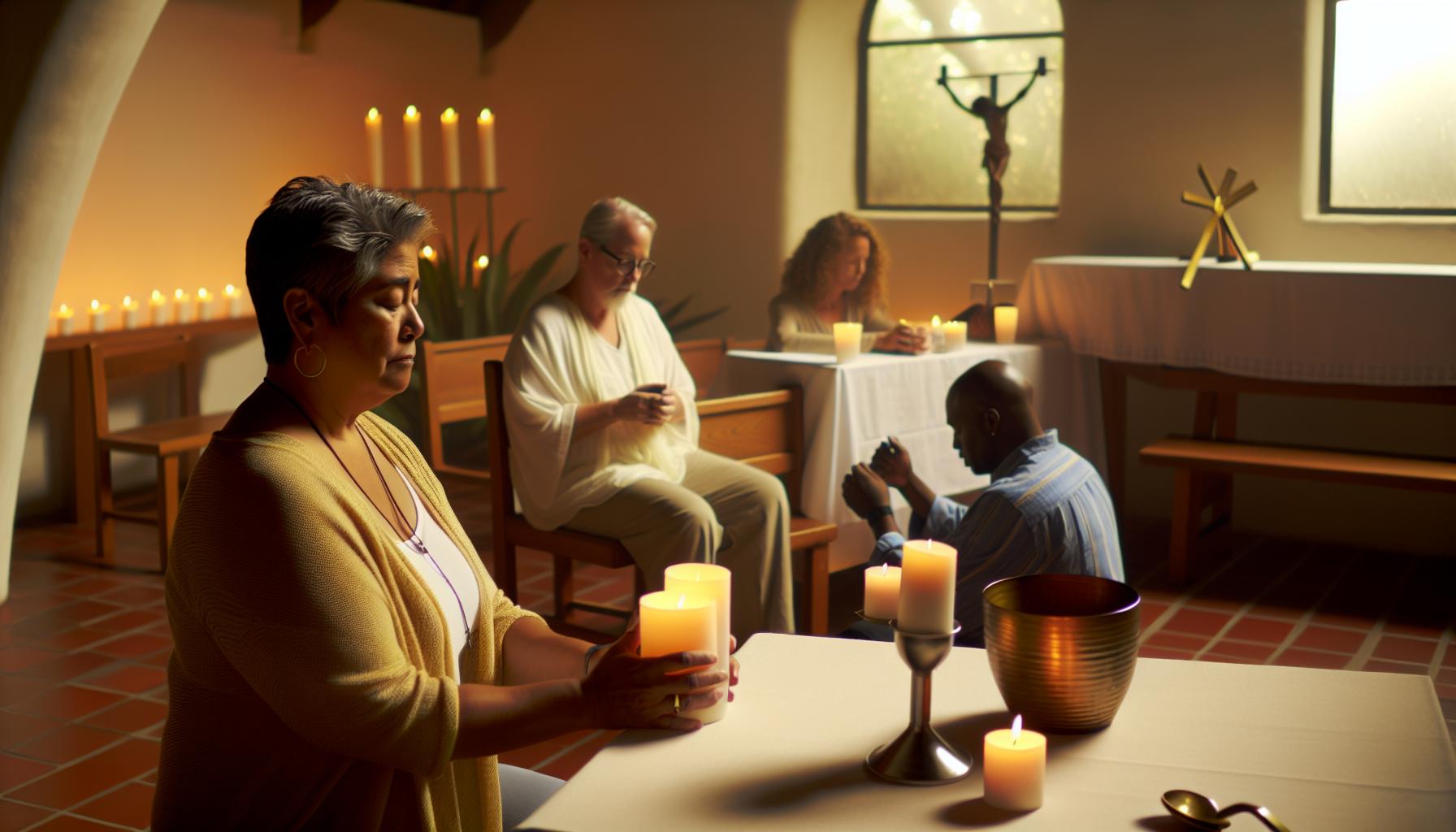
Using Traditional Prayers vs. Personal Prayer Strategies
In the realm of healing prayer within Catholicism, the choice between traditional prayers and personal prayer strategies can significantly influence one’s spiritual journey. Traditional prayers, such as the Hail Mary, Our Father, or the Prayer of St. Francis, offer a sense of continuity and connection with centuries of believers who have turned to these sacred words in their times of need. These prayers are laden with rich theological meaning and reflect the collective wisdom of the Church. Utilizing these traditional prayers can serve as a foundation for your healing practice, allowing you to tap into the deep wells of faith shared across generations.
However, it’s equally important to recognize the value of personal prayer strategies, where you communicate directly with God in your own words. This form of prayer can be incredibly empowering, as it allows you to express your emotions, fears, and hopes authentically. Personal prayers offer a unique opportunity for intimacy with the Lord, as they reflect your personal relationship with Him. A wonderful way to blend these approaches is to start with a traditional prayer to ground your mindset and then transition into a personal dialogue that allows for verbal expression of your own needs and experiences.
Finding Balance
Consider maintaining a balance between these two forms of prayer. Here are some practical steps to help you weave them into your daily routine:
- Dedicate Time Each Day: Set aside specific times for prayer where you can switch between traditional and personal prayers.
- Create a Prayer Journal: Document your personal prayers along with reflections on how traditional prayers resonate with your experiences. This can provide clarity and a history of your healing journey.
- Prayer Groups: Engage in communal settings where traditional prayers are shared before moving into personal petitions, creating a powerful collective prayer experience.
- Scriptural Integration: Use passages from the Bible as a foundation for your personal prayers, allowing Scripture to guide your thoughts and expressions.
By intentionally incorporating both traditional and personal forms of prayer, you create a more holistic and fulfilling healing prayer practice. As you navigate your spiritual journey, remember the promise in Philippians 4:6-7: “Do not be anxious about anything, but in every situation, by prayer and petition, with thanksgiving, present your requests to God.” This harmonious blend of prayer types not only honors the rich history of Catholicism but also deepens your personal relationship with God, paving the way for miraculous healings. Embrace this dynamic approach and allow both the ancient words and your personal expressions to uplift your spirit and enhance your faith journey.
Group Prayers and Their Impact on Healing
In the heart of Catholic tradition, group prayers serve as a powerful conduit for healing, uniting individuals in faith and collective hope. When believers come together in prayer, the experience transcends mere words; it creates a sacred environment filled with shared intentions, drawing strength from one another’s faith. Scripture encourages this communal aspect, as seen in Matthew 18:20: “For where two or three gather in my name, there am I with them.” This promise reinforces the belief that group prayer not only elevates individual petitions but also invites the divine presence among those who gather.
Group prayers can take many forms-whether in a parish setting, a small home gathering, or during community retreats. Each format brings unique benefits that enhance the healing experience. When participating in structured communal prayers, such as the Rosary or designated healing masses, individuals find a sense of solidarity. This collective act of faith can be particularly comforting during times of distress, reminding participants that they are not alone in their struggles. Together, they confront challenges, while simultaneously lifting each other’s burdens, echoing the biblical principle of bearing one another’s burdens as mentioned in Galatians 6:2.
Engaging in group prayer not only cultivates shared faith but also provides an opportunity to witness the transformative power of God’s healing. Many churches hold healing services that include prayer teams focused on intercessory prayer, offering dedicated time for individuals to receive healing prayers in a supportive environment. This communal aspect fosters an atmosphere of hope and expectation, where miracles are often shared and celebrated, reinforcing faith among participants.
Practical Steps to Embrace Group Prayer for Healing
To effectively incorporate group prayer into your healing journey, consider the following practical steps:
- Seek Out Prayer Circles: Join or initiate prayer groups within your parish or community that focus on healing. These gatherings can be structured with specific intentions or informal with openly shared requests.
- Participate in Healing Masses: Many Catholic communities offer special healing services where the Eucharist is celebrated alongside prayers for healing. Attend these regularly to experience communal support and spiritual nourishment.
- Host Prayer Events: Organize home-based prayer sessions with family, friends, or fellow parishioners where you can share prayers and testimonies of God’s work in your lives.
- Utilize Technology: If geographical distance is an issue, consider virtual prayer circles that allow individuals to connect and pray together, leveraging online platforms to share intentions and pray in unity.
Embracing group prayers is not merely a practice; it forms the heartbeat of community life in the faith journey, where each participant contributes to an atmosphere of hope, encouragement, and divine healing. Remember, in the collective expression of faith, healing unfolds not just in the lives of those being prayed for, but also within the praying community itself-one beautiful testament to the body of Christ working together in love and compassion.
Tips for Strengthening Your Healing Prayer Practice
In the journey of faith, prayer is often a lifeline, especially for those seeking healing. Catholic healing prayers, deeply rooted in tradition, carry a power that can transform lives. To strengthen your practice of these prayers, it’s vital to cultivate an approach that not only enhances your personal connection with God but also incorporates the communal aspects of faith. Here are several actionable tips to help you deepen your healing prayer practice.
Establish a Consistent Prayer Routine
One of the most effective ways to strengthen your healing prayer practice is to create a consistent routine. Set aside specific times each day dedicated to prayer, much like you would for any essential activity. Whether it’s in the morning to start your day with God’s grace or in the evening for reflection and gratitude, a regular schedule can help cultivate a deeper sense of communion with Him.
- Morning Devotions: Begin your day by reciting prayers for healing, such as the “Prayer of St. Jude” or the “Anima Christi,” inviting peace and strength throughout your day.
- Evening Reflections: As you wind down, take time to meditate on scripture and offer prayers of thanks for any healing you experienced, however small. This practice not only solidifies your faith but can also reveal how God is working in your life.
Incorporate Scripture into Your Prayers
Scripture serves as a powerful source of inspiration and strength in your healing journey. By integrating specific verses into your healing prayers, you reinforce the truth of God’s promises. Consider memorizing passages that speak to healing and restoration, such as Isaiah 53:5: “But he was pierced for our transgressions, he was crushed for our iniquities; the punishment that brought us peace was on him, and by his wounds, we are healed.”
- Personalize Your Prayers: As you pray, incorporate selected verses as declarations of faith, allowing them to guide your thoughts and intentions.
- Start a Prayer Journal: Document your prayers alongside the scriptures that resonate with you. Reflecting on these entries can reveal patterns of God’s faithfulness over time.
Engage in Active Listening during Prayer
Prayer is often perceived as one-sided communication; however, it is just as crucial to practice active listening. After sharing your heart with God, take time to sit in silence and be receptive to His voice. This practice can foster a deep sense of connection and understanding.
- Meditation and Contemplation: Spend moments in quiet contemplation, focusing on God’s love and mercy. This allows His healing presence to permeate your spirit.
- Journaling Insights: Write down any thoughts, feelings, or insights that come to you during these moments of silence. Not only does it help you process your experiences, but it also opens your heart to God’s guidance.
By incorporating these practices into your healing prayer routine, you create an enriching environment that invites divine interaction into your life. Remember that each step you take in faith is a step closer to experiencing God’s incredible healing power. Embrace the process with hope and dedication, knowing that even the smallest efforts can lead to significant transformations in your spiritual journey.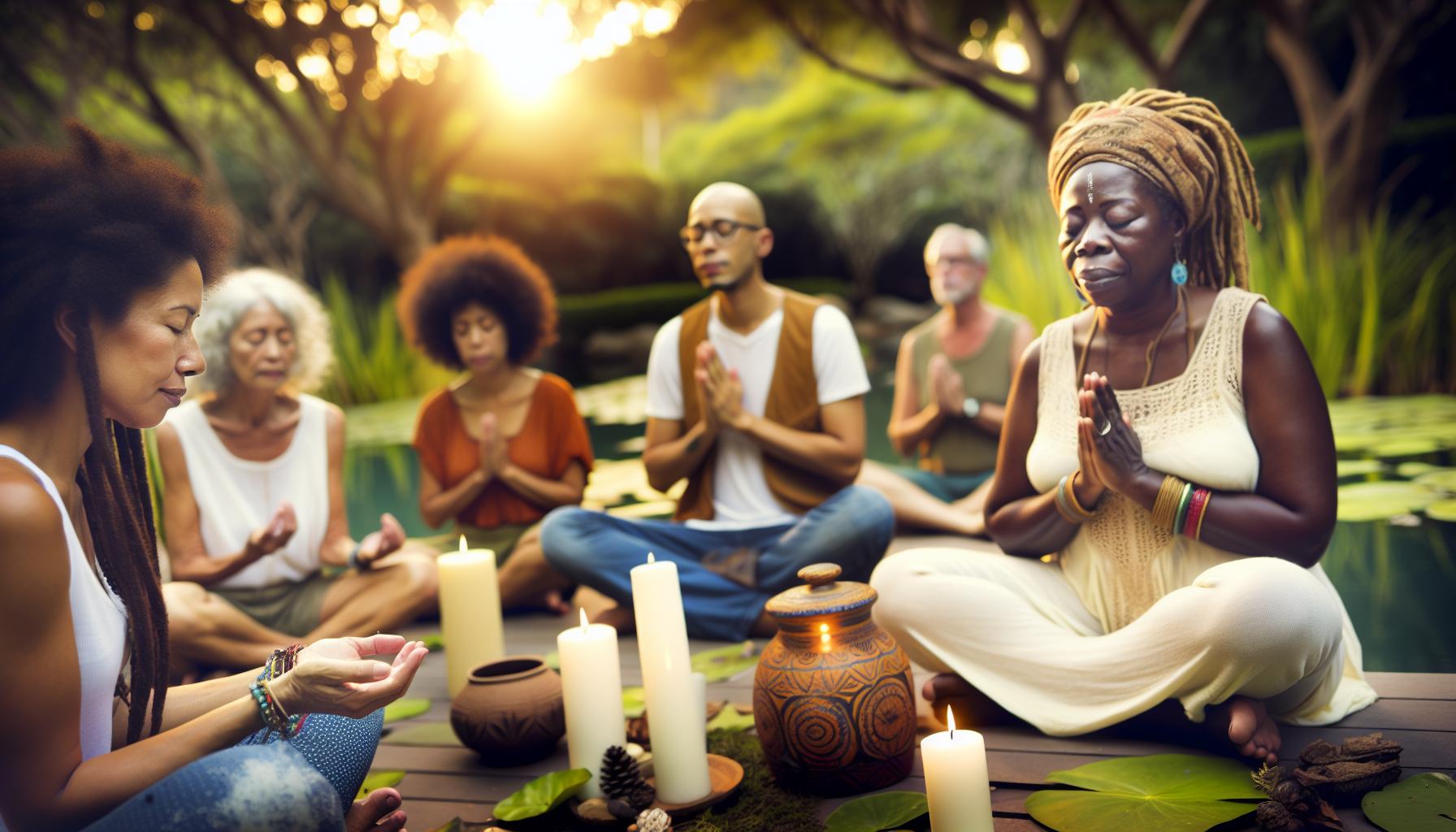
Finding Community Support in Healing Prayer Circles
The journey toward healing can often feel overwhelming, but when you engage with a community that shares your faith, the experience becomes profoundly enriching and supportive. Healing prayer circles within the Catholic tradition not only provide a sense of belonging but also amplify the power of collective faith. The synergy created by united voices to God fosters an environment where miracles can bloom, as believers join together to pray for one another’s needs.
Being part of a healing prayer circle offers numerous benefits. First and foremost, it builds a network of loving support where individuals can share their struggles, victories, and testimonies of God’s grace. These gatherings are sacred spaces where members can express their faith openly, encouraging one another through scripture, shared prayers, and communal worship. This shared vulnerability nurtures a deep bond among participants, reminding each person that they are not alone in their battles.
Creating a Healing Prayer Circle
If you feel called to initiate a healing prayer circle, consider these actionable steps to cultivate a nurturing environment:
- Gather Like-Minded Individuals: Reach out to friends, family, or fellow parishioners who share a passion for prayer and healing. Creating a group with a range of experiences can lead to robust discussions and diverse prayer strategies.
- Choose a Regular Meeting Time: Set a consistent schedule for your gatherings, whether weekly or monthly, to maintain momentum and commitment among participants.
- Establish an Inspirational Framework: Use scripture, specific prayers, or even saints’ intercessions to guide each session. You might start each meeting with a reading from the Bible related to healing, such as James 5:14-15.
- Create a Safe Space: Foster an atmosphere that encourages openness and confidentiality. Encourage each member to share their prayer intentions and recovery stories without fear of judgment.
Engaging in Group Prayer
The act of praying together can be transformative. Here’s how to make the most of your collective time:
- Read and Pray Aloud: Incorporate the recitation of healing prayers such as the “Prayer of the Sick” or the “Litany of St. Joseph.” Hearing these words spoken can penetrate the hearts of those who gather.
- Include Personal Intentions: Allow time for each member to voice their specific prayer requests. This practice not only promotes intimacy within the group but also helps cultivate deep intercession.
- Follow-Up and Foster Connection: After each meeting, encourage members to stay connected throughout the week, possibly through text messages or social media, sharing updates on their prayer intentions and personal healing journeys.
Becoming part of a healing prayer circle enables you to experience the depth and richness of communal worship. With each prayer lifted, burdens are shared, and you can witness the transformative power of healing as God’s presence is more profoundly revealed in your lives. Remember, wherever two or three are gathered in His name, there He is among them (Matthew 18:20). Embrace the journey of faith together, finding hope and strength in one another as you navigate the path of healing led by the vitality of collective prayer.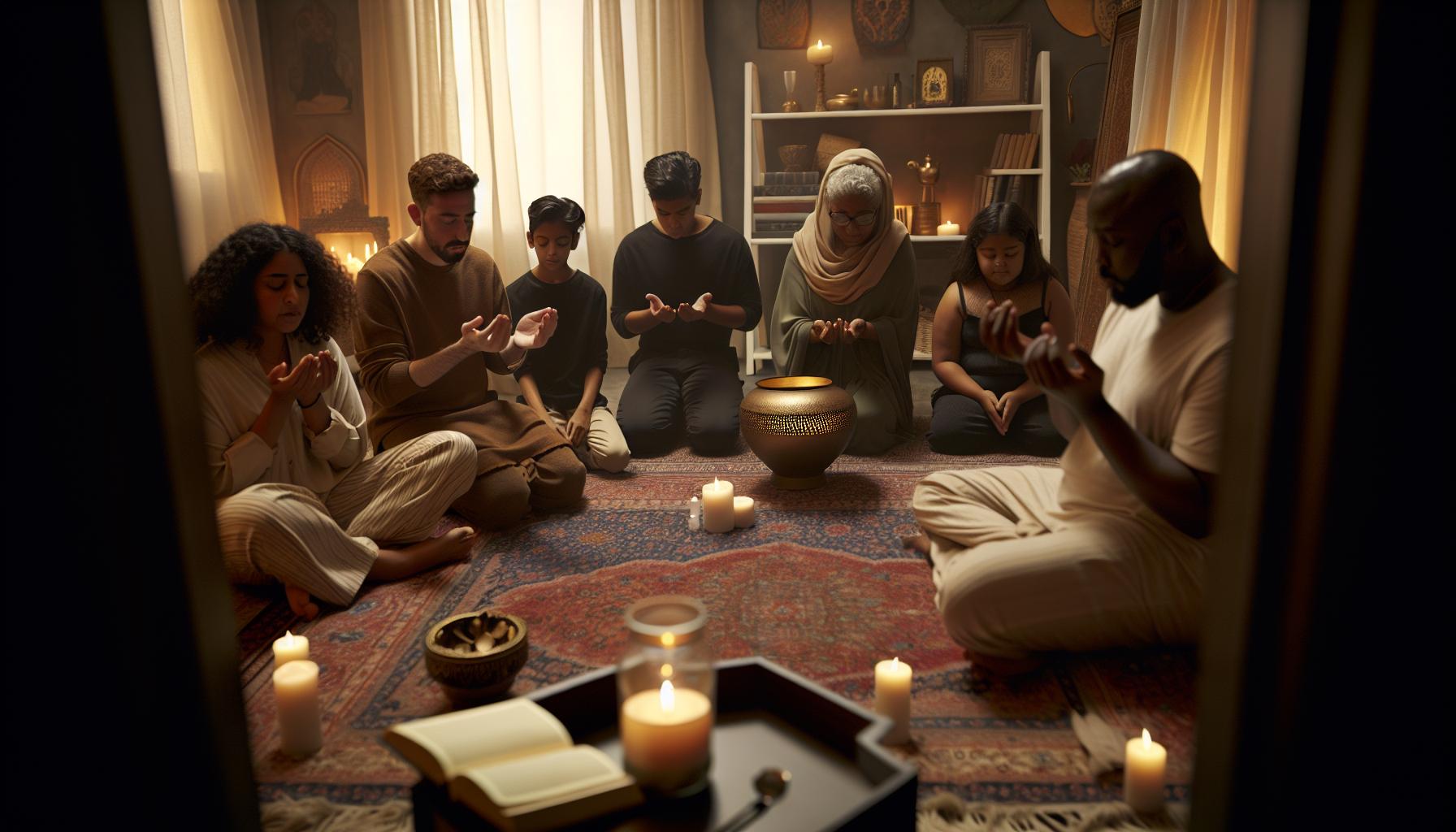
Q&A
Q: What are the most powerful Catholic healing prayers?
A: Some of the most powerful Catholic healing prayers include the Prayer of Saint Gertrude, the Healing Prayer of the Heart, and the Prayer of Saint Jude. These prayers invoke God’s mercy and healing, offering spiritual support during times of illness. Exploring specific prayers can deepen your practice of healing prayer.
Q: How can I pray for healing according to Catholic tradition?
A: To pray for healing in the Catholic tradition, begin by expressing faith in God’s power. Use traditional prayers, such as the Our Father and Hail Mary, alongside specific healing prayers. Light a candle or create a sacred space, as discussed in the article’s section on creating a sacred space for prayer.
Q: Why are prayers for healing important in Catholicism?
A: Prayers for healing are important because they express our trust in God’s compassion and divine intervention. They foster spiritual connection, aid emotional healing, and reinforce the belief in miracles, aligning with how miracles of healing are documented in scripture and Catholic tradition.
Q: Are there specific rituals associated with Catholic healing prayers?
A: Yes, specific rituals include anointing of the sick, Liturgy of the Anointing, and communal prayer services. These rituals enhance the spiritual experience, promoting both physical and emotional well-being while emphasizing community support, as highlighted in our discussion on group prayers.
Q: Can I create personal healing prayers?
A: Absolutely! Creating personal healing prayers allows you to express your unique needs and faith. Combining traditional elements with your sentiments can make your prayer more meaningful, fostering a deeper connection to God. Refer to the article’s section on personal prayer strategies for inspiration.
Q: How do Catholic healing prayers differ from other faith practices?
A: Catholic healing prayers often incorporate specific sacraments, rituals, and intercessions from saints, reflecting a unique theological perspective. This is distinct from other faith practices that may focus more on meditation or affirmations. Understanding these differences can deepen your appreciation for Catholic spirituality.
Q: When should I use Catholic healing prayers?
A: Catholic healing prayers can be used in times of physical illness, emotional distress, or spiritual struggles. They are beneficial during family crises or personal challenges, as noted in the article’s emphasis on incorporating prayer into daily life. Regular practice invites continuous healing and peace.
Q: Where can I find a community for healing prayer?
A: You can find support in local parishes, online faith groups, or Catholic healing ministries. Engaging with a community helps strengthen your healing practice and provides encouragement during difficult times, as outlined in the article’s section on finding community support.
In Summary
As we conclude our journey through “Catholic Healing Prayers: Ancient Words for Modern Miracles,” remember that these timeless prayers hold the power to transform and uplift your spirit in the face of life’s challenges. Embrace these sacred words as daily anchors in your faith journey, providing strength and healing not just for you but also for your loved ones. Don’t wait-start incorporating these prayers into your life today to witness their miraculous effects firsthand.
For deeper insights, explore our related articles on prayer life and scripture-based guidance that can further enrich your spiritual practice. If you’re seeking community support, consider signing up for our newsletter to receive faith-affirming resources directly to your inbox. Your healing journey is important; let us walk alongside you and equip you with the tools to nurture your faith.
Join the conversation below-share your own experiences with healing prayers or any questions you may have. Together, we can cultivate a vibrant community focused on authentic Christian living. Remember, with God’s love and these ancient prayers, you’re never alone in your journey toward wholeness.


![Devoted Health Provider Portal: [Not applicable for Christian content]](https://christiancitychurch.eu/wp-content/uploads/2025/09/7285-devoted-health-provider-portal-not-applicable-for-christian-content-300x171.jpg)