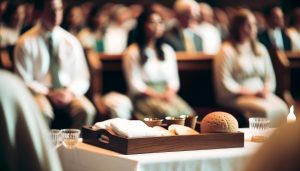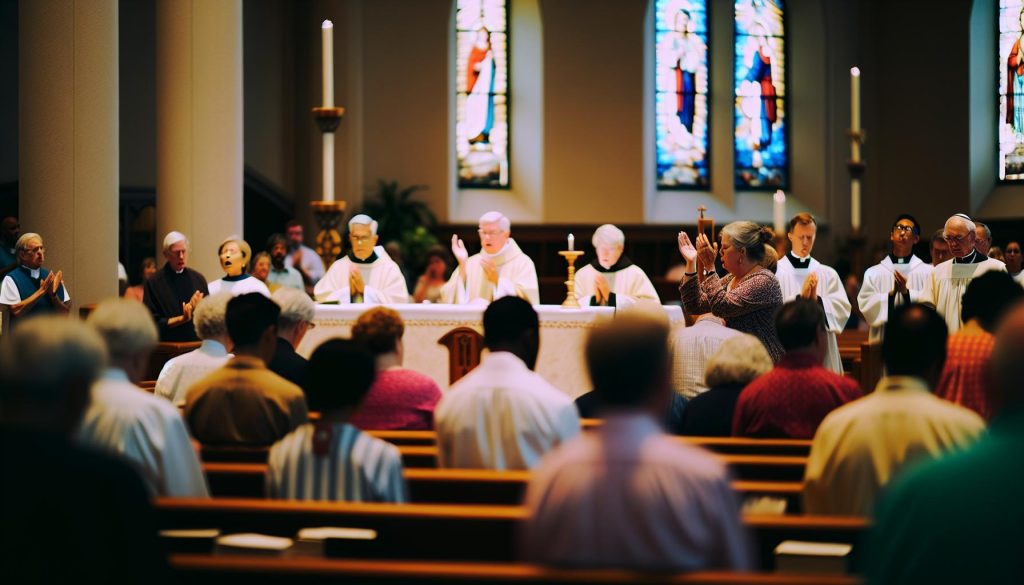
In every Catholic Mass, the prayers and responses weave a spiritual tapestry that connects the faithful with God and each other. Engaging fully in these sacred dialogues not only deepens personal faith but also enriches the communal worship experience. Many struggle with feeling disconnected during Mass, often unsure of how to participate or fully grasp the significance of the rituals. This is where understanding the prayers and responses becomes essential. As you journey through this guide, you’ll discover not just the words to say, but the heartfelt devotion behind them. Embrace this opportunity to learn, reflect, and grow in your spiritual life, and find the confidence to worship with reverence and joy. Through active participation, you can draw closer to God and experience the transformative power of the Mass in your life.
Contents
- 1 Understanding the Catholic Mass: A Spiritual Journey
- 2 The Structure of Catholic Mass: Key Components Explained
- 3 Essential Prayers and Responses for the Faithful
- 4 Deepen Your Worship: The Significance of Each Prayer
- 5 Participating in Mass: A Guide for Newcomers
- 6 The Role of Music and Hymns in Worship
- 7 Exploring the Liturgical Seasons: A Year of Reflection
- 8 Common Misconceptions about Catholic Mass Prayers
- 9 Engaging Children: Teaching Mass Responses to Families
- 10 Overcoming Challenges in Participation during Mass
- 11 Enhancing Your Prayer Life Beyond the Mass
- 12 Resources for Continued Spiritual Growth and Community Involvement
- 13 Q&A
- 14 To Wrap It Up
Understanding the Catholic Mass: A Spiritual Journey
The Catholic Mass is not just a ritual; it’s a profound spiritual journey that invites each participant to engage deeply with their faith and community. Every time we gather in worship, we step into a sacred space that transcends time and place. The liturgy acts as a bridge between the divine and the earthly, allowing us to encounter Christ anew. Through the readings, prayers, and communal acts, Catholics are drawn into a transformative experience where faith is renewed, lives are touched, and the body of Christ, the Church, is strengthened.
At the heart of the Mass lies the Eucharist, which is the source and summit of Christian life. This sacred meal not only commemorates the Last Supper but also invites us to partake in the divine presence of Jesus. As a community, we respond to God’s call, offering our prayers, intentions, and our very selves during this intimate celebration. Engaging fully with this generative process requires an understanding of the prayers and responses that enrich the Mass. Recognizing their meanings can enhance your personal worship and foster a deeper relationship with God.
The structure of the Mass is carefully designed, inviting moments of reflection and connection. From the Introductory Rites that call us to gather together, to the Liturgy of the Word that speaks to our lives today, each segment plays a crucial role in our spiritual journey. During the Liturgy of the Eucharist, the act of receiving communion is not merely physical; it’s a profound affirmation of our faith and commitment to live out the teachings of Christ in our everyday lives.
As you embark on your journey through the Mass, consider how you can truly participate in the liturgy. Reflect on the significance of each prayer, immerse yourself in the messages conveyed through the readings, and embrace the communal aspect of worship. In doing so, you will find that the Mass becomes more than a weekly obligation; it transforms into a continual source of grace, strength, and hope, guiding you in your Christian walk.
The Structure of Catholic Mass: Key Components Explained
The Catholic Mass is a beautifully structured ceremony that unfolds in a series of distinct yet interconnected components, each designed to draw worshippers deeper into their faith and community. Understanding these key elements allows attendees to fully appreciate the significance of the Mass and participate meaningfully.
The Mass opens with the Introductory Rites, which include the Entrance, the Greeting, and the Penitential Act. This part sets the tone for worship, encouraging the congregation to gather in unity. The communal response to the priest’s greeting establishes a welcoming atmosphere, while the Penitential Act allows participants to acknowledge their need for God’s mercy, fostering an attitude of humility and reflection.
Following the Introductory Rites, the Liturgy of the Word comes into play. This segment consists of readings from Scripture, including the Old Testament, Psalms, Epistles, and the Gospel. Each reading is followed by a response from the congregation, ensuring active participation. The homily (or sermon) is offered by the priest to help relate the readings to daily life, encouraging reflection on how God’s word can be lived out in action. This is a vital moment for personal application, taking the lessons learned into the week ahead.
The centerpiece of the Mass is undeniably the Liturgy of the Eucharist, where the bread and wine are consecrated and transformed into the Body and Blood of Christ. This sacramental proclamation is foundational to Catholic faith, representing both the Last Supper and Christ’s sacrifice on the Cross. As the congregation approaches the altar for communion, they partake in this holy mystery, affirming their faith and commitment to live as disciples of Christ. The Communion Rite emphasizes communal prayer, with each participant receiving sustenance for their spiritual journey.
To conclude, the Concluding Rites send the faithful forth, reminiscent of the call to mission. The final blessing and dismissal empower the congregation to embody Christ’s love and service in their daily lives. Understanding this structure allows participants not just to attend but to engage deeply with their faith, embracing each moment as a chance for spiritual growth and community bonding. By recognizing the rhythm of the Mass, believers can find deeper meaning in their prayers and responses, fostering a richer worship experience.
Essential Prayers and Responses for the Faithful
In the vibrant tapestry of the Catholic Mass, the prayers and responses form a fundamental thread, enabling the faithful to actively engage in worship and deepen their connection to God. Each prayer and response is not merely a formality; rather, they are powerful expressions of faith that unify the congregation, inviting personal reflection and community participation. Understanding these essential elements can transform the Mass from a passive observation into an enriching spiritual experience.
One of the most significant prayers is the Nicene Creed, proclaimed during the Mass, which captures the core beliefs of Catholic faith. Reciting this creed together serves as a powerful affirmation of faith, reinforcing the shared beliefs within the community. Another poignant moment is the Lord’s Prayer, where parishioners collectively unite in asking for God’s providence and mercy. This prayer creates a profound bond among the faithful as they recognize their dependence on divine grace.
To actively participate, it’s also crucial to engage with the responses during the service. For instance, responding with “And with your spirit” when the priest greets the congregation helps establish a reciprocal relationship between the clergy and the parishioners, turning the Mass into a dialogue of faith rather than a monologue. The responses during the Penitential Act, such as “Lord, have mercy,” allow individuals to express communal sorrow and seek forgiveness, highlighting the importance of humility and repentance in the Christian journey.
Practicing these prayers and responses can foster confidence, especially for newcomers to the faith. One practical approach is to study the order of the Mass and rehearse the responses at home. This preparation not only enhances understanding but alleviates anxiety, making participation feel more natural. Additionally, families can engage children by practicing these elements, turning it into an interactive learning experience that deepens everyone’s connection to the liturgy.
Empowered by these prayers and responses, the faithful can better connect with God, the sacramental mystery of the Eucharist, and their community. As they participate fully in liturgy, they discover that these moments are more than just traditions; they are transformative encounters with the divine that inspire lives of faith and service beyond the walls of the church. Embracing this essence of worship enriches the spiritual journey, making each Mass an opportunity for growth and renewal.
Deepen Your Worship: The Significance of Each Prayer
In the rhythm of the Catholic Mass, every prayer speaks volumes beyond mere words; they are doorways to a deeper communion with God. When the faithful recite prayers such as the Gloria or the Sanctus, they are not just engaging in ritual – they are collectively lifting their hearts in praise, recognizing God’s majesty and their own need for divine grace. These prayers encapsulate the essence of worship, forming a profound narrative of gratitude, penitence, and hope. Embracing the richness of each prayer enriches the spiritual journey of every participant, inviting them to truly experience the loving presence of Christ.
A key moment in the Mass is the Offertory, where the gifts of bread and wine are presented. This action goes beyond a simple act of donation; it symbolizes the offering of our entire lives to God. By actively participating in this moment, the faithful embody the call to surrender their burdens, joys, and aspirations, entrusting them to the transformative power of the Eucharist. The accompanying prayer serves as a reminder that we are not merely passive observers but active participants in God’s plan of salvation.
In challenging moments, such as the Elevation of the Host during the Eucharistic Prayer, the faithful are encouraged to reflect on the significance of the sacrament – the belief that they are partaking in the true body and blood of Christ. This profound belief prompts personal contemplation and communal unity, reinforcing the idea that each Mass is both a personal and corporate encounter with the divine. Such moments invite everyone, regardless of where they are on their spiritual journey, to open their hearts and receive God’s grace fully.
To make the most of each prayer, parishioners can engage in personal preparation before attending Mass. This could involve studying the readings, meditating on the prayers of the Eucharistic liturgy, or seeking to understand their historical and theological significance. By doing so, participants will arrive with minds and hearts ready to be transformed, deepening their worship and enhancing their spiritual experience during the Mass. Through these prayers, believers are drawn deeper into the mystery of faith, empowered to live out their Christian calling in daily life.
Participating in Mass: A Guide for Newcomers
When stepping into a Catholic Mass for the first time, newcomers may be struck by the sacredness of the environment and the rhythm of the prayers. Each element of the liturgy is a carefully woven tapestry of worship, inviting all present to engage in a profound spiritual experience. Embracing this journey begins with understanding that participation is not just about physical presence; it’s about opening one’s heart and mind to the grace offered through the worship.
To fully engage in the celebration, newcomers should be mindful of the structure of the Mass, which typically includes the Introductory Rites, Liturgy of the Word, Liturgy of the Eucharist, and Concluding Rites. Each section serves a distinct purpose, beautifully connecting the congregation with God. For example, during the Liturgy of the Word, you’ll hear readings from Scripture that provide spiritual nourishment and insight for the week ahead. Being attentive to these readings can deepen your understanding of the faith and enhance your ability to respond during the service. Don’t hesitate to find the readings in the missalette or on the parish website beforehand, allowing for a reflective preparation.
Another practical tip for newcomers is to familiarize themselves with the essential prayers and responses. Throughout the Mass, the congregation participates through spoken responses-such as “Amen” after the Eucharistic Prayer and “Lord, hear our prayer” during the prayers of the faithful. These moments create a sense of community, emphasizing that worship is a collective experience. Consider practicing these responses at home or following along in the missalette to feel more comfortable and integrated during the service.
Moreover, newcomers are encouraged to engage in the rituals and movements of the Mass, such as standing, kneeling, and sitting at appropriate times. These gestures are not merely traditions; they symbolize a respectful and reverent attitude toward the sacred moments being shared. Just as physical gestures embody our participation, so too do moments of silent reflection within the service allow for personal contemplation and connection with God.
Building Community and Spiritual Growth
As you become more familiar with the Mass, take the opportunity to connect with others in the parish. Fellowship before and after the service can enrich your experience and help foster relationships with fellow parishioners who can guide and support you in your faith journey. Many parishes also offer resources such as Bible study groups, prayer circles, and social events that enhance spiritual growth and community involvement.
In embracing the journey of faith, remember that participating in Mass goes beyond the hour spent in church; it is an invitation to cultivate a rich prayer life and a deeper relationship with God throughout the week. By nurturing an ongoing dialogue with God through personal prayer, studying Scripture, and engaging in Acts of Service, you can experience the fullness of the Catholic faith in your daily life.
Ultimately, each Mass is a reminder that we are part of something larger than ourselves-a community bound together in faith, hope, and love, gathered to worship and encounter Christ in the Eucharist. Whether you are a lifelong Catholic or a newcomer exploring the faith, this journey invites you to discover the transformative power of God’s grace in your life.
The Role of Music and Hymns in Worship
The power of music and hymns in worship cannot be understated; they serve as a profound vehicle for connecting the faithful with God during the Mass. The melodies and lyrics not only enhance the liturgical experience but invite congregants into a deeper spiritual engagement. When the congregation sings hymns, it transforms individual prayers into a communal outpouring of faith, creating an atmosphere ripe for encountering the divine. Music resonates with the soul, drawing us closer to God and helping to articulate the emotions and aspirations of our hearts.
In the Catholic Mass, music fulfills several essential roles. It enriches the liturgical celebrations by marking transitions between different parts of the service. For instance, hymns during the processional and recessional frame the beginning and end of the worship experience, while the Responsorial Psalm provides a meditative response to the Scripture readings. Likewise, the Sanctus and Agnus Dei during the Liturgy of the Eucharist elevate our understanding of the sacredness of this moment. Each song chosen carefully by the music ministry aligns with the readings and theme of the Mass, lifting our spirits and inviting a collective expression of faith.
To fully engage in this musical aspect of worship, congregants are encouraged to actively participate in singing. Embracing the lyrics of the hymns allows you to delve deeper into the messages conveyed and reflect on the theology behind each piece. Consider taking time to familiarize yourself with the hymns used in your parish by reviewing them prior to Mass. The simple act of singing can also foster a sense of community as you join your voice with others, creating a harmonious environment filled with shared faith and joy.
Additionally, incorporating music into your personal prayer life can deepen your connection to God. Listen to hymns or Christian music that resonate with you during your daily routines-this can serve as an encouragement and reminder of the faith you share with your community. Music acts as both a form of worship and a means of meditation, helping you to reflect on Scripture and the teachings of the Church. Whether during Mass or in your everyday life, embracing music and hymns as a tool for worship will undoubtedly enhance your spiritual journey, bringing you closer to the heart of Christ.
Exploring the Liturgical Seasons: A Year of Reflection
The Catholic liturgical calendar is a beautiful journey that invites the faithful to enter into the rhythms of the Church’s sacred seasons. Each season offers unique prayers, reflections, and opportunities for spiritual growth, shaping our understanding of God’s grace throughout the year. Engaging with these liturgical seasons allows you to deepen your faith, connecting the prayers and responses during Mass with the profound themes celebrated in the life of Christ and the Church.
Understanding the Seasons
The liturgical year is divided into distinct seasons-Advent, Christmas, Lent, Easter, and Ordinary Time. Each is marked by specific prayers, readings, and rituals that guide our worship and reflection. For instance:
- Advent: Begins the liturgical year and is a time of preparation and anticipation of Jesus’ birth. This season encourages us to pray and reflect on the hope and peace Christ brings.
- Christmas: Celebrates the birth of our Savior, inviting joyous worship and the singing of familiar carols that center our hearts on the Incarnation.
- Lent: A solemn season of fasting, prayer, and penance, which prepares us for the joy of Easter. It is an opportune time to engage in personal spiritual practices, such as daily prayer or Scripture study.
- Easter: The pinnacle of the liturgical calendar, celebrating the Resurrection. It invites us to rejoice and fully participate in the Mass, as we respond to God’s gift of salvation.
- Ordinary Time: While it may seem less profound, this season is a chance to grow in discipleship, reflecting on Jesus’ teachings and works, as well as our responses to them.
Connecting with Scripture and Prayer
Each season features specific liturgical readings that align with its theme, which can enhance your understanding of the Mass. Take time to read the Sunday readings in advance, reflecting on how they relate to the prayers and responses during the service. For example, during Lent, the Gospel readings often focus on Jesus’ sacrifices, mirroring the penitential prayers we offer. Incorporating these reflections into your personal prayer life can lead to a richer experience during Mass.
One practical approach is to keep a journal throughout the liturgical year. Write down insights from sermons, thoughts on specific hymns, or how you’ve seen God working in your life during each season. This method not only cultivates mindfulness but also marks your growth in faith, allowing you to look back and see how God has guided you from one season to the next.
Incorporating Family Traditions
Engaging your family in the liturgical seasons can be a transformative practice that strengthens faith bonds. Create traditions that align with each season. For instance, lighting an Advent wreath can become a cherished family ritual, as each candle represents different aspects of hope, peace, joy, and love. During Lent, consider organizing a family fasting day or participating in community service, emphasizing prayer as a family before meals.
These activities not only reinforce the messages of the seasons but also encourage children to actively engage with their faith, preparing them to participate fully in the worship experience come Sunday. By establishing these meaningful practices, you foster an environment where spiritual growth flourishes, all while building a legacy of faith for future generations.
As you journey through the liturgical calendar, embrace the opportunity to reflect, grow, and connect with your faith community. Allow each season to be a reminder of God’s unwavering love and grace, leading you to participate more fully in the prayers and responses of the Mass, deepening your relationship with Him and one another.
Common Misconceptions about Catholic Mass Prayers
When participants walk into a Catholic Church, they may hold various misconceptions about the prayers and rituals that are part of the Mass. One prevalent misunderstanding is that these prayers are mere repetitions devoid of meaning. In reality, each prayer is a profound vehicle for connecting with God. The Mass incorporates a rich tapestry of intentions, scriptural references, and theological significance, making it a unique and sacred dialogue between the faithful and the Divine.
Another common belief is that only the priest engages in the prayers at Mass. While the priest indeed leads the prayers, the congregation is called to actively participate. The responses, hymns, and communal prayers facilitate a collective worship experience, emphasizing the beauty of being part of the Body of Christ. Encouraging congregants to vocalize the prayers, particularly the acclamations and responses, helps deepen their spiritual engagement and fosters a sense of community. Understand that engaging with these prayers is not just an obligation; it is a gift and opportunity for personal connection to God.
Some might also think that the Mass is a one-size-fits-all experience, lacking personal relevancy. However, the prayers are designed to resonate with the hearts of individuals at different stages of their faith journey. For example, the prayers of penitence invite reflection on personal shortcomings and the desire for forgiveness, which can speak to anyone facing challenges or yearning for reconciliation in their lives. Integrating prayerful mindfulness into the weekly ritual can transform the Mass into a deeply personal and meaningful encounter with God.
To address these misconceptions effectively, it can be helpful to share experiences and insights with fellow parishioners or in small groups. Discussing the meanings behind specific prayers, reflecting on how they impact personal faith, and exploring the scripture readings in advance can enrich one’s understanding of their role during Mass. Emphasizing the transformative power of participation not only enhances individual experiences but also strengthens community bonds, reminding everyone that the Mass is, above all, an invitation to deeper love and unity in Christ.
Engaging Children: Teaching Mass Responses to Families
Involving children in the sacred experience of Mass can cultivate a lifelong appreciation for their faith. One effective method to engage young worshippers is to teach them the essential responses and prayers of the Mass in ways that are both enjoyable and relatable. Children thrive in environments where they feel they contribute, and by helping them understand their role in the worship service, parents can foster a sense of belonging and significance within the community.
Begin by introducing the key responses during Mass through repetition and practice at home. Utilize interactive tools such as flashcards featuring phrases like “Amen,” “And with your spirit,” and “Lord, hear our prayer.” This not only reinforces the liturgical language but also transforms prayer into a joyful family activity. Act out scenarios or sing the responses to simple, catchy tunes to make learning fun; this approach caters to varied learning styles and keeps children engaged. Consider setting a specific time each week to practice, ensuring it becomes a cherished family tradition.
Moreover, encourage participation by making connections between the Mass and their everyday lives. Explain the meaning of the prayers and responses in relatable terms, perhaps by sharing stories that reflect their essence. For instance, discussing the “Our Father” in the context of their own experiences with family and friendship can help them see the relevance of these prayers. Create a dialogue about the importance of gathering as a community to celebrate faith, drawing parallels between the Mass and family gatherings where love and support are shared.
Finally, be patient and nurturing as children learn to participate actively in Mass. Celebrate their small accomplishments to boost confidence, and remember that understanding will deepen over time with consistent practice and positive reinforcement. By weaving the teachings of the Church into the fabric of everyday life, families can ensure that children grow to appreciate the beauty and significance of the Mass, turning it into an enriching part of their spiritual journey together.
Overcoming Challenges in Participation during Mass
Participating fully in the Catholic Mass can sometimes feel daunting, especially for newcomers or those unfamiliar with the rhythm and structure of the liturgy. However, overcoming these challenges can lead to a more enriching worship experience and deepen one’s faith journey. Embracing the sacredness of the Mass requires intentionality and a willingness to engage with the prayers and responses meaningfully. Understanding practical ways to navigate and enhance your participation can transform your spiritual experience.
Understanding the Flow of the Mass
Firstly, familiarizing yourself with the structure of the Mass can alleviate feelings of confusion or hesitation. The Mass consists of two main parts: the Liturgy of the Word and the Liturgy of the Eucharist. Each section has its prayers, readings, and responses. Consider using resources like missalettes or parish websites which often provide the full texts of prayers. Engaging with these materials beforehand allows you to anticipate what is coming, helping you to participate with more confidence.
When you find your thoughts drifting or if you struggle with the pace, practice grounding techniques, such as focusing on your breath. Repeating a short prayer silently can help refocus your thoughts. A simple phrase like “Lord, be with me,” can remind you of your purpose and encourage a deeper spiritual connection.
Building Community Connections
Another common challenge is the feeling of isolation during the Mass. You are not alone-many others share these feelings. Take the initiative to build relationships with fellow parishioners. Engaging in discussions about the readings or participating in a study group can deepen your understanding of the Mass and foster a sense of belonging. Consider volunteering for ministries such as ushering or reading-these responsibilities can enhance your engagement and focus during the service.
Additionally, arrive a bit early to settle in. Use this time for quiet reflection, asking God to help you engage fully in the Mass. This will prepare your heart to receive the teachings and experience the communal worship alongside others.
Acceptance and Patience in the Journey
Lastly, it’s crucial to practice patience with yourself. Like any meaningful journey, participation in the Mass grows deeper over time with consistent effort and a heart open to God. Acknowledge that it’s perfectly acceptable to experience distractions or uncertainties. God invites you into His presence with grace, and over time, your ability to engage in the prayers and responses will flourish.
Embrace the journey of faith, recognizing that each Mass is an opportunity to grow in love and knowledge of God. As the Psalmist wrote, “Be still, and know that I am God” (Psalm 46:10). Allow yourself to be led by His Spirit, and trust in the transformative power of being part of this holy celebration.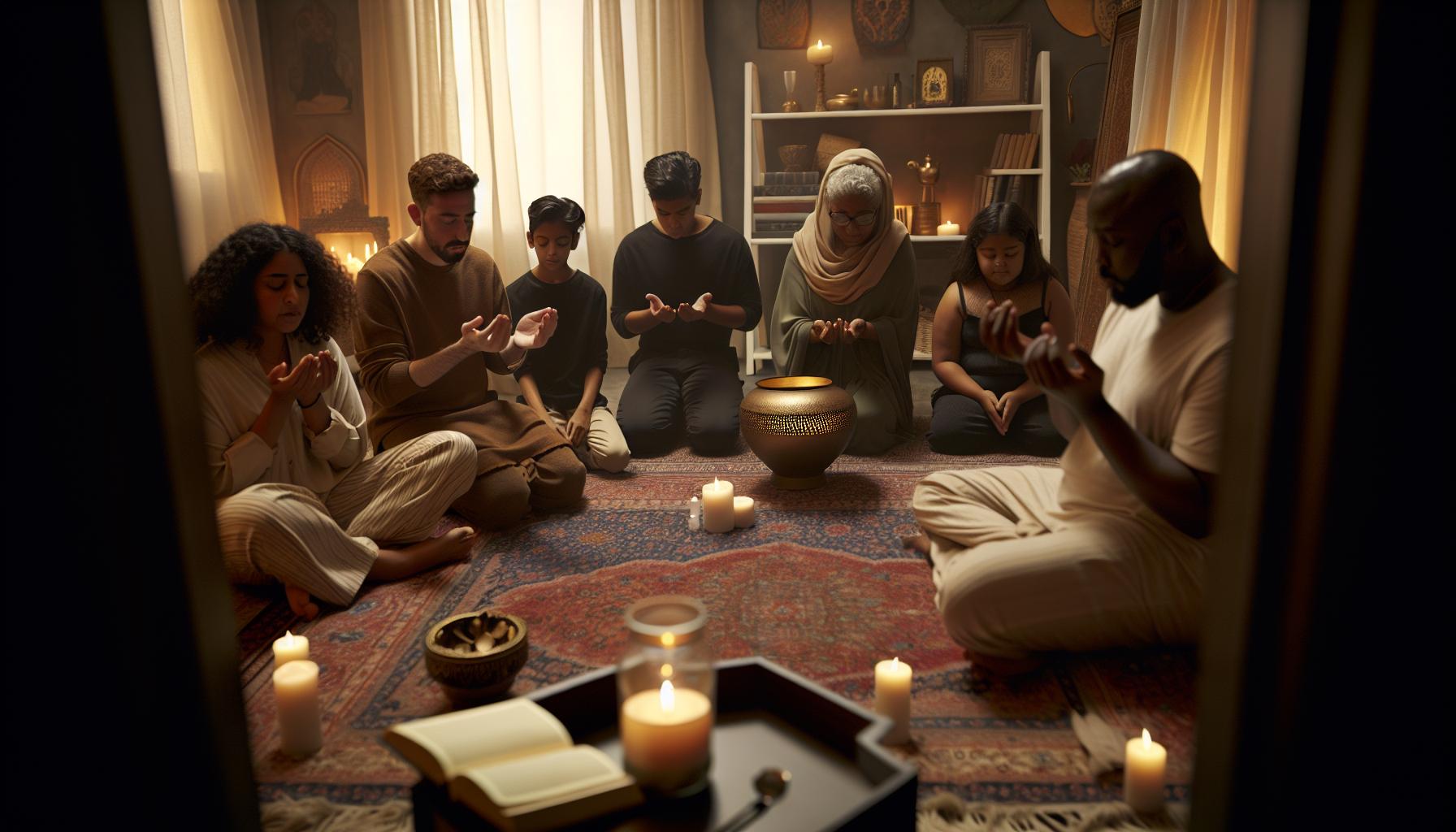
Enhancing Your Prayer Life Beyond the Mass
Beyond the sacred walls of the church, enhancing your prayer life is vital for deepening your relationship with God and living out the faith you experience during Catholic Mass. Engaging in personal prayer not only complements the worship you partake in weekly but also fosters a sustaining connection with Jesus throughout your day. In doing so, you embrace a vibrant spiritual discipline that can transform mundane moments into opportunities for divine intimacy.
Incorporate a variety of prayer styles into your daily routine to enrich your spiritual life. Consider adopting silent prayer for introspection and dialogue with God, where you listen more than speak. You might also explore scriptural meditation, taking a verse from the Bible and journaling your thoughts or prayers about it. This practice can lead to deeper understanding and revelation as God speaks to you through His Word. Additionally, prayer journaling can be a transformative tool; writing your prayers helps clarify your thoughts and offers a tangible record of God’s faithfulness and responses over time.
Embrace Spiritual Practices
To further enhance your connection with God, integrate other spiritual practices that cultivate a deeper prayer life. Consider establishing quiet time for devotions, where you read spiritual literature or the lives of saints and reflect on their journeys. These stories can inspire and challenge you in your own faith walk. Additionally, engaging in family prayers can foster unity and enrich your household’s spiritual atmosphere, encouraging conversations about faith, values, and God’s presence in daily life.
Remember, prayer is not confined to structured times; it can be woven into the fabric of your daily activities. Pray while commuting, take a moment for gratitude before meals, or engage in a quick prayer of intercession when you perceive someone is in need. These small, consistent acts will cultivate an ongoing dialogue with God, promoting a lifestyle of prayer.
Finally, don’t underestimate the power of community in your prayer life. Joining a prayer group or participating in parish activities designed for prayer can uplift your spirit and foster profound connections with fellow believers. Whether through shared experiences in prayer or group study, these communal moments enhance both your faith and understanding of Catholic prayers and responses experienced during Mass. Embrace this journey of growth-your prayer life is a vital aspect of living out your faith meaningfully and holistically.
Resources for Continued Spiritual Growth and Community Involvement
As one embarks on a journey of faith, it’s essential to build a reservoir of spiritual resources to cultivate continued growth and involvement within the community. The Catholic Church offers a wealth of opportunities for individuals at every stage of their faith journey to deepen their understanding of the Mass and its prayers. Accessing these resources can enhance your worship experience, strengthen your community ties, and enrich your personal prayer life.
Start with parish resources. Most Catholic parishes offer a variety of programs such as Bible study groups, adult education classes, and catechesis that cover the significance of the Mass and its prayers. Participating in these groups allows you to ask questions, share experiences, and foster relationships with other parishioners who are on similar spiritual paths. Additionally, many parishes provide materials for family-centered learning, enabling parents to teach their children about the Mass and its rituals.
Online resources are also invaluable for continued spiritual growth. Websites like CatholicTV and Massfinder offer livestream Masses, which can be a great way to engage with worship when attending in person isn’t possible. You can find daily readings, homilies, and reflection materials that can enhance your understanding of the prayers and liturgy. Consider spending time with devotional resources, such as the Liturgy of the Hours, which invites you to pray scripture throughout the day, deepening your connection with the rhythms of the Church.
Incorporating specific spiritual practices into your routine can also help sustain your faith journey. Establish a habit of meditation on the Sunday readings to prepare your heart for Mass. Journaling your reflections after Mass can further deepen your understanding of the experience. Engaging in community service through your parish can both put your faith into action and connect you with fellow believers who share your commitment to living out the Gospel message.
Lastly, consider online communities and podcasts that focus on Catholic teachings and spirituality. Many offer insights on the Mass, prayers, and provide a platform for communal praying or discussions related to faith. By utilizing these resources, you strengthen not only your own faith but contribute to a supportive community united in the rich tradition of the Catholic Church. Your journey in faith is a beautiful tapestry woven from diverse threads of prayer, community, and personal reflection; embrace it fully and you will foster the growth of your spiritual life and that of others around you.
Q&A
Here’s an SEO-optimized FAQ section for “Catholic Mass Prayers and Responses: Participate Fully in Worship”:
Q: What are the main prayers recited during Catholic Mass?
A: The main prayers recited during Catholic Mass include the Sign of the Cross, the Our Father, the Nicene Creed, and the various acclamations during the Eucharistic Prayer. Familiarity with these prayers enhances participation; you can deepen your understanding by reading the “Essential Prayers and Responses for the Faithful” section of our article.
Q: How can newcomers prepare for Catholic Mass?
A: Newcomers can prepare for Catholic Mass by familiarizing themselves with the structure of the Mass and the key prayers. Reading the “Participating in Mass: A Guide for Newcomers” section in our article provides helpful insights and tips to enhance your worship experience.
Q: Why is music important in Catholic Mass?
A: Music enhances the worship experience during Catholic Mass by creating a meditative atmosphere and encouraging congregational participation. It helps to lift spirits and deepen faith. Explore more in our section “The Role of Music and Hymns in Worship” for insights on this integral component.
Q: How can parents teach their children the responses during Mass?
A: Parents can effectively teach their children Mass responses by using resources that incorporate songs, visual aids, or interactive activities. The section “Engaging Children: Teaching Mass Responses to Families” offers practical strategies to make learning enjoyable for kids.
Q: What challenges might I face in participating in Mass, and how can I overcome them?
A: Challenges such as distractions, unfamiliarity with prayers, or feeling out of place can arise during Mass. Overcoming these involves consistent practice and seeking guidance. Check out the “Overcoming Challenges in Participation during Mass” section for practical solutions to enhance your worship.
Q: When are the different liturgical seasons celebrated in the Catholic Church?
A: The Catholic Church observes several liturgical seasons, including Advent, Christmas, Lent, Easter, and Ordinary Time. Each season has its own significance and prayers. For a detailed overview, refer to the “Exploring the Liturgical Seasons: A Year of Reflection” section.
Q: What are common misconceptions about Mass prayers?
A: Common misconceptions include the belief that Mass prayers are rigid or only for clergy. In reality, they are designed for full congregation engagement. To learn more, visit the “Common Misconceptions about Catholic Mass Prayers” section in our article.
This FAQ section is structured to capture user queries effectively while enhancing engagement with the article’s content. The answers are concise, actionable, and reference specific sections for further exploration, promoting deeper engagement with the topic.
To Wrap It Up
As you delve into the transformative experience of Catholic Mass, remember that actively participating in prayers and responses enhances your worship and deepens your faith. By embracing these key elements, you foster a more meaningful connection with God and the community. Feel inspired to elevate your prayer life and explore our resources on devotionals and Bible study for further spiritual growth.
Don’t miss out on our insightful articles on Christian marriage and parenting guidance – they’re designed to support you on your faith journey. Sign up for our newsletter today for regular updates, exclusive content, and more practical tools to enrich your spiritual practices. Your comments and stories are welcome, as we cherish the community we’re building together.
You’re not alone in this journey; let us walk alongside you as you continue to grow in Christ. Check out our guides on spiritual warfare and biblical lifestyle advice-make the commitment to participate fully in your faith today!