In times of struggle and uncertainty, the power of prayer can provide comfort and healing. “Catholic Prayers for Healing: 7 Miraculous Invocations” explores how specific prayers can bring solace to those facing physical, emotional, or spiritual hardships. These invocations are not just words; they are heartfelt expressions that connect us to God’s mercy and strength.
Many of us have experienced moments when we felt lost or in need of divine intervention, and reaching out in prayer can remind us that we are never alone. Whether you are seeking healing for yourself or interceding on behalf of a loved one, these prayers can serve as a lifeline, offering hope and a sense of peace amidst life’s challenges. As you delve into this collection of powerful invocations, prepare your heart to encounter the boundless love and grace that God extends through prayer. Discover how these petitions can uplift your spirit and illuminate your path toward healing.
Contents
- 1 Catholic Healing Prayers: A Spiritual Lifeline
- 2 The Power of Prayer for Physical Healing
- 3 Prayer for Emotional and Spiritual Wholeness
- 4 Miraculous Invocations: Saints and Their Intercessions
- 5 Daily Healing Prayers: Building a Routine
- 6 Scripture-Based Healing: Insights from the Bible
- 7 Community Prayers: Gathering for Healing Together
- 8 Personal Testimonies: Miracles Through Prayer
- 9 Guidance for Writing Your Own Healing Prayers
- 10 Embracing Faith: Trusting in God’s Healing Plan
- 11 The Role of Sacraments in Healing Prayer
- 12 Coping with Illness: Prayers for Strength and Comfort
- 13 Faq
- 14 Closing Remarks
Catholic Healing Prayers: A Spiritual Lifeline
It is often said that prayer is a powerful tool, not just a ritual, and for many Catholics, healing prayers serve as a genuine spiritual lifeline during times of distress. When faced with physical or emotional suffering, turning to God through these prayers can provide comfort, strength, and the hope of divine intervention. The healing prayers in the Catholic tradition are steeped in the belief that God’s compassion can transcend our earthly struggles, offering solace and restoration to those in need.
One might engage with specific prayers designed for healing, such as the “Overcoming Serious Illness Prayer,” where one invokes the Divine with faith and fervor, asking for the alleviation of pain and suffering. This prayer acknowledges God’s sovereignty and the ultimate power He possesses over sickness and health. Integrating healing prayers into daily life can foster a deeper relationship with God, serving as a reminder of His never-ending love and mercy. As believers recite these prayers, they often experience a sense of peace that transcends their immediate circumstances, empowering them to face challenges with renewed hope.
Moreover, healing prayers often include powerful intercessions from saints known for their miraculous acts. Saints such as St. Jude or St. Rita, known as patrons of impossible causes, are frequently invoked during prayer to inspire believers and remind them that they are not alone in their struggles. The Church teaches that these intercessions help bridge the gap between the faithful on earth and the heavenly realm, allowing for a communal approach to healing that can be spiritually uplifting. By understanding and practicing these invocations, individuals can deepen their faith while also finding comfort in the shared traditions of the global Catholic community.
Incorporating regular healing prayers into your spiritual routine can be as simple as setting aside a few moments each day to connect with God. Building a habit of prayer, whether through dedicated time in your day, as part of your blessings before meals, or during moments of distress, can slowly but surely nurture your spiritual well-being. This practice not only reassures you of God’s presence but also opens your heart to receiving the healing and strength that flows from faith. Embrace the power of such prayers as a foundational aspect of your spiritual journey, allowing them to transform your worries into trust and your fears into unwavering hope.
The Power of Prayer for Physical Healing
In moments of physical suffering, it is not uncommon to feel overwhelmed and powerless. However, in the heart of the Catholic faith lies the profound belief that prayer is a beacon of hope. Engaging in prayer for physical healing reminds us that we have a divine ally, one who walks alongside us in our trials. Each invocation is a reminder of God’s love and His omnipotent ability to restore, renew, and heal. Healing prayers serve as a heartfelt cry to God, expressing our vulnerability while simultaneously affirming our faith in His mercy.
When seeking physical healing, one can draw strength from specific prayers that appeal directly to God’s healing nature. Consider incorporating prayers such as the “Prayer for Healing” that resonate deeply with the shared experiences of illness and the pain that accompanies it. Utilizing scriptures such as Psalm 107:20, which states, “He sent out his word and healed them; he rescued them from the grave,” not only bolsters the faith of the believer but also fortifies their hope in miraculous intervention. Such scriptural foundations can serve as daily affirmations of faith, transforming a soulful request for healing into a proclamation of God’s promises.
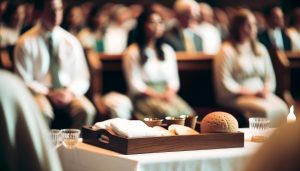
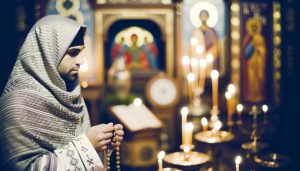
Moreover, the communal aspect of prayer cannot be underestimated. Flickering candles in churches and gatherings of faithful believers create an atmosphere where collective prayers ascend to the heavens, reinforcing the power found in unity. Organizing prayer groups or participating in communal healing services allows individuals to experience the strength of shared faith, a powerful reminder that they are not isolated in their struggles. During these gatherings, participants can witness how God’s healing occurs in diverse ways, through small comforts or significant miracles, illuminating the profound impact of collective prayer.
Lastly, establishing a routine that includes daily healing prayers can cultivate a sustained sense of peace and resilience. Taking just a few minutes each day to recite specific prayers or meditate on the healing passages in scriptures can transform not only the individual’s mindset but also keep their focus aligned with God’s promises. As believers engage in these practices, they often discover a renewed sense of trust and perspective, recognizing that even amid trials, God’s healing presence is a constant source of comfort and strength. Developing a relationship steeped in prayer allows the faithful to navigate their physical challenges with grace, courage, and unwavering hope in God’s ultimate healing plan.
Prayer for Emotional and Spiritual Wholeness
In the journey of faith, the quest for emotional and spiritual wholeness often feels like reaching for the stars-an aspiration that seems both distant and essential. Yet, through the lens of Catholicism, we learn that this pursuit is intricately tied to our relationship with God. Prayer is a powerful tool that not only connects us to divine love but also invites healing into the broken parts of our lives. As we bring our fears and burdens to Him in prayer, we open ourselves to God’s transformative grace, allowing Him to mend our hearts and souls.
To enhance emotional restoration, consider incorporating daily prayers that speak directly to your struggles. For instance, a prayer for healing can center your thoughts and emotions, inviting peace into turmoil. A prayer might encompass a plea for God’s loving touch: “Heavenly Father, in moments of anguish, I seek Your presence. Heal my troubled heart and guide me toward serenity.” This acknowledgment of our brokenness, paired with a trust in God’s mercy, creates a fertile ground for emotional healing.
Moreover, it can be beneficial to reflect on scriptural promises that speak to our emotional needs. Passages such as Psalm 34:18 remind us, “The Lord is close to the brokenhearted and saves those who are crushed in spirit.” These verses serve as powerful reminders that we are never alone in our struggles. Meditating on such verses can nurture a profound sense of hope, encouraging a deeper connection with God amid our challenges.
Strengthening emotional well-being also involves community support. Engaging in shared prayer with loved ones or parish groups can amplify our healing journey. Consider organizing prayer circles or participating in communal services focused on emotional healing, where testimonies of God’s goodness can encourage and uplift your spirit. Such gatherings emphasize the collective power of faith, reminding individuals that healing is often a communal endeavor, where love and support flourish in unity.
By actively integrating these practices into daily life, believers can foster a path toward emotional and spiritual wholeness that is not only enriching but also deeply fulfilling. Embracing the healing power of prayer allows individuals to align their hearts with God’s will, transforming pain into purpose and despair into hope. Engage with prayer as both a refuge and a source of strength as you navigate the emotions life presents, and trust in God’s unwavering promise of restoration.
Miraculous Invocations: Saints and Their Intercessions
When we find ourselves in need of healing-whether physical, emotional, or spiritual-a rich tradition within the Catholic faith invites us to seek the intercession of the saints. These holy individuals, who have walked the earthly path before us and are now in the presence of God, have the unique ability to pray on our behalf. Their lives serve as powerful testimonies to faith, resilience, and divine mercy, making their intercession a cornerstone of our healing prayers.
Throughout history, many saints have been called upon for specific needs. For instance, St. Jude, known as the patron saint of hopeless cases, provides comfort and encouragement when situations seem dire. Similarly, St. Raphael the Archangel is revered for his role in healing, reminding us of God’s desire for wholeness in our lives. By invoking these saints, we tap into a web of compassion that connects us to their stories and the miracles they represent. Engaging with these figures can feel like reaching for a lifeline; their examples inspire hope and nurture faith, assuring us that we are never truly alone in our struggles.
One effective way to invoke the saints is through dedicated prayer. For example, reciting the Prayer to St. Jude or the Prayer for the Intercession of St. Raphael can become a powerful part of your routine. Consider creating a prayer journal where you record your intentions, thoughts, and the moments you feel the saints’ guidance. A sample invocation might read:
“St. Jude, faithful servant and friend of Jesus, I turn to you in my hour of need. Intercede for me that I may receive the healing and comfort I seek. Your prayers will assist me in finding renewed hope and joy in God’s mercy.”
By incorporating these invocations into your daily prayers, you open the door to a relationship with the saints, enabling their support to uplift your spirit and draw you closer to God’s healing grace.
In a community setting, the invocation of saints can be a potent practice. Organize gatherings where individuals can share their stories and create a collective prayer atmosphere, invoking the saints together. Share accounts of miraculous healings or answered prayers, reinforcing faith and connection among participants. This communal practice can inspire everyone involved to trust more deeply in divine intercession.
Through the amplifying power of these miraculous invocations, believers are encouraged to persevere in prayer, confident that the saints are not only interceding but are also inspiring and uplifting hearts toward the divine plan of healing and restoration.
Daily Healing Prayers: Building a Routine
Establishing a routine of daily healing prayers can transform your spiritual journey, offering comfort, strength, and a deep connection to God. These practices not only allow you to invite divine intervention into your life but also foster resilience in times of distress. As you weave prayer into your daily activities, you’ll find that it becomes a source of peace and hope, reminding you of God’s presence and love.
One effective method to build this routine is through structured prayer times. Consider designating specific moments each day to engage in healing prayers. This could be in the morning as you prepare for the day ahead, during lunch breaks, or before bedtime as a way to reflect on the day. Integrating your prayer into these times creates a rhythm that encourages mindfulness and intentionality. You might want to include prayers such as:
- The Prayer for Healing: “Almighty and merciful Father, by the power of Your command, drive away from me all forms of sickness and disease.”
- Invocation of St. Raphael: “Saint Raphael, the Archangel, I ask for your intercession for healing in my life. Guide my doctors and caregivers.”
Additionally, integrating scripture readings can enhance your healing prayers. Reflecting on passages that speak to God’s healing power, such as Psalm 30:2, “O Lord my God, I cried to You for help, and You healed me,” can strengthen your faith and understanding. You might even journal your reflections to track your spiritual growth and the responses to your prayers over time.
Making prayer a shared experience within your family or community adds another layer of blessing. Gather with loved ones or friends to pray, allowing others to share their intentions and concerns. This communal aspect magnifies the power of prayer, as promised in Matthew 18:20, “For where two or three gather in my name, there am I with them.” By supporting one another, you create an environment rooted in faith, compassion, and shared hope.
In building a daily routine surrounded by healing prayers, you cultivate a fertile ground for spiritual growth and invigorate your faith journey. Each prayer offers a reminder of God’s enduring presence and His desire to heal, supporting you in embracing your spiritual path with confidence and joy.
Scripture-Based Healing: Insights from the Bible
Scripture has long served as a source of comfort and strength for believers in times of illness and distress. God’s Word offers profound insights into His healing power, reminding us not only of His ability to physically restore but also to heal the heart and soul. For those seeking spiritual healing, familiarizing oneself with key biblical passages can reinforce faith and encourage prayerful contemplation.
Start by reflecting on verses that emphasize God’s willingness to heal. For instance, in Psalm 107:20, it states, “He sent out His word and healed them; He rescued them from the grave.” This verse powerfully illustrates God’s intentionality in healing, suggesting that His words carry authority and transformative power. As part of your prayer practice, consider reciting this scripture aloud as a declaration of faith, affirming the belief in God’s healing promises.
Additionally, Isaiah 53:5 provides a beautiful reminder of the foundations of healing through Christ: “But He was pierced for our transgressions, He was crushed for our iniquities; the punishment that brought us peace was on Him, and by His wounds, we are healed.” This verse connects the forgiveness of sin with physical healing, emphasizing the holistic care that God desires for His people. Meditating on this can deepen your understanding of the interconnectedness of spiritual and physical health, motivating you to seek God not just for healing, but for reconciliation and peace.
To incorporate these insights into a daily practice, create a list of healing scriptures you can read and pray over each morning. You might include passages such as James 5:15, which encourages healing through prayer and community: “And the prayer offered in faith will make the sick person well; the Lord will raise them up.” Engaging regularly with these verses cultivates a heart attuned to God’s promises and nurtures an expectation of His miraculous work in your life.
By integrating Scripture into your prayer life, you not only bolster your spirit but also align your heart with God’s healing intentions. This practice creates a powerful spiritual cycle: prayer renews faith, and faith deepens the understanding of God’s Word, ultimately inviting His healing grace into every aspect of your life.
Community Prayers: Gathering for Healing Together
In times of illness or distress, the power of coming together as a community for prayer cannot be overstated. When believers unite in their faith, they not only bolster their own spirits but also create a sacred space for healing. The richness of Catholic tradition emphasizes that prayer, especially when shared, can be a profound source of strength and comfort. As part of the Church, we are called to support each other in our journeys, and communal prayers serve as a vital lifeline, nourishing both the individual and the collective spirit.
Gathering for healing prayers might take various forms-whether it’s a scheduled prayer group, a special healing service, or simply inviting friends and family to partake in prayer at home. When we come together, we embody the essence of Matthew 18:20, which reminds us, “For where two or three gather in my name, there am I with them.” This promise assures us that Christ is present when we join in prayer, amplifying the intentions and petitions lifted up to Him.
Here are a few ways to foster a sense of community healing through prayer:
- Group Prayer Sessions: Consider organizing regular prayer meetings focusing specifically on healing. These sessions can include shared intentions, readings from Scripture related to healing, and communal prayers, enriching the experience for all involved.
- Prayer Chains: Engage your parish or community in establishing a prayer chain where members commit to praying for individuals facing health challenges, ensuring that no one feels isolated in their struggle.
- Healing Masses: Attend or participate in a healing Mass where the sacrament of the Eucharist is combined with prayers specifically for health and wellness. This sacred setting can be especially powerful in invoking divine healing.
- Support Groups: Facilitate or join support groups where prayer is an integral part of the healing process, allowing participants to share their experiences, fears, and hopes in a faith-filled environment.
Through these practices, believers create a tapestry of support woven together with faith and love, reminding each other of God’s everlasting presence and His desire for our wholeness.
In the spirit of unity, as we gather in prayer, we can trust that the Lord hears our cries, and through our shared faith, we can witness His healing work manifest in miraculous ways. Together, we become conduits of God’s grace, helping each other to embrace hope and healing amidst life’s challenges.
Personal Testimonies: Miracles Through Prayer
In the tapestry of faith, personal testimonies often shine as bright threads, illustrating the transformative power of prayer in our lives. Many believers have experienced profound miracles through the earnest invocation of healing prayers, reminding us that our God is one of love and restoration. Whether it’s the miraculous recovery from a severe illness, the calming of anxiety through divine peace, or the rekindling of hope in desperate situations, these stories strengthen our faith and encourage us to seek God’s intervention.
One moving testimony comes from a young mother named Sarah, who faced a daunting battle with cancer. After months of treatment, she turned to her church community and began a dedicated prayer chain. With each prayer sent up, Sarah felt an increasing sense of peace enveloping her. After an intensive month of prayer, her doctors delivered news that would change her life: the cancer was in remission. Sarah attributes this miraculous outcome not only to the medical team but to the collective prayers that rallied around her in her time of need, echoing the promises found in James 5:16, “The prayer of a righteous person is powerful and effective.”
Another inspiring account is that of John, a former skeptic who found himself bedridden and overwhelmed by a debilitating condition. Desperate for relief, John recalled a prayer for healing he used to brush aside. He decided to pray earnestly and also invited friends and family to join him in prayer. Over time, he began experiencing gradual improvements in his health. He now speaks openly about how prayer transformed his outlook on life, aligning with Romans 12:12, “Be joyful in hope, patient in affliction, faithful in prayer.”
These testimonies are a testament to the undeniable truth that when we bring our needs to God through prayer, we open the door for His grace to work wonders in our lives. They encourage believers to not only seek healing personally but to share their struggles with others, fostering a supportive community where faith and healing can thrive. Whether through organized prayer groups, individual petitions, or healing Masses, reaching out for prayer cultivates a profound connection to God’s healing power which can lead to miraculous outcomes.
Guidance for Writing Your Own Healing Prayers
As you embark on the powerful journey of writing your own healing prayers, it’s essential to remember that this practice can serve as a beacon of hope and connection to God. Creating a personal prayer allows you to pour out your heart, voice your needs, and trust in the divine healing presence. To craft an effective healing prayer, begin by centering yourself in a quiet space, inviting the Holy Spirit to guide your words.
Start your prayer by addressing God with a heart full of reverence. Acknowledge His power and compassion, expressing gratitude for the many blessings in your life, even amid trials. For example, you might say, “Dear Lord, I come to you in my time of need, grateful for your love and grace that sustains me.” This sets a tone of humility and connection from the outset.
Next, clearly articulate your need for healing, whether it’s physical, emotional, or spiritual. Be specific about what you’re asking for, as there is strength in clarity. For instance, you can say, “I ask for your healing touch upon my body, which is weary from illness, and I seek peace for my anxious heart.” This not only establishes your intention but also helps you remain focused during your prayer.
To deepen your prayer, consider including scriptural affirmations or references to healing saints as intercessors. The Bible offers a wealth of verses to incorporate, such as Psalm 30:2, “O Lord my God, I cried to you for help, and you have healed me.” Not only does this reinforce your request, but it also anchors your prayer in the truth of God’s word.
Lastly, conclude your prayer with a statement of trust in God’s healing plan. Affirm your belief that His will is ultimately for your good, even if the outcome is different from what you envision. You might end with, “I trust in your perfect timing and endless love, knowing that you are my refuge and strength.” This reflection not only brings peace but also prepares your heart to accept whatever outcome unfolds.
Writing your own healing prayers can be a transformative practice, enriching your faith and drawing you closer to God’s heart. Embrace the process, knowing that each word you pen is a step toward healing and restoration, both for yourself and others.
Embracing Faith: Trusting in God’s Healing Plan
In times of illness or personal crisis, it’s common to question God’s plan and timing. The journey of accepting healing can feel daunting, especially when faced with uncertainty. However, embracing faith means recognizing that God’s understanding of our needs surpasses our own. Trusting in His healing plan encourages us to release our worries, reminding us that God is always working for our well-being, even when the answers aren’t immediate or as we envisioned.
Faith is often nurtured through prayer, scripture, and community support. Begin by seeking solace in biblical passages that illustrate God’s healing power, such as Jeremiah 30:17, “For I will restore health to you, and your wounds I will heal, declares the Lord.” By meditating on these verses, believers can find reassurance that healing is a part of God’s promise. Furthermore, incorporating traditional Catholic prayers for healing, like the Prayer to St. Jude, can be instrumental. These invocations connect us to a rich community of saints who intercede on our behalf, offering hope and inspiration.
An essential aspect of trusting God’s healing plan is engaging in communal prayer. Gathering with others in faith not only strengthens our resolve but also enhances our collective prayers. Consider organizing prayer circles or seeking out prayer chains in your community. This practice creates a support system that reminds participants they are not alone in their struggles. The shared faith and mutual encouragement during these gatherings can significantly uplift your spirits.
Ultimately, healing can be physical, emotional, or spiritual; thus, maintaining an open dialogue with God through prayer deepens our relationship and understanding. As you navigate this journey, affirm your trust in His divine wisdom, knowing that His plans, while sometimes unfathomable, are always for our good. Remember, God’s timing may differ from our expectations, but every step taken in faith brings us closer to healing and wholeness in His perfect scheme.
The Role of Sacraments in Healing Prayer
In the Catholic tradition, sacraments serve as powerful conduits of grace, especially when it comes to healing prayers. Each sacrament acts as a tangible means through which believers can experience God’s love and restoration in their lives. Among these, the Sacrament of Anointing of the Sick is particularly significant. This sacrament is administered to those who are seriously ill or facing significant health challenges. Through the laying on of hands and anointing with oil, it embodies the healing power of Christ, offering not only physical healing but also spiritual comfort and peace to the afflicted.
Engaging with the sacraments enhances the overall journey of healing in profound ways. For instance, the Eucharist, known as the source and summit of the Christian life, provides spiritual nourishment. As believers partake in Holy Communion, they spiritually unite with Christ, who promised to be with them in their struggles. In moments of illness, this sacramental presence can foster a deep sense of hope and strength. Regular participation in the sacraments cultivates a rhythm of grace, reinforcing the belief that healing is ultimately rooted in a relationship with God.
Moreover, the sacramental life is not only about personal experience but also involves the community. When individuals receive sacraments, they are often surrounded by loving family members and faith communities who offer their prayers in solidarity. This collective prayer mirrors the communal nature of the Church, reinforcing the message that none of us should walk the path of illness alone. Witnessing others receive healing-be it through sacramental anointing or through the grace of the Eucharist-can inspire faith and hope in those who feel isolated by their suffering.
Ultimately, is a testament to God’s unwavering love and the promise of restoration. By embracing these sacred moments, individuals can find reassurance in God’s healing plan while nurturing their faith throughout the trials they face. The serenity and comfort that accompany sacramental grace create an environment conducive to spiritual and emotional healing, guiding believers toward a deeper understanding of God’s endless compassion.
Coping with Illness: Prayers for Strength and Comfort
In times of illness, turning to prayer can provide a profound source of strength and comfort. The act of praying not only allows individuals to express their fears and hopes but also creates a sacred space where they can encounter God’s loving presence. Within the Catholic tradition, specific prayers can be powerful tools to help cope with the emotional and physical challenges that accompany illness. These prayers serve as reminders that one is never alone and that divine support is always at hand.
One effective prayer is the Prayer for Healing: “Almighty and merciful Father, by the power of your command, drive away from me all forms of sickness and disease; restore health to my body and spirit, that I may serve you and my brothers and sisters.” This invocation not only asks for physical healing but also for spiritual renewal. Focusing on both body and soul reflects a holistic approach to wellness, encouraging individuals to seek comfort not just in their physical state but also in their spiritual lives.
Another heartening practice is to meditate on Scripture passages that emphasize God’s care and healing. Verses like Psalm 34:18, “The Lord is close to the brokenhearted and saves those who are crushed in spirit,” serve as powerful reminders of God’s empathy and presence during times of vulnerability. Integrating these reflections with daily prayer can create a rhythm of hope and resilience, providing a spiritual balm for the suffering.
While personal prayers are beneficial, communal prayers can reinforce a sense of belonging and support within the faith community. Inviting friends and family to join in prayer for healing brings a collective energy to the process, reminding the individual that they are part of a larger body of believers who care deeply. Consider initiating a prayer circle for someone facing health challenges, where attendees can share their intentions and offer prayers of intercession for the individual in need.
Ultimately, navigating the path of illness with prayer fosters a deeper connection with God, cultivating trust in His healing plan. By embracing these spiritual practices, individuals can find solace and strength in their faith journey, transforming their experience of suffering into an opportunity for growth and closeness to the Divine.
Faq
Q: What is the significance of Catholic prayers for healing?
A: Catholic prayers for healing hold significant spiritual importance as they invoke God’s mercy and grace to restore physical, emotional, and spiritual well-being. These prayers strengthen faith, provide comfort, and foster a deepened connection with God. Engaging in such prayer can be a powerful tool for those seeking healing.
Q: How can I incorporate saints into my healing prayers?
A: Incorporating saints into your healing prayers can amplify your intentions through their intercession. You can specifically invoke saints known for healing, such as St. Raphael or St. Jude, and ask for their guidance and support. Refer to the “Miraculous Invocations” section in your prayers for targeted requests.
Q: When should I pray for healing?
A: You can pray for healing at any time, especially during moments of distress, illness, or while supporting someone in need. Regular daily prayers and communal prayer gatherings can also nurture a habit of seeking divine intervention. Consider dedicating specific times for this in your routine to maintain spiritual focus.
Q: Can personal testimonies enhance the experience of prayer for healing?
A: Yes, personal testimonies can greatly enhance the experience of prayer for healing by demonstrating God’s faithfulness and power. Sharing and hearing stories of miraculous healings can strengthen your faith and encourage others to trust in God. Incorporate these insights into community prayer sessions for collective uplifting.
Q: How do I write my own prayers for healing?
A: Writing your own prayers for healing involves expressing your heart’s desires and needs directly to God. Use specific language about what you seek, include gratitude, and ask for strength. You can also follow the structure found in the “Guidance for Writing Your Own Healing Prayers” section in your source material for inspiration.
Q: What role do sacraments play in healing prayer?
A: Sacraments, especially the Anointing of the Sick, play a vital role in Catholic healing prayer by administering grace and comfort. They deepen one’s relationship with God and provide physical and spiritual healing. Consider participating in sacraments regularly as part of your faith journey.
Q: How can community prayers support healing?
A: Community prayers support healing by creating a shared atmosphere of faith and love. Gathering together to pray enhances spiritual strength and encourages individuals facing challenges. Engaging with your church community for healing intentions fosters unity and divine intercession. Refer to the “Community Prayers” section in your article for additional warmth.
Closing Remarks
As you embrace the powerful “Catholic Prayers for Healing: 7 Miraculous Invocations,” remember that your journey to spiritual renewal doesn’t end here. Reflect on these invocations and the profound connection they offer to the divine healing you seek. Don’t hesitate to put your faith into action-consider sharing your thoughts and experiences in the comments below or with your community to inspire others.
For those looking to deepen their prayer life, explore our related articles on praying for loved ones and bible verses for comfort. You may also want to sign up for our newsletter for more faith-based content that nurtures your spiritual journey. Remember, every prayer is a step closer to healing and enlightenment-take this moment now to commit to your prayers and watch as they unfold in your life. Together, let’s cultivate a community grounded in faith and healing.


![Devoted Health Provider Portal: [Not applicable for Christian content]](https://christiancitychurch.eu/wp-content/uploads/2025/09/7285-devoted-health-provider-portal-not-applicable-for-christian-content-300x171.jpg)