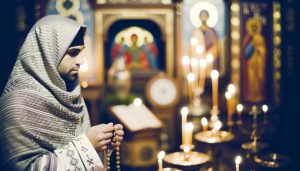
In our fast-paced world, finding moments of sacred connection can feel like a challenge. “Communion Prayers: Sacred Words for Holy Moments” invites you to pause and reflect, allowing heartfelt prayers to deepen your spiritual journey. Communion is not merely a ritual; it symbolizes the profound relationship between believers and Christ, reminding us of His sacrifice and unfailing love. Engaging in communion prayers can transform ordinary moments into extraordinary encounters with God, providing comfort, strength, and direction. As you explore these sacred words, envision how they can resonate with your own faith journey, fostering a deeper intimacy with the Lord and enriching your daily life. Dive into this collection and discover how each prayer can serve as a powerful source of inspiration and spiritual nourishment. Your moments with God await!
Contents
- 1 Communion Prayers: Finding Divine Connection
- 2 The Power of Prayer in Communion
- 3 Exploring the Meaning Behind Communion Prayers
- 4 Essential Elements of Effective Communion Prayers
- 5 Inspiring Examples of Communion Prayers
- 6 How to Write Your Own Communion Prayer
- 7 Scriptural Foundations for Communion Prayers
- 8 Creating a Sacred Atmosphere for Prayer
- 9 Incorporating Communion Prayers into Worship Routines
- 10 Communion Prayers for Different Seasons of Life
- 11 Prayerful Reflections: Deepening Your Communion Experience
- 12 The Role of Community in Communion Prayers
- 13 FAQ
- 14 The Way Forward
Communion Prayers: Finding Divine Connection
In the sacred act of communion, where believers gather to remember Christ’s sacrifice, prayers become a powerful conduit for a divine connection. This sacred moment serves not just as a ritual, but as a profound opportunity to engage with God on a deeper level. When we enter into communion, our hearts are aligned with the heartbeat of God, allowing us to express gratitude, seek forgiveness, and embrace His grace. Through intentional prayers, we can draw near to the divine, cultivating a space for spiritual renewal and reflection.
To enhance your communion experience, consider the elements of effective communion prayers. Prayers should be sincere, rooted in scripture, and focused on humility. Here are some key components to incorporate:
- Adoration: Begin by acknowledging God’s holiness and majesty.
- Confession: Reflect on personal shortcomings and seek God’s forgiveness.
- Thanksgiving: Express gratitude for the gift of Jesus and His sacrifice.
- Supplication: Ask for strength and guidance to live out your faith.
By focusing on these elements, your prayers can serve as an invitation for God’s presence, allowing the sacred act of communion to transform into a vibrant conversation between you and the Lord.
As you delve deeper into your communion practices, it’s also essential to create a sacred atmosphere for prayer. Find a quiet space, free from distractions, where you can center your thoughts and engage with God. You might light a candle or play soft worship music to invite a spirit of reverence into the moment. The goal is to cultivate an environment that enhances your communion experience and allows you to be fully present as you seek intimacy with Christ.
Through communion prayers, believers can not only commemorate Christ’s sacrifice but also find profound connection with the Divine, rejuvenating their faith journey and reinforcing their community bonds in love and grace.
The Power of Prayer in Communion
The sacred act of communion is not merely a ritual; it’s a profound meeting place where believers connect with God in a deeply meaningful way. Prayer, as part of this communion experience, serves as a channel through which we can draw nearer to His presence, opening our hearts to His grace and love. By expressing our thoughts and emotions through prayer, we invite the Holy Spirit into our communion moments, transforming them from routine observances into rich spiritual experiences.
Incorporating prayer into your communion practice can take various forms, reflecting the personal nature of your relationship with God. One impactful approach is to use scripture-based prayers that resonate with the themes of communion, such as sacrifice, redemption, and community. For instance, reflecting on passages like 1 Corinthians 11:23-26, where Paul recounts the Last Supper, can guide you in crafting prayers that express gratitude for Christ’s body and blood.
Consider establishing a rhythm in your communion prayers by including elements of adoration, confession, thanksgiving, and supplication. Such a structure not only helps in articulating your thoughts but also aligns your heart with God’s will. For example, start with an expression of adoration, recognizing God’s holiness and love; follow with a moment of confession, allowing space for personal reflection and seeking forgiveness; then transition into thanksgiving for the gift of salvation, and conclude with supplication, asking for continual strength and guidance in your faith journey.
To enhance your communion experience further, create an environment conducive to prayer. Find a space that feels sacred-whether that’s lighting a candle, playing soft worship music, or simply engaging in quiet reflection. These actions can help center your mind, paving the way for heartfelt communication with God. Ultimately, prayer within communion not only commemorates Christ’s sacrifice but also deepens your spiritual walk, strengthens your faith, and nurtures your connection to the Christian community.
Exploring the Meaning Behind Communion Prayers
The act of communion is far from a mere ritual; it is a vibrant expression of faith that embodies the heart of Christian worship. Communion prayers serve as a bridge to deeper understanding and connection with God, enhancing our experience of this sacred meal. These prayers invite us into a moment of reflection, helping us to grasp the significance of Christ’s sacrifice and our personal relationship with Him. When we engage in communion prayers, we are not only recalling the Last Supper but also actively participating in the continuation of Christ’s covenant with humanity.
Communion prayers provide the opportunity to articulate our gratitude, awe, and reverence for the love Christ demonstrated through His sacrifice. As we pray, we reflect on the profound meanings found in the bread and cup, recognizing these elements as symbols of His body and blood, given for our salvation. This understanding transforms our approach to prayer, allowing us to move from a simple recitation of words to a heartfelt dialogue with our Creator. By embracing scripture-such as John 6:35, where Jesus declares, “I am the bread of life”-we can draft prayers that resonate with His teachings and our faith journey.
In crafting communion prayers, it’s beneficial to engage our hearts fully by incorporating elements of confession, thanksgiving, and supplication. For example, we can confess our shortcomings, express gratitude for God’s grace, and seek His guidance as we navigate our walks of faith. This multi-faceted approach not only enriches our personal spiritual encounters but also fosters a sense of community and shared belief among fellow believers, as we collectively partake in this sacred act. Ultimately, communion prayers invite us to a sacred dialogue with God, allowing for spiritual rejuvenation and deeper connection with the divine during these holy moments.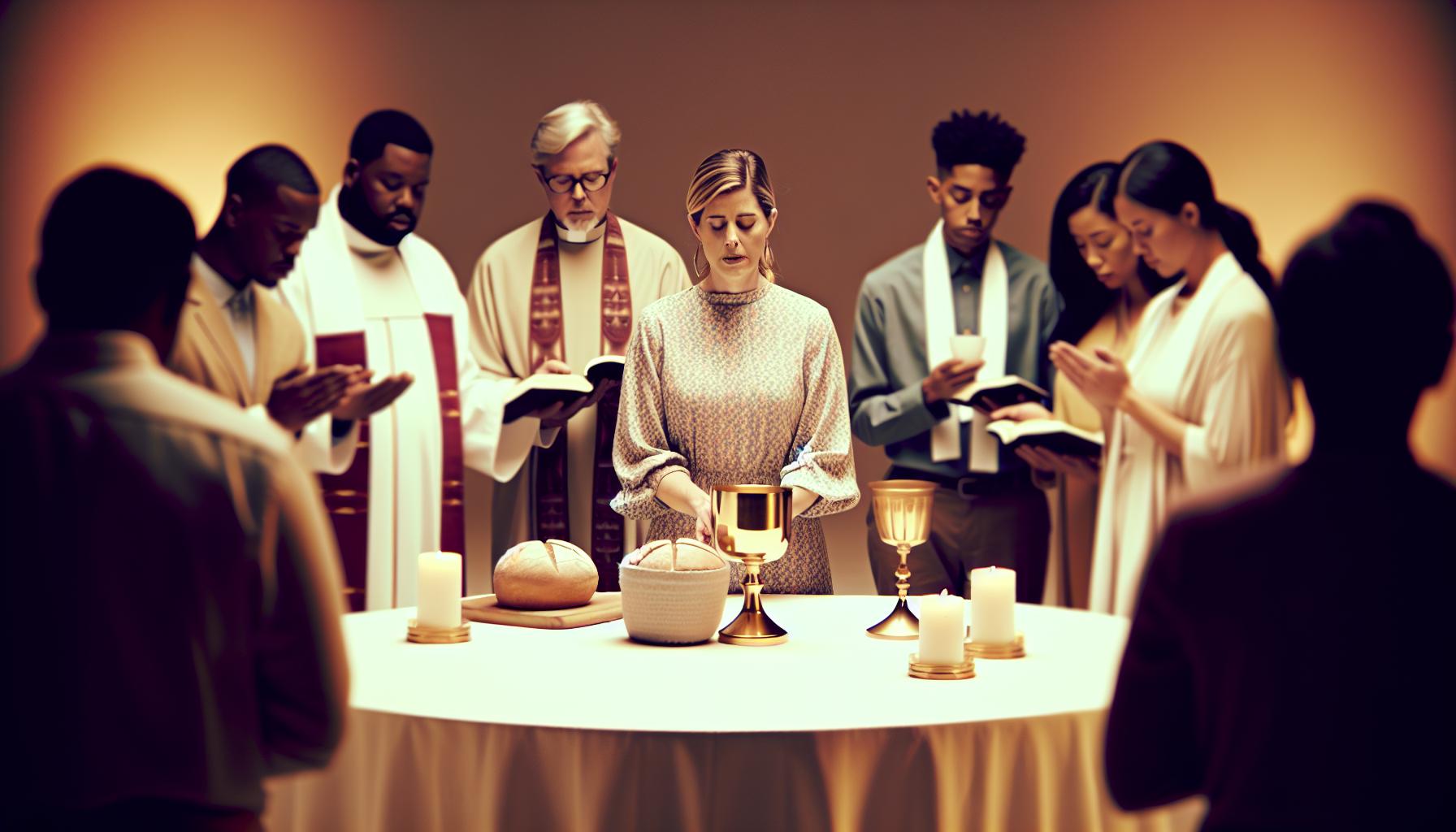
Essential Elements of Effective Communion Prayers
In the sacred ceremony of communion, prayer serves as a vital conduit for connecting the heart of the believer to the divine. Each communion prayer has the potential to transform the act from a mere ritual into a meaningful encounter with God, and several key components can enhance this experience. By integrating these essential elements, believers can foster a deeper understanding of Christ’s sacrifice and strengthen their spiritual walk.
- Gratitude: Begin your prayer by expressing thankfulness for the gift of salvation and Christ’s presence in your life. Acknowledging His sacrifice sets a tone of reverence and appreciation for what you are about to partake in.
- Confession: Include a moment of reflection where you confess any sins or shortcomings. This humility opens your heart to receive God’s grace and prepares you to fully embrace the communion experience.
- Scriptural Reflection: Incorporating verses or biblical themes related to communion can anchor your prayers in scripture. For instance, referencing 1 Corinthians 11:23-26 not only aligns your prayer with biblical truth, but it also recalls the significance of the Last Supper.
- Intercession: Use this time to pray for others, inviting God to touch the lives of friends, family, or your faith community. This helps you extend the love you receive through communion outwardly, fostering a sense of unity and shared faith.
- Expectation: Lastly, conclude your prayer with an expectation for what God will do in your heart and life through the communion experience. Approach the table with anticipation, knowing that this sacred moment is a chance for spiritual nourishment and renewal.
Incorporating these elements allows communion prayers to become powerful moments of reflection and connection. As believers engage in this sacred practice, they can draw upon the profound depth of Christ’s love, preparing themselves to receive both His grace and strength. Ultimately, effective communion prayers not only enrich the personal experience of the participant but also cultivate a collective sense of worship and devotion within the body of believers.
Inspiring Examples of Communion Prayers
In the heart of communion lies not just bread and wine but a tapestry of faith woven through heartfelt prayers. These sacred words are bridges, connecting believers with the divine, enhancing the spiritual significance of the moment. Communion prayers embody gratitude, reflection, and the anticipation of God’s transformative work in our lives. Here are some inspiring examples that can serve as a guide for your own communion experiences.
A simple yet profound prayer might begin with a declaration of thankfulness: “Heavenly Father, as I partake in these holy elements, I give you thanks for the immeasurable gift of Jesus Christ, who sacrificed everything for my salvation. Let this moment remind me of His love and grace that sustains me daily.” This heartfelt expression aligns with the essential elements of effective communion prayers by focusing on gratitude.
Incorporating moments of intercession can deepen the communion experience. A prayer might include, “Lord, I lift up my family and friends to you. May the love I receive at this table overflow into their lives. Heal the broken, comfort the weary, and draw each one closer to You.” This aligns with the biblical principle of sharing the love of Christ and underscores the communal aspect of faith.
Another powerful example draws directly from Scripture. While breaking bread, you could pray: “Jesus, as You said in 1 Corinthians 11:24, ‘This is my body, which is for you; do this in remembrance of me,’ help me remember Your sacrifice not only today but in every moment of my life. Teach me, Lord, how to serve others as You served us.” By embedding scripture into the prayer, you reinforce the significance of communion and enrich the moment with biblical truths.
Lastly, conclude your communion prayer with an expression of hope and expectation: “I approach this table with an open heart, ready to receive Your grace. I trust that through this communion, You are renewing my spirit and empowering me for the days ahead, guiding me to be a beacon of Your light in the world.” This anticipatory tone not only centers your thoughts but also invites God’s presence into your life more profoundly.
Through these examples, whether you draw from them directly or adapt them to reflect your personal faith journey, you can create communion prayers that are not just recitations, but heartfelt conversations with God that enhance your sacred moments.
How to Write Your Own Communion Prayer
Writing your own communion prayer can be a deeply meaningful exercise in expressing gratitude, reflection, and connection with God. Begin by setting a serene atmosphere, perhaps by dimming the lights or playing soft worship music, allowing your heart to become still as you prepare to engage in this sacred moment. The essence of a communion prayer lies in its authenticity, so approach this task with a desire to communicate honestly with God, expressing your innermost thoughts and feelings.
Start your prayer with a statement of gratitude. Acknowledge the significance of the sacrament and recall the love demonstrated through Jesus’ sacrifice. You might say something like, “Lord, I come before You with a heart full of thanks for the gift of Your Son, Jesus, whose body and blood were given for my salvation.” This sets a tone of reverence and acknowledgment for the divine love that underpins the act of communion.
Next, consider weaving in a personal reflection or a moment of confession. This could involve recognizing areas in your life where you seek God’s grace and forgiveness. For instance, you may include a line such as, “I confess my shortcomings and ask for Your mercy, Lord, as I remember Your faithfulness.” This not only enriches your prayer but also aligns with the reflective spirit of communion, encouraging a deeper spiritual connection.
Including intercessions for others can also enhance your prayer. As you partake in the elements, you might say, “I lift up my family, friends, and those in need, asking that Your love may touch their lives in profound ways.” This act of intercession not only emphasizes the communal nature of faith but also expands the focus beyond your personal experience, highlighting the interconnectedness of the body of Christ.
Finally, close your communion prayer with a hopeful declaration about your spiritual journey. An encouraging conclusion could be, “As I partake of this holy communion, I trust in Your promises and open my heart to the transformation You offer through Your grace.” By ending with hope, you invite God’s presence into your life, reinforcing the transformative power of communing with Him.
With these elements, you can craft a heartfelt communion prayer that is meaningful and engaging, reflecting your personal faith journey while connecting with the greater community of believers in the spirit of love and grace.
Scriptural Foundations for Communion Prayers
Communion serves as a profound reminder of Christ’s sacrifice, and in praying during these sacred moments, we anchor ourselves in Scripture, allowing God’s Word to guide our reflections and intentions. The Bible reveals rich teachings on communion that can deepen our prayers and enhance our connection to God during this holy act. For example, 1 Corinthians 11:23-26 beautifully encapsulates the institution of communion as Paul recounts the Last Supper: “For I received from the Lord what I also passed on to you: The Lord Jesus, on the night he was betrayed, took bread, and when he had given thanks, he broke it and said, ‘This is my body, which is for you; do this in remembrance of me.'” This establishes a clear framework for our prayers, reminding us to express gratitude and remembrance.
Incorporating scriptural verses directly into communion prayers can help align our hearts with the truth of God’s Word. Reflecting on passages such as Matthew 26:28, where Jesus says, “This is my blood of the covenant, which is poured out for many for the forgiveness of sins,” can inspire prayers that focus on the themes of forgiveness and redemption. Acknowledging this covenant during our prayers fosters a spirit of thanksgiving and commitment to live in accordance with His will.
Consider also the significance of community in communion prayers. Acts 2:42 highlights that the early church devoted themselves to “the breaking of bread and to prayer,” pointing to a communal experience. This can encourage us to incorporate prayers for our church community and beyond, lifting up the needs of others and asking for God’s grace and guidance collectively. A prayer might include a plea like, “Lord, as we partake together, unite our spirits and strengthen the bonds of our community through Your love.”
Additionally, drawing from Psalm 51:10, “Create in me a pure heart, O God, and renew a steadfast spirit within me,” can guide personal reflections during communion. This invites a posture of repentance and renewal as we approach the elements, making space for God to work in our hearts. By weaving these scriptural foundations into our communion prayers, we nurture our relationship with God, solidifying our understanding of His profound love and sacrifice.
Creating a Sacred Atmosphere for Prayer
during communion is essential for fostering a deep connection with God and enhancing our spiritual experience. This sacred setting allows us to reflect on the significance of the elements we are about to partake in, the bread and the wine, and invites the presence of the Holy Spirit into our hearts. By being intentional about our environment and mindset, we can cultivate a space where divine connection is palpable, inviting moments of genuine reflection, gratitude, and worship.
One effective way to establish this sacred atmosphere is by preparing both physically and spiritually before engaging in communion. Consider the following practices:
- Quiet Reflection: Before communion, take a few moments of silence to center your thoughts. This may include meditating on a scripture passage or simply breathing deeply to calm your spirit.
- Prayer of Preparation: Offer a prayer asking for God’s presence to fill the space and to prepare your heart for worship. This can be a simple request for openness and receptivity to what He wants to reveal during this precious time.
- Create a Sacred Space: If possible, set up your communion area with elements that inspire reverence-a cloth for the table, candles, or even calming music in the background. These details can lift your spirit and reinforce the sanctity of the moment.
- Incorporate Scriptural Readings: Select passages that resonate with the themes of communion, such as those found in the Gospels. Reading these scriptures aloud can serve as a powerful reminder of Christ’s sacrifice.
Moreover, consider the impact of community when creating this sacred atmosphere. When participating in communion with others, encourage collective prayers that acknowledge shared beliefs and values. This communal aspect can enhance the overall experience, uniting individuals in a common purpose as they seek to honor God through this ritual. Reflecting on Acts 2:42, where the early church devoted themselves to the “breaking of bread and to prayer,” reminds us of the strength found in unity during communion.
Ultimately, involves attuning your heart to the profound meaning behind the act of communion. As you submit your intentions and prepare your spirit, look for new ways to encounter God’s presence, allowing each communion moment to deepen your faith journey and draw you closer to His divine love.
Incorporating Communion Prayers into Worship Routines
Incorporating communion prayers into regular worship routines can transform the ordinary into the extraordinary, deepening the spiritual experience of the congregation or individual. Whether practiced in church services or at home, prayers can serve as powerful reflections that invite the Holy Spirit into the moment of communion. As believers gather around the table or share in the elements, enriching their prayers can enhance their connection to God and to each other.
One effective approach is to weave specific communion prayers into the liturgical flow of worship. For example, before distributing the elements, the leader can recite a prayer that acknowledges the significance of the bread and wine as symbols of Christ’s body and blood. This prayer can include themes of unity, forgiveness, and remembrance, drawing on rich scriptural references like 1 Corinthians 11:23-26. Doing so not only elevates the moment but also encourages congregants to reflect on their individual relationships with Christ and with one another.
- Use Seasonal Prayers: Tailor prayers to reflect themes of the church calendar, such as Advent, Lent, or Pentecost. This reflection emphasizes the sacredness of the season, allowing worshippers to connect communion with the greater narrative of their faith journey.
- Incorporate Silence: Allow for moments of silence within the prayer to let worshippers internalize the words and seek personal communion with God. This practice can foster a quiet space for the Holy Spirit to speak.
- Encourage Community Participation: Invite different members of the congregation to lead or contribute communion prayers. This involvement fosters a sense of ownership and community, making the experience more personal and relatable.
- Share Personal Testimonies: During communion, consider including a time for individuals to share how God has been at work in their lives, linking their experiences to the power of communion through prayer.
By thoughtfully integrating prayer into communion, each celebration becomes a sacred opportunity to deepen faith and build community. These moments cultivate a richer understanding of the sacrament, aligning believers’ hearts with the life and teachings of Jesus Christ.
Communion Prayers for Different Seasons of Life
In every season of life, the act of communion can serve as a powerful anchor for the soul, providing divine connection, nourishment, and reflection. As we navigate moments of joy, sorrow, transformation, and growth, specific prayers can help us articulate our experiences and deepen our relationship with Christ through the symbolism of communion. Whether celebrating a joyous occasion or seeking solace in a difficult time, communion prayers can be tailored to reflect the unique emotions and circumstances we encounter.
When experiencing joy, such as a wedding or the birth of a child, prayers can focus on gratitude and acknowledgment of God’s blessings. A prayer might express heartfelt thanks for the joy present, integrating scripture like Psalm 118:24, “This is the day that the Lord has made; let us rejoice and be glad in it.” Inviting blessings on the new beginning or the community gathered in celebration enriches the communion experience, turning it into a moment of shared happiness and unity before God.
Conversely, during moments of loss or difficulty, communion prayers can provide comfort and strength. A prayer might ask for God’s presence and peace, echoing passages such as 2 Corinthians 1:3-4, which speaks of God as the Father of compassion and the God of all comfort. This type of prayer not only helps the individual connect their heartache with the savior’s sacrificial love but also serves as a reminder of the continuous support of the community, offering both solace and encouragement through their shared faith.
Prayers for Life’s Milestones
- New Beginnings: Celebrating life’s new phases, like graduations or new jobs, can be highlighted by prayers for guidance and strength, asking God to lead individuals on their new journeys.
- Seasons of Change: Transitioning into different stages, such as retirement or moving to a new city, could be accompanied by prayers for excitement and hope for what lies ahead.
- Healing and Restoration: During times of physical or emotional suffering, communion prayers can include petitions for healing and restoration, drawing on divine promises found in Isaiah 41:10, reassuring believers of God’s unfailing support.
Ultimately, invite believers to pause, reflect, and engage in meaningful conversation with God. By crafting prayers relevant to our experiences, we not only personalize the act of communion but also create sacred moments of connection that enrich our spiritual journeys, helping us draw closer to Christ and to each other, no matter where we find ourselves in life’s journey.
Prayerful Reflections: Deepening Your Communion Experience
In moments of reflection and intentional prayer, communion transforms from a ritual act into a deeply personal experience, allowing us to reconnect with the divine and reinforce our faith. This sacred observance is not just about the physical elements of bread and wine; it serves as a powerful reminder of Christ’s profound sacrifice and love for us. By incorporating prayer into our communion practice, we cultivate a space for dialogue with God that enriches our spiritual paths and facilitates healing, gratitude, and renewal.
Engaging in prayerful reflections during communion can help ground us in our faith. Start by preparing your heart and mind; find a quiet moment where you can focus on God’s presence. You might choose to read scriptures that resonate with your current life situations, such as Matthew 26:26-28 which recounts the Last Supper. Follow this with prayers that express your thoughts and feelings; whether you seek forgiveness, express gratitude, or ask for guidance, using specific scripture passages can deepen the sincerity and focus of your prayers.
Consider creating a routine that encapsulates your communion prayers. You could set aside certain times in your week to reflect on specific themes associated with communion, like “grace,” “remembrance,” or “community.” Each session can incorporate different elements, such as journaling about your prayers or meditating on scripture. As you develop this rhythm, you will likely find that your communion experience becomes richer, bringing new insights and deeper connections to your spiritual practice.
Remember, communion is not solely an individual experience; it is also a communal one. Involve family and friends in this sacred time by sharing your prayer intentions. When one person prays for healing, another may uplift their request for guidance, creating a tapestry of intercession that embodies the heart of Christian community. This shared faith experience not only strengthens personal relationships but also embodies the unity that Christ calls us to live out in His body. By being intentional in these practices, we not only deepen our own communion experience but also encourage one another in faith.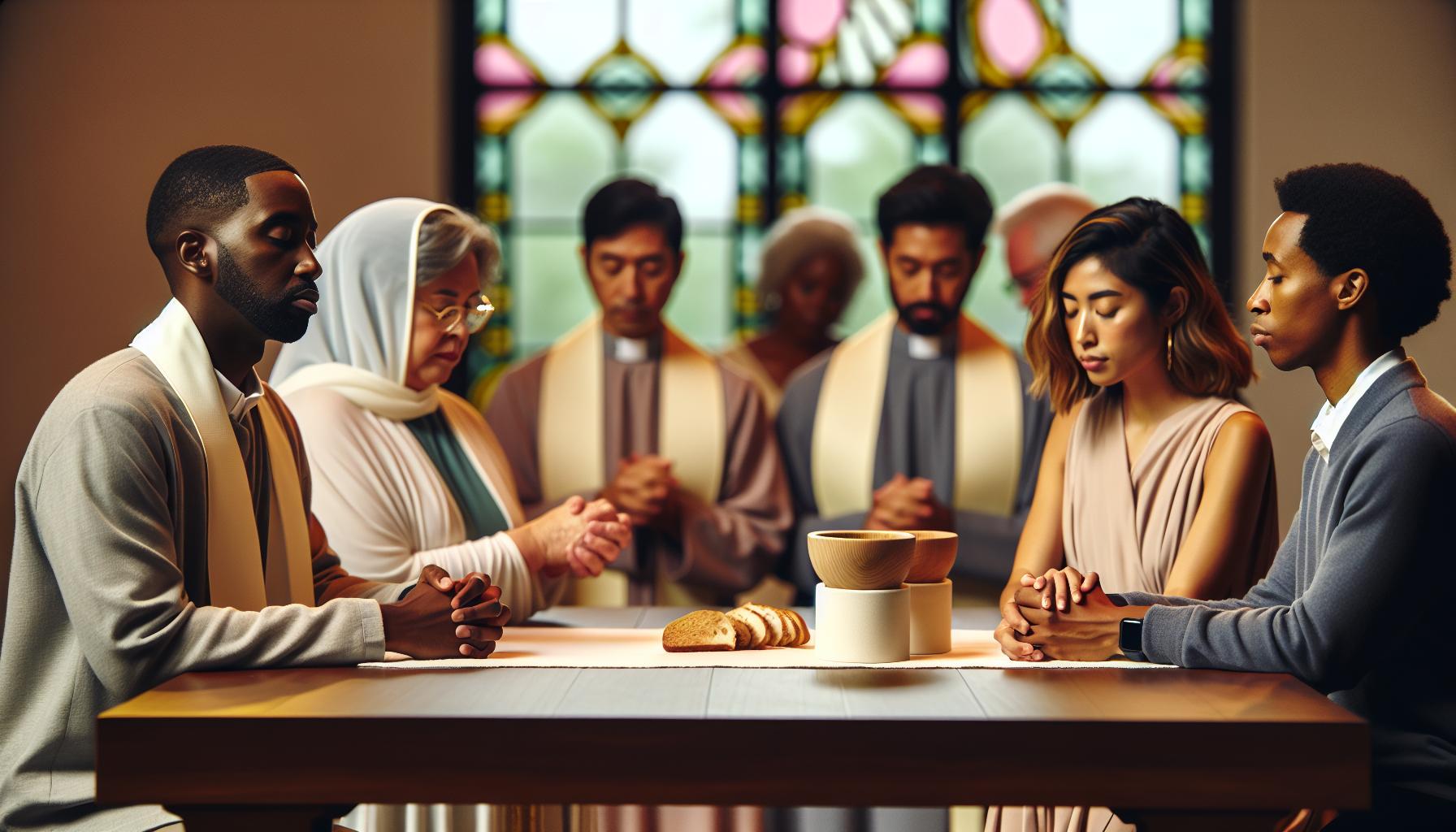
The Role of Community in Communion Prayers
The beauty of communion is often magnified when it is shared within a community, creating a tapestry of faith that connects individuals to one another and to God. In the context of communion prayers, the role of community becomes pivotal; it transforms solitary acts of remembrance into collective expressions of worship. As believers gather to partake in this sacred practice, they embody the unity described in 1 Corinthians 10:17, which states, “Because there is one loaf, we, who are many, are one body, for we all share the one loaf.” This passage underscores the deep connection formed in Christ through shared communion, reminding us that our faith journey is not traveled alone.
Moreover, engaging in communion within a community amplifies the impact of prayer. When individuals gather, their collective prayers create an atmosphere ripe for powerful intercessions. Participants can lift one another’s burdens, sharing their personal prayer requests, and surrounding each other with support. Imagine a service where one person requests prayer for a sick family member while another prays for spiritual guidance or strength to overcome personal tribulations. This sharing not only encourages collaboration but also reinforces the idea that prayer is a vital lifeline for the Christian community. Through communal prayers, believers can experience firsthand the fulfillment of James 5:16, “Therefore confess your sins to each other and pray for each other so that you may be healed.”
To deepen the communion experience, communities can establish intentional prayer practices surrounding the sacrament. For instance, during communion services, churches may dedicate time for group prayer where members can lift up both personal and collective requests. This can include prayers of thanksgiving for blessings, petitions for healing, and confessions of faith struggles. Incorporating these elements fosters an environment where individuals feel supported and empowered, enhancing their spiritual growth and connection to one another.
In everything, it’s essential to remember that communion is a celebration of Christ’s love and sacrifice, best understood in the context of community. The shared meal serves as a reminder that while our relationship with Christ is deeply personal, it is also communal. By prioritizing communal prayers during communion, believers not only strengthen their bond with God but also nurture the relationships that Jesus calls us to build within His body. As we lean on each other in prayer, the richness of our communion experience profoundly deepens, reflecting the heart of a faith that is vibrant and alive.
FAQ
Q: What are the main purposes of Communion prayers?
A: The primary purposes of Communion prayers include honoring Jesus’ sacrifice, fostering a deeper spiritual connection with God, and encouraging reflection during the communion experience. These prayers help participants center their hearts and minds on Christ, reinforcing their faith and commitment to follow Him.
Q: How can I write an effective Communion prayer?
A: To write an effective Communion prayer, begin with a heartfelt acknowledgment of Jesus’ sacrifice. Include gratitude for His love and forgiveness, and seek guidance for your spiritual journey. Utilize personal reflections and scriptural references to enhance the prayer’s depth, making it meaningful for both yourself and your community.
Q: When should Communion prayers be used in worship services?
A: Communion prayers can be used during the distribution of the elements, before partaking, and even in moments of silent reflection throughout the service. Integrating prayers at these points can enrich the worship experience by emphasizing the significance of the sacrament and enhancing communal fellowship.
Q: What scriptural references can enhance Communion prayers?
A: Key scriptural references for Communion prayers include 1 Corinthians 11:23-26, which recounts the institution of the Lord’s Supper, and Luke 22:19-20. These verses highlight the importance of remembering Jesus’ sacrifice and can serve as a powerful foundation for crafting meaningful prayers.
Q: How do Communion prayers differ across various Christian denominations?
A: Communion prayers can vary widely among Christian denominations in terms of language, formality, and theological emphasis. While some denominations may focus on communal aspects, others might center on individual reflection. Recognizing these differences can enrich one’s understanding of the broader Christian faith.
Q: What role does silence play in Communion prayers?
A: Silence in Communion prayers serves as a moment for personal reflection and connection with God. It allows participants to ponder the significance of the sacrament, express personal gratitude, and invite the Holy Spirit’s presence into their worship, deepening the overall communion experience.
Q: How can Communion prayers be adapted for different seasons in life?
A: Communion prayers can be adapted by incorporating themes relevant to specific seasons, such as gratitude during thanksgiving, hope during trials, or celebration during joyful moments. Tailoring prayers to reflect personal or communal challenges can enhance their relevance and impact during communion.
Q: Can I use Communion prayers outside of church services?
A: Yes, Communion prayers can be used in personal devotionals, family gatherings, or small group meetings. Using these prayers in various settings helps maintain a sense of reverence and connection to God, regardless of the context, fostering spiritual growth in everyday life.
The Way Forward
Thank you for exploring “Communion Prayers: Sacred Words for Holy Moments.” We hope this journey through sacred prayers has deepened your understanding and enriched your spiritual life. Don’t miss the opportunity to incorporate these prayers into your daily practice, fostering a closer connection to God. For more resources, consider visiting our articles on prayer life, Bible study techniques, and devotional practices to further enhance your faith journey.
If you found value in this content, we encourage you to subscribe to our newsletter for regular insights and updates straight to your inbox. Questions or thoughts? Please share them in the comments below; we love hearing from you! Remember, each prayer is a step toward deeper communion with the sacred, so embrace these moments today and let them inspire you each day forward.


![Devoted Health Provider Portal: [Not applicable for Christian content]](https://christiancitychurch.eu/wp-content/uploads/2025/09/7285-devoted-health-provider-portal-not-applicable-for-christian-content-300x171.jpg)