Did you know that approximately 1.9 billion people practice Islam worldwide, encompassing diverse cultures and traditions? At the heart of this vibrant faith are the Five Prayers, or Salah, which serve as a vital connection between Muslims and Allah. Understanding these prayers not only enriches our knowledge but also fosters a deeper appreciation for our Muslim neighbors and their devotion. In a world that often feels divided, exploring the practices of others can open doors to compassion and unity. By delving into the significance and structure of these daily prayers, we can learn how they contribute to the spiritual lives of believers, similar to how prayer nurtures our own Christian faith. Join us as we unpack the profound meaning behind the Five Prayers of Islam and discover ways to build bridges of understanding and respect.
Contents
- 1 The Importance of the Five Daily Prayers in Islam
- 2 Exploring the Spiritual Significance of Salah
- 3 Understanding the Rituals of Each Prayer
- 4 How the Five Prayers Foster Discipline and Reflection
- 5 The Influence of Prayer on Muslim Daily Life
- 6 Debunking Common Myths About Islamic Prayer
- 7 Comparing Islamic Prayer to Christian Prayer Practices
- 8 The Cultural Variations of Prayer in Islam
- 9 Resources for Learning More About Islamic Prayer
- 10 How to Respectfully Engage with Muslim Neighbors
- 11 Q&A
- 12 Concluding Remarks
The Importance of the Five Daily Prayers in Islam
The five daily prayers, known as Salah, hold profound significance within the Islamic faith. As one of the Five Pillars of Islam, these prayers are not merely ritualistic but serve as a vital link between the individual and Allah, nurturing a deep spiritual connection. Observing Salah five times a day offers Muslims a unique opportunity to pause and recalibrate their lives, firmly grounding their day in faith. This practice cultivates a sense of discipline and regularity, which is integral in maintaining a conscious awareness of God throughout daily life.
The spiritual importance of Salah is multifaceted. Firstly, it acts as a daily reminder of humility and devotion to Allah, shaping a Muslim’s identity and guiding their actions. Each prayer serves as a moment of reflection, encouraging individuals to contemplate their intentions, seek forgiveness, and express gratitude. Furthermore, praying in congregation, especially in the mosque, fosters a sense of community and belonging. It strengthens social ties and reinforces the idea that faith is not an isolated journey but one that thrives within a community framework, enhancing mutual support and understanding among believers.
By integrating regular prayer into their lives, Muslims find a source of solace and strength. Salah punctuates the day, providing necessary breaks to disengage from worldly concerns and reconnect with spiritual values. This consistent practice not only influences personal behavior but also inspires compassion and empathy towards others, reflecting a core teaching of Islam that emphasizes kindness and community responsibility. Engaging in Salah fosters a routine of discipline and mindfulness-qualities that resonate beyond religious boundaries and can be appreciated in various aspects of life.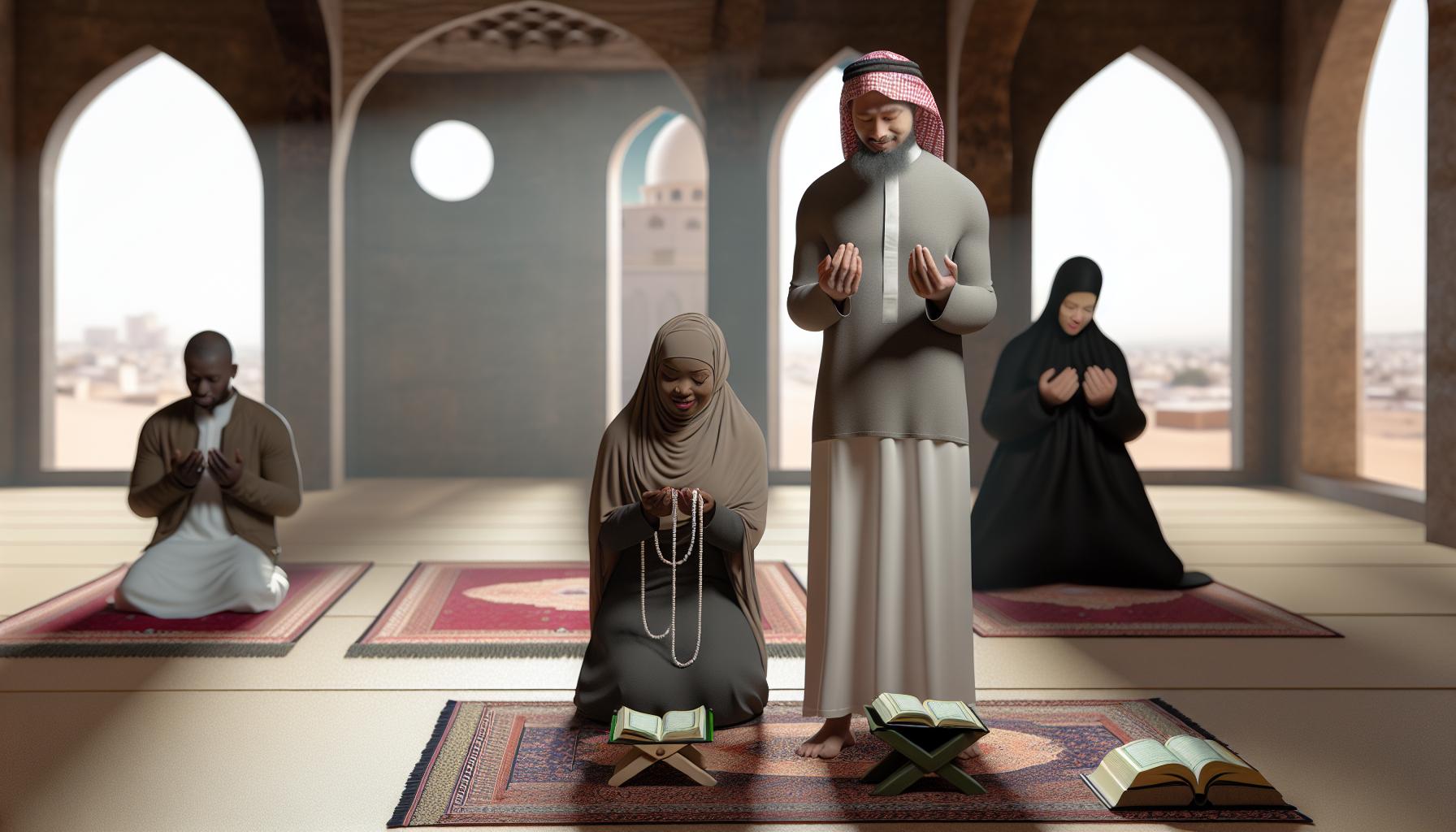
Exploring the Spiritual Significance of Salah
The act of prayer in Islam, particularly through the five daily Salah, is not merely a set of rituals performed throughout the day; it is a profound dialogue with Allah that fosters spiritual growth and personal reflection. Much like the importance of prayer in Christianity, where believers are encouraged to maintain an open line of communication with God, Salah serves as a disciplined approach for Muslims to reconnect with their Creator amidst the chaos of daily life. Each prayer is an opportunity for believers to reset their intentions, acknowledge their dependence on Allah, and foster a sense of spiritual humility.
During Salah, the intimate act of bowing and prostrating embodies submission and reverence, themes prevalent in many religious prayers, including Christian practices. These physical movements, accompanied by recitations from the Quran, draw followers into a deeper state of meditation, nurturing their souls while cultivating an awareness of their actions throughout the day. This reflective aspect is mirrored in the Christian faith, where moments of prayer and contemplation are encouraged to realign one’s spirit to divine guidance.
Moreover, Salah establishes a rhythm in the daily existence of Muslims, much like daily prayers and devotionals guide Christians in their faith journey. Regular intervals for prayer not only break up the day but encourage practitioners to pause and shift their focus back to spiritual matters. The significance is profound: these moments can alleviate stress and anxiety, reinforcing the belief that trust in God is a continuous journey that unfolds daily.
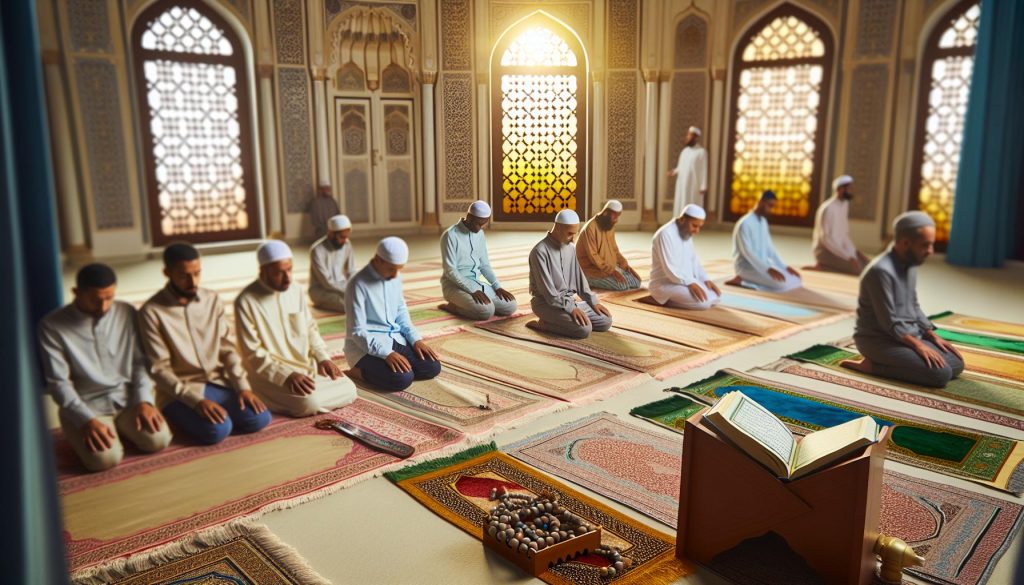
In addition, the communal aspect of Salah, especially when performed in groups at a mosque, enhances the sense of belonging and community among Muslims. This gathering is reminiscent of Christian worship services where fellowship is prioritized. The shared experience signifies that faith is not an isolated pursuit but a journey enriched by collective support and encouragement. By fostering such connections, Muslims strengthen their community, akin to the bonds formed in church congregations, making faith a vibrant, lived reality.
Reflecting on these practices allows all of us-Muslims and Christians alike-to appreciate the spiritual significance inherent in our respective traditions, prompting us to engage in meaningful dialogue and mutual respect, ultimately enriching our understanding of faith in action.
Understanding the Rituals of Each Prayer
Engaging in prayer is an essential part of a Muslim’s daily life, with each of the five daily Salah, or prayers, consisting of specific rituals that help cultivate a connection with Allah. Each prayer serves not only as a moment of spiritual reflection but also as a structured practice, designed to instill discipline and mindfulness in the hearts of believers. Understanding these rituals enrichens our appreciation for the faith and fosters respect for our Muslim neighbors.
The five daily prayers each have their own set of movements and recitations, making them unique yet cohesive in their purpose. The routine begins with the Fajr prayer, performed before dawn, encapsulating a sense of renewal and hope for the day ahead. Following the Fajr prayer, the Dhuhr prayer takes place after midday, signifying a moment of pause amidst the day’s tasks. Next, the Asr prayer occurs in the afternoon, providing a refreshed perspective as the day progresses. The Maghrib prayer, performed just after sunset, symbolizes a moment of gratitude as one reflects on the day’s experiences. Finally, the Isha prayer marks the end of the day with deep introspection and hope for rest.
The physical postures of Salah-standing, bowing, and prostrating-carry deep significance. Each movement reflects humility and submission, with the act of prostration (sujood) being the ultimate display of devotion as practitioners place their foreheads on the ground. This physical submission fosters a profound sense of spiritual awareness and is mirrored in various forms of worship across different faiths, including Christian traditions. Moreover, reciting verses from the Quran during these prayers serves to further deepen one’s connection to God, simultaneously reinforcing the meaning of the actions being performed.
Prayer in Islam is not merely a ritual; it is a disciplined approach to living a faith-filled life. The structure of the five daily prayers serves to break the routine of daily life, encouraging moments of reflection amidst a busy schedule. These intervals in the day can bring a sense of peace, allowing individuals to reconnect with their spirituality, thereby enhancing their overall well-being. For those interested in exploring a related practice, Christians might consider incorporating regular prayer or meditation breaks into their own routines, echoing the discipline of the Salah while strengthening their relationship with God.
Through understanding the rituals of the five daily prayers, we foster a greater appreciation for the devotion seen in our Muslim friends and neighbors. As we learn about these practices, we can engage in meaningful discussions that promote mutual respect and cultivate a spirit of fellowship and understanding across our diverse families of faith.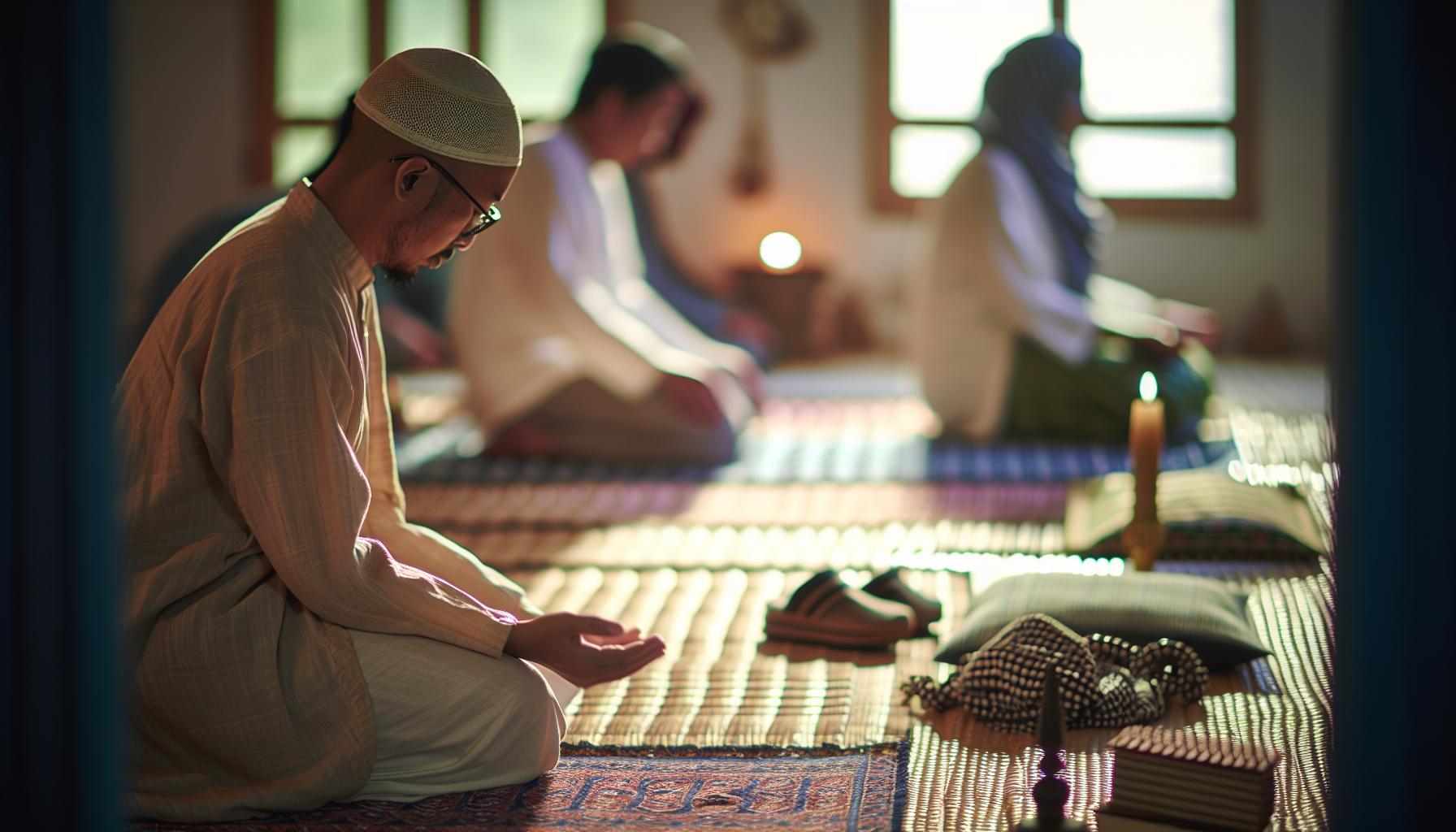
How the Five Prayers Foster Discipline and Reflection
Engaging in the five daily prayers is not just a matter of routine for Muslims; it plays a fundamental role in shaping their discipline and ability to reflect on their lives. Each prayer, performed at specific times throughout the day, serves as an opportunity to pause, recalibrate, and refocus on what truly matters. In a fast-paced world, these intervals are sacred moments that remind practitioners of their faith and encourage mindfulness, providing a structure that many find essential for maintaining spiritual balance.
The discipline of performing the Salah is evident in its structured nature. Each prayer requires a commitment to set aside daily activities, creating a rhythm that can be both grounding and uplifting. In a manner reminiscent of spiritual practices in Christianity, such as the observance of the Sabbath or daily devotional times, the Islamic prayers provide a consistent framework. This regular interaction with faith is crucial for cultivating spiritual growth. Practitioners often find that this discipline allows them to approach the day with clarity, ensuring that their actions align with their beliefs and values.
Moreover, these prayer times foster a reflective mindset. After each prayer, individuals have the chance to contemplate their intentions, actions, and the impact of their daily lives. This practice of reflection is not only essential for personal introspection but can also lead to a greater sense of community and responsibility towards others. For instance, a Muslim who has engaged in reflection might be more inclined to act with kindness and compassion throughout the day, reinforcing the teachings of charity and empathy central to Islam.
In parallel, Christians embarking on their own faith journeys can draw inspiration from this practice. Integrating moments throughout the day dedicated to prayer, reflection, or even silence can enhance one’s spiritual life. Setting aside specific times to engage with God-whether through Bible reading, prayer, or meditation-not only fosters discipline but also deepens one’s relationship with Him. Such practices can be transformative, ensuring that believers remain anchored in their faith amidst life’s distractions. By learning from the commitment evident in the five daily prayers, individuals of all faiths can enrich their own spiritual journeys and discover new ways to nurture their beliefs.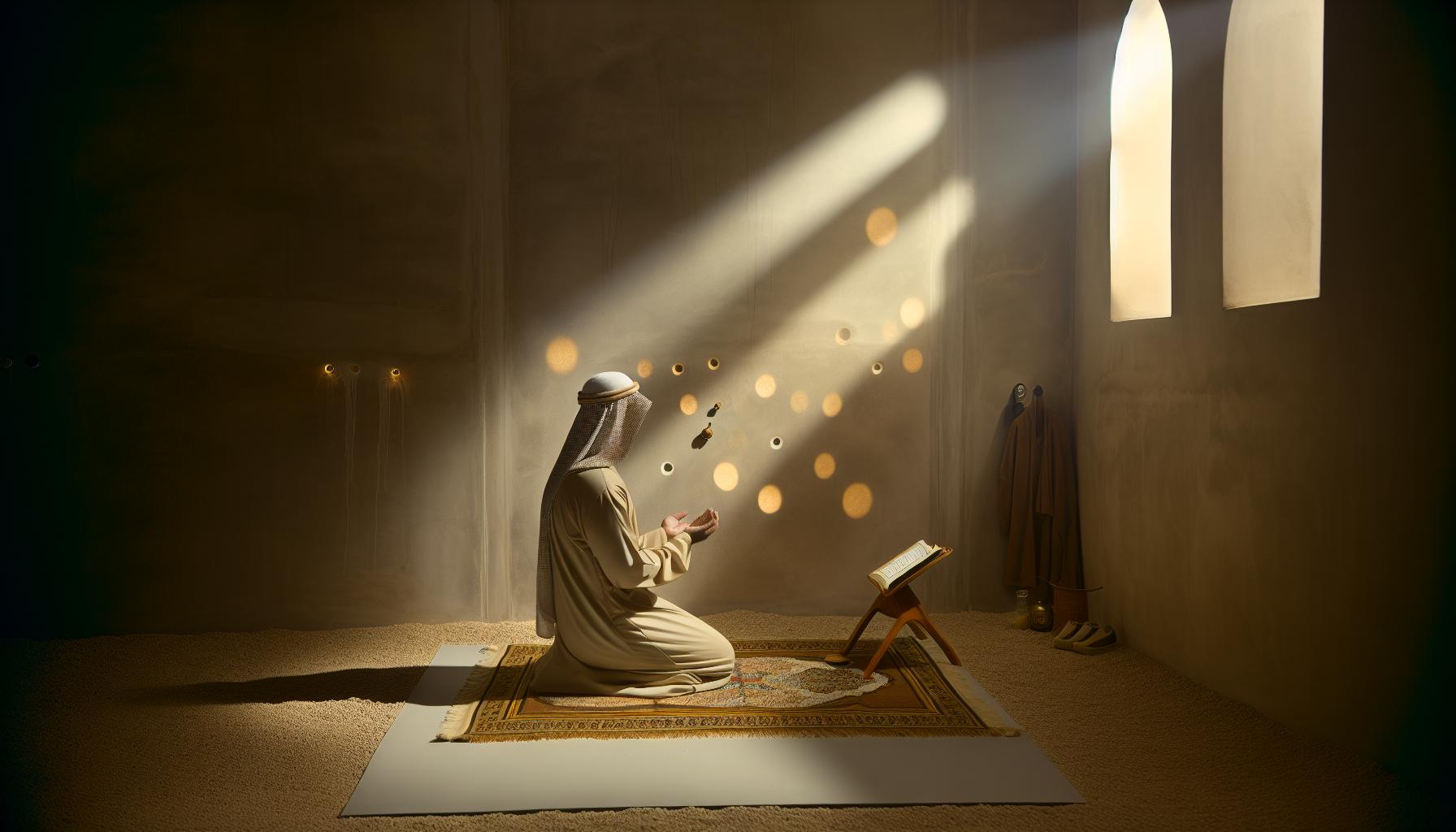
The Influence of Prayer on Muslim Daily Life
Engaging in daily prayers profoundly influences the lives of Muslims, offering a structured rhythm that permeates their everyday activities. Each of the five required prayers (Salah) not only marks specific times in the day but also serves as a reminder of faith, guiding daily actions and decisions. This disciplined approach to prayer creates a sense of stability and purpose, allowing individuals to maintain a spiritual connection while navigating the demands of everyday life.
Muslims often describe how Salah serves as a pivotal point during their day, providing essential moments for reflection and recalibration. For instance, the mid-afternoon prayer (Asr) comes just as one is likely to be caught up in the hustle of daily responsibilities, acting as a timely interruption that encourages practitioners to pause, focus, and reconnect with their spiritual goals. Such interruptions are vital; they cultivate mindfulness and help steer individuals away from distractions, reinforcing the importance of one’s faith in managing daily challenges.
Moreover, communal prayers, particularly on Fridays, emphasize the social dimension of worship. Attending the mosque not only fulfills a religious obligation but also fosters community bonds and reinforces social responsibility. It’s a time when individuals gather, share experiences, and support one another, enhancing the feeling of belonging within the Muslim community. This aspect is particularly relevant in discussions about how individuals can engage respectfully and meaningfully with their Muslim neighbors, as understanding the significance of communal worship can lead to greater appreciation and mutual respect between different faith traditions.
In parallel with Christian practices, where communal worship also serves as a cornerstone for fellowship and support, the influence of Salah on daily life illustrates a shared human desire for connection-both with God and with others. This structure encourages a lifestyle that values spirituality and compassion, acting as a source of inspiration for individuals of all faiths. By recognizing the importance of such practices, one can glean insights into maintaining balance and finding purpose in the rhythms of life, ultimately enhancing personal spiritual growth and community vitality.
Debunking Common Myths About Islamic Prayer
It’s widely known that everyday practices can create misunderstanding, and the five daily prayers in Islam are no exception. Many misconceptions surround the significance and practice of Salah, which can create barriers between communities. Tackling these myths is essential for fostering a more profound understanding and respect for the faith and its followers.
One common myth is that Islamic prayer is merely a series of rigid rituals performed without emotion or intention. In reality, Salah is a deeply spiritual practice that requires mindfulness and heart. Each prayer involves specific actions and recitations, but they are performed with the intention of connecting with God. This connection fosters a sense of peace and purpose, enabling practitioners to reflect on their lives and seek guidance. The rhythm of daily prayers serves as an anchor, grounding Muslims in their faith throughout the day.
Another misconception is that Muslims pray only in the mosque or that prayer is solely an individual act. While communal prayers, especially during Friday services, are vital, the daily prayers can be performed anywhere clean. This adaptability emphasizes that the essence of Salah is about maintaining a relationship with the Divine wherever one is, creating opportunities for personal reflection and growth throughout daily life. Recognizing that prayer is both a personal and communal experience can help bridge gaps between diverse beliefs.
Moreover, some believe that Muslims pray primarily out of obligation or fear. In contrast, many practitioners view Salah as a cherished opportunity to pause and reflect amidst a busy world. The structured nature of the prayers promotes discipline, but it also nurtures a sense of community and belonging. Understanding this perspective allows for greater empathy and a holistic view of how prayer enriches the lives of Muslims, enabling everyone to appreciate the diverse expressions of faith.
By addressing these myths with knowledge and compassion, we can cultivate deeper relationships and enhance mutual respect among individuals of different faiths. Engaging in open conversations about these topics can demystify practices and foster a sense of unity in the shared search for meaning and connection.
Comparing Islamic Prayer to Christian Prayer Practices
When exploring the rich traditions of prayer in both Islam and Christianity, we encounter profound similarities and notable differences, each reflective of the unique beliefs and practices of the respective faiths. Both traditions emphasize prayer as a fundamental aspect of their relationship with God, but they do so in distinct ways that enrich their faith communities.
In Islam, the five daily prayers, known as Salah, are structured rituals performed at specific times throughout the day. These prayers are not only acts of devotion but also serve to reinforce discipline and mindfulness, providing Islam’s followers consistent opportunities to connect with God. Each Salah encompasses a series of prescribed movements and recitations in Arabic, which underscore submission to God’s will and a remembrance of His greatness. For Muslims, these moments in prayer offer solace amid life’s demands, echoing their faith throughout daily routines.
Christian prayer, on the other hand, often embraces a more flexible approach. While many Christians may engage in structured prayers, such as the Lord’s Prayer, a significant aspect of their practice involves spontaneous and personal conversations with God. This allows for heartfelt supplications and expressions of gratitude that can be tailored to individual circumstances. In both traditions, the underlying purpose of prayer remains the same: fostering a closer relationship with the Divine.
Another point of comparison lies in community prayers. Muslims gather for communal prayers, particularly on Fridays, which reinforces social bonds and collective worship. This sense of community is paralleled in Christianity through church services, where congregational prayers are often integral to worship. Both practices reflect the belief that coming together in faith enhances spiritual growth and serves as a testament to shared beliefs.
Ultimately, understanding these differences and similarities fosters mutual respect and appreciation for both faiths. Whether through the rhythmic structure of Islamic Salah or the personal touch of Christian prayer, each practice invites believers to deepen their spirituality, serve one another, and connect with God in profound ways. As we engage with one another across cultures and faiths, recognizing these beautiful expressions of devotion can encourage dialogue and unity in our shared spiritual journeys.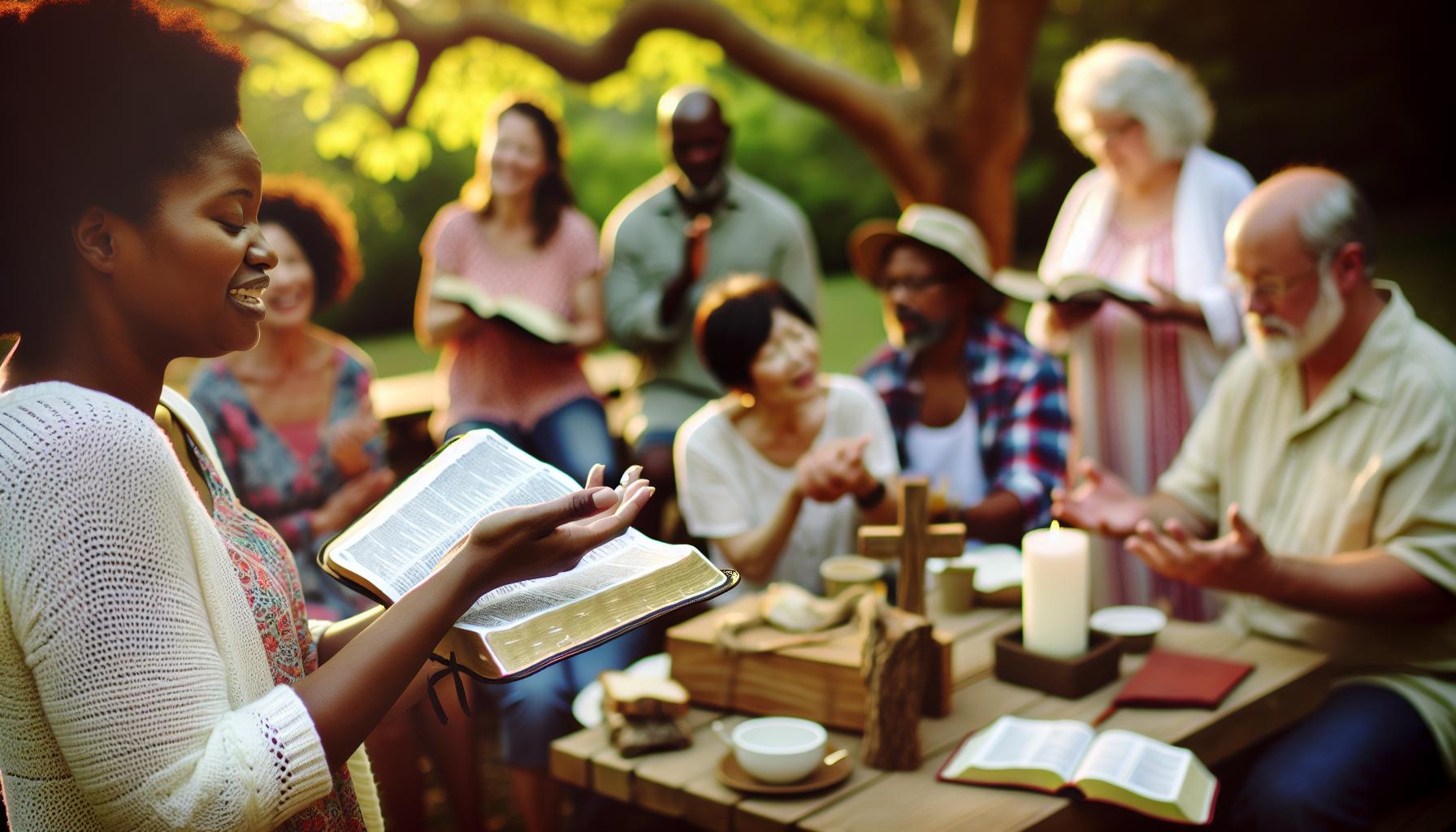
The Cultural Variations of Prayer in Islam
The experience of prayer within Islam is not just a personal journey; it is deeply intertwined with various cultural contexts that shape how the five daily prayers, or Salah, are practiced around the world. This diversity adds rich layers to the understanding of prayer in Islam, as cultural practices and local traditions influence the rituals and expressions of faith. For instance, in countries with strong traditional ties, such as Morocco and Indonesia, one might observe vibrant community gatherings during prayer times, featuring melodic calls to prayer that echo through the streets. These local sounds, filled with cultural nuances, create a unique atmosphere that encourages participation and reflection.
Cultural variations also extend to the physical spaces where prayers occur. In urban centers like Istanbul, beautifully ornate mosques serve as central points for communal prayer, while in more rural settings, open fields may facilitate gatherings. Community involvement is crucial; Salat al-Jumu’ah (Friday prayer) often draws large crowds as it emphasizes collective worship, which enhances social cohesion. In Middle Eastern countries, midday prayers may align closely with traditional work schedules, allowing many people to step away from their activities to fulfill their religious obligations, showcasing the integration of faith into daily life.
Moreover, the interpretations of the prayers can vary by region, shaped by local customs and practices. For instance, while the core elements of Salah remain constant, some cultures may incorporate specific gestures or additional prayers that hold significant local meaning. This not only enriches the practice of prayer but also fosters a sense of identity among worshippers, connecting them to their heritage while practicing their faith.
Understanding these cultural dimensions is essential for fostering respect and appreciation amongst diverse communities. By acknowledging the various expressions of Salah, Christians and people of all faiths can engage more deeply with their Muslim neighbors, paving the way for interfaith dialogue and mutual respect. Whether through shared celebrations during Ramadan or respectful discussions about prayer practices, such connections enrich our communal fabric and highlight the beauty of spiritual dedication across cultures.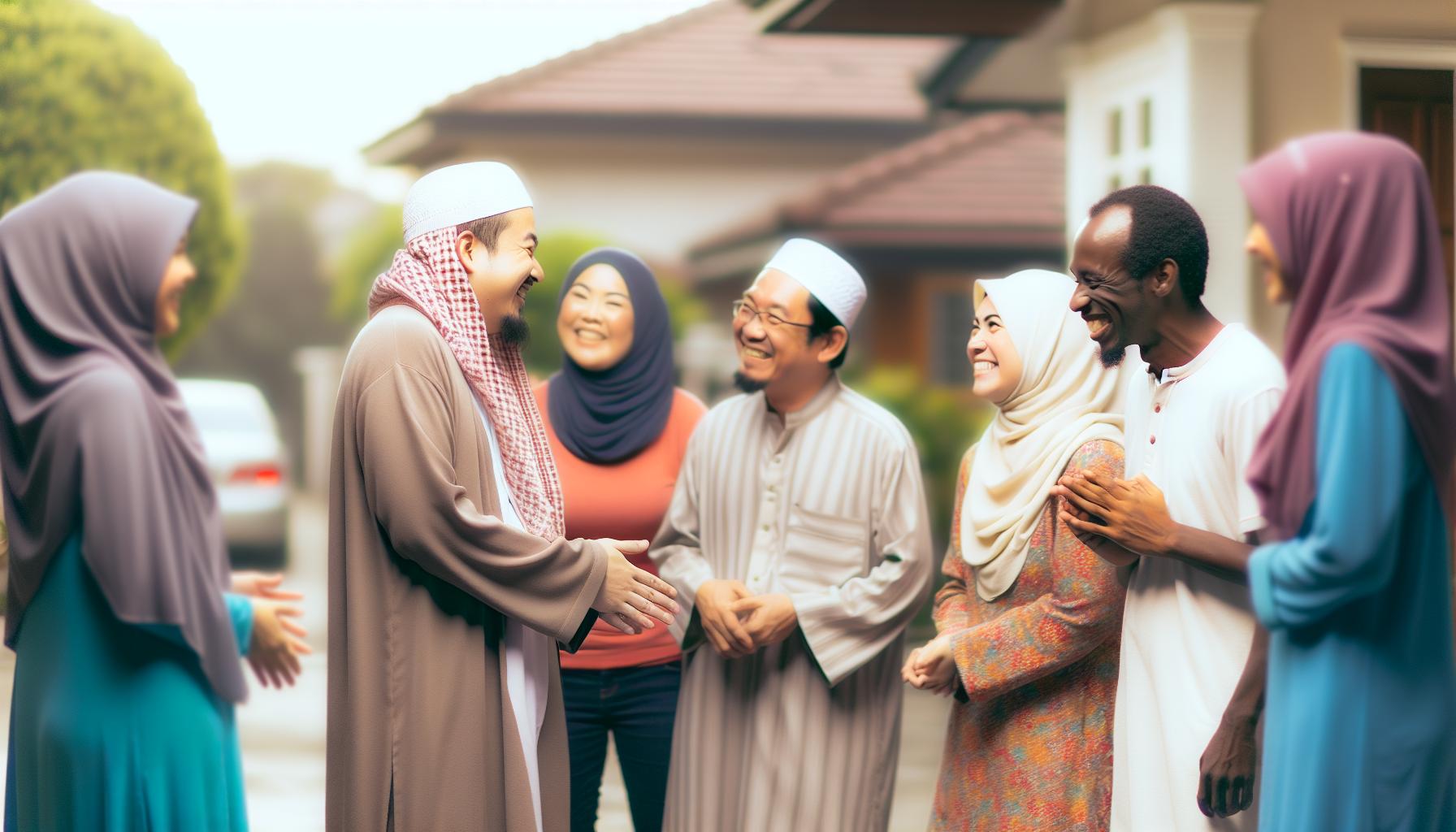
Resources for Learning More About Islamic Prayer
To deepen your understanding of Islamic prayer practices, a wide array of resources is available that can provide valuable insights into the cultural and spiritual dimensions of Salah, the five daily prayers mandated in Islam. Engaging with these resources will enhance your knowledge and appreciation of the faith, connecting you more profoundly with your Muslim neighbors.
- Books and Scholarly Texts: Many authors explore the significance of prayer in Islam, offering both academic and personal perspectives. Look for titles such as “The Spirituality of the Five Daily Prayers” or “Islamic Worship: A Guide to the Prayers” which provide in-depth analysis and reflections on the practice.
- Documentaries and Videos: Visual media can bring the experience of Salah to life. Stream documentaries that capture the beauty of prayers in various cultures, or search for educational videos by Islamic scholars that explain the rituals and their meanings.
- Online Courses: Platforms like Coursera or edX often feature courses on Islamic studies that include modules focusing on prayer practices. These structured learning paths can help you grasp the nuances of Salah and its importance to the faith.
- Local Communities and Mosques: Engaging with local Muslim communities is a practical way to learn. Many mosques offer open houses, lectures, and workshops about prayer and Islam where you can ask questions and witness the prayers in action.
The power of prayer transcends individual beliefs, weaving through the fabric of many cultures and traditions. During Ramadan, for instance, the nightly Taraweeh prayers offer an immersive experience to understand the communal aspect of worship in Islam. Participating in interfaith dialogues can also enrich your understanding, promoting empathy and respect in discussions about faith practices.
As believers, whether in your own prayer life or as you explore the practices of others, consider how the principles of faith, discipline, and community resonate with your journey. The richness and diversity of prayer can be seen as a universal call to connect, reflect, and grow closer to our understanding of the divine, no matter our spiritual paths. By embracing these resources, you not only nurture your faith but also foster compassion and unity across different belief systems.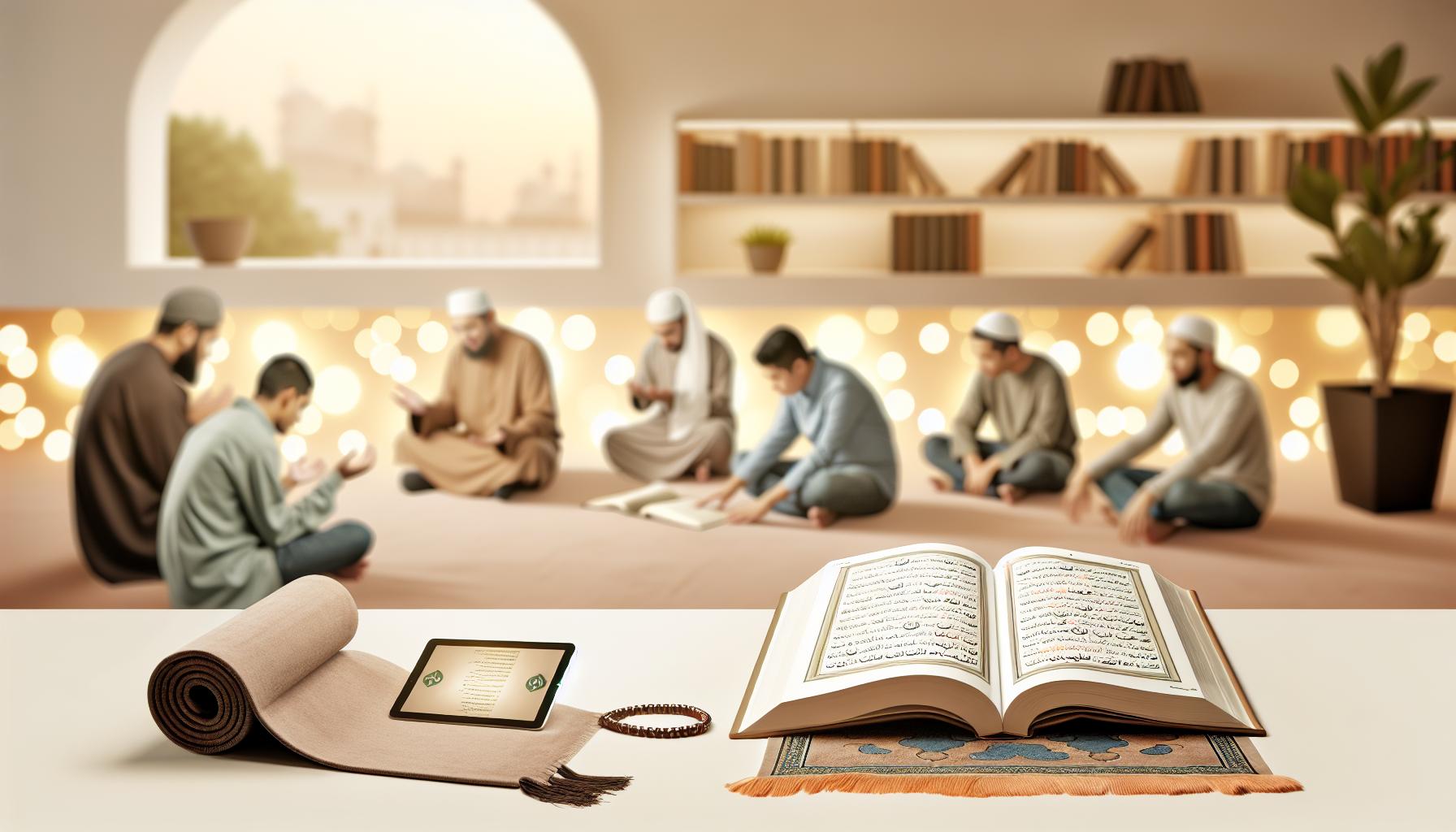
How to Respectfully Engage with Muslim Neighbors
Building harmonious relationships with our Muslim neighbors can be a deeply enriching experience, especially as we endeavor to understand their practices, such as the five daily prayers or Salah. Engaging compassionately and respectfully involves not only learning about their customs but also appreciating the significance that prayer holds in their lives. When inviting these conversations, consider starting with genuine curiosity and openness, asking about their prayer routines and the roles these rituals play in their faith journey.
To foster understanding, it’s essential to be aware of prayer times, which fall at specific intervals throughout the day. Muslims perform Salah at dawn (Fajr), midday (Dhuhr), mid-afternoon (Asr), just after sunset (Maghrib), and night (Isha). Respecting these times means cognizantly avoiding scheduling meetings or events during these periods. If you’re unsure, simply ask them when their prayer times are-which demonstrates both respect and an eagerness to learn.
When discussing faith, avoid stereotyping or making assumptions about their beliefs. Instead, focus on building a bridge through shared values-such as devotion, family, and community-that can lead to a deeper, more meaningful exchange. Consider participating in community events or interfaith dialogues, where both sides can share insights. This not only paves the way for friendship but also strengthens mutual respect and understanding among different faith communities.
Lastly, offer support during significant religious observances, like Ramadan, when fasting from dawn until sunset is paramount for Muslims. Such gestures can range from simply asking about their experiences during this month to potentially inviting them for Iftar (the evening meal to break the fast). These actions of understanding and respect can transform your relationships and create a supportive community, fostering love and encouragement across faiths. As we engage with our neighbors, we embody the very essence of Christ’s teachings to love one another, transcending boundaries and deepening our shared human experience.
Q&A
Q: What are the Five Daily Prayers in Islam?
A: The Five Daily Prayers, known as Salah, consist of Fajr (pre-dawn), Dhuhr (midday), Asr (afternoon), Maghrib (evening), and Isha (night). Each prayer has a specific time and set of rituals, emphasizing the importance of regular worship in a Muslim’s life.
Q: Why are the Five Prayers essential in Islam?
A: The Five Prayers are crucial as they establish a direct connection with God, promote discipline, and help Muslims reflect on their faith multiple times a day. They serve as a reminder of devotion and community within Islamic culture.
Q: How do Muslims perform the Five Daily Prayers?
A: Muslims perform prayers through specific physical movements and recitations. Each prayer includes actions like standing, bowing, and prostrating, accompanied by verses from the Quran, ensuring both physical involvement and spiritual focus.
Q: When are the prayer times for the Five Daily Prayers?
A: Prayer times vary based on geographical location and the seasons. Generally, Fajr is before dawn, Dhuhr follows midday, Asr is in the afternoon, Maghrib is just after sunset, and Isha occurs at night. Muslims often use prayer apps to track these times.
Q: Where can I learn more about the rituals of Islamic prayer?
A: For further information on Islamic prayer rituals, consider visiting reputable resources or community mosques. Engaging with local Muslim communities can provide hands-on learning experiences. The section “Understanding the Rituals of Each Prayer” in this article also offers valuable insights.
Q: What role does community play in Islamic prayers?
A: Community is vital in Islamic prayers as congregational prayers strengthen bonds among Muslims. The weekly Jummah (Friday prayer) is particularly important, as it fosters a sense of belonging and collective worship, enhancing spiritual and social ties.
Q: How do the Five Prayers influence daily life for Muslims?
A: The Five Prayers punctuate the day for Muslims, instilling a rhythm of spirituality and discipline. These moments of reflection offer breaks from daily activities, aligning one’s focus back to faith and gratitude for God’s blessings.
Q: How can I engage respectfully with Muslim neighbors about their prayers?
A: To engage respectfully, ask questions with genuine curiosity and openness. Learning about their prayer practices can foster understanding. The article section “How to Respectfully Engage with Muslim Neighbors” provides more insights on maintaining a cordial dialogue.
These Q&A pairs provide concise, informative answers, addressing common inquiries related to Islamic prayer while encouraging further exploration of interfaith dialogue and understanding.
Concluding Remarks
As we conclude our exploration of the “Five Prayers of Islam: Understanding Our Muslim Neighbors,” it’s essential to recognize the rich spiritual practices that shape their daily lives. By embracing the significance of prayer in Islam, we foster greater empathy and respect for those around us, helping to build bridges across faiths. If this journey has sparked your curiosity, dive deeper into our related resources on interfaith dialogue and shared spiritual practices to enhance your understanding.
Your thoughts matter! Feel encouraged to share your reflections in the comments below or explore our other articles on prayer life and devotional practices that strengthen your own faith journey. Don’t forget to subscribe to our newsletter for ongoing insights into faith-based living and resources that nurture your spirit. Together, let’s continue to grow in love and understanding, enriching our connections within our diverse communities.