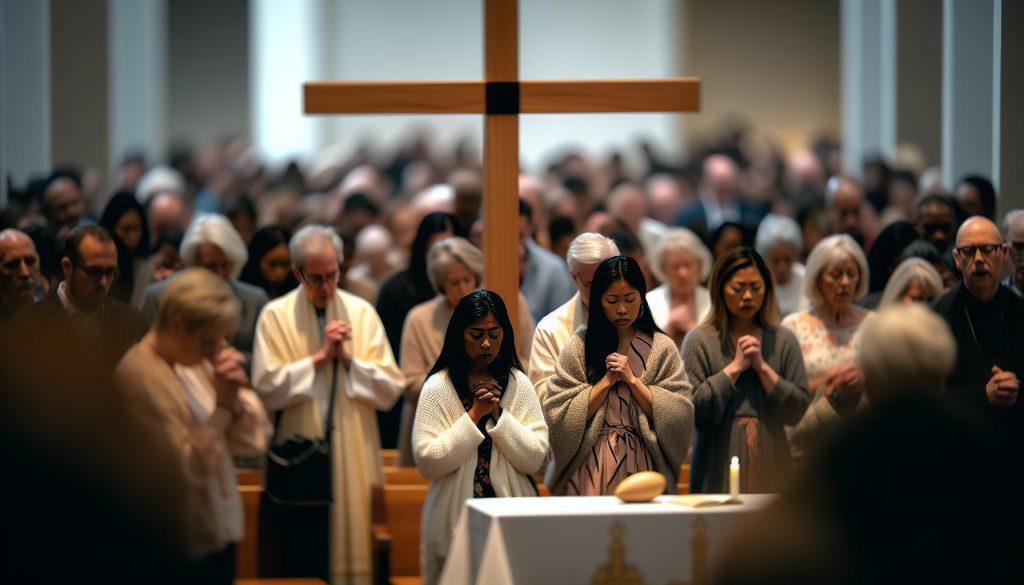
Good Friday is a profound observance in the Christian calendar, marking Christ’s ultimate sacrifice for humanity on the cross. This sacred day invites believers to reflect on His immense love and compassion. The prayers shared on this day serve as powerful reminders of His suffering and grace, offering solace and hope amid life’s challenges.
As you engage with these prayers, consider how they can deepen your faith journey, strengthen your relationship with God, and inspire you to live out His teachings daily. In a world filled with uncertainty, these sacred words guide us back to the heart of what it means to be a follower of Christ. Join us as we explore these heartfelt prayers, enriching your spiritual practice and connecting you more deeply with the essence of Good Friday. Let these prayers remind you of the transformative power of sacrifice, love, and redemption, encouraging reflection, gratitude, and renewed commitment to your faith.
Contents
- 1 Good Friday Prayer Reflections for Deep Spiritual Connection
- 2 Understanding Christ’s Ultimate Sacrifice on Good Friday
- 3 Heartfelt Prayers to Honor Jesus on Good Friday
- 4 Scriptural Foundations for Good Friday Prayers
- 5 Meditative Practices for a Meaningful Good Friday
- 6 Devotional Activities to Enhance Your Good Friday Experience
- 7 How to Create a Personal Good Friday Prayer Guide
- 8 Incorporating Good Friday Prayers into Family Traditions
- 9 Community Worship Ideas for Good Friday Prayer Activities
- 10 Benefits of Good Friday Prayer for Spiritual Growth
- 11 Exploring the Historical Significance of Good Friday
- 12 Transformational Prayers Inspired by Good Friday’s Message
- 13 Frequently Asked Questions
- 14 Closing Remarks
Good Friday Prayer Reflections for Deep Spiritual Connection
In the solemn atmosphere of Good Friday, believers are invited to reflect deeply on the profound significance of Christ’s sacrifice. This day serves not only as a reminder of the weight of sin but also of the boundless love that Jesus demonstrated when He willingly laid down His life for humanity. Engaging in prayer during this time can foster a deeper spiritual connection, enabling believers to grasp the full measure of Christ’s love and grace.
One pathway to such depth of connection is by entering a place of quiet meditation, allowing scripture to shape your prayers. As you contemplate verses such as Isaiah 53:5, which proclaims, “But He was pierced for our transgressions; He was crushed for our iniquities,” take a moment to acknowledge the pain and sacrifice that Jesus endured. Incorporate these scriptures into your prayers, reflecting on their meaning in your life and expressing gratitude for the redemption they offer.
Additionally, consider setting aside time for communal reflections with family or fellow believers. Sharing thoughts and prayers can open avenues of healing and understanding, reinforcing the unity of the body of Christ. Use this opportunity to engage in dialogues about what Christ’s sacrifice means personally and collectively, which fosters community and strengthens faith.
As you engage in these reflections and prayers, remember that Good Friday is not solely about sorrow but also about anticipation. It paves the way for the joy of Easter Sunday. Embrace the full journey of this season, and let your prayers flow from a place of understanding and thanksgiving for the miracle that follows His crucifixion. The act of praying together, rooted in Christ’s ultimate sacrifice, nurtures a community spirit and ignites individual spiritual growth, transforming hearts and minds in alignment with God’s will.
Understanding Christ’s Ultimate Sacrifice on Good Friday

In the tapestry of Christian faith, the significance of Christ’s ultimate sacrifice on Good Friday stands paramount-a powerful testament to divine love and redemption. As believers reflect upon this solemn occasion, it becomes essential to delve into what this extraordinary act truly signifies not only for the world but for each individual heart. The crucifixion was not merely an event; it was the culmination of God’s redemptive plan, a bridge crafted across the chasm of sin, offering humanity reconciliation with the Creator.
The anguish Jesus endured, as foretold in scriptures such as Isaiah 53, exposes the depths of His love for us. In His suffering, He bore not only our sins but the associated consequences, embodying the ultimate act of sacrifice. This profound love invites believers to respond with humility and gratitude, acknowledging that through His pain, they are offered hope and salvation. Understanding the weight of this truth can transform how we approach prayer, turning our petitions into joyous acknowledgments of grace rather than mere requests for assistance.
Moreover, this day invites engagement far beyond personal reflection; it calls for a communal embracing of His sacrifice. Sharing in the understanding of Christ’s suffering can foster unity among the body of Christ, reminding us that His love transcends individual experiences and brings together a diverse community. Engaging in prayers that reflect on His sacrifice can lead to deeper relationships as we collectively grapple with the implications of Jesus’s death and resurrection in our lives.
As Good Friday approaches, let this understanding shape the way we pray and commemorate this day. Prayers rooted in thanksgiving for Christ’s ultimate sacrifice can serve as powerful declarations of faith, igniting a passion for living out this divine love in our daily interactions. May this day not only provide a space for solemn reflection but a profound awakening to the transformative power of Christ’s sacrifice at work in our lives.
Heartfelt Prayers to Honor Jesus on Good Friday

In embarking on a prayerful journey on Good Friday, believers are invited to engage in heartfelt expressions of love, gratitude, and reverence for the profound sacrifice of Christ. This day serves as a poignant reminder of the deep connection we can cultivate with Jesus through prayer, allowing us to honor His suffering and celebrate the hope that springs from His sacrifice.
One powerful approach to prayer this Good Friday is to reflect on specific attributes of Christ’s love, mercy, and compassion. As you pray, consider using scriptures that resonate with these themes. For instance, you might pray with heartfelt words like:
– “Lord, as I remember Your sacrifice, I am in awe of Your boundless love. Thank You for enduring the cross for my sins, and for offering me grace that I do not deserve.”
– “Jesus, in Your suffering, I find solace in the knowledge that You understand my pain. Help me to walk in Your footprints and extend Your love to those who are lost and hurting.”
These prayers not only honor Jesus but also anchor our thoughts in His ultimate purpose-redemption for humanity. To deepen this connection, you might find it meaningful to journal your prayers, allowing expressive language to flow freely from your heart to God.
Moreover, consider integrating community elements into your prayer practice this Good Friday. Gather with family, friends, or your church community to share prayers and reflections. This collective act fosters a spirit of unity, offering each participant an enriched understanding of Christ’s sacrifice. A group prayer might include all voices, raised together, affirming His greatness and love.
Remember, the essence of Good Friday prayer lies in its authenticity. There is strength in acknowledging your vulnerabilities, fears, and hopes before God. Allow the weight of this day to inspire prayers that are both humble and expectant, trusting in the transformative power given through Christ’s ultimate sacrifice. Use this time not just for lament but also for gratitude, celebrating the new life that emerges from death-a life only made possible through Jesus.
Scriptural Foundations for Good Friday Prayers

As believers approach Good Friday, the profound depth of Christ’s sacrifice beckons us to anchor our prayers in Scripture. The Bible serves as our ultimate guide, illuminating the significance of Jesus’ suffering and the grace that flows from it. By integrating specific verses into our prayers, we not only honor His sacrifice but also connect deeply with the heart of God.
To begin, consider the powerful statement in John 3:16, where it is declared, “For God so loved the world that he gave his one and only Son, that whoever believes in him shall not perish but have eternal life.” This verse highlights the immense love behind Christ’s ultimate sacrifice, reminding us to express our gratitude in prayer for the gift of salvation. We can frame our prayers around this truth, thanking God for the assurance of eternal life through Jesus’ death and resurrection.
Another poignant scripture is Isaiah 53:5, which states, “But he was pierced for our transgressions, he was crushed for our iniquities; the punishment that brought us peace was on him, and by his wounds, we are healed.” This verse not only affirms the physical suffering of Christ but also emphasizes the spiritual healing that His sacrifice brings. As we pray, we can reflect on our personal need for healing-whether emotional, spiritual, or physical-and lay these burdens before God, trusting in the redemptive power of His wounds.
Incorporating passages from the Gospels can also enrich our prayer life this Good Friday. For example, the words of Jesus from Luke 23:34, “Father, forgive them, for they do not know what they are doing,” remind us of the depth of His forgiveness. This can lead us to pray for our own hearts to be attuned to forgiveness, both for ourselves and others, acknowledging the grace we receive through Christ’s example.
In sum, using these scriptures as the foundation of our prayers can deepen our connection with God on this sacred day. Each verse serves as a reminder of the cost of our salvation and invites us to reflect on the transformative power of Christ’s love in our lives. As we meditate on these truths, we can build a richer prayer experience, allowing the weight of Christ’s sacrifice to inspire authentic dialogue with our Creator-a dialogue filled with thanksgiving, confession, and hope.
Meditative Practices for a Meaningful Good Friday

As Good Friday approaches, many believers seek ways to deepen their connection with Christ through meditative practices that honor His sacrifice. Engaging in these contemplative activities not only enhances spiritual growth but also fosters a profound appreciation of the grace offered through Jesus’ suffering. This sacred day presents a unique opportunity to pause, reflect, and truly internalize the significance of Christ’s ultimate sacrifice, allowing His love to permeate our hearts.
One effective practice is to create a personal reflection space. Designate a quiet area in your home where you can sit comfortably, away from distractions. Use simple elements like candles, a cross, or Scripture verses displayed prominently to focus your meditation. Spending time in this space can invite God’s presence, making your heart more receptive to prayer and reflection. Consider setting a timer for intentional silent meditation, allowing your mind to drift toward the themes of sacrifice and forgiveness, emphasizing gratitude for Christ’s love.
In addition to a physical space, utilizing scriptural meditation can deepen your spiritual experience. Select passages that resonate with you, such as Matthew 27:46, where Jesus calls out, “My God, my God, why have you forsaken me?” Contemplate the emotions behind these words-abandonment, anguish, yet profound love. After reading, pause to pray through the verse, asking God to reveal its meaning in your life. Journaling your thoughts afterward can also help solidify these reflections, creating a tangible record of how you felt during your meditative time.
Furthermore, consider incorporating a Good Friday fast or a technology fast into your observance. This physical act of sacrifice can enhance your spiritual focus. Whether you choose to eliminate meals, abstain from worldly distractions, or reduce social media usage, such acts of discipline prepare your heart to receive God’s message more fully. Use your fast as a time of prayerful reflection, approaching each moment of hunger or desire for distraction as a reminder of Christ’s enduring sacrifice.
By integrating these practices into your Good Friday observance, you can cultivate a meaningful and transformative experience. Allowing space for quiet introspection and active engagement with Scripture empowers you to honor Jesus in a personal way, reinforcing the impact of His ultimate sacrifice on your faith journey. These meditative methods not only lead to deeper understanding but also fill your spirit with hope and renewal as you embrace the gift of salvation offered through Christ.
Devotional Activities to Enhance Your Good Friday Experience

As you enter the solemn and reflective atmosphere of Good Friday, consider engaging in devotional activities that not only honor Christ’s ultimate sacrifice but also deepen your spiritual journey. These practices can transform routine observance into a rich, meaningful experience that resonates within your heart and mind.
One impactful activity is to create a prayer chain with family or friends. Each participant can contribute a specific prayer or Scripture verse related to the themes of sacrifice, love, and redemption. Set a designated time on Good Friday for everyone to share their thoughts, either in person or through a virtual gathering. This communal experience fosters a sense of connection and unity in faith, making the solemn occasion more uplifting and poignant.
Additionally, incorporating Acts of Service can enhance your observance. In honor of Jesus’ servant leadership, dedicate a few hours to support local charities, visit a nursing home, or volunteer at a food pantry. By showing kindness to others, you embody the love of Christ and experience the joy of giving, turning your focus outward in response to His inward love. Reflect on your experiences through prayer or journaling afterward to capture how these acts have transformed your heart.
Another enriching practice is reflective journaling. Set aside time to meditate on your feelings about Christ’s sacrifice and write your reflections. Start with questions like: “What does Christ’s suffering mean to me?” or “How can I better reflect His love in my daily life?” This practice not only solidifies your thoughts but also serves as a powerful tool for growth. You may discover insights that deepen your faith and set the stage for your spiritual journey ahead.
Embrace music and art as well; consider creating a Good Friday playlist filled with hymns and worship songs that focus on the crucifixion and resurrection of Christ. You can listen during times of prayer, or even engage in creating art that depicts the themes central to Good Friday. Whether drawing, painting, or crafting, these creative expressions allow you to process the day’s significance in a unique and personal way.
Through these devotional activities, you can enhance your Good Friday observance, drawing nearer to Jesus’ heart and preparing to celebrate the hope of Easter. Whether through community, service, reflection, or creativity, each activity serves as a spiritual anchor, guiding you to embody Christ’s love in both thought and action.
How to Create a Personal Good Friday Prayer Guide

Creating a personal prayer guide for Good Friday can deepen your spiritual connection as you reflect on Christ’s ultimate sacrifice. A personal prayer guide not only provides structure but also allows for intimate expression during this solemn day. Begin by selecting a quiet space where you feel comfortable and free from distractions. This can be a corner of your room, a garden, or even a church pew. The environment you choose can significantly enhance your focus and connection with God.
Start by writing down a list of themes that resonate with Good Friday, like sacrifice, love, redemption, and hope. Consider incorporating specific Scripture verses that reflect these themes, such as Isaiah 53:5, which proclaims the healing found in Christ’s wounds. As you meditate on each theme, create a brief prayer for each, allowing your heart to express its gratitude, sorrow, and yearning for guidance. For instance, you may write a prayer acknowledging the weight of sin and the grace offered through Jesus’ sacrifice.
To further enrich your prayer experience, consider adding a reflective element. After each prayer, spend a few minutes in silence to listen for God’s voice. This practice can cultivate a more profound sense of connection and awareness of His presence. It may also help you gain clarity on areas where you seek personal growth or require His healing touch. You might find it helpful to journal your reflections during this time; writing down any thoughts, feelings, or revelations can deepen your understanding of how Christ’s sacrifice impacts your life.
Finally, create a plan for sharing this guided experience with loved ones. You may even invite family or friends to join you in this devotional practice, whether virtually or in person. Sharing personal prayers can foster a spirit of unity as you all engage with the significance of Good Friday together. Incorporating discussion about your reflections can be an uplifting way to connect deeply with one another as you honor Jesus’s sacrifice. By crafting a personal Good Friday prayer guide, you’re not just observing the day; you’re allowing it to transform you and draw you closer to the heart of God.
Incorporating Good Friday Prayers into Family Traditions

can foster a deeper understanding of Christ’s sacrifice and enhance spiritual growth for both parents and children. Many families struggle to find meaningful ways to observe this solemn day in a manner that resonates with their values and faith. By introducing specific practices, families can create an atmosphere of reverence that reflects on the significance of Good Friday, making it a cherished part of their yearly observance.
Start by establishing a dedicated time for prayer together as a family. This could be during a meal, a specific hour in the evening, or even after attending a Good Friday service. As you gather, share insights on the meaning of Good Friday, perhaps reading passages from Scripture such as Matthew 27:45-54, which details the crucifixion. Engage in heartfelt prayers, allowing each family member to express their thoughts, emotions, and gratitude for the love demonstrated through Jesus’ sacrifice. You could also develop a family prayer journal to record prayers, reflections, and any answered prayers throughout the years, creating a historical record of your family’s spiritual journey.
Another tradition to consider is creating an annual Good Friday service at home. Encourage your family to participate through music, readings, or dramatic interpretations of the events of the crucifixion. This not only teaches children about the significance of the day but also instills confidence in sharing their faith and expressing their creativity. Incorporating elements such as candlelight, symbols of sacrifice (like a cross), or even communion can enhance the solemnity and meaning of your gathering.
Lastly, make space for personal reflection and communal sharing. After your family’s prayers, foster a conversation about how Christ’s sacrifice influences your life. This open dialogue can help family members articulate their beliefs and experiences, strengthening their bonds and collective faith. Encourage everyone to take turns sharing stories or lessons learned over the past year, reinforcing the transformative power of Christ’s love and sacrifice.
By intentionally weaving Good Friday prayers into family traditions, you set the foundation for a spiritually rich environment that can shape your household’s faith life for years to come. Nurturing these practices helps cultivate a deep appreciation for sacrifice, love, and redemption, essential tenets of Christianity, ultimately drawing your family closer together and to God.
Community Worship Ideas for Good Friday Prayer Activities

One of the most impactful ways to deepen your community’s spiritual connection on Good Friday is through shared worship activities that honor Christ’s ultimate sacrifice. When believers come together, their prayers resonate more profoundly, creating an atmosphere rich in faith and reflection. Consider organizing various communal activities that encourage participation and facilitate deep reflection on the significance of this solemn day.
Collaborative Prayer Services
Organize a prayer service where community members can gather to read Scripture, share personal testimonies, and offer individual prayers. Designate a time for each participant to reflect on how Jesus’ sacrifice affects them personally. Incorporate interactive elements such as prayer stations where attendees can write down their confessions or prayers of gratitude on cards and hang them on a dedicated prayer wall. This physical representation of prayers serves as a powerful reminder of the community’s collective faith and reliance on God.
Online Prayer Gatherings
In today’s digital age, many communities find it beneficial to incorporate technology in worship. Host an online gathering where community members can join a live stream for guided prayer, worship music, and reflections on the meaning of Good Friday. This allows participation from those unable to attend in person, ensuring that everyone feels included in the observance. Use breakout rooms for smaller group discussions, fostering deeper connections and personal sharing about how the week leading up to Easter has impacted their journeys of faith.
Community Cross Walk
Invite your community to partake in a symbolic cross walk or a Stations of the Cross event that retraces the steps of Jesus to Calvary. Set up stations along the route, each representing a significant moment from the crucifixion narrative, and provide passages of Scripture for reflection at each stop. After completing the walk, gather for a time of communal prayer, inviting participants to share their experiences and insights. This physical journey emphasizes the weight of Christ’s sacrifice and allows for contemplative moments to meditate on its profound significance.
Service Projects as Acts of Worship
Engaging in service projects on Good Friday can also serve as a form of worship and reflection. Organize a community outreach event where members can prepare care packages, deliver meals, or volunteer at local shelters. As you serve, encourage participants to pray together or individually for those they are helping, discussing how acts of service mirror Christ’s love and sacrifice. This reflects the teachings of Matthew 25:40, where serving others is equated with serving Christ Himself.
By embracing these community worship ideas, your church or group can create powerful opportunities for collective prayer and reflection. Such activities not only enhance spiritual growth but also strengthen the bonds among members, allowing them to experience the heart of Good Friday together. As you engage in these sacred observances, seek to remain open to the Holy Spirit’s guidance, nurturing a deeper understanding of the sacrificial love Christ demonstrated on that fateful day.
Benefits of Good Friday Prayer for Spiritual Growth

Engaging in prayer on Good Friday is not merely a tradition; it is a profound opportunity for spiritual renewal and growth. The solemnity of this day invites believers to reflect deeply on the significance of Christ’s ultimate sacrifice, fostering a deeper connection with God and a renewed commitment to one’s faith. Through the act of prayer, individuals can articulate their thankfulness for the love displayed on the cross while also seeking personal transformation and guidance.
One of the primary benefits of Good Friday prayer is the cultivation of a humble heart. As believers meditate on the depth of Christ’s sacrifice, they are prompted to recognize their own shortcomings and the grace extended to them. This awareness encourages a spirit of repentance, allowing individuals to release burdens and embrace God’s forgiveness. In this process, they often find both healing and hope, which serves as a foundation for spiritual growth.
Additionally, Good Friday prayers enable a rich exploration of Scripture, allowing individuals to engage with the Word in meaningful ways. Reflecting on passages related to the crucifixion, such as Isaiah 53 or John 3:16, deepens understanding of God’s love and justice. This spiritual practice not only enhances their knowledge of Scripture but also reveals actionable insights for daily living, empowering believers to embody the love of Christ in their interactions with others.
Lastly, participating in communal prayer during Good Friday emphasizes unity within the body of Christ. Coming together to pray creates a strong bond among believers as they collectively honor Jesus’ sacrifice. This fellowship, characterized by shared burdens and joys, reinforces the understanding that faith is not an isolated journey but a communal experience. By building relationships within their faith community, individuals nurture a supportive environment where they can grow together, bearing witness to the transformative power of prayer and the impact of Christ’s love on their lives.
Exploring the Historical Significance of Good Friday

The observance of Good Friday carries immense historical significance, not only providing believers with a day of solemn reflection but also marking the foundation of the Christian faith itself. Historically, Good Friday commemorates the crucifixion of Jesus Christ, a pivotal event described in the New Testament that underscores the depth of His sacrifice for humanity’s sins. This day invites Christians to solemnly reflect on the magnitude of Christ’s suffering and the fulfillment of Old Testament prophecies surrounding the Messiah’s sacrifice.
As we engage with this historical context, it is essential to recognize that Good Friday is steeped in both spiritual and cultural reflections across various Christian traditions. The practice of fasting, prayer, and attending solemn services on this day can be traced back to the early Church. For example, the Eastern Orthodox Church observes Great Lent, emphasizing repentance and preparation for Easter, which aligns beautifully with the themes of grief and hope encapsulated in Good Friday observance. This historical narrative encourages believers to connect deeply with the traditions that have shaped their faith communities for centuries.
Moreover, Good Friday serves as a poignant reminder of the reckless love that God has for His creation. In Romans 5:8, we are reminded, “But God commendeth his love toward us, in that, while we were yet sinners, Christ died for us.” This powerful scripture invites Christians to meditate on the historical event of the crucifixion while contemplating how the implications of that sacrifice resonate in their lives today. The historical significance of this day indeed goes beyond mere commemoration; it encourages believers to embrace a life transformed by Christ’s love, urging them to live out the lessons learned on Good Friday in their daily actions and interactions.
In light of this profound history, here are some practices for engaging with the meaning of Good Friday:
- Attend a Good Friday service: Participation in communal worship fosters a sense of unity and shared reflection.
- Engage in personal prayer: Utilize this time to seek God’s guidance and express gratitude for His sacrifice.
- Reflect on the Scriptures: Read passages that depict the crucifixion, such as Matthew 27 or Luke 23, inviting deep contemplation of Christ’s love.
- Practice fasting: Consider fasting from distractions to focus on spiritual nourishment and renewal.
By incorporating these activities, believers can not only honor the historical significance of Good Friday but also cultivate a rich, personal connection to the events that defined their faith. Through reflection, prayer, and community, Christians can continue to draw strength from the lessons of this sacred day.
Transformational Prayers Inspired by Good Friday’s Message

In the shadow of Good Friday, as we contemplate Christ’s ultimate sacrifice, transformational prayers can serve as a powerful means to deepen our spiritual connection and reflection. These prayers not only express our gratitude for His boundless love but also allow us to experience personal renewal and transformation. They become a channel through which we can invite God into our hearts, seeking to emulate the selflessness and love that Jesus exemplified on the cross.
One transformative approach is to structure our prayers around specific aspects of Christ’s sacrifice. For instance, we can focus on themes such as forgiveness, humility, and love. A prayer might begin with an acknowledgment of our shortcomings, followed by words asking for the strength to forgive others, mirroring the forgiveness Christ extended even in His final moments. In this way, prayers can manifest as personal commitments to live out the teachings of Christ, encouraging us to embody the change we wish to see in ourselves and the world around us.
Furthermore, integrating Scripture into our prayers can amplify the impact of these sacred conversations. Consider utilizing passages such as Isaiah 53, which speaks profoundly to the suffering servant, or John 3:16, which encapsulates the divine love offered through sacrifice. Reflecting on these verses while praying can enrich our understanding and foster a deeper relationship with God. For instance, a prayer could stem from a specific verse, such as: “Lord, help me to understand the depths of Your love as expressed in John 3:16, and empower me to share that love selflessly with others.”
As we engage in these prayers, it’s also beneficial to create a quiet space for meditation, allowing silence to envelop us and enabling the Holy Spirit to speak into our hearts. This practice can include moments of stillness after each prayer, providing an opportunity to listen for God’s guidance, reflecting on how we can apply the lessons of Good Friday in our daily lives. Such quiet reflection can become a sacred rhythm that transforms our prayer life into an ongoing dialogue with God, fostering continual spiritual growth.
Incorporating transformational prayers into our Good Friday observances can lead to substantial shifts in our spiritual journeys, guiding us to live in ways that honor the sacrifice of Jesus. Through this lens, every prayer becomes a step closer to embodying the love and grace we have received, urging us onward in our faith and commitment to Christ’s teachings.
Frequently Asked Questions
Q: What is the significance of Good Friday prayers in Christian tradition?
A: Good Friday prayers hold deep significance as they commemorate the crucifixion of Jesus Christ, reflecting on His ultimate sacrifice for humanity. These prayers help Christians connect spiritually, acknowledge the pain of the cross, and express gratitude for salvation. They can enhance personal reflection and community worship during this solemn day.
Q: How can I make Good Friday prayers more impactful?
A: To enhance the impact of your Good Friday prayers, consider incorporating specific scripture readings that resonate with the themes of sacrifice and redemption. Engage in meditative practices or silence before or after prayers to deepen reflection. Personalizing prayers with your own thoughts and feelings adds authenticity to your spiritual experience.
Q: When should I pray on Good Friday?
A: Praying on Good Friday is meaningful throughout the day, especially during key times like the traditional services at noon or 3 PM, which corresponds with the hours of Christ’s crucifixion. Morning prayers can set a reflective tone for the day, while evening prayers can serve as a conclusion to your reflections on the events of Good Friday.
Q: What are some family-friendly Good Friday prayer activities?
A: Family-friendly activities can include creating a prayer corner at home, where each member can contribute their prayers or thoughts. Consider reading scripture together and discussing its relevance. You can also make a cross craft, using it as a focus during prayer to teach children about Jesus’ sacrifice.
Q: Why are meditative practices important on Good Friday?
A: Meditative practices on Good Friday foster a deeper awareness of the significance of Christ’s sacrifice. They allow for personal reflection, aiding individuals in processing the emotions associated with Jesus’ suffering. Meditation can help cultivate a spirit of peace amidst the solemnity and encourage a more profound connection to faith.
Q: How can I involve my community in Good Friday prayers?
A: Involving your community can be done through group prayer sessions, community worship services, or sharing prayer guides. Organizing a potluck followed by shared prayers or reflections can create a supportive environment. Encourage everyone to contribute by sharing their insights or past experiences related to Good Friday.
Q: What themes should be included in Good Friday prayers?
A: Good Friday prayers can include themes of sacrifice, forgiveness, redemption, and hope. They should reflect on Jesus’ suffering and the love demonstrated through His actions. Including themes of communal support and personal repentance can also enhance the prayer’s depth and connection to Christ.
Q: How can I create a personal Good Friday prayer experience?
A: To create a personal Good Friday prayer experience, set aside dedicated time for solitude. Use a prayer journal to express your thoughts and feelings regarding Jesus’ sacrifice. Incorporate ritual elements, such as lighting a candle or reading scripture, to establish a sacred space that invites reflection and connection to your faith journey.
Closing Remarks
As you reflect on “Good Friday Prayers: Sacred Words for Christ’s Ultimate Sacrifice,” remember that these sacred moments draw you closer to the heart of Jesus and His profound love for humanity. Embrace the power of prayer in your spiritual journey and strengthen your faith with practical resources like our Bible study tips and devotionals. Don’t let this moment pass-explore our related articles on life-changing prayer practices and spiritual growth strategies that resonate deeply within the Christian experience.
We encourage you to share your thoughts and experiences in the comments below; your insights could uplift others on their faith journey. If you found this guide helpful, join our newsletter for more inspiration and tools designed to enrich your Christian life. Dive into the depths of faith, commitment, and community by continuing your exploration today-Click through to discover more and let these prayers guide your heart in every step you take toward a Christ-centered life.