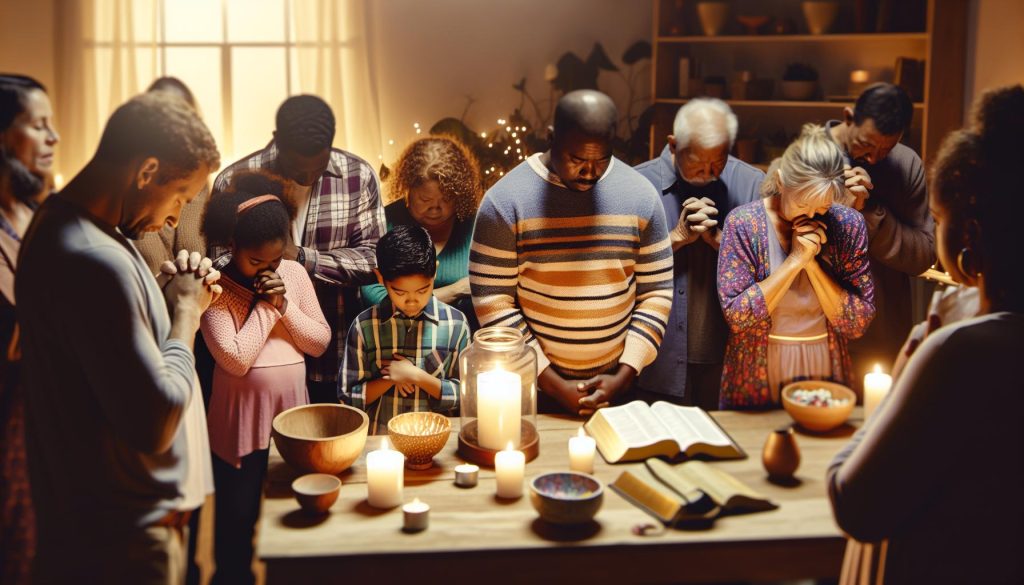
In times of illness and suffering, the power of prayer can bring immense comfort and hope. “Healing Prayers for the Sick That Bring Hope & Comfort” offers an uplifting collection of prayers designed to connect believers with God’s healing grace. Each prayer serves as a reminder of His love, reminding us that we are never alone in our struggles.
Whether you are seeking healing for yourself or for a loved one, these heartfelt prayers are crafted to strengthen faith and foster a deep sense of peace amidst the turmoil. As you immerse yourself in these supplications, you’ll find encouragement and solace that help lift the burdens of worry and fear. Join us on this spiritual journey as we explore prayers that can transform pain into purpose and restore hearts with divine hope. Together, let’s embrace the promise of healing and the joy of God’s presence in our lives, igniting a sense of faith that inspires and sustains every step of our journey.
Contents
- 1 Healing Scriptures to Inspire Hope and Recovery
- 2 The Power of Prayer: Strengthening Your Faith
- 3 Types of Healing Prayers for Different Needs
- 4 Daily Healing Prayer Practices for Spiritual Growth
- 5 Incorporating Faith into Health Challenges
- 6 How to Create a Healing Prayer Circle
- 7 Uplifting Prayers for Family and Friends in Need
- 8 Testimonies: Healing Through Prayer and Faith
- 9 Prayers for Emotional and Spiritual Healing
- 10 Biblical Stories of Healing: Lessons and Insights
- 11 Prayers for Comfort During Difficult Times
- 12 Encouragement in Prayer: Staying Focused and Hopeful
- 13 Frequently Asked Questions
- 14 Closing Remarks
Healing Scriptures to Inspire Hope and Recovery

Each day, countless individuals face health challenges, whether physical, emotional, or spiritual. During these trying times, turning to Scripture can offer profound comfort and inspire hope for recovery. The Bible is filled with promises of healing that remind us of God’s unwavering love and power. When we meditate on these verses, we not only find solace but also the encouragement to keep faith alive in the midst of adversity.
One notable passage is found in Jeremiah 30:17, which assures us, “For I will restore health to you and heal your wounds, declares the Lord.” This verse serves as a powerful reminder that divine healing is available to all who seek it. Additionally, Psalm 147:3 states, “He heals the brokenhearted and binds up their wounds.” This affirmation speaks to the emotional and spiritual dimensions of healing, assuring us that every part of our being is cared for by God.
To cultivate an environment of hope and recovery, consider integrating these Scriptures into your daily prayers and meditations. Writing down verses that resonate with your journey or repeating uplifting passages can strengthen your resolve. Create a visual display of chosen Scriptures in your home, such as a prayer wall or a dedicated section in your journal, to constantly remind yourself of God’s promises. Embracing these healing words not only nurtures your spirit but also lifts your heart towards recovery and restoration, paving the way to experience God’s grace in tangible ways.
In sharing these healing Scriptures with family or friends in need, consider organizing group prayer sessions where each person can contribute their favorite verses. This not only reinforces the power of communal faith but also creates a supportive atmosphere where healing can flourish in the presence of love and shared belief.
The Power of Prayer: Strengthening Your Faith

In times of sickness, the power of prayer can serve as a profound source of hope and comfort. When we reach out to God in prayer, we are not merely sending our requests into the ether; we are engaging in a powerful dialogue with our Creator, who promises to hear us and respond. Imagine the peace that washes over you as you lay your burdens before the Lord, resting in the assurance that He is fully aware of your struggles and is capable of providing healing, whether it be physical, emotional, or spiritual.
One of the most impactful aspects of prayer is its ability to fortify our faith. As we offer our heartfelt petitions, we cultivate a deeper understanding of God’s character. The Scriptures remind us of His unwavering compassion and mighty power. James 5:15 tells us, “And the prayer of faith will save the one who is sick, and the Lord will raise him up.” This call to pray not only emphasizes the importance of faith but also encourages us to bring our requests to God with full assurance of His capability to heal.
To further enhance your prayer life and strengthen your faith during times of illness, consider setting aside dedicated moments for prayer. Create a routine that affirms your reliance on God, perhaps by starting or ending each day with a section of Scripture that speaks to healing, followed by prayer. This ritual can transform your perspective, allowing you to approach each day with a heart attuned to God’s presence and a spirit open to His healing touch.
Moreover, engaging with others in prayer can amplify the strength and impact of your petitions. Consider forming small prayer groups where members can share their needs and pray for one another. This community support not only reinforces your faith but also creates an environment ripe for miracles to happen. As Matthew 18:20 assures us, “For where two or three gather in my name, there am I with them.” In unity, we can encourage one another and lift our collective voices to God, believing confidently in His power to heal and restore.
Types of Healing Prayers for Different Needs
In the journey of faith, prayer serves as a lifeline, especially for those facing sickness and affliction. Different situations and needs call for varied types of healing prayers, each imbued with its unique purpose and power. Understanding these distinctions can help guide our intentions and strengthen our connection to God during challenging times.
One prevalent type of prayer is intercessory prayer, where believers stand in the gap for others in need. This type of prayer is pivotal for friends or family members who are ill. By fervently praying for their healing, we not only express our love and concern but also invite God’s healing presence into their lives. A prayer like, “Heavenly Father, I come before You on behalf of [Name]. Please restore their health and bring comfort to their spirit,” can be powerful.
Another significant form is personal healing prayer, where individuals seek direct intervention for their physical, emotional, or spiritual ailments. Such prayers often involve honesty and vulnerability before God, acknowledging one’s struggles while affirming faith in His healing power. For instance, a simple yet profound prayer such as, “Lord, heal me from this pain and grant me peace,” can open the door to divine intervention.
Additionally, scriptural prayers can be incorporated into our healing practice. These prayers involve declaring God’s Word, reminding ourselves of His promises regarding healing. For instance, praying the verses from Isaiah 53:5, “By His stripes we are healed,” helps anchor our faith in the truth of God’s promises, reinforcing the belief that healing is available through Christ’s suffering.
Lastly, thanksgiving prayers may often be overlooked but are essential in the healing process. Regardless of the circumstances, expressing gratitude for God’s faithfulness cultivates a heart of hope. A prayer like, “Thank you, Lord, for Your unchanging love and for every step of healing I experience,” shifts our focus from our challenges to the abundance of blessings in our lives.
By recognizing the different types of healing prayers and their purposes, we can enrich our prayer life. Each form serves not only to bring comfort and hope but also helps to deepen our faith and reliance on God’s promises amid life’s trials.
Daily Healing Prayer Practices for Spiritual Growth
Each day presents a fresh opportunity to deepen our spiritual growth through dedicated healing prayer practices. Integrating meaningful prayer into your daily routine can profoundly impact both your faith and overall well-being. These practices not only serve as a source of hope for the sick but also help cultivate a closer relationship with God, enhancing your spiritual journey.
Begin your day with morning healing prayers. Set aside a few moments of quiet reflection to invite God’s presence into your thoughts and actions. A prayer to open your day might look like this: “Lord, I surrender my heart to You this morning. Please guide my thoughts and actions and bring healing to those in need.” This sets a tone of intention and mindfulness that can carry you throughout the day.
Incorporating scripture into your prayers can also be a powerful practice. Choose a verse that resonates with healing, such as James 5:15, which says, “And the prayer offered in faith will make the sick person well.” Allow this scripture to inspire your petitions as you pray for others and yourself. Repeating such verses during your prayers not only reinforces your faith but serves as a reminder of God’s promises.
Consider establishing a specific time for healing prayer throughout your day. This could be during lunch breaks or before bedtime, allowing you space to center your thoughts on the needs of yourself and others. You might find it beneficial to keep a journal to record your prayers, focusing on those you are interceding for, along with any insights or answered prayers. This practice not only encourages spiritual growth but also provides a visual reminder of God’s faithfulness in your life.
Finally, embrace the concept of gratitude within your healing prayers. As you take time to pray for others, remember to thank God for His presence in every situation, big or small. Gratitude enhances your awareness of God’s works around you, and a simple prayer like “Thank You, Lord, for Your enduring love and healing power” shifts your focus toward the blessings you have, fostering a heart of hope amidst any challenges you face. By centering your daily practices around these principles, you not only offer comfort to those in need but also nurture your spiritual growth.
Incorporating Faith into Health Challenges
In times of health challenges, believers can draw immense strength and hope from their faith. One vital aspect of integrating faith into these struggles is to understand that every difficulty presents an opportunity for spiritual growth and deeper reliance on God. It’s often during these challenging times that we can see God’s faithfulness most clearly. By inviting Him into our health battles, we open the door to healing that transcends just the physical; it encompasses emotional and spiritual dimensions as well.
Engaging in supportive prayer practices, such as daily prayers for healing, is essential. Set aside specific times to pray, and consider gathering loved ones for shared prayer, reinforcing the communal aspect of faith. Scripture encourages us in James 5:14-15, which reminds us to call upon the elders of the church to pray over the sick, invoking the power of collective faith. This sense of community not only brings comfort but also creates an environment where faith can thrive.
Additionally, it is beneficial to maintain a journaling practice that focuses on health issues. Documenting your prayers, thoughts, and insights allows you to reflect on your journey and witness how God has worked. This written record can serve as a source of encouragement during challenging moments when it feels hard to maintain hope. Pair these reflections with scriptures that resonate with healing, such as Psalm 103:2-3, which speaks to the goodness and healing of the Lord.
Lastly, let gratitude be a consistent theme in your prayer life. Recognizing God’s blessings, regardless of the health challenges you face, shifts your mindset from one of despair to a perspective filled with hope and trust in His plan. A simple prayer of thanks can powerfully augment your healing journey – “Thank you, Lord, for the strength to face this challenge and for Your infinite love and support.” By intertwining faith with your health challenges in such tangible ways, you cultivate a deeper, more resilient relationship with God, paving the way for healing and restoration in all aspects of life.
How to Create a Healing Prayer Circle

Creating a healing prayer circle can be a transformative experience, both for those who lead it and those who are part of it. By coming together in prayer, believers can uplift one another and nurture a community that seeks divine healing and comfort. The power of collective prayer can help foster hope in times of hardship, drawing on the strength of shared faith and a commitment to support each other through difficult moments.
To initiate your healing prayer circle, start by identifying individuals who are in need of prayer or who want to join in supporting others. It may include family members, friends, or members from your church community. Gather a group of people who share a common goal of interceding for those who are sick or distressed. Ensure that everyone involved is committed to confidentiality and respect for those in need of healing, creating a safe environment where participants feel comfortable sharing their burdens.
Once your group is established, set a regular meeting time, whether in person or virtually. Structure the gatherings to include various elements that promote spiritual growth and encouragement. You might start each session with a brief devotional or scripture reading focused on healing, such as James 5:14-15, which emphasizes the power of prayer in healing the sick. Following this, allow time for sharing prayer requests. This creates a sense of community and allows members to express their specific needs, fears, or struggles.
Tips for Conducting Healing Prayer Circles
- Creating a Comfortable Atmosphere: Choose a quiet space free from distractions. Consider adding candles, soft music, or inspirational artwork to foster a peaceful environment conducive to prayer.
- Using a Prayer Journal: Maintain a collective journal to record prayer requests and answers. This not only helps track progress but also encourages testimonies of God’s faithfulness.
- Incorporating Different Prayer Styles: Experiment with various forms of prayer, such as silent prayers, spoken prayers, or guided meditations, to cater to the group’s preferences.
- Encouraging Personal Testimonies: Allow members to share their experiences and testimonies, as these stories can inspire hope and strengthen faith within the group.
Finally, remember that the essence of this circle is prayer, but it can also extend to acts of service and fellowship, such as providing meals for those in need or organizing events to support each other emotionally and spiritually. By actively nurturing these connections, your healing prayer circle can become a beacon of hope and a powerful testament to the love of Christ, strengthening both the members and those they pray for.
Uplifting Prayers for Family and Friends in Need

In times of illness and distress, uplifting prayers can provide not only hope and comfort but also a profound sense of connection among family and friends. Engaging in prayer together can foster an environment of love and support, reinforcing the belief that no one is alone in their struggles. It’s important to remember that prayer is not just a ritual; it’s a powerful conversation between you and God, where you can lift the burdens of those you care about into His hands.
When praying for loved ones in need, consider the use of specific Scriptures that speak to healing and comfort. Scriptures like Isaiah 41:10 remind us of God’s promise: “So do not fear, for I am with you; do not be dismayed, for I am your God. I will strengthen you and help you.” Infusing your prayers with these words can remind both you and those you pray for of God’s presence and strength in difficult times.
Here are some examples of heartfelt prayers that you might consider for specific situations:
- For Physical Healing: “Heavenly Father, I ask for Your healing touch upon [Name]. Please grant them strength to face this illness, and restore their body to full health according to Your divine will. Surround them with Your peace today.”
- For Emotional Support: “Lord, I pray for comfort and peace for [Name] as they navigate through this difficult time. May they feel Your loving presence and the support of those around them. Grant them hope and encouragement in every moment.”
- For Spiritual Renewal: “God, please uplift [Name]’s spirit. May they encounter Your love and grace anew, and may their faith be strengthened even in trials. Remind them that You are their refuge and strength.”
Incorporating regular prayer for family and friends into your daily routine can also be transformative. You might set aside specific times each week to pray intentionally for those who are unwell or struggling. Additionally, consider starting a prayer chain within your community or church to collectively uplift those in need. This act of coming together in prayer not only encourages those who are suffering but also strengthens the faith of those praying.
It’s also beneficial to empower your loved ones with the knowledge that they are being prayed for. Sharing
prayer updates, celebrating progress, and continuing to remind them of your prayers can instill a sense of community and hope. Never underestimate the power of a simple “I’m praying for you”-it can serve as a lifeline of hope in a sea of uncertainty. Through prayer, we acknowledge our faith and trust in God’s goodness, reinforcing the power of love in action.
Testimonies: Healing Through Prayer and Faith
During challenging times marked by illness or distress, stories of healing through prayer and faith serve as profound reminders of God’s presence and power. These testimonies illustrate the tangible effects of prayer, affirming that when we seek God earnestly, He responds with love and grace. Individuals from all walks of life have reported remarkable transformations, whether experiencing physical healing, emotional comfort, or spiritual renewal through the simple act of prayer.
One inspiring story comes from a woman named Sarah, who faced a daunting cancer diagnosis. Overwhelmed and fearful, she gathered her family and friends for a prayer circle, asking them to intercede on her behalf. As they prayed together, Sarah felt a palpable sense of peace wash over her. Her doctors later remarked on her remarkable improvement, crediting her positive spirit and, as she fervently believed, the power of collective prayer. This not only strengthened her faith but also unified her community, as they witnessed the miracles that faith can manifest.
In another instance, a father named David lost hope after a series of health complications left him bedridden. His community organized a prayer chain, each person taking turns lifting him up in prayer. As the days passed, David began to feel a shift in his condition and spirit. He later shared how the persistent prayers provided him with not only physical strength but an inner joy he thought was lost. His story emphasizes that when a network of believers bands together in prayer, the outcomes can extend far beyond the individual, reigniting hope and faith within the entire community.
These experiences serve to encourage us that prayer can yield healing and restoration. When seeking to deepen our faith journey, it’s essential to remember that healing can manifest in many forms. It may not always align with our immediate expectations, but it often leads to unexpected blessings and growth. As we share our testimonies, we remind ourselves and others that in every trial, God is working behind the scenes, crafting a narrative of hope and resilience.
Engaging regularly in prayer and sharing these stories can fortify our faith and assist others on their journeys. Encourage those around you to pray, share their own testimonies, and witness the power of faith in action-together, we create a tapestry of hope woven through the threads of prayer.
Prayers for Emotional and Spiritual Healing

Finding solace during times of emotional turmoil or spiritual unrest can be a challenge, yet the power of prayer offers a path to healing that is both profound and transformative. Many individuals have found that praying for emotional and spiritual healing can lead to a renewed sense of hope and a deeper connection with God. This practice is not only about asking for relief from pain but also about seeking to restore peace, joy, and purpose in our lives.
A powerful approach to emotional healing through prayer is the incorporation of specific Bible verses that resonate with our struggles. For instance, turning to Philippians 4:6-7 reminds us not to be anxious but to present our requests to God with thanksgiving, trusting that His peace will guard our hearts and minds. Additionally, Psalm 34:18 assures us that “The Lord is close to the brokenhearted and saves those who are crushed in spirit.” Meditating on these scriptures can provide comfort and initiate the healing process, guiding our prayers to align with God’s promises.
Moreover, surrounding ourselves with a supportive community is crucial. Engaging with loved ones in prayer can create a safe environment for sharing our burdens. Starting or joining a prayer group dedicated to emotional and spiritual healing can exponentially enhance the support we receive. In these circles, participants can share their struggles, pray for one another, and witness God’s work through collective faith. This practice not only strengthens individual faith but also fosters a sense of unity and purpose among believers.
Finally, it’s essential to remember that healing is often a journey rather than an instantaneous event. Incorporating daily practices such as journaling our thoughts, reflecting on our prayers, and expressing gratitude can guide us through our healing process. As we document our prayers and the changes we experience, we can look back and see God’s handiwork in our lives, reinforcing our faith and resilience. By embracing both the act of prayer and the community’s support, we can navigate our paths toward emotional and spiritual healing with hope and strength.
Biblical Stories of Healing: Lessons and Insights

In the tapestry of the Bible, stories of healing resonate like a gentle melody, reminding us of God’s boundless compassion and power. These narratives not only offer hope but also impart valuable lessons about faith and the transformative power of prayer. As we explore these stories, we discover that healing often involves more than just physical restoration; it can also encompass emotional and spiritual renewal, which can be profoundly encouraging in our own healing journeys.
One of the most poignant examples is the account of the woman with the issue of blood (Mark 5:25-34). In a moment of desperation, she reached out to touch the hem of Jesus’ garment, believing that even a slight connection would bring her healing. This act of faith highlights an essential truth: sometimes, all it takes is a single step of faith coupled with the courage to seek God’s help. In our own lives, we can draw inspiration from her story by choosing to reach out to God in our moments of need, trusting that He is attentive to our cries and desires to heal us.
Another significant story is that of the paralyzed man whose friends lowered him through the roof to reach Jesus (Mark 2:1-12). This narrative illustrates the power of community and intercessory prayer. The faith of his friends played a crucial role in his healing. It serves as a reminder that we are not meant to carry our burdens alone; surrounding ourselves with a supportive community that prays for and encourages us can profoundly affect our healing journey. We can learn to pray for others and invite friends to pray for us, reinforcing our collective faith and fortifying our spirits.
Embracing these biblical stories encourages us to reflect on our faith’s intimacy with the healing process. The lessons we glean from them can uplift us, reminding us that healing encompasses the whole person-body, mind, and spirit. As we incorporate these insights into our prayer practices, we foster a deeper connection with God and a more profound hope for ourselves and those we love. By actively engaging in prayer and community, we honor the legacy of those biblical figures who sought Jesus, knowing that He stands ready to heal, restore, and renew.
Prayers for Comfort During Difficult Times

In times of distress, the power of prayer emerges as a profound source of comfort and peace. Whether you are navigating moments of illness, loss, or uncertainty, turning to God in prayer not only helps to lift the burdens of your heart but also fosters a deep sense of connection with His everlasting love. Recognizing the essence of comfort during painful times, remember that the words you share with God hold immeasurable strength, capable of soothing anxieties and instilling hope.
One of the most comforting practices is to draw from Scripture, enveloping your prayers in the promises made by God. For instance, Psalm 34:18 reminds us that “The Lord is close to the brokenhearted and saves those who are crushed in spirit.” Meditating on such verses can ground your prayers and reinforce faith that transcends earthly troubles. A simple prayer may include phrases like:
– “Lord, I come to You with my pain. Please bring me peace.”
– “Help me remember Your everlasting promises amidst my struggles.”
– “Surround me with Your presence and the comfort it brings.”
Engaging in communal prayer can further enhance this comfort. Forming a healing prayer circle enables friends and family to unite in faith, sharing not only the burdens but also the hope that healing brings. This sense of fellowship mirrors the biblical story of Job, who found strength in the prayers and presence of his friends during his trials. As you seek comfort, gather those around you who can pray with and for you, creating an environment infused with faith and support.
Embrace the beauty of prayer practices and invite God into your sorrow. Amid difficulties, acknowledge the healing that prayer provides, nurturing your spirit with uplifting words and heartfelt supplications. Ultimately, the prayers you share, both in solitude and community, become a beacon of hope reflecting God’s unwavering love and promise of comfort in every storm.
Encouragement in Prayer: Staying Focused and Hopeful

In every challenging moment, the reminder that God hears our prayers can serve as a wellspring of hope and assurance. Staying focused in prayer, particularly when seeking healing for ourselves or loved ones, is essential for nurturing our spiritual lives. An effective approach includes centering our thoughts on God’s promises and engaging in specific prayer practices that reinforce trust and encourage spiritual growth.
One of the most powerful ways to remain hopeful is to incorporate Scripture into your prayers. Use verses that highlight God’s unwavering presence and healing potential, such as James 5:15, which states, “And the prayer of faith will save the one who is sick.” This verse serves as a poignant reminder of the power of prayer infused with faith. As you pray, consider writing down these scriptures or reciting them aloud, allowing their truth to permeate your heart and mind. This can transform your prayer into a meditative experience, fortifying your faith and strengthening your resolve.
Moreover, maintaining a consistent prayer routine can significantly impact your outlook during times of trial. Establish a specific time each day to pray, creating a sanctuary that is free from distractions. This dedicated time can evolve into a sacred practice where you not only pray for healing but also engage in gratitude for the blessings in your life. A daily practice of thanking God for His goodness opens your heart to receive hope while reinforcing the belief that healing is possible.
Consider the role of journaling in your prayer life. Documenting your prayers, thoughts, and reflections not only helps clarify your feelings but also serves as a record of God’s faithfulness in your life. By reviewing entries over time, you may find encouragement in how prayers have been answered, even in ways you might not have expected. This practice can help you remain focused on God’s goodness, even when waiting for healing seems daunting.
In challenging times, prayer can be a bridge that connects despair to hope. Focus your thoughts on God’s nature-He is a healer, a comforter, and a constant source of strength. As you navigate your journey of prayer, may you find focus, renewed hope, and a deep sense of progress toward healing and wholeness.
Frequently Asked Questions
Q: What are some effective healing prayers for the sick?
A: Effective healing prayers often include specific intentions for recovery and divine intervention. Simple prayers like, “Lord, grant healing to those who are suffering,” or more structured ones such as the “Prayer of St. Francis,” can provide comfort and hope. Incorporate affirmations of faith and personal touches to make them heartfelt.
Q: How can I pray for someone who is seriously ill?
A: When praying for someone seriously ill, focus on their specific needs. Use prayers like “Heavenly Father, please restore [Name]’s health and grant them peace.” Invite others to join in prayer, fostering a community of support. Your love and faith can help uplift their spirit during difficult times.
Q: Why are healing prayers important for the sick?
A: Healing prayers are important as they offer spiritual support, hope, and connection to God. They can boost morale, alleviate fear, and promote a sense of community among friends and family. Engaging in prayer allows believers to express their trust in divine intervention during challenging health situations.
Q: How can I create a healing prayer circle?
A: To create a healing prayer circle, gather a small group of supportive individuals who share faith. Schedule regular meetings to pray specifically for those in need of healing. Use prayers from your faith tradition, and encourage each member to share personal reflections and testimonies to deepen the connection.
Q: What scriptures can support healing prayers?
A: Scriptures like James 5:15 (“And the prayer of faith will save the one who is sick”) and Psalm 30:2 (“O Lord my God, I cried to you for help, and you have healed me”) can enhance healing prayers. Reflecting on these verses strengthens one’s faith and encourages hope in God’s healing power.
Q: How do I include emotional healing in my prayers?
A: To include emotional healing in your prayers, ask for peace and strength. Prayers can be specific, like “Lord, heal the wounds of my heart,” acknowledging the emotional struggles of the person you are praying for. This holistic approach recognizes that healing encompasses both spiritual and emotional well-being.
Q: Can healing prayers be used for community situations?
A: Yes, healing prayers can definitely be used for community situations. Use collective prayers for specific causes, such as community health crises or local tragedies. Organizing community prayer events can strengthen bonds and foster a spirit of unity and hope amidst challenges.
Q: How do daily prayer practices enhance healing?
A: Daily prayer practices enhance healing by creating a consistent connection with God, allowing individuals to express their fears and hopes. Regular prayer can cultivate patience, resilience, and peace, helping to navigate health challenges and promoting holistic well-being. Integrate short prayers into daily routines for maximum benefit.
Closing Remarks
As you reflect on the healing prayers we’ve shared, remember that hope is a powerful force in times of sickness. Trust in God’s promises to provide comfort and restoration. Encourage those around you to join in prayer, as collective faith can amplify healing. If you found this resource helpful, consider exploring our articles on prayer life and scripture for healing to deepen your spiritual journey.
Don’t hesitate to share your thoughts or experiences in the comments below; your story could inspire someone else in their journey. For more uplifting content, check out our devotional series that focuses on spiritual growth, or subscribe to our newsletter for regular insights right in your inbox. Together, let’s continue to walk in faith, supporting one another with prayerful hearts. Remember, healing begins with faith, and every prayer is a step closer to God’s promise.