In the tranquil hours of the night, the practice of Isha prayers emerges as a beautiful tradition within Islamic culture, where devotions hold profound significance. These nighttime rituals are not just acts of worship; they provide a sacred space for reflection, healing, and connection to the divine. As we delve deeper into understanding Isha prayers, we uncover their importance in cultivating inner peace and nurturing spiritual growth. Readers yearning for tranquility and a deeper relationship with their faith will find this exploration invaluable. Join us in uncovering the essence of night devotions in Islam, illuminating the path toward a more profound spiritual journey.
Contents
- 1 Understanding Isha Prayer: Significance and Timing
- 2 The Rituals of Isha: Steps and Spiritual Intent
- 3 Exploring the Spiritual Benefits of Night Prayers
- 4 Isha Prayer and Its Place in Daily Worship
- 5 Common Misconceptions About Isha Prayer Explained
- 6 Engaging Children in Isha Prayer Practices
- 7 Enhancing Your Isha Prayer with Personal Devotions
- 8 Insights from Islamic Scholars on Night Prayers
- 9 How Isha Prayer Strengthens Community Bonds
- 10 Preparing for Isha: Best Practices and Tips
- 11 The Connection Between Isha Prayer and Spiritual Growth
- 12 Isha Prayer: Reflections on Faith and Surrender
- 13 Faq
- 14 The Conclusion
Understanding Isha Prayer: Significance and Timing

The Isha prayer, being the last of the five daily prayers in Islam, holds profound significance for believers. This night prayer not only serves as an opportunity to connect with Allah at the end of the day, but it also symbolizes the closing of daily activities, allowing Muslims to reflect, seek forgiveness, and recharge spiritually for the next day. Isha prayer is a moment of tranquility, where the noise of the day fades, and a believer can immerse themselves in heartfelt supplications and peaceful worship.
Timing for Isha is critical, as it begins after the twilight has completely faded and lasts until midnight. This timeframe allows flexibility for those who may have obligations or engagements earlier in the evening. Importantly, this prayer emphasizes both individual and communal bonding, encouraging believers to gather in mosques, which strengthens the ties among members of the Islamic community. Performing Isha in congregation magnifies the reward sought through this significant ritual.
Additionally, engaging in the Isha prayer acts as an invitation to spiritual rejuvenation. It encompasses not only the obligatory units of prayer (Rak’ahs) but also includes optional Sunnah prayers, which provide extra rewards and a means to express devotion. The Prophet Muhammad (peace be upon him) stressed the importance of the Isha prayer, indicating its indispensable role in a Muslim’s routine. Therefore, recognizing the Isha prayer’s significance and its appropriate timing can enhance one’s spiritual connection and discipline, offering peace and clarity as night envelops the day.
The Rituals of Isha: Steps and Spiritual Intent
Engaging in the Isha prayer is a journey that transcends mere obligation; it is a sacred ritual that fosters deep spiritual connection. As the day winds down and the tranquility of night envelops the surroundings, Muslims find solace in the structured approach of this pivotal prayer. The Isha prayer consists of four mandatory Rak’ahs, followed by two Sunnah Rak’ahs that embrace the essence of devotion. This structured format not only instills discipline but also acts as a spiritual anchor, inviting individuals into a state of reflection and peaceful communion with Allah.
The steps of the Isha prayer begin with the intention (Niyyah) to perform the prayer sincerely for Allah’s sake. After finding a clean and quiet space, worshippers perform the ritual ablution (Wudu) to ensure physical and spiritual purity. Following this, the prayer commences with the Takbir al-Ihram, raising the hands and uttering “Allahu Akbar” to signal the start of this spiritual journey. Each Rak’ah is punctuated by acts of bowing (Ruku) and prostration (Sujud), which symbolize submission and humility before the Creator. The rhythmic sequence of standing, bowing, and prostrating not only aids in focusing the mind but also cultivates an experience of serenity amidst the busyness of life.
As the prayers progress, believers often reflect on the spiritual intent behind each action and utterance. The recitation of verses from the Quran during the prayer serves as a reminder of the divine message, nurturing faith in the heart. The final Tashahhud invites worshippers to express gratitude and seek forgiveness, reinforcing the understanding that Isha is not merely an end-of-day ritual but a means of recharging one’s spirit and aligning oneself with divine purpose. By closing the day with this significant act of worship, practitioners cultivate a mindset of gratitude and surrender, empowering them to face the challenges ahead.
Incorporating personal supplications (Dua) after the prayer can further elevate this spiritual experience. Engaging in heartfelt communication with Allah allows believers to express their innermost thoughts, seek guidance, and draw strength for the days to come. This ritual emphasizes that the Isha prayer is not just a duty to fulfill but a profound opportunity for spiritual growth and community bonding, embedding a sense of fellowship among those who gather for the prayer. Thus, the rituals of Isha resonate deeply, connecting individuals with their faith, their community, and ultimately, their Creator.
Exploring the Spiritual Benefits of Night Prayers
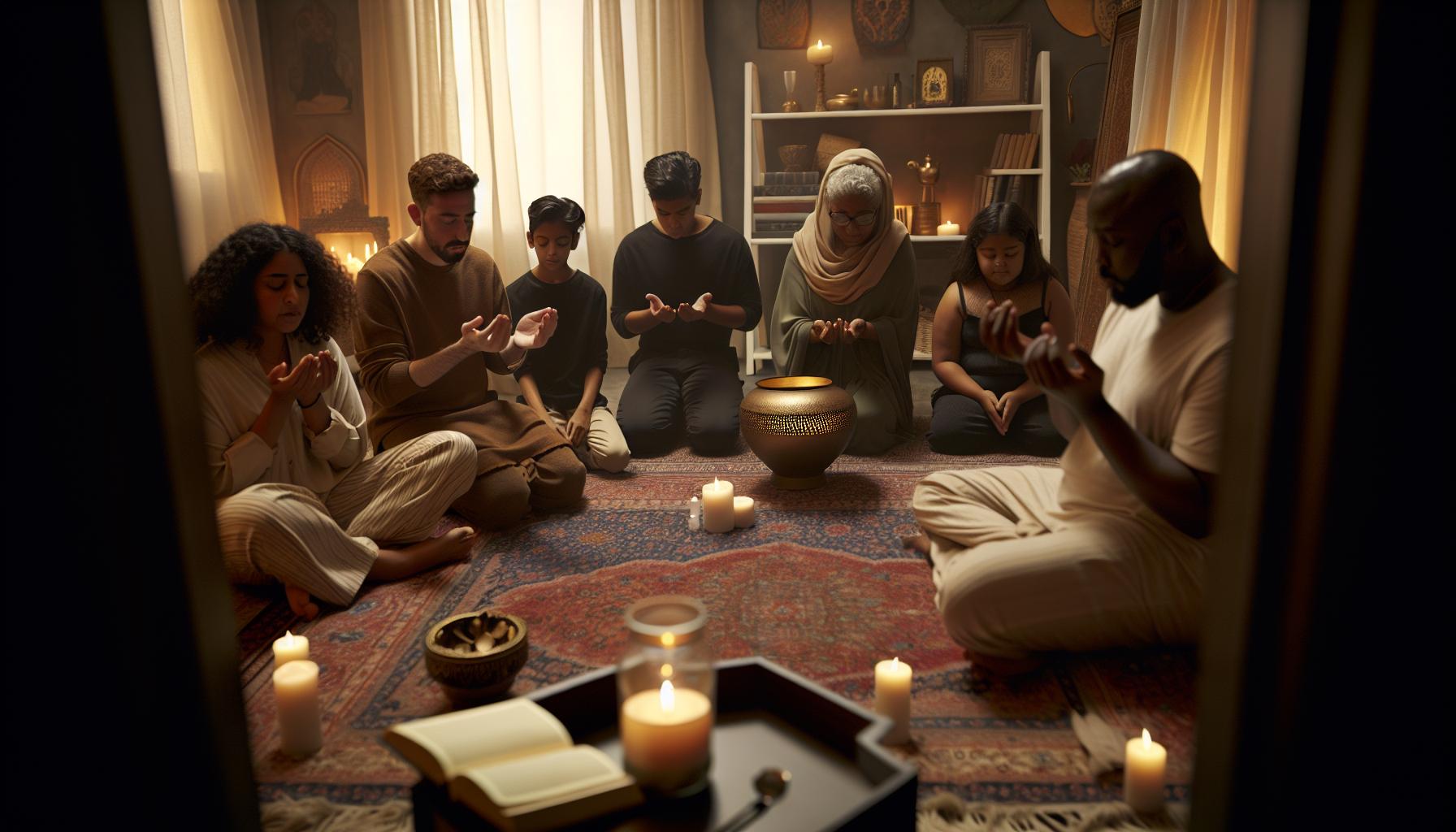
Engaging in the Isha prayer is more than a ritual; it’s an opportunity to embrace the serene quiet of the night and deepen one’s spiritual connection. Night prayers, particularly the Isha, are revered within Islamic tradition for their manifold spiritual benefits. The stillness of the night creates an environment conducive to reflection, making it easier for individuals to turn their hearts towards Allah, seeking guidance, forgiveness, and peace of mind.
Many believers find that the late hours, characterized by tranquility, provide a unique chance to detach from the day’s distractions. This separation from the day’s activities allows for a clearer connection with the Divine. The act of performing Isha is laden with significance, as it encourages worshippers to pause and acknowledge their dependence on Allah, fostering humility and gratitude. As the Prophet Muhammad (peace be upon him) encouraged the prayer, it is a means of enhancing one’s devotion, creating a bridge between the mundane and the sacred.
Moreover, the Isha prayer serves as a reminder of the importance of community in worship. Many engage in this prayer collectively, strengthening bonds and fostering a sense of belonging that can nurture spiritual well-being. In gatherings for Isha, brothers and sisters in faith come together to uplift one another, creating an atmosphere where love, respect, and shared belief flourish. This communal aspect of worship reinforces the understanding that spiritual growth flourishes not only in solitary moments but also within the support of a faith community.
Incorporating personal supplications (Dua) is another pathway through which the spiritual benefits of night prayers manifest. After completing the Isha prayer, believers often make specific requests, express worries, or offer thanks directly to Allah. This heartfelt dialogue transforms moments of worship into profound encounters with the Divine, allowing one to seek personal guidance and reaffirm their commitment to faith. By embracing the spiritual dimension of the Isha prayer, practitioners can find comfort and strength against life’s challenges, nurturing their emotional and spiritual resilience through the serene hours of the night.
Isha Prayer and Its Place in Daily Worship

Engaging in night devotions, particularly the Isha prayer, offers a profound opportunity for spiritual renewal and connection within the daily worship framework. This prayer is not merely a ritual obligation but a sacred invitation to pause and engage in reflection, fostering a deeper relationship with Allah. As believers transition from the distractions of the day to the quietness of the night, Isha serves as a powerful anchor, reminding them of the importance of faith in daily life.
Around the globe, the Isha prayer is performed in varying ways, often accompanied by communal support. Gathering for this prayer not only strengthens personal faith but also reinforces the bonds within the community. The collective experience of worship, whether in a mosque or in family settings, encourages shared reflection and mutual upliftment, fostering a deeper sense of belonging among participants. This communal aspect can be a source of strength, especially during challenging times, as community members come together to support one another.
The timing of the Isha prayer also reflects its significance in aligning with the rhythms of daily life. Offered at the end of the day, it serves as a spiritual reiteration to seek forgiveness, express gratitude, and recenter hearts towards divine guidance as one prepares for rest. By setting aside distractions and devoting this time to prayer, individuals nurture not only their spiritual well-being but also enhance their ability to navigate worldly challenges with a sense of peace and purpose.
Incorporating personal supplications (Dua) following the Isha prayer further enriches this experience. This intimate dialogue with Allah allows believers to share their burdens, express their hopes, and seek guidance, transforming the act of worship into a deeply personal encounter. Through these practices, the Isha prayer becomes a vital component of daily worship, offering believers a pathway to spiritual growth and resilience. In the stillness of the night, the Isha prayer emerges as a beacon of faith and community, guiding practitioners toward a more profound connection with the Divine and each other.
Common Misconceptions About Isha Prayer Explained

Misunderstandings about the Isha prayer abound, often leading to hesitance or confusion for those seeking to deepen their spiritual practice. One prevalent misconception is that the Isha prayer is merely a ritual obligation, devoid of emotional or spiritual significance. In reality, it is a profound moment of connection with the Divine, a time to reflect on the day’s events and seek guidance. Many believers find that approaching this prayer with intention transforms it from a mere duty into a cherished opportunity for renewal and reflection.
Another common belief is that attending the Isha prayer is only crucial for those facing difficulties or seeking forgiveness. While it indeed serves as a powerful means for supplication and healing, the Isha prayer is beneficial for everyone, regardless of their situation. Embracing it as a daily spiritual practice can foster a deep sense of community, drawing individuals closer to each other and to their faith. Connecting with fellow worshipers during this time can create lasting relationships, enhancing one’s spiritual journey and providing an essential support system.
Additionally, some might think that performing Isha prayers at home is just as effective as attending a mosque. While personal devotion is valuable, the communal experience of prayer holds unique benefits. Gathering in a mosque allows for shared reflection, collective worship, and reinforces the bonds among participants. This sense of belonging is vital, especially in times of distress, as individuals can find comfort and strength in knowing they are not alone in their spiritual struggles.
Finally, people often underestimate the importance of dedicating time for personal supplications and reflection after the Isha prayer. This practice adds depth and personalization to the experience, making the connection with Allah much more intimate. By freely sharing one’s hopes and fears during this time, believers can cultivate a deeper relationship with their faith, ensuring that their spiritual journey is rich and fulfilling. Understanding and addressing these misconceptions can greatly enhance one’s appreciation of the Isha prayer as a significant aspect of daily worship and spiritual growth.
Engaging Children in Isha Prayer Practices

Engaging children in the practice of Isha prayer can create a meaningful rhythm in their spiritual lives, instilling in them the values of faith, community, and personal devotion from an early age. Evening prayers are particularly unique, as they offer a calm and reflective time to connect with the Divine after a busy day. Involving children in this ritual not only fosters their understanding of prayer but also builds a foundation for a lifelong spiritual journey.
To effectively engage children in Isha prayer, it’s essential to create a warm and inviting atmosphere. Start by making the space where you pray comfortable and appealing. Utilize soft lighting, perhaps with candles or lamps, to create a serene environment that encourages reflection. You can incorporate elements such as prayer mats adorned with colorful designs or favorite visual aids related to Islamic teachings. Play soft, spiritual music or have meaningful discussions that shape their understanding of why the Isha prayer is significant in the Islamic tradition.
Another practical approach is to teach children through participation. Encourage them to join in the prayer by allowing them to take part in the rituals, such as leading the prayers or reciting known verses. Use storytelling techniques to explain the importance of the Isha prayer, perhaps sharing stories about the Prophet Muhammad’s practices or explaining how night prayers can lead to personal growth and community bonding. This narrows their focus and helps them appreciate the deeper essence of these moments with Allah.
Involving children in personal supplications after Isha can also enhance their spiritual experience. Teach them to express their thoughts, hopes, and concerns aloud or in their hearts, fostering an intimate dialogue with Allah. Encourage gratitude by discussing the blessings of the day, thus teaching them to cultivate a habit of appreciation. Allowing children to share what they are thankful for or what they wish for can be a heartwarming experience that strengthens their connection to prayer.
Through these practices, children learn that prayer is not just an obligation but a source of solace and strength. They come to view Isha as a cherished time of reflection and community, crafting a lifelong relationship with their faith that can lead to spiritual maturity and positive self-identity. Integrating such practices will help nurture their understanding of worship as an integral part of their Islamic life, inspiring them to carry these values into adulthood.
Enhancing Your Isha Prayer with Personal Devotions

To enrich your experience of Isha prayer, consider weaving personal devotions into this sacred time. The evening, when the world quiets down, is an ideal moment to deepen your spiritual connection. Engaging in personal supplications, known as dua, can transform your Isha prayer from a simple ritual to a meaningful dialogue with Allah. As you conclude your prayer, take a few moments to reflect on your day and present your thoughts-be they worries, aspirations, or gratitude-to Allah. This allows for a heartfelt exchange, fostering a stronger relationship with your Creator.
Another powerful way to enhance your Isha prayer is by incorporating Quranic recitation. Choose passages that resonate with you personally, or that address your current life circumstances. Reflecting on these verses can provide clarity and direction. Consider establishing a routine where you dedicate time both before and after the prayer for Quran study. This practice not only increases your understanding of the text but also cultivates a sense of peace and closeness to Allah as you meditate on His words.
Creating a prayer space that inspires devotion can significantly affect the quality of your prayer experience. Designate a quiet corner in your home where you can pray and reflect without distractions. Personal touches, such as meaningful artwork or serene elements like plants or candles, can create a calming atmosphere. This environment serves not only as a physical reminder of your dedication to nightly worship but also as a sanctuary for your thoughts and prayers.
Lastly, remember the importance of community in enhancing your Isha prayer. Engaging in prayer with family or friends can elevate the experience, opening up opportunities for shared reflections and discussions about personal growth through prayer. Consider organizing a weekly family prayer night or inviting friends to join you. Such gatherings foster support and create an enriching atmosphere where everyone can learn and grow spiritually together. Through these practices, Isha prayer can transcend routine, becoming a cherished time for personal growth, reflection, and community bonding.
Insights from Islamic Scholars on Night Prayers

Night prayers hold a special status in Islamic tradition, with profound insights offered by scholars that highlight their significance and spiritual rewards. One of the core teachings revolves around the importance of the Isha prayer, seen not just as an obligation, but also as an opportunity to connect deeply with Allah in the quietude of the night. Scholars emphasize that the time for performing the Isha prayer is expansive, lasting until half the night, allowing believers to manage their schedules while ensuring they do not neglect this sacred act of worship. This flexibility encourages a consistent return to prayer, fostering both discipline and spiritual growth.
According to renowned Islamic scholars, the additional night prayers, such as Tarawih and Witr, further enhance the virtues of Isha. Tarawih prayers, performed during Ramadan, hold exceptional significance; many scholars advocate for performing them in congregation to strengthen community bonds. The Prophet Muhammad (peace be upon him) is reported to have said, “The most beloved prayer to Allah after the obligatory prayers is the prayer in the middle of the night.” This hadith emphasizes the high esteem granted to night prayers, encouraging believers to seek tranquility and closeness to Allah during these precious moments of stillness.
Incorporating personal supplications and recitation of the Quran into the nocturnal worship routine is highly recommended by scholars. This practice deepens one’s spiritual experience, as it transforms a routine prayer into a dynamic dialogue with Allah. Scholars advise dedication before and after Isha for reflection and supplication, as these intimate encounters allow individuals to express their fears, hopes, and gratitude, creating a rich relationship with the Creator.
Ultimately, the insights from scholars on night prayers serve as a guide to elevate the Isha prayer from mere obligation to a cherished experience of spiritual fulfillment. This shift in perspective encourages believers to embrace the serenity of the night as a blessed time for devotion, reflection, and community, enriching their faith journey with deeper connections and understanding.
How Isha Prayer Strengthens Community Bonds

The Isha prayer, performed in the stillness of the night, serves not only as an individual act of worship but also as a profound means of strengthening community bonds. When Muslims gather for this nightly prayer, whether in mosques or at home, they create a shared space of spirituality and unity. This collective act fosters an environment where relationships deepen and communal ties are reinforced, making the Isha prayer a vital thread in the fabric of community life.
The Power of Collective Worship
Joining together for Isha prayer, especially in congregation, allows believers to experience the power of collective worship. This shared devotion can transform individual prayers into a rich tapestry of faith, where the energy and enthusiasm of the group amplify each person’s spiritual experience. As believers align in their prayers, they reinforce their shared beliefs and aspirations, creating a sense of belonging that is crucial in today’s world. When communities engage in rituals like the Isha prayer, they collectively embody their faith and values, fostering a spirit of support and encouragement among members.
Building Stronger Connections
The Isha prayer also acts as a catalyst for building meaningful connections. These nightly gatherings provide opportunities for individuals to interact, share stories, and support one another. In a community where everyone participates regularly, bonds are strengthened, and friendships flourish. These interactions can evolve beyond the prayer setting, leading to cooperative engagements in other religious and social activities. The ritual thus becomes a cornerstone for organizing community efforts, whether it’s for charity, education, or social welfare.
Intergenerational Engagement
Encouraging family participation in Isha prayer can be especially impactful for young members of the community. Children who witness their family members engaged in prayer often feel inspired to follow suit. This intergenerational engagement fosters a culture of worship that transcends age barriers and promotes values of faith, respect, and unity. Families that pray together forge strong foundations for future generations, creating a legacy of spirituality and community-focused living.
Ultimately, the Isha prayer is much more than just an obligation; it is a means of weaving closer ties among individuals, families, and communities. As believers come together in night devotion, they nurture not just their spiritual connection with Allah but also with one another, resulting in a vibrant, supportive community that thrives on shared faith and values.
Preparing for Isha: Best Practices and Tips

As the sun sets and the world quiets down, the anticipation of Isha prayer brings a unique opportunity for reflection and connection. Preparing for this important nightly ritual can enhance both individual worship and community gatherings. By creating an inviting atmosphere, setting intentions, and engaging in preparatory acts, believers can deepen their spiritual experience. Here are some practical tips to help you prepare for Isha prayer.
Create a Sacred Space
Designate a clean and quiet area for your prayer, whether at home or in a mosque. Decorate this space with items that inspire peace, such as prayer mats, Qur’ans, or other meaningful religious symbols. Soft lighting or candles can add to the serene atmosphere, making it a comfortable place to focus and connect with Allah.
Set Intentions for Your Prayer
Before beginning your prayers, take a moment to clear your mind and set your intentions. Consider what you wish to achieve during Isha. Whether it’s seeking spiritual growth, forgiveness, or guidance, articulating your intentions can make your prayers more meaningful. A simple mental or verbal statement, such as “I wish to deepen my connection with Allah,” can set a powerful tone for your worship.
Incorporate Spiritual Preparation
Engage in a few moments of dhikr (remembrance of Allah) before starting your Isha prayer. This could include reciting certain verses from the Qur’an or engaging in supplications. Additionally, performing ablution (wudu) not only prepares you physically but spiritually, signaling your readiness to engage in the divine act of prayer.
Gather With Family or Community
If possible, invite family or friends to join you in prayer. Gatherings for Isha can strengthen community bonds and create a supportive spiritual environment. Sharing this ritual fosters deeper relationships and allows for collective blessings as everyone comes together in worship.
By preparing thoughtfully for Isha prayer, individuals can uplift their spiritual practice and underscore the significance of this nightly devotion. Whether through solitude or community, engaging fully in the preparatory aspects enhances the overall experience, transforming routine prayer into a cherished moment of connection and reflection.
The Connection Between Isha Prayer and Spiritual Growth

The profound connection between Isha prayer and spiritual growth is not just an aspect of Islamic tradition; it’s a cornerstone of personal transformation. Engaging in night prayers offers a unique opportunity for reflection, allowing believers to step out of the chaos of daily life and into a space of tranquility and devotion. This sacred time becomes a moment for heartfelt supplication, where individuals can align themselves closer to their Creator, seeking guidance and support on their spiritual journeys.
With each evening prayer, one is invited to foster a deeper relationship with Allah. The stillness of night provides a perfect backdrop for introspection and connection, enabling believers to contemplate their actions, seek forgiveness, and renew their intentions. This is when prayer transcends a mere ritual, evolving into an avenue for heartfelt communication with the divine. Believers can reflect on their day, express gratitude, and voice their aspirations, thus nurturing their spiritual growth through this sacred practice.
Moreover, Isha prayer creates a communal bond among participants, whether in a mosque or at home. Coming together to pray fosters a sense of belonging and shared purpose. This community aspect not only strengthens individual faith but also weaves a fabric of shared aspirations and spiritual nurturing among believers. Joining together allows for mutual encouragement, sharing of insights, and collective prayers, which deepen the spiritual journey of each participant.
Engaging consistently in Isha prayer encourages discipline and commitment in one’s spiritual life. It signals to oneself the importance placed on spiritual nourishment amidst life’s distractions and challenges. The consistent practice of prayer cultivates an environment for mindfulness, prompting individuals to be more aware of their thoughts, actions, and spiritual state. By dedicating time each night to this significant practice, believers embark on a transformative journey of spiritual growth, finding strength in faith and a renewed purpose in their lives.
Isha Prayer: Reflections on Faith and Surrender
In the quiet solitude of the evening, Isha prayer offers an extraordinary moment for believers to reflect on faith and the essence of surrender. This prayer, performed in the stillness of the night, invites individuals to enter into a sacred space where they can pour out their hearts before Allah. The beauty of this moment lies in its ability to transform daily worries and fears into acts of worship, allowing believers to reconnect with their Creator amid life’s chaos.
During Isha, worshippers are encouraged to engage in deep reflection. This is a time for spiritual reckoning, where one can contemplate the choices made throughout the day, seek forgiveness for missteps, and renew intentions for the future. Such self-examination cultivates a profound sense of humility and reliance on divine mercy, reinforcing the idea that surrendering one’s will to Allah is not a sign of weakness, but of strength and faith. Scripture encourages believers to cast their burdens onto the Lord (Psalm 55:22), an invitation to experience the transformation that comes from relinquishing control.
As the prayer unfolds, the recitation of verses serves to remind followers of Allah’s greatness and their place within His creation. This act of remembrance fosters a spirit of gratitude, prompting worshippers to recognize the numerous blessings in their lives. Each prostration becomes a physical representation of surrender, a moment where believers place their ego aside and embody their devotion. Additionally, the ritual of Isha can serve as a collective experience, uniting families and communities in worship, creating bonds that reaffirm shared beliefs and aspirations.
Moreover, participants in Isha prayer often find that these nightly devotions fortify their spiritual journey. As believers dedicate this time to prayer and reflection, they cultivate a routine that enhances their spiritual resilience. Engaging faithfully in worship habits like Isha creates a rhythm in life that prioritizes divine connection over worldly distractions, offering peace and clarity amidst uncertainty. A consistent practice of surrender not only fosters individual mindfulness but can also ripple through communities, inspiring others to embrace regular reflection and seek spiritual fulfillment. In embracing Isha prayer, believers step into a transformative journey of faith, surrendering their burdens while enriching their spiritual lives.
Faq
Q: What is the significance of Isha prayer in Islam?
A: The Isha prayer holds great significance as it is one of the five daily obligatory prayers in Islam, providing an opportunity for reflection and spiritual growth at the end of the day. It emphasizes community bonding and serves as a way to seek guidance and forgiveness.
Q: How long after sunset is the Isha prayer performed?
A: The Isha prayer is performed approximately 1.5 to 2 hours after sunset, depending on your location and the time of year. It is important to perform it within its designated time frame to fulfill religious obligations correctly.
Q: Can Isha prayer be performed alone or must it be in congregation?
A: While performing Isha prayer in congregation is highly encouraged and carries more spiritual rewards, it can also be performed alone. The key is to maintain sincerity and devotion, regardless of whether it’s done with others or in solitude.
Q: What are the spiritual benefits of praying Isha?
A: Praying Isha can enhance spiritual peace, encourage mindfulness, and increase one’s connection to God. It also provides a moment to reflect on one’s day and seek forgiveness for sins committed, promoting overall spiritual well-being.
Q: How does Isha prayer enhance community bonds?
A: Isha prayer, often performed in congregation, fosters a sense of community and belonging among Muslims. Attending prayers together strengthens social ties and allows for shared spiritual experiences, reinforcing bonds among community members.
Q: Are there specific intentions recommended for Isha prayer?
A: While there’s no mandatory specific intention for the Isha prayer, it’s beneficial to focus on personal humility, gratitude, and seeking forgiveness. Invoking these sentiments can enhance one’s spiritual experience during prayer.
Q: What should I do if I miss the Isha prayer?
A: If you miss the Isha prayer, it’s recommended to perform it as soon as you remember. You can pray an optional unit (Nafl) after the missed prayer, asking for forgiveness and striving to make it up promptly in future.
Q: What are the common challenges faced during Isha prayer?
A: Common challenges during Isha prayer include distractions, fatigue, and time constraints. To overcome these, it’s helpful to create a peaceful prayer environment and establish a routine that prioritizes this important nightly devotion.
The Conclusion
Thank you for exploring “Isha Prayers: Night Devotions in Islamic Tradition Explained.” We hope this journey has deepened your understanding of the profound spiritual practices surrounding Isha prayers. Remember, these devotions are not just rituals; they are pathways to connection and enlightenment within the Islamic faith. If you have questions or wish to dive deeper, check out our other articles on prayer life and devotionals that can further enrich your spiritual journey.
We invite you to take action now-consider incorporating Isha prayers into your daily routine and witness the transformation in your devotion. For more insights, explore our resources on Islamic practices and philosophies, and join our community discussions where you can share experiences and ask for guidance.
Stay connected with us for upcoming posts and resources that empower your faith journey. Subscribe to our newsletter for exclusive content, and feel free to share your thoughts in the comments below. Your engagement helps us grow this spiritual community, and we look forward to welcoming you back for more enriching discussions!


![Devoted Health Provider Portal: [Not applicable for Christian content]](https://christiancitychurch.eu/wp-content/uploads/2025/09/7285-devoted-health-provider-portal-not-applicable-for-christian-content-300x171.jpg)