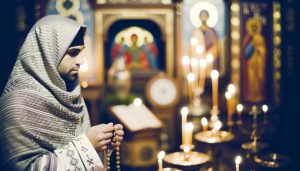
Throughout centuries, Latin prayers have offered believers a profound connection to their faith, serving as a bridge across time and cultures. These sacred words are not merely historical relics; they hold the power to transform lives through meditative reflection and spiritual growth. In a world brimming with distractions, many seek solace and clarity, found in the rich tapestry of Latin prayers that have anchored countless souls in their journey with Christ. Whether you are a seasoned practitioner or just beginning to explore the depths of prayer, this exploration of Latin prayers invites you to discover their timeless relevance and potency. Join us as we delve into these sacred words that can elevate your spiritual practice, deepen your understanding of faith, and foster a more meaningful relationship with God.
Contents
- 1 The Historical Significance of Latin Prayers in Christianity
- 2 Exploring Popular Latin Prayers for Daily Use
- 3 The Spiritual Power of Latin in Prayer
- 4 Latin Prayers: Connecting with the Early Church
- 5 How to Incorporate Latin Prayers into Today’s Worship
- 6 Understanding the Structure of Traditional Latin Prayers
- 7 The Role of Latin Prayers in Spiritual Warfare
- 8 Latin Prayers: A Source of Comfort and Strength
- 9 How to Use Latin Prayers for Personal Devotion
- 10 The Influence of Latin Prayers on Christian Art and Literature
- 11 Learning Latin: Key Phrases for Effective Prayer
- 12 Praying in Latin: Tips for Beginners and Enthusiasts
- 13 Frequently asked questions
- 14 The Conclusion
The Historical Significance of Latin Prayers in Christianity
The enduring legacy of Latin prayers within Christianity reaches back to the very foundations of the faith, serving as a conduit for spiritual expression and communal worship. Latin was the language of the Roman Empire and, consequently, became the lingua franca of the Church, facilitating unity across diverse cultures and regions. This shared language fostered a sense of belonging and continuity among believers, transcending geographical and temporal boundaries. Early church fathers routinely employed Latin in their writings and liturgies, embedding these sacred words within the daily lives of the faithful, which helped to shape doctrinal understanding and practice.
Latin prayers, such as the Pater Noster (Our Father) and the Ave Maria (Hail Mary), have distinct historical significance as they encapsulate core theological truths and communal beliefs. These prayers were not simply words to be recited; they were formulations of faith that articulated the essence of Christian doctrine. Their consistent use in liturgy and personal devotion has allowed generations to connect with the ancient traditions of Christianity, providing a profound sense of rootedness and continuity.
Moreover, the use of Latin in prayer offers a unique spiritual depth. The rhythmic patterns and poetic structure of these prayers can elevate one’s spirit, drawing the believer closer to the divine. The formality of the language can evoke reverence and solemnity, creating a conducive atmosphere for contemplation and adoration. This historical significance is not just an artifact of the past; it resonates in today’s worship and personal devotions, inviting modern believers to participate in a time-honored dialogue with God.
By incorporating Latin prayers into contemporary practices, individuals can enrich their spiritual lives. Engaging with these sacred texts allows for a deeper exploration of Christian heritage and enhances a believer’s prayer life, fulfilling the timeless call to worship that has echoed through centuries. In a fast-paced world where distractions abound, turning to the rich tapestry of Latin prayers can provide clarity, focus, and a sense of peace amid the chaos, affirming the idea that these sacred words truly transcend time and continue to resonate with the faithful today.
Exploring Popular Latin Prayers for Daily Use
Incorporating prayers in Latin into daily life can deepen one’s spiritual practice and foster a stronger connection to the rich heritage of the Christian faith. Popular Latin prayers are imbued with centuries of tradition, and they serve as a bridge to the sacred practices of the early Church. Engaging with these prayers not only enriches personal devotion but also brings a sense of unity with believers across time and space.
Among the most cherished Latin prayers are the Pater Noster (Our Father) and Ave Maria (Hail Mary). These prayers are often recited daily by countless Christians around the world, highlighting their importance in Christian spirituality. Learning and committing these prayers to memory can be a rewarding practice, allowing for moments of reflection and communion with God throughout the day. Additionally, the Signum Crucis (Sign of the Cross) serves as a powerful reminder of Christ’s sacrifice and a simple yet profound way to initiate prayer.
To effectively incorporate these prayers into daily routines, consider integrating them into specific times of the day such as morning reflections, mealtime blessings, or evening prayers. For example, beginning the day with the Gloria Patri (Glory Be) can set a tone of worship and gratitude. Moreover, reciting Latin prayers during quiet moments can transform mundane times, such as waiting in line or commuting, into cherished opportunities for spiritual growth.
Here’s a brief list of well-known Latin prayers to help you get started:
- Signum Crucis : In nomine Patris, et Filii, et Spiritus Sancti. Amen.
- Pater Noster : Pater noster, qui es in cælis, sanctificetur nomen tuum…
- Ave Maria : Ave Maria, gratia plena, Dominus tecum…
- Gloria Patri : Gloria Patri, et Filio, et Spiritui Sancto…
Embracing Latin prayers can be a transformative element in your faith journey. They are not just historical relics; rather, they carry the weight of tradition and provide a rich tapestry of spirituality that can lead to deeper understanding and connection with God. As you explore the beauty of these sacred words, allow them to guide you in prayer and worship, creating sacred space in your daily life that transcends time.
The Spiritual Power of Latin in Prayer
The resonance of Latin in prayer is profound, weaving together centuries of tradition and enabling believers to connect with the divine in a unique and meaningful way. These sacred phrases, steeped in history, carry an inherent spiritual power that transcends linguistic barriers, inviting individuals into a deeper relationship with God. Using Latin prayers can instill a sense of reverence and solemnity that is often accompanied by the weight of sacred tradition, grounding one’s spiritual practice in the rich heritage of the Church.
One of the remarkable aspects of Latin prayers is their ability to elevate the soul, fostering a profound atmosphere of worship. The rhythm and cadence of Latin-which has been used for centuries in liturgical settings-create an experience that transcends our everyday language. Engaging with these prayers can be akin to stepping into a timeless sanctuary, where the echoes of past generations resonate and guide our hearts toward the divine. This experience can be particularly enriching for those seeking comfort in moments of distress, as the weight of the words can provide solace and strength.
Incorporating Latin prayers into your routine can also enhance your spiritual life in practical ways. For instance, reciting the Pater Noster or Ave Maria during moments of reflection or meditation can invite a richer connection to their meanings, allowing the believer to dwell on their significance. Families can participate together by reciting these prayers, helping to instill a sense of tradition and unity, not just in worship, but in family life. Such practices remind us that we are part of a larger story, one in which we join the faithful from generations past.
Ultimately, embracing opens the door to deeper understanding and connection with God. As these sacred words flow from our lips, let them serve as a reminder of the enduring nature of faith and the universal call to seek the divine. Whether you are a seasoned practitioner or just beginning your journey, incorporating Latin prayers can enrich your spiritual practice, providing a timeless language that unites believers across history in humble adoration of our Creator.
Latin Prayers: Connecting with the Early Church
The resonance of Latin prayers evokes a sense of continuity that links modern believers with the early Church, enabling individuals to not only connect with the faith of their forebears but also to experience a profound kinship with the universal Church. As Latin became the liturgical language of Christianity in the Western world, it served as a sacred medium through which early Christians expressed their faith, devotion, and communal identity. The prayers uttered in this ancient tongue-such as the Pater Noster and Ave Maria-are more than mere words; they embody centuries of theological reflection, communal worship, and a legacy that transcends time.
Connecting with the early Church through Latin prayers can be both enriching and enlightening. These prayers not only reflect the theological insights of early Church Fathers but also capture the fervent expressions of faith that characterized the early Christian community. When believers engage with these prayers, they step into a time-honored tradition of worship that invites them to ponder the fundamental truths of their faith. By reciting prayers like the Signum Crucis (Sign of the Cross) or the Gloria Patri (Glory Be), individuals find themselves woven into a tapestry of spiritual heritage that generations of Christians have embraced throughout the ages.
Incorporating Latin prayers into personal devotion and community worship fosters a unique sense of unity and continuity. Consider inviting family members to join in reciting traditional prayers during mealtime or devotional moments as a way to create a shared faith experience. This practice not only reinforces family bonds but also helps cultivate an appreciation for the historical context of these prayers, grounding one’s spiritual life in a larger narrative that stretches back to the earliest days of Christianity.
Furthermore, the structure of Latin prayers often employs rhythmic and poetic elements, enhancing their memorability and meditative quality. To make these prayers a meaningful part of your spiritual routine, consider starting each day with the Pater Noster, allowing its familiar cadence to guide you in prayerful reflection. Embracing this ancient language in today’s context not only honors the past but also nurtures a vibrant, living faith that continues to thrive across time and cultures.
How to Incorporate Latin Prayers into Today’s Worship
Incorporating Latin prayers into today’s worship not only bridges the past with the present but also enriches the spiritual lives of believers. Many churches today are experiencing a revival of interest in traditional liturgical elements, and Latin prayers provide a profound way to connect with centuries of Christian heritage. These sacred words, steeped in history, can provide depth and richness to both personal devotion and communal worship settings.
One practical way to integrate Latin prayers is to include them in the liturgy of church services. For example, using the Pater Noster during the Eucharistic celebration can evoke a sense of unity among congregants, inviting everyone to participate in the timeless words taught by Christ. Introducing Latin responses or hymns can also enhance the worship experience, allowing congregants to engage in a shared language that transcends cultural barriers. Additionally, consider hosting a special service dedicated to Latin liturgical music; this not only highlights the beauty of the prayers but also encourages congregants to learn and appreciate the ancient language of the Church.
Moreover, incorporating Latin prayers into personal devotional practices can be a powerful means of deepening one’s faith. Establish a daily routine where specific prayers, such as the Ave Maria or Gloria Patri, are recited at designated times-perhaps at dawn or before bed. This practice can serve as a grounding ritual, fostering a habit of prayer that aligns daily life with a rhythm of reverence. Families can also create opportunities for shared prayer experiences by reciting Latin prayers during meal times or family gatherings, allowing spiritual discussions to unfold naturally.
Encouraging the use of Latin in prayer groups or home Bible studies can also help foster community. Consider concluding study sessions with a recitation of traditional prayers, creating closure and inviting the Holy Spirit into the conclusion of your time together. By utilizing resources like prayer books that include both Latin texts and their English translations, individuals can engage with the meaning of the prayers while embracing the beauty of the language.
In all these avenues, the act of praying in Latin can revitalize one’s spiritual journey, offering a profound sense of connection to the early Church and the global Christian community today. The rhythmic cadence and historical significance of these sacred words not only enhance worship but also invite believers into a deeper relationship with God. Through Latin prayers, we can continue to experience the timeless truth of our faith, uniting our voices with those of saints and believers through the ages.
Understanding the Structure of Traditional Latin Prayers
reveals a rich tapestry woven with theological depth, reverence, and historical significance. At the heart of these prayers is a distinctive format designed to elevate the soul and unify the worshipper with the sacred tradition of the Church. The precise language and deliberate structure not only convey messages of faith but also embody centuries of scriptural and liturgical insights.
Traditional Latin prayers often start with an invocation or an address to God or a saint, establishing the relationship of the prayer to the divine. For example, prayers like the *Pater Noster* (Our Father) open with a profound acknowledgment of God’s authority as Father, bringing us into His presence. This is followed by petitions-requests or intercessions that highlight the prayer’s intention. The clear formulation of these requests often follows a rhythmic pattern, enhancing the prayer’s memorability and impact. The structure is generally concise, with a clarity that allows for reflection and meditation.
Key Structural Elements
Understanding the typical components of Latin prayers can enrich one’s experience in prayer:
- Invocation: The prayer usually begins with a call to God or a saint, setting a tone of humility and reverence.
- Petitions: These are specific requests or declarations made in faith, addressing spiritual needs such as guidance, forgiveness, or protection.
- Conclusion: Many prayers end with a doxology, a short hymn of praise that glorifies God, bringing closure and reaffirming faith.
The cadence of the Latin language itself adds to the structure’s effectiveness. The poetic rhythm and sound patterns support meditation and internalization of the prayer’s message. This is particularly evident in prayers like the *Ave Maria* (Hail Mary), where the repetition and melodic phrasing invite contemplation, fostering a deeper connection with the divine. Furthermore, the passive voice often used in these prayers allows for a sense of surrender, inviting God’s action rather than solely expressing personal desires.
Engaging with these structured prayers can transform personal and communal worship. One practical approach is to familiarize oneself with the various components through repetition and recitation, perhaps integrating them into daily devotionals. This commitment not only facilitates a deeper understanding but also nurtures a life anchored in faith, enabling believers to draw on the wisdom of their spiritual ancestors. By embracing the structure of traditional Latin prayers, worshippers can enrich their prayer life, connecting more profoundly with their faith and the Christian community throughout history.
The Role of Latin Prayers in Spiritual Warfare
In the realm of spiritual warfare, the power of prayer is indispensable, particularly when articulated through the time-honored language of Latin. Latin prayers carry with them a profound richness that transcends mere words; they evoke an ancient tradition-one that has fortified believers throughout centuries of trials and tribulations. This transcendent quality makes Latin prayers not just a means of communication with God, but formidable tools in the spiritual battle against darkness, temptation, and despair.
Utilizing Latin prayers during spiritual warfare can serve multiple purposes. First, the solemnity and weight of the Latin language enhance the seriousness of the prayer, creating an atmosphere of reverence that fosters focus and determination. Prayers like the Exsultet or Agnus Dei resonate with historical significance and authority, harnessing the linguistic depth to articulate the believer’s reliance on divine power. Second, reciting these prayers provides a sense of continuity with the early Church, connecting contemporary believers with the faithful who have come before them. This connection not only offers comfort but instills confidence that they are not alone in their struggles.
Practical Strategies for Using Latin Prayers in Spiritual Warfare
To incorporate Latin prayers effectively into your spiritual practice, consider the following strategies:
- Daily Recitation: Establish a routine of reciting key prayers, such as the Pater Noster (Our Father) and the Ave Maria (Hail Mary), especially when faced with spiritual challenges.
- Meditative Reflection: Take time to contemplate the meaning behind each Latin phrase. Allow the richness of the language to sink in, making the prayers more intentional and impactful.
- Lay Claim to Scripture: Many Latin prayers draw from or echo scripture. Pair your recitation with relevant Bible verses, reinforcing your spiritual arsenal with biblical truths.
- Engage in Community Prayer: Gather with fellow believers to recite Latin prayers aloud. The collective invocation strengthens spiritual solidarity and amplifies the power of the prayers.
In moments of temptation, addiction, or deep anxiety, invoking these sacred words can be a powerful countermeasure. The rhythmic formulation of Latin prayer creates a cadence that can soothe the mind and spirit, transforming worry into worship. As believers engage with these sacred texts, they reclaim their identity as children of God, invoking solace and strength in the fight against the spiritual battles they face daily. Let the sacred heritage of Latin prayers guide you towards a life marked not by fear or doubt, but by faith and resilience.
Latin Prayers: A Source of Comfort and Strength
In the quiet moments of life, when the weight of burdens feels almost unbearable, the timelessness of Latin prayers offers a deep reservoir of comfort and strength. These sacred words have transcended centuries, maintaining their power to speak to the hearts of believers. By reciting them, individuals can connect not only to the divine but also to a vast, unbroken chain of faith stretching back to the early Church. This profound lineage provides a sense of belonging and assurance, reminding us that we are part of a larger spiritual family.
The intentional use of Latin in prayer establishes a unique atmosphere that nurtures the soul. The ancient rhythm and resonance of phrases like the Pater Noster (Our Father) and Ave Maria (Hail Mary) evoke a sense of peace and grounding. As prayers are articulated in this sacred tongue, the essence of their meaning deepens. Believers often find comfort in the repetitive nature of these prayers, creating a meditative experience that can soothe anxiety and inspire hope. When faced with uncertainty, the familiarity of these sacred texts can transform distress into calmness, inviting the presence of the Holy Spirit into our lives.
Moreover, the act of praying these ancient words can foster a sense of spiritual resilience. The language used in these prayers carries rich theological significance; each word and phrase is laden with meaning that reinforces core beliefs about God’s love, mercy, and guidance. For instance, the Gloria Patri (Glory Be) not only praises the Trinity but also reaffirms our identity as created in God’s image, thus reminding us of our inherent worth and purpose. Engaging with such prayers allows for profound assurances during difficult times, providing strength to navigate the trials that life presents.
To integrate Latin prayers into your daily life, consider establishing a routine that includes them at specific times. Whether through morning meditation, quiet contemplation before bed, or during moments of stress, these prayers can serve as spiritual anchors. As you grow more familiar with their sounds and meanings, allow yourself to delve into their depths, reflecting on how they resonate within your own spiritual journey. Through this practice, Latin prayers truly become a source of comfort, guiding believers toward a deeper relationship with God and greater inner peace.
How to Use Latin Prayers for Personal Devotion
Incorporating Latin prayers into personal devotion can enrich your spiritual journey, creating a deeply rooted practice that connects you with centuries of Christian tradition. The ancient language of Latin carries a unique resonance that transcends time, allowing believers to tap into a wellspring of faith shared by countless generations. By using these sacred words, you not only engage with the divine but also immerse yourself in a greater narrative that affirms the foundational elements of your faith.
To effectively integrate Latin prayers into your daily routine, consider establishing a designated time for prayer. This could be during your morning devotion, a moment of reflection before meals, or as part of evening prayer rituals. Start by selecting a few foundational prayers, such as the Pater Noster (Our Father), Ave Maria (Hail Mary), and the Gloria Patri (Glory Be). As you become comfortable with these prayers, you may wish to explore others, including the Sanctus and the Apostles’ Creed, which can be found in various resources available online.
The structure of these prayers can enhance your personal devotion. For instance, reciting the Pater Noster can serve as a meditative bridge to a deeper conversation with God, reflecting on the lines that resonate most with your current life circumstances. Take a moment after reciting each line to contemplate its meaning. This not only aids in memorization but also allows the rich theological implications of the prayer to seep into your heart and mind.
Here are some actionable ideas to help you utilize Latin prayers in your personal devotion:
- Start Small: Begin with a single prayer, repeating it several times a day. This can help establish a rhythm and familiarity.
- Reflective Journaling: Keep a journal to note your thoughts after each prayer session. Write about how the prayers influence your mood and spiritual state.
- Incorporate Music: The beauty of Latin chant can elevate your prayer experience. Consider listening to recordings of these prayers to enhance your connection to the words.
- Group Prayer: If possible, gather with a small group of believers and pray together using Latin prayers. This collective experience can deepen your engagement and spiritual growth.
By embracing these sacred words, you create a powerful avenue for divine connection and reflection. Each time you recite a Latin prayer, you are inviting the wisdom and strength of the Church’s historical faith into your modern life, nurturing your journey and deepening your relationship with God.
The Influence of Latin Prayers on Christian Art and Literature
The profound impact of Latin prayers on Christian art and literature is a testament to the enduring power of sacred language. For centuries, artists and writers have drawn inspiration from the deeply rooted traditions of Latin liturgy, shaping works that not only reflect the spiritual fervor of their creators but also convey powerful theological concepts. In cathedrals across Europe, the intricate designs of stained glass windows often depict scenes infused with Latin inscriptions, affirming the divine narratives told through the vibrant colors and shapes. These artistic expressions serve as visual prayers, inviting congregants into a deeper experience of faith that resonates with the prayers echoed within the sanctuaries.
Moreover, classic literary works often integrate Latin prayers, weaving them seamlessly into narratives that explore the human condition in relation to the divine. Authors like Dante Alighieri, in his “Divine Comedy,” employed Latin verses to evoke a sense of awe and transcendence, using sacred language to elevate the reader’s understanding of the divine journey. These prayers not only serve to enrich the text but also act as conduits for expressing complex spiritual themes and moral truths.
Incorporating Latin prayers into contemporary art and literature can create a bridge connecting modern believers with the profound legacy of faith that spans centuries. Whether through incorporating Latin verses in poetry or using prayer-based themes in visual art, this timeless language continues to inspire new generations.
As you engage with Latin prayers, consider how these sacred words can inform your creative expressions. Explore ways to incorporate Latin into your own artistic or literary endeavors. You might choose to decorate your home with framed Latin prayers, creating an atmosphere that evokes peace and inspiration, or experiment with writing poetry that reflects the beauty and depth of Latin liturgical phrases.
Ultimately, is both historical and ongoing, reminding us of the sacredness of words and their ability to transcend time, drawing each of us closer to God through creativity and faith.
Learning Latin: Key Phrases for Effective Prayer
The beauty and profundity of Latin prayers stem from their rich historical roots and the depth of meaning encapsulated in their syllables. Learning key Latin phrases for prayer can deeply enrich your spiritual life, allowing you to connect with centuries of Christian tradition. Many believers find that the rhythm and resonance of Latin can enhance their prayer experience, creating a sacred atmosphere that transcends the ordinary. Below are some essential Latin phrases to incorporate into your prayer life.
Essential Latin Prayers
- Our Father: “Pater Noster, qui es in caelis, sanctificetur nomen tuum.” (Our Father, who art in heaven, hallowed be thy name.)
- Hail Mary: “Ave Maria, gratia plena, Dominus tecum.” (Hail Mary, full of grace, the Lord is with thee.)
- Glory Be: “Gloria Patri, et Filio, et Spiritui Sancto.” (Glory be to the Father, and to the Son, and to the Holy Spirit.)
- Sign of the Cross: “In nomine Patris, et Filii, et Spiritus Sancti. Amen.” (In the name of the Father, and of the Son, and of the Holy Spirit. Amen.)
Incorporating these phrases into your daily devotionals can create moments of reflection and connection with God’s holiness. As you recite these prayers, take time to meditate on their meanings and the biblical truths they convey. For instance, “Pater Noster” invites believers into a familial relationship with God, emphasizing themes of provision and forgiveness that Jesus taught.
Practical Steps for Learning Latin Phrases
To make learning Latin prayers a seamless part of your spiritual journey, consider these practical steps:
- Daily Practice: Set aside a few minutes each day to recite a Latin prayer, allowing the rhythmic flow of the words to envelop you.
- Visual Aids: Write out these prayers and display them in your home. Framing them can serve as a constant reminder of their significance.
- Incorporate into Worship: Try using these phrases during personal or group worship times. They can be powerful additions to contemporary services or forms of traditional liturgy.
- Online Resources: Utilize apps and websites that offer audio pronunciations to help you get comfortable with the pronunciation of each phrase.
By embracing these sacred words, you’re not only enriching your prayer life but also participating in a tradition that links you to the early Church. Consider how this connection to the past can deepen your present relationship with God, making your prayers not just a moment in time but part of an ongoing legacy of faith.
Praying in Latin: Tips for Beginners and Enthusiasts
Engaging with Latin prayers can be a transformative experience, connecting you to centuries of Christian heritage and deepening your spiritual practice. For beginners, the initial step can feel daunting, but it can also be incredibly rewarding. Begin with short, familiar prayers like the “Pater Noster” (Our Father) or the “Ave Maria” (Hail Mary), allowing their rhythmic beauty to resonate within your heart. These prayers carry rich theological significance and are often deeply embedded in personal and communal worship, providing a foundation for deeper exploration.
To enhance your Latin prayer practice, consider these practical tips:
- Start Small: Focus on learning one prayer at a time. Master the pronunciation and meaning of each phrase before moving on to the next, ensuring a firm grasp on the language.
- Use Phonetic Guides: Many resources provide phonetic pronunciations alongside prayers. This will help alleviate any anxiety about speaking Latin and allow you to focus more on the prayer itself.
- Reflect and Meditate: As you pray, pause to contemplate the meanings of the words. Allow them to inspire your faith and reinforce core biblical truths, fostering a deeper and more intimate dialogue with God.
- Join a Community: Seek out local or online groups focused on Latin prayers or traditional Catholic practices. Sharing experiences and insights can strengthen your resolve and make your journey more enriching.
As you embrace the sacred words of Latin prayer, you will likely discover a sense of peace and connection that transcends time and culture. The profound nature of these prayers offers a tangible connection to the early Church, reminding us that our faith is part of a much larger narrative. Each time you pray, you join believers from generations past, uniting your voice with theirs, creating a rich tapestry of devotion and worship that reverberates through the ages.
Frequently asked questions
Q: What are the benefits of praying in Latin?
A: Praying in Latin connects believers with a rich tradition and enhances spiritual focus. The rhythmic and melodic quality of Latin can deepen prayer experiences, while the uniformity of language unites worshippers across the globe. Incorporating Latin prayers into your devotion can enrich your spiritual life and connect you to the early church.
Q: How can beginners start learning Latin prayers?
A: Beginners can start learning Latin prayers by focusing on a few key phrases such as the “Pater Noster” (Our Father) and “Ave Maria” (Hail Mary). Utilizing resources like audio recordings or mobile apps for pronunciation practice can be beneficial. Gradually incorporate these into your personal devotion to enhance familiarity and comfort.
Q: Why are Latin prayers considered timeless?
A: Latin prayers are considered timeless because they have been passed down through generations, maintaining their significance in Christian worship. Their roots in the early church connect believers to historical traditions, while the language’s stability ensures that their meanings remain consistent across time.
Q: Where can I find Latin prayers for personal use?
A: You can find Latin prayers for personal use in various online resources, prayer books, and church literature. Websites like Catholicity and Loyola Press offer collections of traditional prayers. These resources can help you build a personal prayer routine, drawing from the historical richness of Latin.
Q: What is the significance of Latin in Catholic rituals?
A: Latin in Catholic rituals signifies unity and tradition. It serves as a sacred language that transcends cultural boundaries, allowing for a shared worship experience among diverse congregations. The use of Latin in liturgy connects present-day worshipers with the historical church and enhances the solemnity of the ritual.
Q: How do Latin prayers aid in spiritual warfare?
A: Latin prayers, such as the “St. Michael Prayer,” are powerful tools in spiritual warfare, invoking divine protection and strength. Their historical and linguistic authenticity adds weight to the invocation, making them effective in spiritual battle. Regular use of these prayers can fortify a believer’s spiritual resolve.
Q: Can Latin prayers improve my prayer life?
A: Yes, incorporating Latin prayers into your routine can enhance your prayer life by promoting mindfulness and creating a sense of reverence. The beauty and historical depth of Latin can enrich your spiritual practice, making prayer feel more intentional and connected to the faith community.
Q: How can I integrate Latin prayers into modern worship?
A: Integrating Latin prayers into modern worship can be done by incorporating them into services, using them in personal devotions, or introducing them in prayer groups. Encourage congregational participation by providing translations and context, allowing a deeper understanding and appreciation of these sacred phrases.
For further insights and resources on the integration of Latin prayers, explore our article sections on the historical significance and spiritual power of these sacred words. Engage in your faith journey with our encouraging content designed for believers at every stage.
The Conclusion
As we conclude our journey through “Latin Prayers: Sacred Words That Transcend Time,” remember that these prayers are more than mere words; they are a bridge to divine connection and spiritual strength. Embrace the rich legacy of Latin prayers to deepen your prayer life, enhance your Bible study, and enrich your spiritual practices. If you found this exploration insightful, consider diving deeper into resources like our articles on developing a robust personal prayer schedule and engaging devotionals to guide your faith journey.
Act now! Sign up for our newsletter to receive exclusive content and updates, ensuring that you never miss out on the tools and insights that will strengthen your walk with Christ. Should you have questions or wish to share your own experiences, please comment below! Together, let’s continue this blessings-laden journey and explore all that faith has to offer. Visit our sections on spiritual warfare and biblical guidance for further exploration and support. Your path to deeper engagement with your faith is just a click away!


![Devoted Health Provider Portal: [Not applicable for Christian content]](https://christiancitychurch.eu/wp-content/uploads/2025/09/7285-devoted-health-provider-portal-not-applicable-for-christian-content-300x171.jpg)