
In a world often filled with turmoil and uncertainty, the power of words-particularly sacred words-can provide profound solace and healing. “Poems Prayers and Promises: Sacred Words That Heal” invites you to explore how verses and prayers can nurture your spirit and guide your thoughts towards peace and hope. This collection aims to remind you that through poetry and prayer, we can connect deeply with God and find strength in our faith journey. As you delve into this transformative resource, consider how these sacred expressions resonate with your own life experiences and struggles. They are not just words; they are lifelines that foster healing, encourage resilience, and inspire us to live out our faith authentically. Join us in uncovering the depth of comfort and insight that sacred expressions offer, and allow them to guide you in your quest for healing and spiritual growth.
Contents
- 1 Sacred Words: The Power of Healing Poems
- 2 Transformative Prayers for Life’s Trials
- 3 Promises of God: Finding Assurance in Scripture
- 4 The Role of Poetry in Spiritual Healing
- 5 Crafting Personal Prayers for Deep Connection
- 6 Biblical Principles for Effective Prayer
- 7 Exploring the Connection Between Faith and Emotion
- 8 Healing Through Worship: The Art of Song
- 9 Incorporating Poetry into Daily Devotionals
- 10 The Importance of Community in Prayer Practice
- 11 Narratives of Healing: Testimonies of Faith
- 12 Mindfulness and Meditation: A Christian Perspective
- 13 FAQ
- 14 Key Takeaways
Sacred Words: The Power of Healing Poems
The written word possesses an extraordinary ability to heal, offering solace and hope during our darkest hours. Healing poems can serve as gentle reminders of God’s unfailing love, grace, and the restoration that awaits us. Whether it’s through penning deeply personal verses or revisiting the works of revered poets, the act of engaging with poetry can usher in peace and a sense of understanding amid life’s trials.
Consider the transformative power of a few well-chosen lines that resonate with your spirit. Poetry can encapsulate our emotions, allowing us to process feelings of grief, anxiety, or joy in a uniquely cathartic way. It often uses rich imagery and metaphor to express sentiments that seem beyond our grasp, granting us the words to articulate our innermost thoughts. As we delve into scriptures like Psalm 147:3, which states, “He heals the brokenhearted and binds up their wounds,” we can find profound connections in poems that echo these truths, reinforcing our faith and hope.
Incorporating healing poems into your spiritual practice might look like dedicating time each week to read, reflect, or even write your own verses. By journaling your thoughts or creating a “healing poetry” corner in your home, you create a sacred space for engaging with God intimately. This practice encourages vulnerability, inviting God into your struggles, and allowing His transformative power to flow through you. Elevating your spirit and reminding you of His promises helps build resilience and fosters a deeper connection with your faith.
As you explore this rich tapestry of sacred words, remember that each line carries the potential to heal. These poems serve not only as a form of artistic expression but also as spiritual nourishment-a means to align our emotions with the truths found in Scripture. Embrace the journey of healing through poetry, letting every stanza lift you closer to the heart of God.
Transformative Prayers for Life’s Trials
In life’s most challenging moments, heartfelt prayers can serve as a powerful lifeline, guiding us toward peace and healing. When facing trials, it’s essential to embrace the transformative nature of prayer, allowing it to become a sanctuary for your spirit. Think of prayer not merely as a ritual but as a profound conversation with God-one that can nurture your soul and fortify your faith. Intentionally crafting prayers in times of struggle can help articulate our deepest fears, desires, and hopes, inviting divine intervention into our daily lives.
An effective way to approach transformative praying is by utilizing the model of Scripture. Consider incorporating elements such as gratitude, lamentation, and petition into your prayers. For instance, a simple prayer structure may look like this: start with thanksgiving, acknowledging God’s past blessings; move into acknowledgment of pain, sharing your burdens; and conclude with requests for strength and guidance. You might pray, “Lord, I thank You for Your constant presence in my life. I confess that I feel overwhelmed by my current struggles, and I ask for Your strength to endure them. Please guide my heart toward hope and a deeper understanding of Your plan.”
Additionally, staying rooted in Scripture can be a source of encouragement. Consider integrating verses that resonate with your trials directly into your prayers. For example, when facing uncertainty, you might pray using Jeremiah 29:11 as a foundation, reminding yourself and God of His promise for a hopeful future. This practice reinforces your faith while deepening your connection with Him.
Creating a prayer journal can also enhance this practice. Set aside a dedicated time each week to write down your prayers, reflections, and any insights you receive. This not only clarifies your thoughts but also serves as a tangible testament to God’s work in your life over time. You can look back and witness how your prayers have evolved and how God has answered, reminding you of His faithfulness.
Ultimately, transformative prayers can be an anchor in life’s storms, guiding you toward healing and resilience. Embrace this sacred practice, knowing that every word spoken in faith carries the weight of divine promise, leading you one step closer to the comfort and assurance that only God can provide.
Promises of God: Finding Assurance in Scripture
In a world full of uncertainties and challenges, the promises of God serve as a steadfast anchor for our souls. Scripture is replete with divine assurances that illuminate our paths during dark times, reminding us of His unwavering love and faithfulness. Whether faced with personal trials or collective struggles, turning to these promises provides an essential source of encouragement and strength, nurturing our spirits and guiding us in faith.
God’s Word invites us to delve deep into the richness of His promises, which can be solidified through prayer and reflection. For instance, consider the comforting words of Isaiah 41:10: “So do not fear, for I am with you; do not be dismayed, for I am your God. I will strengthen you and help you; I will uphold you with my righteous right hand.” This foundational promise reassures us that we are never alone in our struggles, reiterating the truth that God stands with us eager to provide support and guidance amidst our trials. To internalize such promises, it can be beneficial to write them down, create a visual reminder, or incorporate them into your daily prayers.
Moreover, weaving these divine assurances into our prayers can create a powerful dialogue with God. A heartfelt prayer based on His promises might look like this: “Lord, I remember your words in Romans 8:28 that all things work together for good for those who love you. Help me trust in your plan as I navigate this difficult situation. Give me peace, and let me see your hand at work in my life.” By anchoring our requests and concerns in Scripture, we not only reinforce our connection with God but also cultivate a spirit of trust and hope.
As we journey through life, it’s essential to encourage one another in the faith community. Share the promises you’ve found most comforting with friends, family, or your church. By fostering a culture of sharing biblical truths, we can collectively uplift one another and embrace the healing power inherent in God’s promises. This practice strengthens our community ties and serves as a vital reminder of our shared faith, encouraging all members to lean on God’s assurance through prayer, scripture, and mutual support.
The Role of Poetry in Spiritual Healing
In the realm of spiritual healing, poetry serves as a profound vessel for expressing both pain and hope. Throughout history, believers have turned to verse to articulate their struggles, joys, and spiritual revelations. Poetry, with its unique ability to combine rhythm, imagery, and emotion, can help individuals process experiences that may feel too complex or overwhelming to express in plain language. When words fail, a well-crafted poem can reach deep into the heart, offering comfort and understanding that resonates with our spiritual journeys.
Engaging with poetry in times of distress or confusion allows for a transformative interaction with our feelings and faith. A person grappling with grief might find solace in passages that beautifully articulate sorrow, framing it within the context of God’s love and healing. Consider the timeless words of the psalmist in Psalm 34:18: “The Lord is close to the brokenhearted and saves those who are crushed in spirit.” This verse, if turned into poetic form, can help to solidify its message and make it more memorable, allowing the reader to cling to the truth of God’s presence amid suffering.
Moreover, creating personal poetry can be a therapeutic extension of prayer, enabling believers to deepen their connection with God. Writing one’s own verses can facilitate an open dialogue with the Divine, where pain is laid bare, and hope is renewed. This practice not only provides an outlet for unfiltered emotions but also invites the Holy Spirit into the healing process. A simple exercise could involve reflecting on a current struggle and writing a four-line poem that captures the essence of that experience, perhaps ending with a hopeful line that reinforces trust in God’s sovereign plan.
As you explore the intersection of poetry and faith, consider joining with others in community settings to share poems or thoughts inspired by Scripture. This sharing fosters communal healing and reminds us that, while our journeys may be deeply personal, the emotions that drive us are collective. Whether through a small group sharing session, church gatherings, or even a poetry night, these moments reveal the beauty of communal support and the healing that can unfold within the larger Body of Christ. In these spaces, poetry becomes not just an artistic expression but a sacred practice that nurtures both the individual and the community in their walk with God.
Crafting Personal Prayers for Deep Connection
Crafting your own prayers can serve as a powerful conduit for connecting deeply with God, allowing you to express your heart’s desires, fears, and gratitude in a very personal way. The beauty of personal prayer lies in its authenticity; it reflects who you are and where you are in your faith journey. As you create these heartfelt prayers, consider them as sacred conversations with your Creator, where vulnerability meets divine love.
To begin, set aside a quiet space where you can focus on your thoughts and feelings. Start by reflecting on a specific situation or feeling you wish to bring to God. It could be a joy that you want to celebrate, a struggle you wish to overcome, or a relationship you wish to uplift. Consider using prompts such as:
- What am I grateful for today?
- What worries or fears weigh on my heart?
- How can I pray for others around me?
Once you’ve identified the theme of your prayer, express your thoughts openly, employing honest language that resonates with your heart. Feel free to use Scripture as inspiration; for example, if you seek peace, you might draw from Philippians 4:6-7, which encourages us to present our requests to God with thanksgiving. Writing these emotions down can also help you articulate complex feelings and allow you to revisit them as your relationship with God grows.
Elements of Personal Prayer Creation
Here are some elements to incorporate into your personal prayers for a deeper connection:
- Praise and Worship: Begin your prayer by acknowledging God’s greatness. Lift up His name and remind yourself of His attributes.
- Confession: Recognize any shortcomings or sins. This opens the door to spiritual healing and reconnection with God’s grace.
- Thanksgiving: Express gratitude for specific blessings and interventions in your life. Highlighting gratitude shifts focus from what’s lacking to what’s present.
- Supplication: Present your requests openly. Be specific-God desires to hear the details of your heart.
Closing with Trust
Finally, as you conclude your prayer, affirm your trust in God’s perfect timing and will. It’s essential to end with a note of faith, surrendering your concerns to Him with the belief that He cares deeply for you (1 Peter 5:7). This practice not only strengthens your connection with God but also fosters an ongoing relationship built on trust and love. Writing out your prayers can help solidify your feelings and provide a record of God’s faithfulness in your life, serving as a reminder during challenging times. Embrace the journey of crafting personal prayers as a sacred act that cultivates intimacy with the Divine, bringing healing and peace into your life.
Biblical Principles for Effective Prayer
Effective prayer is rooted in understanding biblical principles that guide our intentions and actions. When we turn to Scripture, we discover that prayer is not merely a ritual but a profound means of communication with God. One of the key elements that makes prayer effective is faith. Jesus emphasized the power of faith in Matthew 21:22, stating, “And whatever you ask in prayer, you will receive, if you have faith.” This assurance invites believers to approach God with confidence, believing that He hears and responds according to His will.
Another foundational principle is persistence in prayer. The Bible encourages us not to lose heart. In Luke 18:1-8, the parable of the persistent widow illustrates the importance of perseverance. By consistently bringing our requests before God, we demonstrate reliance on Him, allowing our relationship to grow deeper. This persistence can be especially vital during life’s trials, as it often leads to breakthroughs and strengthens our faith.
Additionally, aligning our prayers with God’s will can significantly enhance their effectiveness. 1 John 5:14-15 reassures us that when we ask anything according to His will, He hears us. This alignment requires spending time in the Word, allowing Scripture to inform our desires and requests. By praying through biblical promises and truths, we can be assured that our prayers not only seek our desires but also reflect God’s heart and purpose.
Lastly, the inclusion of thanksgiving and praise within our prayers cultivates a spirit of gratitude and acknowledges God’s sovereignty. Philippians 4:6 teaches us to present our requests to God with thanksgiving. This practice shifts our focus from our problems to God’s faithfulness, fostering an attitude of joy amid challenges. By recognizing His goodness and past interventions in our lives, we find encouragement and strength to trust Him for our present and future needs.
Incorporating these biblical principles helps create a vibrant prayer life that nourishes our spiritual journey, enabling us to experience deeper connections with God while enhancing our capacity to navigate life’s complexities.
Exploring the Connection Between Faith and Emotion
Faith and emotion are intricately intertwined, creating a dynamic interplay that both shapes and reflects our spiritual lives. Emotions are not mere reactions; they serve as a powerful means through which we express our faith, engage with God, and experience spiritual growth. In times of joy or sorrow, through celebration and trial, the way we connect emotionally speaks volumes about our relationship with the Divine.
When we face life’s challenges, feelings of fear, uncertainty, or despair can overwhelm us. Yet, Scripture encourages us to bring these emotions to God. Psalms is filled with expressions of raw, honest emotion-from David’s laments to his declarations of trust in God. By acknowledging our feelings, we can invite God into our struggles, finding comfort and strength in His presence. For example, Psalm 34:18 reassures us that “The LORD is close to the brokenhearted and saves those who are crushed in spirit.” This promise allows us to hold onto hope, even in our darkest moments.
One profound way to explore this connection is through prayer and poetry. Crafting personal prayers that encapsulate our feelings can foster a deeper conversation with God. Whether we write our prayers down or recite them aloud, expressing our emotional states helps to articulate our faith. This practice not only reinforces our trust in God’s promise but also invites healing and transformation. As we articulate our struggles, we are reminded of God’s faithfulness and are encouraged to hold onto His promises through every trial.
It’s also essential to recognize that celebrating positive emotions-such as joy, love, and gratitude-can enhance our faith journey. Worship, for instance, serves as a powerful emotional outlet that can deepen our experience of God’s goodness. Songs of praise can transform our hearts and minds, aligning our emotions with our beliefs and strengthening our resolve to trust in God’s plan. In combining praise with prayer and poetry, we unlock a pathway to profound spiritual connection, nurturing our souls with His sacred words.
Incorporating these elements into our daily lives can forge a more vibrant spiritual journey, helping us to understand that it is okay to feel deeply while walking in faith. Each emotion can be a stepping stone towards a closer relationship with God, as we learn to navigate our feelings through the lens of Scripture and prayer.
Healing Through Worship: The Art of Song
The transformative power of worship through song cannot be overstated, especially in moments of pain and struggle. Music has a unique ability to reach the depths of our souls, stirring emotions and offering a means of expression that transcends words alone. When we engage in worshipful singing, we not only glorify God but also invite His healing presence into our lives. As the Psalmist states, “Sing to the Lord a new song; sing to the Lord, all the earth” (Psalm 96:1). This call to worship is not merely an invitation to celebrate, but a powerful tool for personal and communal healing.
Through the art of song, believers can articulate their deepest fears and hopes, making worship a profound avenue for emotional release and spiritual connection. Whether singing hymns that have stood the test of time or contemporary worship songs that resonate with current struggles, each note can serve as an anchor during turbulent times. For example, songs like “What a Beautiful Name” by Hillsong Worship remind us of God’s sovereignty and love, weaving together the threads of personal testimony with biblical truth. When sung collectively, these melodies unite hearts, inspiring a deeper faith and fostering a strong sense of community among worshipers.
Practical Steps for Incorporating Song into Healing
To harness the healing power of music in your spiritual life, consider the following practical steps:
- Create a Worship Playlist: Curate a collection of songs that uplift and comfort you. These can be songs that resonate with your current struggles or those that celebrate God’s faithfulness.
- Participate in Congregational Worship: Joining together with your church community for worship services not only deepens your personal connection with God but strengthens the collective bond of faith.
- Incorporate Singing into Daily Devotions: Set aside time each day to sing or listen to worship music, allowing it to frame your prayers and reflections.
- Journaling with Music: Listen to heartfelt worship songs while journaling your thoughts and prayers. This can help you process emotions and deepen your understanding of how God is working in your life.
The emotional weight that comes with singing these sacred songs often leads to catharsis, releasing burdens and inviting God’s peace into our hearts. When life’s trials seem overwhelming, remember that each song sung in faith is a reminder of His promises and presence. As you embrace the art of song in your worship practice, may you find healing, hope, and renewed strength through the music that echoes His love and faithfulness.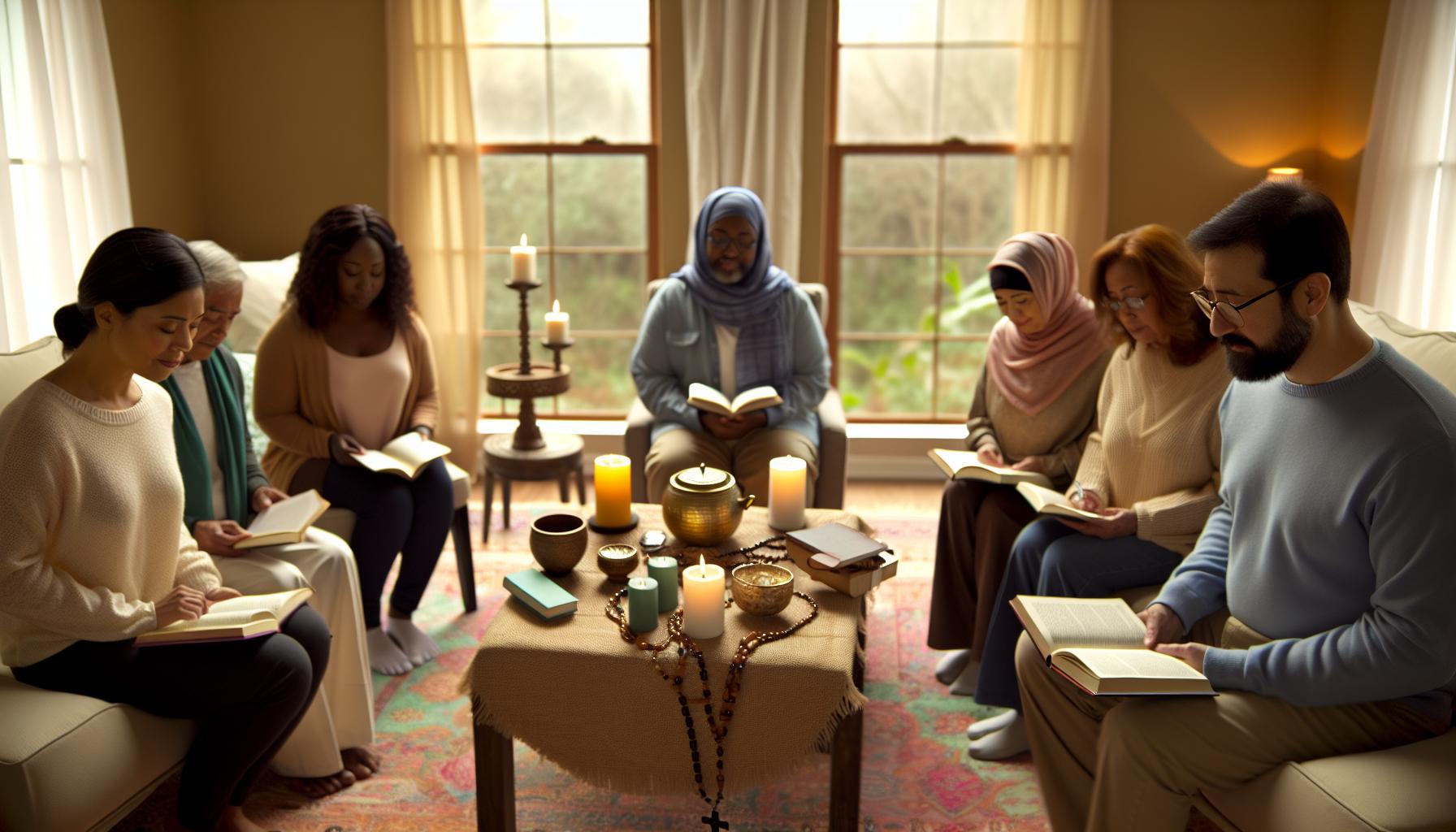
Incorporating Poetry into Daily Devotionals
Integrating poetry into your daily devotionals can transform the way you approach scripture and your relationship with God. Poems have a unique capacity to distill profound truths into a few eloquent words, capturing the essence of faith, prayer, and the promises of God. By incorporating poetry into your routine, you can engage with the rich tapestry of your spirituality in ways that are both transformative and deeply personal.
One of the simplest ways to weave poetry into your devotionals is by selecting a few verses or stanzas that resonate with you, perhaps from Christian poets or hymnodists. For instance, you might draw inspiration from the works of John Donne or Mary Oliver, who poignantly express faith and the human experience. Reading these works aloud not only elevates your spirit but can also help create a reflective atmosphere conducive to prayer and meditation. After reading, take a moment to sit in silence and ponder the imagery and meanings expressed, allowing the words to penetrate your heart.
Another effective method is to write your own poetry as a form of prayer. This practice can deepen your connection with God by encouraging you to articulate your thoughts and emotions creatively. Start by writing down a phrase or a verse from Scripture that speaks to your current life situation, then expand upon it in poetic form. This not only makes your prayer more personal but also craftily interweaves your life narratives with God’s eternal truths. Consider dedicating a journal to these reflections, which allows you to revisit and witness your spiritual growth over time.
To further enhance this experience, consider engaging with others in a community setting. Form a small group that focuses on exploring the intersection of poetry and faith. Sharing your own poems or discussing the works of others can foster deeper fellowship and mutual encouragement in your spiritual journeys. You might even create a poetry night within your church or community, providing a platform for others to express their art and share their testimonies of healing and hope.
Ultimately, by making poetry a cornerstone of your daily devotionals, you can embrace a richer understanding of faith, articulate your prayers with creativity, and experience the healing power of sacred words that resonate with the heart of God. May these poems not only inspire but also guide you toward a deeper, more transformative relationship with the Lord.
The Importance of Community in Prayer Practice
In the heart of every believer’s journey lies the transformative power of community, particularly when it comes to prayer. Engaging with others in shared spiritual practices strengthens not only our faith but also our resilience in life’s trials. When we gather to pray, we create an environment where sacred words, whether found in scripture, poetry, or personal supplications, can take root and flourish. This communal aspect of prayer practice fosters a sense of belonging, reminding us that we are not alone in our struggles or our triumphs.
The early church serves as a powerful model of this communal prayer practice. Acts 2:42 tells us they devoted themselves to the apostles’ teaching and to fellowship, to the breaking of bread, and to prayer. These believers cultivated a supportive network where prayers were lifted collectively, allowing for shared testimonies and encouragement. In our modern context, forming small prayer circles or groups focused on specific themes-such as healing through poetry-can be incredibly impactful. By sharing prayers or poems that resonate with individual experiences, we can uplift one another and collectively seek God’s will.
Moreover, community prayer can magnify the impact of our supplications. When we join in prayer, our voices harmonize, creating a powerful chorus that can move mountains (Matthew 18:20). Consider designating moments during group gatherings for shared testimony and healing prayers, where individuals can express their needs and receive encouragement through the poignant words of poetry. The act of sharing personal narratives in this safe space fosters vulnerability, paving the way for deeper connections and spiritual growth.
As you contemplate the role of community in your prayer practice, think about incorporating poetry that reflects the group’s shared experiences. This could include creating a collective anthology of healing poems that members contribute to over time. Such a project not only solidifies the community’s bond but also serves as a tangible reminder of God’s promises and the healing found in both sacred words and shared faith. By nurturing these relationships, you will experience a richer prayer life that connects you more deeply to God and to those on similar journeys.
Narratives of Healing: Testimonies of Faith
In moments of profound struggle, many believers find themselves turning to personal testimonies of faith as sources of inspiration and encouragement. Stories of healing-whether physical, emotional, or spiritual-serve as powerful reminders of God’s presence and His promises to restore. These narratives are often interwoven with impactful prayers and heartfelt poems, creating a tapestry of hope and healing that underscores the significance of faith in our lives.
Consider, for instance, the story of a mother who battled severe anxiety during an unexpected life crisis. She found solace in writing poetry that reflected her innermost fears and prayers for peace. Through her writings, she was able to express her vulnerabilities and cast her worries onto God. Each poem became a conversation with her Creator, enabling her to navigate her turbulent emotions while reminding her of the Biblical truths that sustained her. As she shared her poems within her church community, others were inspired to open up about their own struggles, creating an atmosphere of healing and shared faith.
Sharing these healing stories can lead to powerful transformations not just for the storyteller but also for the congregation. When individuals voice their experiences-of overcoming addiction, sickness, or relational strife-there’s a unique opportunity for edification. These narratives allow others to see the tangible ways in which God operates in the lives of believers and can fortify one’s own spiritual journey. The Bible encourages this practice, as seen in Revelation 12:11: “They triumphed over him by the blood of the Lamb and by the word of their testimony.” Each narrative becomes a testament to God’s unwavering faithfulness.
In weaving prayer into these narratives, we also touch on the deep connection between spoken words and spiritual healing. Prayer serves not only as a cry for help but as a statement of faith in God’s capability to heal. These shared prayers can further cultivate a spirit of hope, highlighting the efficacy of collective faith. Whether written as poems or spoken aloud, each utterance can ripple through the hearts of listeners, encouraging them to trust in God’s plans and timing.
By creating a culture where testimonies and sacred expressions are valued, we foster an environment that nurtures healing and divine intervention. Encouraging believers to share their journeys-be it through poetry, prayer, or public testimony-can profoundly impact individual and communal growth. Through these narratives, we see that healing is not just a personal journey, but a collective experience shaped by faith, community, and divine promises.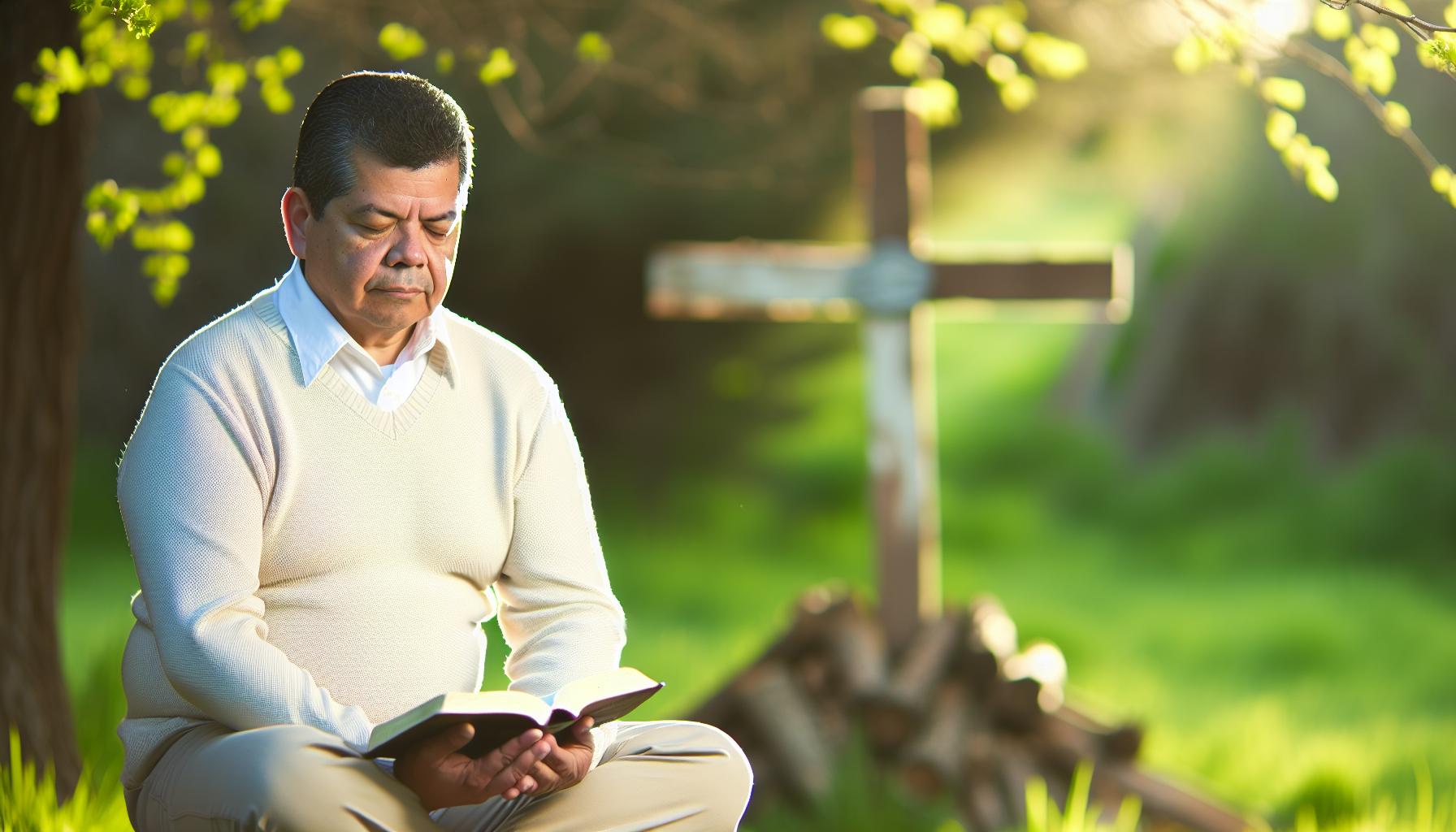
Mindfulness and Meditation: A Christian Perspective
In the chaos of daily life, many Christians are seeking peace and clarity, often turning to mindfulness and meditation as pathways to deepen their spiritual journey. While these practices are sometimes associated with secular philosophies, they can be fully aligned with a Christian perspective, rooted in Scripture and prayer. At its core, mindfulness invites us to slow down, reflect, and be fully present with God-an approach that nurtures our relationship with Him.
To incorporate mindfulness effectively into your spiritual life, consider creating a dedicated time and space for quiet contemplation. This moment should be free from distractions, allowing you to focus solely on your connection with God. During this time, you might choose to meditate on a specific verse, such as Psalm 46:10, “Be still, and know that I am God.” Allow this scripture to resonate in your heart, reflecting on its meaning and how it applies to your life’s circumstances.
Engaging in mindfulness also involves intentional breathing and centering yourself through prayer. You can begin with a simple prayer, asking the Holy Spirit to guide your thoughts as you meditate. As you breathe deeply, focus on releasing the burdens of your day, visualizing your worries leaving you with each exhale. This practice not only cultivates a serene inner landscape but also opens your heart to hear God’s voice more clearly.
Practical Steps for Mindfulness and Meditation
- Choose a Scripture: Select a Bible verse that speaks to your situation or a promise God has made. Meditate on it throughout your day.
- Set a Dedicated Time: Find a quiet time each day, even if it’s just 5-10 minutes, to center yourself and engage with God.
- Breathe and Reflect: Use deep breathing to calm your mind. With each breath, invite peace and release tension as you reflect on God’s love and promises.
- Journal Your Thoughts: After your time of meditation, consider writing down any insights or prayers that arose during your practice. This can help solidify your reflections and facilitate deeper growth.
By integrating mindfulness and meditation into your Christian practice, you not only enhance your spiritual health but also enrich your emotional and mental well-being. This approach encourages a holistic view of healing-an experience of body, mind, and spirit in unison. As you cultivate this discipline, you’ll find that God is present in the still moments, guiding you toward a deeper understanding and appreciation of His promises.
FAQ
Q: What are poems that can help in spiritual healing?
A: Spiritual healing can be facilitated through poems that resonate with emotional and divine themes. Look for works that reflect hope, faith, and resilience. Consider incorporating your own poetic expressions as a tool for personal reflection and connection with God. Check out “Sacred Words: The Power of Healing Poems” for inspiration.
Q: How can I write a personal prayer for healing?
A: Begin by expressing your feelings honestly, addressing God with reverence. Share your struggles and hopes clearly, asking for strength and guidance. Conclude with gratitude, trusting in God’s plan. For examples, refer to the section on “Crafting Personal Prayers for Deep Connection.”
Q: Why is poetry important in faith and spirituality?
A: Poetry serves as a powerful medium for expressing complex emotions and connecting with the divine. It can deepen understanding of scripture and enhance spiritual practices, making faith more relatable. Explore “The Role of Poetry in Spiritual Healing” for more insights.
Q: How do prayers bring comfort during difficult times?
A: Prayers provide a direct line to God, offering solace and reassurance. They allow individuals to articulate their pain and seek divine intervention, fostering peace. For transformative prayer ideas, consult “Transformative Prayers for Life’s Trials.”
Q: What scriptures support the idea of promises for healing?
A: Numerous scriptures affirm God’s healing promises, such as Jeremiah 30:17 and Psalm 147:3. These passages reassure believers of God’s faithfulness amidst trials. Delve into “Promises of God: Finding Assurance in Scripture” for a deeper dive.
Q: When is it best to incorporate poetry into prayer?
A: Integrate poetry into prayer during personal devotionals, worship, or reflection periods. This enhances emotional engagement and can elevate the prayer experience. Refer to “Incorporating Poetry into Daily Devotionals” for practical tips.
Q: How can I effectively share my healing journey through writing?
A: Begin by writing honestly about your experiences, highlighting both struggles and triumphs. Share how your faith has guided you, making your narrative relatable. Utilize “Narratives of Healing: Testimonies of Faith” for inspiration.
Q: Where can I find community support for my prayer practices?
A: Join local or online faith groups focused on prayer and healing. Engaging with a community offers encouragement and shared experiences. Explore “The Importance of Community in Prayer Practice” for more ways to connect with others.
Key Takeaways
As you reflect on the profound insights shared in “Poems Prayers and Promises: Sacred Words That Heal,” remember that the journey of faith is ongoing. Embrace these sacred words as tools for healing and growth in your spiritual life. If you’re seeking more guidance, explore our articles on prayer life and Bible study to deepen your understanding and practice.
Don’t miss out-subscribe to our newsletter for weekly inspiration, and connect with others on similar paths by sharing your thoughts in the comments. Your engagement enriches our community! We encourage you to also check out our resources on biblical lifestyle advice and parenting guidance, designed to support your faith-based journey.
Together, let’s foster a loving and uplifting space for spiritual nurturing. May these sacred words inspire you daily, and may you feel the urgency to act on them now, drawing closer to God and living out His promises in your life. Explore more and keep this spirit of engagement alive!