As you complete the Rosary, many find themselves yearning for a deeper connection with God, making this the perfect time to engage in heartfelt prayers that enrich your spiritual journey. Prayers after praying the Rosary can serve as a beautiful way to reflect on the mysteries you’ve contemplated, fostering a more profound understanding of your faith and strengthening your relationship with Christ. This practice not only invites healing and peace into your life but also helps you align your daily challenges with God’s divine will. If you’re seeking solace, clarity, or guidance, these post-Rosary prayers will empower you to deepen your faith and embrace the transformative power of prayer. Let’s explore together the various ways to enhance your prayer life and experience the fullness of God’s love in every aspect of your existence.
Contents
- 1 Deepening Your Connection Through Prayerful Intentions
- 2 The Power of Personal Reflections After the Rosary
- 3 Incorporating Scripture in Your Post-Rosary Prayers
- 4 Crafting Your Own Prayers for After the Rosary
- 5 Meditative Practices to Enhance Post-Rosary Reflection
- 6 Engaging with the Saints: Prayers for Guidance
- 7 Utilizing the Rosary as a Daily Spiritual Tool
- 8 Creating a Family Tradition of Rosary Prayer
- 9 Bridging the Gap: Moving from Routine to Relationship
- 10 Understanding the Mysteries: Connecting with Each Decade
- 11 Overcoming Common Challenges in Post-Rosary Practice
- 12 Sharing Your Journey: Community Prayers and Support
- 13 Q&A
- 14 Wrapping Up
Deepening Your Connection Through Prayerful Intentions
When we approach prayer as a deeply intentional act, it becomes not just a routine but a transformative journey that draws us closer to God. The act of praying after the Rosary, when paired with specific prayerful intentions, allows us to align our hearts with God’s will and focus our thoughts on the needs of ourselves and others. Setting clear intentions can enhance our connection with God, making each moment of prayer not only meaningful but powerful. An intention could be as simple as seeking peace in a chaotic world or asking for strength to face personal challenges.
To deepen your connection through prayerful intentions, consider the following practices:
- Personal Reflection: Before or after praying the Rosary, take a moment to reflect on your day. What are the moments that stood out? Where did you see God’s hand? Reflecting on these experiences can guide your prayer intentions.
- Gratitude Focus: Acknowledge the blessings in your life. Thanking God for His gifts shifts your heart into a posture of gratitude and helps you identify specific areas for prayer, further deepening your relationship with Him.
- Identify Needs: Think of those in your life who are struggling or in need of prayer. Intentionally lift them up in your Rosary prayers, creating a bridge of compassion that connects your heart to theirs.
- Scriptural Alignment: Use verses that resonate with your intentions to guide your prayer. For example, if you seek wisdom, consider James 1:5 (“If any of you lacks wisdom, let him ask of God…”). This grounding in Scripture reinforces the request and amplifies its significance.
By focusing on specific intentions during your prayer after the Rosary, you create a deeper understanding and relationship with God. This intentional approach encourages a two-way conversation, inviting God to speak into your life while you respond with openness and faith. Remember, prayer is not merely a spoken word, but a heartfelt dialogue with our Creator, one that needs our active engagement and sincere intentions.
The Power of Personal Reflections After the Rosary
Taking time for personal reflection after praying the Rosary can transform your spiritual journey and deepen your relationship with God. Often, the busyness of life can overshadow the still, small voice of the Holy Spirit. By creating space for reflection, you invite clarity and purpose into your prayer life. Consider this practice: after completing the Rosary, sit in a quiet place, close your eyes, and breathe deeply. Let your thoughts settle. Ask yourself what insights have emerged during your prayers. Were there specific moments that felt particularly resonant? Did any of the mysteries touched you in a profound way? Allow these reflections to guide your heart toward actions or attitudes in your daily life.
Incorporate the lessons from each mystery into your reflections. For instance, if you prayed the Joyful Mysteries, think about how you can cultivate joy amid challenges. What steps can you take to embody the presence of Christ’s joy in your interactions with family and friends? After this introspective time, write down your thoughts or feelings in a journal. Documenting these reflections can help solidify your insights and provide a valuable resource to look back on later in your spiritual journey.
Reflection is also an excellent opportunity to practice gratitude. Acknowledge the small, everyday blessings that may have gone unnoticed. This act of thanksgiving opens your heart further to God’s presence and encourages a mindset focused on the positive. After recognizing your blessings, transition into seeking guidance for the future. Offer your reflections to God in prayer, asking for wisdom and strength to meet the challenges ahead.
Utilizing personal reflections as a powerful tool post-Rosary not only enhances your spiritual growth but also creates a transformative dialogue with God. Engaging in this practice regularly can instill a greater sense of peace, direction, and divine connection in your life. By integrating your reflections with prayer, scripture, and gratitude, you deepen your understanding of God’s will and the role He plays in your life.
Incorporating Scripture in Your Post-Rosary Prayers
Engaging with Scripture after praying the Rosary enriches your spiritual journey, allowing the Word of God to resonate in your heart and mind. By aligning your reflections from the Rosary with particular Biblical passages, you deepen your understanding of the mysteries you have just contemplated. Consider selecting verses that relate directly to the themes of the mysteries. For example, during the Joyful Mysteries, you might reflect on Luke 1:46-55, where Mary proclaims the Magnificat, celebrating God’s greatness and mercy. This integration of Scripture illuminates the significance of your prayers, grounding them in biblical truth and reinforcing the connection between prayer and God’s Word.
To effectively incorporate Scripture into your post-Rosary prayers, you can create a simple practice. Start by choosing the mysteries you’ve prayed and find corresponding verses that highlight their essence. As you meditate on each mystery, read the scripture aloud, pausing to reflect on its meaning and how it relates to your life. This could look like a sequence of prayers followed by a related passage, such as:
- Joyful Mysteries: Reflect on the Annunciation (Luke 1:26-38) and consider Mary’s obedience.
- Sorrowful Mysteries: Meditate on the Agony in the Garden (Matthew 26:36-46), focusing on Jesus’ anguish and surrender.
- Glorious Mysteries: Contemplate the Resurrection (Matthew 28:5-7), celebrating the victory of life over death.
By connecting scripture with your prayers, you not only enhance your understanding of each mystery but also invite the Holy Spirit into your reflections. It’s a powerful opportunity to ask questions like, “How does this verse speak to my current struggles?” or “What wisdom is God imparting to me through this story?”
Moreover, journaling your insights alongside the scriptures can be a transformative practice. Write down how specific verses relate to the prayers of the Rosary, capturing any revelations or feelings that arise. This documentation allows you to track your spiritual growth over time and revisit moments of divine clarity. Remember, Scripture is not just ancient text; it’s a living testimony that speaks to you today. As you weave biblical passages into your post-Rosary prayers, you’ll find a deeper connection not only to God and the mysteries of faith but also to your community of believers, as these shared truths unify your spiritual journeys.
Crafting Your Own Prayers for After the Rosary
Finding your own voice in prayer can transform your experience of the Rosary, allowing you to connect more intimately with God in your spiritual journey. Crafting personal prayers after reciting the Rosary enables you to express your thoughts and emotions uniquely, turning a well-structured ritual into a deeply personal dialogue with the divine. These custom prayers can articulate your gratitude, concerns, or aspirations, inviting a richer interaction with the mysteries you’ve just contemplated.
Consider setting aside a few moments to reflect on your Rosary experience. Ask yourself what particular lessons or emotions stood out to you. For instance, if you meditated on the Sorrowful Mysteries, write a prayer that expresses your grief or seeks comfort in Jesus’ suffering. You might say, “Lord, help me to embrace my struggles, knowing they can draw me closer to Your heart, just as Your Passion revealed Your immense love for us.” This personalized approach not only deepens your connection to the mysteries but also fosters a space for healing and growth.
Another way to enrich your post-Rosary prayers is to incorporate elements of gratitude, intercession, and reflection. After completing your Rosary, consider crafting prayers that thank God for specific blessings in your life, plead for guidance for loved ones, or reflect on what you learned from the mysteries. For example:
- Gratitude: “Thank You, Lord, for the strength you give me every day and for the love I find in my family.”
- Intercession: “I lift up my friends and family to You today. May they feel Your presence and love.”
- Reflection: “Help me to carry the lessons of Your Gospel in my daily life, especially the compassion shown by Mary at the foot of the cross.”
Integrating these facets will make your prayers more robust and meaningful. Allow your words to flow freely without the constraints of traditional structure, letting your heart dictate the message. Remember that prayer is not just about speaking; it’s about creating a two-way conversation with God, where silence and listening play a crucial role too. By personalizing your prayers, you open the door to a more profound relationship with God, making the Rosary not just a routine, but a truly transformative practice in your life.
Meditative Practices to Enhance Post-Rosary Reflection
Reflecting after your Rosary can be a transformative practice, fostering a deeper understanding of your faith and a stronger connection to God. One effective approach is to engage in meditative practices, allowing the Holy Spirit to guide your thoughts and feelings. Start by finding a quiet space where you can immerse yourself in contemplation, free from distractions. This environment sets the stage for a fruitful dialogue with God, where you can process the mysteries you just prayed and unlock their spiritual significance.
Consider using guided imagery as part of your post-Rosary reflection. Visualize each mystery vividly, imagining yourself present in those sacred moments. For example, while meditating on the Joyful Mysteries, invite images of the Annunciation or the Nativity into your mind. This visualization can deepen your emotional experience and provide insight into how these events relate to your own life. Additionally, you might incorporate breathing exercises, where you inhale deeply while focusing on God’s goodness and exhale as you release worries or distractions. This can help center your thoughts and prepare your heart for communion with the divine.
Another enriching practice is journaling your reflections after a Rosary session. Writing down your thoughts and emotions allows you to articulate the lessons you’ve learned and the feelings stirred within you. You can create prompts for yourself-such as “What did I learn from the Sorrowful Mysteries?” or “How can I apply the joys of the Joyful Mysteries in my daily life?”-to guide your writing. This not only solidifies your insights but also provides a record of your spiritual journey, enabling you to see how your faith deepens over time.
Lastly, integrating elements of silence and stillness profoundly impacts your meditative practice. After praying the Rosary, take a few moments of silence to listen for God’s voice. This practice of stillness can be challenging but rewarding, facilitating a two-way conversation with God where you can discern His guidance and peace. By embracing these meditative practices, you can enrich your post-Rosary reflection, cultivating a more profound relationship with God and a deeper understanding of your spiritual path.
Engaging with the Saints: Prayers for Guidance
In the journey of faith, reaching out to the saints for guidance can provide profound support, especially after praying the Rosary. The saints, revered figures who walked the path of faith before us, offer their intercession, helping us navigate our spiritual challenges and deepen our connection with God. Incorporating prayers to the saints after your Rosary sessions can enhance your spiritual practice, inviting their wisdom and companionship as you reflect on the mysteries of faith.
One of the most powerful ways to engage with the saints is through specific intercessory prayers. For instance, you might ask for the guidance of St. Joseph when contemplating your personal responsibilities, or seek the intercession of St. Therese of Lisieux for simplicity and trust in God’s plan. Crafting your own prayers that reflect your current struggles or aspirations can make this experience more personal and meaningful. These prayers serve not only as requests for help but also as expressions of gratitude for the saints’ roles in your spiritual life. Consider setting aside time to write a letter to your saint of choice, sharing your heart’s desires and challenges.
Moreover, incorporating the saints’ feast days into your prayer routine can add a rhythm to your spiritual life. When you pray the Rosary on a saint’s feast day, reflect on their lives and the virtues they embodied. You could create a small altar or designated space for prayer that includes images or relics associated with these saints, serving as visual reminders and sources of inspiration. This practice not only honors their memory but also invites their intercession into your life, making your prayers feel communal even as you engage in personal reflection.
Lastly, consider joining or forming a prayer group where you can share experiences and prayers dedicated to the saints. This communal aspect fosters relationships and accountability among believers while enriching your individual spiritual journey. Utilize tools such as prayer cards or online resources dedicated to the lives of saints, allowing each session to deepen your understanding and appreciation of their contributions to our faith. By actively engaging with the saints, you can cultivate a vibrant spiritual community that extends beyond your individual practice, bridging the gap from routine to a profound, transformative relationship with God.
Utilizing the Rosary as a Daily Spiritual Tool
The Rosary is more than just a string of beads and prayers; it is a profound spiritual tool that can be woven into the fabric of your daily life, bringing peace, clarity, and connection with God. As a daily practice, the Rosary acts as a powerful reminder of Christ’s love and the virtues of Mary, helping to center your thoughts and actions amidst the day’s distractions. By incorporating the Rosary into your routine, whether in the morning to set your intentions or in the evening for reflection, you encourage a nurturing dialogue with God.
One effective way to utilize the Rosary daily is by setting specific intentions or themes for each session. For example, you might choose to pray for family, guidance in your career, or strength during personal challenges. This focused approach not only enhances the depth of your prayers but also helps you recognize God’s hand at work in various aspects of your life. Consider keeping a journal where you can jot down these intentions, as well as notes on how they unfold over time, fostering a deeper sense of reflection and gratitude.
Enhancing Daily Life with the Rosary
You can also integrate scripture into your Rosary prayers to deepen your spiritual reflection. As you meditate on each decade, pair the Hail Marys with pertinent Bible verses that resonate with the mysteries you are contemplating. This combination can lead to richer insights and a stronger connection with the scriptural foundation of your faith. For instance, while meditating on the Joyful Mysteries, you might read passages that reflect themes of joy, like Luke 1:46-55, the Magnificat, offering both a prayerful and scriptural context as you recite each prayer.
Additionally, consider involving your family in your Rosary practice. Establishing a family tradition around the Rosary can strengthen bonds and create a supportive environment for spiritual growth. Designate a special time each week to pray together, encouraging open discussions about the mysteries and intentions, fostering a collective journey of faith. This communal practice can enhance the experience, making it not just an individual meditation but a shared expression of love and faith.
not only enriches your own faith journey but also extends an invitation to those around you to join in the beauty of this practice. By approaching each prayer session with an open heart and focused mind, you can transform the repetitive motions into a dynamic relationship with God, bridging the gap from routine to a profound and nurturing connection.
Creating a Family Tradition of Rosary Prayer
Creating a family tradition of praying the Rosary can cultivate a sacred space in your home, fostering unity and spiritual growth among members of your household. By incorporating the Rosary into your family’s routine, you introduce an opportunity for deep conversation and reflection on faith, love, and the mysteries of Christ. This tradition not only serves as a foundation for your family’s spiritual life but also as a way to pass down the beauty of prayer and the teachings of the Church to future generations.
To start, choose a specific time that works for everyone, such as before dinner or on Sunday afternoons, to gather and pray together. Making it a regular event helps to instill a sense of anticipation and commitment. Each family member can take turns leading the Rosary, selecting specific intentions that resonate with them-such as praying for loved ones, world peace, or personal struggles. This shared responsibility can empower each person, creating a sense of ownership and deeper engagement in the practice.
To enhance your familial Rosary experience, consider integrating special themes or reflections based on the mysteries you will contemplate. For example, while focusing on the Sorrowful Mysteries, you might share personal stories of challenges faced in the family, followed by communal prayers for resilience and strength. Incorporating music or visuals, such as artwork depicting the mysteries, can also deepen the experience and make it more enjoyable for younger family members.
Encouraging open dialogue after your prayers can further strengthen the impact of your Rosary tradition. Take a few moments to reflect on how the prayers felt, what insights were gained, or how you’ve seen God’s hand in your lives during the week. This interaction not only nurtures spiritual development but also cultivates emotional bonds within the family, allowing everyone to share freely and support one another in their faith journeys. By making the Rosary a cherished family tradition, you pave the way for spiritual resilience, connection, and a deeper relationship with God.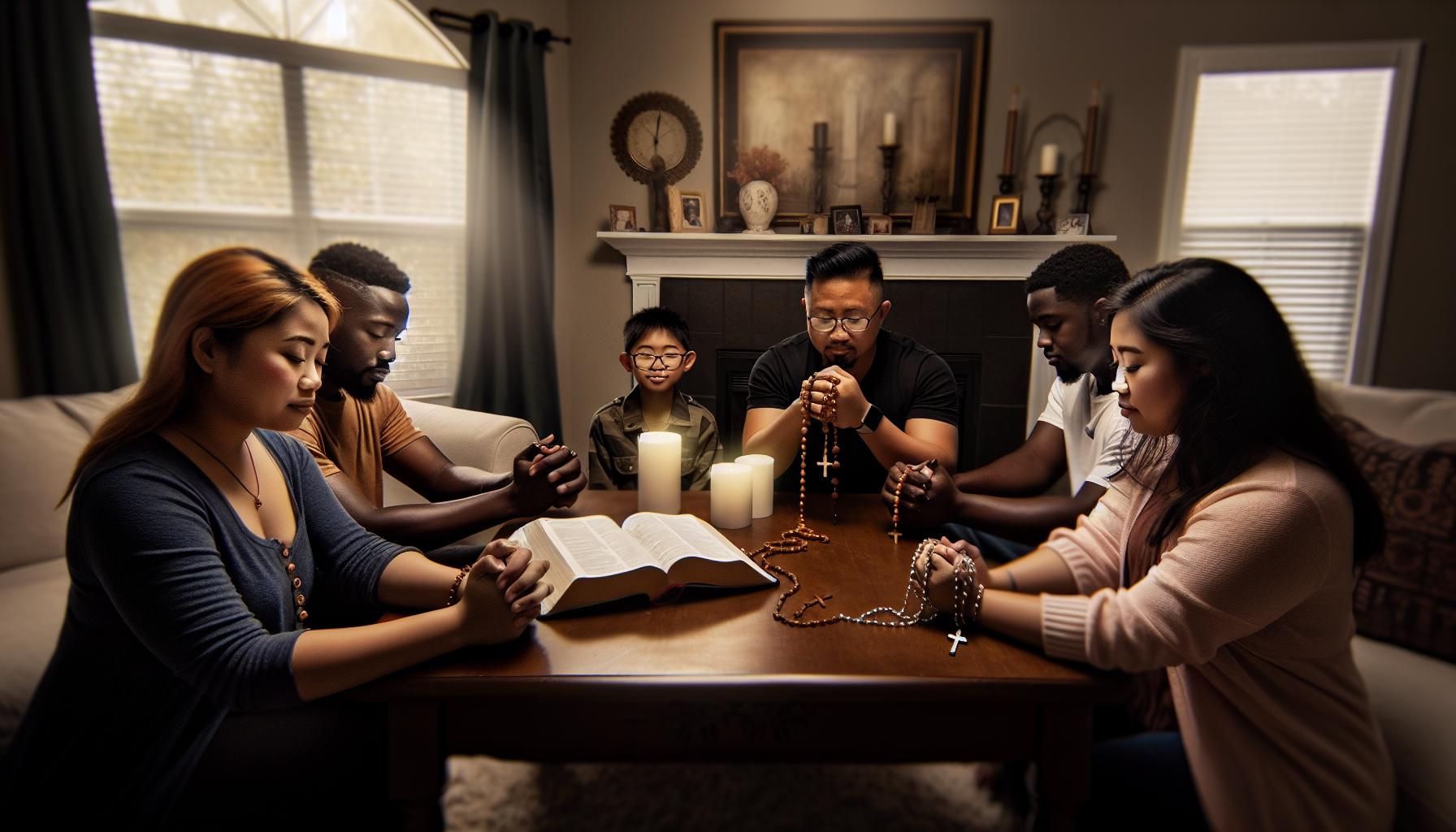
Bridging the Gap: Moving from Routine to Relationship
Moving beyond the routine of prayer often involves cultivating a richer, more meaningful relationship with God and those around us. The Rosary, a cherished tradition for many, can serve not just as a series of prayers, but as a gateway to deeper connection, understanding, and spiritual growth. When we approach the Rosary with intentionality, we invite the Holy Spirit to guide our hearts and minds, transforming a habitual practice into a heartfelt dialogue with God.
Start by setting aside specific moments for contemplative silence after each decade of the Rosary. This pause allows us to reflect on the mysteries we’ve just meditated upon, fostering a personal dialogue with God about what those events mean in our lives today. For instance, after praying the Sorrowful Mysteries, you might take time to connect your trials with the suffering of Christ, asking for strength to bear your burdens. Such reflections can deepen your faith and encourage a more profound relationship with the Divine.
Incorporating Scripture into these reflections can further enhance your connection. As you meditate on a particular mystery, open your Bible and read passages that relate to it. For example, while contemplating the Annunciation (Joyful Mystery), you could read Luke 1:26-38, focusing on Mary’s response and openness to God’s plan. This not only roots your prayers in Scripture but also enriches your experience, allowing the Word of God to breathe new life into your Rosary practice.
Finally, don’t shy away from crafting your own prayers to say after the Rosary. Whether it’s a simple thank you, a heartfelt petition, or a spontaneous prayer for a loved one, these personal declarations bring authenticity to your practice. They also facilitate a connection that feels more like a conversation with a close friend than a set of formalities. Each unique prayer can serve as a stepping stone, helping you bridge the gap between routine prayer and a thriving spiritual relationship. By nurturing this intentional approach, you transform the Rosary into a living expression of your faith, one that grows and deepens with each prayer.
Understanding the Mysteries: Connecting with Each Decade
Reflecting on the mysteries of the Rosary can transform each decade into a rich, personal encounter with Christ and His mother, Mary. The Rosary serves as a beautiful reminder of pivotal moments in salvation history, inviting us to meditate deeply on the lives and lessons of Jesus and Mary. This practice not only amplifies our prayers but also nurtures a profound spiritual connection that resonates with our personal experiences and challenges.
As you pray each decade, take the time to immerse yourself in the specific mystery being contemplated. For instance, while meditating on the Joyful Mysteries, consider how the Annunciation reflects not just Mary’s acceptance of God’s will but also how you can embrace divine invitations in your own life. These contemplations can help foster a deeper understanding of your faith journey, as you draw parallels between your experiences and the lives of the Holy Family. When praying the Sorrowful Mysteries, let each event resonate with your struggles. Reflect on how Christ’s sacrifice relates to your trials, illuminating the path to resilience and hope amid adversity.
To deepen this engagement, it’s beneficial to incorporate Scripture that aligns with each mystery. For example, while reflecting on the Resurrection, reading from Matthew 28:1-10 can enrich your understanding of hope and renewal. This practice not only roots your prayers in the biblical narrative but also makes these truths come alive, providing insights that can transform your heart and mind in prayer.
Furthermore, consider journaling your thoughts and impressions during or after each decade of the Rosary. Documenting what you learn or how you feel can reveal patterns of God’s work in your life, guiding you in recognizing His presence and action both during prayer and in daily life. By actively engaging with the mysteries in such ways, the Rosary becomes more than a ritual; it evolves into a powerful spiritual tool that continually shapes your relationship with God and His plan for you. Embrace this journey where prayer, reflection, and personal experience converge, deepening your connection to the divine and enhancing your faith.
Overcoming Common Challenges in Post-Rosary Practice
Overcoming challenges in your post-Rosary practice can be key to transforming your prayer life and deepening your connection with God. Many believers struggle with distractions, feelings of inadequacy, or a lack of inspiration after reciting the Rosary. However, these difficulties can become opportunities for growth and deeper communion with Christ if approached with intention and grace.
Distractions are common during prayer. One effective way to combat this is to create a dedicated prayer space free from interruptions. Whether it’s a quiet corner in your home, a peaceful outdoor setting, or even within the walls of your church, designating a special place for prayer can help you focus. Additionally, consider setting aside specific times for your Rosary that align with your daily rhythm, fostering a sense of routine that draws you closer to God.
Another challenge is a sense of disconnection after praying. In these moments, turning to Scripture can assist in reigniting your spiritual fervor. After completing the Rosary, reflect on a passage that relates to the mysteries you’ve just contemplated. For example, after praying the Sorrowful Mysteries, reading from Romans 5:3-5 can offer hope by emphasizing perseverance and character development through suffering. This practice not only provides context to your prayers but also encourages you to dwell on God’s promises, deepening your faith.
Lastly, consider journaling your reflections post-Rosary. This can be a powerful tool for personal growth and spiritual clarity. Record your emotions, insights, and inspirations that arose during your prayer time. Over time, reviewing these entries can illuminate how God has been working in your life and can serve as a source of encouragement during challenging moments. Embracing these practices with a spirit of openness and dedication will not only enhance your post-Rosary experience but also nurture an ongoing relationship with the divine. Keep pushing through these challenges, for each step taken in faith brings you closer to the heart of God.
Sharing Your Journey: Community Prayers and Support
Engaging with a community of believers can significantly enrich your prayer life after praying the Rosary. Sharing experiences, prayers, and support not only deepens your understanding of the mysteries but also fosters a sense of belonging and spiritual growth. Consider initiating or joining a small group dedicated to Rosary prayer, where participants can share their reflections and insights. This communal aspect can provide both encouragement and accountability, reinforcing your commitment to deepen your relationship with God.
Additionally, participating in community prayer events or family gatherings focused on the Rosary can create powerful moments of connection. Organizing a monthly Rosary night where friends or family come together to pray fosters a sense of unity in faith. These gatherings can include sharing personal intentions or discussing specific mysteries, drawing connections to both Scripture and personal experiences. Such practices help cultivate a vibrant atmosphere of support and help participants realize they are not alone in their spiritual journeys.
Another impactful way to share your journey is through online platforms or social media groups dedicated to Rosary prayer. Engaging with like-minded individuals from around the world allows you to exchange prayers, support one another, and even share your own crafted prayers. This digital community can be particularly beneficial for those unable to connect in-person, as it provides a 24/7 space for discussion and encouragement.
As you share your experiences within these communities, remember to remain open to receiving support as well. The shared wisdom and diverse perspectives of fellow believers can illuminate new paths in your spiritual journey, guiding you through challenges and enhancing your practice. In this way, community becomes not only a backdrop for shared prayer but a vital tool for personal and collective growth in faith.
Q&A
Q: What prayers can I say after the Rosary to deepen my connection with God?
A: After praying the Rosary, consider saying the “Hail Holy Queen,” “Our Father,” or crafting your own personal prayers. Engaging in thankful reflections and asking for guidance from God can enhance your spiritual connection. For more ideas, explore our section on crafting your own prayers.
Q: How can personal reflections enhance my Rosary experience?
A: Personal reflections after the Rosary allow for deeper contemplation of the mysteries. Spend a few moments in silence, journaling what you’ve learned or feelings you’ve experienced during prayer. This practice nurtures a more personal relationship with God.
Q: Why is it important to incorporate Scripture in post-Rosary prayers?
A: Incorporating Scripture helps ground your prayers in the Word of God, allowing for a richer spiritual experience. Reflecting on relevant Bible verses can illuminate the themes of the Rosary and deepen your understanding of your faith.
Q: What meditative practices can I use after praying the Rosary?
A: After the Rosary, consider practicing deep breathing or visualizing the mysteries you prayed over. These meditative techniques can enhance your spiritual awareness and foster a peaceful connection with God.
Q: How can I engage with the saints after praying the Rosary?
A: Engaging with saints through specific prayers, such as asking for intercession, can provide guidance and support. Consider reciting a Saint’s prayer that resonates with your spiritual journey for a deeper connection.
Q: What challenges might I face when developing post-Rosary practices?
A: Common challenges include distractions during reflection or difficulty connecting with the prayers. To overcome these, create a dedicated prayer space and allocate specific time for post-Rosary reflection to minimize distractions.
Q: How can I create a family tradition around Rosary prayer?
A: To establish a family tradition, set a regular time for Rosary prayer together and include discussions about the mysteries or intentions. This communal aspect can deepen everyone’s connection with each other and with God.
Q: What is the significance of understanding the mysteries of the Rosary?
A: Understanding the mysteries of the Rosary enriches your prayer experience by providing context and meaning. It invites you to reflect on key events in Jesus’ and Mary’s lives, fostering a deeper spiritual connection. For insights, refer to the section on understanding the mysteries.
Wrapping Up
As you conclude your time spent in prayer after the Rosary, remember that this deepening connection with God enriches not only your spiritual life but also your daily walk in faith. Each prayer is a step closer to understanding His love and purpose for you. To continue nurturing this relationship, explore our resources on Bible study pointers and devotional practices that can keep your faith alive and thriving.
Don’t hesitate to share your experiences in the comments below; we love hearing how prayer impacts your life! For more guidance on prayer and spiritual growth, check out our articles on building a faith-filled marriage and parenting in the light of Scripture. We encourage you to sign up for our newsletter for regular insights and encouragement to support your journey. Your faith journey is vital-take the next step today!




![Devoted Health Provider Portal: [Not applicable for Christian content]](https://christiancitychurch.eu/wp-content/uploads/2025/09/7285-devoted-health-provider-portal-not-applicable-for-christian-content-300x171.jpg)