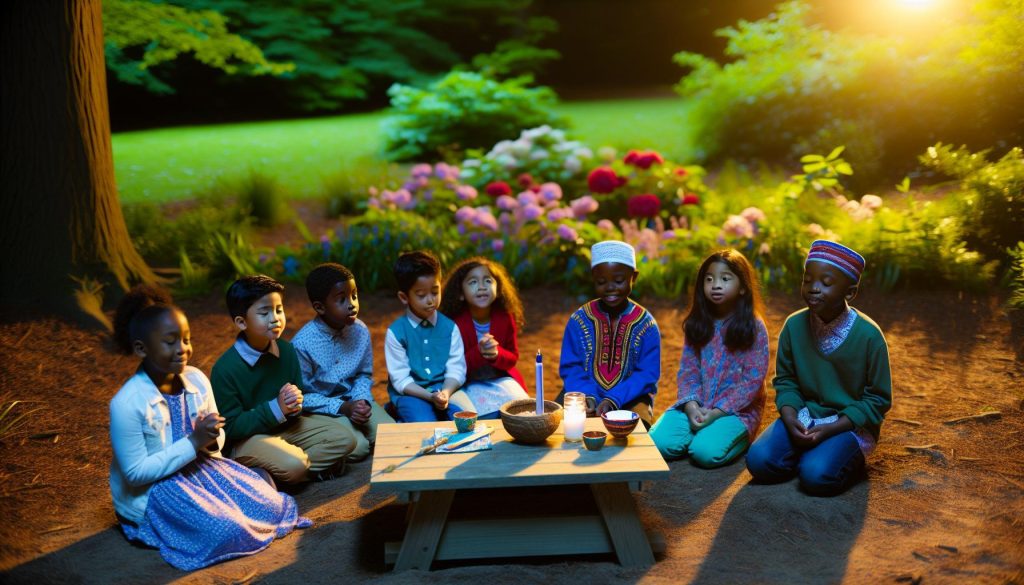
Teaching our children gratitude is one of the most profound gifts we can offer them, laying a foundation for a joyful and fulfilling life. “Prayers and Graces That Teach Children Gratitude” delves into the meaningful practice of incorporating prayer and thanksgiving into daily routines. By instilling these values early on, we help our little ones recognize the blessings around them, fostering a heart of appreciation towards God and others.
In a world that often encourages entitlement, nurturing a spirit of gratitude can transform our children’s perspectives. Imagine a child who not only acknowledges their blessings but also expresses thanks through heartfelt prayers. This journey of gratitude not only deepens their relationship with God but also enriches their interactions with family and friends. As we explore various prayers and graces designed specifically for children, you’ll find practical tools to weave gratitude into your family’s spiritual life. Join us in discovering how these practices can cultivate a lasting sense of thankfulness, helping the next generation to embrace life’s blessings with open hearts and joyful spirits.
Contents
- 1 Prayers to Instill Gratitude in Children
- 2 Creative Graces for Teaching Thankfulness
- 3 Scripture Verses to Encourage Thankfulness
- 4 Sample Prayers for Daily Gratitude
- 5 Fun Activities to Cultivate a Grateful Heart
- 6 The Role of Family in Practicing Gratitude
- 7 How to Use Gratitude Journals with Kids
- 8 Incorporating Gratitude into Family Devotions
- 9 Teach Children to Express Thanks Through Prayer
- 10 Building a Grateful Mindset in Young Hearts
- 11 Real-Life Examples of Gratitude in Action
- 12 The Spiritual Benefits of Teaching Gratitude
- 13 Frequently Asked Questions
- 14 In Conclusion
Prayers to Instill Gratitude in Children
Cultivating a spirit of gratitude in children can be a transformative journey, enriching their lives and deepening their relationship with God. One of the most effective ways to instill gratitude is through the power of prayer. By incorporating simple, heartfelt prayers into daily routines, parents can help their children recognize the blessings in their lives and express appreciation to God.
Start with simple prayers that focus on specific aspects of gratitude. For example:
- Thank You for Family: “Dear God, thank you for my family and the love we share. Help us always to support and cherish one another.”
- Gratitude for Nature: “Lord, thank you for the beautiful trees, skies, and animals. Help me to see the wonder in your creation every day.”
- Blessings of Friendship: “Jesus, I am grateful for my friends who make me laugh and help me feel good. Help me to be a good friend in return.”
To further engage children, consider involving them in creating their own prayers. Encourage them to express what they are thankful for and to talk to God about their feelings. This not only personalizes their prayer experience but also reinforces their understanding of receiving and giving thanks.
Another practice is to implement Gratitude Time within your family, where each member takes turns sharing what they are thankful for before meals or bedtime. This ritual can be accompanied by a short prayer reflecting on those shared blessings. In doing so, children learn to articulate their gratitude and see the world through a lens of appreciation, fostering a heart that is joyful and content.
By making prayer a central part of expressing gratitude, you lay the groundwork for a lifelong appreciation habit in your children, anchored in faith and love. Encourage them to take these lessons into their daily lives, recognizing that gratitude is not just a fleeting feeling, but a habit that brings lasting joy and connection to God and others.
Creative Graces for Teaching Thankfulness
In a world that often emphasizes materialism and immediate gratification, teaching children the importance of thankfulness and gratitude can create a strong foundation for their spiritual growth and emotional well-being. Instilling a sense of appreciation for everyday blessings not only enriches their lives but also deepens their relationship with God and others. One engaging approach to foster thankfulness is through the use of creative graces that resonate with children and resonate within their hearts.
Begin by integrating gratitude practices into daily routines. For instance, establish a “Thankful Jar” where family members can drop in notes of what they are grateful for throughout the week. On family nights, take turns reading the notes aloud, allowing children to articulate their appreciation and recognize the abundance in their lives. This simple act can cultivate an atmosphere of gratitude and encourage children to focus on the positive aspects of their experiences.
Another effective method is to celebrate gratitude-themed craft projects. Encourage children to create “thankfulness collages” using images or words that represent the things they appreciate, from family and friends to nature and hobbies. As they engage in this creative process, facilitate discussions about why these items or people are meaningful to them. Such activities not only promote artistic expression but also deepen their understanding of gratitude through intentional reflection.
Moreover, storytelling can be a powerful tool for teaching thankfulness. Use biblical stories that emphasize the importance of gratitude, like the account of the ten lepers (Luke 17:11-19), where only one returned to thank Jesus after being healed. After sharing the story, discuss with your children what it means to express gratitude and how they can apply these lessons in their own lives. This promotes not only literacy in biblical teachings but also moral lessons about appreciation and thankfulness.
In all these activities, it’s vital to model thankfulness yourself. Children learn significantly from observing adults, so demonstrate how you incorporate gratitude into your daily life. Share your own moments of thankfulness, whether through simple prayers or shared experiences. This consistent reinforcement, combined with creative and engaging practices, helps children develop a resilient and enthusiastic heart for gratitude that can last a lifetime.
Scripture Verses to Encourage Thankfulness
Instilling a spirit of gratitude in children can be a transformative journey, enriching their hearts and minds as they learn to appreciate the blessings around them. Engaging with Scripture is a powerful way to teach thankfulness, as it lays down the foundation for a faith-filled life. By introducing key biblical verses that celebrate gratitude, children can grasp the importance of expressing thanks to God and recognizing His generosity in their lives.
Here are some poignant verses to encourage thankfulness:
- Psalm 107:1: “Give thanks to the Lord, for he is good; his love endures forever.” This simple yet profound reminder can help children understand that God’s goodness is a constant in their lives.
- 1 Thessalonians 5:16-18: “Rejoice always, pray continually, give thanks in all circumstances; for this is God’s will for you in Christ Jesus.” Teaching children to express gratitude in every situation fosters resilience and a positive outlook.
- Colossians 3:15: “And let the peace of Christ rule in your hearts, to which indeed you were called in one body; and be thankful.” This verse encourages unity and peace, both of which can flourish in hearts filled with thankfulness.
- Philippians 4:6: “Do not be anxious about anything, but in every situation, by prayer and petition, with thanksgiving, present your requests to God.” Encouraging children to pray with a thankful heart nurtures a closer relationship with God.
Reading and reflecting on these scriptures can be enhanced by practical applications. After sharing a verse, ask children to share what they are thankful for in their own lives that relates to that scripture. For instance, after reading Psalm 107:1, children might express gratitude for family, food, or a caring friend. This discussion not only strengthens their understanding of the Word but also helps them articulate their feelings of thankfulness.
Incorporating memory verses into daily routines, such as during breakfast or in the car, can make memorization fun and instill these powerful lessons early in their faith journey. Creating visual reminders, like posters of these scriptures, can also provide ongoing encouragement for children to cultivate a heart of gratitude. Through engaging with Scripture in such interactive ways, children can grow into individuals who not only recognize their blessings but also share that gratitude joyfully with the world around them.
Sample Prayers for Daily Gratitude
Teaching children to express gratitude through prayer can transform their hearts and provide them with a lifelong foundation of thankfulness. As they learn to communicate their appreciation to God, children develop a deeper relationship with Him and recognize the countless blessings in their lives. Simple, heartfelt prayers can serve as a daily reminder of the importance of gratitude and help cultivate a grateful mindset that they can carry into adulthood.
Here are some sample prayers that families can use together to foster an attitude of thankfulness:
- Morning Gratitude Prayer: “Dear God, thank You for this new day. As the sun rises, help us to see the beauty around us and appreciate the gift of life. Thank You for our family, friends, and all the good things You provide. May we share Your love throughout this day. Amen.”
- Meal Blessing: “Lord, we thank You for this food that nourishes our bodies and for all the hands that worked to bring it to our table. May we never take for granted the blessings You provide. Help us to remember those who are in need. Amen.”
- Evening Reflection Prayer: “Heavenly Father, as we come to the end of this day, we reflect on all the moments You have blessed us with. Thank You for our home, our loved ones, and the lessons learned today. Help us to rest peacefully, knowing we are safe in Your care. Amen.”
- Prayer for Help with Gratitude: “Dear Lord, sometimes we forget to appreciate what we have. Help us to see Your goodness in every situation and teach us to be thankful for our blessings. May we grow in gratitude each day. Amen.”
Incorporating these prayers into daily routines can make the practice of gratitude more engaging for children. Encourage them to personalize their prayers by adding specific things they are thankful for in their lives, such as friends, pets, or experiences. This not only helps solidify their understanding of gratitude but also creates a joyful space for open dialogue with God.
As families share these moments of prayer, they establish a culture of gratitude at home. Regularly setting aside time for prayer-whether it’s during meals, before bed, or as part of family devotionals-reinforces the importance of thankfulness and teaches children to recognize God’s abundant love and provision in their lives.
Fun Activities to Cultivate a Grateful Heart
Cultivating a grateful heart in children can be both fun and spiritually enriching. Engaging in activities that promote gratitude not only helps children acknowledge their blessings but also fosters a deeper connection with God and their families. Incorporating playful yet meaningful activities into daily life can transform gratitude from a simple concept into a cherished practice. Here are some invigorating ideas designed to make gratitude exciting and relatable for children.
One delightful way to teach gratitude is through a ‘Thankfulness Jar.’ All you need is a jar or a bowl and colorful paper slips. Encourage your children to write down things they are thankful for-big or small-on these slips and place them in the jar. At the end of the week or month, gather as a family to read through the notes together. This not only underscores the blessings in their lives but also creates a treasured keepsake that highlights the family’s collective thankfulness, strengthening bonds in the process.
Another engaging activity is creating a Gratitude Scavenger Hunt. Prepare a list of items or experiences that prompt gratitude, such as “something that makes you smile” or “a special family photo.” Take your children on a walk around your home or neighborhood, searching for these items. When they find something from the list, pause for a moment to reflect on why it’s special and how it adds joy to their lives. This interactive experience illustrates gratitude in action while promoting teamwork and communication within the family.
Lastly, consider organizing a Kindness Challenge. Encourage your children to perform random acts of kindness-whether it’s helping a neighbor, sharing toys, or writing thoughtful notes. After completing their acts of kindness, gather for a family discussion where they can share how these experiences made them feel and how they think the recipients felt. This activity not only strengthens their understanding of gratitude but also emphasizes the Christian principle of serving others, mirroring Jesus’ love and compassion in practical ways.
By weaving these fun and interactive activities into your family traditions, you help instill an attitude of gratitude that will enrich your children’s lives and deepen their spiritual journeys. These moments of reflection and joy can become sacred times of connection, reinforcing the understanding that true gratitude flows from our relationship with God and reflects in our interactions with the world.
The Role of Family in Practicing Gratitude
Cultivating gratitude within the family is not merely an act of kindness; it is a profound testament to the love and teachings that shape our children’s spiritual and emotional well-being. When families prioritize gratitude together, they create a nurturing environment that instills a lifelong appreciation for blessings, big and small. Engaging in gratitude as a unit encourages children to not only express thanks but also to recognize the value of shared experiences and relationships.
One powerful way families can practice gratitude is by establishing a tradition of sharing thankful thoughts during family dinners. This sacred time can become a routine where each member, from the youngest to the oldest, shares something they are grateful for that day. Such moments not only enrich family bonds but also foster open communication, where children learn the importance of voicing appreciation. As Colossians 3:15 reminds us, “And let the peace of Christ rule in your hearts, to which indeed you were called in one body. And be thankful.” This reinforces that gratitude is a cornerstone of a peaceful and harmonious family life.
Additionally, families can grow in gratitude through service projects or community involvement. Volunteering together helps children to see the needs of others, inspiring them to appreciate their own circumstances while cultivating empathy. When parents model acts of kindness and gratitude in their interactions with others, they set a robust example for their children to emulate. This biblical principle is heartily echoed in 1 Thessalonians 5:18, which says, “Give thanks in all circumstances; for this is the will of God in Christ Jesus for you.” Engaging in acts of service leads to transformational experiences that reinforce the understanding of blessings, encouraging children to reflect on their own lives.
In essence, extends beyond occasional expressions of thanks; it encourages a lifestyle of appreciation infused with love, faith, and action. When families make gratitude a central part of their interactions and traditions, they lay down a foundation that supports their children’s emotional and spiritual growth. Through prayer, shared experiences, and communal acts of kindness, families can weave gratitude into the very fabric of their lives, nurturing future generations to carry forth this essential Christian principle.
How to Use Gratitude Journals with Kids
Engaging children in the practice of gratitude through journaling can be a transformative experience, rooted in a spirit of thankfulness and reflection. A gratitude journal is not just a place for children to jot down what they are thankful for; it serves as a powerful tool to help them cultivate a deeper understanding of God’s blessings in their lives. Research has shown that gratitude journaling can lead to improved emotional well-being and resilience, making it an ideal practice for nurturing young hearts toward thanksgiving.
Starting a gratitude journal with your children can be both enjoyable and deeply meaningful. Encourage them to decorate their journals with artwork, stickers, or Bible verses that resonate with them. This personalization fosters a connection to the practice and enhances their creativity. Set aside a regular time-perhaps before bedtime or over breakfast-when the family can gather to write down three things they are grateful for. This routine instills a sense of commitment and accountability, making gratitude a priority in their daily lives.
To further enhance the experience, consider establishing specific themes for each week or month. For instance, one week could focus on gratitude for family, another on nature, and another on friendships. This focused approach allows children to delve deeper into specific areas of their lives and encourages them to observe the good more intentionally. Incorporating questions in their journaling can also spark thought. Encourage your children to write about questions like, “What made me smile today?” or “Who showed kindness to me this week?” These prompts guide their reflections and help them identify the little miracles that occur daily.
The spiritual dimension can profoundly enrich the gratitude journaling experience. Encourage children to include prayers of thanks alongside their entries. This simple act reinforces the idea that gratitude is not just about acknowledgment, but also about giving glory to God for His goodness. You might share scriptures that can help inspire such entries, such as Psalm 107:1: “Give thanks to the Lord, for he is good; his love endures forever.” These practices foster an environment where gratitude continues to grow, instilling in children a lifelong habit of recognizing and celebrating God’s blessings.
Incorporating Gratitude into Family Devotions
can transform your spiritual practice into a vibrant celebration of God’s blessings. When families come together to express their thanks, they not only deepen their faith but create lasting memories that instill a sense of appreciation in children. A simple yet powerful practice is to designate a specific time during your devotional period to reflect on what each family member is grateful for. This practice not only fosters an attitude of thankfulness but also strengthens family bonds as everyone gets the opportunity to share their grateful hearts.
Routine and Reflection
To make this a meaningful experience, establish a routine where gratitude is a focal point. Perhaps start or conclude your devotional time by lighting a candle and inviting everyone to close their eyes for a moment of deep reflection. Then, one by one, each family member can share one thing they are thankful for that day. This not only encourages active participation but also allows children to practice listening and valuing the perspectives of others. You can enhance this experience by linking their thankfulness to Bible verses, such as 1 Thessalonians 5:18: “Give thanks in all circumstances; for this is the will of God in Christ Jesus for you.”
Creative Expressions of Thanks
Incorporating creative elements into your family devotion can also heighten the experience of gratitude. Consider using art supplies to create a “Thankfulness Tree.” Family members can write things they are grateful for on leaves and attach them to a tree drawn on poster board or created from branches. This visual representation not only beautifies your home but serves as a constant reminder of the blessings God has bestowed upon your family.
Additionally, writing letters of thanks to God or to each other can deepen the practice. Encourage your children to articulate their gratitude through written words, fostering a habit of expressing appreciation that will benefit them throughout their lives.
Closing with Prayer
The devotion can culminate in a heartfelt prayer where the family collectively thanks God for His good gifts. Including a prayer of thanks allows everyone to unify in their gratefulness, reinforcing that gratitude is not merely an emotion but a vital component of faith. You might say something like, “Heavenly Father, we thank You for Your endless blessings, big and small. May our hearts always recognize Your goodness, and may we carry this spirit of gratitude into our daily lives.” This practice not only nourishes spiritual growth but also plants seeds of faith that will flourish in the hearts of your children.
By making gratitude a central theme of your family devotions, you nurture a spirit of thankfulness that echoes throughout your home, ultimately impacting your children’s worldview and relationship with God.
Teach Children to Express Thanks Through Prayer
When children learn to express gratitude through prayer, they tap into a powerful spiritual practice that cultivates both humility and joy. Prayer is an intimate conversation with God, allowing children to articulate their thankfulness for the many blessings in their lives. By emphasizing the importance of these moments, families can help nurture a habit of appreciation that will serve children well throughout their spiritual journeys.
One effective way to teach children to pray with gratitude is by modeling prayers of thankfulness. Share simple, heartfelt examples that they can relate to, such as thanking God for family, friends, food, or even a beautiful day. This encourages them to think of their own specific blessings, fostering a deeper connection to God’s goodness in their lives. For example, you might encourage your child to say, “Dear God, thank You for my family who loves me. Thank You for the sunshine and the food we eat.” Structuring prayers in this way allows children to recognize and vocalize their sources of joy.
Engaging in group prayers can also enhance this learning experience. Creating a routine where family members gather to share what they are thankful for and then pray together fosters a collective spirit of gratitude. Encourage each member, from the youngest to the oldest, to express their thankfulness aloud before concluding with a unified prayer. This not only bolsters their prayer skills but also strengthens family ties, as everyone participates in the expression of gratitude.
Moreover, utilizing scripture in prayers can deepen the spiritual significance of gratitude. Remind children of Bible verses such as Psalm 107:1: “Give thanks to the Lord, for He is good; His love endures forever.” You can integrate these references into prayers, helping children realize that gratitude is not just an individual experience; it is a practice rooted in a rich biblical tradition. Celebrating thankfulness through prayer not only enhances children’s spiritual lives but embeds within them a lasting appreciation for God’s abundant blessings.
Building a Grateful Mindset in Young Hearts
Building a spirit of gratitude in young hearts is essential for nurturing their emotional and spiritual growth. Research shows that gratitude is one of the key ingredients for bolstering emotional intelligence and building positive relationships. Teaching children to recognize and appreciate the blessings in their lives fosters a joyful and resilient mindset. This practice can start with simple actions and thoughts that become habits as they grow.
One impactful method for instilling gratitude is through daily reflections. Encourage children to take a moment each day to acknowledge what they are thankful for. This can be done during family meals, where each member shares one thing they appreciated that day. Not only does this create a tradition of gratitude, but it also deepens family bonds and promotes a joyful outlook. As parents and guardians, sharing your own experiences cultivates an environment of openness and encourages your children to express their thoughts confidently.
Engaging in gratitude activities can transform this mindset into a life-long practice. Crafting gratitude jars is one fun idea; ask children to write down things they are thankful for on slips of paper and collect them in a jar. Over time, they’ll be able to read these blessings, reminding them of the abundance around them. Combining these activities with scripture can further enrich the experience. Verses such as 1 Thessalonians 5:18, “Give thanks in all circumstances; for this is God’s will for you in Christ Jesus,” can be incorporated into discussions, helping children understand that gratitude is not only a good habit but a biblical command.
Lastly, let us not forget the power of prayer in shaping a grateful heart. Encourage your children to include expressions of thanks during their personal prayers. This habit not only aligns them with God’s heart but also reinforces their awareness of His continual blessings. Engaging them in meaningful prayer experiences, such as praying for specific people or situations they are grateful for, helps solidify a connection to both community and faith in God’s providence.
Incorporating these practices into daily life nurtures a spirit of gratitude, enabling children to become mindful and appreciative of their experiences and relationships. As they grow, this foundation will serve them well, equipping them with a positive outlook even amidst life’s challenges.
Real-Life Examples of Gratitude in Action
One of the most powerful ways to teach children gratitude is through real-world examples that resonate deeply within their hearts. When children see gratitude in action, it becomes more than just words; it’s a living testament to the blessings in everyday life. For instance, consider a family who volunteers at a local soup kitchen once a month. Each time they serve food, they not only provide nourishment to those in need but also express their gratitude for their own meals at home. After each volunteering session, they share what they learned and what touched their hearts. This practice imprints the understanding that gratitude for one’s own blessings can be complemented by the joy of giving.
Another inspiring example can be found in a child who initiates a kindness project at school, inspired by a lesson on thankfulness. The child might set up a “gratitude tree” where classmates can write notes of appreciation to their teachers, friends, or family members. This action not only cultivates a culture of gratitude but also allows the child to see firsthand the ripple effects that gratitude can create within a community. When each note is read, the atmosphere becomes filled with joy, uniting students in recognizing and valuing the contributions of those around them.
Additionally, parents can demonstrate gratitude through their daily interactions. When a child sees a parent expressing thanks to a server at a restaurant or showing appreciation for a neighbor’s help, they learn the importance of recognizing others’ efforts. Incorporating simple practices, such as encouraging children to write thank-you notes after receiving gifts or participating in acts of service, reinforces this lesson. The act of penning down gratitude helps solidify the habit in children’s hearts and teaches them to articulate their thankfulness.
In all these scenarios, the underlying thread is the understanding that giving thanks is not just a momentary act but a lifestyle rooted in faith. As Colossians 3:15 encourages us, “And let the peace of Christ rule in your hearts, to which indeed you were called in one body. And be thankful.” By nurturing these real-life examples of gratitude, we help children cultivate a spirit of thankfulness that resembles the heart of Christ, allowing them to carry this powerful gift into their future interactions and relationships.
The Spiritual Benefits of Teaching Gratitude
Teaching gratitude to children enriches their spiritual lives and fosters a robust connection to faith. Studies indicate that gratitude can enhance emotional resilience and promote overall happiness, elements that are particularly impactful during the formative years. When children internalize the act of giving thanks, they cultivate an appreciation for life’s blessings, big and small, thereby aligning their hearts with God’s presence and intention in their lives.
One of the spiritual benefits of instilling gratitude is its ability to fortify a child’s relationship with God. Regular expressions of thanks through prayer help children recognize the myriad of blessings they receive daily. As they learn to articulate their gratitude, their awareness of God’s love and provision deepens. Here’s how you can nurture this aspect in your child’s spiritual journey:
- Encourage Daily Prayers: Incorporate gratitude into daily prayers, guiding your child to thank God for specific blessings, like family, friends, and nature.
- Scriptural Foundations: Share verses that reinforce gratitude, such as Psalm 107:1, “Give thanks to the LORD, for he is good; his love endures forever.” These verses can serve as anchors that remind children of God’s faithfulness.
- Gratitude Journals: Encourage children to keep a gratitude journal where they can write down things they are thankful for. This practice not only nurtures mindfulness but also creates a tangible record of God’s blessings, which they can reflect on during challenging times.
Moreover, teaching gratitude extends beyond personal benefit; it cultivates a broader sense of community and connection with others. When children engage in acts of service-such as helping neighbors or volunteering-they experience the joy of giving back and recognizing the contributions of others. These experiences teach them that gratitude is not merely a feeling but a practice that manifests in action.
By raising children to embrace a mindset of gratitude rooted in faith, we provide them with a powerful tool for life’s complexities. They learn to navigate challenges with a heart focused on thanksgiving, echoing the sentiments found in 1 Thessalonians 5:18, “Give thanks in all circumstances; for this is God’s will for you in Christ Jesus.” As they grow, this gratitude fosters resilience, nurtures kindness, and deepens their relationship with God and those around them.
Frequently Asked Questions
Q: How can I introduce prayers of gratitude to my children?
A: Introducing prayers of gratitude to your children can begin with simple, daily thank-you prayers. Encourage them to express thanks for specific blessings, like family and friends. This practice can be incorporated into bedtime routines or mealtime blessings, fostering a habit of gratitude early on. Explore “Prayers to Instill Gratitude in Children” for more ideas.
Q: What are some creative ways to teach children about thankfulness?
A: Creative methods to teach thankfulness include crafting gratitude jars where children add notes of appreciation, sharing stories of gratitude in family meetings, or engaging in acts of kindness as a family. Activities like these make learning about gratitude fun and interactive.
Q: When should I start teaching my child gratitude through prayer?
A: You can start teaching your child gratitude through prayer as soon as they can speak. Tailor simple prayers to their level of understanding, and incorporate them into daily routines, emphasizing that gratitude is a lifelong practice that strengthens their relationship with God and others.
Q: Why is gratitude important for children?
A: Gratitude is crucial for children as it enhances emotional well-being, fosters positive relationships, and promotes resilience. Teaching gratitude through prayer and actions helps children develop a positive outlook and encourages them to appreciate both everyday and special moments in life.
Q: How can I incorporate gratitude practices into family devotionals?
A: Incorporating gratitude into family devotionals can involve setting aside time to share blessings from the week, praying together with thankfulness, or discussing scripture verses that emphasize gratitude. This approach reinforces the spiritual benefits of gratitude, as noted in “The Spiritual Benefits of Teaching Gratitude.”
Q: What are some age-appropriate prayers for teaching gratitude to young children?
A: Age-appropriate prayers for teaching gratitude can include simple phrases like, “Thank you God for my family and friends” or “I’m grateful for the food we eat.” Tailor these prayers to be relatable and encourage children to add their own ideas, making the practice personal.
Q: How can gratitude journals help my children express thanks?
A: Gratitude journals help children articulate their feelings of thankfulness by encouraging them to write or draw things they are grateful for daily. This practice helps reinforce positive thinking and enables them to reflect on their blessings, enhancing their understanding of gratitude over time.
Q: What are some examples of gratitude in action that I can share with my kids?
A: Sharing examples of gratitude in action can include stories of people donating to those in need, writing thank-you notes, or volunteering together. Discussing real-life scenarios where gratitude has positive effects can inspire children to practice thankfulness actively.
In Conclusion
Thank you for joining us on this journey through “Prayers and Graces That Teach Children Gratitude.” By instilling a sense of thankfulness in our children, we’re not just nurturing their faith but also empowering them to embrace a life filled with joy and appreciation. Want to deepen this exploration? Check out our articles on Bible study and parenting guidance, which offer practical tools and insights for your family’s spiritual growth.
Don’t miss the chance to elevate your family’s prayer life today; subscribe to our newsletter for more resources that blend faith with everyday living. If you have any questions or thoughts, we invite you to share them in the comments below-your participation enriches our community! Remember, cultivating gratitude is a continuous journey. Together, let’s encourage one another and explore more about living a faith-filled life through prayer, devotionals, and scripture. Keep striving to make thankfulness a core part of your family’s spiritual practice!