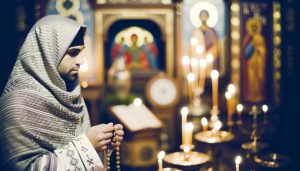
Eid al-Fitr marks a joyous culmination of Ramadan, a month dedicated to fasting, prayer, and reflection. As Muslims worldwide come together to celebrate this festive occasion, the prayers offered reflect gratitude and spiritual connection. Understanding these prayers not only enriches your appreciation of the holiday but also provides insight into the collective joy and unity that characterizes this time of giving thanks. Many people seek to deepen their spiritual lives, and learning about the significance of these prayers offers a pathway to enhance personal faith and community bonds. Discovering the beauty of Eid al-Fitr prayers can inspire a renewed sense of gratitude and joy in your own life, encouraging you to embrace the blessings and grace that surround us. Continue reading to explore meaningful prayers that resonate with the heart during this sacred celebration.
Contents
- 1 Prayers for Eid al-Fitr: An Expression of Joy and Gratitude
- 2 Significance of Eid al-Fitr in Muslim Faith
- 3 Traditional Eid al-Fitr Prayers: A Step-by-Step Guide
- 4 Incorporating Personal Touch in Your Eid Prayers
- 5 Embracing Gratitude: Reflections on Blessings
- 6 Joyful Celebrations: How Prayer Enhances Festivities
- 7 Unity in Prayer: Fostering Community Connections
- 8 Eid al-Fitr Prayers Around the World
- 9 Creative Ways to Share Eid Prayers with Loved Ones
- 10 Using Scripture to Enrich Your Eid Celebrations
- 11 Mindfulness and Intentionality in Eid Worship
- 12 Encouragement for Future Eid Observances: Keeping the Spirit Alive
- 13 Faq
- 14 In Summary
Prayers for Eid al-Fitr: An Expression of Joy and Gratitude

Eid al-Fitr embodies a profound expression of joy and gratitude for Muslims worldwide, marking the end of Ramadan and the completion of a month dedicated to fasting and spiritual growth. The act of prayer on this special occasion serves not only as a means of worship but as a communal celebration of faith and fellowship. The joyous atmosphere is palpable as families and friends come together to perform the Eid prayers, radiating smiles and positive energy. This shared spiritual experience reinforces the bonds of community and invites individuals to reflect on their blessings while offering thanks to Allah.
During the Eid al-Fitr prayers, believers gather in large congregations, often in open spaces or mosques, to perform the special two-unit prayer known as Salat al-Eid. This unique form of prayer is accompanied by a series of Takbir (praising Allah) that enhances the celebratory spirit. The message conveyed through the prayer is one of unity and gratitude, as worshippers express thanks for the strength to fulfill their fasting obligations during Ramadan and seek continued blessings in their lives. The prayer serves as a reminder to focus on the greater good, encouraging acts of charity and kindness toward others, especially those in need.
A personal touch during Eid prayers can enhance one’s spiritual experience. Many choose to dress in their finest clothes, often new, symbolizing renewal and joy. Incorporating family traditions, such as sharing specific prayers, recitations from the Quran, or dedicating prayers to loved ones, can deepen the meaning of the occasion. This is also a time to reflect on personal growth during Ramadan, appreciating both the challenges faced and the accomplishments achieved in one’s spiritual journey. By actively engaging in gratitude during the prayers, individuals foster a heart-centered connection with Allah that extends beyond the day of Eid.
In essence, the prayers for Eid al-Fitr encapsulate a vibrant tapestry of gratitude, joy, and community spirit. They create a sacred atmosphere that not only celebrates the end of a blessed month but also strengthens the ties that bind Muslims together. As families and friends gather to pray, they collectively acknowledge their blessings while embracing a shared commitment to uplift one another in the spirit of the occasion. This sanctified moment serves as a beautiful reminder of the joy that prayer can bring into our lives, inspiring all to carry that spirit forward in future celebrations and everyday interactions.
Significance of Eid al-Fitr in Muslim Faith

Eid al-Fitr is a significant celebration within the Muslim faith, embodying the essence of gratitude and communal spirit that defines Islamic practice. Known as the “Festival of Breaking the Fast,” it marks the conclusion of Ramadan-a month of fasting, reflection, and spiritual discipline. The significance of Eid al-Fitr extends beyond mere festivity; it serves as a time for Muslims to express their gratitude to Allah for the strength to persevere through fasting and for the blessings bestowed upon them throughout the month. This celebration is not only a public acknowledgment of faith but also a personal reflection on spiritual growth and renewal.
The two-unit prayer, Salat al-Eid, takes center stage during Eid celebrations, symbolizing unity among the Muslim community. Gathered in large congregations, families and friends come together, often in mosques or open spaces, to participate in this special prayer. The Takbir, an integral part of the prayer, serves as a joyous proclamation of faith, repeatedly affirming Allah’s greatness. This shared experience fosters a sense of belonging and kinship among worshippers, reinforcing communal ties that are fundamental to Islamic teachings.
Incorporating acts of charity during Eid al-Fitr enriches its significance. Giving Zakat al-Fitr, a form of alms specifically intended for those in need, highlights the importance of generosity and compassion within the faith. This practice not only purifies one’s wealth but also ensures that everyone, regardless of their financial circumstances, can partake in the celebrations. Through such actions, Muslims are reminded to extend their blessings beyond themselves, embodying the spirit of empathy and support that defines the holiday.
Thus, Eid al-Fitr is not just a temporal celebration; it is a comprehensive embodiment of Islamic values-gratitude, charity, and unity. It compels individuals to reflect deeply on personal and communal blessings, encouraging them to carry these values beyond the holiday season. By engaging in heartfelt prayers and acts of kindness, Muslims reaffirm their dedication to their faith and their commitment to uplifting their communities. In this way, Eid al-Fitr stands as a powerful reminder of the joy and depth that prayer and gratitude can bring into the lives of individuals and the wider Muslim community.
Traditional Eid al-Fitr Prayers: A Step-by-Step Guide

Eid al-Fitr prayers are a beautiful and significant expression of gratitude among Muslims, marking the end of Ramadan and the beginning of a joyous celebration. The Salat al-Eid, or Eid prayer, is a unique congregational prayer that embodies key principles of Islamic faith, such as unity, gratitude, and reflection. This prayer is conducted in two units and is usually performed in large gatherings, allowing the community to come together in worship and celebration.
To participate in the Eid prayer, here’s a step-by-step guide:
Preparation for Salah
- Perform Ghusl: Many Muslims start their day by performing Ghusl, a ritual purification, to prepare themselves spiritually.
- Dress Neatly: It is encouraged to wear new or the best clothes available, often light-colored to symbolize joy and brightness.
- Take a Route to the Mosque: If possible, take different routes to the mosque than those you would usually take. This tradition promotes the spirit of community and unity.
Arrival and Takbir
- Join the Congregation: Gather at the mosque or designated prayer area, ensuring you arrive early to participate in discussions and reflections with fellow worshippers.
- Recite Takbir: Upon arrival, engage in the Takbir, which is the phrase “Allahu Akbar” (God is Great), to express the joy of the occasion.
Performing the Salah
- Two Units of Prayer: The prayer consists of two units (rak’ahs). In the first rak’ah, the Imam will raise his hands and recite the Takbir, followed by a surah from the Qur’an after Surah Al-Fatiha.
– Seven Takbirs: In this first rak’ah, there are seven additional Takbirs before the bowing (ruku).
- Second Rak’ah: After completing the first rak’ah, the Imam will lead the congregation into the second rak’ah, where one recites Al-Fatiha and another surah, followed by five Takbirs before bowing.
Delivering the Khutbah
- Eid Khutbah: After the prayers, the Imam delivers a sermon (khutbah) that reflects on the significance of Eid al-Fitr, emphasizing gratitude, community, and the spirit of charity. Listening attentively to the khutbah enriches the Eid experience and serves as a reminder of core Islamic values.
This prayer ritual not only embodies joy but also strengthens communal bonds and individual reflections on personal gratitude. It serves as a spiritual upliftment that enhances the festive atmosphere of Eid al-Fitr. Through unity in prayer, the community celebrates not just the end of fasting but also the blessings that come from shared faith and collective gratitude.
Incorporating Personal Touch in Your Eid Prayers

Incorporating personal touches into your Eid prayers can significantly enhance the spiritual experience, making it not just an act of worship but a heartfelt celebration of your faith. Personalization in prayers can help deepen your connection to the occasion and make the experience more meaningful. Consider enhancing your prayers by integrating specific intentions, familial bonds, and even elements from your cultural traditions.
One effective method is to include personal intentions or dedications in your prayers. Before participating in the communal Salah, take a moment to reflect on the blessings you’ve received during Ramadan and extend your prayers to others who may be in need. This could mean praying for a family member’s health, a friend’s success, or even people suffering around the world. Envision these intentions within your heart as you say your Takbirs. Crafting a personal prayer list that you take with you can serve as a reminder of those you wish to pray for, allowing for an intimate conversational approach to your spirituality.
Family is often central to Eid celebrations. Why not incorporate your family’s unique traditions into your prayers as well? Whether it’s a special phrase your parents used in their prayers or a particular way you gather together to celebrate, sharing these elements can foster a sense of unity and love. You could initiate a family tradition of group prayers where everyone shares a personal thought or gratitude before the prayer begins, enhancing not just your connection to the occasion but also to one another.
Lastly, consider integrating cultural practices or symbols that resonate with you personally. Some families may choose to decorate their prayer spaces with meaningful items that reflect their heritage. This could be a special prayer mat adorned with intricate designs or artwork that depicts significant events in your faith journey. Incorporating visual elements that hold personal significance can create a sacred space that enhances the overall prayer experience and encourages a deeper sense of gratitude and joy within the communal festivities of Eid al-Fitr.
Through these personal touches, your prayers can transform from a routine act into a cherished moment of reflection and community, fostering not only personal growth but also strengthening bonds with fellow worshippers.
Embracing Gratitude: Reflections on Blessings
Embracing gratitude during Eid al-Fitr serves as a profound reminder of the blessings bestowed upon us. This festive occasion, marking the end of Ramadan, invites believers to reflect deeply on their spiritual journey and the gifts of faith, family, and community. The practice of gratitude can transform our Eid experience, prompting us to acknowledge not just the abundance in our lives, but also the divine guidance that has led us through challenges and triumphs alike.
One impactful way to cultivate gratitude is to write down three to five blessings you are especially thankful for. This practice can be done privately or shared with loved ones during your celebrations, strengthening your collective sense of gratitude. As you recount these blessings, consider the intricate weave of relationships and experiences that have shaped your life. Perhaps it’s a family member who provided encouragement, a community that offered support, or even personal achievements that remind you of God’s grace. Sharing these reflections during congregational prayers can enhance the communal atmosphere and encourage others to recognize their own blessings.
Additionally, take this opportunity to extend your gratitude beyond personal acknowledgments. Engage in acts of kindness, such as giving to charity or helping those in need, echoing a biblical principle of serving others. This not only expresses your thankfulness but also embodies the spirit of Eid al-Fitr. As Christians celebrate their own recognized days of gratitude, such as Thanksgiving, the values of humility and service resonate profoundly, reminding us of our shared humanity and responsibility to uplift others.
Ultimately, allowing gratitude to shape your prayer during Eid can lead to a deeper spiritual connection. As you bow in submission during Salah, let each Takbir resonate with the acknowledgment of blessings. Embrace moments of silence to reflect on God’s provisions and the hope that His love instills. This intentional practice not only enriches your personal worship experience but also cultivates a joyous atmosphere that echoes the joy and celebration of the day.
Joyful Celebrations: How Prayer Enhances Festivities

Joyful celebrations during Eid al-Fitr are not just about feasting and festivities; they are profoundly intertwined with the act of prayer, which anchors the spirit of the occasion. As families gather, the communal prayers serve as a beautiful reminder of the shared faith and unity that characterize this special time. The significance of these prayers enhances the overall experience, ensuring that joy and gratitude remain at the forefront of the festivities.
Participating in the Eid prayer is more than a ritual; it is an act of worship that elevates the day into a spiritual milestone. When communities come together to perform these prayers, the atmosphere transforms. Hearts are aligned in purpose, and the joy resonates through each prayerful shout of “Allahu Akbar” (God is Great). This collective display of reverence expands personal joy into a shared celebration, reminding everyone of their interconnectedness within the broader community of believers. Engaging in such rituals creates bonds that extend beyond the day itself, fostering relationships grounded in faith and gratitude.
Moreover, infusing personal prayers and reflections into the communal experience enriches the celebration. Encouraging individuals to voice personal blessings during gatherings not only enhances the joy but also strengthens the fabric of community ties. Positive affirmations spoken aloud can be a powerful way to acknowledge God’s abundance and goodness, allowing every participant to recognize their own blessings and contributions to the community. This shared expression of gratitude transforms individual joy into collective praise, amplifying the festive spirit.
To maximize the impact of prayer during Eid al-Fitr celebrations, consider incorporating elements that invite introspection and creativity. For instance, families can create beautiful prayer stations at home or in community centers where individuals are encouraged to write personal prayers or express gratitude. This practice not only enriches the worship experience but also serves as a tangible reminder of the blessings that encompass the day. As everyone gathers to pray and celebrate, the atmosphere becomes one that is alive with joy, gratitude, and a deepened connection to their faith and community.
Unity in Prayer: Fostering Community Connections

The beauty of Eid al-Fitr lies not only in the provisions of food and festivity but also in the spiritual unity fostered through communal prayer. When individuals gather to pray, they create an atmosphere filled with shared faith, purpose, and collective joy. This is a powerful manifestation of community in action-where every participant acknowledges their connection to one another under the shared banner of belief. The experience transcends individual worship, reinforcing the idea that faith is a communal journey, meant to be shared and celebrated together.
One of the remarkable aspects of communal prayers during Eid is how they serve to strengthen relationships and foster new connections. As people of various backgrounds come together, it allows for a deepening of bonds that extend beyond the physical space of the prayer gathering. They share not only in worship but also in blessings, bringing personal stories and individual prayers that enrich the collective experience. The act of praying alongside one another creates a tapestry of voices, each unique yet harmoniously intertwined, celebrating both personal and communal life in faith.
To cultivate this spirit of unity in prayer, communities can consider creating inclusive spaces where everyone feels welcome. This could mean organizing prayers in outdoor venues or local mosques that can accommodate larger crowds, ensuring everyone has a place to gather. Initiatives such as interfaith prayer gatherings can also promote understanding and respect among diverse communities, inviting everyone to share in the blessings of Eid. Furthermore, hosting post-prayer reflections or dialogues can help foster deeper discussions about faith and values, allowing community members to engage with one another on spiritual journeys and personal experiences.
Ultimately, fostering community connections through prayer during Eid al-Fitr enriches the experience immeasurably. As each participant unites in worship, they are reminded that they are not alone in their journey of faith. It underscores the importance of coming together, both as a reflection of spiritual devotion and as a means to nurture friendships and community ties that uplift and sustain all participants. Thus, each prayer becomes a moment of grace that strengthens the fabric of the community, binding every heart in joy and gratitude.
Eid al-Fitr Prayers Around the World

Eid al-Fitr prayers serve as a vibrant reminder of the diversity and unity within the global Muslim community. This important occasion, marking the end of Ramadan, is celebrated by millions across the world, each location adding its unique flavor to the communal prayers while retaining the essence of gratitude and joy. From bustling urban centers to serene rural areas, the prayers echo a collective spirit that transcends geographical boundaries.
In many countries, large gatherings in mosques or open spaces become the norm. For instance, in Turkey, the day often begins with a well-attended prayer at the Hagia Sophia, surrounded by stunning architecture that adds to the spiritual ambiance. The prayers are usually followed by sermons that remind attendees of the significance of charity and community, encapsulating the spirit of goodwill inherent to Eid al-Fitr. Similarly, in Indonesia, the world’s largest Muslim-majority country, neighborhoods come alive with vibrant decorations, and prayers often spill into public parks, where families gather to celebrate together after the worship.
Furthermore, the act of giving during Eid al-Fitr reflects deeply in the prayers across various cultures. In Pakistan, before the prayer begins, it’s customary for individuals to perform a ritual of giving known as Zakat al-Fitr, symbolizing the importance of sacrifice and support for those in need. This unified display of empathy and responsibility enhances the spiritual atmosphere, allowing participants to focus on the essence of Eid: sharing joy and gratitude with the less fortunate.
Embracing the global nature of Eid al-Fitr prayers can inspire individuals to develop creative methods to engage with their communities. Virtual prayer sessions, for instance, have become increasingly popular, allowing friends and families separated by distance to connect through shared worship. Such initiatives not only celebrate tradition but also foster a sense of unity and support in various forms, reflecting the adaptability and resilience of community spirit in today’s ever-changing world.
Thus, regardless of where one finds themselves, the prayers for Eid al-Fitr resonate with common themes of joy, gratitude, and unity. As individuals participate in these prayers, they are reminded of their place within a larger tapestry of faith, strengthening their bond with others and reinforcing the principles of compassion and understanding that define this significant occasion.

Sharing the joyous experience of Eid al-Fitr prayers with loved ones can significantly enhance the spiritual atmosphere of this sacred time. Whether you are near or far, there are numerous creative approaches to ensure that these moments of connection and reflection carry special meaning. One innovative way to bridge the distance is by hosting virtual prayer sessions. Using video conferencing tools, you can gather family and friends from different locations to participate in prayers together. This not only allows the essence of communal worship to flourish but also strengthens ties among loved ones.
Consider organizing a community prayer circle where everyone contributes a personal touch. This could involve sharing favorite prayers or reflections that resonate with their experiences during Ramadan. You might even create a collective art project, such as a digital collage of family photos and prayer reflections, which can be displayed during the gathering. This not only embraces creativity but also fosters a sense of belonging, reminding participants that they are part of a larger community united in faith.
Another meaningful way to connect is through the practice of sending Eid cards or personalized messages that convey heartfelt prayers for one another. By including personal anecdotes or Scripture references that inspire you, you can uplift those in your life while sharing the significance of this time. Additionally, you can engage children and youth by encouraging them to craft their own prayers or drawings, promoting a sense of inclusivity and youthful zeal in the observance of Eid.
When it comes to enhancing the prayer experience, consider making use of technology in fun, new ways. A shared online document can serve as a communal prayer book where everyone can contribute their special prayers and intentions before the gathering. You might also compile a playlist of uplifting Islamic songs or readings to accompany your prayers, creating an atmosphere filled with joy and gratitude.
By embracing these creative methods, you not only deepen your own understanding and appreciation of Eid al-Fitr but also cultivate a vibrant communal spirit among your loved ones. Engaging with each other in this manner not only signifies the joyous conclusion of Ramadan but also reinforces the bonds of faith and friendship, enriching your prayer life and nurturing a lasting connection.
Using Scripture to Enrich Your Eid Celebrations

Integrating Scripture into your Eid al-Fitr celebrations can profoundly enrich your spiritual experience, helping to deepen your connection to both the festival and your faith. As you partake in prayers and festivities, consider reflecting on verses that speak to themes of gratitude, joy, and community. Using Scripture not only enhances the atmosphere but also serves as a reminder of the spiritual responsibilities and blessings associated with this special occasion.
To begin, you might select specific verses from the Qur’an that emphasize gratitude and remembrance of Allah. For example, Surah Al-Baqarah (2:186) reminds us of the closeness of Allah, stating, “And if My servants ask you concerning Me, indeed I am near.” Keeping this verse in mind, you can incorporate moments of heartfelt thanks into your prayers, acknowledging the blessings received throughout Ramadan and expressing hope for the coming year.
Furthermore, create a space for communal sharing of personal experiences and relevant Scriptures. Invite family and friends to bring their favorite verses or passages that resonate with the themes of Eid al-Fitr. You might consider organizing a reading circle where each participant shares and reflects on their chosen verse, fostering a rich discussion about its relevance to present joys and challenges in life. This practice not only deepens understanding but also strengthens bonds within your community, enhancing the spirit of unity that Eid represents.
During your prayer gatherings, you could also employ visual elements that reflect Scripture alongside your prayers. For instance, writing down your chosen verses on decorative cards and placing them around the prayer area can serve as a continuous reminder of the values being celebrated. This not only beautifies the setting but creates an immersive environment where faith and celebration go hand in hand. By engaging both your heart and mind through Scripture, your Eid celebrations can transform into a more meaningful and spiritually fulfilling experience that resonates long after the day has passed.
Mindfulness and Intentionality in Eid Worship

In the hustle and bustle of Eid al-Fitr celebrations, it’s easy to get caught up in the excitement of festivities and overlook the deeper spiritual significance of this sacred occasion. Mindfulness and intentionality in worship can transform the way you experience Eid, allowing for a richer connection to both your faith and the community around you. By approaching prayer with purpose and awareness, you not only acknowledge the joy of the festival but also deepen your gratitude for the blessings bestowed throughout Ramadan.
To cultivate mindfulness during your Eid prayers, start by setting aside a specific time for reflection. Create a serene environment free from distractions where you can focus solely on your spiritual practice. Light candles or incense, play soft recitations of the Qur’an, and take a few moments to breathe deeply and center your thoughts. Consider incorporating practices such as journaling or meditation, where you can express your feelings of gratitude and jot down your intentions for the upcoming year.
Engagement with your community also enhances the experience of worship. Encourage participation in discussions about the significance of Eid and the importance of gratitude in daily life. Create small groups where members can share personal stories of faith and resilience, fostering connections that extend beyond the festival itself. By sharing these moments, you nurture a supportive atmosphere where the spirit of unity and brotherhood shines brightly.
In addition to communal engagement, remember to infuse your prayers with personal significance and dreams. Frame your intentions not only in terms of requests but also as commitments to embodying the values celebrated during Eid. For example, you might pray for strength to serve those in need more selflessly or reflect on personal attributes you wish to cultivate moving forward. Incorporating these thoughts makes each prayer profoundly personal and relevant, enriching your overall worship experience and establishing a heartfelt dialogue with Allah.
By embracing mindfulness and intentionality in your Eid worship, you deepen the layers of joy and gratitude interwoven into the fabric of this beautiful celebration. This approach not only honors the significance of the occasion but also transforms your connection to faith, community, and yourself, leading to a more impactful and lasting celebration.
Encouragement for Future Eid Observances: Keeping the Spirit Alive

The essence of Eid al-Fitr transcends the immediate joy of celebration, offering an opportunity to cultivate a lasting spirit of gratitude and community. To ensure that the blessings of this holy festival resonate throughout the year, it is essential to weave its teachings into our daily lives. Each prayer can serve not only as a moment of communication with the Divine but also as a reminder of the values we cherish as a community.
Consider the significance of collective worship during Eid. The unity experienced in prayer is a powerful testament to the strength found in togetherness. To preserve this spirit, engage in regular gatherings, whether they be prayer meetings, study groups, or shared meals. These moments foster relationships that remind us of the community’s strength and the importance of support during challenging times. As you share your experiences, let them be framed by the gratitude you felt during Eid, allowing that spirit to guide your interactions and relationships throughout the year.
Incorporating small acts of kindness into your routine can also serve as a daily reminder of the principles celebrated during Eid. Simple gestures, such as checking in on neighbors, volunteering, or sharing your blessings with those in need, can extend the joy of Eid well beyond the holy month. Creating a ‘gratitude jar’ at home where family members can drop notes reflecting on their blessings can reinforce this practice. These notes can be read together on future occasions, reinforcing the message of gratitude and unity that Eid embodies.
Lastly, do not underestimate the power of journaling or reflection. Documenting your thoughts and experiences from Eid can provide a roadmap to revisit during times of uncertainty. Reflect on how you felt during the celebrations and how those emotions can manifest in your life moving forward. As you write, consider how you can integrate what you learned through prayer into your everyday interactions. This practice not only deepens your commitment but also ensures that the joy and gratitude of Eid become an intrinsic part of your spiritual journey.
By consciously choosing to carry the spirit of Eid with you, you actively nurture your faith, community bonds, and gratitude throughout the year. Let these practices not just be remarks on your calendar but heartfelt commitments that enhance your spiritual life and those around you, ensuring the essence of Eid remains alive in your heart and actions every day.
Faq
Q: What are the intentions behind prayers for Eid al-Fitr?
A: The intentions behind prayers for Eid al-Fitr include expressing gratitude to Allah for the strength to complete Ramadan, seeking forgiveness, and celebrating the joy of community. This day is a reminder of the importance of prayer in expressing joy and gratitude in one’s faith journey.
Q: How can I make my Eid al-Fitr prayers more personal?
A: To make your Eid al-Fitr prayers more personal, incorporate specific prayers that reflect your feelings and experiences from Ramadan. Focus on prayers that express your hopes for the coming year and ways to enhance your community connections, as highlighted in the article.
Q: What is the significance of communal prayers during Eid al-Fitr?
A: Communal prayers during Eid al-Fitr symbolize unity among Muslims, fostering a sense of belonging and community. They provide an opportunity to celebrate shared beliefs and strengthen social bonds, reinforcing the communal aspect of the holiday.
Q: When do the prayers for Eid al-Fitr take place?
A: Prayers for Eid al-Fitr typically occur in the morning, shortly after sunrise on the day of Eid. They are often held in large congregations at mosques or open spaces, aimed at maximizing community participation and celebration of the festival.
Q: What are some common practices after Eid al-Fitr prayers?
A: Common practices after Eid al-Fitr prayers include visiting friends and family, sharing festive meals, giving gifts, and performing acts of charity. These activities emphasize joy, gratitude, and strengthening community ties following the prayers.
Q: What should I remember while performing Eid al-Fitr prayers?
A: While performing Eid al-Fitr prayers, remember to maintain mindfulness and intentionality. Reflect on the blessings of Ramadan and aim to connect deeply with your faith, as these elements enrich the prayer experience and deepen spiritual fulfillment.
Q: How does prayer enhance the festive nature of Eid al-Fitr?
A: Prayer enhances the festive nature of Eid al-Fitr by providing a spiritual foundation for celebration. It helps transition from the solemnity of Ramadan to joyous festivities, allowing individuals to express gratitude and connect with the community meaningfully.
Q: What role does gratitude play in Eid al-Fitr prayers?
A: Gratitude plays a central role in Eid al-Fitr prayers, as it focuses on thanking Allah for the blessings received during Ramadan. This acknowledgment acts as a foundation for further prayer, helping believers to cultivate a mindset of appreciation throughout their lives.
In Summary
As you celebrate the joy and gratitude of Eid al Fitr, remember that each prayer unites us in faith and hope. Reflect on the blessings you’ve received this season, and carry this spirit of generosity into your daily life. To deepen your journey, explore our articles on prayer life, such as “The Power of Daily Prayer” and “Finding Joy in Scripture,” which provide practical insights for your spiritual growth.
Are you ready to take the next step in your faith journey? Subscribe to our newsletter for uplifting content and resources tailored for your personal and spiritual development. Share your thoughts and experiences in the comments below – we love hearing from you! Together, let’s build a vibrant community that celebrates faith, family, and gratitude. Explore more on our site, including our resources on Christian parenting and devotional practices, to further enrich your spiritual path. Your journey towards a fulfilling faith life begins now!