In times of struggle, when physical and emotional burdens weigh heavily on our hearts, the power of prayer becomes a vital lifeline. “Prayers for Strength and Healing When You Need Both” invites you to discover how sincere conversations with God can provide not only comfort but also transformative healing through faith. Life’s challenges can often leave us feeling overwhelmed, unsure of where to turn for support. By engaging in focused prayer, we open ourselves to divine strength and restoration, empowering us to navigate our difficulties with renewed hope and courage. Within this guide, you will find prayers that resonate with your specific needs, encouraging you to deepen your faith and trust in God’s unwavering presence. Join us on this journey of spiritual upliftment and discover how the profound act of prayer can bring peace and resilience, reminding you that you are never alone on your path to healing.
Contents
- 1 Prayers for Inner Strength in Difficult Times
- 2 Healing Prayers for Physical and Emotional Needs
- 3 Finding Comfort Through Scriptural Prayers
- 4 Prayers for Strength During Life’s Challenges
- 5 Empowering Bible Verses for Strength and Healing
- 6 Sharing Your Burdens: The Power of Prayer
- 7 Daily Prayer Practices for Endurance and Healing
- 8 Understanding God’s Healing Promises in Scripture
- 9 Community Prayer: Seeking Support and Unity
- 10 Testimonies of Strength and Healing Through Prayer
- 11 Creating a Prayer Journal for Your Journey
- 12 Incorporating Meditation and Reflection in Prayer
- 13 Frequently asked questions
- 14 Concluding Remarks
Prayers for Inner Strength in Difficult Times
In moments of overwhelming challenges, it’s essential to recognize that prayer can serve as a powerful lifeline, providing the inner strength we need to navigate life’s storms. When we turn our hearts toward God, we invite His presence into our struggles, allowing His peace to wash over us. One compelling way to find that strength is through prayer-whether it’s a heartfelt plea for help or a quiet moment of reflection where we seek divine guidance.
Incorporating specific prayers into our daily routine can help fortify our spirits. For instance, consider praying the following passages that resonate deeply in times of trouble:
- Psalm 46:1-2: “God is our refuge and strength, an ever-present help in trouble. Therefore we will not fear, though the earth give way and the mountains fall into the heart of the sea.”
- Isaiah 41:10: “So do not fear, for I am with you; do not be dismayed, for I am your God. I will strengthen you and help you; I will uphold you with my righteous right hand.”
- Philippians 4:13: “I can do all things through Christ who strengthens me.”
As you recite these prayers, meditate on their meanings, allowing them to deeply resonate within you. Envision God wrapping His arms around your moments of despair, lifting you to a place of strength and assurance. This practice not only reinforces your reliance on Him but also cultivates a spirit of resilience against life’s adversities.
Moreover, remember that prayer is not solely an individual endeavor. Engage with your community by sharing your struggles and allowing others to pray with you. This collective strength can create a support system that empowers you during difficult times, reminding you that you are not alone in your journey. By cherishing these connections and fusing them with the power of prayer, you can experience a profound sense of strength and unity, rooted firmly in faith.
Healing Prayers for Physical and Emotional Needs

In times of physical and emotional distress, the power of prayer can serve as a vital conduit for healing, restoring hope and strength when we feel most fragile. Engaging in heartfelt prayer not only invites God’s presence into our struggles but also allows us to articulate our deepest needs, creating a sacred dialogue that can lead to spiritual and emotional restoration. Whether through personal reflection or communal prayer, reaching out to God in our moments of vulnerability becomes a transformative experience that reaffirms our faith.
Consider incorporating specific healing prayers into your daily routine that address both physical ailments and emotional challenges. For instance, the prayer of James 5:15 reminds us, “And the prayer offered in faith will make the sick person well; the Lord will raise them up.” This verse can be a guiding mantra when praying for healing, encouraging believers to approach God with faith and confidence. Supplementing your prayer life with scripture can enhance the efficacy of your petitions; Psalm 30:2 affirms, “O Lord my God, I cried to You for help, and You healed me.” Repeating such verses can instill a sense of peace and expectation for healing in both body and spirit.
In addition to structured prayers, consider creating a personalized healing prayer that expresses your unique struggles. Write down your burdens, fears, and hopes, and present them before God. This act of surrender can be incredibly freeing, transforming your worries into a path for divine intervention. Another enriching practice includes prayer journaling, where you document your prayers and any insights you receive, fostering a deeper connection with God over time.
Moreover, community support can play a vital role in your healing journey. Sharing prayer requests with friends or church groups allows others to join you in your plea for healing, magnifying the strength of collective prayer. As you lift one another up in prayer, remember the words of Matthew 18:20, “For where two or three gather in my name, there am I with them.” Engaging in communal prayer not only fortifies your own spirit but also builds a strong network of support, reminding you that you are never alone in your journey toward healing.
Finding Comfort Through Scriptural Prayers
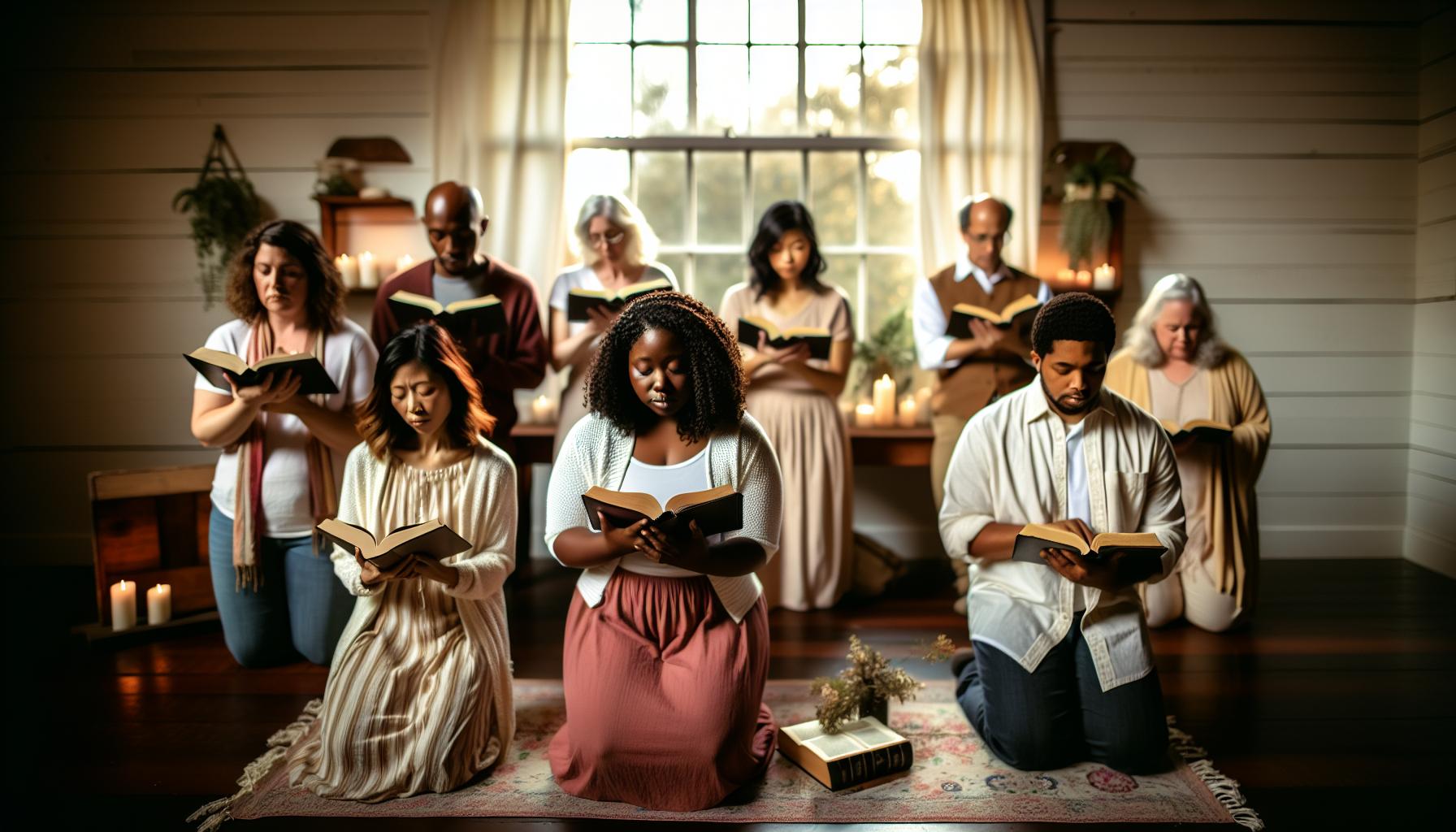
In moments of distress, when the weight of the world feels too heavy to bear, turning to scripture in prayer can provide a profound sense of comfort and strength. The Bible is replete with verses that serve not only as reminders of God’s promises but also as powerful prayers themselves. Relying on these scriptural truths can transform our prayers into declarations of faith, anchoring our spirit amidst chaos.
To immerse yourself in scriptural prayers, consider beginning your day or ending your evening by reciting verses that resonate with your current circumstances. For example, when seeking peace, you might pray Philippians 4:6-7: *”Do not be anxious about anything, but in every situation, by prayer and petition, with thanksgiving, present your requests to God. And the peace of God, which transcends all understanding, will guard your hearts and your minds in Christ Jesus.”* By infusing your prayers with this verse, you invite God’s peace to reign in your heart, while also expressing gratitude for His presence in your life.
Additionally, creating a collection of verses that speak to your heart can be immensely beneficial. Write them down and incorporate them into your prayer life, either by reflecting on them during quiet times or speaking them aloud during prayer. This practice not only enhances your understanding of biblical promises but also cultivates a habit of seeking God’s guidance through His Word. Here are a few verses to consider:
- Psalm 34:18: “The Lord is close to the brokenhearted and saves those who are crushed in spirit.”
- Isaiah 41:10: “So do not fear, for I am with you; do not be dismayed, for I am your God. I will strengthen you and help you; I will uphold you with my righteous right hand.”
- Jeremiah 29:11: “For I know the plans I have for you, declares the Lord, plans to prosper you and not to harm you, plans to give you hope and a future.”
By integrating these verses into your prayers, you not only find comfort and strength but also experience the profound truth that God’s Word can offer healing to our troubled hearts. Reflecting on scripture helps anchor our thoughts in the hope that transcends our immediate troubles, drawing our focus back to God’s unfailing love and sovereignty.
As you weave these scriptural prayers into your life, consider keeping a prayer journal dedicated to this purpose. Document your prayers alongside the verses you choose to focus on, noting how God answers and reveals His faithfulness over time. This practice not only fortifies your spirit but also builds a treasure trove of testimonies of God’s healing power in your life, serving as a source of encouragement for both you and others in your community.
Prayers for Strength During Life’s Challenges

In moments when life feels overwhelmingly challenging, drawing strength from prayer can become your greatest ally. The act of praying not only nurtures your spirit but also serves as a powerful reminder that you are not alone in your struggles. In these times, it’s essential to lean into divine support and find specific prayers that can help uplift your heart and fortify your spirit against adversity.
One effective approach is to start each day by dedicating a few moments to present your worries to God. You might pray something like, *”Lord, I am feeling weak and burdened today. Please grant me the strength to face my challenges.”* This simple acknowledgment of your need invites God’s presence directly into your day. Consider incorporating the words of Psalm 28:7 into your prayers: *”The Lord is my strength and my shield; my heart trusts in him, and he helps me.”* Speaking this verse out loud not only reinforces your trust in God but also builds a foundation of strength as you move forward.
Another practical strategy is to create a specific list of prayers focused on strength during difficult times. Here are a few suggestions:
- Strength Against Fear: “God, when fear creeps in, remind me of Your promise in Isaiah 41:10, that you will strengthen and uphold me.”
- Endurance in Trials: “Heavenly Father, help me to persevere through this trial. May I reflect Your light even in darkness.”
- Guidance Through Confusion: “Lord, I seek Your wisdom to navigate these challenging waters. Lead me in Your truth.”
Incorporating these focused prayers into your daily routine strengthens your connection to God and empowers you to confront life’s uncertainties with courage. Consistent prayer, paired with scripture, allows your heart to anchor itself in truth rather than fear. As you pray for strength, remember to also thank God for His unwavering faithfulness. Celebrating small victories, whether in the form of answered prayers or newfound resilience, nurtures a grateful heart that can transform even the darkest moments.
Moreover, don’t hesitate to share your burdens with trusted friends or prayer groups. Engaging in community prayer can amplify strength, as the collective faith of those around you often brings divine intervention and support. Encouragement flows both ways, creating a network of hope that can uplift even amid trials. As Ecclesiastes 4:9-10 reminds us, “Two are better than one, because they have a good return for their labor: If either of them falls down, one can help the other up.”
By weaving these elements-focused prayers, scripture integration, and community support-into your life, you cultivate a rich reservoir of strength that will help you navigate life’s challenges with grace and steadfastness.
Empowering Bible Verses for Strength and Healing

In challenging times, many believers turn to Scripture, finding solace and empowerment in the timeless words of the Bible. Scripture not only serves as divine encouragement but also as a source of strength, guiding us through hardship and aiding us in healing. Here are several powerful verses that can uplift your spirit and reinforce your faith as you navigate life’s storms.
Scripture Verses for Strength
- Philippians 4:13: “I can do all things through Christ who strengthens me.” This verse is a reminder that our strength comes from Christ, empowering us to overcome obstacles.
- Isaiah 40:31: “But those who hope in the Lord will renew their strength. They will soar on wings like eagles; they will run and not grow weary, they will walk and not be faint.” This teaches us about the importance of placing our trust in God for revitalization.
- 2 Corinthians 12:9: “But he said to me, ‘My grace is sufficient for you, for my power is made perfect in weakness.'” Here, we learn that our vulnerabilities can be transformed into strengths through God’s grace.
Scripture Verses for Healing
- Jeremiah 30:17: “But I will restore you to health and heal your wounds,’ declares the Lord.” This verse reassures us of God’s commitment to our healing and restoration.
- Psalm 147:3: “He heals the brokenhearted and binds up their wounds.” God’s compassionate nature is highlighted here, promising comfort in times of deep emotional pain.
- James 5:15: “And the prayer offered in faith will make the sick person well; the Lord will raise them up.” This underscores the powerful connection between prayer and healing, reminding us to seek divine intervention.
By meditating on these verses, we can find both strength and comfort. Consider creating a vibrant prayer life around these scriptures, utilizing them as foundational elements in your daily prayers. You might choose to write them down, reflect on their meanings, and speak them aloud during moments of distress. Integrating these verses into your routine not only enhances your faith journey but also deepens your relationship with God, making Him the ultimate source of your strength and healing.
Surrounding yourself with the power of God’s Word anchors your spirit when faced with life’s adversities. Let these empowering verses guide you as you pray for strength and healing, embracing the profound reassurance they provide.
Sharing Your Burdens: The Power of Prayer

In moments of distress, when the burdens of life feel too heavy to bear, the act of sharing our struggles can be a profound source of strength. Prayer is not just an individual journey; it’s a communal experience meant to uplift and encourage. When we gather in prayer, either physically with others or even digitally, we create a powerful tapestry of support that interweaves our needs, hopes, and faith. This practice echoes the biblical principle found in Galatians 6:2, which urges us to “carry each other’s burdens, and in this way you will fulfill the law of Christ.”
Reaching out for prayer support allows us to lay down our vulnerability and receive the prayers of others, which can offer incredible comfort and hope. Consider establishing a prayer group, where members can share their burdens in a safe space. As you pray for one another, you invite God into your struggles, fostering an environment where healing can take place-not only spiritually, but emotionally as well. When you ask for prayer, remember that it is an act of faith that acknowledges you don’t have to carry your load alone. Sharing your needs invites others to intercede on your behalf, aligning their faith with yours in powerful ways.
In addition to communal prayer, writing down prayer requests can be a transformative practice, reinforcing the commitment to intercede for others. You might consider starting a prayer journal where you note not only your own burdens but also the needs of those around you. This act of documenting prayers can serve as a poignant reminder of God’s faithfulness as you look back on the ways He has worked in the lives of you and those you’ve prayed for.
Through the act of sharing our burdens in prayer, we not only find a safe haven for our struggles but also a path towards renewed strength and healing. As we support each other through prayer, we are reminded that we are part of a greater body of believers, all leaning on the same unfailing source of strength-our Lord Jesus Christ. In this community, we can truly embody the heart of Christ, sharing the light of His love through our prayers and the uplifting power of supportive fellowship.
Daily Prayer Practices for Endurance and Healing

In times of struggle, establishing a routine of daily prayer can be a vital source of endurance and healing. When the weight of life’s challenges feels overwhelming, integrating prayer into your daily rhythm can transform your perspective and strengthen your spirit. Start each day with a focused intention to invite God into your circumstances; this small act can set the tone for your entire day. Remember, James 5:16 reminds us that “the prayer of a righteous person is powerful and effective,” encouraging us to lean into prayer with faith.
Creating Your Daily Prayer Routine
Begin by carving out a dedicated time and space for prayer. Whether it’s early morning or late at night, choose a time when you can be alone and free from distractions. This space can be as simple as a quiet corner in your home or a special chair where you consistently meet with God. Use this time not only to present your requests but also to listen for His still, small voice. Journaling your prayers can enhance this practice, allowing you to articulate your thoughts and emotions, and providing a record of God’s faithfulness over time.
To deepen your practice, consider these elements within your daily prayers:
- Praise and thanksgiving: Start by acknowledging God’s greatness and everything He has done in your life.
- Confession: Be honest about your struggles and shortcomings, inviting God’s forgiveness and grace.
- Requests for strength and healing: Bring your needs before God, whether they are physical, emotional, or spiritual.
- Intercession: Pray not only for yourself but also for others in your life facing difficulties.
Incorporating Scripture
Integrating Scripture into your prayer time can also be powerful. Think about selecting a verse or passage that resonates with your current struggles-Philippians 4:13, for instance, “I can do all this through Him who gives me strength,” can serve as a reminder that you are not alone. Meditate on these verses as you pray, allowing God’s promises to wash over you and renew your heart.
Embrace Community
As you establish your daily prayer routine, don’t underestimate the power of community. Engage with fellow believers through a prayer group or even online forums where you can share prayer requests and lift each other up in prayer. Matthew 18:20 states, “For where two or three gather in my name, there am I with them.” Recognizing that we are part of a broader Christian family can offer profound encouragement and support during difficult times.
Through these daily practices of prayer, Scripture, and community, you will cultivate a deeper connection with God, finding the strength to endure and heal amid life’s challenges. Embrace each moment as an opportunity to grow closer to Christ and experience His unwavering love and support.
Understanding God’s Healing Promises in Scripture
In moments of struggle, understanding God’s healing promises can serve as a beacon of hope, illuminating the path toward strength and restoration. Scripture is replete with assurances of God’s unwavering commitment to heal and support those who call upon Him. Notably, Isaiah 41:10 encourages believers by stating, “So do not fear, for I am with you; do not be dismayed, for I am your God. I will strengthen you and help you; I will uphold you with my righteous right hand.” This promise invites us to relinquish our fears and embrace the divine strength available to us, especially when we feel weak.
Central to comprehending God’s healing promises is realizing that His healing encompasses all aspects of life-physical, emotional, and spiritual. James 5:14-15 illustrates this beautifully, urging the elders of the church to pray over the sick, assuring that “the prayer offered in faith will make the sick person well; the Lord will raise them up.” This passage not only emphasizes the power of prayer but also reflects the community’s role in seeking healing together, reinforcing that we are not alone in our struggles.
To truly internalize these promises, engaging with Scripture through meditation and prayer can be transformative. Consider creating a list of healing scriptures that resonate personally, such as Psalm 147:3, which states, “He heals the brokenhearted and binds up their wounds.” Meditating on these verses during times of distress can help focus your mind on the truth of God’s promises, nurturing a heart that trusts in His ability to heal.
As you delve into God’s Word, don’t hesitate to share your burdens with others. Community is a vital aspect of the Christian journey, enabling us to support one another through prayer. Galatians 6:2 encourages believers to “carry each other’s burdens, and in this way, you will fulfill the law of Christ.” By sharing your challenges and praying for one another, you can experience the fullness of God’s healing promises in a tangible and powerful way.
Community Prayer: Seeking Support and Unity

In the tapestry of faith, community plays a vital role, especially when seeking strength and healing. Believers are not meant to walk their spiritual journeys alone; instead, they are called to support one another through prayer and fellowship. When challenges arise, joining with others in prayer can amplify hope and provide a tangible reminder of God’s presence in our lives. This collective act not only nurtures individual healing but also strengthens the bonds of unity among believers.
One practical way to cultivate this sense of community is through organized prayer groups. These gatherings can take various forms, whether virtual or in-person, and may focus on specific needs, such as prayer for health, emotional support, or guidance in difficult times. When sharing personal struggles within a group of trusted friends or church members, individuals often find that their burdens feel lighter. As Scripture reminds us in Matthew 18:20, “For where two or three gather in my name, there am I with them.” This cornerstone verse reiterates the power of collective prayer, affirming that God is especially present in communal seeking.
Additionally, reaching out to fellow believers in moments of need fosters an environment of openness and vulnerability. Creating a prayer chain or support system can serve as both encouragement and accountability. As needs arise, members of the community can commit to praying daily for one another, sharing updates, and celebrating victories together. This aspect of communal prayer cultivates unity, demonstrating the love and care of Christ through tangible actions.
In these shared experiences, testimonies often emerge, highlighting how God answers prayers and brings healing. Celebrating these moments together not only strengthens faith but encourages others to seek help within the community. As you embark on this journey of seeking support through prayer, remember that vulnerability can lead to profound connections, deepened trust, and transformative healing. When we gather in faith, the collective strength of the community becomes a powerful reminder that we are never alone in our struggles.
Testimonies of Strength and Healing Through Prayer
In times of struggle, stories of resilience and healing through prayer can profoundly uplift our spirits and strengthen our faith. Many believers have experienced miraculous transformations and renewed hope that emerged from moments spent in earnest prayer. These testimonies are not just anecdotes; they serve as powerful reminders of God’s faithfulness and the strength we can draw from Him during difficult times.
Consider the story of Sarah, a mother who faced a devastating health crisis. After being diagnosed with a rare illness, she felt overwhelmed and lost. In her desperation, she reached out to her church community, asking for prayer. What followed was a series of prayer meetings, where friends and family gathered to intercede on her behalf. Each meeting left Sarah feeling lighter and more connected to God, instilling a sense of peace that transcended her circumstances. Eventually, through medical intervention and the power of collective prayer, she experienced a remarkable recovery. Sarah now shares her testimony in her church, encouraging others to seek God and community support during trials.
Another powerful example comes from Michael, who found himself grappling with anxiety and depression following a job loss. Initially hesitant to share his struggles, he eventually joined a men’s prayer group that met weekly. The vulnerability he witnessed in others opened his heart to share his own burdens. As he poured out his worries in prayer, he was met with encouragement and accountability from his peers. Over time, Michael not only found strength within the group but also began to see changes in his mental health. His journey underscores that sharing struggles in a prayerful community can lead to healing and restoration.
As you hear these accounts of strength, consider how you might cultivate an environment where prayer and testimony are central. Here are a few practical steps to help you explore this powerful dynamic:
- Share your story: Opening up about your experiences can encourage others to do the same, fostering a culture of honesty and support.
- Create spaces for prayer: Organize regular prayer meetings or retreats focused on sharing and praying over specific concerns.
- Keep a testimony journal: Document instances when prayer brought you strength or healing, and use it as a source of encouragement during tough seasons.
Ultimately, are reminders that God is ever-present in our struggles. They encourage others to seek His presence, affirm the power of communal support, and reinforce the belief that, through faith, we can overcome even the greatest challenges.
Creating a Prayer Journal for Your Journey

Keeping a prayer journal can be a transformative practice, particularly when you are seeking strength and healing in difficult times. This sacred space allows you to document your thoughts, prayers, and experiences, helping to clarify your relationship with God and the lessons He teaches you through your struggles. As you pour your heart out onto the pages, you’ll discover the profound impact of translating your burdens into written words, which can serve as both a release and a reinforcement of your faith.
One effective approach to creating a prayer journal involves structuring it in a way that resonates with your journey. Consider dividing your entries into sections, such as prayers of thanksgiving, petitions for healing, and reflections on scripture. Here’s how you might set it up:
- Daily Affirmations: Start each entry with a scripture verse or an affirmation that speaks to your heart. This sets a positive tone and invites God into your reflections.
- Your Personal Prayers: Write down your prayers verbatim. Pour out your fears, hopes, and specific requests. This vulnerability opens the door to deeper intimacy with God.
- Answers and Insights: Dedicate space to reflect on how God responds to your prayers. Note any feelings of peace, healing moments, or insights received during prayer. This will help you recognize God’s hand in your life.
- Gratitude Lists: Regularly include a list of things you are grateful for. Cultivating gratitude shifts your focus from hardship to the blessings around you, fostering a healthier mindset during challenging times.
In addition to structured entries, consider incorporating creative expressions such as drawings, poems, or song lyrics that resonate with your spirit. These alternatives can deepen your connection with God, allowing for a more holistic prayer experience.
Your prayer journal can also become a powerful testimony tool. As you revisit past entries during moments of reflection, you’ll see how God has moved in your life, providing encouragement and hope to persist during future hardships. Share these insights with trusted friends or within your community to inspire others on their journeys. Ultimately, your prayer journal serves as a precious companion, documenting your growth and fostering a deep-rooted sense of resilience through faith.
Incorporating Meditation and Reflection in Prayer
In times of struggle and need for strength, the practice of meditation and reflection can be a powerful addition to your prayer life. Integrating these practices allows you to cultivate a deeper awareness of God’s presence and intentions for you. As you find solace in silence, focus your thoughts on His promises, leading you to a place of clarity and peace. Psalm 46:10 encourages us, “Be still, and know that I am God.” This stillness is essential; it allows you to pause amidst life’s chaos and hear His voice.
To incorporate meditation effectively, consider setting aside a specific time each day for quiet contemplation. Begin by centering your thoughts on a scripture verse that resonates with your current situation, such as Philippians 4:13, “I can do all things through Christ who strengthens me.” Allow this verse to fill your mind as you breathe deeply, reflecting on its meaning and application in your life. You might also choose to repeat a short phrase or prayer, focusing your heart and mind on God’s attributes-His love, strength, and peace.
Practical Steps for Meditation and Reflection
Here are some practical steps to enhance your prayer time with meditation and reflection:
- Find a Quiet Space: Choose a location free from distractions where you can focus entirely on your connection with God.
- Practice Deep Breathing: Take a few deep breaths to calm your mind and body, creating a physical readiness to engage spiritually.
- Engage in Active Listening: As you meditate on scripture, listen for insights or feelings God may bring to your heart. Keep a journal nearby to jot down any thoughts that arise.
- Visualize Scripture: Imagine the scenes or emotions described in your chosen verses. This method can deepen your understanding and connection to God’s Word.
Incorporating these methods into your prayer routine encourages personal growth and a transformative relationship with Christ. The practice of meditation helps clear away the noise of everyday life and centers you on God’s unchanging truth, allowing His strength and healing to penetrate your spirit. As you emerge from this time of reflection, you’ll find not only renewed energy but also a clearer perspective on the challenges ahead, enabling you to walk in faith, guided by His everlasting light.
Frequently asked questions
Q: What are some effective prayers for strength during illness?
A: Effective prayers for strength during illness focus on surrendering your pain to God and asking for healing. For instance, you can pray, “Lord, grant me strength to endure this illness, and restore my health according to Your will.” Regularly refer to Healing Prayers for Physical and Emotional Needs in your prayer practice.
Q: How can I incorporate scripture into my prayers for healing?
A: Incorporate scripture into your healing prayers by reciting relevant Bible verses that emphasize God’s promise of healing, such as Isaiah 41:10. This approach deepens your connection and faith in God’s ability to heal, aligning with the Finding Comfort Through Scriptural Prayers section of your study.
Q: Why is prayer important for emotional healing?
A: Prayer is significant for emotional healing as it provides solace, helps to release burdens, and fosters a closer relationship with God. By connecting with Him through prayer, you gain comfort and guidance to navigate emotional pain. See Sharing Your Burdens: The Power of Prayer for more insights.
Q: When should I pray for strength and healing?
A: You should pray for strength and healing whenever you feel overwhelmed, anxious, or in physical discomfort. Consistent prayer during these times reinforces your faith and reliance on God’s grace. Explore Daily Prayer Practices for Endurance and Healing for a structured approach to your prayer life.
Q: What are some Bible verses for strength and healing?
A: Some powerful Bible verses for strength and healing include Philippians 4:13 (“I can do all things through Christ who strengthens me”) and Psalm 147:3 (“He heals the brokenhearted and binds up their wounds”). These verses can be integrated into your prayers for encouragement.
Q: How can community prayer support healing?
A: Community prayer fosters unity and collective faith, amplifying healing efforts as shared prayers can be more powerful. Participating in group prayer sessions or church gatherings can significantly uplift those in need of strength, highlighted in Community Prayer: Seeking Support and Unity.
Q: How do I start a prayer journal for strength and healing?
A: Begin a prayer journal by setting aside time to reflect on your feelings and write down specific prayers for strength and healing. You can document answered prayers and the progress of your journey, as discussed in the Creating a Prayer Journal for Your Journey section.
Q: What role does meditation play in prayer for healing?
A: Meditation enhances your prayer life by allowing you to reflect deeply on God’s word and presence. It helps quiet the mind, making space for God’s healing voice. Incorporate meditation techniques discussed in Incorporating Meditation and Reflection in Prayer to amplify your spiritual practice.
Concluding Remarks
As you seek strength and healing through prayer, remember that your conversations with God can empower your spirit and restore your heart. Embrace the hope found in scripture and the promise that He hears you, whether you’re praying aloud or quietly in your heart. For deeper insights, explore our articles on building a powerful prayer life and how to pray effectively. Don’t hesitate to reach out for support-whether it’s through our 24/7 prayer line or connecting with like-minded believers in our community.
Join our newsletter today for ongoing inspiration, biblical resources, and practical guidance on your faith journey. Your path to renewed strength and healing starts now-let’s walk it together! Share your thoughts and experiences in the comments below; your insights could uplift someone else in need. Remember, prayer is a powerful tool dedicated to drawing us closer to God.