In the journey of life, the loss of a loved one can profoundly impact our hearts and minds, often leaving us searching for closure and peace. “Prayers for the Deceased: Honor Loved Ones With Sacred Words” invites you to explore heartfelt prayers that not only commemorate those we’ve lost but also strengthen our connection to God in our times of grief. Through prayer, we can express our love, reflect on cherished memories, and seek solace in His promises. This sacred practice not only honors the departed but also provides comfort to those left behind, reinforcing the bonds of love that transcend earthly existence. As you delve deeper into this topic, you will discover how sacred words can transform sorrow into hope, allowing you to navigate the complexities of loss with faith and grace. Let us embark on this meaningful journey together, finding solace and strength in our shared experiences.
Contents
- 1 Prayers for Comforting the Grieving Heart
- 2 Meaningful Traditions for Honoring Loved Ones
- 3 Powerful Scriptures for Prayers of Remembrance
- 4 Creating Personalized Prayers for the Deceased
- 5 Incorporating Prayer into Funeral Services
- 6 The Role of Prayer in the Healing Process
- 7 Finding Strength Through Group Prayer Services
- 8 Crafting a Legacy: Prayers and Their Impact
- 9 Emotional Healing: The Power of Praying Together
- 10 Prayer as a Ritual: Keeping Memories Alive
- 11 Resources for Writing Your Own Prayers
- 12 Exploring Various Prayer Styles for the Departed
- 13 Frequently Asked Questions
- 14 Insights and Conclusions
Prayers for Comforting the Grieving Heart

Comfort during times of grief can often feel elusive, but prayer can serve as a powerful anchor for the heart. When we pray for those we have lost, we not only honor their memory but also invite divine peace into our lives. Recognizing that grief is a personal journey, each prayer can be uniquely tailored to express our deepest feelings and thoughts. Whether it’s a simple whisper of love, a heartfelt cry for comfort, or a moment of shared silence with God, these acts of prayer can bring solace to aching hearts.
One meaningful approach is to combine personal reflections with Scripture. For instance, starting a prayer with a passage from the Bible can ground your thoughts and connect you with God’s promises. Consider the comforting words of Psalm 34:18, which states, “The Lord is close to the brokenhearted and saves those who are crushed in spirit.” Integrating such verses into your prayers can remind you of God’s constant presence in your sorrow.
Additionally, you might find comfort in communal prayers. Joining with fellow believers in prayer can foster a sense of support and understanding. Group prayer provides a space where shared grief transforms into collective healing. This could be as simple as gathering with friends or family to pray together, or participating in larger community services that honor the deceased and pray for those left behind.
Creating intentional moments for prayer-such as lighting a candle in remembrance of loved ones or dedicating a quiet spot in your home where you can pray-can also help keep their memory alive. These rituals not only honor your loved ones but also create an inviting atmosphere for God’s presence in your life, reinforcing the belief that He walks with you through the valley of shadow and sorrow. Embrace the comfort that prayer offers, knowing it serves as a bridge between your heart and the divine, soothing the raw edges of grief with hope and love.
Meaningful Traditions for Honoring Loved Ones
Incorporating traditions that honor loved ones can be a beautiful way to celebrate their lives and keep their memory alive. These practices not only serve to remind us of their presence but also provide a spiritual and emotional anchor as we navigate our grief. Whether through deliberate acts of remembrance or heartfelt gatherings, meaningful traditions foster a sense of connection that is both comforting and renewing.
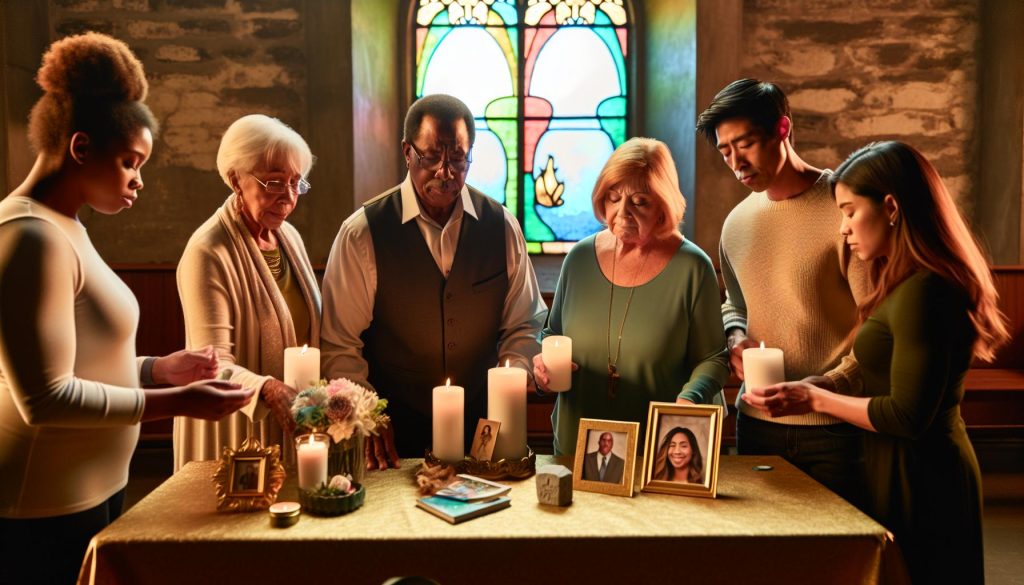
One deeply cherished tradition is lighting a candle in memory of the deceased. This simple act transforms an ordinary space into a sacred one, symbolizing the light they brought into our lives. Setting aside a specific time on anniversaries or special occasions to pray and reflect while the candle burns can create a poignant ritual of remembrance. As you pray, you might share memories or read passages from Scripture that speak of hope and resurrection, such as John 14:1-3, where Jesus promises to prepare a place for us.
Another powerful way to honor loved ones is through the establishment of memorial gardens or designated areas in your home where their photo or personal items are displayed. This creates a physical manifestation of their presence, allowing family and friends to gather and share stories, pray together, and reminisce. Such spaces can serve as a nurturing environment where love, laughter, and tears intermingle, providing comfort and healing.
Joining communal celebrations of life is yet another meaningful tradition. Whether participating in organized memorial services, community events, or church gatherings, collective remembrance can deepen one’s sense of belonging and support. These gatherings often include shared prayers that not only honor the deceased but also reinforce the communal bond of faith. Engaging in group prayer is a collective affirmation of hope, reminiscent of Matthew 18:20: “For where two or three gather in my name, there am I with them.”
Incorporating these traditions into the fabric of our lives can pave a pathway through grief, allowing us to celebrate the lives we cherish, while also drawing closer to God in the process. Each act of remembrance, whether small or grand, becomes a sacred testament to the enduring love we hold for those who have passed, anchoring our hearts in faith and hope.
Powerful Scriptures for Prayers of Remembrance

In times of loss, turning to Scripture can provide immense comfort and guidance as we seek to honor our loved ones who have passed. The Bible is replete with verses that remind us of God’s promise of eternal life, solace, and faith. Through these powerful words, we can craft prayers that not only acknowledge our grief but also celebrate the lives of those we cherish, reinforcing our hope in God’s overarching plan.
A noteworthy passage comes from Romans 14:8, which reminds us, “For if we live, we live for the Lord, and if we die, we die for the Lord. So whether we live or die, we belong to the Lord.” This scripture underscores the belief that our loved ones belong to God, encouraging us to release them into His care while we keep their memory alive through our prayers. Consider incorporating this reflection into your remembrances, perhaps starting your prayer with gratitude for the life and love shared.
Another profound source of comfort can be found in Psalms. Psalm 34:18 declares, “The Lord is close to the brokenhearted and saves those who are crushed in spirit.” This verse serves as a reminder that in our sorrow, God is right beside us, offering strength and healing. When praying for loved ones, you might express your sadness while also acknowledging God’s presence in your heart during the grieving process.
Additionally, the promise of resurrection is beautifully captured in John 11:25-26, where Jesus proclaims, “I am the resurrection and the life. The one who believes in me will live, even though they die.” This text invites us to reflect on the eternal life that awaits our departed loved ones, turning our sorrow into a celebration of hope and faith. Consider adopting this passage in your memorial prayers, focusing on the hope of reuniting with those who have gone before us in Christ.
In crafting prayers of remembrance, feel free to draw upon these verses as you create a sacred space where remembrance and hope intertwine. Allow Scriptures to guide your words, fostering a deep connection between your heart, your prayers, and the memory of your loved one. Use this opportunity to not only lift them up but also to invite the peace of God into your spirit as you navigate the complexities of grief.
Creating Personalized Prayers for the Deceased

Creating prayers for those who have passed away is a deeply personal process that allows us to not only honor their memory but also to express our love and grief in a way that is meaningful. When we craft personalized prayers, we weave together our shared experiences, fond memories, and heartfelt emotions, creating a sacred dialogue with God in remembrance of our loved ones. This act of prayer becomes a source of comfort, not just for ourselves, but also as a way to honor the deceased’s journey with grace and gratitude.
One approach to creating a personalized prayer is to reflect on the unique qualities that made your loved one special. Consider incorporating specific anecdotes or character traits into your prayer. For instance, if they were known for their kindness, you might say: “Lord, I thank You for the gift of [Name] and for the way they shared Your love through their kindness to everyone around them.” This personal touch not only celebrates their life but also serves as a reminder of the impact they had on others.
The inclusion of scripture in your prayers can provide a strong foundation. Verses such as 2 Corinthians 1:3-4, which speaks of God as the “Father of compassion and the God of all comfort,” remind us that we are not alone in our grief. Integrating verses that resonate with your loved one’s faith journey can make your prayers even more meaningful. You might personalize a prayer by saying, “Heavenly Father, I am comforted by the truth of Your word that promises eternal life. I trust [Name] is with You, enjoying the paradise You have prepared.”
Moreover, creating a ritual around your prayers can be a powerful way to keep their memory alive. Whether it’s lighting a candle, playing their favorite hymn, or visiting their gravesite, these practices can help ground you in your grief and foster a stronger connection to your loved one during prayer. Each time you pray, you can do so with the intention of linking your heart to theirs, allowing the sacred space of memory and hope to flourish.
By expressing love, acknowledging the pain of loss, and celebrating the beautiful moments shared, personalized prayers become a loving tribute that honors the deceased while facilitating healing for those left behind. Allow your prayers to evolve as you navigate through your grief, embracing the changing seasons of remembrance with faith and the assurance that your loved one continues to rest in God’s embrace.
Incorporating Prayer into Funeral Services

not only honors the memory of the deceased but also brings a profound sense of peace and connection for those mourning their loss. It creates an atmosphere of reverence, allowing families and friends to collectively express their grief, celebrate the life of their loved one, and seek comfort from God. By weaving prayer throughout the service, participants can find hope and support during one of life’s most difficult moments.
One effective way to integrate prayer into a funeral service is to start with a prayer for peace and comfort. This sets a reflective tone and invites God’s presence into the gathering. A prayer might begin with an acknowledgment of loss, followed by expressions of gratitude for the life lived. For example: “Heavenly Father, we gather here today in deep sorrow for the loss of [Name]. We thank You for the years we shared with them and for the joy they brought into our lives. We ask for Your peace to envelop us in this time of grief.”
In addition to opening prayers, consider including scripture readings that resonate with the beliefs of the departed and provide hope for those left behind. Verses such as Psalm 23, which reassures us of God’s guidance and comfort, or John 14:1-3, where Jesus promises a place for us in His Father’s house, can be deeply uplifting. Following each reading, a thoughtful prayer can reinforce the message of hope, inviting those present to reflect on their faith and the promise of eternal life.
Incorporating personal testimonies or memories shared by attendees can also enrich the service, followed by prayers of remembrance. Encourage participants to share a brief story about the deceased, highlighting how they embodied God’s love. This could transition into a communal prayer, inviting everyone to join in a moment of collective remembrance. For instance: “Lord, we lift up our voices together to celebrate [Name] and the countless ways they touched our hearts. We trust that they are now home with You.”
Ultimately, by weaving prayer throughout the funeral service, attendees are reminded of God’s presence and His comfort during their grief. This sacred practice not only honors the legacy of the loved one but also fosters a collective healing journey for everyone involved. Embracing prayer as an integral part of the service transforms sorrow into a shared expression of love, faith, and hope, encouraging all to lean on God’s everlasting promise.
The Role of Prayer in the Healing Process

In times of grief, prayer serves as a sacred channel for healing, providing solace in the depths of sorrow. It can be a source of strength, comfort, and connection with God-reminding us that we are never alone even in our loneliest moments. Engaging in prayer helps us articulate our pain and invites divine healing into our broken hearts. The act of praying can transform our grief from an overwhelming burden into an opportunity for reflection, allowing us to celebrate the lives of those we’ve lost while processing our emotions in a safe, spiritual environment.
One vital aspect of prayer in the healing process is its ability to foster a sense of community among those who are mourning. When we come together in prayer, we create a space where shared experiences and collective grief can be voiced-allowing for healing not just on an individual level but also as a community. This can be manifested through group prayer sessions, where individuals can unite in both sorrow and hope, reinforcing the idea that God’s love envelops all those present. Such gatherings can affirm relationships, as participants offer emotional support alongside their prayers, reminding each other of God’s unending grace and mercy during tough times.
Incorporating scripture into these moments can further deepen the experience. Verses like Matthew 5:4, “Blessed are those who mourn, for they shall be comforted,” serve as poignant reminders of God’s promise to comfort us in our pain. Personalizing these scriptures within our prayers can make them even more impactful. For example, a prayer might include a request: “Lord, let Your words remind us that those we love are now in Your presence and that our tears will eventually be replaced by joy in Your eternal light.”
Ultimately, the healing process through prayer is a journey-one where each prayer can draw us closer to God and to our loved ones lost. By cultivating a practice of prayer that honors the deceased and nurtures our spirits, we not only acknowledge our grief but also embrace the hope and love that God offers in our darkest times. Through prayer, we find a pathway to healing that strengthens our faith and our connection to the divine, bringing peace to our hearts as we navigate the journey of loss.
Finding Strength Through Group Prayer Services

The power of community shines brightest in times of grief, and group prayer services can offer a profound source of strength and healing for those mourning the loss of a loved one. Coming together in prayer not only allows individuals to share their sorrow, but it also fosters a deep sense of connection and solidarity among friends, family, and fellow believers. In these sacred spaces, people are reminded that they are not alone in their grief; the love and support they receive from others can create an atmosphere where healing begins.
One beautiful aspect of group prayer services is the collective act of remembrance. Participants can share stories and memories about the deceased, weaving together a tapestry of their loved one’s life filled with love, laughter, and cherished moments. This shared remembering can provide comfort and allow attendees to celebrate the impact the departed had on their lives. As prayers are offered, scriptures such as Psalm 34:18, “The Lord is close to the brokenhearted and saves those who are crushed in spirit,” can serve as solemn reminders of divine presence and care, enriching the emotional experience and fostering hope among the grieving.
Additionally, group prayer provides an opportunity for corporate worship that can deeply enrich individuals’ spiritual journeys. Collective prayers can take many forms, from structured liturgical prayers to spontaneous expressions of grief and gratitude. To make the experience even more impactful, leaders can guide attendees in praying together for healing, peace, and comfort, while encouraging them to support each other through their unique grief journeys. This practice of united prayer not only strengthens the bonds within families and congregations but also inspires a sense of communal righteousness, as believers lift their voices together in devotion to God.
In summary, group prayer services are a vital avenue for finding strength in community during times of loss. They allow individuals to engage deeply with their faith and the support of others while they navigate through their grief. By creating a space for collective mourning, memory-sharing, and unified prayer, these services help to cradle the grieving heart, reinforcing the belief that God’s love and mercy are abundant, even in our most challenging moments.
Crafting a Legacy: Prayers and Their Impact
In the journey of honoring our loved ones who have passed, the power of prayer transcends mere words, serving as a profound means to connect with both the divine and the memories of those we cherish. Crafting prayers for the deceased allows us to articulate our love, gratitude, and longing, creating a tangible legacy that keeps their spirit alive in our hearts. The very act of praying together acts as a bridge, linking our earthly sorrows with heavenly hope, reminding us that our loved ones are in God’s embrace.
One practical approach to creating impactful prayers is by incorporating personal memories and specific attributes of the deceased. Consider using phrases that capture their essence-perhaps their kindness, sense of humor, or faithfulness-to weave a narrative of who they were. For instance, a prayer could begin with, “Lord, we thank You for the gift of [Name]’s unwavering love and laughter. May we carry their legacy of joy into our lives.” Such personalized touches evoke heartfelt connections, allowing those gathered to remember and celebrate rather than solely mourn.
It’s also essential to recognize the communal aspect of legacy-building through prayer. Encourage family and friends to share their thoughts and feelings in crafting group prayers. This collaborative effort not only enriches the experience but also solidifies bonds among those who share in the grieving process. During times of prayer, passages like Revelation 21:4, which states, “He will wipe every tear from their eyes,” can be incorporated to offer comfort and hope. Each voice shared in prayer serves as a powerful testament to the impact the departed had on many lives, reinforcing their legacy in the hearts of everyone present.
Ultimately, the prayers we craft for our loved ones not only honor their memory but also guide us in our healing journey. By taking time to reflect, write, and share these sacred words, we lay the groundwork for a lasting legacy that celebrates lives well-lived, uplifts hearts in the midst of sorrow, and affirms our faith in God’s promise of eternal life. Let these prayers serve as a light, illuminating the way forward as we navigate the complex landscape of grief while holding onto cherished memories.
Emotional Healing: The Power of Praying Together

In times of grief, the collective power of prayer can serve as a comforting balm for aching hearts. When we come together in prayer, we create a sacred space where vulnerability meets divine support, allowing us to share our sorrow, memories, and hopes for our departed loved ones. This communal practice not only strengthens our bonds with one another but also deepens our connection to God, reminding us that we are never alone in our suffering. As Matthew 18:20 states, “For where two or three gather in my name, there am I with them,” highlighting the special presence of God in moments of shared prayer.
Praying together can take many forms, whether it be in small family gatherings, church groups, or during memorial services. Each person brings their own experiences and emotions to the circle, creating a rich tapestry of remembrance and healing. A poignant example can be found in the practice of holding a prayer vigil, where friends and family unite to pray both for the departed and for one another’s healing. During these times, individuals might share stories about the deceased, adding layers of meaning to their prayers. This collective storytelling fosters a spirit of gratitude, honoring the lives of the loved ones while simultaneously nurturing the hearts of those left behind.
Furthermore, involving scripture in group prayers adds a powerful dimension to the healing process. Passages such as Psalm 34:18, which assures us that “The Lord is close to the brokenhearted and saves those who are crushed in spirit,” can serve as a foundation for comforting prayers. Each individual can reflect on how these scriptures resonate personally, articulating their feelings and hopes in prayerful response. By doing so, the group creates a supportive environment where grief can be expressed and transformed into hope.
Ultimately, the shared act of prayer enables us to not only remember our loved ones but to actively participate in our own healing journey. It encourages us to articulate our grief, to seek comfort, and to lean on one another as we navigate the complexities of loss. As we draw strength from both the divine and our community, we find solace in knowing that even amidst our pain, we are enveloped in love, both human and divine. This powerful combination of shared prayer and community support becomes a cornerstone in honoring those we have lost and in paving a path toward emotional healing.
Prayer as a Ritual: Keeping Memories Alive
In the journey of honoring our departed loved ones, prayer serves as a profound ritual, tethering our hearts to cherished memories while fostering a connection with the divine. Rituals, deeply woven into the fabric of our faith, not only provide structure to our grieving process but also act as a bridge that helps us keep the memories of those we’ve lost alive. They empower us to celebrate life even amidst the sorrow, ensuring that the legacy of our loved ones continues to shine brightly.
To incorporate prayer as a meaningful ritual in your life, consider establishing a dedicated time and space for remembrance. This could be a simple daily prayer routine at a specific time, allowing you to pause and reflect on the life and impact of your loved one. You might choose to light a candle, open a photo album, or keep a dedicated journal where you write prayers or thoughts about them. Each of these actions transforms ordinary moments into sacred ones, reinforcing the memory of the deceased in a tangible and uplifting way.
Additionally, community involvement can enhance your prayer ritual. Gather family and friends for remembrance services or simple prayer circles, where stories and prayers for the deceased can be shared. This collective remembrance creates a rich tapestry of love and support, echoing the scriptural assurance found in 1 Thessalonians 4:13, which encourages us not to grieve as those who have no hope. Instead, we can hold onto the blessed assurance that in prayerful remembrance, we are enveloped in a community of faith, turning our sorrow into shared strength.
As you engage in these practices, consider complementing your prayers with scriptures that resonate with memories of your loved ones. Verses that speak of comfort, peace, and eternal life-like John 14:1-3-can provide not only solace but also affirm the hope we have in Christ. By intertwining scripture with your prayers, you cultivate a nurturing environment that honors the past while fostering a hopeful outlook on the future, continually reminding you of the great love that transcends death and the everlasting bond we share through Christ.
Resources for Writing Your Own Prayers

Writing your own prayers can be a deeply personal and transformative way to honor those who have passed away. When you create prayers that resonate with your emotions and beliefs, you not only pay tribute to your loved ones but also foster healing for your grieving heart. Begin by reflecting on specific memories, attributes, or lessons that your loved one brought into your life. This focused contemplation sets the stage for a heartfelt prayer.
Consider structuring your prayer to include key components that convey your sentiments clearly. You can start with an expression of gratitude for the life of the deceased, followed by personal anecdotes or cherished memories. This could look something like:
- Gratitude: “Thank you, Lord, for the precious gift of [Name], whose laughter and kindness brought light to my days.”
- Personal Memory: “I will always treasure the summer afternoons spent watching the sunset together.”
- Request for Comfort: “Please grant us peace as we miss their presence, and help us carry their spirit in our hearts.”
Visualizing the prayer can also enhance your writing process. You may choose to write it down in a dedicated journal or compose it on beautiful stationery, perhaps placing it in a memorial box or alongside a picture of your loved one. This physical manifestation of your prayer serves as a continual reminder of your cherished memories.
As you write, don’t hesitate to incorporate scripture that aligns with your experiences and faith. Verses like Psalm 34:18, “The Lord is close to the brokenhearted and saves those who are crushed in spirit,” can beautifully anchor your words in biblical promise.
Finally, allow your prayer to evolve over time-feel free to revisit and revise it, adding new thoughts or feelings as they emerge. Remember, there is no right or wrong way to express your grief through prayer; what matters most is your willingness to connect with God and your memories, creating a sacred space for healing and remembrance.
Exploring Various Prayer Styles for the Departed
When honoring those who have passed away, exploring different prayer styles can be a powerful way to express your love and remembrance. Each prayer style offers a unique approach to connecting with God, enabling you to articulate your feelings of grief, gratitude, and hope. Whether you prefer structured prayers, spontaneous conversations with God, or the use of sacred texts, allowing your heart to guide your prayer can lead to profound moments of peace and reflection.
One common method is the traditional prayer, which often includes structured language and familiar rhythms. This might entail reciting well-known prayers, like the “Our Father,” or using liturgical prayers from your church community. These prayers can provide a sense of continuity and connection to the larger body of believers, reminding us that we are part of something greater even in our mourning.
Alternatively, freeform prayer allows for a more intimate dialogue with God. This style encourages you to speak from your heart, sharing your pain and memories in a way that feels authentic to you. For example, you might say, “Lord, I miss [Name] so deeply; thank you for the amazing times we shared. Help me feel their presence today.” This conversational approach can be cathartic, letting you process your feelings naturally and honestly.
Incorporating scriptural prayers is another enriching way to honor the departed. Utilizing verses that resonate with your emotions can add depth and biblical grounding to your reflections. Scriptures such as John 14:1-3, where Jesus promises to prepare a place for us, or Psalm 23, which reassures us of God’s guidance, can provide comfort during difficult times.
Lastly, weaving poetry or hymns into your prayers can enhance their beauty and emotional depth. You might find solace in reading the poignant lines of a cherished hymn or writing your own verses that capture your love and loss. This creative expression can be a meaningful way to keep your loved one’s memory alive while affirming your faith.
By exploring these diverse styles of prayer, not only can you honor your loved ones effectively, but you also create a personal connection with God that fosters healing and hope in your heart. Embrace the style that resonates most with you-be it structured, spontaneous, scriptural, or poetic-and allow it to guide your journey of remembrance and peace.
Frequently Asked Questions
Q: How can I pray for someone who has passed away?
A: To pray for someone who has passed away, begin by acknowledging their life and the impact they had on you. Offer a heartfelt prayer, expressing your love and memories while asking for peace and comfort for yourself and others grieving. Consider using scriptural references for added depth.
Q: What are some traditional prayers for the deceased?
A: Traditional prayers for the deceased often include variations of the “Eternal Rest” prayer or memorial prayers within specific faith traditions. These prayers typically request peace for the departed soul and comfort for those left behind. Explore your faith’s specific practices for more options.
Q: Why are prayers important for honoring the deceased?
A: Prayers play a crucial role in honoring the deceased, providing solace and allowing loved ones to express grief and celebrate memories. They can help foster healing and provide a sense of connection to the departed, guiding the grieving process toward acceptance and peace.
Q: What are some examples of personalized prayers for loved ones who have died?
A: Personalized prayers can include specific memories or traits of the deceased, asking for peace and joy in their eternal rest. For example, you might say, “Dear Lord, I thank You for the gift of [Name] in my life. May their spirit find eternal happiness with You.”
Q: When is the best time to pray for someone who has passed away?
A: There is no set time for praying for someone who has died; you can pray at any moment, especially during significant anniversaries, holidays, or whenever memories arise. Spontaneous prayers can also be comforting immediately following their passing during times of grief.
Q: How can group prayer help in mourning for the deceased?
A: Group prayer can strengthen bonds among those grieving, creating a supportive environment where shared memories and collective grief are expressed. This communal act can provide reassurance, comfort, and a sense of belonging during a challenging time.
Q: What scriptures can I include in prayers for the deceased?
A: Incorporate comforting scriptures such as Psalm 23, which speaks of peace, or John 14:1-3, which offers hope of eternal life. These verses can enhance your prayers, providing a strong foundation of faith and reassurance about life after death.
Q: How does prayer aid in the healing process after losing a loved one?
A: Prayer is a powerful tool for healing, allowing individuals to process grief and find solace in a higher power. It can provide comfort, foster emotional release, and help individuals reflect on cherished memories, promoting emotional healing over time.
Feel free to explore more about the impact of prayer in “The Role of Prayer in the Healing Process” section of our article for deeper insights. Let the power of prayer support you and your loved ones on this journey of remembrance and healing.
Insights and Conclusions
As you reflect on “Prayers for the Deceased: Honor Loved Ones With Sacred Words,” remember that each prayer and intention strengthens the bond with those who have passed, evoking love and remembrance in ways that transcend time. We encourage you to share your thoughts or experiences in the comments below-your story could inspire others on their journey of healing and remembrance.
For deeper exploration, consider reading our related articles on enhancing your prayer life or meaningful ways to support grieving families. Don’t miss out on our newsletter for daily encouragement and spiritual resources tailored to nurture your faith and guide you through life’s transitions. Let us walk together in this journey, honoring our loved ones and embracing the comfort of shared prayer. Together, we can transform our grief into hope as we seek healing through Christ-centered practices.