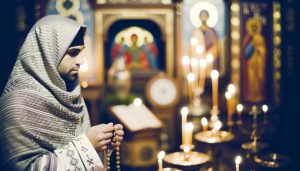
In a world that often feels chaotic and uncertain, the power of prayer remains a steadfast anchor for our souls. “Prayers in Latin: Ancient Words, Timeless Power” invites you to explore the rich heritage of prayers that have transcended generations, drawing us closer to God through profound expressions of faith. Latin, once the language of the Church, holds a unique spiritual resonance that can deepen our connection to God and enrich our prayer life.
Imagine incorporating these ancient words into your daily routines, enhancing not only your personal devotion but also fostering a community of faith around you. Whether you’re seeking solace in troubled times or yearning for deeper spiritual intimacy, these prayers offer a powerful tool for expressing your heart’s desires. Join us on this journey to rediscover the beauty of sacred language, and unlock the timeless wisdom embedded within these prayers that continue to inspire countless believers today. Embrace the opportunity to transform your prayer experience and cultivate a deeper relationship with the divine.
Contents
- 1 Understanding the Significance of Prayers in Latin
- 2 Exploring the Historical Roots of Latin Prayers
- 3 The Timeless Power of Classic Latin Words
- 4 How Latin Prayers Impact Spiritual Life Today
- 5 Practical Guide to Using Latin Prayers in Worship
- 6 Latin Prayers for Personal and Community Strength
- 7 Transformative Effects of Latin Prayer on Devotion
- 8 Mastering Latin Pronunciation for Effective Prayer
- 9 Integrating Latin Prayers into Daily Spiritual Practices
- 10 The Role of Latin Prayers in Christian Rituals
- 11 Collecting and Preserving Latin Prayer Traditions
- 12 Q&A
- 13 Key Takeaways
Understanding the Significance of Prayers in Latin
Prayer is a powerful form of communication with God, a practice that transcends time and culture. Latin, as a sacred language historically revered in Christian worship, adds a profound depth to prayer. Its rich history, elegance, and precision lend a unique quality to the words used in petitions and praises. When believers engage in Latin prayers, they are not just reciting words; they are connecting with centuries of faith, tradition, and the collective voice of the Church. This significance is further enhanced by the understanding that Latin served as the lingua franca of Christian theology, encapsulating complex spiritual concepts that resonate deeply within the Christian journey.
One of the most beautiful aspects of Latin prayers is their continuity throughout the ages. Many of these prayers, such as the Pater Noster (Our Father) and the Ave Maria (Hail Mary), have been passed down through generations, becoming integral parts of Christian devotion. Engaging with these ancient texts can offer believers a sense of connection to the early Church and a greater appreciation for the shared faith of past generations. Moreover, praying in Latin can foster a meditative environment, inviting individuals to reflect on the meaning of each phrase while immersing themselves in the rhythm and cadence of the language.
As the Church navigates a rapidly changing world, integrating Latin prayers into personal and communal worship can serve as a grounding practice for believers. The timelessness of these prayers provides a sanctuary amidst chaos, encouraging a return to foundational beliefs. Whether used in Mass, private devotion, or during moments of reflection, Latin prayers can enrich spiritual life, enabling believers to express their faith in a language celebrating both heritage and unity. Therefore, as you explore the significance of these prayers, consider embracing their power to enhance your faith journey, transforming routine moments into profound spiritual encounters.
Exploring the Historical Roots of Latin Prayers
The historical roots of Latin prayers intertwine deeply with the development of the Christian faith, providing a living testament to centuries of devotion and theological reflection. Emerging from a backdrop where Latin served as the lingua franca of the Roman Empire, Latin became the ecclesiastical language of the Catholic Church as it sought to unify its teachings across diverse cultures. As early Christians began to formalize their practices, they translated and composed prayers in Latin, establishing a rich tapestry of spiritual expressions that resonates through the ages.
One of the earliest and most significant collections of Latin prayers is found in the *Liber Pontificalis*, a compilation of papal documents that includes various liturgical texts and prayers. Over time, pivotal prayers like the *Pater Noster* and *Ave Maria* were not only used in personal devotion but also incorporated into the Mass, providing worshippers an accessible yet profound way to communicate with God. The cadence and structure of Latin words help to articulate complex sentiments of faith, merging doctrine with heartfelt supplication in a manner that continues to inspire.
Influence on Spiritual Practice
The endurance of Latin prayers demonstrates their profound impact on Christian spiritual life. For centuries, prayers such as the *Gloria* and *Kyrie Eleison* have enriched worship experiences, creating a sense of continuity and commitment across generations. The historical significance of the Latin language, with its precision and beauty, allows these prayers to transcend cultural boundaries, uniting believers in a shared heritage. As individuals recite these time-honored words, they are reminded that they stand alongside countless others who have offered their voices to God across the ages.
Revival in Modern Worship
In today’s fast-paced world, the revival of Latin prayers can serve as an anchor, a reminder of the deep roots of faith. Christians may find comfort and strength in incorporating these prayers into their daily practices, whether during personal meditation, family gatherings, or community worship. Engaging with Latin not only deepens one’s connection to the early Church but also invites a holistic experience of prayer that appeals to both heart and mind.
The journey through the historical roots of Latin prayers can be both enlightening and transformative. By exploring these ancient words, believers can enrich their spiritual lives, drawing from the wisdom of past generations as they navigate their own faith journeys today. Embracing Latin prayers opens a door to a sacred tradition that can breathe new life into one’s relationship with God, illuminating the way forward in both personal and communal contexts.
The Timeless Power of Classic Latin Words
Every time a believer joins their voice in prayer using Latin, they are participating in a rich heritage that spans centuries. The Pater Noster (Our Father) and the Ave Maria (Hail Mary) are not just phrases; they are gateways to a timeless spiritual experience. Each Latin word resonates with profound meaning and theological depth, often far beyond their translations. The carefully structured phrases possess a rhythmic quality that can articulate complex emotions, making them especially powerful in moments of worship and reflection.
The enduring power of classic Latin words lies in their ability to convey unchanging truths that have been embraced by generations. For instance, the use of the phrase “cura te ipsum,” meaning “heal thyself,” holds an invitation to introspection and personal growth, echoing the biblical truth found in James 5:16 about confession and healing. Such phrases remind believers of the transformative power of prayer, not only in seeking God’s presence but also in prompting self-examination and spiritual renewal.
Incorporating these classic words into personal and communal prayer practices can enhance spiritual engagement. The beauty of Latin lies in its precision; each term is steeped in theological significance. Using phrases such as “Dominus vobiscum” (The Lord be with you) can evoke a communal spirit, drawing a believer closer to both God and fellow worshippers. When spoken or sung during liturgies, the solemnity and reverence of Latin resonate deeply, creating an atmosphere conducive to spiritual encounters.
To fully appreciate the timeless power of these prayers, it’s beneficial to delve deeper into their meanings. Take the Gloria in excelsis Deo, which translates to “Glory to God in the highest.” This declaration not only serves as an exaltation but also encapsulates the essence of Christian worship: acknowledging God’s majesty while embracing the peace He offers. Engaging with Latin in this way is not merely a ritual practice; it is a profound journey that enriches one’s faith and fosters a deeper connection with God and the Christian community.
How Latin Prayers Impact Spiritual Life Today
In a world brimming with distractions and fast-paced living, the use of Latin prayers can serve as a profound anchor for many believers, drawing them into a deeper communion with their faith. The structured language of Latin not only inspires respect and reverence through its ancient roots but also offers a timeless cadence that resonates in the hearts of those who engage with it. The rich heritage behind each prayer allows Christians to connect to a broader narrative, one that spans centuries of devotion. Incorporating Latin prayers into spiritual life today can invigorate personal and communal worship, providing a means to articulate faith with clarity and dignity.
Latin prayers impact spiritual life today by fostering a sense of continuity with Christian tradition. Many congregations use familiar prayers such as the Pater Noster and the Ave Maria, and in doing so, they participate in an age-old practice that transcends modern cultural fluctuations. This connection to history can strengthen one’s faith, providing a sense of belonging to a larger community of believers both past and present. Additionally, the precision of Latin words allows for a graceful exploration of theology, where each syllable conveys profound truths about God’s attributes and promises.
Using Latin in prayer not only enriches individual worship but can also breathe new life into community gatherings. When congregations recite Latin prayers together, they create a unified atmosphere that emphasizes their shared beliefs and values. The beauty of phrases like “Dominus vobiscum” (The Lord be with you) not only cultivates a spirit of fellowship but also serves as a reminder of the divine presence during communal worship. This can lead to deeper relationships among parishioners as they find common ground in the sacredness of the words they share.
Moreover, the transformative effects of engaging with Latin prayers can be experienced in both personal reflection and collective worship. As believers meditate on the meanings behind these ancient phrases, they often discover layers of understanding previously overlooked in modern translations. The ability of these prayers to articulate complex emotions and theological principles can guide believers through times of doubt, grief, and joy. By integrating Latin prayers into daily spiritual practices, Christians can cultivate a more profound sense of devotion, bolstered by the timeless power that ancient words evoke. This journey not only connects them to their faith community but also deepens their individual relationship with God.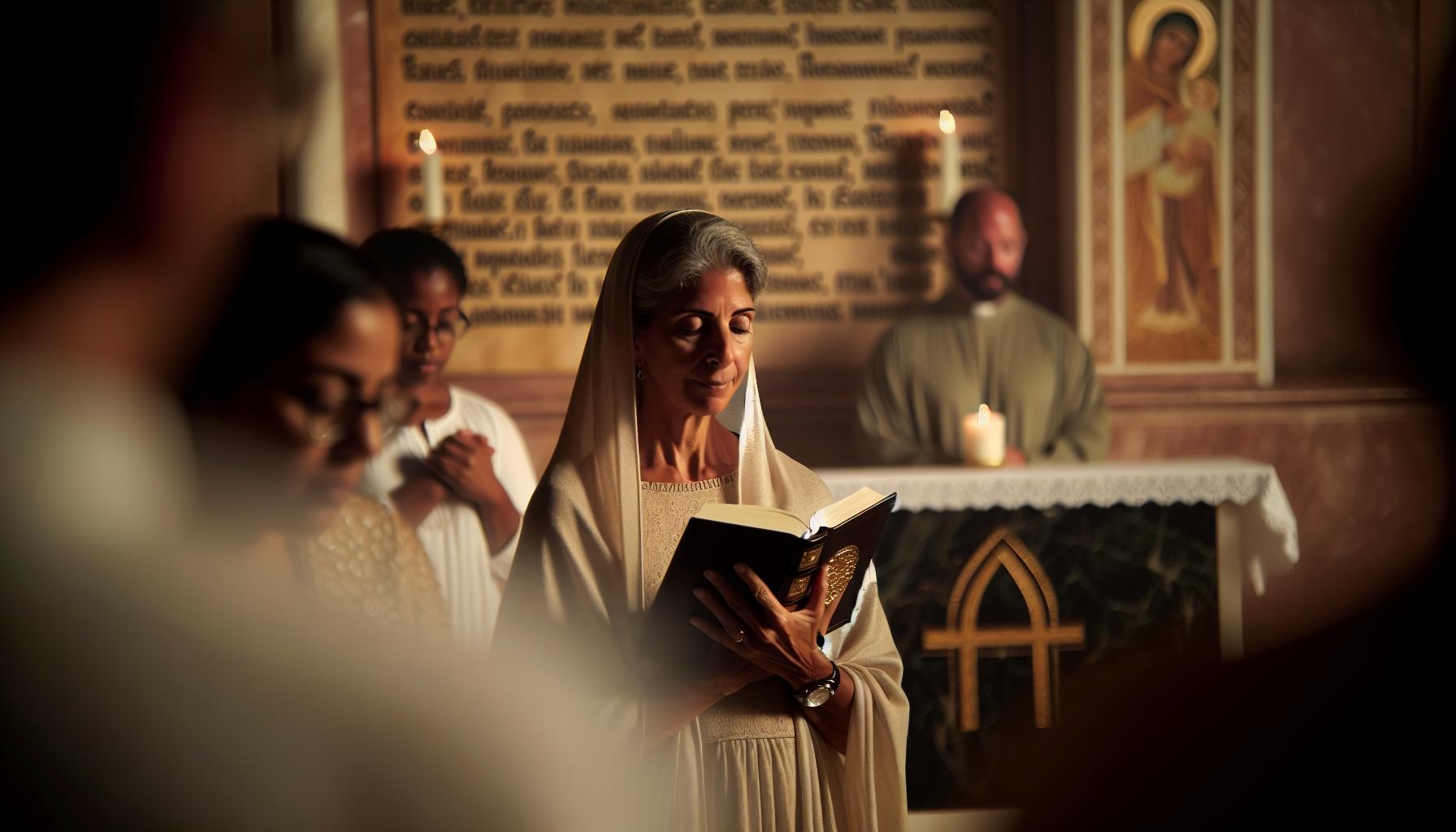
Practical Guide to Using Latin Prayers in Worship
Incorporating Latin prayers into your worship can be an enriching experience that enhances your connection to God and the broader Christian tradition. These ancient words carry with them a weight of history and meaning that can deepen both personal devotion and communal worship. To begin using Latin prayers effectively, start by familiarizing yourself with a few key prayers, such as the Pater Noster (Our Father) and the Ave Maria (Hail Mary). These prayers not only resonate with the sacredness of the language but also connect you with centuries of believers who have recited the same words with faith and reverence.
Steps to Incorporate Latin Prayers into Worship
- Select Key Prayers: Choose a selection of Latin prayers that you feel called to incorporate, perhaps starting with those commonly used in your tradition. Familiarize yourself with their meanings and origins, which will enhance your experience.
- Practice Pronunciation: Knowing how to pronounce Latin can make a significant difference in your prayer experience. Use online resources or recordings to practice, and don’t hesitate to join a community or group where you can learn together.
- Create a Prayer Space: Designate a quiet spot for your personal prayer time. This may involve lighting a candle, playing soft instrumental music, or having an image or icon that inspires you. A dedicated space can increase your focus and reverence.
- Use Traditional Structures: Incorporate Latin prayers into the structure of your worship service or personal devotion. Start with a traditional invocation, recite the Latin prayers, and close with a moment of silent reflection or personal prayer.
- Foster Community Engagement: Encourage others in your congregation to join in the recitation of Latin prayers during worship services. This shared experience not only strengthens community bonds but also fosters a collective spirit of reverence.
- Reflect on Meaning: After praying, take moments to reflect on the significance of the words you have just recited. Journaling about your experiences or sharing insights with fellow believers can deepen your understanding and appreciation of the prayers.
Resources and Tools
- Latin Prayer Books: Consider investing in a quality Latin prayer book or an app that provides a collection of traditional prayers in Latin alongside their English translations. This will aid both your practice and understanding.
- Online Communities: Engage with online forums or social media groups focused on Latin in worship. Connecting with others who are passionate about these prayers can provide encouragement and additional resources.
As you embark on this journey of integrating Latin prayers into your worship, remember that the purpose is not just to recite words, but to connect deeply with God through the timeless power of these ancient expressions of faith. Embrace this opportunity for spiritual growth and let these sacred traditions bolster your relationship with the divine.
Latin Prayers for Personal and Community Strength
In times of uncertainty and challenge, the power of prayer becomes a vital lifeline, providing both personal and community strength. Incorporating Latin prayers into your routine can be a profound way to connect with the rich heritage of Christian faith while drawing upon the timeless power that these ancient words hold. For many believers, prayers such as the Pater Noster (Our Father) and the Ave Maria (Hail Mary) offer not only solace but also a reminder of the collective faith that transcends time and culture, uniting Christians around the globe.
The impact of Latin prayers extends beyond personal edification; they foster a sense of community among those who share in this sacred practice. When recited together in worship, Latin prayers create a harmonious environment that enhances communal bonds. The rhythmic cadence of these prayers cultivates a spirit of unity, reminding congregations that they are part of a larger body of believers. Consider organizing a prayer service focused on these ancient words, inviting others to join in as you lift your voices together, experiencing the strength that comes from shared faith and purpose.
Practical Ways to Strengthen Personal and Community Bonds
- Host Latin Prayer Gatherings: Organize regular prayer meetings where participants can learn and recite Latin prayers together. This shared experience strengthens relationships and nurtures a supportive community.
- Integrate Latin Prayers into Daily Devotions: Encourage individuals to include Latin prayers in their personal devotional time. This practice not only enriches their spiritual life but also brings the community closer as they share their experiences and insights.
- Encourage Scripture Reflection: Pair Latin prayers with relevant Bible passages that reinforce their meanings. Encourage participants to share how these prayers and scriptures impact their spiritual journeys, creating deeper connections within the group.
In your pursuit of growth, both personally and within your community, consider setting aside time for silent reflection after reciting Latin prayers. This not only allows for deeper contemplation of the words spoken but also aligns with the biblical instruction to be still and know that He is God (Psalm 46:10). As you embrace the transformative power of these ancient prayers, may you find strength for your journey and foster an enduring spirit of unity among fellow believers, uplifting one another in faith and love.
Transformative Effects of Latin Prayer on Devotion
The power of Latin prayer lies not only in its historical richness but also in its ability to deepen the spiritual experience of those who engage with it. When we immerse ourselves in these ancient words, we unlock a profound sense of connection-not only to God’s truth but also to the faith practices of countless believers across generations. The rhythmic beauty and solemnity of Latin prayers can transform our approach to devotion, leading us to a more contemplative and reverent state of mind.
As we recite Latin prayers, the intentionality behind each word encourages us to slow down and truly reflect on the meanings hidden within these sacred expressions. The Pater Noster and Ave Maria are not mere rote phrases; they act as gateways to introspection, allowing us to confront our desires, fears, and hopes in the light of God’s love. Incorporating Latin prayers into our daily devotions can serve as an anchor amidst the chaos of life, providing a familiar rhythm that invites us to enter into a sacred space of prayer.
Moreover, the communal recitation of Latin prayers in worship settings fosters a collective spiritual experience that transcends linguistic barriers. The harmonization of voices in unison with these aged phrases creates an atmosphere of reverence and unity, reinforcing the message that we are part of a larger body of Christ. Such moments can transform our understanding of fellowship, illustrating how shared beliefs and traditions can strengthen the ties that bind us together as a faith community.
To fully appreciate the transformative effects, consider dedicating time to meditate on the historical context and theological implications of the Latin prayers you choose to incorporate into your spiritual life. Engage with the Scriptures that correspond with these prayers, and allow their meanings to resonate within your heart. This practice not only enhances personal devotion but also cultivates a richer collective worship experience, helping each believer to resonate with these timeless words on a deeper level. Embracing the beauty of Latin prayer is a pathway to experiencing divine presence in everyday moments, ultimately enriching our journey of faith.
Mastering Latin Pronunciation for Effective Prayer
Mastering the nuances of Latin pronunciation can be a transformative journey for anyone wishing to deepen their prayer life. When recited correctly, the sacred words of prayers such as the Pater Noster or Ave Maria resonate with a powerful, ancient beauty. Each syllable carries not just a meaning but a mood-a spiritual essence that enhances communion with God. Engaging in Latin prayer becomes not just an act of recitation, but a profound encounter with the divine, where the rhythms of the language usher you into a space of contemplation.
To start honing your pronunciation, it is essential to understand the phonetic sounds unique to Latin. Here are a few key principles to guide you:
- Vowels: Latin vowels are generally pronounced as follows:
- A as in “father”
- E as in “they” (but never as in “be”)
- I as in “machine”
- O as in “no”
- U as in “flute”
- Consonants: Most consonants in Latin are pronounced similarly to those in English. Notably:
- C is hard before A, O, U (as in “cat”) and soft before E, I (as in “cereal”).
- G is always hard, as in “go.”
- V is pronounced as “W,” so “voluntatis” sounds like “woluntatis.”
As you incorporate Latin prayers into your spiritual practice, consider utilizing audio resources or guides that provide examples of correct pronunciation. Listening to experts recite prayers can be immensely beneficial. Additionally, singing or chanting these prayers can aid memory retention and deepen your connection to the words. The cadences of Latin sung in the traditional modes can uplift your spirit, turning each recitation into a sacred melody of devotion.
Engagement in this practice not only enhances your personal prayer experience but also enriches communal worship. When praying with others, clear and respectful pronunciation can foster a sense of unity, helping all participants to share in the richness of the tradition. As you become more confident in mastering Latin pronunciation, remember that the heart behind the prayer is paramount-approach each word with reverence and a desire to encounter the divine. Let the language of the ancients guide you closer to God’s presence, transforming your prayer life into a sacred dialogue filled with faith and sincerity.
Integrating Latin Prayers into Daily Spiritual Practices
Incorporating Latin prayers into your daily spiritual routine can be a transformative and deeply enriching experience. The ancient beauty of these prayers not only elevates your communication with God but also connects you to a long history of faith and reverence shared by countless believers. As you begin to embrace these timeless words, consider how their rhythmic and melodic qualities can enhance your prayer life, imbuing it with a sense of tranquility and solemnity.
One practical way to integrate Latin prayers into your spiritual practices is by establishing a dedicated time for prayer. Choose a quiet space where you can focus your heart and mind. Perhaps start your day or end it with a recitation of the Pater Noster or Ave Maria in Latin, allowing each phrase to resonate within you. You might also find it helpful to keep a journal to reflect on your experiences and feelings associated with these prayers, noting any spiritual insights or blessings you receive along the way. By engaging with these Latin prayers daily, you not only deepen your connection with God but also cultivate a routine that nurtures your soul.
In addition to personal prayer, Latin prayers can enrich communal worship experiences. Encourage family members or friends to join you in praying aloud, creating an atmosphere of unity and shared devotion. Organizing a prayer group focused on Latin prayers can transform fellowship, providing an opportunity to explore their meanings and historical significance within the Christian faith. This collective approach fosters discussion and reflection, allowing participants to grow together in their understanding and relationship with God.
To further enhance your experience, consider utilizing resources such as prayer cards, audio recordings, or guides that clarify pronunciation and context. Technology can serve as a helpful ally; apps and websites dedicated to Latin prayers offer access to a wealth of material, enabling you to learn and share these sacred traditions easily. As you immerse yourself in this beautiful language, let the rhythm and intention of each prayer guide you closer to the heart of your faith, enriching your spiritual journey with a sense of ancient wisdom and divine connection.
The Role of Latin Prayers in Christian Rituals
Throughout Christian history, Latin prayers have held a significant place in worship and religious rituals, serving as a bridge not only to the sacred teachings but also to the rich spiritual heritage that unites believers across generations. The adoption of Latin in Christian liturgy began as early as the fourth century, and its use persisted for over a millennium, establishing a common language that transcended local dialects and cultural differences. This universality allowed the faithful to experience a sense of communal identity, regardless of geographic location.
Latin prayers are often characterized by their profound connection to tradition. The Mass, for instance, traditionally utilized Latin throughout its liturgical aspects, infusing the service with a sense of solemnity and reverence. Each prayer, from the Kyrie to the Sanctus, embodies the core beliefs of Christian doctrine, reinforcing teachings about God’s nature and our relationship with Him. When recited in Latin, these prayers possess an rhythmic and melodic quality that can enhance the worship experience, allowing adherents to engage more deeply through the beauty of the language.
Deepening Spiritual Meaning
The role of Latin prayers extends beyond mere recitation; it invites the faithful into a contemplative state. For many, the use of Latin in rituals prompts reflection upon the words and their meanings, creating a space for personal connection with God. The language’s historical richness and depth can transform a simple prayer into a meditative exercise, where each word serves as a reminder of the holy truths it conveys. This aspect is particularly vital during significant rites such as Baptism or Confirmation, where spiritual milestones are marked with the same prayers that have echoed through the ages.
Incorporating Latin Prayers in Contemporary Worship
In contemporary worship, while many denominations have shifted to vernacular languages, Latin prayers continue to enrich spiritual practices. They can be integrated into services or personal devotionals to evoke the historic continuity of faith. Many congregations might choose to include even a few Latin hymns or prayers during special occasions, such as Holy Week, to honor the tradition and elevate the communal worship experience.
Encouragement for All Believers
For Christians exploring the beauty of Latin prayers, remember that each prayer is a tool for spiritual growth. Engage with these prayers not only as part of formal rituals but as daily affirmations of faith. As you embrace this ancient language in your spiritual journey, allow it to deepen your understanding of God’s love and grace. Whether through personal reflection or communal worship, the resonance of Latin prayers opens the door to a timeless dialogue with the divine, enriching your walk with Christ as you discover the enduring power of these sacred words.
Collecting and Preserving Latin Prayer Traditions
The preservation of Latin prayer traditions serves as an essential aspect of maintaining the richness of Christian heritage. Throughout centuries, Latin has been a vessel for deep spiritual communication, and its prayers have transcended time, offering a collective memory to the faithful. Collecting these prayers not only honors the past but also ensures that the spiritual depth they embody is accessible for future generations. Engaging with Latin prayers can empower believers today, allowing them to connect with an ancient legacy of faith.
To build a personal collection of Latin prayers, you might start by assembling resources such as prayer books, online databases, or apps that focus on Latin liturgy. Many websites offer a wealth of traditional prayers, ranging from well-known invocations like the Pater Noster (Our Father) to specific prayers for the saints. Joining communities-both online and offline-that celebrate the Latin language can help you discover new prayers, share insights, and learn about traditions that may have been forgotten.
Utilizing social media platforms or local parish groups to share and promote these prayers can encourage collective learning and engagement. You might even consider hosting a Latin prayer night where community members gather to recite and reflect on various prayers, fostering fellowship and deepening spiritual connections. Incorporating these prayers into your personal or family devotionals adds layers of meaning to your spiritual life, reminding you that you are part of something much larger-a communion of saints linked across miles and ages.
The journey of collecting Latin prayers is not merely about archiving texts; it’s about nurturing a vibrant spiritual life. As you delve into the depths of these timeless words, allow them to inspire your prayers and your understanding of God’s presence. Every prayer embodies a story, a teaching, or a hope, beckoning you to engage not just with the words, but with the faith they represent. By preserving and celebrating Latin prayer traditions, you foster a deeper relationship with God and the broader Christian community, reinforcing the truth that faith endures through languages and cultures.
Q&A
Q: What are some common Latin prayers used in Christian worship?
A: Common Latin prayers include the “Pater Noster” (Our Father), “Ave Maria” (Hail Mary), and “Gloria Patri” (Glory Be). Each of these prayers has deep theological significance and is frequently recited during Mass and private devotion. For a practical guide to using these prayers, refer to the section on practical applications in worship.
Q: How can I incorporate Latin prayers into my daily routine?
A: To incorporate Latin prayers into your daily routine, choose a few prayers to memorize and recite at set times, such as morning or evening. You can also include them in meditation or spend a few moments in contemplation of their meanings for deeper spiritual connection. Explore more about integration in daily spiritual practices in the article.
Q: Why are Latin prayers important for spiritual life today?
A: Latin prayers are important as they connect believers to the historical roots of Christianity and the universal Church. They provide a sense of continuity and tradition, enriching personal prayer life and community worship. For insights on how they impact spiritual life today, see the corresponding section in the article.
Q: What is the significance of Latin in Christian rituals?
A: Latin holds a significant role in Christian rituals as it is traditionally used in the Mass and sacraments, embodying both reverence and tradition. The language serves as a bridge across cultures, uniting believers worldwide. For a deeper understanding, check out the article’s section on the role of Latin in Christian rituals.
Q: How can learning Latin pronunciation enhance my prayer experience?
A: Mastering Latin pronunciation enhances your prayer experience by allowing you to recite prayers with clarity and reverence, deepening your connection to the words and their meanings. Utilize resources and practices mentioned in the article to perfect your pronunciation for effective prayer.
Q: What are transformative effects of praying in Latin?
A: Praying in Latin can lead to profound transformative effects, such as heightened spirituality, increased focus during prayer, and a deeper appreciation for the historical context of your faith. For more insights on the effects of Latin prayer, refer to the article on transformative prayer experiences.
Q: How do Latin prayers differ from modern prayers?
A: Latin prayers often use structured language and traditional formulations that connect to ancient liturgical practices, while modern prayers may be more personal and casual. This difference influences their emotional resonance and historical significance in worship contexts. Explore more about the historical context in the relevant section of the article.
Q: Where can I find resources for Latin prayer traditions?
A: Resources for Latin prayer traditions can be found in various online collections, prayer books, and educational websites. Many churches also offer classes and materials for learning about Latin prayers. For more about preserving Latin prayer traditions, check out the final section of the article.
Feel free to engage with the sections in the main article for a richer understanding of each question!
Key Takeaways
Thank you for exploring “Prayers in Latin: Ancient Words, Timeless Power.” As you’ve discovered, these prayers not only connect us with our rich spiritual heritage but also empower our faith journey today. Don’t miss out on the transformative benefits of integrating these ancient words into your daily spiritual practices-start praying with intention and depth today!
To deepen your understanding, check out our articles on the power of prayer in daily life and how to incorporate biblical prayers into your routine. If you find your heart drawn to more in-depth resources, consider subscribing to our newsletter or exploring our collection of devotionals tailored for every stage of your Christian walk.
Your journey doesn’t have to be solitary-join the conversation below and share your thoughts or experiences. Let’s lift each other up in faith! Explore more, connect, and see how these ancient prayers can enrich your spiritual life now and in the days to come.