
In a world often filled with chaos and uncertainty, expressing gratitude through prayer can bring profound transformation to our hearts. “Prayers of Thankfulness: Gratitude That Transforms Hearts” invites you to discover the power of thankfulness as an essential practice in your spiritual journey. By acknowledging God’s blessings, we not only deepen our relationship with Him but also cultivate a mindset of joy and contentment, regardless of our circumstances. Embracing gratitude helps us recognize the goodness in each day, fostering resilience and hope even in challenging times. As you explore these heartfelt prayers, expect to be inspired to celebrate God’s unwavering goodness and to transform your outlook on life. Join us in this journey of thankfulness, and unlock the blessings that come from a heart dedicated to giving thanks. Your spirit will be enriched, and your faith strengthened as you delve deeper into the transformative power of gratitude.
Contents
- 1 Prayers That Cultivate a Heart of Gratitude
- 2 The Transformative Power of Thankfulness in Prayer
- 3 Biblical Foundations of Gratitude and Prayer
- 4 Daily Practices for Expressing Thankfulness
- 5 Gratitude in Adversity: Prayers for Difficult Times
- 6 Incorporating Gratitude into Family Prayer Life
- 7 Thankfulness as a Spiritual Discipline
- 8 Creative Ways to Pray with a Grateful Heart
- 9 Scripture Verses to Inspire Your Thankful Prayers
- 10 The Role of Gratitude in Spiritual Growth
- 11 Transforming Relationships Through Grateful Prayers
- 12 Celebrating God’s Goodness: testimonies of Gratitude
- 13 Frequently Asked Questions
- 14 In Conclusion
Prayers That Cultivate a Heart of Gratitude
In a world where distractions abound and negativity can easily seep into our heart, cultivating gratitude through prayer is a transformative practice that invites us to acknowledge God’s blessings. Whether you’re facing uncertainties or basking in life’s joys, expressing thankfulness can renew your spirit and strengthen your faith. Each moment dedicated to gratitude draws your focus away from worries and centers it on the goodness of God, leading to a deeper connection with Him.
To enrich your prayer life with gratitude, consider the following practices:
- Daily Thankfulness Lists: Begin or end your day by writing down three to five things you are grateful for. This sets a positive tone and invites reflection on God’s provisions.
- Specific Prayers: Create focused prayers that express gratitude for specific blessings-health, family, or everyday comforts. Personalizing your prayers fosters a deeper appreciation for each gift.
- Incorporate Scripture: Use verses like 1 Thessalonians 5:16-18 as catalysts for your prayers. Reflect on the passages and thank God for His faithfulness.
- Gratitude Journaling: Maintain a journal to document answered prayers and blessings. Revisiting these entries can enhance your awareness of God’s ongoing work in your life.
- Share Your Gratitude: Encourage friends or family members by sharing what you are thankful for, creating a ripple effect of gratitude within your community.
Ultimately, prayers of gratitude are more than simple acknowledgments-they are heartfelt expressions of worship that align our hearts with God’s purpose. As we embrace thankfulness, we cultivate a spirit that not only transforms our own hearts but also enriches our relationships with others, drawing us closer to the one who deserves all honor and praise. By intentionally weaving gratitude into our prayers, we invite God’s presence into our daily lives and celebrate the myriad ways He works in and through us.
The Transformative Power of Thankfulness in Prayer
Expressing gratitude in prayer transforms not only our spiritual perspective but also enhances our emotional and mental well-being. When we choose to thank God intentionally, we shift our focus from our struggles to His sufficiency. This pivot can profoundly affect our hearts, nurturing a spirit of joy and peace that transcends circumstances. The act of recognizing God’s blessings invites His presence into our lives, transforming mundane moments into opportunities for divine connection.
One of the most powerful aspects of thankfulness in prayer is its ability to cultivate resilience. When life presents challenges, returning to gratitude serves as a grounding force. Consider incorporating prayers that specifically acknowledge difficulties while simultaneously expressing thanks for God’s guidance or past provisions. This practice can remind us that even in trials, there is reason to celebrate God’s faithfulness. As Philippians 4:6-7 reminds us, presenting our requests to God with thanksgiving can lead to a peace that guards our hearts.
Beyond individual benefits, gratitude in prayer also fosters unity within families and communities. When we share our thankfulness, whether in family prayers or group gatherings, we create an atmosphere of positivity and mutual support. Encourage your loved ones to join in gratitude-focused prayers, lifting each other and celebrating God’s work in their lives, thus reinforcing bonds and uplifting spirits. Together, these shared expressions of thanks can create a ripple effect, inspiring others to recognize and appreciate their blessings.
Ultimately, intentionally incorporating gratitude into our prayers can reshape our hearts and perspectives. It draws us closer to God, helping us to acknowledge His blessings and grow spiritually. Embrace the transformative power of thankfulness by making it an integral part of your prayer life, and witness how it enriches your faith journey, relationships, and overall well-being.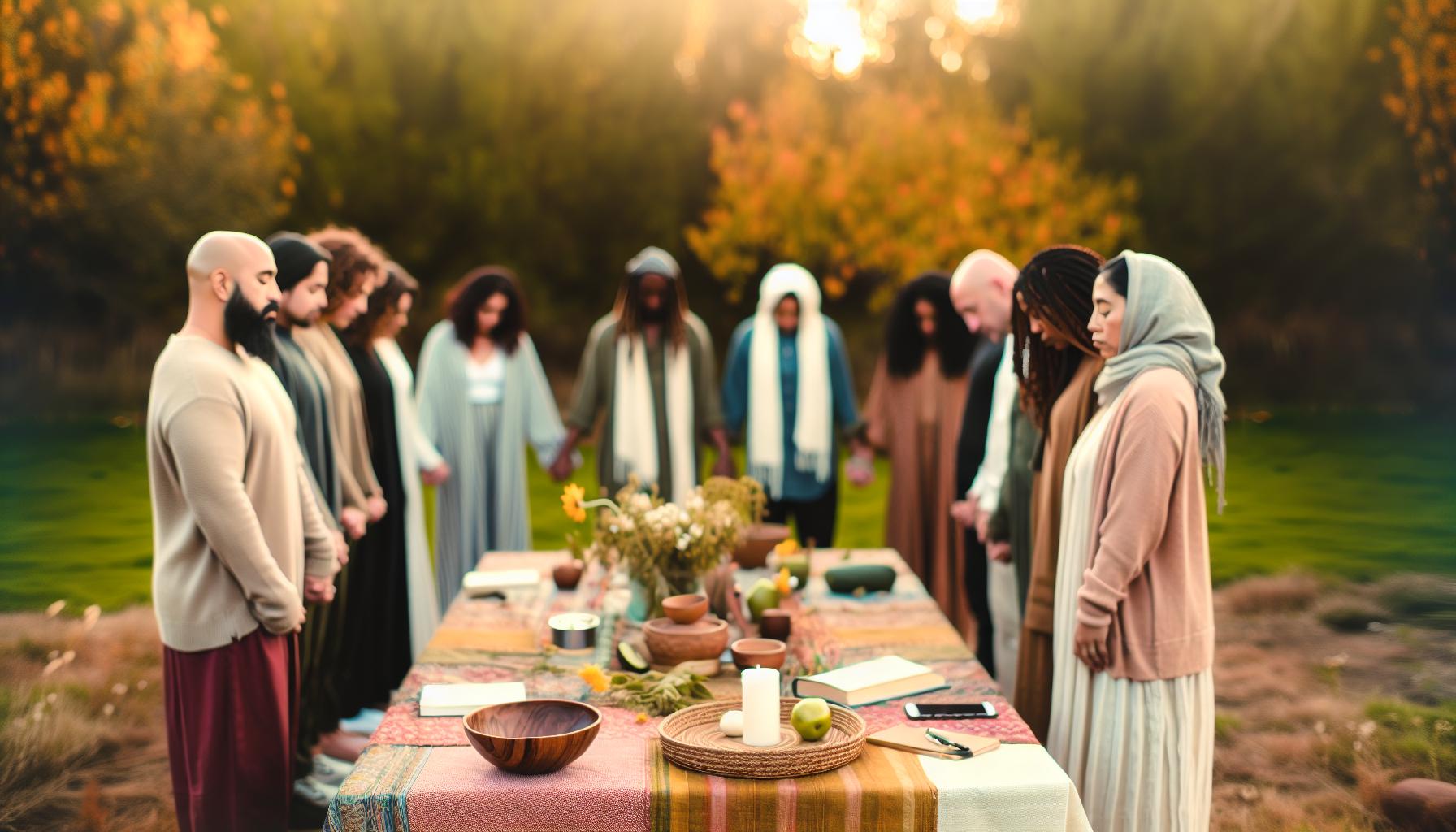
Biblical Foundations of Gratitude and Prayer
Gratitude is more than a polite expression; it is a vital part of the Christian faith, deeply embedded in the Scriptures. The Bible invites us not only to give thanks but also to recognize the character of God through our thankfulness. From the Psalms to the New Testament, scripture emphasizes a fundamental connection between gratitude and prayer, reminding us that thanksgiving is essential in our approach to God. This posture of thankfulness aligns our hearts with His and prepares us to experience the fullness of His grace and provision.
In an era where distractions abound, returning to the biblical foundations of gratitude can anchor our faith. In Psalm 100:4, we are encouraged to “Enter his gates with thanksgiving and his courts with praise; give thanks to him and praise his name.” This verse exemplifies how our prayerful gratitude is not only an acknowledgment of God’s blessings but also a pathway into deeper intimacy with Him. Furthermore, 1 Thessalonians 5:16-18 instructs us to “Rejoice always, pray continually, give thanks in all circumstances; for this is God’s will for you in Christ Jesus.” This trio of commands underscores the importance of maintaining a grateful spirit, regardless of life’s challenges.
Practically, adopting a grateful mindset can transform our daily lives. Consider keeping a gratitude journal where you jot down daily blessings, however small. This practice not only helps in cultivating awareness of God’s ongoing work but also provides a rich source of material for prayer. When we articulate our thankfulness in prayer, we are fulfilling a biblical directive while inviting God into the minutiae of our lives. Our prayers become infused with gratitude, reflecting an attitude that honors God and deepens our relationship with Him.
By grounding our prayer life in the biblical foundations of gratitude, we not only adhere to scriptural teachings but also experience transformative change within ourselves. As we cultivate a heart of thankfulness, we learn to see God’s hand in every circumstance, steering our focus from discouragement to hope, and thus thriving in our journey of faith.
Daily Practices for Expressing Thankfulness
Incorporating daily practices of thankfulness can transform your spiritual life and foster a deeper connection with God. Creating a habit of gratitude not only honors our Creator but also enriches our perspective on life’s challenges and blessings. By intentionally engaging in thankfulness each day, we align our hearts with God’s purpose and cultivate an attitude that reflects His goodness in all circumstances.
One effective practice is to start each day with a dedicated time of prayer and reflection on the things you are thankful for. You might want to keep a gratitude journal, where you can list three specific things each morning and evening that you appreciate. This simple act shifts your focus from what might be lacking to recognizing God’s provision and grace in your life. Additionally, incorporating scripture meditation can enhance this experience; reflecting on verses like Philippians 4:6-7, which encourages us to present our requests to God with thanksgiving, can deepen your understanding of how gratitude is intertwined with prayer.
Praying with Others
Another powerful way to express thankfulness is by gathering with family or friends for prayer. Sharing a designated time to pray for one another and acknowledge God’s blessings can strengthen your relationships and cultivate a spirit of gratitude within your community. Consider creating a “gratitude jar” where everyone can contribute notes of thankful moments or answered prayers throughout the week, which you can read together at the end of the week. This collective expression of thankfulness not only brings joy but also reinforces God’s faithfulness in your lives.
Mindfulness and Gratitude Reminders
In addition to structured prayer times, integrating moments of gratitude into your daily routine can be transformative. Set reminders on your phone or sticky notes in visible places with phrases like “What am I thankful for right now?” or “Praise Him for His goodness!” These nudges are simple yet effective ways to pause amidst a busy day and reflect on God’s blessings. You may also choose to use daily affirmations that emphasize your gratitude, reinforcing a positive mindset and encouraging you to live out your thankfulness.
By intentionally acknowledging God’s blessings through practical daily practices, you not only enhance your personal relationship with Him but also inspire those around you. Gratitude is a shared experience that has the power to uplift, encourage, and build community, reminding us that even in life’s demanding moments, God’s grace is ever-present.
Gratitude in Adversity: Prayers for Difficult Times
In the midst of life’s storms, when challenges seem insurmountable, the act of expressing gratitude can be a profound source of strength and solace. It may seem counterintuitive to give thanks during difficult times, but pursuing gratitude can reshape our perspective, helping us to see beyond our troubles. The Apostle Paul reminds us in 1 Thessalonians 5:16-18 to “rejoice always, pray continually, give thanks in all circumstances; for this is God’s will for you in Christ Jesus.” This is not merely a directive but an invitation to delve deeper into our relationship with God even amid adversity.
Praying with gratitude in tough times can take many forms. One powerful approach is to create a list of specific challenges you are facing and then counter each one with something you are grateful for. For example, if you are struggling with health issues, you might express gratitude for the support of loved ones who care for you. This practice can shift your focus from despair to hope, reminding you of God’s presence and faithfulness in your life. The simple act of writing down these contrasts can serves as a tangible reminder of God’s goodness, even when life feels heavy.
When faced with adversity, it’s also helpful to develop focused prayers that acknowledge your struggles while reflecting on God’s character and promises. A prayer might include phrases like, “Lord, I am struggling with this hardship, and yet I choose to thank You for Your unwavering love and support during this time.” This approach can cultivate a deeper intimacy with God, as you lay your burdens at His feet while simultaneously recognizing His unchanging nature. Additionally, scripture can serve as a source of encouragement; meditating on verses like Romans 8:28, which assures us that God works all things for our good, can provide solace even in the depths of difficulty.
Finally, reaching out to others during challenging times can foster community and promote collective gratitude. Organizing a prayer circle or inviting friends to share their experiences of God’s goodness can create a network of support that uplifts everyone involved. These communal expressions of gratitude not only solidify bonds among believers but also invite the presence of God, who inhabits the praises of His people (Psalm 22:3). Embracing gratitude alongside others in adversity can transform pain into purpose, revealing the beauty of God’s faithfulness in our lives.
Incorporating Gratitude into Family Prayer Life
Bringing gratitude into the family prayer life can foster a spirit of thankfulness that resonates throughout the home, creating lasting spiritual habits that benefit everyone. Establishing a routine where family members share what they are thankful for not only builds stronger bonds but also cultivates an attitude of appreciation for the blessings God has bestowed upon them. Engaging in gratitude during prayer can transform routine moments into profound experiences of connection and worship.
Here are some practical steps to incorporate gratitude into your family’s prayer life:
1. Create a Gratitude Prayer Jar
Assign a container as your “Gratitude Jar.” Encourage each family member to write down things they are grateful for on slips of paper. Set aside time during family prayer to read these notes aloud, allowing everyone to reflect on the many blessings in their lives. This can serve as a powerful reminder, especially during tough times, that God provides in countless ways.
2. The Thankfulness Circle
During family prayer time, initiate a “thankfulness circle” where each person takes turns sharing something they appreciate. This could be a blessing from the day, a loved one, or a personal achievement. This practice emphasizes positivity and opens up conversations about God’s goodness, making gratitude a focal point of family interactions.
3. Special Themed Prayers
Prepare themed prayers for certain occasions or challenges your family faces. For instance, during a difficult season, you might focus on gratitude for the strength and perseverance God provides. Tailoring prayers to your family’s specific situations allows for authenticity and connection, making gratitude a living part of your faith journey.
4. Scripture Integration
Incorporate Bible verses that highlight thankfulness into your prayer time. Passages like Philippians 4:6-7 remind us to present our requests to God with thanksgiving, fostering a sense of reliance on Him while being grateful. Reciting scripture as part of your prayers not only grounds your gratitude in biblical truth but also enriches your family’s understanding of God’s promises.
Incorporating these practices into your family’s prayer life does more than deepen your relationship with God-it strengthens familial ties and offers a foundation of faith that supports each member during life’s ups and downs. The discipline of expressing gratitude together nurtures a mindset that recognizes and celebrates God’s goodness, creating a home filled with joy, contentment, and love.
Thankfulness as a Spiritual Discipline
Cultivating a heart of thankfulness transforms our spiritual journey, guiding us to recognize and celebrate God’s presence in our lives. is not merely an act of saying thank you; it is a profound practice that shapes our mindset and deepens our relationship with God. By intentionally expressing gratitude, we align ourselves with biblical principles that encourage us to acknowledge the blessings, both big and small, that God provides daily. This discipline requires practice and commitment, but its rewards are immeasurable as it leads us to a more joyful and fulfilled Christian walk.
One effective way to cultivate thankfulness is through a structured routine of prayer and reflection. Begin by setting aside specific times each day dedicated to prayer focused solely on gratitude. Consider incorporating a “thankful journal” where you jot down blessings or moments of grace experienced throughout the day. Reflecting on these written notes not only emphasizes God’s faithfulness but also allows you to revisit and cherish these memories, reinforcing a mindset of appreciation. This practice can be especially life-changing during challenging times, reminding you of the good amidst trials, as encouraged in 1 Thessalonians 5:16-18.
Additionally, creating a physical space in your home for thankfulness can foster this spiritual discipline. Consider designating a corner for prayer filled with items that inspire gratitude, such as family photos, mementos of past blessings, or scriptures that speak to God’s goodness. Regularly revisit this space during your prayer time, allowing it to serve as a visual and spiritual reminder of God’s ongoing work in your life. Engaging with God through heartfelt thankfulness not only enriches your prayer life but also enhances your emotional and spiritual well-being, as your heart becomes attuned to God’s active presence.
Lastly, make a habit of expressing gratitude not just in private prayer but also in community. Share your thankfulness in group settings or family gatherings, encouraging others to do the same. This communal sharing can create an uplifting atmosphere and strengthen bonds as you collectively recognize and celebrate God’s blessings. Embracing illuminates our faith journey, helping us to see life through a lens of gratitude, which ultimately transforms our hearts and actions in profound ways.
Creative Ways to Pray with a Grateful Heart
Prayer has the extraordinary power to shift our focus from the chaos of life to the blessings we’ve received, creating space for gratitude to flourish. Engaging in creative expressions of thankfulness can deepen our connection with God and transform our hearts. Here are some innovative ways to pray with a grateful heart that can breathe fresh life into your spiritual routine.
Incorporate Scripture and Art
Combining scripture with artistic expression can foster a deeper appreciation for God’s Word and His blessings in our lives. Try creating a prayer wall where you can hang verses that resonate with themes of gratitude. Pair these scriptures with your own drawings, paintings, or even photographs that remind you of moments when God has moved in your life. This visual representation serves as a constant encouragement, leading you to praise God whenever you glance at it.
Use Daily Prayer Prompts
Consider using gratitude prompts to guide your prayer life. Each day, focus on a specific area in your life you’re thankful for-whether it’s your family, your work, or even simple pleasures like the beauty of nature. For example, you might dedicate one day to thanking God for the people in your life, reflecting specifically on how those relationships have enriched your journey. Writing these prompts down or keeping a gratitude jar where you add notes about what you’re thankful for each day can make these reflections more tangible.
Engage in Nature Walks
Nature provides a glorious backdrop for gratitude to unfold. Take regular walks in a park or along a nature trail, using this time to pray and express thanks for God’s creation. As you encounter the beauty of your surroundings-from flowers blooming to birds chirping-let each sight inspire a prayer of thanks. This not only connects you with God’s creation but also allows for a peaceful retreat from daily stresses, reinforcing the beauty in every moment.
Practice Community Gratitude
Joining together with friends or family for a gratitude prayer session can amplify the spirit of thankfulness. Encourage each person to share their blessings and offer spontaneous prayers of thanks for one another. This communal approach not only strengthens relationships but also fosters an atmosphere of joy and encouragement where everyone can witness God’s presence in each other’s lives.
Through these creative avenues, you can enrich your prayer life and cultivate an enduring heart of gratitude, illuminating both your spiritual journey and those of others around you. Embrace these practices, and watch as your perspective shifts, revealing the countless reasons to thank God each day.
Scripture Verses to Inspire Your Thankful Prayers
Incorporating scripture into your prayers of gratitude can transform your spiritual experience, offering a profound reminder of God’s goodness and faithfulness. The Bible is rich with verses that inspire thankfulness, guiding believers to express their appreciation for both big and small blessings. By reflecting on these scriptures, you open your heart to a deeper sense of gratitude, which can enrich your prayer life and strengthen your faith.
Verses to Enhance Your Thankful Prayers
Consider these uplifting verses that can serve as focal points in your prayers:
- 1 Thessalonians 5:16-18: “Rejoice always, pray continually, give thanks in all circumstances; for this is God’s will for you in Christ Jesus.” This verse encourages us to maintain a spirit of joy and thankfulness regardless of our circumstances.
- Philippians 4:6-7: “Do not be anxious about anything, but in every situation, by prayer and petition, with thanksgiving, present your requests to God.” This reminds us to include thankfulness even when bringing our troubles before God.
- Psalm 100:4: “Enter his gates with thanksgiving and his courts with praise; give thanks to him and praise his name.” This verse invites believers to approach God with gratitude as an essential part of worship.
- Colossians 3:15: “And let the peace of Christ rule in your hearts, since as members of one body you were called to peace. And be thankful.” Recognizing our call to peace can guide our prayers into a thankful state of mind.
Applying Scripture in Daily Prayer
To effectively integrate these verses into your prayers, consider creating a dedicated prayer journal or wall. You can write down the scripture that speaks to you and attach notes about specific blessings or situations for which you are grateful. This not only personalizes your gratitude but also allows you to revisit these scriptures regularly, fostering a habit of thanksgiving.
As you pray through these verses, take a moment to reflect on personal experiences related to each passage. For instance, when you meditate on Philippians 4:6-7, think of a recent challenge where you saw God’s provision. By anchoring your prayers in Scripture, you’ll find that your capacity for gratitude grows, leading to a more profound and enriching relationship with God.
The Role of Gratitude in Spiritual Growth
Experiencing gratitude is akin to unlocking a transformative power within one’s spiritual journey. As believers cultivate a heart of thankfulness, they discover that gratitude is not just a reaction to blessings but a vital practice that fosters spiritual growth. This profound interaction with God allows individuals to gain new perspectives on their lives and foster deeper connections with their faith community.
Gratitude leads us toward a more profound appreciation of God’s goodness, shaping our character and guiding our responses to life’s challenges. By consistently acknowledging God’s blessings, we nurture a living relationship with Him, as expressed in Colossians 3:17: “And whatever you do, whether in word or deed, do it all in the name of the Lord Jesus, giving thanks to God the Father through him.” This verse encapsulates the idea that every aspect of our lives can be infused with gratitude, becoming an offering of worship.
Moreover, thankfulness acts as a disarming force against negativity, anxiety, and despair. In moments of adversity, remembering past blessings through prayer can restore hope and clarify purpose. James 1:2-3 encourages believers to consider trials as opportunities for growth, reminding us that gratitude can shift our focus from problems to providence. As we embrace the practice of giving thanks-whether for the small joys of daily life or profound spiritual experiences-we open our hearts to God’s ongoing work in us.
Engaging in gratitude can also strengthen our relationships with others. By expressing thankfulness for the people in our lives and recognizing their contributions, we reflect God’s love and encouragement. Acts of gratitude-like sending a thoughtful note or offering words of affirmation-create an environment that fosters community and mutual support. In this way, gratitude not only enriches our spiritual lives but also enhances our connections with those around us, enabling us to walk together in faith.
Transforming Relationships Through Grateful Prayers
Gratitude is a powerful tool for transforming relationships, acting as a bridge that connects hearts and fosters understanding. When we engage in grateful prayers, we not only recognize the divine blessings in our lives but also express appreciation for the people who enhance our journey. By intentionally focusing on gratitude within our relationships, we cultivate an atmosphere of love, respect, and encouragement. This shift in perspective can alter the dynamics of our interactions, leading to deeper connections and healing where it is needed most.
One practical approach to enhancing relationships through gratitude is to implement a routine of thankful prayers for those we cherish. Consider setting aside time each week to thank God specifically for the traits and contributions of various individuals in your life. This could be a spouse, a child, a friend, or even a colleague. As you pray, reflect on their unique gifts and how these have enriched your life. This practice not only deepens your appreciation but also allows you to perceive them through a lens of positivity, which can influence your behavior toward them. A simple prayer might be, “Lord, thank You for [name], for their kindness and encouragement. Help me to express my appreciation for them more often.”
Furthermore, incorporating gratitude into your conversations can greatly enrich relationships. Share what you appreciate about others openly, whether through a heartfelt message, a note, or a simple compliment. This practice reflects God’s love and the spirit of thankfulness that He desires in our lives. As mentioned in 1 Thessalonians 5:18, “Give thanks in all circumstances; for this is God’s will for you in Christ Jesus.” By acknowledging the contributions of those around us, we not only uplift them but also build a supportive community grounded in love and mutual acknowledgment.
In moments of conflict or misunderstanding, let gratitude be your guide. Recall the times you have shared joy and the reasons you value the other person. This can soften your heart and pave the way for reconciliation. Demonstrating gratitude, even in challenging circumstances, allows God’s grace to work through you, transforming resentment into forgiveness and bridging the gaps that may have formed. By focusing on thankfulness, you effectively choose to nurture relationships rather than allowing them to wither due to unresolved issues.
Embracing grateful prayers enriches your spiritual journey and transforms your relationships into vibrant expressions of God’s love. Through the practice of thankfulness, we invite not only personal growth but also a flourishing community built on connection, trust, and faith.
Celebrating God’s Goodness: testimonies of Gratitude
In a world often marked by chaos and uncertainty, the power of gratitude shines as a beacon of hope and renewal. Countless believers have shared testimonies of how acknowledging God’s goodness through thankfulness has transformed their lives, refocusing their hearts and minds on His abundant blessings. These stories serve as powerful reminders of the ways in which expressing gratitude can lead to deeper faith, enhanced relationships, and a profound sense of peace amidst life’s storms.
One compelling testimony came from a mother in a challenging season of parenting. She recounts how, during her child’s illness, she began writing down three things each day for which she was thankful. This simple practice revealed countless moments of grace-supporting friends, unexpected joy, and the small victories of each day. In her vulnerable state, she discovered that gratitude not only lifted her spirits but also anchored her to God’s faithfulness. This newfound perspective allowed her to approach both her child’s recovery and her daily trials with a heart full of hope and resilience.
Another powerful story emerges from a couple navigating financial hardships. They chose to pray together each night, specifically thanking God for their jobs, the roof over their heads, and the community that supported them. Through this practice, they found encouragement and strength, enabling them to lean on each other and trust in God’s provision. Gradually, their financial situation improved, but more importantly, their relationship deepened. Their testimony illustrates that gratitude can create a foundation for mutual support and love, reinforcing their commitment to face challenges as one.
As believers share such testimonies, it becomes evident that celebrating God’s goodness amplifies our awareness of His presence in our lives. When we recount our blessings, whether large or small, it shapes our outlook, encourages joy, and invites a communal spirit of worship. Each story reflects a unique journey, yet they all converge in the truth that gratitude can ignite transformation.
Consider your own life-what are the moments you can highlight in thankfulness? As you recount your blessings, know that you are participating in a tradition that spans centuries, resonating with psalms and prayers of believers through the ages. Together, let us celebrate God’s goodness, not only for what He has done but for who He is-a faithful, loving presence at every moment of our lives.
Frequently Asked Questions
Q: What are effective prayers of thankfulness?
A: Effective prayers of thankfulness often include specific recognition of blessings and gratitude for God’s grace. For example, start by acknowledging God’s provision in your life, and express heartfelt thanks for family, friends, and faith. Personalizing your prayers makes them more meaningful and impactful on your spiritual journey.
Q: How can gratitude transform my prayer life?
A: Gratitude can transform your prayer life by shifting your focus from requests to appreciation, fostering a deeper connection with God. Regularly practicing thankfulness nurtures joy and peace, enhancing your overall prayer experience. Consider using gratitude journals to document your blessings and deepen your engagement in prayer.
Q: Why is gratitude important in prayer?
A: Gratitude is vital in prayer as it acknowledges God’s goodness and faithfulness. It cultivates a humble heart, reminding us of our dependence on Him. Regularly including thankfulness in your prayers can lead to a more profound sense of peace and fulfillment, fostering spiritual growth and resilience.
Q: When should I incorporate thankfulness into my prayers?
A: Incorporate thankfulness into your prayers daily, not just during Thanksgiving or hardships. Start each prayer session by expressing gratitude, whether in personal reflection or family prayers. This practice can create a habit that enriches your connection with God and transforms your spiritual routine.
Q: What are some examples of prayers of gratitude in the Bible?
A: Examples of gratitude in the Bible include Psalm 100, which encourages joyful worship and thanksgiving, and Philippians 4:6, which advises to present requests with thanksgiving. These scriptures inspire us to express heartfelt appreciation, providing a beautiful framework for developing our own prayers of thankfulness.
Q: How can I teach my children to pray with gratitude?
A: Teach your children to pray with gratitude by modeling thankfulness in your own prayers. Encourage them to make a list of things they are thankful for and incorporate these into family prayers. This can help them understand the importance of expressing gratitude and strengthen their prayer life.
Q: What role does gratitude play in overcoming adversity through prayer?
A: Gratitude plays a crucial role in overcoming adversity through prayer by fostering hope and resilience. A thankful perspective encourages acceptance of difficulties and opens the heart to God’s healing. By focusing on blessings even during tough times, you can cultivate strength and faith.
Q: How can I incorporate scripture into my prayers of thankfulness?
A: Incorporating scripture into prayers of thankfulness can enhance their depth and significance. Choose verses that resonate, such as Colossians 3:17, and weave them into your prayers. Reflecting on God’s word during prayer helps ground your gratitude in biblical truth and fuels your spiritual growth.
In Conclusion
Thank you for joining us on this journey through “Prayers of Thankfulness: Gratitude That Transforms Hearts.” Remember, embracing gratitude not only changes our perspective but also deepens our relationship with God. If you’re inspired to continue growing in your faith, explore our related articles on prayer life and biblical devotionals. Don’t miss out on our upcoming content about nurturing a Christ-centered marriage and parenting with purpose.
Take a moment to reflect and share how gratitude has impacted your life in the comments below-we’d love to hear your story! If you’re looking for more tools to support your spiritual journey, consider signing up for our newsletter for exclusive resources and encouragement straight to your inbox. Thankfulness transforms hearts, so let’s cultivate this practice together!


![Devoted Health Provider Portal: [Not applicable for Christian content]](https://christiancitychurch.eu/wp-content/uploads/2025/09/7285-devoted-health-provider-portal-not-applicable-for-christian-content-300x171.jpg)