In the heart of the Catholic faith, the prayers of the Mass hold a profound significance, inviting believers into a sacred dialogue with God. These prayers encapsulate the essence of liturgical worship, connecting us through time and tradition to the very foundations of our faith. As we explore the structure and meaning behind these prayers, we uncover their ability to enhance our understanding of the Divine and deepen our relationship with Christ. Whether you seek to enrich your personal prayer life or engage more fully in communal worship, understanding the sacred liturgy is essential. Join us on this journey to unlock the spiritual treasures hidden within the prayers of the Catholic Mass, fostering not only knowledge but also a heart transformed by the love of God.
Contents
- 1 Understanding the Catholic Mass: A Brief Overview
- 2 The Significance of Prayer in Catholic Liturgy
- 3 Breaking Down the Structure of the Mass
- 4 Exploring Key Prayers of the Catholic Mass
- 5 The Role of the Eucharist in Catholic Worship
- 6 How the Liturgical Seasons Influence Mass Prayers
- 7 The Importance of Intentions and Intercessions
- 8 Understanding the Language of the Mass Prayers
- 9 Exploring the Historical Roots of Mass Prayers
- 10 The Spiritual Benefits of Participating in Mass
- 11 Encouraging Personal Prayer Life Through the Liturgy
- 12 Enhancing Your Worship Experience: Tips and Insights
- 13 Faq
- 14 Concluding Remarks
Understanding the Catholic Mass: A Brief Overview
The Catholic Mass stands as one of the most profound expressions of faith within the Church, weaving together a rich tapestry of scripture, tradition, and communal worship that reflects the life of Jesus Christ. At its core, the Mass is a sacred liturgy where believers gather to encounter God through the Word and the Eucharist. This connection to the divine nourishes the soul and reinforces the essence of community and shared beliefs. By participating in the Mass, the faithful engage in a time-honored ritual that spans centuries, embodying the Church’s teachings and sustaining its mission of love and service.
Central to the experience of the Mass are the various prayers that structure and shape the liturgical celebration. These prayers-ranging from introductory rites to the concluding blessings-serve to prepare the worshippers’ hearts and minds for an encounter with God. For instance, the Penitential Act invites individuals to reflect on their shortcomings and seek God’s mercy, fostering a spirit of humility and repentance. The Lord’s Prayer, recited as a communal act, reinforces the shared identity and mission of the congregation as it invokes God’s will and provision for all believers. Through these sacred words, congregants find a rhythm that unites them in worship while inviting personal reflection and community solidarity.
Moreover, the significance of prayer throughout the Mass cannot be overstated. Each prayer echoes the themes of gratitude, supplication, and praise, allowing the faithful to articulate their reverence for God while drawing closer to Him. As worshipers lift their voices in unison, they not only express personal devotion but also become part of a larger, living body of Christ. This collective prayer experience enhances the sacredness of the Mass, helping participants to realize that they are not alone in their spiritual journeys but are supported by a community of faith.
In understanding the Catholic Mass, it becomes evident that each moment, each prayer, is infused with purpose. Whether it’s the solemnity of the Eucharistic celebration or the lively hymns sung in praise, every aspect of the Mass is designed to deepen one’s relationship with God. As you engage with the prayers of the Mass, seek to immerse yourself fully in this spiritual rhythm, letting it guide you closer to a life of love, service, and unwavering faith.
The Significance of Prayer in Catholic Liturgy
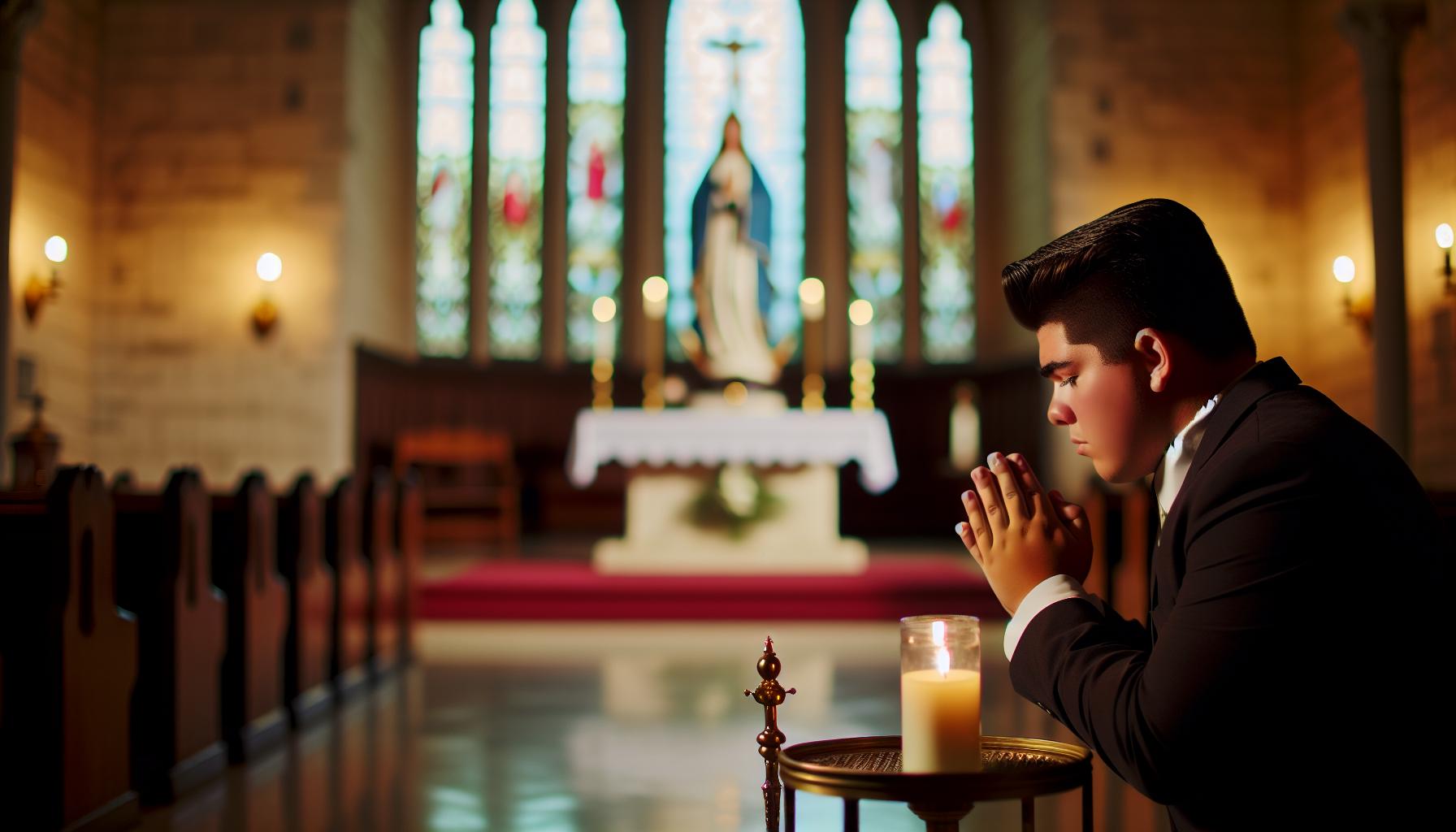
Prayer is the lifeblood of the Catholic Mass, weaving together individual and communal experiences into a tapestry of faith that connects worshipers to God. Each prayer offered during the liturgy serves a distinct purpose, drawing the faithful into deeper communion with the Divine while nurturing the worship community. At its core, prayer in the Mass is an invitation to engage with God in a meaningful way; it reflects the Church’s belief that every moment spent in prayer brings believers closer to their Creator and cultivates a spirit-filled life.
The Role of Prayer in Personal and Communal Faith
The prayers of the Mass are designed to not only articulate personal devotion but also to foster a sense of unity among the congregation. When the community prays together, it creates a collective experience that echoes the early Church’s practice of coming together to worship. For example, as worshippers recite the Lord’s Prayer in unison, they embody a shared plea for guidance and sustenance, recognizing that they are part of a greater whole-one body in Christ. This reinforces the importance of community in the Christian journey, inviting participants to support one another in both joy and struggle.
Moreover, the structure of the Mass emphasizes varied forms of prayer, including adoration, confession, thanksgiving, and supplication. This multifaceted approach allows individuals to express their hearts fully, bringing their joys and sorrows before God. Each prayerful moment serves as a spiritual anchor, enabling worshippers to reflect on their lives and ask for divine assistance. During moments of silence, for instance, parishioners are encouraged to breathe, reflect, and offer personal intentions, reminding them that prayer is a two-way communication with God, inviting His presence and peace into their lives.
Practical Guidance for Prayer in Mass
To deepen the experience of prayer during the Mass, participants can consider the following practices:
- Prepare Spiritually: Prior to attending Mass, take time to quiet your heart and mind. Reflect on prayer intentions you would like to bring before God.
- Engage Actively: Follow along with the prayers, responding heartily to the congregational responses. This engagement enhances the sense of community and connection.
- Reflect on the Prayers: After Mass, take time to consider the prayers said during the liturgy. What resonated with you? How can you incorporate those themes into your daily prayer life?
- Practice Personal Prayer: Use the structure and intentions of the Mass prayers as a foundation for your personal prayer time throughout the week.
extends beyond the walls of the church, encouraging believers to cultivate a robust prayer life in their everyday interactions. By nurturing a habit of prayer that is rooted in the rich tradition of the Mass, the faithful can continue to grow in faith, understanding, and love, reflecting God’s presence in the world around them.
Breaking Down the Structure of the Mass

The Catholic Mass is a beautifully orchestrated liturgical celebration that invites congregants to encounter the divine mystery of faith. This structured ritual is deeply rooted in tradition, weaving together various elements that nourish both personal spirituality and communal worship. Understanding its components not only enhances participation but also enriches one’s prayer life and connection to God.
The Mass is divided into two main parts: the Liturgy of the Word and the Liturgy of the Eucharist. Each section serves a distinct purpose, fostering a deepened understanding and appreciation of the faith. During the Liturgy of the Word, the faithful listen to the readings from Sacred Scripture, including the Old Testament, the Psalms, and the Gospel. This is a time for reflection and learning, culminating in the Homily, where the priest expounds on the readings to help the community connect the messages to their daily lives. The Universal Prayer that follows invites the congregation to intercede on behalf of different needs in the world, fostering a spirit of unity and compassion.
Transitioning to the Liturgy of the Eucharist, participants witness the profound mystery of the Eucharist where the bread and wine are consecrated and become the Body and Blood of Christ. This sacred act not only commemorates the Last Supper but also embodies the ultimate expression of gratitude to God. The prayers during this part, including the Eucharistic Prayer, are pivotal as they focus on thanksgiving and remembrance, and are meant to engage the entire assembly in a moment of sacred reverence. Finally, the Mass culminates in the Dismissal, empowering the congregation to go forth and live out their faith in everyday life, reflecting the teachings of Christ.
By embracing this structure, individuals and communities can deepen their appreciation for the Mass as a transformative experience, not just a ceremonial obligation. Actively participating in the liturgy-through prayer, singing, and reflection-enables each person to engage with God’s grace, fostering both individual spirituality and communal unity. As you attend Mass, consider how each part speaks to your relationship with God and the Church, and let that understanding guide your prayers throughout the week.
Exploring Key Prayers of the Catholic Mass
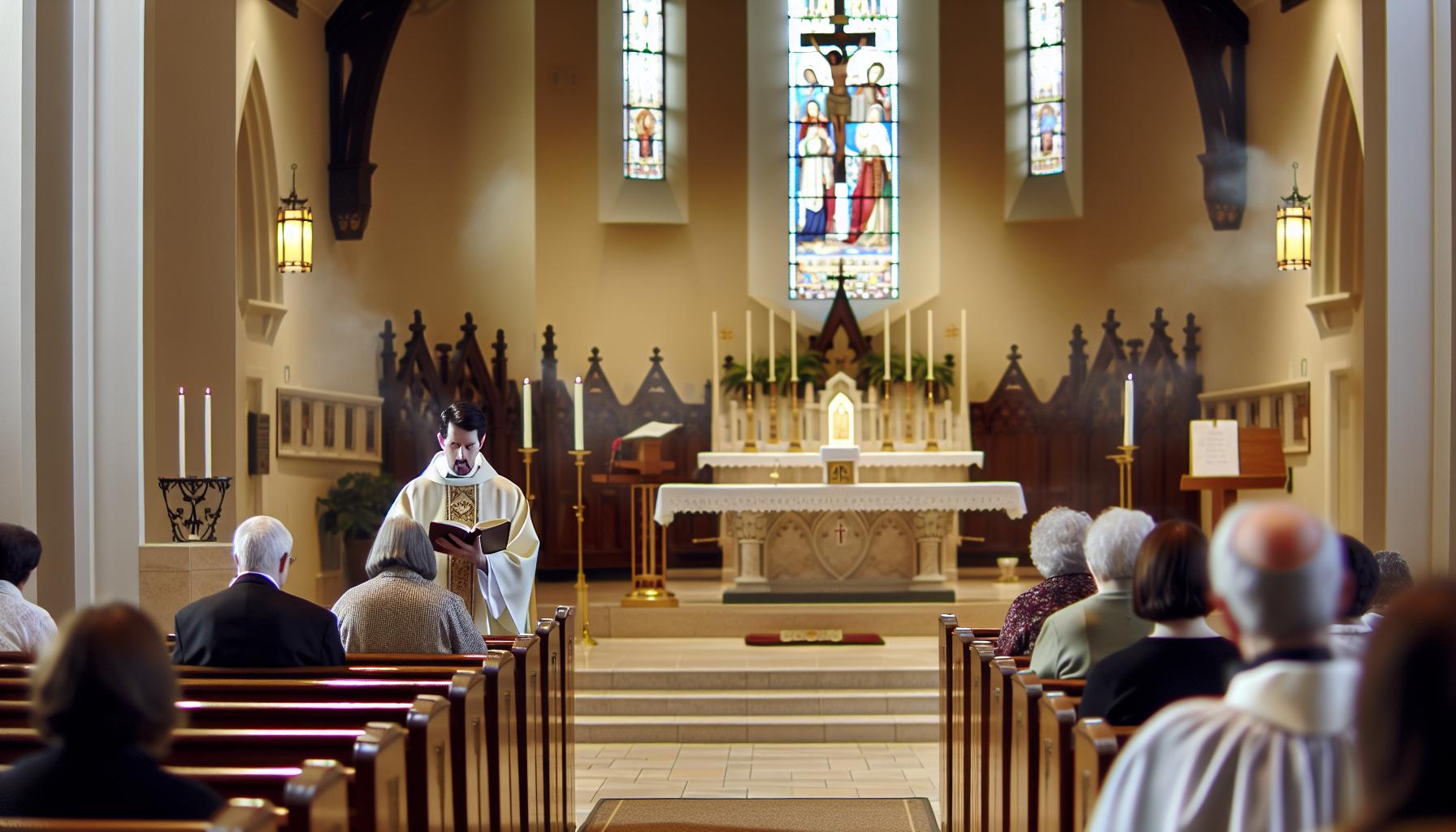
The rich tapestry of prayer in the Catholic Mass serves as a powerful vehicle for expressing faith, fostering communal connections, and deepening individual relationships with God. From the moment congregants enter the sacred space, they are enveloped in a rhythm of prayers that guide their hearts and minds towards a profound encounter with the divine. Each prayer is not merely a recitation but an invitation to share in the sacredness of the moment and unite as one body in Christ.
One key prayer that stands at the center of the Mass is the Penitential Act, where the faithful acknowledge their sins and ask for God’s mercy. This moment of humility sets the tone for the celebration, reminding participants of their need for grace and forgiveness. It fosters an environment of honesty and sincerity, essential for spiritual growth. Following this, the Gloria proclaims the glory of God, shifting the focus from personal reflection to an exaltation of divine splendor. This jubilant hymn elevates the spirit of the congregation, creating a communal voice of praise.
As the liturgy progresses, the Eucharistic Prayer emerges as the highlight of the Mass. This prayer, filled with thanksgiving and remembrance, details the miraculous transformation of bread and wine into the Body and Blood of Christ. It is a profound moment where the congregation participates in the Last Supper, linking past and present in their shared faith. The Our Father further encapsulates the essence of Christian life, summarizing the call to community, discipleship, and dependence on God. This prayer prompts a collective yearning for unity and a deepened commitment to live out Christ’s teachings.
Overall, the prayers of the Mass are far more than ritualistic traditions; they are living expressions of faith that encourage reflection, promote community, and deepen one’s relationship with God. As parishioners engage with these prayers, they are granted the opportunity to not only deepen their spirituality during the Mass but also carry these sentiments into their daily lives, fostering a continuous conversation with God throughout the week. By acknowledging and practicing these sacred prayers, one can truly experience the transformative power of the liturgy in shaping their faith journey.
The Role of the Eucharist in Catholic Worship

In Catholic worship, the Eucharist stands as the heart of the liturgical celebration, a central act of communion that connects the faithful not only with Christ but also with each other as a community of believers. When the priest pronounces the words of consecration during the Mass, a miraculous transformation occurs wherein the bread and wine become the Body and Blood of Jesus Christ. This act is not merely a ritual; it is a profound mystery that invites the faithful to enter into the very essence of their faith, reflecting Jesus’ sacrifice and His invitation to have a personal relationship with Him.
The Eucharist serves multiple roles in enhancing the worship experience and spiritual life of Catholics. Firstly, it is a sacrament of unity. By sharing in the Eucharist, congregants experience a deep spiritual communion, reinforcing the belief that they are all part of the body of Christ. This is encapsulated in 1 Corinthians 10:17, which states, “Because there is one bread, we who are many are one body, for we all share the one bread.” This unity transcends cultural and social divides, reminding everyone that they are invited into one family under God’s grace.
Moreover, the Eucharist becomes a source of nourishment for the soul. As believers receive the sacrament, they are spiritually fed and strengthened to live out their faith in the world. It empowers them to embody Christ’s love and compassion in their daily interactions. The Vatican II document, Lumen Gentium, notes that the Eucharist is the source and summit of the Christian life, emphasizing its fundamental importance in shaping a believer’s spiritual journey. Each Communion strengthens the faithful to witness to their faith, engage in acts of service, and deepen their personal prayer life.
The act of receiving the Eucharist also fosters personal reflection and transformation. As Catholics approach the altar, they are encouraged to prepare their hearts through prayer, focusing on the gift of grace they are about to receive. This moment calls for introspection regarding one’s relationship with God and others, urging congregants to strive for holiness and reconciliation in their lives. After Communion, the practice of silent prayer or hymns provides a sacred space for gratitude and contemplation, allowing individuals to absorb and appreciate the gifts offered through this blessed sacrament.
Engaging fully with the Eucharist can be a transformative experience, encouraging believers to live a life centered in Christ. By understanding and appreciating the profound significance of the Eucharist, Catholics can deepen their commitment to their faith, recognizing that they are continually invited to partake in this sacred celebration that nourishes their spirits and unites them with the divine.
How the Liturgical Seasons Influence Mass Prayers
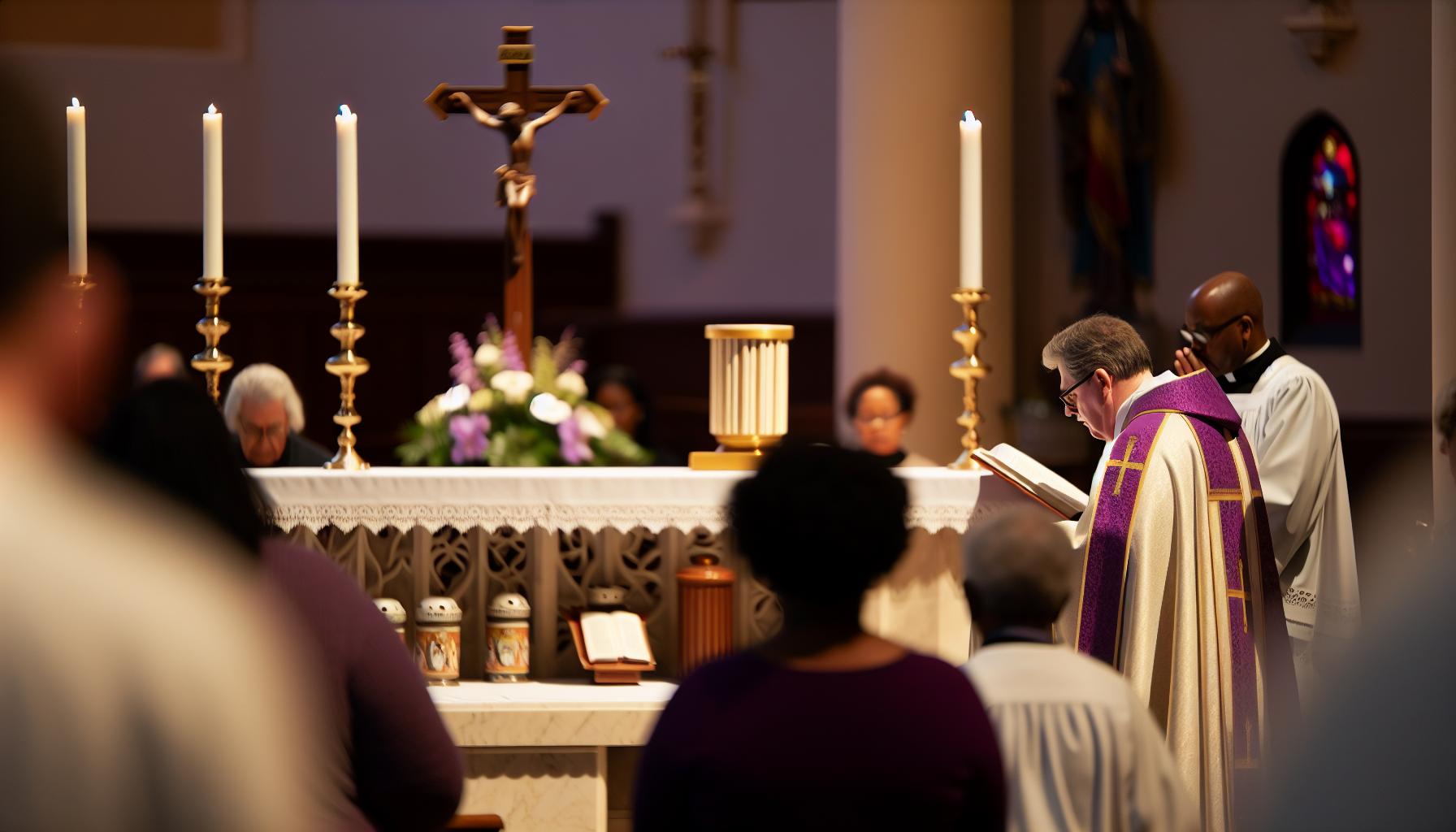
The rhythm of the Church year is beautifully orchestrated through the liturgical seasons, each bringing its distinct character and significance to the Mass prayers. As Catholics gather for worship, the prayers they recite not only mirror the theological themes of each season but also invite the faithful into a deeper understanding of their journey with Christ. For example, during the Advent season, the prayers are imbued with anticipation and hope, reflecting a longing for the coming of Christ. This is a time when Catholics are encouraged to cultivate a spirit of expectancy as they prepare their hearts for the celebration of the Nativity.
In contrast, the season of Lent ushers in a tone of penitence and reflection. The prayers during this period often emphasize themes of repentance and transformation, guiding believers to confront their own shortcomings and seek reconciliation with God. The *Collect* and *Prayers of the Faithful* during Lent call the community to a greater awareness of their spiritual needs, reminding them of the call to sacrifice and self-denial. As the faithful journey towards Easter, the language of these prayers echoes their spiritual preparation and the ultimate promise of resurrection.
Seasonal Expressions in Prayer
The liturgical seasons shape not just the prayers in Mass but also the responses and the verses sung during worship. For instance, in the Easter season, the joyous proclamation of the Resurrection is palpable in the prayers, filled with exultation and hope. The *Eucharistic Prayer* shifts to celebrate the joy that Christ brings, intertwining themes of victory over sin and death with gratitude for the gift of salvation. These elements serve to uplift the spiritual health of the assembly, fostering a collective joy that is essential in Christian worship.
It’s also beneficial to recognize how personal and communal prayers reflect seasonal themes. Believers can enhance their prayer lives by aligning their personal devotions with the liturgical calendar, using resources such as *Lenten reflections* or *Advent novenas*. This practice not only enriches individual spirituality but also harmonizes personal prayer with the communal worship celebrated at Mass, creating a holistic experience that deepens one’s relationship with God throughout the year.
Ultimately, the liturgical seasons and their corresponding prayers guide Catholics in living out their faith actively and joyfully. By understanding and engaging with these seasonal influences, individuals can cultivate a richer spiritual life that reflects the rhythm of Christ’s journey, encouraging a robust prayer life that permeates their everyday encounters and relationships.
The Importance of Intentions and Intercessions
In the unfolding narrative of the Catholic Mass, intentions and intercessions play a pivotal role, forming the bridge between communal worship and individual spiritual needs. These elements not only highlight the Church’s responsibility to intercede for the world but also remind us of our shared journey as a community of believers. As the Mass transitions from the Liturgy of the Word to the Liturgy of the Eucharist, intentions and intercessions serve as a profound moment of connection where the faithful raise their voices together, seeking divine grace and mercy for themselves and others.
During the Prayers of the Faithful, often referred to as the Universal Prayer, participants are invited to bring forth their intentions, reflecting a spectrum of concerns that resonate in their lives-from personal needs to global challenges. This segment of the Mass is where we recognize not only our own hardships but also the struggles of those around us. It transforms the experience of worship into an active participation in the Lord’s covenant, reinforcing the belief that no one stands alone in their trials. By praying for others, we embody the spirit of Christ, who intercedes on our behalf, exemplifying the call to love and serve our neighbors as ourselves.
The effectiveness of intentions and intercessions lies in their communal character. As the congregation unites their voices in prayer, they participate in a sacred tapestry of hope. Each petition allows individuals to voice their faith, concerns, and gratitude, creating a communal identity rooted in love and compassion. It invites a deeper awareness of our connectedness to one another as members of the Body of Christ. This practice can also extend beyond the walls of the church as families are encouraged to bring intentions into their daily prayers, fostering a culture of intercession in their homes.
Engaging in the practice of intentions and intercessions not only enriches the liturgical experience but also deepens personal faith. Individuals are encouraged to create their own prayer intentions, perhaps writing them down in a journal or sharing them with family and friends. This active engagement in prayer life strengthens the belief in the transformative power of prayer, reminding believers that their voices, when united in faith, can bring about spiritual renewal both in themselves and in the world around them. Ultimately, intentions and intercessions are a vital reminder that prayer is a lifeline and a vehicle of grace, enabling believers to grow in love, faith, and solidarity.
Understanding the Language of the Mass Prayers
In the sacred setting of the Mass, the language of prayer serves as a channel for the faithful to express their deepest longings, confessions, and praises to God. Each word, crafted with purpose, resonates not just as mere phrases but as profound encounters with the divine. The prayers of the Mass, steeped in centuries of tradition, are rich in theological significance and offer a unique glimpse into the heart of Catholic worship. When we delve into the language of these prayers, we unlock a treasure trove of meaning that enriches our faith journey.
Understanding the nuances of these prayers begins with recognizing their origins. Many Mass prayers draw directly from Scripture, firmly rooting the liturgy in God’s Word. For example, the Gloria, a hymn of praise to God, echoes the angelic declaration to the shepherds at Christ’s birth, highlighting our collective call to worship. As congregants recite the Nicene Creed, they affirm essential doctrines of faith using a language that has shaped Christian belief through the ages. This connection to Scripture and tradition reinforces the timeless nature of the Mass, linking contemporary worshippers with the early Church.
Moreover, the structure of the Mass prayers is designed to guide the faithful through a spiritual journey. The progression from the introductory rites to the Liturgy of the Word and onto the Liturgy of the Eucharist illustrates a movement from personal preparation to community celebration. Each prayer punctuates this journey, inviting participation and reflection. For instance, the Eucharistic Prayer, which contains profound theological expressions, invites the assembly to unite their hearts and voices in offering thanksgiving to God – a beautiful reminder that collective worship can elevate individual experiences into a shared sacred encounter.
The beauty of the language goes beyond traditional texts; it also invites personal engagement. Worshippers are encouraged to meditate on the prayers, reflecting on their meanings. Utilizing resources such as reflective journals or guided prayer materials can enhance personal understanding and enrich one’s spiritual life. By incorporating the themes found in Mass prayers into daily prayer routines, believers can cultivate a deeper relationship with God that extends beyond the walls of the church.
Ultimately, the language of the Mass prayers provides both a framework for worship and a means for personal communion with God. Each prayer is a chance to encounter the divine intimately, uniting our voices in a symphony of faith, gratitude, and adoration. Embracing this language not only nurtures spiritual growth but also cements our role as a community gathered in Christ’s love. As we navigate our faith journeys, let us treasure these sacred words, allowing them to illuminate our paths with grace and truth.
Exploring the Historical Roots of Mass Prayers

The prayers of the Catholic Mass have a rich tapestry woven from centuries of faith, scripture, and communal worship. Understanding their historical roots not only deepens our appreciation for these sacred words but also connects us with the countless faithful who have stood in prayer throughout the ages. Many prayers used in the Mass can be traced back to the early Church, where the community sought to articulate its beliefs in response to the transforming power of Christ.
Historical Development
From the earliest gatherings of Christians, prayers were crafted to reflect the life of Jesus and the experiences of the apostles. Early liturgies were heavily influenced by Jewish prayer practices, adapting traditional forms such as blessings and psalms to fit the context of the new faith. As Christianity spread across the Roman Empire, local variations emerged, leading to the development of distinct liturgical traditions. This diversity enriched the prayers of the Mass, allowing them to retain unique regional flavors while remaining centered on core doctrines.
For instance, the formulation of the Nicene Creed during the 4th century arose from the need to clarify essential beliefs against the backdrop of heretical teachings. This prayer not only unites Catholics today but also serves as a historical witness to the early Church’s commitment to affirming the truth of the Gospel amidst challenges.
The Influence of Scripture
Throughout history, the incorporation of scripture into the prayers of the Mass has been paramount. Many elements, such as the Gloria and various other responses, echo passages from the Bible, providing continuity from the Old and New Testaments into contemporary worship. The use of scriptural language in these prayers invites the congregation to engage deeply with the word of God, reflecting the belief that scripture is alive and active in the liturgical life of the Church.
As worshippers recite these prayers, they not only recall the great narrative of salvation but also participate in a tradition that dates back to the foundational moments of their faith. This connection can profoundly enhance our experience of the Mass, reminding us that we are part of something greater than ourselves-a community of believers stretching across time and space.
Embracing Tradition
Acknowledge the historical roots of Mass prayers encourages a respect for tradition in today’s worship. As you delve into the meanings and origins of prayers, you may find inspiration for your personal prayer life. Consider incorporating elements from the Mass into daily prayers or family devotions at home. Here are some practical ways to do this:
- Reflect on the Scriptures: Spend time reading the passages that correspond with the Mass readings, allowing the words of the liturgy to guide your reflection.
- Use Traditional Prayers: Recite the Our Father, Hail Mary, or other traditional prayers daily to maintain a connection with the historical roots of your faith.
- Engage in Family Prayer: Incorporate elements of the Mass into family prayer, fostering a spirit of unity and reverence in your home.
By embracing the historical roots of Mass prayers, we not only enrich our own faith journeys but also strengthen our communal worship experience. This deep connection to our past nurtures our present spirituality, inviting us to grow in faith together.
The Spiritual Benefits of Participating in Mass
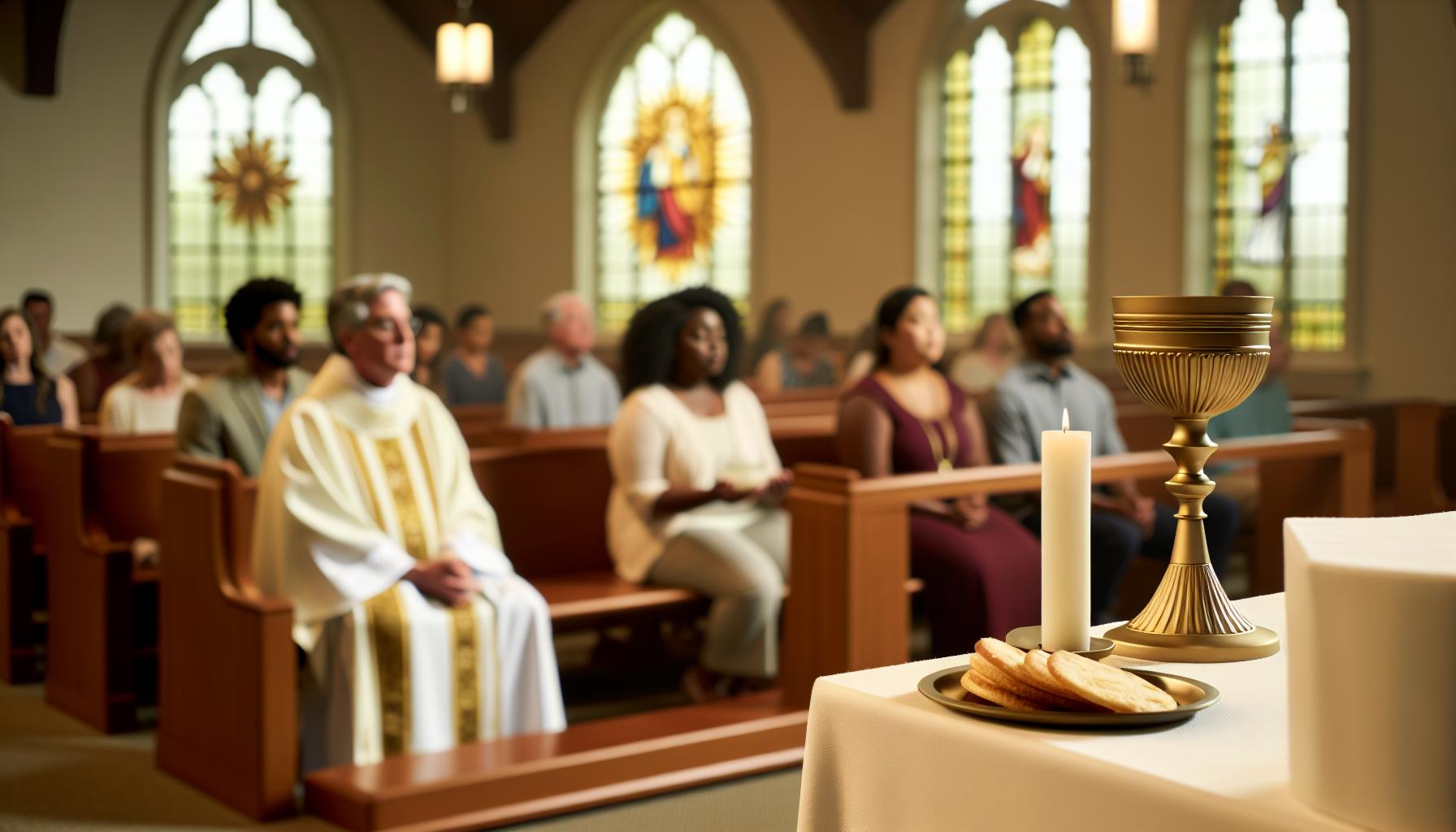
Participating in the Mass is not just a routine or obligation; it represents a profound opportunity for spiritual renewal and connection with the divine. Many believers find that regularly attending Mass enriches their faith journey, grounding them in a community that celebrates and reinforces their beliefs. Each element of the liturgy serves as a means to deepen one’s relationship with God, fostering a sense of peace and purpose that lingers long after the service has ended.
In the vibrancy of the Mass, worshipers encounter a sacred rhythm that resonates with their hearts. Through communal prayers, such as the Our Father and the Nicene Creed, individuals affirm their faith collectively, feeling the strength of unity as they join in worship with others. This shared experience creates a powerful bond within the community, reminding participants that they are part of a greater whole, all striving towards a common goal of holiness and love.
Moreover, the Eucharist stands at the heart of the Mass, offering a unique spiritual nourishment that goes beyond physical sustenance. By receiving the Body and Blood of Christ, believers partake in a mystery that not only strengthens their spiritual lives but also deepens their commitment to live out Christ’s teachings in daily life. This sacramental grace equips individuals to face challenges, promotes personal growth, and inspires acts of charity and service to others.
To truly immerse oneself in the benefits of the Mass, consider integrating reflection into your weekly routine. Here are some practical steps to enhance your spiritual experience:
- Arrive Early: Use the time before Mass to pray, meditate, or quietly reflect on the readings for the day.
- Engage with Scripture: Familiarize yourself with the Sunday readings. Contemplate how they apply to your life, allowing God’s Word to speak to your circumstances.
- Practice Intentional Participation: Actively engage in the liturgical responses, hymns, and prayers. Let each word and movement draw you deeper into the worship experience.
- Embrace Community: Connect with other parishioners, forming friendships that encourage spiritual growth and community support beyond the church walls.
By cultivating this intentional approach to the Mass, worshipers can unlock its spiritual benefits, resulting in a richer, more meaningful faith journey that nurtures the soul and bridges the gap between heaven and earth.
Encouraging Personal Prayer Life Through the Liturgy

Participating in the liturgical life of the Church can serve as a powerful catalyst for enhancing personal prayer. While the prayers of the Mass are rich in tradition and meaning, they also offer a framework that can guide individual prayer life beyond the walls of the church. Engaging with liturgical prayers allows worshipers to deepen their relationship with God, helping them to articulate their own thoughts and feelings in prayer while drawing inspiration from sacred texts.
One of the most profound aspects of the Mass is its structured flow, which mirrors our own daily lives in its rhythms of joy, sorrow, and hope. Incorporating the themes from the readings into personal prayer can be an effective way to maintain a connection with the divine throughout the week. For instance, after attending Mass, take a moment to reflect on the homily or the Scriptures. Ask God how these messages can apply to your daily circumstances, engaging in a dialogue that transforms attendance into an active, reflective prayer life.
Another approach is to use the prayers recited during Mass as a template for personal petitions. The Prayers of the Faithful, for example, can be a source of inspiration for your own intercessions. Craft your prayer intentions based on the needs of your family, friends, and community while incorporating the broader themes that resonate during Eucharistic celebrations. This practice not only keeps you grounded in communal aspects of faith but also fosters a sense of personal responsibility in your spiritual journey.
To further integrate personal prayer with the liturgy, consider establishing a prayer routine that follows the liturgical calendar. Each season, whether Advent, Lent, or Easter, brings its own unique themes and prayers that can inspire and inform your daily conversations with God. Take time to pray specific prayers associated with each season, such as the Stations of the Cross during Lent, to emphasize the rhythm of your faith with real-world applications.
As you nurture your personal prayer life through the liturgy, remember that the ultimate goal is to cultivate a deeper relationship with God. Let the structured prayers of the Mass guide you, while remaining open to the spontaneous, heartfelt communication that can arise in your everyday life. By weaving these practices together, you can create a meaningful tapestry of prayer that not only enhances your worship experience but also enriches your spiritual journey.
Enhancing Your Worship Experience: Tips and Insights
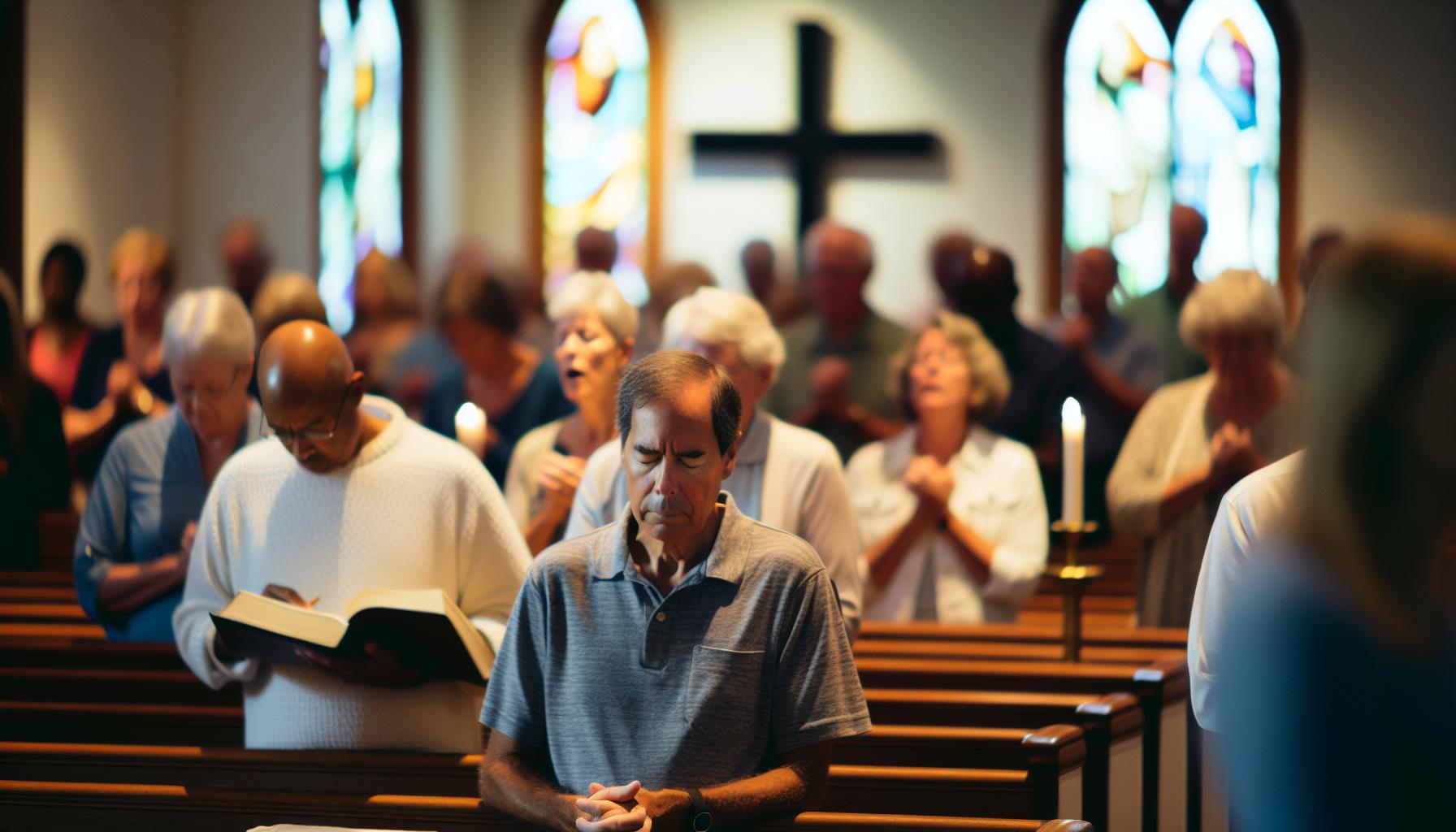
Attending Mass can be a transformative experience, and enhancing your worship requires intentional engagement. By approaching the liturgy with an open heart and a readiness to connect with God, you can deepen your spiritual journey. One effective way to do this is by coming to Mass with a specific intention or prayer request. Consider what is weighing on your heart or what you hope to bring before God in worship. Write it down or hold it in your mind as you participate, allowing this intention to guide your reflections during the various parts of the service.
Engaging with the Scriptures
Another powerful method to enrich your worship is to immerse yourself in the Scripture readings beforehand. The lectionary provides a structured cycle of readings that resonate not only during the Mass but can also serve as daily reflections. Consider journaling your thoughts on how these passages apply to your life or what God might be saying to you through them. This practice can cultivate a deeper understanding and investment in the liturgy, turning the Mass into a dynamic conversation between you and God, rather than a passive experience.
- Reflect on the Homily: After the priest’s homily, take a moment to reflect on its key themes. What message stood out to you? How can it inform your daily actions and decisions?
- Participate Actively: Engage in the prayers and responses with your whole heart. Speak them out loud, and let their meanings penetrate your mind and soul. The more present you are, the more you will feel the communal spirit of worship.
- Follow the Liturgical Calendar: Each liturgical season can provide unique insights and prayer styles. Embrace the themes of Advent’s anticipation or Lent’s reflection in your personal prayers or family discussions.
Cultivating Community
Don’t underestimate the impact of community when enhancing your worship. Connecting with fellow parishioners can enrich your experience and deepen your understanding of the faith. Consider joining a study group or attending fellowship events to share insights about the Mass and its prayers. You might discover unique interpretations or practices that resonate with you and can be woven into your worship experience.
Lastly, take the opportunity to establish a post-Mass practice. Set aside a few minutes to pray, reflect, or journal about your experience. What touched you during the service? How can you carry that spirit of worship into your week? Keeping this habit aligns your daily life with the rhythms of your faith and ensures that the blessings of the Mass extend well beyond the physical walls of the church.
Faq
Q: What are the main prayers used during the Catholic Mass?
A: The main prayers in the Catholic Mass include the Sign of the Cross, the Gloria, the Creed, the Eucharistic prayers, and the Our Father. Each of these prayers serves a specific purpose in the liturgy, enhancing the worship experience. For a detailed breakdown, refer to the section on key prayers in the article.
Q: How do prayers in the Catholic Mass enhance spiritual growth?
A: Prayers during the Mass foster a communal expression of faith, enabling participants to deepen their relationship with God. They provide moments for reflection, repentance, and thanksgiving. Engaging actively in these prayers can significantly enhance spiritual awareness and personal growth.
Q: Why is the Eucharistic prayer considered the central prayer of the Mass?
A: The Eucharistic prayer is the heart of the Catholic Mass because it consecrates the bread and wine, transforming them into the Body and Blood of Christ. This sacramental act is essential for the Catholic faith, emphasizing the importance of the Eucharist in worship.
Q: How did historical context shape the prayers used in the Catholic Mass?
A: The prayers of the Catholic Mass have evolved from early Christian traditions influenced by Jewish worship. Historical events, councils, and figures have contributed to the adaptation of these prayers, reflecting theological developments and the Church’s understanding of liturgy.
Q: What role do personal intentions play in Catholic Mass prayers?
A: Personal intentions allow individuals to bring their specific prayers and needs into the communal worship experience. Before the Liturgy of the Eucharist, these intentions are often expressed, fostering a sense of community and shared purpose within the Mass.
Q: How can I better understand the language of Mass prayers?
A: Familiarizing yourself with the prayers and their meanings can deepen your understanding. Many resources, including guided materials and church bulletins, can help. Reflecting on the texts during Mass encourages active participation and comprehension of the liturgy.
Q: When are the prayers in the Catholic Mass typically recited?
A: Prayers in the Mass are recited at various times: during the Introductory Rites, Liturgy of the Word, Liturgy of the Eucharist, and the Concluding Rites. Understanding the structure allows for better engagement throughout the service.
Q: What is the significance of the responses during Mass prayers?
A: Responses during Mass prayers, such as “Amen” or “And with your spirit,” reflect the congregation’s active participation and agreement with the prayers being offered. This engagement fosters a sense of community and shared faith among worshippers.
Concluding Remarks
Thank you for exploring “Prayers of the Catholic Mass: Sacred Liturgy Explained.” As you deepen your understanding of the sacred liturgy, remember that these prayers are a vital connection to your faith and community. They help ground us in worship and guide our spiritual journeys. If you feel inspired, consider joining our newsletter for more insights and resources that can enrich your prayer life and Bible study.
Don’t miss our related articles on deepening your devotion and practical guides for Christian living. Explore topics like strengthening your marriage through faith and navigating parenting with biblical wisdom. Feel free to share your thoughts in the comments below; your engagement enriches our community!
Embrace the blessings of the Mass in your daily life, and let us support you in every step of your spiritual journey. As you go forth, remember that our faith is alive and active-revisit our site often for continued inspiration!