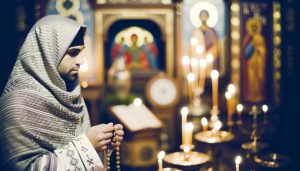
In a world that often feels divided and chaotic, the strength found in community prayer is both a powerful and necessary pillar of faith. “Prayers of the Faithful: Community Strength in Unity” explores how collective prayer not only deepens our relationship with God but also binds us together as a church family. When we come together in prayer, we experience the beauty of shared burdens and joys, fostering spiritual growth and resilience. Many of us may find ourselves asking, “How can my prayers make a difference?” or “Is my faith strong enough?” This article aims to enlighten and encourage you, revealing the transformative power of united prayer in overcoming spiritual challenges. Join us on this journey as we uncover insights that can strengthen your faith and enrich your community, inspiring you to embrace the unity that God desires for His people.
Contents
- 1 Prayers as a Foundation for Community Unity
- 2 Building Spiritual Bonds Through Collective Prayer
- 3 The Power of Praying Together: Benefits for All
- 4 Creating Inclusive Spaces for Prayer in Community
- 5 Scriptural Foundations for Seeking Unity in Prayer
- 6 Examples of Prayers that Strengthen Community Bonds
- 7 Encouraging Active Participation in Group Prayer
- 8 Overcoming Division: Prayers for Conflict Resolution
- 9 The Role of Prayer in Community Service and Outreach
- 10 Incorporating Prayer into Church Activities and Events
- 11 Testimonies: Transformative Stories of Community Prayer
- 12 Resources for Developing a Strong Prayer Ministry
- 13 Frequently Asked Questions
- 14 Key Takeaways
Prayers as a Foundation for Community Unity
In a world increasingly marked by division, prayer emerges as a powerful unifying force within communities of faith. Many believers find that gathering in prayer cultivates a shared purpose and aligns their hearts toward a greater good. This collective engagement not only deepens personal faith but creates a vibrant spiritual tapestry where individuals are woven together in love and support.
One of the profound aspects of communal prayer is its ability to foster bonds that transcend individual differences. When people join together in heartfelt supplication, they open themselves to a transformative experience that echoes the biblical principle found in Matthew 18:20: “For where two or three gather in my name, there am I with them.” This intimate presence of God during prayer nurtures a sense of belonging and reinforces the idea that no one prays alone.
To effectively harness the unifying power of prayer, it is essential to create inclusive environments where all voices are welcomed. By encouraging diverse styles of prayer and incorporating various forms of worship-such as silent meditation, spoken intercessions, and spontaneous prayers-communities can reflect the richness of their collective faith. Facilitating opportunities for prayer during church gatherings, community events, and even online worship can also help in reinforcing this unity, making everyone feel involved and valued.
Moreover, prayer serves as an antidote to conflict and division. By praying for one another-especially those we might disagree with-we practice love and embrace a compassionate spirit, as instructed in 1 Thessalonians 5:16-18, which encourages believers to “rejoice always, pray continually, give thanks in all circumstances.” This approach nurtures a culture of forgiveness and understanding, paving the way for genuine reconciliation and harmony within the community.
In summary, the act of praying together lays down a foundation for unity that is not merely about shared beliefs, but about shared experiences and mutual support in the Christian journey. The strength that emerges from these spiritual connections can propel a community toward greater acts of service, compassion, and outreach, embodying the profound love of Christ that binds believers together.
Building Spiritual Bonds Through Collective Prayer
In every corner of the Christian community, the act of coming together in prayer has the remarkable ability to strengthen ties among believers. When individuals unite under a shared purpose-lifting their voices in prayer-it transforms the spiritual landscape of a community. The commitment to praying together not only deepens individual faith but cultivates a rich shared experience that enhances unity. This collective prayer empowers members to transcend personal differences, fostering relational bridges that hold a community together.
One effective way to build these spiritual bonds is through intentional group prayers that encourage participation from everyone involved. This can be achieved through various formats-whether it’s structured prayer meetings, casual gatherings, or special events designed for collective worship. Consider implementing regular community prayer events, perhaps at the start of each month or around significant church events, to create anticipation and involvement. As members share their personal prayer requests, they open the door for deeper connections, allowing others to support them spiritually and emotionally.
Moreover, incorporating diverse prayer styles can reflect the richness of the faith within the community. Some may prefer silent contemplation, while others might resonate more with spontaneous or structured prayers. By creating a safe space that celebrates this variety, churches can empower individuals to express their spirituality in authentic ways, ultimately enhancing the collective prayer experience. This diversity brings a broader understanding of God’s presence and love, exemplifying the biblical truth that every voice matters in God’s kingdom.
Furthermore, the unifying power of prayer serves as a crucial remedy to community challenges. During moments of conflict or division, collective prayer can pivot hearts toward reconciliation and empathy. By bringing disagreements before God, communities can invite His guidance, promoting a spirit of love that fosters healing and unity. Encouraging prayers for specific needs-be it for those struggling within the community or for global issues-helps participants experience a shared burden and responsibility, weaving a tighter fabric of fellowship.
Armed with these insights, churches can actively cultivate spiritual bonds through collective prayer, thus empowering their communities to flourish in faith and unity. This journey fosters deeper relationships not only with God but also among each other, inviting believers to experience the transformative power of praying together.
The Power of Praying Together: Benefits for All

Prayer is a powerful connector within Christian communities, acting as a divine thread that weaves individuals together in unity and purpose. When believers come together to pray, they experience a profound sense of belonging that transcends individual differences. This shared practice not only strengthens their faith but also cultivates a collective spirit that encourages support, compassion, and mutual growth in their Christian journey.
Engaging in collective prayer offers a multitude of benefits for all involved. First and foremost, it creates a safe environment where individuals can express their vulnerabilities, joys, and needs. This openness fosters deep connections among members, allowing them to form relationships rooted in genuine concern and care. Furthermore, shared prayer experiences often lead to personal testimonies of answered prayers, reminding the community of God’s faithfulness and presence in their lives. As members witness the blessings that arise from praying together, they are motivated to continue this sacred practice, further enhancing their communal bonds.
Another key benefit of communal prayer is the collective wisdom that emerges when diverse voices come together. Each participant brings their unique experiences and perspectives, enriching the prayer experience and allowing the community to hear God’s guidance from various angles. This diversity not only enhances understanding but also encourages an openness to new ideas and approaches in serving one another. Prayerful discussions can lead to innovative solutions for challenges facing the community, empowering members to take action united in faith.
Moreover, the act of praying for one another cultivates a spirit of empathy and compassion that is vital in any community. As believers lift each other up in prayer, they begin to carry one another’s burdens, which strengthens their fellowship and lays the foundation for sustainable collaborative service. This shared sense of responsibility nurtures a culture of love, illustrating the biblical teaching found in Galatians 6:2, “Carry each other’s burdens, and in this way, you will fulfill the law of Christ.” Through this dynamic, prayer not only enhances individual faith but also creates a flourishing community where all can thrive together in Christ-like love.
Creating Inclusive Spaces for Prayer in Community

Creating spaces where all feel welcome to engage in prayer can significantly enhance a community’s collective spiritual journey. When prayer spaces are inclusive, they empower individuals from diverse backgrounds and experiences to come together, fostering a sense of belonging and unity within the body of Christ. Consider this: a prayer gathering that respects and values the unique voices within the community serves not only to enrich the prayer experience but also demonstrates the love of Christ to those participating.
To cultivate an inclusive atmosphere, it’s essential to actively include varied prayer styles and traditions within your community. Encouraging people to share their personal prayer practices can spark creativity and draw in individuals who might otherwise feel hesitant to participate. This might look like:
- Incorporating written prayers, spoken prayers, and even music into gatherings.
- Creating a prayer wall where people can pin their prayers or reflections.
- Hosting prayer circles that allow for both structured prayer times and open sharing.
Remember, embracing diversity in prayer not only celebrates the unique cultural expressions within the body of Christ but also cultivates deeper relationships among members.
To reinforce this inclusive approach, provide resources that address the varying needs and preferences of community members. Prayer guides, multilingual resources, and devotions tailored for different age groups can all play a vital role in making prayer more accessible. For example, consider offering children’s prayer cards that simplify complex prayers or hosting bilingual prayer sessions for communities with diverse languages.
Ultimately, building these inclusive spaces requires intention and a heart of service, reflecting the same love that Christ shows us. By creating an environment where everyone can express themselves in prayer, we mirror the beauty in the unity of Christ’s body, as highlighted in 1 Corinthians 12:12-14, which emphasizes that, “just as a body, though one, has many parts, but all its many parts form one body, so it is with Christ.” This unity fosters rich community connections, enhances spiritual growth, and inspires service to one another, making God’s love tangible in every prayer offered.
Scriptural Foundations for Seeking Unity in Prayer

In seeking unity through prayer, we find profound encouragement in scripture that illustrates the strength and beauty of communal supplication. The Bible calls believers to gather together, placing prayer at the center of their interactions. Consider the words of Matthew 18:19-20, where Jesus assures us, “Again, truly I tell you that if two of you on earth agree about anything they ask for, it will be done for them by my Father in heaven. For where two or three gather in my name, there am I with them.” This promises that collective prayer not only draws His presence among us but also amplifies the power of our requests as a unified body of Christ.
Moreover, the early church exemplified this principle in Acts 1:14, which states that the apostles “all joined together constantly in prayer.” Their persistent unity laid the groundwork for transformative moments in the early Christian movement, highlighting that engaging in prayer collectively strengthens our community and aligns our hearts with God’s will. This scripture reminds us that pursuing unity in prayer fosters spiritual growth, encourages fellowship, and cultivates a vibrant faith community where believers can support one another through life’s trials.
To further enrich your prayer life, consider incorporating diverse prayer practices that can enhance communal experiences. For instance, bringing together different prayer styles-such as intercessory prayer, thanksgiving, and worship-can create a rich tapestry of voices, reflecting the multifaceted nature of God’s family. Encouraging participation through various expressions of prayer not only honors individual backgrounds but also deepens connections among members, creating a more profound sense of belonging.
Practically, establishing small groups for prayer or dedicated prayer nights within your community can open avenues for deeper dialogue and connection. These gatherings can be inspired by passages like Philippians 4:6-7, which encourage us not to be anxious but to present our requests to God in every situation. This creates an environment where sharing burdens and joys alike becomes a communal experience, reinforcing the bonds of unity in faith. By nurturing these practices guided by scripture, believers can cultivate a spirit of harmony and collective strength, ultimately reflecting Christ’s love and unity in our communities.
Examples of Prayers that Strengthen Community Bonds

In every community, prayer serves as a vital thread that can knit hearts together, fostering deeper relationships among believers. Drawing from the scriptures and the rich traditions of prayer within the church, we can find powerful examples of communal prayers that not only enhance unity but also nurture spiritual growth. By exploring various types of prayers, we can better understand how they impact our communities and encourage everyone to actively participate.
One profoundly impactful prayer is the Prayer of Agreement, inspired by Matthew 18:19-20, which emphasizes the power of unity when multiple believers come together in faith. When a group gathers to collectively bring specific requests before God, they affirm their trust in His divine will, creating a strong bond that reflects their shared commitment to the Lord. This could take the form of a monthly prayer night where members are encouraged to share their prayer needs, fostering immediate connections and spiritual accountability.
Another powerful approach is the Prayer of Thanksgiving, whichacknowledges God’s blessings over the community. By reflecting on shared experiences and expressing gratitude together, individuals experience a sense of belonging. A community might set aside time to gather at the beginning of each month to celebrate answered prayers and share personal testimonials of God’s goodness. This not only strengthens bonds but also encourages faith as members witness God’s active presence among them.
Additionally, Intercessory Prayer stands out as a crucial component in community bonding. When members engage in interceding for one another’s needs, they cultivate a spirit of empathy and support. Creating small groups that focus on lifting each other’s challenges in prayer allows for deeper relational ties as members share their burdens and triumphs, fulfilling the biblical mandate found in Galatians 6:2 to “bear one another’s burdens.”
Lastly, the Prayer for Healing, whether emotional, physical, or spiritual, serves to unite communities through their collective faith in God’s restorative powers. Organizing healing prayer services, where members can come together to pray for those in need, not only offers support but also invites God’s miraculous work into the community. This can be commended with a service where testimonies of healing and restoration are shared, allowing faith to flourish and inspire.
In summary, by implementing these diverse forms of prayer, communities can experience strength in unity, fostering spiritual health and connection among its members. Each prayer not only serves to align the community with God’s purpose but also creates a tapestry of interwoven lives, reflecting the beauty of the body of Christ.
Encouraging Active Participation in Group Prayer
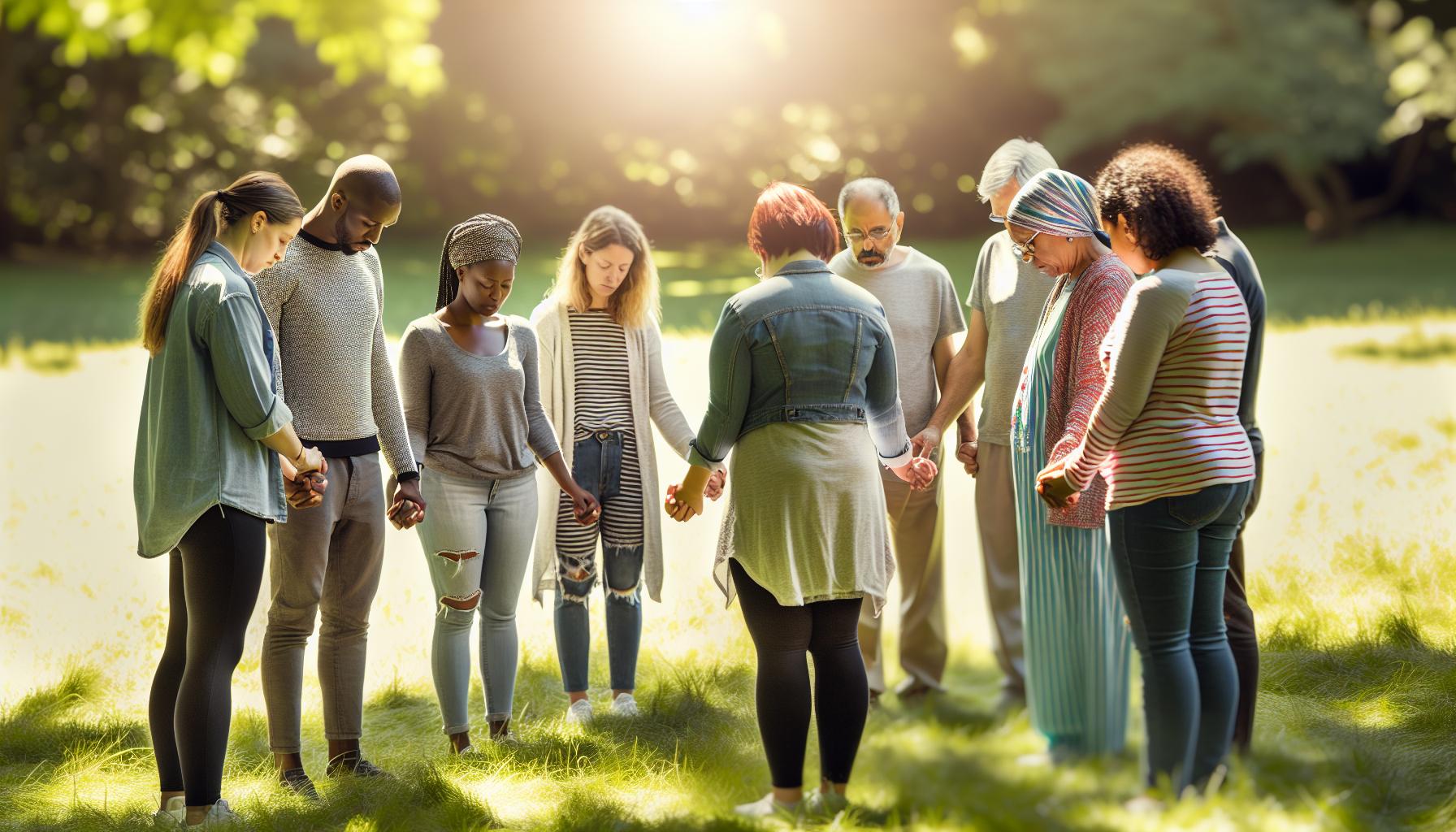
Involve your community members in the vibrant tapestry of group prayer by creating engaging and accessible experiences that invite participation. The act of praying together not only fosters a deeper sense of unity but also empowers individuals to express their faith in a communal setting. To cultivate this environment, consider the following approaches that can significantly enhance the group prayer experience.
Facilitate Open Dialogue
Encourage participants to share their prayer requests and testimonies openly. This could be facilitated through a designated time at the beginning or end of the prayer session. An open dialogue allows individuals to voice their needs and concerns, making everyone feel valued and heard. You might start by sharing personal experiences or answered prayers to set the tone, thereby warming hearts and prompting others to join in the sharing.
Organize Themed Prayer Sessions
Themed prayer sessions can spark enthusiasm and relevance. For example, you might dedicate certain prayer nights to specific topics such as healing, family, or local outreach efforts. Each theme not only provides a focus for the prayers but also helps participants connect on deeper levels concerning shared interests or concerns. Prepare short lessons or scripture readings that align with each theme to help participants reflect and engage more profoundly.
Create Small Prayer Groups
The power of small groups cannot be underestimated. By breaking down larger prayer gatherings into smaller, more manageable groups, you can create an intimate environment where individuals feel safer sharing their thoughts and experiences. Assign each group a specific prayer focus or allow them the freedom to explore their topics, encouraging every voice to be heard. This intimate setting can lead to deeper relationships and foster a culture of support within your community.
Incorporate Creative Prayer Practices
Creativity can breathe new life into group prayer meetings. Incorporating practices such as prayer walks, artistic expressions, or guided meditations can help engage diverse personalities within your community. For instance, organizing a prayer walk in your local area allows participants to pray for their community while being active. Alternatively, setting up a prayer wall where people can write their requests or answers can visually encapsulate the communal journey of faith.
By implementing these strategies, not only can you increase active participation in group prayers, but you’ll also deepen the spiritual bonds within your community. Remember, as you gather together in prayer, focus on the truth of Matthew 18:20: “For where two or three gather in my name, there am I with them.” This assurance is the heart of communal prayer and unity in faith.
Overcoming Division: Prayers for Conflict Resolution

In the heart of every community lies the potential for discord, yet within the embrace of sincere prayer, there exists a transformative power that can mend even the deepest divides. Conflict may arise from miscommunication, differing perspectives, or unmet expectations, but prayer offers a pathway towards reconciliation and unity. When we gather to lift our concerns to the Lord, we not only seek His guidance but also invite His peace to permeate our hearts and relationships. As James 1:5 reminds us, “If any of you lacks wisdom, you should ask God, who gives generously to all without finding fault, and it will be given to you.” This wisdom is essential in navigating the complexities of community relationships.
Encouraging a culture of prayerful conflict resolution can begin with collective prayer sessions specifically aimed at addressing tensions. Creating a safe space where individuals can share their grievances, coupled with guided prayer focused on healing and understanding, lays the groundwork for meaningful dialogue. Here are some practical steps to implement in your community:
- Designate Prayer Warriors: Identify individuals within your community who feel called to lead prayers for resolution. Their role could include interceding for relationships, nurturing unity, and fostering a spirit of forgiveness.
- Incorporate Scriptural Affirmations: Use scripture as a source of encouragement and guidance. Verses like Philippians 2:2, “Then make my joy complete by being like-minded, having the same love, being one in spirit and of one mind,” can serve as a foundation for prayer and reflection.
- Facilitate Restorative Dialogue: After communal prayers for conflict resolution, encourage participants to engage in small groups. This setting allows individuals to discuss their feelings and perspectives in a respectful manner, promoting understanding and empathy.
Moreover, fostering an environment where prayer policies are established can ensure that prayer remains a cornerstone in conflict resolution efforts. Consider organizing regular prayer gatherings focused on both personal and community conflicts, reinforcing the idea that seeking God’s wisdom is vital in overcoming challenges. As we are reminded in Colossians 3:13-14, we are called to “bear with each other and forgive one another if any of you has a grievance against someone. Forgive as the Lord forgave you.” Rooting our conflict resolution in prayer not only paves the way for healing but also strengthens the bond among community members, ultimately transforming division into testimony of unity and faith.
The Role of Prayer in Community Service and Outreach
In the tapestry of community service and outreach, prayer serves as the thread that unites efforts towards a common cause. Engaging in collective prayer not only invites divine guidance but also strengthens the bonds among community members who share a commitment to serve. When individuals gather to pray for their outreach initiatives, they align their hearts and minds with the mission of Christ, allowing the Holy Spirit to work through their actions. This spiritual foundation cultivates a sense of unity and purpose, empowering each participant to contribute wholeheartedly to the endeavor.
One of the profound impacts of prayer in community service is its ability to create a shared vision. As members of a church or community group come together to seek God’s will, they collectively discern the needs within their community and develop strategies to address those needs effectively. A prayer meeting dedicated to outreach can include brainstorming sessions where ideas flow freely under the influence of God’s presence. Believers can lift up their projects, such as feeding the homeless or supporting local schools, entrusting these efforts to the Lord while committing to work together in love. As Ephesians 4:16 tells us, “From him the whole body, joined and held together by every supporting ligament, grows and builds itself up in love, as each part does its work.”
Practical Steps to Integrate Prayer in Community Outreach
Embracing prayer within community service requires intentional actions. Here are some practical steps to ensure that prayer is at the heart of your outreach efforts:
- Begin with Prayer Meetings: Host monthly or bi-weekly prayer gatherings specifically focused on upcoming outreach projects. Use this time not only to pray for direction but also to share testimonies and updates that boost morale and faith.
- Incorporate Prayer into Activities: Before every community service event, set aside time for collective prayer. This could be as simple as a few moments of silence or a more structured prayer led by a volunteer. Inviting God’s presence can invigorate the experience.
- Encourage Prayer Partners: Foster relationships among volunteers by encouraging them to pray for one another as they prepare for service. This builds accountability and creates a supportive network aimed at spiritual growth.
Furthermore, following each outreach effort, make it a habit to gather and reflect on the experience in prayer. By thanking God for the successes and confessing areas of improvement, the community can sustain a cycle of growth and learning that honors all contributions made in service. As believers unite in prayer for these endeavors, they not only enrich the lives they touch but also deepen their own journey of faith, embodying the love and grace of Christ to a world in need.
Incorporating Prayer into Church Activities and Events
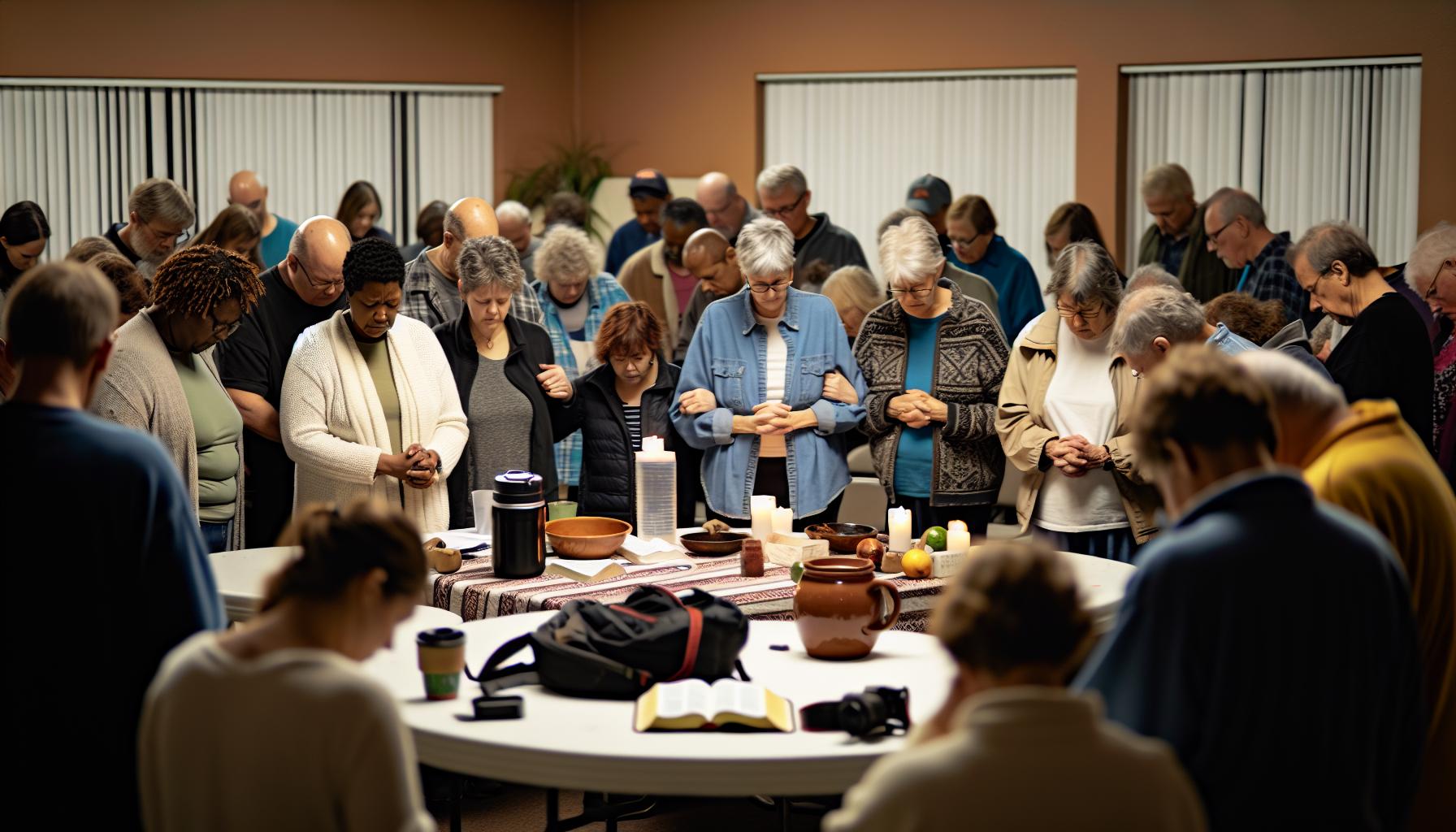
Embracing prayer during church activities and events can transform ordinary gatherings into powerful spiritual experiences that foster deeper connections within the community. When prayer is woven into the fabric of worship and fellowship, it becomes not just an addition but a vital part of the ethos that guides believers’ interactions. Imagine a church picnic where families not only share food but also share heartfelt prayers for each other’s needs and aspirations. Such moments of collective heartfelt sincerity can breed community resilience and strengthen the bonds among members.
Incorporating prayer into various church functions can take many forms, ranging from spontaneous gatherings to structured events. For example, consider starting every church meeting-whether planning a service project or discussing outreach programs-with a brief prayer. This sets a tone of purpose, reminding all participants they are walking in Christ’s footsteps together. Also, intersperse prayer into church services by inviting congregation members to share prayer requests, creating an atmosphere of mutual support. It allows the church family to bear one another’s burdens, as referenced in Galatians 6:2, “Carry each other’s burdens, and in this way you will fulfill the law of Christ.”
Moreover, dedicating specific events to prayer can significantly heighten their impact. Organize a Prayer Walk through your neighborhood, where community members can pray for the residents and gather insights about their needs. Set aside a day for fasting and prayer, culminating in a worship service that celebrates the collective seeking of God’s will. These types of events not only invite divine intervention but also exhibit the unity of the church body as each person participates in an experience that fosters spiritual growth.
As church leaders or members, consider facilitating small prayer groups that align with church activities. For instance, if there’s a women’s retreat or a youth camping trip, create avenues for attendees to meet for prayer before the event and offer prayers afterward to reflect on the insights gained. This practice encourages continuity in the spiritual journey, highlighting the importance of prayer in both preparation and reflection. Ultimately, by actively integrating prayer into all aspects of church life, the community can cultivate a richer, more harmonious environment aligned with God’s purpose, enriching every believer’s faith journey.
Testimonies: Transformative Stories of Community Prayer
Sharing stories of transformed lives through community prayer can inspire and encourage believers to deepen their engagement with prayer as a vital aspect of their faith journey. One narrative that stands out is that of a church in a small town that had been experiencing division and discord among its members. Faced with growing tensions, the leadership decided to call for a “Night of Prayer,” inviting everyone to come together to pray for unity and understanding. On that night, something remarkable happened. As members gathered, they shared their struggles and heartfelt prayers. The evening became a sacred space where vulnerabilities were met with love and support. Many attendees reported feeling an overwhelming sense of peace and a renewed commitment to resolving their differences. This empowered them to work collaboratively for the community, demonstrating how collective prayer can heal and unify hearts.
In another instance, a local youth group organized monthly prayer events where they prayed specifically for community needs. One evening, they prayed earnestly for a family in distress due to financial hardships. The following week, one of the group members, moved by the Spirit, organized a fundraiser to support that family. The effort garnered overwhelming support from the church community, which not only alleviated the family’s burdens but also bolstered relationships among members. This story highlights how prayer can not only foster immediate connections but also lead to actionable love in practical ways.
Furthermore, many churches utilize testimony-sharing sessions during worship services to highlight the impact of prayer. One member shared how prayer led her through a tough season of illness, where she felt isolated and fearful. Her community’s intercessions became a lifeline, reminding her that she was not alone in her battle. Her testimony inspired others facing trials to seek the same support through prayer, showcasing the ripple effect one person’s experience can have on the church body.
Such transformative accounts demonstrate that when believers unite in prayer, they create an atmosphere of hope and support that transcends individual challenges. They show us that prayer is not just a solitary act but a communal lifeline, weaving together the fabric of the church community in love and faith. As we hear and share these testimonies, we are reminded that prayer has the power to change situations, heal relationships, and ultimately reflect God’s love in action. By nurturing a culture of prayer, we invite God to work through us in extraordinary ways, reinforcing our community’s strength in unity.
Resources for Developing a Strong Prayer Ministry
In cultivating a strong prayer ministry, it’s essential to recognize that prayer is both a personal journey and a communal endeavor that can transform hearts and lives. Organizations can benefit immensely from structured resources that both empower individuals and bind the community together through collective supplication. Here are some valuable resources to help you nurture and develop a vibrant prayer ministry.
Prayer Ministry Resources
- Books and Guides: Several excellent texts delve into the fundamentals and practices of prayer ministry, such as “Prayer: Experiencing Awe and Intimacy with God” by Timothy Keller and “The Power of a Praying Church” by Stormie Omartian. These books provide insights into effective prayer life and community engagement.
- Prayer Calendars: Creating a prayer calendar can help guide your community’s focus. Make specific daily themes (e.g., family, local outreach, global missions) to inspire and direct prayers collectively, ensuring every community need is acknowledged and prayed for.
- Prayer Workshops: Hosting workshops or seminars that teach various aspects of prayer-like intercessory prayer, listening prayer, or the role of silence-can strengthen individual and collective practices, empowering members to engage deeply in their prayer lives.
- Online Platforms: Utilize technology with prayer apps or social media groups (like Facebook) dedicated to prayer requests. Apps such as Echo Prayer or PrayerMate can help share and track prayer requests, keeping everyone connected and engaged.
- Testimony Sharing Sessions: Regularly schedule times where community members can share their personal experiences of answered prayers. These sessions not only build faith but solidify bonds as others witness God’s hand at work in their midst.
Integrating these resources into your ministry can usher in a fresh wave of enthusiasm and dedication to prayer. Additionally, creating a “prayer wall” in your church allows members to place prayer requests that others can see and lift up, fostering a sense of shared commitment.
Remember, a thriving prayer ministry does not solely depend on structured programs but also on the personal dedication of each member to engage in prayer regularly. Encourage fellowship through small prayer groups, where members can pray for one another’s needs, and be intentional about creating an atmosphere where prayer is not only an event but a way of life. With a focus on active participation and community-wide involvement, the strength that comes from unified prayer efforts can be transformative, binding your community in love and faith as you seek God’s guidance together.
Frequently Asked Questions
Q: What are the benefits of group prayers in strengthening community bonds?
A: Group prayers foster a sense of belonging and collective purpose, enhancing relationships within the community. They create an environment of support, facilitate shared spiritual experiences, and encourage individuals to engage openly, as discussed in the section on The Power of Praying Together: Benefits for All.
Q: How can communities create inclusive prayer spaces for everyone?
A: To create inclusive prayer spaces, communities should consider diverse needs, cultures, and beliefs. This includes offering various prayer styles, accessible locations, and welcoming environments. Implementing these practices aligns with the commitment to Creating Inclusive Spaces for Prayer in Community.
Q: What are effective prayers for overcoming divisions in a community?
A: Effective prayers for overcoming divisions include asking for unity, healing, and understanding among members. Such prayers can be tailored to address specific conflicts and foster reconciliation, drawing guidance from the section Overcoming Division: Prayers for Conflict Resolution.
Q: When is the best time for group prayers to be most effective?
A: Group prayers can be most effective during significant community events, gatherings, or crises when collective energy and focus amplify intentions. Engaging in regular schedules, as mentioned under Encouraging Active Participation in Group Prayer, also enhances effectiveness.
Q: How can prayer contribute to community service and outreach efforts?
A: Prayer as part of community service reinforces the mission and intentions behind outreach efforts. It strengthens volunteers’ resolve, provides spiritual guidance, and invites divine assistance, resonating with insights from The Role of Prayer in Community Service and Outreach.
Q: What types of prayers can inspire transformative stories in communities?
A: Personal testimonies grounded in prayers of intercession, gratitude, and unity can inspire transformative stories. These often highlight how collective prayer has led to significant changes and miracles in the community, supported by the section on Testimonies: Transformative Stories of Community Prayer.
Q: How can individuals develop their prayer ministry within a community?
A: Individuals can develop their prayer ministry by leading regular prayer gatherings, offering prayer education, and encouraging personal testimonies. Resources listed in Resources for Developing a Strong Prayer Ministry provide practical steps to enhance ministry impact.
Q: Why is scriptural backing important in prayers for community strength?
A: Scriptural backing in prayers reinforces their foundation in faith, providing deeper meaning and authority. This practice helps unify community beliefs and encourages participants, enhancing collective engagement in prayer, as explored in Scriptural Foundations for Seeking Unity in Prayer.
Key Takeaways
Thank you for joining us for “Prayers of the Faithful: Community Strength in Unity.” Remember, our collective prayers foster a bond that lifts us all. Take a moment to reflect on how you can deepen your prayer life and engage with our community-start by exploring our articles on spiritual warfare and devotional practices to enhance your journey.
Don’t forget to share your thoughts in the comments below; we love hearing how these prayers impact your life. If you enjoyed this content, consider subscribing to our newsletter for more insights on biblical lifestyle advice and parenting guidance. Together, we can grow in faith and strength, united in our prayerful endeavors. Let’s continue building this supportive community-your next step awaits!