In a world filled with distractions and turmoil, the power of prayer remains a beacon of hope and unity for believers. “Prayers of the People: United Hearts Before God’s Throne” explores the profound impact of communal prayer, illustrating how it not only draws us closer to God but also nurtures our relationships with one another. When we gather in prayer, we acknowledge our shared struggles and victories, allowing our hearts to be intertwined in faith. This journey invites you to discover the transformative nature of collective supplication, providing comfort and strength as we intercede for our communities and loved ones. As we delve deeper, you’ll find inspiration to cultivate a vibrant prayer life that reflects God’s love and grace, fostering a spirit-filled connection that transcends our individual experiences. Join us as we explore how, through united hearts, we can approach God’s throne with confidence and purpose.
Contents
- 1 Prayers of the People: Understanding the Power of Collective Prayer
- 2 The Role of United Hearts in Spirit-Led Worship
- 3 How to Approach Prayer Before God’s Throne
- 4 Biblical Foundations for Praying Together
- 5 Prayers of the People: Historical Context and Practices
- 6 Creating a Prayer Community for Spiritual Growth
- 7 Incorporating Scriptural Truth in Collective Prayers
- 8 Prayers for Healing: Inviting God’s Presence
- 9 Transformative Effects of Group Prayer on Families
- 10 Designing Effective Corporate Prayer Gatherings
- 11 Encouragements for Personal Prayer Life in Community
- 12 Embracing Diversity in Corporate Prayer Settings
- 13 Frequently asked questions
- 14 In Summary
Prayers of the People: Understanding the Power of Collective Prayer
In a world often marked by division and isolation, the power of collective prayer stands as a remarkable testament to the strength found in unity. When believers come together in prayer, their united voices amplify the impact of their petitions, creating a spiritual synergy that invites God’s presence in profound ways. Collective prayer not only nurtures individual faith but also strengthens the fabric of the Christian community, fostering deeper connections among believers as they intercede for one another and the world.
When we gather in prayer, we embody the Biblical principle found in Matthew 18:20: “For where two or three gather in my name, there am I with them.” This assurance emphasizes that collective prayer is more than just a communal act; it is a sacred assembly where hearts align in purpose and faith. Through shared supplication, praises, and intercessions, participants experience an enriched awareness of God’s love and guidance, which can transform not only their personal lives but the broader community as well.
To effectively harness the power of group prayer, it is essential to cultivate an environment of openness and trust. Encourage participants to share their burdens and joys, creating a safe space where all participants feel valued and heard. This practice can be enriched by incorporating Scripture, as seen in Romans 12:12, which encourages believers to “be joyful in hope, patient in affliction, and faithful in prayer.” By grounding the collective prayer in the Word of God, participants can anchor their requests in His promises, eliciting a sense of hope and shared purpose.
As believers engage in this vital spiritual discipline, they will often witness not only personal transformations but also collective experiences of God moving within their midst. From praying for healing to seeking guidance in community decisions, the dynamic of united hearts before God’s throne cultivates a deeper understanding of God’s will, drawing believers into a richer communion with Him and with each other. Embracing this powerful practice of prayer helps navigate life’s challenges, ultimately reinforcing the notion that together, they are stronger in faith and can achieve much more than they could alone.
The Role of United Hearts in Spirit-Led Worship
In the tapestry of worship, where every thread represents a believer’s heart, the beauty of united hearts woven together creates a magnificent portrait of faith. When individuals come together in spirit-led worship, they not only focus their prayers and intentions but also immerse themselves in an environment ripe for divine encounter. This sacred gathering transforms worship from a solitary act into a shared experience that magnifies God’s presence, fostering an atmosphere that encourages both personal and communal growth.
The power of united hearts in worship is vividly seen in Acts 2:1-4, where the early church gathered in one accord. As they prayed together, the Holy Spirit descended upon them, igniting a fervor that empowered their mission. Similarly, when we pray and worship together, we position ourselves to receive a fresh outpouring of the Spirit. This dynamic interdependence strengthens the body of Christ, as each member contributes unique gifts and perspectives. To harness this power effectively, believers can engage in practices such as collective singing, sharing testimonies, and jointly meditating on Scripture, all while remaining open to the guiding presence of the Holy Spirit.
Creating an environment where united hearts thrive necessitates intentionality. Here are a few practical steps to foster this spirit-led worship:
- Prioritize Prayer: Before gathering, commit the meeting to prayer, inviting the Holy Spirit to lead the worship experience.
- Encourage Participation: Allow all voices to be heard. Whether through sharing personal stories, leading prayer, or contributing to discussions, everyone should feel valued.
- Integrate Worship Elements: Include various forms of worship-music, art, and silence. Each element can resonate differently, allowing all participants to connect uniquely with God.
- Maintain Focus on God: Direct attention towards God’s goodness and majesty, fostering an atmosphere of reverence and awe that invites His presence among united hearts.
The essence of spirit-led worship is not about the perfection of the experience but the authenticity of the hearts gathered. When united in purpose and prayer, believers help to create a nurturing space for the Holy Spirit to work. In this shared vulnerability, we recognize our collective need for grace and strength, often leading to transformative encounters with God. As communities of faith embrace this journey together, they cultivate a deeper understanding of their calling and witness the expansive potential of what God can achieve through united hearts in worship.
How to Approach Prayer Before God’s Throne
Approaching prayer before God’s throne is a profound act that carries immense significance for individuals and communities alike. It brings us into the presence of our Creator, inviting us to engage in authentic dialogue with Him. As we prepare to approach His throne, understanding the posture of our hearts and the purpose of our prayers becomes essential. Recognizing that prayer is not merely a list of requests but an opportunity to align our wills with God’s and to express our deepest longings serves as a foundational mindset.
To cultivate a heart ready for prayer, consider adopting the following practices:
- Begin with Reverence: Approach God with a spirit of awe and respect. Psalm 100:4 encourages us to “Enter His gates with thanksgiving, and His courts with praise!” Acknowledging His holiness sets the stage for meaningful conversation.
- Confession and Humility: Before bringing our requests, it’s essential to confess known sins and seek God’s forgiveness. James 4:10 reminds us, “Humble yourselves before the Lord, and He will lift you up.” This humility prepares our hearts to receive His guidance.
- Scripture-Based Focus: Ground your prayers in the promises of Scripture. When we pray with God’s word in mind, we reflect His will and purpose, bringing our concerns into alignment with His character and intentions.
- Invite Others to Pray: When gathered collectively, invite other believers to join in prayer. This unity not only strengthens our communal bond but also reflects the body of Christ coming together, as illustrated in Matthew 18:20, “For where two or three gather in my name, there am I with them.”
Moreover, consider the transformative power of prayer when combined with worship. Singing hymns or worship songs before prayer can create an atmosphere conducive to spiritual engagement, drawing participants closer to God’s presence. Whether in a quiet moment or a corporate gathering, let your hearts be attuned to the Holy Spirit’s leading.
Finally, always remember that approaching God is not a mere ritual but a dynamic relationship. As you come boldly before His throne, you not only share your requests and burdens but also open yourself to His heart and will. Embrace this sacred dialogue, knowing that every prayer uttered is heard, cherished, and responded to by a loving Father who desires intimacy with His children.
Biblical Foundations for Praying Together
Praying together as a community is woven deeply into the fabric of the Christian faith, serving as a powerful reminder of our shared dependence on God and one another. Scriptures abound that illustrate the importance of unity in prayer. In Acts 1:14, we read about the early believers who “all joined together constantly in prayer,” demonstrating how collective prayer can build and strengthen the church. This shared commitment to intercession not only brings us closer to God but also forges bonds of love and support among believers, reminding us that we are part of a larger body, the Church.
Understanding the can enrich our communal prayer life. Jesus Himself emphasized this in Matthew 18:19-20, stating, “For where two or three gather in my name, there am I with them.” This profound promise assures us that our united prayers are powerful and transformative. When we come together, we reflect the heart of God’s family, aligning our voices and intentions with His will.
Embracing scriptural truths in our collective prayer can also enhance our time together. For example, starting prayers with Scripture can help ground our requests in God’s promises. Incorporating passages such as Philippians 4:6-7, which encourages believers to present their requests to God with thanksgiving, can set a tone of peace and gratitude during prayer gatherings. This practice not only hones our focus but also fosters a mood of worship and reverence.
Ultimately, as we pray in unity, we cultivate an environment where the Holy Spirit can move freely among us. This shared experience of seeking God opens avenues for personal and communal transformation. By acknowledging our strengths and weaknesses and lifting each other up before God’s throne, we can witness the powerful ways prayer impacts our lives, families, and communities when offered in faith and love. As we engage in collective prayer, let us celebrate the unity that God desires for His people, knowing that together we fulfill His purpose and enjoy His presence more fully.
Prayers of the People: Historical Context and Practices
The practice of communal prayer, often referred to as “the prayers of the people,” has deep roots in both ancient and modern Christian traditions. From the early church gatherings depicted in the New Testament to contemporary worship services, communal prayer serves as a vital expression of faith and unity. The phrase “prayers of the people” itself reflects a rich history of believers coming together to intercede, praise, and express collective desires before God. These moments are not merely rituals but powerful opportunities for churches to affirm their identity as the body of Christ-connected to one another and to God.
Historically, communal prayer has evolved through various forms and practices. In the early church, meetings often revolved around prayer and the sharing of burdens, as seen in Acts 2:42, where the believers devoted themselves to the apostles’ teaching, fellowship, breaking of bread, and prayer. This verse highlights the essential nature of prayer in fostering community and spiritual growth. Early Christians understood that coming together in prayer was an expression of their dependence on God and each other, creating bonds that transcended societal divisions. Over the centuries, this tradition has been enriched by practices such as liturgical prayers, intercessory prayer, and prayer circles, each contributing to the communal aspect of worship.
In today’s diverse faith communities, incorporation of various prayer styles and formats can enhance the experience of praying together. For instance, integrating spontaneous prayer alongside written prayers can invite a more dynamic dialogue with God, allowing participants to contribute their personal petitions and praises. Churches might also explore themed prayer gatherings focused on specific needs within the community, such as healing, guidance, or missions. Encouraging participation from all members fosters a sense of belonging and highlights the value of diverse voices lifting up prayers in unison.
To create a meaningful atmosphere for communal prayer, consider implementing these practices:
- Set a clear intention: Begin by defining the purpose of the prayer gathering, whether it be for healing, guidance, or gratitude.
- Incorporate Scripture: Use relevant biblical passages to guide prayer topics, inspiring confidence and grounding requests in God’s promises.
- Encourage openness: Invite participants to share their prayer requests and testimonies, fostering a culture of vulnerability and trust.
- Emphasize unity: Remind everyone that communal prayer reflects our collective identity as God’s family, reinforcing the importance of each individual’s voice.
As believers engage in the historical practice of praying together, they can draw strength and encouragement from one another, paving the way for deeper spiritual growth and relational bonds. In understanding and participating in these collective expressions of faith, we not only honor our shared spiritual heritage but also invite God’s transformative presence into our lives and communities.
Creating a Prayer Community for Spiritual Growth
Creating a vibrant prayer community can be a transformative experience, fostering not just spiritual growth among individuals but also a collective experience of God’s presence. When believers come together, united in heart and purpose, they reflect the early church’s dedication to prayer found in Acts 2:42, where community and faith intertwined through shared supplication and worship. Establishing such an environment requires intentional steps and nurturing that encourage openness and unity.
One of the most effective ways to cultivate a prayer community is through regular, structured gatherings that prioritize collective prayer. Organizing weekly prayer meetings or small groups allows members to build relationships while interceding for one another. To enhance these gatherings, consider incorporating a blend of prayer styles-such as guided prayers, spontaneous sharing, or even silent contemplation-that accommodates various preferences and spiritual maturity levels. This diversity not only enriches the prayer experience but also invites everyone to participate, regardless of where they are in their faith journey.
An essential aspect of nurturing a prayer community is the emphasis on Scriptural grounding. Encourage participants to bring Bible verses that resonate with their prayer needs or to use the Psalms as a guide for expressing their pleas and praises, as these passages often articulate profound human emotions. Establishing a habit of linking prayers to Scripture can help deepen understanding and reliance on God’s Word through shared reflections and discussions. This practice reminds the community that their prayers are rooted in the richness of biblical truth and that they stand together on the promises of God.
Promoting an atmosphere of transparency and trust is vital for any prayer community aiming for spiritual growth. Create opportunities for members to share personal prayer requests and testimonies, celebrating answered prayers and encouraging one another through the trials of life. This shared vulnerability cultivates deep bonds, weaving a tapestry of faith that underscores every participant’s importance within the larger body of Christ.
To maintain momentum and engagement, consider implementing different themes or prayer focus areas, such as healing, guidance, or service to the community. This can lead to powerful, focused prayer sessions that address specific needs within the church and broader community. By dedicating time for these themes, believers can witness firsthand God’s moving in their lives and the lives of others, thereby reinforcing their shared commitment and sense of purpose.
Embracing the diversity within a prayer community adds richness to the collective worship experience. Encourage participants from different backgrounds to contribute their unique perspectives and styles, leading to a broader understanding of God’s work across cultures. This not only enhances unity but also reflects the body of Christ, where each member brings vital gifts and insights, contributing to the spiritual maturity of the whole community.
Ultimately, creating a prayer community centered on spiritual growth is about cultivating relationships, encouraging active participation, and standing firm on God’s Word. As members come together, united in prayer, they can draw strength from one another, experience God’s transformative presence, and collectively carry one another’s burdens with love and grace.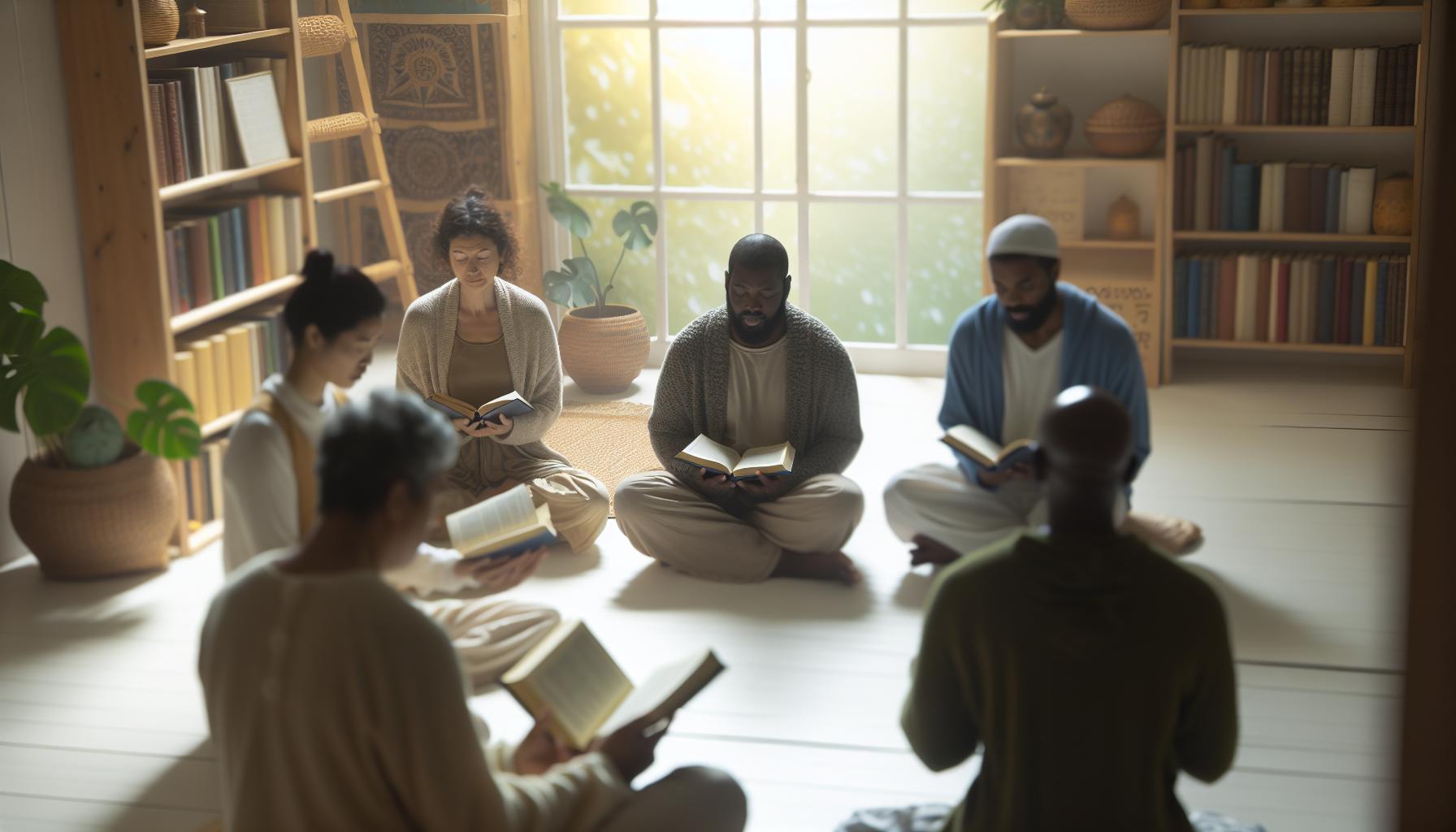
Incorporating Scriptural Truth in Collective Prayers
Incorporating Scripture into collective prayers is not merely an enriching practice; it is foundational for a prayer community that seeks to align closely with God’s will and purpose. When we embed biblical truths into our prayers, we acknowledge the authority and power of God’s Word. This can transform a prayer gathering from a simple sharing of thoughts into a powerful encounter with the living God, as each prayer is anchored in Scripture that reveals His character and His promises.
One effective approach to infuse scriptural truths into collective prayers is to begin each session with a chosen passage from the Bible. For instance, starting with Philippians 4:6-7, which emphasizes the importance of presenting our requests to God and experiencing His peace, can set a sacred tone for the gathering. Encourage participants to reflect on the passage, allowing it to shape their prayers. This invites authenticity and depth as each person articulates their needs and praises in light of the Scriptural context.
Additionally, creating a list of thematic Scriptures tailored to specific prayer needs-such as healing, guidance, or comfort-can serve as a potent resource. For example, when praying for healing, refer to James 5:14-15, which encourages believers to seek prayer and anointing. By providing these verses, participants can draw directly from Scripture, fostering a shared confidence in God’s promises while reinforcing the community’s collective faith.
### Practical Steps for Incorporating Scripture
- Create Scripture Cards: Prepare cards with selected Bible verses that correlate with various prayer needs. Distribute these at gatherings, encouraging members to incorporate them into their prayers.
- Thematic Prayer Nights: Organize special prayer evenings focused on specific themes, allowing members to study related Scriptures together before praying as a group. This intentional preparation can deepen the community’s connection to the Word.
- Encourage Personal Reflection: Before each meeting, invite attendees to pray using a specific passage, fostering a habit of personal engagement with Scripture that they can share during group prayer.
By embedding Scripture into collective prayers, believers not only uplift one another but also strengthen their spiritual foundation. These shared encounters with the Word can foster a deep sense of unity and purpose, as each person witnesses how God’s promises manifest within their lives and community. As they draw from the richness of biblical truth, they reaffirm their dependence on God, experience increased faith, and encounter transformative moments during their prayer gatherings.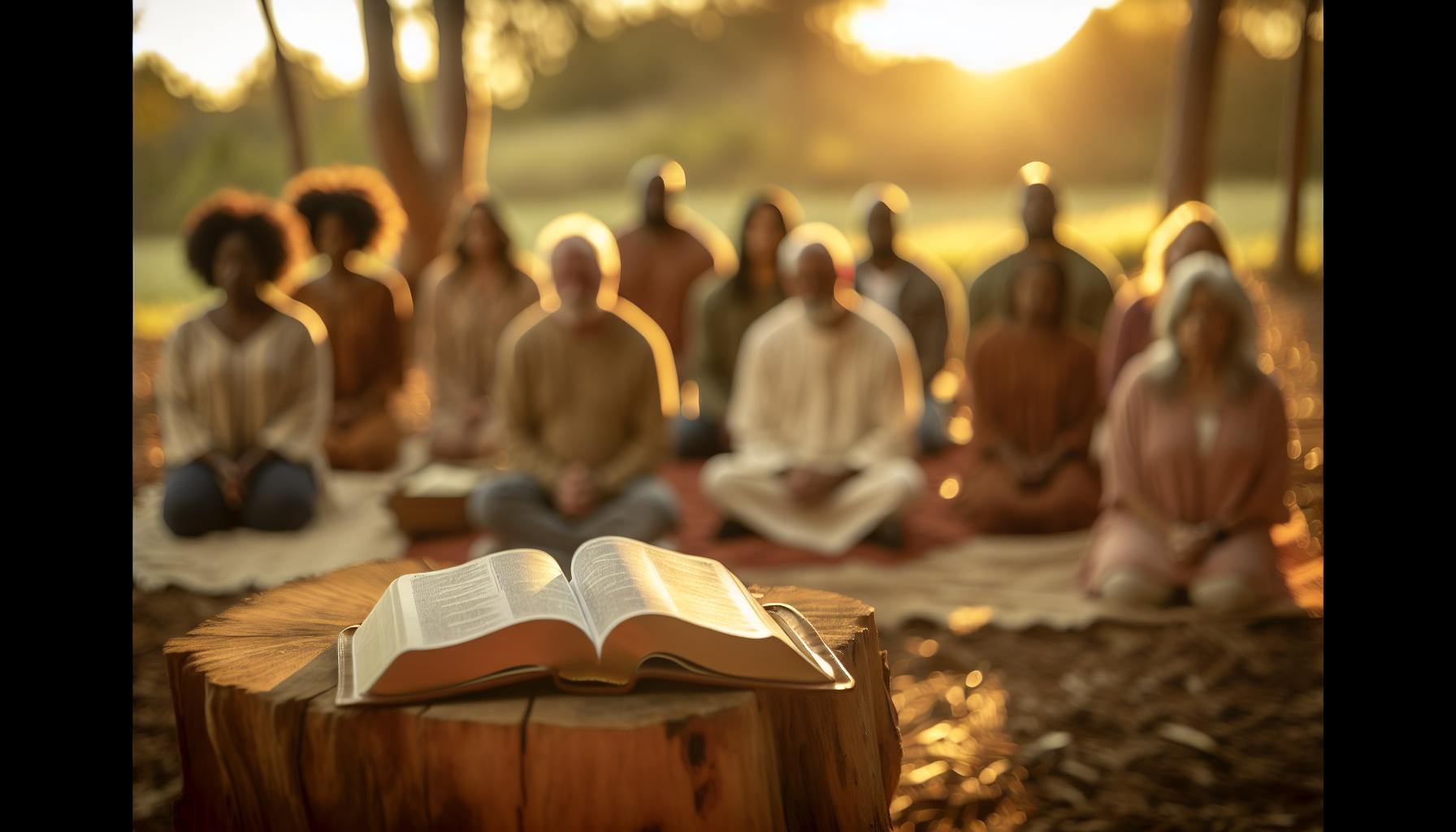
Prayers for Healing: Inviting God’s Presence
In moments of pain and uncertainty, the power of healing prayers offered in community can become a lifeline, inviting God’s transformative presence into our lives and circumstances. When believers gather with united hearts to pray for healing, they not only intercede for one another, but they also create a sacred space where God’s grace can flow freely. This collective act of faith echoes the early church, where community and prayer intertwined to bring hope and restoration.
To effectively invite God’s presence during healing prayers, it is essential to center the gathering on Scripture and His promises. Begin by selecting specific verses that align with healing, such as Psalm 147:3, “He heals the brokenhearted and binds up their wounds,” which affirms God’s heart for restoration. By reciting these passages together, participants can align themselves with the authority of God’s Word, reminding one another of His unwavering faithfulness and ability to heal. Encourage members to share their personal experiences of God’s healing, creating an environment rich with testimonies that reignite faith and hope.
Another practical approach involves incorporating anointing with oil, as directed in James 5:14-15. This tangible act during the prayer gathering not only follows biblical instruction but also serves as a symbol of inviting the Holy Spirit’s presence. As those in need of healing are anointed and prayed for, encourage the community to intercede earnestly, laying hands on one another if comfortable, and offering prayers that are specific and heartfelt. In this intimate setting, participants can express their vulnerabilities and invite God’s miracle-working power into their situations.
As prayers for healing ascend before God’s throne, remind attendees to remain open to various ways God may respond, whether through immediate healing, gradual improvement, or emotional and spiritual restoration. It is crucial that the community fosters an environment of patience and trust in God’s timing. With each prayer lifted and each heart united in purpose, they cultivate a powerful testament to the belief that God is actively involved in their lives, bringing wholeness and healing in ways they cannot always see or understand. In these moments, the gathering transforms into a divine encounter, allowing the presence of God to envelop each individual and each situation with His comfort and peace.
Transformative Effects of Group Prayer on Families
In an age marked by rapid change and uncertainty, families often find solace and strength in the power of group prayer. When families come together united in prayer, they create a spiritual refuge that deepens their relationships with one another and fortifies their individual and collective faith. This shared practice not only enhances the spiritual atmosphere of the home but also fosters a sense of belonging and support that is essential for navigating life’s challenges.
One of the greatest transformative effects of group prayer is the community it builds within the family unit. When family members gather to pray, they share their struggles, victories, and hopes, creating a safe environment for vulnerability and trust. This environment encourages open communication, where each person feels valued and heard. For instance, setting aside time each week for a family prayer night can help members articulate their concerns, ask for specific prayers, and testify to how God has worked in their lives, creating a bond that strengthens their faith and collective resilience.
Moreover, group prayer cultivates a sense of unity that transcends individual struggles. As families pray together, they align their hearts and minds with God’s purpose. This shared mission can guide them through difficult times, reminding them of the promises found in Scripture, such as Matthew 18:20: “For where two or three gather in my name, there am I with them.” This verse reassures families that Jesus is present in their prayers, further solidifying their connection to Him and to one another. The faith they build together becomes a spiritual heritage that can be passed down through generations, empowering future family members to engage in prayer and seek God’s guidance in their lives.
Incorporating specific rituals can enhance the power of family prayer. For instance, lighting candles or using prayer journals can facilitate a more focused and meaningful experience. Families might also find it beneficial to create a prayer wall, where they can pin prayer requests and notes of gratitude, visual reminders of their shared journey. Such practices not only instill discipline and devotion but also reinforce the idea that they are in this journey together, encouraging each member to participate actively in their spiritual growth.
Ultimately, the extend beyond the immediate atmosphere of the home. As families pray together, they reflect the love, grace, and community that Christ embodies. This shared commitment to prayer not only strengthens their relationships with one another but also deepens their relationship with God, allowing their faith to flourish in an ever-changing world. For any family seeking to grow spiritually, embracing the practice of collective prayer is a powerful step toward unity, strength, and divine connection.
Designing Effective Corporate Prayer Gatherings
Gathering believers in corporate prayer can be a transformative experience, often amplifying individual prayers into a powerful collective force. To create effective corporate prayer gatherings, consider these essential elements that foster an environment where faith flourishes, hearts unite, and God’s presence is palpably felt.
Establish a Clear Purpose
Before convening, it’s crucial to communicate the purpose of the prayer gathering. Are you focusing on intercession, thanksgiving, or perhaps seeking guidance for a specific issue in the community? Providing a clear goal helps attendees prepare their hearts and minds, enabling them to align with the collective intention. For instance, if the gathering aims to pray for healing, you could encourage participants to bring personal requests and testimonies of God’s faithfulness in their lives.
Create an Inviting Atmosphere
Setting the right tone is vital. Ensure that the space is welcoming and conducive to prayer. This can be achieved through thoughtful decoration, ambient lighting like candles, or soft worship music that fosters a spirit of reverence and unity. Create a comfortable seating arrangement that encourages intimacy; circles often work best as they promote inclusivity and allow everyone to participate fully. Providing resources such as prayer guides or scriptural meditations can also help attendees focus on prayer content.
Incorporate Variety in Prayer Expressions
Different individuals connect with God in various ways. Incorporating diverse forms of prayer-such as structured prayers, spontaneous sharing, silent prayer, or even guided visualizations-can meet diverse spiritual needs. You might include moments of worship through song, readings from Scripture, or testimonies that inspire and deepen the faith of participants. Allowing for these variations not only enriches the experience but also invites participants to engage with their prayer in ways that resonate personally.
Encourage Participation and Sharing
A corporate prayer gathering should feel collaborative. Encourage everyone to share prayer requests, praise reports, or even relevant scriptures that have been impacting their lives. Facilitating time for participants to publicly share heart concerns fosters community and trust. You could also designate moments for breakout prayer sessions where smaller groups can share and pray for each other’s specific needs, thus creating deeper connections among attendees.
In these gatherings, remember that prayer is not just about bringing requests to God but also about listening to His voice. Allow space for silence; sometimes, the most profound moments occur in the stillness when individuals can reflect and listen for God’s guidance. Engaging in prayer as a united body not only brings individual burdens before God’s throne but also enriches the communal bond shared among believers, empowering each person in their faith journey.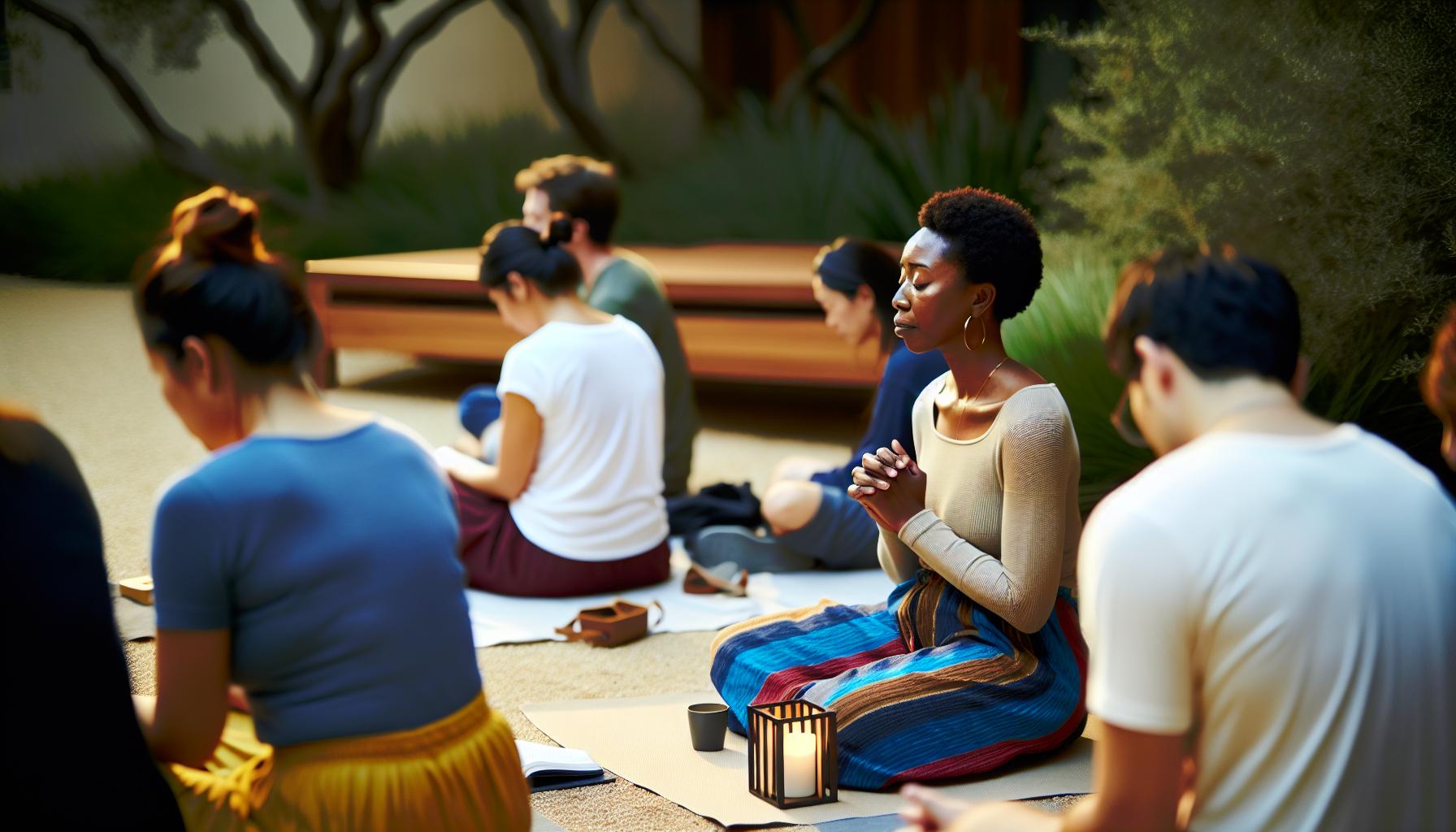
Encouragements for Personal Prayer Life in Community
In the tapestry of community prayer, the threads of personal faith weave together to create a vibrant pattern of devotion that not only strengthens individual believers but also uplifts the entire congregation. When we understand that our personal prayer lives contribute to the collective spirit, we are empowered to engage more deeply, creating an atmosphere where God’s presence is undeniably felt. Each prayer, whether whispered in private or declared in a group, has the potential to impact both our personal journey and the broader community.
To nurture personal prayer life within a communal framework, it’s essential to establish regular habits that encourage both individual and collective engagement. Setting aside specific times for personal prayer, whether through morning quiet time or evening reflections, supports a steady rhythm that complements communal gatherings. Consider forming small groups outside of scheduled church events, where you can join together to share personal reflections and pray for one another. This not only provides accountability but also creates a safe space to explore faith deeply, fostering intimacy and transparency among participants.
Engage with Scripture Together
Integrating scripture into personal prayer can enhance its depth and focus. Encourage members to select verses that resonate with them personally and to share these passages during group prayers. This practice not only enriches personal understanding but also allows the community to see the variety of God’s Word at work in different hearts. For instance, reading through Psalms can inspire prayers of praise or lament, reflecting a full range of human experience while connecting the community through shared truths.
To facilitate a more profound communal prayer life, consider developing resources such as prayer journals or devotionals that can be shared among members. These tools encourage reflection and provide prompts for prayer that align with current community needs. Creating themed prayer events, like a focus on healing, can also guide personal prayer lives into the corporate experience, enabling believers to come together in unified intercession while still embracing their unique voices and struggles.
Ultimately, as you seek to cultivate your personal prayer life within a community, allow yourself to be vulnerable and open to God’s leading. Your individual journey of faith, marked by prayer, can serve as an encouragement to others, forming an interwoven narrative of hope that echoes through each heart present. By blending personal devotion with shared experiences, you strengthen the community’s spiritual foundation, fostering an environment where united hearts genuinely seek the Throne of Grace together.
Embracing Diversity in Corporate Prayer Settings
Incorporating diverse perspectives in corporate prayer settings can deepen spiritual experiences and foster a profound sense of unity among believers. When people from varying backgrounds, cultures, and life experiences come together in prayer, it reflects the rich tapestry of the Body of Christ, as highlighted in 1 Corinthians 12:12-14, which speaks to the importance of each member contributing their unique gift to the whole. Embracing diversity in prayer does not just create a more inclusive atmosphere; it also enriches the collective understanding of God’s nature and His will.
To cultivate an environment where diverse voices are valued, consider the following practical steps:
- Encourage Personal Testimonies: Invite congregation members to share their personal testimonies and how they connect with God through prayer. This not only honors individual experiences but also inspires others to engage in their own unique ways.
- Incorporate Various Prayer Styles: Recognizing that people pray differently can amplify the collective prayer experience. Use different styles such as silent prayers, spontaneous prayers, or structured prayers like The Lord’s Prayer to accommodate various preferences and backgrounds.
- Utilize Multi-Language Prayers: If your church community represents multiple languages, incorporate prayers in different languages. This action not only honors cultural backgrounds but also demonstrates the global nature of the Christian faith.
- Host Themed Prayer Gatherings: Create opportunities for themed gatherings that focus on specific cultural or communal needs, such as prayers for justice, healing, or reconciliation. These events can facilitate rich discussions and prayers rooted in the experiences of diverse groups.
Moreover, when leading prayers, consider using scriptural references that resonate across cultures. Verses such as Psalm 133:1, which highlights the beauty of harmony among brethren, can serve as a powerful reminder of our collective identity in Christ, transcending individual differences. This inclusive approach not only honors God’s work in the multitude of His creation but also enhances the prayer experience as believers come together before His throne with hearts unified yet uniquely diverse.
As you embrace diversity within your corporate prayer dynamics, remain sensitive and open to the Holy Spirit’s guidance. This openness fosters an encouraging environment where both individual and collective prayers are uplifted, allowing each voice to become a vital part of the sweet symphony of worship presented to God. By embracing the uniqueness of each member within the community, the power of prayer can become a vehicle for transformation, healing, and deepening relationships, not only with God but also among one another.
Frequently asked questions
Q: What are the key benefits of collective prayer in “Prayers of the People”?
A: Collective prayer strengthens community bonds, enhances spiritual growth, and encourages individuals to share their burdens. It fosters a sense of unity and support, creating an environment where participants can experience God’s presence more profoundly, aligning with biblical teachings on the power of praying together.
Q: How can I develop a consistent prayer life within a group?
A: Establish a regular prayer schedule with your group and choose designated prayer topics. Encourage members to share their prayer needs and testimonies, fostering an atmosphere of openness and trust. This approach can be found in the “Creating a Prayer Community” section of the article.
Q: What is the significance of United Hearts in prayer?
A: United Hearts symbolize a collective intention and focus towards God, enhancing the effectiveness of the prayer. This concept emphasizes that when individuals unite in faith, they can experience transformative outcomes, as highlighted in the section on “The Role of United Hearts in Spirit-Led Worship.”
Q: When should I engage in group prayer?
A: Group prayer can be conducted during regular meetings, special church events, or when facing community challenges. Engaging in prayer during significant moments, such as holidays or crises, amplifies the impact and relevance, as discussed in “Designing Effective Corporate Prayer Gatherings.”
Q: How does Scripture support collective prayer practices?
A: The Bible provides numerous examples of collective prayer, particularly in Acts 1:14 and Matthew 18:20, which affirm that God is present in communal settings. Incorporating scripture into prayers reinforces their foundation and purpose, as mentioned in “Incorporating Scriptural Truth in Collective Prayers.”
Q: What tips can help individuals prepare for a group prayer session?
A: Before attending a group prayer, spend personal time in reflection and scripture reading. Bring specific prayer requests and be open to listening to others, fostering a supportive environment. Refer to “Encouragements for Personal Prayer Life in Community” for further insights.
Q: Why is it important to embrace diversity in corporate prayers?
A: Embracing diversity enriches the prayer experience, bringing various perspectives and cultural expressions to worship. It promotes inclusivity and unity among believers, echoing the principle of love and acceptance found in the teachings of Christ, as explored in “Embracing Diversity in Corporate Prayer Settings.”
Q: How can I use collective prayer for healing?
A: Collective prayer for healing invites God’s presence and power into difficult situations. It is vital to create a safe and supportive environment where individuals can openly share their needs while praying in faith, aligning with the message in “Prayers for Healing: Inviting God’s Presence.”
In Summary
As we conclude “Prayers of the People: United Hearts Before God’s Throne,” remember the powerful connection we share in prayer-uniting our hearts with God’s will. Embrace this community of believers by diving deeper into our related resources on Bible study and faith practices, such as exploring our article on “Strengthening Your Prayer Life” and “Daily Devotionals for Spiritual Growth.”
Don’t wait to enhance your spiritual journey; subscribe to our newsletter for regular inspiration straight to your inbox, and consider sharing your thoughts in the comments below. Your voice adds immense value to our community and encourages others on their faith paths.
Continue your exploration of faith by visiting our guides on Christian marriage and parenting or delving into our articles on spiritual warfare. Let’s grow together in faith and action, knowing that every prayer, big or small, contributes to our united hearts before God’s throne.