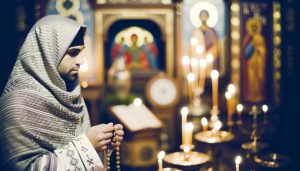
Rosh Hashanah, the Jewish New Year, invites us into a sacred season filled with rich prayers and profound spiritual reflection. As we embrace the themes of renewal and wisdom, this holiday provides a unique opportunity to reassess our lives, deepen our faith, and endeavor toward personal growth. Just as the sound of the shofar calls us to awaken our spirits, these prayers inspire us to seek God’s guidance in our daily journey. In a world that often feels chaotic, these ancient words remind us of God’s everlasting presence and the power of new beginnings. Let us explore how these prayers can not only enrich our understanding of this significant season but also draw us closer to our Creator, offering insights that resonate with our endeavors for a fulfilling life. Join us as we delve into the heartfelt prayers of Rosh Hashanah, uncovering wisdom that has transcended generations and continues to shape our spiritual practices today.
Contents
- 1 Rosh Hashanah: Understanding the Significance of the Holiday
- 2 Keys to Meaningful Rosh Hashanah Prayers
- 3 Ancient Texts: Foundations of Rosh Hashanah Worship
- 4 Rituals and Practices for Personal Reflection
- 5 The Shofar: Sounding the Call for Renewal
- 6 Creating a Spiritual Environment for the New Year
- 7 Integrating Gratitude into Rosh Hashanah Prayers
- 8 Modern Applications of Ancient Rosh Hashanah Wisdom
- 9 Family Traditions: Celebrating Rosh Hashanah Together
- 10 Exploring the Themes of Forgiveness and Renewal
- 11 Navigating the High Holy Days: Rosh Hashanah to Yom Kippur
- 12 Inspiring Stories of Transformation During Rosh Hashanah
- 13 Faq
- 14 Insights and Conclusions
Rosh Hashanah: Understanding the Significance of the Holiday
Rosh Hashanah, the Jewish New Year, serves as a profound moment for reflection and renewal. It marks the beginning of the High Holy Days and invites individuals to examine their lives through the lens of their faith, emphasizing the overarching themes of repentance, forgiveness, and new beginnings. As we approach this sacred time, it becomes essential to recognize its significance-not just as a calendar marker but as an opportunity for spiritual growth and transformation.
At the heart of Rosh Hashanah is the practice of prayer. These prayers are rich with ancient wisdom, offering guidance for personal reflection and communal worship. They remind participants that through sincere repentance and a commitment to growth, one can embark on a path toward a more meaningful life. Believers are encouraged to approach these prayers with an open heart, seeking to align their lives with divine principles while fostering a sense of hope and purpose.
Moreover, Rosh Hashanah invites families and communities to come together, creating a collective atmosphere of introspection and connection. Engaging in the various rituals, such as the sounding of the shofar, not only strengthens communal bonds but also serves as a powerful reminder of the call to renewal and the commitment to live better in the coming year. By embracing these practices, individuals are empowered to make lasting changes in their lives, inspired by the transformative potential of the season.
In the spirit of gratitude, this holiday encourages believers to integrate thankfulness into their prayers, acknowledging the blessings of the past year while looking forward to new opportunities for growth. As families gather to celebrate and reflect, the lessons learned during Rosh Hashanah can uplift hearts, guide actions, and strengthen faith within their community and beyond.
Keys to Meaningful Rosh Hashanah Prayers

Recognizing the profound connection between prayer and spiritual renewal during Rosh Hashanah, it becomes essential to approach this sacred time with intention and mindfulness. The prayers of Rosh Hashanah serve not only as an expression of worship but also as an opportunity to connect deeply with one’s faith and community. By embracing the rich tapestry of ancient texts and traditions, believers can unlock the transformative power of their prayers, paving the way for new beginnings in their spiritual journeys.
To cultivate meaningful prayers during this holy season, start by reflecting on the themes of repentance and forgiveness that are central to Rosh Hashanah. The practice of taking time to introspect allows individuals to confront their shortcomings and seek genuine reconciliation with God and others. When crafting your prayers, consider incorporating specific affirmations or confessions that resonate with your experiences over the past year. This personalized approach not only enhances authenticity but also fosters a deeper connection to the sacredness of the occasion.
Additionally, creating a spiritual environment conducive to prayer can greatly enrich your experience. Set aside a quiet space free from distractions, filled with symbols that inspire your faith-whether it’s scripture, candles, or items that represent your community and traditions. Engaging all the senses can help immerse you in the prayers, making the experience more profound and meaningful. Consider using elements such as music or the sounds of nature as a backdrop to your prayers, facilitating a tranquil atmosphere that invites divine presence.
Incorporating gratitude into your invocations is equally vital as it opens the heart to receive the blessings of the upcoming year. Start your prayers by acknowledging the gifts and lessons learned from the past year, expressing appreciation for both joys and challenges. This shift in focus nurtures a spirit of generosity and hope, reinforcing the belief that each day is a cherished gift that contributes to our growth. Through compassionate and poignant prayers, believers can engage in a heartfelt dialogue with God that not only instills hope for the future but also brings peace and clarity into the present moment.
The lie not only in the words spoken but in the sincerity of the heart behind them. By blending traditional wisdom with personal reflection and community connection, individuals can fully embrace the new beginnings offered during this sacred time.
Ancient Texts: Foundations of Rosh Hashanah Worship

The ancient texts form the backbone of Rosh Hashanah worship, providing a framework for believers to seek renewal and reflection as the Jewish New Year begins. These sacred writings weave together themes of repentance, divine mercy, and community, creating a tapestry that encourages both individual introspection and collective spiritual growth. The essence of Rosh Hashanah, rooted in scriptural foundations, invites worshippers to engage deeply with their faith and encourages them to embark on a journey of self-discovery and harmony with God.
One of the pivotal texts associated with this holiday is the Torah, specifically the passages that outline the significance of the New Year and the call for repentance. The biblical narrative reminds believers of their covenant with God and the importance of returning to Him. Rituals such as the recitation of the “Unetanneh Tokef” prayer, which reflects on God’s judgment and the fate of all creation, starkly portray the balance of fear and hope inherent in Rosh Hashanah observance. This prayer serves as a powerful reminder to seek divine mercy while inspiring worshippers to take sincere actions towards transformation.
Integrating Scripture into Personal Reflection
To enhance personal reflection during Rosh Hashanah, individuals can delve into specific verses that resonate with their own experiences of forgiveness and starting anew. Reflecting on texts from the Psalms, such as Psalm 51, which cries out for mercy and cleansing, can inspire heartfelt prayers that resonate with the spirit of the season. Incorporating these scriptures into prayer life provides an opportunity for believers to express their desires for renewal while grounding their intentions in biblical wisdom.
- Daily Reflection: Spend a few moments each day reading relevant scriptures and meditating on their meanings; allow these texts to guide prayers for the New Year.
- Group Study: Engage with family or friends in studying passages related to Rosh Hashanah, fostering a sense of community and shared spiritual growth.
- Journaling: Write down thoughts or confessions inspired by the scriptures, creating a personal record of prayers and God’s response throughout the year.
By immersing oneself in the ancient texts that underpin Rosh Hashanah worship, individuals can cultivate a deeper understanding of the holidays’ significance, ensuring their prayers reflect not only traditional elements but also personal aspirations for renewal and growth. In this way, the wisdom of the ancients becomes a living guide, infusing contemporary prayer practices with enduring spiritual truths that nourish the heart and soul.
Rituals and Practices for Personal Reflection

As the Jewish New Year approaches, it’s an opportune time to engage in rituals and practices that promote personal reflection. The essence of Rosh Hashanah encourages believers to introspect deeply, seeking renewal and a fresh start. These moments of contemplation can take various forms, allowing individuals to create sacred spaces in their daily lives and reconnect with their faith in profound ways.
A powerful practice for reflection is the use of prayer journaling. Take time to write down your thoughts, feelings, and prayers as you ponder the past year and contemplate the future. This method not only clarifies your intentions but also serves as a record of your spiritual journey. Reflect on specific episodes of the past year that shaped you-what you learned, what you are grateful for, and areas you wish to improve. This written dialogue with God can reveal insights that enhance your prayer life throughout the holiday.
Another meaningful ritual is the practice of candle lighting. As you light each candle, pause to offer specific prayers or wishes for the new year. Consider names of individuals in your life who may need healing or strength, and pray for them intentionally. The act of lighting candles symbolizes illuminating your path with hope and intention, inviting divine presence into your life as you step into the new year.
Additionally, incorporating Scripture readings into your reflective rituals can deepen your spiritual experience. You might select verses that emphasize themes of renewal and forgiveness, allowing them to guide your prayers and reflections. Psalm 51’s cry for cleansing and mercy, for example, can lay a foundation for heartfelt conversations with God.
In your time of reflection, use these practices to cultivate an environment conducive to spiritual growth. Whether through journaling, candle lighting, or immersing yourself in Scripture, these rituals invite you to draw closer to God, celebrating the promise of new beginnings while attuning your heart to His will for the year ahead. Each act serves as a reminder that Rosh Hashanah is not just a moment in time but a heartfelt journey towards renewal, connection, and transformation.
The Shofar: Sounding the Call for Renewal
The sound of the shofar is one of the most distinctive and powerful symbols of Rosh Hashanah, resonating not only through the air but deep within the hearts of those who hear it. As the Jewish New Year begins, the shofar-a ram’s horn traditionally blow during sacred times-calls the faithful to a moment of reflection and awakening. This ancient practice is much more than a ritual; it’s a divine reminder of renewal and repentance, inviting believers to assess their relationship with God and one another.
The shofar’s call serves as a sacred alarm, heralding an opportunity for spiritual renewal and introspection. Its piercing notes break through the mundane and beckon worshippers to consider their lives-how they can improve, heal, and grow in faith. Each blast of the shofar signifies important themes: teshuvah (return), tefilah (prayer), and tzedakah (charity). These themes are woven into the very fabric of the Rosh Hashanah experience, encouraging believers to embrace the possibilities of the new year with a heart aligned towards God.
Incorporating the sound of the shofar into personal spiritual practices can profoundly deepen your connection to this season of reflection. Consider setting aside time during the holiday to listen to shofar blasts, either in temple or through audio recordings, and allow its sounds to resonate within you. Silence your distractions and meditate on how God’s call to renewal relates specifically to your life circumstances. You might ask yourself questions like, “How can I draw closer to God this year?” or “What specific changes can I make to embody His love more fully?”
As the notes of the shofar echo, they remind us of our shared spiritual heritage and the importance of collective worship. The communal aspect of hearing the shofar together can foster unity and a sense of belonging among family and friends. This powerful moment can encourage conversations about personal growth, forgiveness, and shared goals for the upcoming year. Whether it’s in the synagogue or in your home, engaging with the shofar can crystallize your intentions as you approach the new year with hope and fresh purpose.
The shofar is not merely a sound to be heard; it is a call to action, a divine invitation to step into the new year transformed. By engaging with its call, let your heart respond in faith, seeking the depth of relationship that God desires with each of us.
Creating a Spiritual Environment for the New Year
Creating a meaningful spiritual environment for the new year can profoundly shape your experience of Rosh Hashanah, a time that beckons believers to reflect, renew, and embrace spiritual growth. As the Jewish New Year approaches, consider transforming your home and heart into a sanctuary where God’s presence can be felt deeply. Whether through the aroma of traditional foods or the sounds of spiritual melodies, a curated environment can enhance your reflections and prayers, allowing you to enter the new year with intention and gratitude.
Start by setting aside a dedicated space for prayer and meditation. This area can be adorned with symbols of your faith-like candles, scripture verses, or items that represent your spiritual journey. Lighting a candle while praying can signify the illumination of new beginnings, reminding you of Christ, the Light of the World. Consider incorporating a small table where you can place a journal to record your reflections, prayers, and goals for the upcoming year. This practice not only cultivates mindfulness but also allows you to track your spiritual growth and the answers to your prayers throughout the year.
Create an atmosphere that invites serenity and focus. Play soft worship music or recordings of prayers to fill the space with uplifting sounds. You may also want to include scents that help to calm your mind, such as essential oils or incense, leading you into a reflective state that is conducive to prayer. As you prepare to enter this sacred season, engage your senses; allow your heart to be open to God’s teachings during this time of introspection.
Moreover, consider hosting a family gathering centered around Rosh Hashanah rituals. Sharing the experience of prayer, storytelling, and meaningful discussions can deepen your communal bond and enrich your spiritual environment. Invite family members to share their insights or commitments for the new year, fostering an atmosphere of love and support. This practice not only nurtures relationships but also aligns your collective intentions with God’s purpose for the year ahead.
In nurturing a spiritual environment during Rosh Hashanah, you invite the opportunity for personal and communal renewal. By thoughtfully creating a space that encourages reflection, prayer, and unity, you are preparing your heart to embrace the gifts of the new year. Let this be a time where you lay down the burdens of the past and step forward in faith, anchored by the hope and promise of God’s everlasting love.
Integrating Gratitude into Rosh Hashanah Prayers

Rosh Hashanah, the Jewish New Year, invites a profound opportunity for spiritual renewal and gratitude. As believers reflect on the past year and look forward to new beginnings, integrating gratitude into prayers becomes a pivotal aspect of their worship experience. By acknowledging and thanking God for His faithfulness, blessings, and guidance, individuals can cultivate a deeper sense of connection and purpose as they enter the new year.
To weave gratitude into Rosh Hashanah prayers, one effective practice is to create a list of specific blessings from the past year. Take a moment to write down moments of joy, answered prayers, and God’s provision that shaped your journey:
- Health and well-being
- Relationships and community support
- Personal growth and spiritual insights
This reflection can transform your prayer life, leading to heartfelt expressions of thanks. As you present these reflections to God, you not only celebrate His goodness but also acknowledge His role in guiding your life’s path.
Moreover, consider using scripture passages focused on thanksgiving during your prayers. Verses such as 1 Thessalonians 5:16-18 remind believers to “rejoice always, pray continually, give thanks in all circumstances.” Incorporating these scriptures into Rosh Hashanah prayers can provide a firm foundation for expressing gratitude and help maintain a joyful attitude of worship. You might even choose to incorporate communal prayer, inviting family and friends to share their blessings aloud, thereby reinforcing the communal aspect of gratitude.
Creating a strengthening practice of gratitude can extend beyond the prayer itself. For instance, you might establish a gratitude journal where you regularly jot down things you are thankful for. This practice not only enriches your prayer life but also fosters a continual awareness of God’s blessings throughout the year. As Rosh Hashanah approaches, allow the reflection of gratitude to illuminate your prayers, reminding you that each new beginning is enriched by remembering and celebrating the faithfulness of God in your life.
Modern Applications of Ancient Rosh Hashanah Wisdom
Rosh Hashanah, often regarded as a time for spiritual renewal, offers profound wisdom that can be applied to modern life. The ancient practices and themes of this holiday, such as introspection, repentance, and renewal, resonate powerfully today, encouraging individuals to reevaluate their lives and relationships. Adopting these timeless principles allows believers to cultivate a deeper connection with God and enrich their spiritual journeys throughout the year.
One modern application of Rosh Hashanah wisdom is the tradition of self-reflection. During this period, individuals can set aside time to contemplate their actions over the past year and identify areas for personal growth. Creating a personal “spiritual checklist” can be immensely beneficial. This could include goals such as enhancing prayer life, improving relationships, or committing to acts of kindness. By making these intentions clear, individuals can foster accountability and facilitate significant changes in their lives.
Additionally, the act of seeking forgiveness-a key element during Rosh Hashanah-has immense relevance today. Encouraging open dialogue with family members and friends about past grievances not only heals relationships but also cultivates a spirit of compassion and humility. Consider taking proactive steps to initiate conversations of forgiveness, either through direct communication or heartfelt letters. This reflective practice can lead to deeper connections and promote emotional well-being within communities.
The symbolism of the shofar (a ram’s horn) serves as another powerful reminder of renewal. In modern applications, this could manifest as finding one’s “shofar moment”-a time to awaken the spirit, perhaps through a retreat or a day of quiet reflection. Engaging in short practices that resonate with the shofar’s call can encourage believers to rekindle their faith and embrace a fresh perspective on life. Whether through meditation, worship, or community service, these activities can reinvigorate one’s spiritual journey and set the tone for the year ahead.
Incorporating these ancient traditions into daily life transforms Rosh Hashanah from a singular event into a continuous opportunity for spiritual enrichment. As believers navigate the modern world, the wisdom of this sacred time can guide their actions, relationships, and spiritual practices, paving the way for growth and deeper connection with God.
Family Traditions: Celebrating Rosh Hashanah Together

Gathering together for Rosh Hashanah is not just a tradition; it’s a beautiful opportunity to weave family ties stronger as you embark on a new year filled with hopes and intentions. Celebrating this Jewish New Year creates a sacred space where families can honor their heritage and instill values of reflection and renewal in their children. By engaging in meaningful customs together, family members strengthen their faith while creating lasting memories.
One enriching way to deepen the family’s connection during Rosh Hashanah is through the shared ritual of the festive meal. Preparing traditional foods, such as challah and apples dipped in honey, not only illuminates the importance of the holiday but also serves as a tangible expression of love and unity. Set a beautiful table, and invite everyone to share what they’d like to achieve in the coming year. This exercise fosters open communication, encourages goal-setting, and deepens relationships.
Additionally, consider establishing a tradition that speaks to the significance of forgiveness and reflection. During the meal, invite family members to share stories or lessons learned over the past year. Create a “forgiveness jar” where each person can write down a grievance they wish to let go, fostering an environment of healing and reconciliation. Not only does this practice create emotional resilience, but it also helps cultivate a spirit of grace and mercy within the family.
To further honor the day, engaging in prayer as a family can be transformative. Light candles together, recite blessings, and encourage every member to pray aloud for their desires, dreams, and aspirations. These moments of collective prayer instill a profound sense of purpose and connection with God. By making it a family activity, you reinforce the idea that faith and community are integral facets of life, guiding each member towards a path of righteousness.
Strengthening family bonds during Rosh Hashanah does more than commemorate the New Year; it lays the groundwork for a year filled with love, resilience, and spiritual growth. As you step into this sacred time together, remember that the traditions you create now will echo in the hearts of your family for generations to come.
Exploring the Themes of Forgiveness and Renewal
The essence of Rosh Hashanah resonates deeply with the powerful themes of forgiveness and renewal, which echo throughout the fabric of our spiritual lives. As we welcome the Jewish New Year, we are invited to reflect on the past and to seek opportunities for change and growth. In the spirit of new beginnings, the holiday encourages us to examine our relationships with ourselves, others, and God. This is a time to acknowledge wounds that may have been inflicted-on ourselves and those around us-and to find ways to heal through forgiveness.
One practical way to engage with these themes is to incorporate rituals and reflections into your observance. Consider setting aside dedicated time to think about the past year’s challenges and triumphs. You might create a “forgiveness list,” where you reflect on grievances you wish to release, which can be shared later in a family circle or personal prayer. This can involve writing down the names of those who have hurt you or whom you may have hurt. As you voice these concerns, whether aloud or in private prayer, you create space in your heart for renewal and reconciliation, mirroring the biblical principles found in Ephesians 4:32, which calls us to be kind and compassionate to one another, forgiving each other as God forgives us.
Engaging with the sound of the shofar during Rosh Hashanah serves as a call to introspection and renewal. Its piercing tone is a reminder of our spiritual awakening, prompting us to seek forgiveness not only from others but also from God. In making amends, we open ourselves to experience God’s grace more fully, aligning ourselves with Isaiah 43:18-19, which reminds us not to dwell on the past but to embrace the new things He is doing in our lives.
As families come together to celebrate, the act of sharing personal stories of forgiveness can foster a nurturing environment that embraces healing. You may establish a tradition of gathering to discuss lessons learned throughout the year and how those experiences can inform future actions. This shared exchange can strengthen family bonds and create a culture of understanding and support within your home. By taking these steps, both individually and collectively, you embody the spirit of Rosh Hashanah, allowing forgiveness and renewal to guide your journey into the new year.

As the Jewish New Year dawns with Rosh Hashanah, it heralds a sacred period known as the High Holy Days, culminating in Yom Kippur, the Day of Atonement. This powerful transition invites believers into a profound journey of reflection, repentance, and reinvigoration of their faith. As you navigate this sacred time, it becomes essential to embrace the opportunity it presents for spiritual renewal and personal transformation.
During this season, setting aside intentional time for prayer and contemplation can significantly enhance your spiritual experience. Engage in a series of daily devotions that focus on areas of your life needing attention-be it relationships, personal goals, or spiritual alignment. Consider establishing a spiritual practice that includes reading scripture, journaling your reflections, and offering prayers of gratitude and penitence. Ephesians 5:15-16 reminds us to be wise by making the most of every opportunity, particularly as we reflect on our past actions and plan for the future.
A meaningful ritual to integrate during this period is the practice of communal and individual confession and forgiveness. This can be carried out through family discussions or private meditation sessions where you openly acknowledge areas of wrongdoing or conflict. Such opportunities for reconciliation echo 1 John 1:9, which assures us of God’s faithfulness in forgiving our sins when we confess them. As you engage in this practice, you not only fulfill a spiritual duty but also pave the way for deeper connections with those around you.
As Yom Kippur approaches, fasting and prayer become prominent. This time of fasting can deepen your reliance on God and highlight areas where you may seek His guidance more earnestly. It’s also a time to reflect on your intentions, allowing God’s wisdom to lead your decisions for the upcoming year. Remember, the essence of this period is not merely about abstaining from food but cultivating a heart posture of humility and dependence on the Lord. Through these reflections and practices, you’ll find yourself grounded in tradition while being invigorated by new beginnings, embodying the spirit of the High Holy Days.
Inspiring Stories of Transformation During Rosh Hashanah

Drawing on the transformative power of Rosh Hashanah, many individuals share inspiring stories that resonate deeply within the community and serve as powerful reminders of renewal and redemption. These narratives often reveal how, through prayer and reflection, people have discovered new paths in their faith journey, reconnected with loved ones, or even embraced new spiritual practices. For instance, one family recalls a Rosh Hashanah when they collectively decided to write down their grievances toward one another and then ceremonially burn the papers. This act of letting go not only healed old wounds but also fostered a renewed commitment to love and support each other in the coming year.
The significance of communal prayers during this holy season cannot be overstated. In many congregations, there are testimonies of individuals who, for years, felt disconnected from their faith due to various struggles. However, during Rosh Hashanah, the sound of the shofar-a ram’s horn traditionally blown during the holiday-served as a profound wake-up call. Inspired by the community’s collective energy and commitment to prayer, these individuals found courage to share their own stories of hardship, which allowed them to draw strength and support from fellow believers. This cycle of sharing not only nurtured deeper relationships but also invigorated their faith, showcasing the incredible power of shared spiritual experiences.
Real-World Examples of Transformation
- Personal Growth: A young adult, reflecting on past decisions, utilized Rosh Hashanah as a pivotal moment to recommit to his studies and career goals. Through dedicated prayer and seeking divine guidance during this time, he embraced a more purposeful approach to his education.
- Healing Relationships: A couple facing significant strife decided to incorporate specific prayers for their marriage during this sacred time. Their commitment to seeking God’s intervention and focusing on gratitude led to renewed love and understanding.
- Community Outreach: Inspired by Rosh Hashanah’s themes of new beginnings, a community group initiated a local charity drive, emphasizing the importance of giving back as a vehicle for transformation, thereby bringing together diverse groups for a common cause.
This sacred time encourages us not only to reflect but also to act upon the revelations we gain through prayer and contemplation. As believers, embracing these opportunities to transform our lives can cultivate a vibrant and purposeful faith. Every individual’s story of transformation during Rosh Hashanah serves as an encouragement that even the smallest steps toward renewal can lead to profound changes in oneself and the community. Such narratives remind us that the practice of seeking forgiveness, enhancing relationships, and striving for personal growth is timeless, echoing the essence of this holy season.
Faq
Q: What prayers are recited during Rosh Hashanah?
A: During Rosh Hashanah, traditional prayers include the Amidah, Shofar blessings, and Tashlich, focusing on repentance and renewal. Each service emphasizes themes of reflection and hope, connecting participants to their heritage. For more insights on meaningful prayers, explore the section on “Keys to Meaningful Rosh Hashanah Prayers.”
Q: How can Rosh Hashanah prayers enhance personal reflection?
A: Rosh Hashanah prayers create sacred moments for introspection, helping individuals evaluate past actions and set intentions for the new year. Engaging deeply with these prayers fosters a spirit of renewal and growth that resonates throughout the High Holy Days. Check our section on “Rituals and Practices for Personal Reflection” for further ideas.
Q: Why is the Shofar significant in Rosh Hashanah prayers?
A: The Shofar is not only a call to worship but also symbolizes spiritual awakening and repentance. Its sound serves to awaken the heart, inspiring participants to reflect on their lives and commit to positive change in the upcoming year. For a deeper understanding, see “The Shofar: Sounding the Call for Renewal.”
Q: What themes are emphasized in Rosh Hashanah prayers?
A: Rosh Hashanah prayers emphasize themes such as forgiveness, renewal, and gratitude. These elements are essential as they guide worshippers in seeking forgiveness for past wrongs and expressing heartfelt gratitude for new beginnings. Explore “Exploring the Themes of Forgiveness and Renewal” for further discussion on these themes.
Q: How do ancient texts inform Rosh Hashanah prayers?
A: Ancient texts, including Machzor (High Holy Day prayer book), form the foundation of Rosh Hashanah prayers, enriching the worship experience. They connect modern worshippers to centuries of tradition, infusing contemporary services with historical depth. Check “Ancient Texts: Foundations of Rosh Hashanah Worship” for deeper insights.
Q: What is a personal approach to Rosh Hashanah prayers?
A: A personal approach to Rosh Hashanah prayers can include setting intentions, journaling reflections, and customizing prayers to resonate with individual experiences. This practice makes the prayers more meaningful and helps nurture spiritual growth. Refer to “Creating a Spiritual Environment for the New Year” for tips on personalized worship.
Q: How can families incorporate traditions during Rosh Hashanah prayers?
A: Families can enhance their Rosh Hashanah experience by collectively reading prayers, sharing stories, and reflecting on their values. Creating new traditions, such as family discussions about new beginnings, can deepen connections and spiritual understanding. For more ideas, see “Family Traditions: Celebrating Rosh Hashanah Together.”
Q: When is Rosh Hashanah celebrated, and what is its significance?
A: Rosh Hashanah is celebrated on the first two days of Tishrei, marking the Jewish New Year. It is significant as a time for self-reflection, repentance, and setting intentions for the year ahead. Understanding its importance can enrich your Rosh Hashanah experience. Dive deeper into “Rosh Hashanah: Understanding the Significance of the Holiday.”
Insights and Conclusions
As you reflect on the profound insights gained from “Rosh Hashanah Prayers: New Beginnings with Ancient Wisdom,” remember that each prayer offers a step towards renewal and spiritual growth. Embrace this season of introspection and connection, allowing its wisdom to inspire your journey. If you’re eager to deepen your faith beyond Rosh Hashanah, explore our articles on daily prayer life, biblical devotionals, and spiritual practices to enrich your spiritual routine.
Don’t miss out on actionable resources to guide your accomplishments this year! Subscribe to our newsletter for regular updates that can nurture your faith journey and strengthen your community ties. We encourage you to share your thoughts or experiences in the comments below, fostering a space of connection and support. Together, let’s embark on this transformative journey, empowered by the ancient wisdom that continues to guide us forward.


![Devoted Health Provider Portal: [Not applicable for Christian content]](https://christiancitychurch.eu/wp-content/uploads/2025/09/7285-devoted-health-provider-portal-not-applicable-for-christian-content-300x171.jpg)