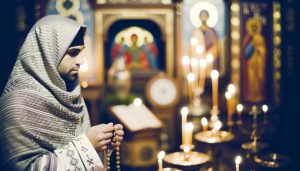
Shabbat prayers are a profound way to welcome peace and divine presence into your home, offering a sanctuary of faith and connection each week. As you observe this sacred time from Friday evening to Saturday, these prayers not only honor tradition but also serve as a beautiful reminder of God’s grace and love. Many families today seek moments of tranquility amidst their busy lives, and incorporating Shabbat prayers can transform your home into a place of spiritual nourishment and rest. Whether you’re a seasoned observer or new to these rituals, understanding the significance of these prayers can enhance your faith journey and deepen your family bonds. Discover how these sacred verses can cultivate an atmosphere that reflects heaven on earth, encouraging heartfelt worship and connection as you create your own Shabbat experience. Let’s explore the uplifting and enriching prayers that await you, inviting God’s presence and transforming your ordinary moments into extraordinary blessings.
Contents
- 1 The Power of Shabbat: Understanding Its Significance
- 2 Essential Components of Shabbat Prayers
- 3 How Shabbat Prayers Transform Your Home Atmosphere
- 4 Crafting a Family Shabbat Prayer Ritual
- 5 Using Scripture in Your Shabbat Prayers
- 6 Songs and Blessings to Enhance Shabbat Worship
- 7 Creating a Peaceful Environment for Shabbat
- 8 Incorporating Meditation into Shabbat Practices
- 9 Overcoming Common Challenges in Shabbat Observance
- 10 Exploring the Spiritual Benefits of Shabbat Prayers
- 11 Sharing Shabbat Traditions Across Generations
- 12 Elevating Your Shabbat Experience Through Community
- 13 Frequently asked questions
- 14 The Conclusion
The Power of Shabbat: Understanding Its Significance
The essence of Shabbat lies in its profound significance as a day of rest, reflection, and rejuvenation, rooted in the divine rhythm of creation and liberation. Observing Shabbat is not merely an obligation; it offers a sacred opportunity to step back from the chaos of everyday life and reconnect with God, family, and self. This weekly observance reminds us to find joy in the present moment and appreciate the blessings bestowed upon us.
On Shabbat, time transforms itself into a holy entity, creating a space where we can dwell in serenity and gratitude. From the lighting of candles to the recitation of blessings, every ritual encapsulates the spirit of Shabbat. Engaging in these prayers and practices brings a sense of peace that permeates the home, cultivating an atmosphere ripe for spiritual growth. It is a time when families gather to share meals, stories, and laughter, reinforcing bonds and fostering unity.
The prayers of Shabbat serve as a bridge connecting us to our heritage and spiritual lineage. They invite us to reflect on our relationship with God and the world around us. By immersing ourselves in these sacred words, we can deepen our understanding of our faith and the importance of rest – driven by the belief that both physical and spiritual rejuvenation are vital for our well-being. When we intentionally celebrate Shabbat, we invite the divine into our homes, creating a sanctuary where love, peace, and faith flourish.
In a world that often prioritizes productivity over presence, Shabbat stands as a gentle reminder of the importance of pausing to breathe and be. This sacred time underscores the truth that rest is not laziness but rather a necessary component for a balanced life, echoing the biblical call to remember and keep the Sabbath holy. Embracing Shabbat allows us to step into a rhythm of grace that can transform our hearts and homes, enriching our daily lives with a sense of purpose and peace.
Essential Components of Shabbat Prayers
The rituals and prayers associated with Shabbat create a tapestry of spiritual significance that enhances the sacred atmosphere of the home. The serve not only as a means of connection with God but also as a way to cultivate unity and love within the family. By participating in these practices, families can tap into centuries of tradition, embracing a rhythm of worship that resonates spiritually and emotionally.
One of the central elements of Shabbat prayers is the candle lighting ceremony. This beautiful act marks the beginning of Shabbat, inviting divine light into the home. Traditionally, it is performed by the woman of the household, who recites a blessing while covering her eyes. This moment symbolizes the transition from ordinary time to holy time, fostering an environment of peace and tranquility. The warmth of the candlelight sets the tone for the evening, creating an inviting space for discussion, prayer, and reflection.
Following the candle lighting, families gather for the Kiddush, a blessing over wine that sanctifies the Shabbat meal. This act not only honors the Sabbath but also reminds us of God’s creation and the joyous nature of the day. During the meal, the Hamotzi blessing over the challah bread is recited, expressing gratitude for the sustenance provided. This focus on gratitude encourages participants to reflect on their blessings and strengthens their faith. By incorporating these rich traditions into your own family practices, you create a shared experience that deepens connections and enriches your spiritual life.
Additionally, it’s important to consider Scripture readings within your Shabbat prayers. Integrating passages from the Torah reinforces the connection between the sacred texts and the observance of Shabbat. Reading aloud allows family members to engage thoughtfully with the Word of God, fostering discussion and reflection that can enhance spiritual growth. Overall, the not only honor Jewish traditions but also cultivate a space where love, faith, and community flourish. Engaging in these practices opens the door to a more profound experience of Shabbat, transforming your home into a sanctuary of holiness and grace.
How Shabbat Prayers Transform Your Home Atmosphere
Creating an atmosphere that allows divine presence to dwell in your home can come powerfully through the observance of Shabbat. As families come together in prayer and celebration, the environment shifts from the routine demands of the week to a sacred space filled with tranquility and purpose. The intentional practices surrounding Shabbat not only honor tradition; they actively engage and transform the spiritual ambience of your home.
When Shabbat prayers begin, the home is infused with a sense of peace and togetherness. Rituals like candle lighting do more than just mark the beginning of the holy day; they create a visual and spiritual reminder of God’s light entering your space. The flickering flames can symbolize the divine presence, inviting family members to pause and reflect in an increasingly busy world. This moment, filled with intention, promotes an atmosphere that encourages deeper conversations and connections amongst family members.
In addition to candle lighting, the Kiddush and Hamotzi blessings foster a spirit of gratitude, allowing families to share their blessings and acknowledge God’s provision. These acts can lead to rich discussions about personal experiences and testimonies of faith, deepening bonds and reinforcing collective purpose. The emphasis on thanksgiving during these prayers resonates through the home, inviting laughter and joy, turning meal times into moments of shared spirituality.
Incorporating Scripture readings into the prayer routine connects your family’s spiritual life with God’s Word, setting a tone of reverence and reflection. Choosing passages that resonate personally can inspire thoughtful discussion, not just about the text but about how it applies to the family’s collective journey of faith. As family members share their insights and feelings, a deepened sense of unity emerges, transforming any space into a sanctuary of shared faith and encouragement.
By fostering this sacred atmosphere through Shabbat prayers, your home can serve as a refuge, allowing individuals to experience renewal and divine connection. As you engage in these meaningful practices, you create a legacy of faith within your family that not only honors God but also nurtures love and unity among its members. This weekly rhythm of intentional worship invites heaven closer to your home and establishes a lasting testament to the power of prayer.
Crafting a Family Shabbat Prayer Ritual
Creating a meaningful ritual for Shabbat prayers can transform your family’s weekly experience into a time rich with connection and spirituality. The key is to craft a ritual that feels authentic to your family, allowing everyone to participate and engage. Begin by clearly defining what elements will be included in your Shabbat observance, ensuring that they resonate with your family’s beliefs and practices. This might encompass prayer, Scripture readings, sharing personal reflections, or singing traditional songs.
Elements to Incorporate
- Candle Lighting: Start your ritual with the lighting of Shabbat candles to symbolize the entrance of peace and holiness into your home. As you light the candles, take a moment to reflect on the week past and express gratitude for the blessings received.
- Kiddush and Hamotzi: Incorporate the Kiddush, a blessing over the wine, and Hamotzi, the blessing over the bread. These prayers can serve as a powerful reminder of God’s provision. Encourage family members to discuss what they are thankful for during these blessings.
- Scripture Readings: Select passages that resonate with your family’s spiritual journey. Consider using the Psalms or other uplifting scriptures that encourage reflection and discussion. This is a wonderful opportunity to connect God’s Word with daily life.
- Personal Reflections: Allow each family member a moment to share something meaningful from their week. This fosters a sense of community and deepens the bonds between family members.
- Singing Together: Include traditional Shabbat songs or hymns that everyone enjoys. Singing together not only enhances the atmosphere but also incorporates joy and celebration into your prayer time.
As you create your Shabbat ritual, it’s crucial to be flexible and open to adjustments. At times, life presents challenges that may disrupt routines, especially with young children or busy schedules. Don’t shy away from simplifying the ritual when needed; it’s more about the heart and intention behind your practices than the perfection of execution.
With this in mind, bring an atmosphere of grace and love into your Shabbat experiences. Whether through heartfelt prayer, shared laughter, or quiet moments of reflection, the family ritual can serve as a spiritual anchor, inviting divine presence into your home and nurturing your family’s faith. As you cultivate these habits, your Shabbat observance will become a treasured time of rest, renewal, and reconnection with each other and with God.
Using Scripture in Your Shabbat Prayers
Incorporating Scripture into your Shabbat prayers not only enriches the spiritual atmosphere of your home but also helps to ground your faith in the timeless truths of God’s Word. When families come together to read and meditate on biblical passages during Shabbat, they create a sacred space where divine presence can be felt and harmony can flourish. This practice connects believers to their heritage, deepens their understanding of God’s promises, and fosters an environment of peace and reflection.
Start by selecting Scripture passages that resonate with your family’s experiences and spiritual journeys. Consider including well-loved texts, such as the Psalms, which resonate with themes of gratitude, hope, and divine guidance. For example, Psalm 23, with its beautiful imagery of the Lord as shepherd, can transform your evening’s focus to trust and security in God’s care. Other passages like Philippians 4:6-7 remind us to bring our concerns to God, assuring us of His peace that surpasses all understanding. As you read these scriptures aloud, allow space for personal reflection, encouraging each family member to share how the passage relates to their lives.
To make the Scripture readings even more impactful, integrate them into other prayer elements. For instance, after lighting the Shabbat candles, read a passage that speaks of light and hope, creating an immediate connection between the ritual and God’s Word. You might also choose to meditate on verses related to gratitude during the blessing over the bread (Hamotzi), such as Psalm 136:1, which urges us to give thanks for the goodness of God. This seamless blending of prayer and Scripture embodies the essence of Shabbat-a time to pause, reflect, and connect spiritually with one another and with God.
Remember that flexibility is key. Feel free to adjust your Scripture selections based on the season, church calendar, or particular challenges your family may be facing at the time. You might create a family tradition of choosing a different theme each week, prompting deeper discussions and connections. Ultimately, using Scripture during Shabbat prayers creates not just routine, but a bridge that draws your family closer together and closer to God, allowing His Word to transform your hearts and home into a haven of peace and grace.
Songs and Blessings to Enhance Shabbat Worship
The rhythm of Shabbat invites a special kind of worship that finds expression through songs and blessings, enriching both our spiritual journeys and communal experiences. Music, with its profound ability to evoke emotion and foster connection, serves as a bridge to God’s presence, making our observance of Shabbat truly transformative. Songs sung during Shabbat not only uplift our spirits but also create a sense of unity within families and communities. Consider introducing beloved melodies that resonate with your faith; for instance, singing “Shalom Aleichem” to welcome the angels can set a tranquil tone for the evening, preparing hearts for prayer and reflection.
Incorporating blessings into your Shabbat rituals further enhances the atmosphere of your home, allowing each family member to participate actively in the experience. The blessings recited over the candles, wine (Kiddush), and bread (Hamotzi) are more than mere traditions; they are powerful affirmations of faith that remind us of God’s providence and grace. Each blessing, when spoken thoughtfully, invites the divine presence into your gathering, infusing it with peace, joy, and gratitude. Engaging every family member in these recitations not only strengthens bonds but also teaches the next generation the significance of these rituals.
Additionally, exploring the rich tapestry of traditional Shabbat songs, from “Lecha Dodi” to “Mizmor L’David,” can anchor your worship experience in cultural heritage while allowing for personal expression. You might even consider creating a custom playlist that combines modern worship songs with traditional hymns, bridging the gap between the old and the new. Such an approach allows for creativity and relevance in your worship, catering to various tastes while maintaining a Christ-centered focus.
Ultimately, songs and blessings during Shabbat are not just about the words sung or spoken; they are vessels of grace that fill your home with the love of Christ. By intentionally incorporating these elements into your Shabbat observance, you create a sacred space where faith comes alive, enhancing not only your worship but also your collective family journey toward spiritual growth and closeness to God.
Creating a Peaceful Environment for Shabbat
Shabbat presents a unique opportunity to cultivate an atmosphere of peace and reflection, setting the stage for spiritual connection and regeneration. Creating a serene environment not only honors the sanctity of this day but also invites God’s presence into your home, transforming the ordinary into the extraordinary. Simple yet intentional actions can help foster a peaceful ambiance that enhances your Shabbat experience and allows you to fully engage in prayer and family gatherings.
To start, prepare your home in advance by decluttering and cleaning. A tidy space reflects a heart attuned to worship, making it easier for family members to focus on the spiritual aspects of Shabbat. Light candles in a designated area, as this symbolizes the welcoming of Shabbat and brings a warm, inviting glow to your home. Consider using calming colors and soft, natural elements to create a visually peaceful environment. As you arrange the table, incorporate meaningful symbols like flowers or a beautiful challah cover, which remind everyone of the sacredness of the moment.
Incorporating sensory elements can also enhance the peaceful ambiance. Play soft instrumental worship music or nature sounds to create a tranquil background. If your family enjoys it, include the fragrant aromas of Shabbat by preparing favorite dishes or baking challah, which can evoke feelings of comfort and joy. As everyone gathers, encourage discussions that revolve around gratitude, sharing personal reflections or prayer requests that help deepen relational bonds and focus the heart on the blessings of the week past.
Finally, setting a tone of peace requires deliberate action. Prioritize technology-free time to eliminate distractions, fostering genuine interaction among family members. Establish a time for collective prayer or scripture reading, allowing everyone to participate in a moment of devotion that reinforces the day’s significance. These shared moments not only enrich your Shabbat observance but also create lasting memories filled with love, unity, and divine connection. By cultivating peace, you lay a strong foundation for Shabbat prayers that truly bring heaven to your home, encouraging spiritual growth for everyone present.
Incorporating Meditation into Shabbat Practices
Meditation is a powerful practice that can significantly enhance the spiritual experience of Shabbat. By taking the time to reflect and connect with God, participants can more deeply appreciate the meanings behind their prayers and rituals. This sense of mindful engagement opens the heart and allows for spiritual rejuvenation that transcends the ordinary, making Shabbat not just a day of rest, but a profound experience of communion with the divine.
To incorporate meditation into your Shabbat practices, consider setting aside a specific time before or after your meal for quiet reflection. This can be as simple as gathering the family in a peaceful corner of your home, closing your eyes, and engaging in guided meditation that focuses on gratitude or divine connection. Begin by breathing deeply, inhaling peace and calm, and exhaling any distractions from the week. You might choose to meditate on a specific scripture, such as Psalm 46:10, “Be still, and know that I am God,” allowing its truth to permeate your thoughts and feelings.
Use this meditative time not only to reflect but also to invite God’s presence into your gathering. Encourage family members to share their own thoughts, feelings, or scripture passages that resonate with them. This can create a tapestry of shared faith and encouragement, where the hearts of everyone present become intertwined in a collective atmosphere of hope and worship. A simple practice might include each person taking a moment to speak aloud what they are thankful for, enveloped in an atmosphere of prayer.
Incorporating meditation can also involve tactile elements. Consider lighting a candle or burning incense to symbolize the lifting of prayers. Visual aids, such as picturing the light of Shabbat candles as a metaphor for God’s love illuminating your home, can enhance the experience. By blending these meditative elements with your prayers, you allow for a transformative Shabbat where peace reigns and divine connection flourishes, fostering an atmosphere conducive to spiritual growth and unity.
Ultimately, meditation during Shabbat not only deepens individual faith journeys but also strengthens the family bond, creating a legacy of shared spirituality that can be passed down through generations. In this way, you can truly bring heaven into your home, giving space for the divine to work in and through each member of your family.
Overcoming Common Challenges in Shabbat Observance
Observing Shabbat can be a profound spiritual experience, but it’s not without its challenges. As we seek to honor this sacred time, we often encounter practical difficulties that can undermine our intent. Common issues range from busy schedules and work commitments to distractions from daily life. However, overcoming these obstacles is essential for creating a meaningful Shabbat atmosphere that welcomes God into our homes.
One major challenge many families face is the pressure of preparing for Shabbat amidst a hectic week. Ensuring that meals are prepared, the home is clean, and the necessary prayers are ready can feel overwhelming. To alleviate this stress, consider setting aside specific times during the week for Shabbat preparation. Engaging in meal prep or cleaning tasks together as a family can transform these responsibilities into acts of love and service, further reinforcing the spiritual significance of Shabbat. Planning meals that allow for leftovers can also ease the burden, allowing you to focus more on prayer and family connections during the actual observance.
Another challenge lies in distractions that can pull our minds away from the spiritual focus of Shabbat. It’s easy to allow technology and worldly concerns to invade this holy time. To mitigate this, establish ‘tech-free’ zones during Shabbat. Before the onset of the day, encourage family members to turn off their devices and set aside work-related thoughts. By creating a peaceful and welcoming environment, you foster a space where prayer and reflection can flourish. Consider designating specific areas of your home as Shabbat sanctuaries, filled with candles, scripture, and items that evoke spirituality and calm.
Additionally, the challenge of engaging all family members in Shabbat rituals can be daunting. Sometimes, differing levels of enthusiasm or understanding can lead to disengagement. To counter this, create inclusive rituals that invite participation from everyone, regardless of age or experience. You might design a “Shabbat box” containing objects or themes for discussion, allowing each family member to contribute during prayers. This engagement can help kindle a shared sense of purpose and celebration, enriching the experience and building traditions that your family can cherish together.
Lastly, remember that struggles are part of the journey. As you find ways to navigate these challenges, reflect on the biblical promise of peace amid trials found in Philippians 4:6-7. By committing your anxieties to God and seeking His guidance, you open your heart to the transformative power of Shabbat, making it a time of rest, reflection, and divine connection.
Exploring the Spiritual Benefits of Shabbat Prayers
Shabbat prayers serve as a powerful conduit to connect with God, offering both communal and personal spiritual benefits that can transform our lives and homes. Engaging in these sacred prayers fosters a sense of peace and resets our focus, drawing us away from the chaos of the week and into a divine rhythm defined by rest and worship. When families participate together in Shabbat prayers, they create a shared spiritual experience that nurtures love and unity-a necessity in today’s fast-paced world.
One of the profound spiritual benefits is the opportunity for introspection and renewal. The prayers invite reflection on God’s creation, His guidance, and His providence, allowing individuals to express gratitude and seek forgiveness. This reflective practice creates a space for healing and spiritual growth, echoing the biblical call to “be still, and know that I am God” (Psalm 46:10). By incorporating moments of silence and meditation during Shabbat, families can listen not only to their prayers but also to God’s quiet whispers in their hearts.
Moreover, the singing of songs and blessings during Shabbat enhances the atmosphere, transforming a regular meal into a joyous celebration of faith. Using music in prayer not only uplifts spirits but also creates lasting memories for children, instilling a sense of reverence and wonder for the traditions of faith. Consider integrating beloved hymns or familiar melodies into your Shabbat rituals; this can help family members, particularly the younger ones, feel connected to their heritage. The joyous tones of “Shalom Aleichem” or the heartfelt recitation of “Kiddush” become more than mere rituals-they become a heartbeat of remembrance and praise within the home.
Lastly, the impact of communal prayer cannot be overstated. Gathering as a community, whether in person or virtually, to share in Shabbat observance strengthens bonds among participants. It provides an essential reminder of our shared beliefs and collective responsibility towards one another. Scripture emphasizes this communal aspect: “For where two or three gather in my name, there am I with them” (Matthew 18:20). This promise of God’s presence reinforces the idea that Shabbat is not solely about individual observance but about embracing a lifestyle that reveres our shared faith journey, allowing us to uplift and support one another through prayer.
By exploring these spiritual benefits, families can deepen their Shabbat experience and establish a rhythm of worship that echoes throughout the week, enriching their relationships and drawing them closer to God.
Sharing Shabbat Traditions Across Generations
enriches familial ties and fosters a sense of continuity within your spiritual life. In a world that often feels disconnected, these rituals provide a sacred space where memories are created, values are passed down, and the essence of faith is nurtured. Engaging children in Shabbat practices not only anchors them in the rich heritage of their faith but also empowers them to carry these traditions into their futures, creating an intergenerational tapestry of worship.
To effectively share Shabbat traditions, start by incorporating storytelling into your rituals. Each blessing or song sung during Shabbat can be accompanied by a personal anecdote or a meaningful lesson. This method can transform a simple prayer into a living testament of faith. For instance, as you recite the Kiddush blessing over the wine, share with your children why this moment is significant, perhaps recounting a cherished memory of your own Shabbat experiences as a child. These narratives breathe life into the rituals, making them relatable and memorable.
In addition to storytelling, consider developing a family heritage project during Shabbat. This could involve creating a family tree that highlights key figures who practiced Shabbat faithfully before you. Include stories of how they celebrated and the challenges they faced, fostering a sense of identity and belonging. Visual elements like photographs or family recipes added to this project can make the experience more engaging for younger generations, instilling a sense of pride in their heritage.
Lastly, encourage participation from all family members during Shabbat services. This can be achieved through rotating leadership roles each week, where different family members are responsible for specific prayers or readings. Not only does this build confidence, especially in children, but it also emphasizes the communal nature of Shabbat worship. By nurturing active involvement, each member finds personal meaning in the traditions, creating a collective atmosphere of reverence and joy that resonates within the home.
Ultimately, sharing Shabbat traditions is a beautiful way to cultivate a loving, faith-centered environment that fosters unity and spiritual growth. In a society that thrives on quick interactions, dedicating time to these rituals reminds us of the sacredness of our relationships with each other and with God. This commitment doesn’t just enhance our present; it lays a strong foundation for future generations to experience the blessings of Shabbat in all its fullness.
Elevating Your Shabbat Experience Through Community
The communal aspect of Shabbat can transform your experience from a personal ritual into a vibrant celebration of faith that uplifts and enriches everyone involved. When believers come together – be it family, friends, or members of your faith community – the Spirit of God weaves a tapestry of shared grace and joy. This collective engagement intensifies the spiritual atmosphere, making the observance of Shabbat more impactful. It’s in these moments of fellowship that the prayers and blessings resonate deeply, forging connections that extend beyond the day itself.
Inviting others to partake in your Shabbat observance not only enhances the worship experience, but also fosters a sense of belonging. Consider creating a rotation of fellowship within your community: host weekly Shabbat dinners where each gathering allows different families to contribute dishes or lead prayers. This practice not only allows for variety in food and traditions but also strengthens bonds through shared experiences. In doing so, you transform your home into a welcoming sanctuary, open to the joy and wisdom brought by each participant.
Incorporating Community Traditions
As you elevate your Shabbat experience through communal engagement, don’t hesitate to incorporate unique traditions from fellow worshippers. Maybe there’s a particular prayer that was cherished in another family or a favorite song that brings back fond memories for someone else. These additions can serve as powerful reminders of the diverse yet united body of Christ, encouraging a deeper understanding of faith rooted in various backgrounds. Furthermore, community celebrations are perfect opportunities for intergenerational sharing, allowing younger generations to learn from the seasoned believers about the richness of Shabbat practices.
Sharing Insights and Stories
Utilize the communal gathering as a platform for sharing insights and stories that reflect your collective faith journey. Set aside time during your meal or service for open discussions about what Shabbat means to each participant. This not only reinforces the relevance of prayer and worship but encourages personal testimonies that can ignite spiritual growth. “Where two or three are gathered in my name, there am I with them” (Matthew 18:20) echoes true in these settings, illuminating the potential for deeper connections and empowerment in faith.
Ultimately, embracing the communal aspect of Shabbat is about cultivating a robust spiritual environment that transcends individual practice. As you share prayers, stories, and meals, you invite a connection with God and with each other that lifts your spirits and enriches your faith journey. By fostering community participation in Shabbat, you are contributing to a legacy of shared worship that can inspire and transform lives for generations to come.
Frequently asked questions
Q: What are the best Shabbat prayers to create peace in the home?
A: The best Shabbat prayers for peace include the “Shalom Aleichem,” which invites peace for the Sabbath, and the “Mi Shebeirach,” which seeks healing and well-being. Incorporating these prayers fosters a serene environment, supporting reflective and joyful family time on Shabbat.
Q: How can I personalize Shabbat prayers for my family?
A: Personalizing Shabbat prayers can involve adding names and specific intentions during prayers like the “Kiddush” or “Hamotzi.” You can also share personal reflections or family stories that resonate, creating a deeper connection to the rituals and enhancing the family’s spiritual experience.
Q: Why is it important to include children in Shabbat prayers?
A: Including children in Shabbat prayers is vital for fostering their understanding of faith and tradition. Engaging them in rituals like lighting candles or reciting blessings encourages ownership of their spiritual journey and creates lasting memories that instill values for future generations.
Q: What rituals complement Shabbat prayers to enhance the experience?
A: Complementing Shabbat prayers with rituals such as sharing a family dinner, singing traditional songs, and lighting candles enriches the experience. Adding mindfulness practices like meditation or gratitude prompts can also deepen the spiritual atmosphere and connection among family members.
Q: How can I incorporate scripture into Shabbat prayers?
A: Incorporating scripture into Shabbat prayers can be achieved by selecting relevant verses to read aloud before breaking bread. Verses from the Torah or Psalms can enrich the experience, emphasizing themes of rest and renewal, thus connecting prayers to the broader biblical narrative.
Q: When is the best time to recite Shabbat prayers?
A: The best time to recite Shabbat prayers is during the Friday evening meal, starting with the lighting of candles followed by the “Kiddush.” This timing enhances the welcoming of Shabbat and sets a tranquil tone for the entire day, encouraging a focus on rest and reflection.
Q: How do Shabbat prayers impact the family atmosphere?
A: Shabbat prayers significantly impact the family atmosphere by promoting a sense of togetherness, peace, and gratitude. Regularly participating in these prayers cultivates a warm and inviting environment, allowing family members to disconnect from daily stress and reconnect with one another.
Q: What are common challenges families face with Shabbat prayers?
A: Common challenges include time constraints, differing levels of commitment, and distractions from modern life. To overcome these, families can set a dedicated time for prayers, limit distractions, and encourage participation regardless of knowledge level, focusing on shared experiences over perfection.
The Conclusion
As you bring Shabbat prayers into your home, remember that these sacred moments serve not just as rituals, but as transformative experiences that connect you with the divine. Embrace the peace and joy that come from engaging in meaningful prayer, and let it nurture your family’s spiritual life. Don’t wait-begin today by exploring the beautiful blessings and prayers that can enrich your Shabbat observance. Check out our resources on Shabbat Blessings and Shabbat Prayers for inspiration.
We invite you to dive deeper into devotions that elevate your faith journey. Sign up for our newsletter to receive uplifting content and practical tips for enriching your prayer life. As you reflect on your Shabbat experience, consider sharing your thoughts in the comments below or exploring additional articles about prayer life and spiritual practices. Together, let’s cultivate a home filled with the light of faith and devotion.


![Devoted Health Provider Portal: [Not applicable for Christian content]](https://christiancitychurch.eu/wp-content/uploads/2025/09/7285-devoted-health-provider-portal-not-applicable-for-christian-content-300x171.jpg)