
Walking the Stations of the Cross is a profound spiritual journey that invites us to reflect on the passion of Jesus Christ as He made His way to Calvary. This sacred practice, commemorating 14 significant events in His final hours, allows us to immerse ourselves in His suffering and sacrifice. With each station, we are called to not only remember His struggles but to connect deeply with our own challenges and burdens.
In a world filled with distractions and trials, many seek a path to spiritual renewal and a stronger relationship with Christ. Engaging with the Stations of the Cross provides that much-needed opportunity for contemplation, healing, and growth. As you read these prayers and meditations, consider how they resonate with your personal faith journey. This guide will enrich your understanding and strengthen your resolve, guiding you closer to Jesus as you walk alongside Him toward salvation. Let this be a time of transformation and connection as you explore the depths of His love and sacrifice.
Contents
- 1 Stations of the Cross: A Deep Spiritual Journey
- 2 The Meaning Behind Each Station of the Cross
- 3 How to Pray Through the Stations of the Cross
- 4 Incorporating Scriptures in Stations of the Cross Prayers
- 5 Reflections on Suffering: Lessons from Jesus’ Journey
- 6 Creating a Personal Stations of the Cross Experience
- 7 The Historical Significance of the Stations
- 8 Guided Meditations for Each Station of the Cross
- 9 Using Art and Music in Your Devotion
- 10 Community Traditions: Observing the Stations Together
- 11 Spiritual Benefits of Walking with Jesus to Calvary
- 12 Encouraging Children in the Stations of the Cross
- 13 Frequently Asked Questions
- 14 The Conclusion
Stations of the Cross: A Deep Spiritual Journey
As believers, engaging with the Stations of the Cross offers a profound opportunity to immerse ourselves in the sacrificial love of Jesus Christ. This sacred pilgrimage, reflecting on the last hours of Christ’s life, invites us into an intimate spiritual journey where we are called to witness and participate in His suffering and ultimate redemption. Each station serves not only as a somber reminder of the trials endured by Jesus but also as a transformative experience that draws us closer to His heart and the heart of the Father.
To embrace this journey fully, one can approach each station with prayerful contemplation, offering personal reflections on how these events resonate in our own lives. For instance, when reflecting on the moment Jesus falls, we might recognize our own struggles and failures, finding comfort in His understanding of our human condition. Making this journey personal transforms it from a mere ritual into a deeply impactful communion with God’s love and grace.
Practical ways to enhance this experience include choosing a quiet space for prayer, utilizing prayer cards that outline each station, and even incorporating favorite scriptures that speak to the themes of suffering, hope, and resurrection. Creating a prayerful atmosphere can further deepen the experience-lighting candles, playing soft music, or engaging in guided meditations can help center your mind and spirit.
Moreover, the communal aspect of the Stations of the Cross cannot be overlooked. Sharing this experience with family, friends, or church community can amplify its spiritual impact, fostering discussions about faith, resilience, and the messages gleaned from Jesus’ Passion. Engaging children in this devotion can also cultivate a rich soil for faith growth, helping them understand the depth of Christ’s love and the importance of solidarity with one another in times of suffering. Ultimately, each step taken along the Stations is not just a remembrance; it is an invitation to walk hand in hand with Jesus toward everlasting life.
The Meaning Behind Each Station of the Cross

Reflecting on the Stations of the Cross provides a profound insight into the magnitude of Jesus’ sacrifice and the depths of His love for humanity. Each station not only serves as a reminder of the physical suffering Christ endured but also invites believers to contemplate the spiritual meaning behind these moments. For instance, when standing at the first station-Jesus is condemned to death-we are confronted with the reality of injustice. This moment compels us to reflect on how we respond to unfairness in our own lives, encouraging us to bring that pain to God in prayer, seeking healing and understanding through our shared burdens.
As we traverse through the stations, we witness various aspects of human struggle: from the agony of the crowning with thorns to the compassion shown as Simon of Cyrene helps Jesus carry the cross. Each encounter is an invitation to acknowledge our own struggles and the struggles of others. In this way, we are reminded that, like Jesus, we are called to be agents of compassion amidst suffering. The moment when Jesus falls for the third time serves as a poignant reflection on perseverance, symbolizing how often we, too, may stumble under the weight of our burdens. This calls us to rise again through faith, leaning on Christ who understands our trials.
### The Invitation in Each Station
Every station not only recounts physical events but also communicates deeper truths about faith, redemption, and hope. For example:
- Fourth Station – Jesus Meets His Blessed Mother: This moment highlights the profound bond of family and community in times of suffering. It inspires us to cherish our relationships and lean on each other in difficult times.
- Sixth Station – Veronica Wipes Jesus’ Face: Veronica’s act of kindness teaches us the importance of small acts of love, which can provide comfort even in the darkest situations.
- Twelfth Station – Jesus Dies on the Cross: This stark reality serves as a vivid reminder that death is not the end but a gateway to resurrection. It invites us to reflect on our own lives and what it means to live fully in Christ’s forgiveness.
As you navigate through each station, consider journaling your reflections. Ask yourself how each moment resonates with your own experiences of suffering and hope. What can you learn about God’s presence in your life, particularly in trials? By embracing these reflections, the journey through the Stations of the Cross becomes not just a historical memory, but a living testament to the ongoing impact of Christ’s passion in our daily lives.
How to Pray Through the Stations of the Cross
Praying through the Stations of the Cross is a beautiful and intimate way to accompany Jesus on His final journey, deepening your relationship with Him and reflecting on His incredible sacrifice. To effectively engage with this practice, start by finding a quiet space conducive to prayer and reflection. Many people find it helpful to use a booklet or a guide that outlines each station, paired with Scripture readings and meditation prompts. This way, you can focus on the meaning of each moment as you move slowly through the stations-whether physically, in a church setting, or through a mental journey in your mind.
As you begin, take a moment to quiet your heart and invite the Holy Spirit into your prayer. You might choose to start with an opening prayer or a moment of silence, allowing yourself to become fully present. Move through each station one by one, pausing to meditate on the specific events depicted. For instance, thinking about the pain and love embodied in the Fourth Station when Jesus meets His Blessed Mother can inspire deep contemplation on your own familial relationships and the ways you can support others in their suffering.
Using a rhythm of prayer can enhance your experience. Many people recite a prayer such as the Our Father or Hail Mary between stations to cultivate a prayerful attitude. This practice not only connects you with the overall themes of Christ’s journey but also helps ground your thoughts, inviting you to reflect on how each station relates to your life. Consider journaling your thoughts or prayers after each station, making your experience deeply personal and allowing you to explore the lessons and insights that God reveals to you.
Another enriching approach is to incorporate music or art into your prayers. Choose hymns that resonate with the themes of suffering and redemption, or look at visual representations of the Stations of the Cross, allowing them to enrich your meditation. Engaging with these mediums can draw you closer to the emotional realities of Christ’s Passion, helping to forge a deeper spiritual connection and understanding of His love for us.
Incorporating Scriptures in Stations of the Cross Prayers

Incorporating Scripture into your journey through the Stations of the Cross can significantly deepen your spiritual experience, transforming each moment into an intimate reflection on Christ’s sufferings and sacrifices. Scripture offers a powerful backdrop to each station, highlighting the profound truths and themes woven throughout the Passion narrative. As you meditate on each event, consider selecting specific Bible verses that resonate with the emotions and lessons of that moment, allowing God’s Word to illuminate your understanding and personal connection to Jesus’ journey.
For instance, at the First Station, where Jesus is condemned to death, reflecting on Matthew 27:22-23, “What shall I do, then, with Jesus who is called Christ?” can provoke deep contemplation of the societal pressures and personal choices we face. Relating this to your life, ask how you might stand firm in your faith when faced with opposition or the need to defend your beliefs. Similarly, during the Fourth Station-where Jesus meets His Blessed Mother-Luke 2:35 captures the piercing sorrow of Mary, “And a sword will pierce your own soul too,” resonating with the pain we encounter in our own lives and relationships.
Practical Tips for Using Scripture in Your Prayers
To effectively integrate Scripture into your Stations of the Cross practice, consider the following approaches:
- Select Key Verses: Gather meaningful passages that correlate with each station. This can amplify your reflections and prayers, deepening your connection to Jesus’ sufferings.
- Use a Scripture Journal: Keep a journal where you can note your thoughts and prayers alongside each Scripture reference for each station. This habit encourages an ongoing dialogue with God and allows for deeper insights over time.
- Pray the Scriptures: Take a moment to pray through the verses you’ve selected. Speak them aloud as part of your reflections, inviting God’s presence into your thoughts and emotions.
By interweaving Scripture with your prayers, you create a richer tapestry of faith that fosters growth and transformation. This practice not only enhances your understanding of Christ’s Passion but also invites you to embrace His love and grace more fully. In this way, the Stations of the Cross become not just a reflection on sorrow, but a pathway to hope, renewal, and deeper faith.
Reflections on Suffering: Lessons from Jesus’ Journey

In the poignant journey of the Stations of the Cross, believers are invited to reflect deeply on the theme of suffering as exemplified by Jesus. This path not only serves as a reminder of Christ’s passion but also offers profound lessons on resilience, love, and the grace found in hardship. Each station presents a moment that captures the essence of suffering, revealing how Jesus faced His trials with divine purpose and unwavering love, providing a template for our own struggles.
As we contemplate the various moments of Christ’s journey to Calvary-from His condemnation to His death-we encounter touching insights. For instance, at the station where Simon of Cyrene helps Jesus carry the cross, we learn the importance of community support in times of distress. Just as Simon stepped in to lighten Jesus’ burden, we are encouraged to reach out to one another, embodying Christ’s love by sharing in each other’s challenges. Life’s burdens can often feel overwhelming, but these moments teach us that vulnerability can foster unity and strength, leading us to encounter God in the support of others.
Moreover, the empathy Jesus showed toward those who wronged Him offers a profound lesson about forgiveness. Despite the immense pain inflicted upon Him, Jesus uttered the words, “Father, forgive them, for they know not what they do” (Luke 23:34). This radical act of forgiveness challenges us to rise above hurt and resentment, encouraging us to extend grace even in our own moments of suffering. As we embrace this teaching, we find that forgiveness becomes a powerful tool for healing, freeing our hearts to love and move forward.
Embracing our own suffering through the lens of Christ’s journey equips us with the courage to face trials with hope. This dark path He walked is replete with lessons on faith, urging each of us to recognize that, while pain is often inevitable, it can also lead to profound growth and a deeper understanding of God’s love. In meditating on these moments, we can transform our perspective on suffering, viewing it as an opportunity to draw closer to God and to uncover the redemptive stories within our own lives. Each station thus becomes a stepping stone, guiding us to a richer experience of faith marked by resilience and hope even amidst our trials.
Creating a Personal Stations of the Cross Experience

can profoundly enhance your spiritual journey, inviting you to walk closely with Jesus through His Passion. By customizing this experience, you can create a deep connection that speaks to your heart and mind, allowing each station to resonate uniquely with your life and faith journey.
Begin by selecting a space in your home or outdoors that feels sacred and calm. This can be as simple as a corner of a room with a candle or a place in your yard where you feel connected to nature. Gather materials such as images or icons representing each station, as well as Scripture passages, meditations, or prayers that correspond with each moment Jesus endured. For example, you might choose to display an image of Christ carrying the cross alongside a passage like John 19:17, which recounts this poignant moment.
To make this journey even more impactful, consider incorporating sensory elements. Soft music can create a reflective atmosphere, while incense or essential oils can further engage your senses. As you meditate on each station, pause to pray or journal your thoughts and feelings. Reflect on how each moment of suffering connects to your own life experiences-whether it’s the challenge of betrayal, the weight of your own burdens, or the call to forgive. This personal reflection will not only deepen your understanding of Christ’s sacrifice but also illuminate how His journey mirrors your own.
Finally, invite your family into this experience to foster community and shared spirituality. You can set aside a specific time each week during Lent, for instance, to gather and walk through the stations together, each person sharing their reflections. This communal aspect cultivates a supportive environment, allowing you to not only grow in your individual faith but also strengthen your bonds as a family, embodying the love and support that Jesus exemplifies in His own love for us. Through this personal journey, you will discover how powerful the Stations of the Cross can be in enhancing your faith and resilience as you strive to walk closer with Him to Calvary.
The Historical Significance of the Stations

The tradition of the Stations of the Cross serves as a powerful reminder of the humility and sacrifice embodied in Jesus Christ’s journey to Calvary. Originating from Christian pilgrimage to the Holy Land, where devotees would trace the path of Christ’s last journey, this practice has evolved into a structured form of devotion, allowing believers to meditate on the profound depths of His suffering. The historical significance of this devotion lies not only in its spiritual depth but also in its communal and ecclesiastical roots that have solidified its place in Christian worship throughout centuries.
The formal recognition and establishment of the Stations of the Cross took shape in the medieval period as churches began to provide images and illustrations of key moments in Jesus’ Passion. As pilgrims returned from the Holy Land, they brought the desire to reflect upon Christ’s suffering home with them, prompting the Church to create opportunities for prayer and meditation. By the 15th century, the practice was fully integrated into Catholic liturgical life, with the number of stations often fixed at fourteen, each symbolizing a specific event, from Jesus’ condemnation to His burial. This sense of structure not only enhanced personal devotion but also fostered a rich communal experience during Lent and Holy Week, drawing the faithful together in reflection and mourning.
As we delve into the significance of each station, we discover that they are not merely historical markers but profound invitations to reflect on our own experiences of suffering, betrayal, and redemption. Through prayers and meditations at each station, believers are encouraged to confront their fears and sorrows, finding solace and hope in Christ’s unwavering love and sacrifice. This reflection enables them to connect their lives more deeply with the Passion of Christ, transforming personal grief into a source of spiritual strength.
Furthermore, the Stations of the Cross transcend cultural boundaries, resonating with Christians across various denominations, showcasing their universal relevance. They encourage believers to stand in solidarity with those who suffer, prompting acts of compassion and justice within communities. By walking with Jesus to Calvary-and inviting others to do the same-this devotion enables an ongoing dialogue about suffering in the world and invites believers to partake in Christ’s redemptive love. Through this journey, not only are individual spirits uplifted, but a collective faith is fortified, reaffirming the power of Jesus’ sacrifice for all humanity.
Guided Meditations for Each Station of the Cross

As believers embark on the solemn journey through the Stations of the Cross, guided meditations serve as a vital tool to deepen understanding and connection with each poignant moment of Christ’s Passion. These meditative practices invite individuals to visualize and reflect upon the emotional weight of Jesus’ suffering, integrating personal experiences of struggle and hope. By carving out intentional time to engage in these meditations, you cultivate a space where sorrow and joy can coexist, leading to profound spiritual growth and healing.
Embracing Each Station
Each of the fourteen stations presents a unique opportunity for contemplation. Consider dedicating a moment to breathe deeply and focus on the significance of each event. For instance, at the first station, where Jesus is condemned to death, reflect on areas in your life where you feel unjustly treated or burdened. Use a biblical passage such as John 15:18-20, which reminds believers of Christ’s trials and offers encouragement amidst adversity. Personalizing these reflections provides a transformative lens through which you can see both your struggles and Christ’s unwavering love.
Incorporating Prayer
Coupling meditation with prayer enhances the entire experience. A format could include a brief prayer before approaching each station, asking for clarity and strength. After your meditation, a closing prayer reinforces your reflections, inviting God to work in your heart. For example, after meditating on Jesus falling the first time, you might pray, “Lord, help me to rise from my own falls with renewed faith, just as you did.” This intentional rhythm of meditation and prayer invites the Holy Spirit to move within, deepening your connection to the narrative.
Reflecting on Personal Challenges
As each station addresses a distinct aspect of suffering, they can prompt personal reflections that resonate with your life. If you find yourself at the station where Jesus meets His Blessed Mother, contemplate your relationships and the grace extended to those you love. This can foster a deeper appreciation for both the suffering of others and the loving support in your life. Encourage journaling these reflections or discussing them in a small group setting, fostering community and shared growth in faith.
To amplify this journey, consider utilizing creative aids such as artwork or music that aligns with each station. Visual representations can evoke emotions and foster a multi-sensory experience, while music can soothe the soul, making the prayers more impactful. As you engage with these guided meditations, remember that this journey is not just about remembrance but an active participation in the transformative power of Jesus’ sacrifice, opening your heart to His redeeming love.
Using Art and Music in Your Devotion
as you walk through the Stations of the Cross can create a rich, immersive experience that connects you more deeply with Christ’s Passion. Visual art can be especially powerful, as it captures the emotional depth of the moments Jesus endured. Consider finding images, paintings, or sculptures that portray each station. For instance, the poignant expression on Jesus’ face in a depiction of His first fall can evoke a personal reflection on your own struggles. Hang these images in your prayer space, or create a small pilgrimage path in your home or garden where you can engage with each station visually.
Music also holds a significant place in enhancing your meditation and prayer life through the Stations of the Cross. Choose hymns, Christian songs, or instrumental music that resonates with the themes of sacrifice, suffering, and hope. For example, songs like “Were You There When They Crucified My Lord?” or “O Sacred Head, Now Wounded” can set a reverent tone as you meditate on the stations. Create a playlist that guides your journey, playing it softly in the background as you contemplate each station, allowing the melodies to accompany your prayers and reflections.
To bring art and music together, consider hosting a small gathering with friends or family during Lent, where each person selects an artwork or song related to a particular station. Share why these pieces are meaningful to you and how they connect to your faith journey. This not only enriches your own experience but fosters community as you explore the Stations of the Cross together, offering a shared space for contemplation and discussion. Allowing art and music to speak into your spiritual practices reminds you that these mediums are not just for decoration or entertainment; they are vital tools for connection and expression in your walk with Jesus to Calvary.
Community Traditions: Observing the Stations Together

Gathering together as a community to observe the Stations of the Cross can transform a personal devotion into a collective spiritual journey. When believers unite to walk through the trials of Jesus, they create a powerful environment of shared faith and reflection. The experience of praying through the Stations together deepens the individuals’ understanding and appreciation of Christ’s passion while fostering a sense of belonging and mutual support among participants.
One practical way to observe the Stations communally is to organize a parish or community event during Lent. This can include setting up a series of posters or images representing each station and inviting participants to walk the path together. As each station is reached, prayers or readings can be shared that reflect on the meaning behind the moment depicted, drawing from both traditional prayers and scripture. Incorporating music, either sung by a choir or played softly in the background, can also enhance this experience, allowing attendees to immerse themselves fully in the emotional gravity of each station.
Additionally, consider creating small groups that meet weekly during Lent to discuss the Stations of the Cross. These gatherings can provide a space for sharing personal reflections, prayer requests, and insights inspired by each station. By engaging in meaningful discussions around Jesus’ suffering and sacrifice, community members can offer support to one another while deepening their own faith journeys. Hosting a “Stations of the Cross” family night can be particularly impactful, making the devotion accessible and engaging for all ages. Families might create their own stations at home, using simple crafts to illustrate each event and discussing its significance.
Ultimately, observing the Stations of the Cross together enriches the spiritual lives of individuals and the entire faith community. As believers support one another in this shared pilgrimage, they embody the love of Christ, strengthening their connections not just with Him, but with each other as they navigate their journeys of faith side by side.
Spiritual Benefits of Walking with Jesus to Calvary
Walking through the Stations of the Cross offers a profound spiritual experience that draws believers into the depths of Christ’s suffering, inviting them to reflect on their own pain and struggles. As one meditates on each station, it becomes a personal journey of transformation and healing, allowing the faithful to connect intimately with the love and sacrifice Jesus demonstrated. This experience not only leads to a deeper understanding of the Gospel but also reinforces one’s faith and commitment to live a life reflective of that unconditional love.
Through this sacred journey, individuals can find strength and comfort in shared experiences of suffering. The Stations reveal that struggles are a universal part of the human experience. As Jesus carried His cross, He offered no complaints but persevered with grace and purpose. Reflecting on this can inspire believers to embrace their own trials with the same spirit, cultivating resilience and fostering hope in the darkest times. The act of walking with Jesus to Calvary can serve as a reminder that they are never alone; His presence accompanies them in every hardship.
Moreover, participating in the Stations can foster a robust community spirit among participants. Understanding each other’s burdens as they engage collectively in prayer encourages a strong bond that uplifts and nurtures faith. Sharing insights and reflections during this communal experience enriches one’s own spiritual journey while also supporting others in theirs. Engaging in this practice as a family can further reinforce essential values, teaching younger generations about faith, sacrifice, and love.
Ultimately, the spiritual benefits of this path to Calvary extend far beyond the Lenten season. By integrating the lessons learned through the Stations into daily life, believers can cultivate a lifestyle of compassion, humility, and selflessness. They are encouraged to act as Christ did-lovingly serving others and carrying their burdens. In doing so, they embody the very essence of Christianity, progressing towards a deeper relationship with God and a more meaningful connection with their communities.
Encouraging Children in the Stations of the Cross
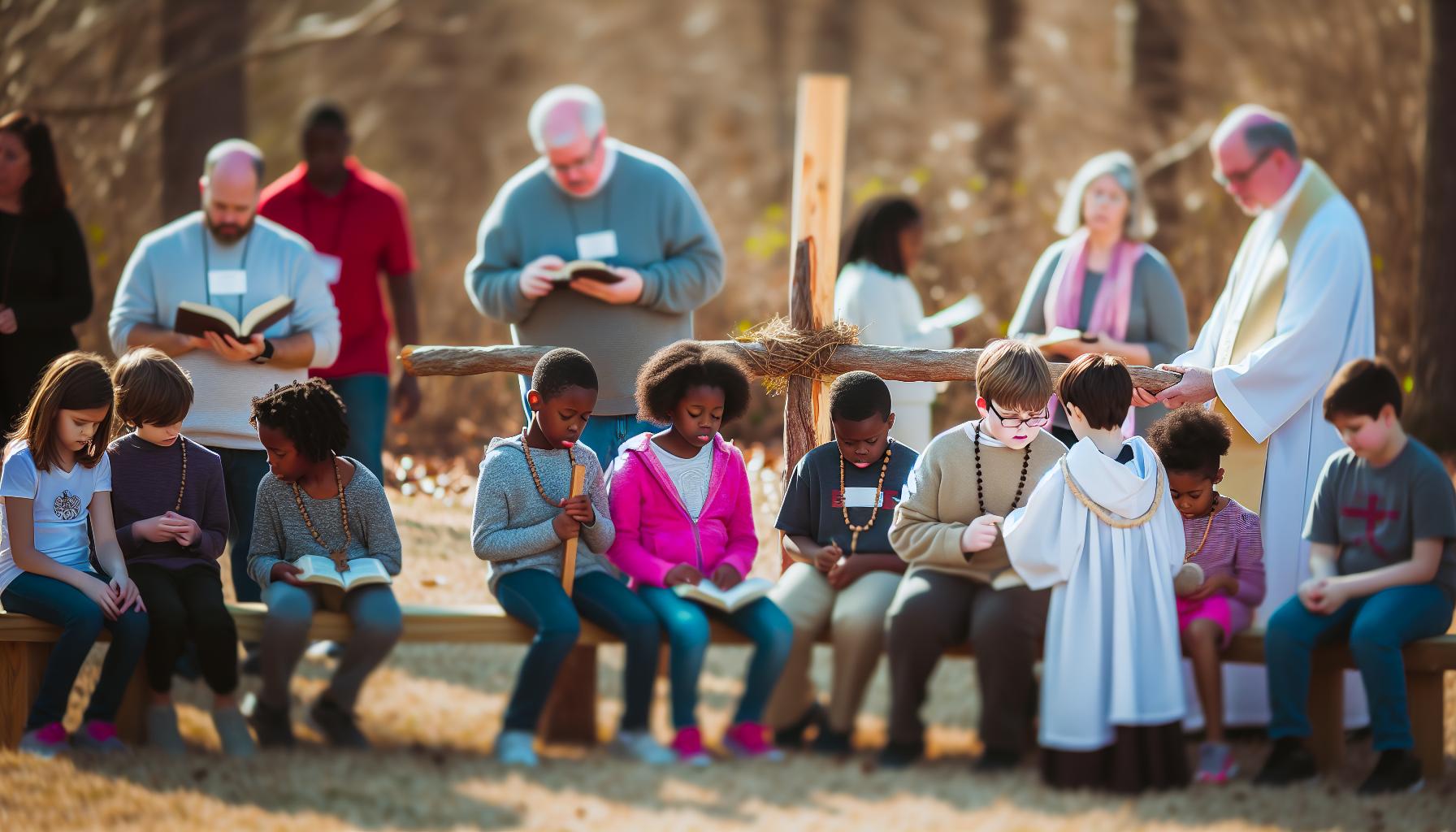
Encouraging children to engage with the Stations of the Cross can deeply enrich their spiritual journey, helping them understand Jesus’ sacrifice in a relatable and age-appropriate context. As they join in this sacred tradition, children learn valuable lessons about compassion, sacrifice, and resilience. One effective way to introduce them to the Stations of the Cross is to use visuals and storytelling, making the experience both educational and engaging.
Begin with age-appropriate books or materials that depict the Stations in a child-friendly manner. Use pictures or illustrations of each station to capture their attention. As you guide them through each station, encourage them to ask questions and express their feelings. This dialogue not only fosters understanding but also helps them connect their own experiences to the themes of persevering through hardship and showing love and kindness to others. For example, when discussing Jesus meeting His Blessed Mother, you can draw parallels to their own experiences of comfort from loved ones during tough times.
Practical Activities to Engage Children
- Create a Family Stations Walk: Organize a mini pilgrimage around your home or garden with symbolic stations. Use items like crosses, candles, or drawings to represent each station, allowing children to physically move and reflect at each point.
- Artistic Expression: Encourage children to draw or create crafts that represent their favorite stations. This hands-on activity can facilitate discussion about what they learned and how they feel about Jesus’ journey.
- Prayer Cards: Help children make their own Stations of the Cross prayer cards. They can write simple prayers or reflections for each station, making the experience personal and memorable.
Incorporating these activities not only makes the Stations of the Cross accessible but also cultivates a deeper relationship with God. Teach children that through Jesus’ suffering, they can find strength in their own trials. By modeling this reflection and prayer practice, you are instilling a lifelong habit of seeking spiritual nourishment in their challenges. As they grow, these teachings will empower them to carry their own crosses and support others in love and faith, mirroring the example set by Christ.
Frequently Asked Questions
Q: What are the Stations of the Cross?
A: The Stations of the Cross are a series of 14 reflections that depict the events of Jesus’ passion, from His condemnation to His burial. Each station represents a significant moment, allowing believers to meditate on Christ’s suffering and sacrifice while walking in His footsteps toward Calvary.
Q: How can I incorporate Scripture into my Stations of the Cross prayers?
A: Incorporating Scripture involves reading selected Bible verses that correspond with each station. Consider using passages from the Gospels that narrate Jesus’ journey, like Luke 23:33-34 for Jesus’ crucifixion. This practice deepens your prayer experience and connects the events with biblical context.
Q: Why is it important to engage in the Stations of the Cross during Lent?
A: Engaging in the Stations of the Cross during Lent is essential for spiritual growth and reflection. It allows believers to meditate on Jesus’ suffering and sacrifice, encouraging a deeper understanding of His love and commitment to humanity. This practice can lead to renewed faith and repentance.
Q: When is the best time to pray the Stations of the Cross?
A: The best time to pray the Stations of the Cross is during Lent, particularly on Fridays, as it commemorates Jesus’ crucifixion. However, they can be prayed at any time throughout the year, especially during personal reflection or communal gatherings.
Q: How can families participate in the Stations of the Cross together?
A: Families can participate by setting aside time to pray together at home or joining a parish service. Using child-friendly language and art can make the experience engaging for children, helping them visualize Jesus’ journey and understand its significance in a relatable way.
Q: What are some creative ways to experience the Stations of the Cross?
A: Creative ways to experience the Stations include using art, music, or guided meditation. You can create a prayer space at home that includes images of each station, or incorporate contemporary worship songs that reflect the themes of Jesus’ journey to enhance your devotion.
Q: Where can I find resources for guided meditations of the Stations of the Cross?
A: Resources for guided meditations can be found online, at your local church, or in faith-based community centers. Many websites provide prayer materials, reflections, and audio guides to enrich your Stations of the Cross experience.
Q: What spiritual benefits come from walking the Stations of the Cross?
A: Walking the Stations of the Cross offers numerous spiritual benefits, including increased empathy for others’ suffering, a deeper connection to Jesus’ sacrifice, and opportunities for personal reflection and growth. It fosters a profound sense of gratitude and encourages a commitment to live out one’s faith actively.
Feel free to explore further on these topics in your own prayer life, as deepening your understanding of the Stations can significantly enhance your spiritual journey.
The Conclusion
As you reflect on the profound journey of “Stations of the Cross Prayers: Walking with Jesus to Calvary,” remember that this spiritual practice not only deepens your connection with Christ but also strengthens your faith. Don’t miss the opportunity to explore more about prayer life and devotionals-we invite you to discover our articles on daily Bible reflections and spiritual warfare that can further enrich your spiritual journey.
Take a moment to join our newsletter for regular insights and encouragement tailored to your faith walk. Your journey toward deeper devotion starts now; the next step is just one click away! We would love to hear your experiences with the Stations of the Cross-share your thoughts in the comments below and invite others to walk this sacred path with you. Together, let’s continue to grow in faith and love, embracing the transformative power of prayer and community in our lives.


![Devoted Health Provider Portal: [Not applicable for Christian content]](https://christiancitychurch.eu/wp-content/uploads/2025/09/7285-devoted-health-provider-portal-not-applicable-for-christian-content-300x171.jpg)