In a world that often feels overwhelming, the simple act of gratitude can become a transformative force in our lives. “Thank You for the Prayers: Gratitude That Transforms Lives” explores how recognizing and appreciating the blessings around us-especially the prayers of others-can profoundly enhance our spiritual journey. When we cultivate a heart of gratitude, we not only strengthen our connection with God and others but also uplift our spirits amid life’s challenges. Join us as we delve into the biblical principles of thanksgiving and learn how to embrace gratitude as a powerful lifestyle choice. This exploration not only nourishes our faith but also encourages personal healing and growth, inviting a deeper understanding of God’s love and the support of our Christian community. Let this journey inspire you to reflect on the prayers that have touched your life and discover how gratitude can illuminate your path forward.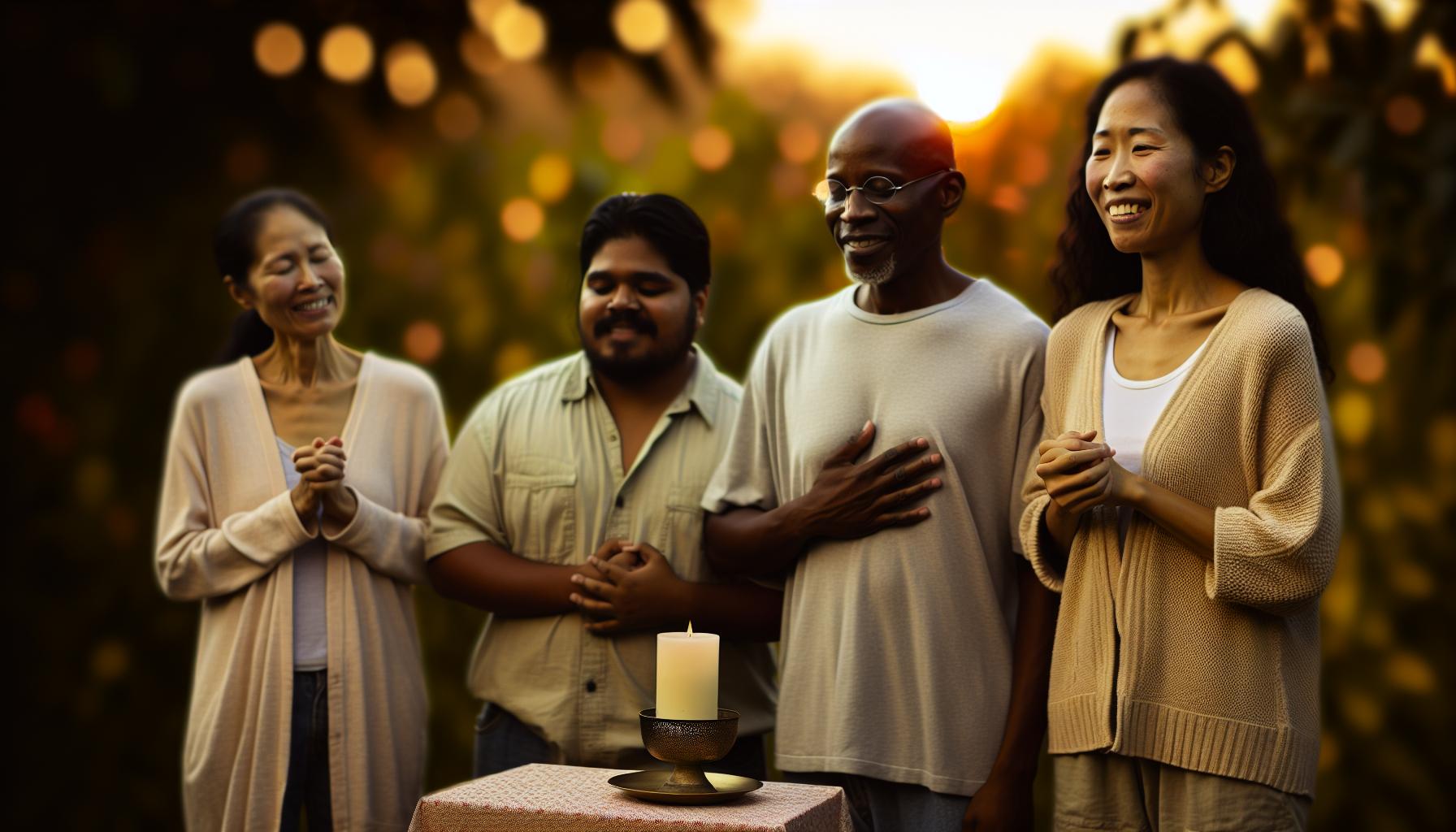
Contents
- 1 Thankfulness and Its Transformative Power in Prayer
- 2 The Impact of Prayer on Personal Growth
- 3 How Gratitude Enhances Your Spiritual Journey
- 4 Real-Life Stories of Lives Changed by Gratitude
- 5 Biblical Passages that Inspire Thankfulness
- 6 Practical Ways to Cultivate a Grateful Heart
- 7 Gratitude Practices in Daily Prayer Life
- 8 The Role of Community in Fostering Gratitude
- 9 Overcoming Challenges to Maintain an Attitude of Thanks
- 10 Encouraging Others: Sharing the Gift of Gratitude
- 11 Integrating Gratitude into Family and Relationships
- 12 Transformative Effects of Thankfulness on Mental Health
- 13 Frequently asked questions
- 14 To Conclude
Thankfulness and Its Transformative Power in Prayer
Gratitude is not just a polite response to kindness; it can become a transformative power in our prayer life that alters our perception of ourselves, our relationships, and the world around us. When we approach prayer with a heartfelt sense of thankfulness, we elevate our communion with God and unlock deeper spiritual insights. This practice helps us focus not on our struggles, but on God’s faithfulness and blessings, fostering a mindset that draws us closer to Him. By expressing gratitude, we align our hearts with God’s goodness, turning our attention away from worries and enhancing our spiritual rhythm.
One effective way to incorporate thankfulness into prayer is by starting each session with a list of what you are grateful for. This could be as simple as a sunny day, the love of family, or the provision of daily needs. Acknowledge these blessings aloud or in writing, as this deliberate act cultivates a positive heart posture. Scripture encourages us in 1 Thessalonians 5:18: “Give thanks in all circumstances; for this is the will of God in Christ Jesus for you.” Such reminders can transform prayer from a routine obligation to a profound dialogue with God, invigorating our spiritual growth.
In cultivating a grateful heart, prayer can become a source of tranquility, allowing us to navigate life’s challenges with resilience. As James 1:17 reminds us that “every good gift and every perfect gift is from above,” recognizing these gifts illuminates our lives and encourages us to lift others up in thanksgiving as well. By sharing our testimonies of gratitude, we not only bless ourselves but also inspire others in their faith journeys, creating a ripple effect of thankfulness that glorifies God and encourages a vibrant community of believers.
Ultimately, transforming prayer through thankfulness leads to profound changes in our demeanor, outlook, and interactions. It fosters an environment where faith can flourish, hope can reignite, and love can abound, nurturing not just our spirit but also those around us.
The Impact of Prayer on Personal Growth
When we immerse ourselves in prayer, we often discover that it serves as a conduit for profound personal growth. This journey is not merely about seeking answers or guidance; it is about forging a deeper connection with God and experiencing transformative change within ourselves. Studies have shown that a consistent prayer life can lead to increased emotional stability, enhanced self-awareness, and a greater sense of interconnectedness with others. As Philippians 4:6-7 reminds us, “Do not be anxious about anything, but in every situation, by prayer and petition, with thanksgiving, present your requests to God. And the peace of God, which transcends all understanding, will guard your hearts and your minds in Christ Jesus.” This scriptural promise highlights how prayer nurtures our mental and emotional landscapes, enabling us to grow in ways we never thought possible.
One pivotal aspect of this transformative power is the practice of gratitude during prayer. By intentionally recognizing and thanking God for His blessings-big and small-we shift our focus from distress to divine providence. This simple yet profound act cultivates resilience; as we reflect on the goodness in our lives, we develop a more optimistic outlook. As Hebrews 10:24-25 encourages us to “spur one another on toward love and good deeds,” we can use our experiences in prayer to bolster not only our faith but also that of those around us. Sharing our stories of gratitude and the growth that results can serve as powerful testimonies in our communities.
Furthermore, the act of praying fosters a sense of accountability in our personal growth journey. When we articulate our struggles and desires to God, we invite Him into every facet of our lives, allowing His wisdom to penetrate our decisions and actions. As we seek His will through prayer, we become more attuned to the guidance of the Holy Spirit, leading to choices that reflect His love and purpose. This relationship encourages continuous refinement of our character as we strive to embody the values of humility, patience, and compassion.
Incorporating regular moments of prayer into our daily routines can be an invaluable tool for personal development. Setting aside intentional time for prayer-whether in the morning, during breaks, or before bed-can create sacred moments that sharpen our focus and foster spiritual growth. By maintaining a gratitude journal alongside our prayer practice, documenting our reflections and answered prayers, we can visualize our journey and recognize patterns where God is at work in our lives. This practice helps us cultivate an adaptive mindset that not only improves our own lives but prepares us to positively impact those around us, fostering a spirit of community and love in our shared Christian journey.
How Gratitude Enhances Your Spiritual Journey
In the journey of faith, gratitude stands as a transformative force that can significantly enhance our spiritual experience. Beyond mere acknowledgment of our blessings, cultivating a heart full of thanks opens our eyes to God’s presence and provision in our daily lives. This pivotal shift in perspective can deepen our understanding of His love and grace, making our spiritual journey more vibrant and alive.
Moreover, gratitude in prayer not only fosters a sense of contentment but also invites divine connections into our experiences. As we articulate our thankfulness, we align our hearts with God’s promises, allowing His peace and joy to wash over us. Scripture reinforces this concept; in 1 Thessalonians 5:16-18, we are reminded: “Rejoice always, pray continually, give thanks in all circumstances; for this is God’s will for you in Christ Jesus.” This directive illustrates that gratitude is not just a recommendation but a vital part of living out our faith authentically.
To truly integrate gratitude into our spiritual practice, consider these practical approaches:
- Daily Gratitude Lists: Begin each day by writing down three things you’re thankful for. This simple act can profoundly shift your mindset and set a positive tone for the day.
- Grateful Prayer Journals: Record your prayer requests alongside the blessings you’ve received. Reflecting on past prayers answered can boost your faith and encourage you to trust in God’s timing.
- Community Sharing: Engage with your church or fellowship groups by sharing stories of gratitude. This not only strengthens your faith but also encourages others in their spiritual journeys.
As we incorporate such practices, we may find that gratitude illuminates our path, not just by highlighting what we have but by reflecting God’s faithfulness throughout our lives. Embracing gratitude can lead us toward a more fulfilling relationship with God, as we journey together through every season of life, holding fast to the goodness that surrounds us.
Real-Life Stories of Lives Changed by Gratitude
Experiencing profound transformations through gratitude is not just a spiritual concept but a tangible reality for many individuals. Countless stories illustrate how embracing gratitude in daily life reshapes perspectives, restores hope, and eventually leads to healing. One such story involves a woman named Sarah, whose life spiraled into despair after losing her job and facing financial struggles. Initially consumed by anxiety and helplessness, Sarah began to incorporate gratitude into her daily routine by writing a gratitude list every morning. To her surprise, this singular habit shifted her focus from what was lacking in her life to the blessings she often overlooked. Each day, she expressed thanks for small victories: a supportive friend, a meal on the table, and the beauty of a sunrise. Over time, this practice helped her cultivate resilience and attract positive opportunities, eventually landing her a new job that aligned with her passions.
Similarly, the journey of Mark, a father navigating the complexities of parenting, emphasizes gratitude’s transformative power in family dynamics. After realizing that negative interactions were affecting his relationship with his children, Mark decided to shift his approach. He initiated family gratitude circles during dinner, where each member shared something they were thankful for that day. This simple act not only bonded the family but also established a culture of appreciation. Mark noticed a marked improvement in his children’s behavior and attitude, creating a more peaceful and loving atmosphere at home. Through this practice, he learned that gratitude fosters connectedness, showing how thankfulness can nurture relationships and strengthen familial ties.
Inspiring Change Through Community
Community also plays a vital role in the transformation brought by gratitude. Consider the experience of a local church group that embarked on a “thankfulness project,” where members were encouraged to express gratitude through handwritten notes of appreciation to those around them. This initiative sparked a wave of positive interactions, cultivating an environment of kindness and love not just within the church but extending into the broader community. Members reported feeling uplifted as they witnessed the smiles and joy their notes brought to others, reinforcing the idea that gratitude is contagious. This movement demonstrated that acts of gratitude can ripple beyond individuals, creating a supportive network that uplifts everyone involved.
These testimonies illustrate that the act of giving thanks can heal wounds, repair relationships, and foster a sense of community that nurtures spiritual growth. As individuals choose to focus on gratitude, they open themselves to a transformative experience that not only enriches their spiritual journeys but also inspires those around them. In moments of distress, remembering to take small steps towards thankfulness can lead to outstanding changes, offering renewed hope and a sense of purpose in the ebb and flow of life’s challenges.
Biblical Passages that Inspire Thankfulness
The Bible is a timeless source of inspiration, offering numerous passages that encourage believers to cultivate an attitude of thankfulness in every season of life. From acknowledging God’s blessings to recognizing His unwavering support during trials, scripture invites us to embrace gratitude not just as a fleeting emotion but as a profound lifestyle. In Philippians 4:6-7, Paul teaches, “Do not be anxious about anything, but in everything by prayer and supplication with thanksgiving let your requests be made known to God.” This passage beautifully captures the essence of combining prayer with gratitude, reminding us that even in the face of worry, we can approach God with thankfulness. It reassures us that such a posture not only connects us with God but also brings peace that surpasses understanding.
Another powerful verse is found in 1 Thessalonians 5:16-18, which exhorts us to “Rejoice always, pray without ceasing, give thanks in all circumstances; for this is the will of God in Christ Jesus for you.” This scripture emphasizes the importance of maintaining a grateful heart regardless of our current situation. In doing so, we align ourselves with God’s purpose and invite His presence into our daily lives. Each moment of gratitude becomes an opportunity to deepen our trust in God’s plan, reminding us that His faithfulness remains constant even amidst uncertainty.
To further enrich your journey of thankfulness, a practical exercise might involve creating a gratitude journal. Start by dedicating a few minutes each day to write down at least three things you are thankful for. This simple yet effective practice aligns perfectly with Psalm 100:4, which encourages us to “Enter his gates with thanksgiving, and his courts with praise! Give thanks to him; bless his name!” By recording your blessings, you not only reinforce a habit of thankfulness but also create a source of encouragement during challenging times. Reflecting on God’s goodness can transform your perspective, cultivating a heart that continually seeks to recognize His hand at work.
Incorporating these biblical principles into your daily life not only enhances your spiritual journey but also encourages those around you. As you express thankfulness, you become a living testament to the transformative power of gratitude, inspiring others to explore the depth of thankfulness in their own lives. Let each prayer, each act of gratitude, resonate with the truth found in Psalms 107:1, “Oh give thanks to the Lord, for he is good, for his steadfast love endures forever!”
Practical Ways to Cultivate a Grateful Heart
Cultivating a grateful heart is a transformative journey that can profoundly enhance your spiritual walk. Embracing gratitude opens our eyes to the blessings that surround us, even amidst life’s challenges. By intentionally practicing gratitude, we can shift our focus from lack to abundance, inviting a deeper connection with God and a more fulfilling life experience.
One effective way to nurture a grateful heart is through daily gratitude journaling. Set aside a few moments each day to reflect on and write down three to five things you are thankful for. This simple yet powerful habit encourages mindfulness and helps to highlight God’s blessings in your life. You might be surprised at how quickly your awareness of His goodness grows. As Psalm 9:1 encourages, “I will give thanks to the Lord with my whole heart; I will recount all of your wonderful deeds.” Consider summarizing your reflections to share with family or friends, fostering an environment of gratitude in your community.
Volunteering to help others is another practical way to express gratitude. Acts of service remind us of our blessings while allowing us to be a blessing to those in need. Whether it’s participating in a community cleanup, helping at a local shelter, or simply offering support to a friend, serving others can shift our perspective and inspire gratefulness for what we have. In Galatians 5:13, we are called to “serve one another humbly in love,” which emphasizes that gratitude is often best expressed through our actions.
Incorporating gratitude into your prayer life also deepens the impact of this practice. As you pray, make it a point to include specific acknowledgments of God’s blessings, whether they are large or small. This can transform your prayer time from a list of requests to a rich dialogue celebrating God’s faithfulness. You might say, “Lord, thank you for my health, for my family, and for the fresh start each day brings.” As you cultivate this habit, you’ll begin to recognize that even challenges can bear gifts of growth and understanding.
Finally, creating a gratitude ritual within your family can foster a lasting culture of thankfulness. Consider setting aside one evening a week to gather and share what each member is grateful for from the past week. This time of reflection not only strengthens family bonds but also encourages everyone to keep their eyes open for God’s blessings throughout their daily lives. As Ephesians 5:20 states, “Giving thanks always and for everything to God the Father in the name of our Lord Jesus Christ,” it serves as a powerful reminder that expressing gratitude can become a natural part of our lives.
By integrating these practices into our daily routines, we don’t just become more grateful; we also cultivate a deeper and richer relationship with God, transforming our outlook and impacting those around us.
Gratitude Practices in Daily Prayer Life
Embracing gratitude in daily prayer can transform a routine practice into a vibrant opportunity for spiritual growth. When we take time to thank God for His blessings, we align our hearts with His will and cultivate a deeper connection with our Creator. This intentional focus on gratitude not only enhances our prayer life but also enriches our entire spiritual journey.
One effective approach is to create a thankfulness list during your prayer time, where you express appreciation for both the big and small blessings in your life. This could include simple things-like a warm cup of coffee in the morning or the smile of a loved one-to significant milestones such as recovery from illness or grace in difficult times. Each item on your list serves as a reminder of God’s faithfulness, helping to shift your focus from challenges to the abundant goodness that surrounds you. Psalm 107:1 beautifully encapsulates this sentiment, stating, “Give thanks to the Lord, for he is good; his love endures forever.”
Incorporating Gratitude in Prayer
To further integrate gratitude into your prayer life, consider the following practices:
- Gratitude Journaling: Pair your prayers with a gratitude journal. Write down your prayers alongside specific blessings you have received, reflecting on how God has worked in your life.
- Scripture References: Use scripture to guide your gratitude. Find verses that speak of thankfulness, such as 1 Thessalonians 5:18, which reminds us to “give thanks in all circumstances,” helping to anchor your expressions of gratitude in God’s Word.
- Prayer Retreats: Dedicate time, perhaps a day or evening, alone with God to reflect on His goodness and write prayers that are solely filled with thankfulness. This can serve as a refreshing reset to your spiritual rhythm.
- Group Prayer: Engage in group prayer sessions focused on gratitude. Sharing your thankfulness with others can amplify the sense of community and deepen your collective spiritual experience.
By embedding these practices into your daily prayer routine, you not only nurture a heart of gratitude but also witness how this mindset can transform your relationship with God. Engaging in gratitude during prayer encourages spiritual resilience and nurtures joy, enabling you to face life’s adversities with a grateful heart. As you continue to express your thankfulness to God, you may find that your perspective shifts, leading to a more fulfilling and vibrant faith experience.
The Role of Community in Fostering Gratitude
The power of gratitude is amplified when shared within a community of believers. Engaging with others who have a heart for thankfulness can transform personal gratitude into a collective strength. When we gather with intention, our individual expressions of appreciation can inspire and uplift one another, fostering a culture of gratitude that enriches our spiritual lives. Imagine a church service where testimonies of thankfulness are shared, where individuals speak of God’s provision and faithfulness-these moments not only encourage those who listen but also enhance the overall sense of community.
In a communal setting, such as small groups or Bible studies, we can explore the importance of gratitude together. These gatherings provide a platform for creative expressions of thankfulness. Whether through group prayers, shared meals, or service opportunities, participating in gratitude-driven experiences allows us to witness the diverse ways God blesses each member. It weaves a tapestry of appreciation that highlights both personal and shared experiences of faith. Furthermore, it fosters accountability. When we commit to sharing what we are grateful for, we gently encourage each other to recognize the goodness in our lives despite any challenges we may face.
One practical approach to fostering gratitude within your community is to organize gratitude events, such as a thankfulness night where members can share stories of how God has impacted their lives. This not only strengthens bonds but also highlights the blessings received, inspiring others to reflect on their own blessings. Additionally, consider implementing “gratitude challenges” where community members are encouraged to express thanks daily for a week, culminating in a group meeting to share insights and revelations from the experience.
Lastly, biblical passages offer profound insights into the unity of gratitude. Colossians 3:15 teaches us to “let the peace of Christ rule in your hearts, since as members of one body you were called to peace. And be thankful.” By embodying this spirit collectively, we not only enhance our personal spiritual journeys but also contribute to a thriving environment that glorifies God’s name, emphasizing that gratitude is not merely a personal endeavor but a communal one rooted in love and harmony.
Overcoming Challenges to Maintain an Attitude of Thanks
Maintaining an attitude of gratitude can often feel like an uphill battle, especially amid life’s tumultuous seasons. Challenges such as stress, disappointment, or loss can cloud our ability to see God’s blessings. However, when we shift our focus toward thankfulness, we can unlock powerful transformations in our hearts and minds, reminding us that gratitude is a choice-not merely a response to favorable circumstances.
One effective strategy to cultivate gratitude during tough times is to keep a gratitude journal. By setting aside a few moments each day to reflect on and write down what you are grateful for, you can cultivate a mindset that recognizes God’s goodness amidst adversity. Start by noting simple joys-like the warmth of a morning cup of coffee or a smile from a stranger. Over time, this practice not only heightens our awareness of God’s daily provisions but also reinforces the truth found in 1 Thessalonians 5:18, where we are instructed to “give thanks in all circumstances.”
Moreover, embedding gratitude into our prayers can transform our spiritual lives. Instead of solely presenting our requests or lamentations to God, we should weave in expressions of thanks. For example, you can start your prayer by thanking God for His faithfulness and mercy, recognizing His past provisions, and celebrating the gift of life itself. This practice realigns our hearts toward appreciation while fostering a deeper connection with the Lord, as Philippians 4:6-7 encourages us to approach God with both our petitions and our thanksgiving.
Lastly, be proactive in combating negativity by surrounding yourself with uplifting influences. Engage with fellow believers who prioritize gratitude, whether in church, small groups, or social gatherings. Sharing personal testimonies of thankfulness within your community can also serve as a reminder of God’s faithfulness and inspire you to maintain your own thankful heart. The synergy created in these spaces can help strengthen your resolve to focus on gratitude, echoing the sentiment of Psalm 136:1 which reminds us that “His love endures forever.”
By taking these intentional steps-journaling, prayer, and community engagement-you can nurture an enduring attitude of thanks, even amidst life’s inevitable challenges.
Encouraging Others: Sharing the Gift of Gratitude
Gratitude is not just a personal journey; it’s a powerful gift we can share with others, radiating positivity and faith within our communities. When we express our thankfulness, we create an uplifting environment that encourages those around us to recognize their own blessings. This act of sharing can transform lives, helping others to see the goodness of God in even the smallest moments. By being intentional in encouraging others, we cultivate a culture of gratitude that ripples through families, friendships, and beyond.
One effective way to share the gift of gratitude is through testimony. Sharing personal stories of God’s faithfulness and the blessings we’ve experienced can inspire and uplift others. Consider gathering a group of friends or family members for a prayer and sharing night. Each person can take a turn sharing something they are grateful for, reflecting on how God has been present in their lives. Not only does this strengthen ties within your community, but it also invites God into your conversations, reminding everyone of His enduring love and provision.
Additionally, incorporating gratitude into group prayers or community service can be life-changing. When you volunteer together, make it a practice to express gratitude for the opportunity to serve-thanking God for the chance to make a difference. This approach not only shifts the focus from personal challenges to collective purpose, but it also amplifies the sense of support and shared mission. You might even establish a tradition of starting meetings with a moment of gratitude, allowing space for each member to acknowledge their blessings before discussing challenges.
In times of struggle, sharing words of encouragement can provide hope and inspire resilience. Send a simple message or note to a friend, expressing your appreciation for them and highlighting the strengths you see in them. Remind them of God’s promises found in Scripture, such as Philippians 4:8, which urges us to focus on whatever is true, noble, right, and pure. By being a voice of gratitude, you become an instrument of encouragement, helping those around you to engage with the transformative power of thankfulness.
Ultimately, when we foster an atmosphere of gratitude, we not only uplift our spirits, but we also create a legacy of faith and appreciation that impacts generations to come. By sharing the gift of gratitude, we can be agents of change, encouraging others to discover the life-transforming joy that flows from a thankful heart.
Integrating Gratitude into Family and Relationships
Integrating gratitude within our families and relationships is more than just an act of appreciation; it’s a transformative practice that fosters a nurturing and loving environment. Research shows that families who frequently express gratitude tend to have stronger bonds, higher satisfaction, and enhanced emotional well-being. Just as God shows us unfailing love and grace, we too are called to demonstrate gratitude within our homes, promoting a culture of thankfulness that echoes His teachings.
One practical way to cultivate a more grateful atmosphere is to establish regular family gratitude rituals. This can be as simple as starting each meal with a moment of thanksgiving, where each family member shares something they are grateful for that day. Not only does this open up communication, but it also helps everyone to reflect on the positive aspects of their lives, no matter how small. Another idea is to create a gratitude jar, where family members can drop in notes of appreciation for each other throughout the week. At the end of the week or month, gather together to read the notes, celebrating each other’s kindness and support.
In relationships, gratitude becomes a powerful tool for strengthening connections. Make it a habit to regularly express appreciation to your spouse, children, or friends. This could be verbal acknowledgments, small handwritten notes, or even spontaneous acts of kindness. For couples, setting aside time each week to share what you are thankful for about each other can reignite sparks of appreciation and love, fostering intimacy and understanding.
Moreover, the Bible reminds us of the importance of gratitude in our relationships. In Colossians 3:15-17, it calls us to “let the peace of Christ rule in your hearts” and to “be thankful.” By integrating these teachings into our everyday lives, we can strive to create homes filled with love, joy, and gratitude. Ultimately, it’s the small daily actions of thankfulness that carve out a path for a more compassionate family life, reflecting the heart of Christ in all our relationships.
Transformative Effects of Thankfulness on Mental Health
Discovering the profound impact of thankfulness on mental health can transform your daily life, infusing it with joy and purpose. Research shows that practicing gratitude actively boosts emotional well-being by shifting your focus from what’s lacking in your life to the abundance you already possess. This shift not only reduces feelings of envy and resentment but also fosters a sense of connection and peace, which is often rooted in our Christian faith.
One effective way to cultivate thankfulness involves integrating gratitude into your prayer life. As you approach God in prayer, take time to acknowledge and thank Him for specific blessings. This doesn’t merely serve to uplift your spirit; studies reveal that people who regularly express gratitude experience lower levels of depression and anxiety. For instance, creating a gratitude journal can be a profound spiritual exercise, allowing you to pen down daily blessings, no matter how small. Reflecting on these moments can lead to an increased sense of appreciation for life’s simplest gifts, ultimately enhancing your mental health and overall outlook.
To further deepen your practice of thankfulness, consider engaging in communal gratitude exercises. Gather with family or friends to share stories of gratitude, fostering a supportive environment that celebrates life’s blessings. The Bible encourages us to rejoice with those who rejoice (Romans 12:15), reminding us of the collective joy that arises from shared gratitude. An atmosphere filled with communal thankfulness can uplift all involved, amplifying individual mental health benefits and promoting a nurturing community.
In today’s fast-paced world, where stress and negativity can easily overshadow our lives, consciously practicing gratitude rooted in faith brings a transformative perspective. It’s more than an emotional boost; it is about recognizing God’s presence in our lives and allowing that recognition to influence our mental, emotional, and spiritual well-being. By embracing thankfulness, we align ourselves more closely with God’s will, fostering a mindset that celebrates and acknowledges His goodness in every circumstance.
Frequently asked questions
Q: How can expressing gratitude impact my daily life?
A: Expressing gratitude daily can significantly enhance your overall well-being. It encourages a positive mindset, improves relationships, and fosters a sense of peace. Consider keeping a gratitude journal to track daily blessings, reinforcing your habit of thankfulness, as discussed in the section on “Practical Ways to Cultivate a Grateful Heart.”
Q: Why is gratitude important in prayer?
A: Gratitude in prayer deepens your connection with God, enriching your spiritual experience. It shifts your focus from challenges to blessings, helping you cultivate a positive outlook. Explore more in the “Thankfulness and Its Transformative Power in Prayer” section of the article.
Q: How can I teach my children about gratitude?
A: Teaching children gratitude can be done through daily rituals, such as sharing what you’re thankful for at mealtime. Encourage them to express their thanks verbally or through thank-you notes. This approach fosters an attitude of appreciation early in life, complementing the section on “Integrating Gratitude into Family and Relationships.”
Q: What role does thankfulness play in overcoming personal challenges?
A: Thankfulness can provide strength and resilience during tough times by reframing negative thoughts into positive reflections. This mindset empowers you to find solutions and support through prayer and community, as mentioned in “Overcoming Challenges to Maintain an Attitude of Thanks.”
Q: When should I incorporate gratitude practices into my daily routine?
A: Incorporate gratitude practices at the start or end of your day for maximum impact. Morning reflections set a positive tone, while evening gratitude allows you to review blessings. Leverage insights from “Gratitude Practices in Daily Prayer Life” to establish a routine that enhances your spiritual journey.
Q: Where can I find biblical examples of gratitude?
A: The Bible is rich with examples of gratitude, particularly in Psalms and Proverbs. Consider studying passages like Psalm 100 for inspiration. For a deeper exploration, refer to the “Biblical Passages that Inspire Thankfulness” section for specific verses and reflections.
Q: How can gratitude improve my mental health?
A: Gratitude contributes to better mental health by reducing stress and boosting happiness. By regularly acknowledging what you’re thankful for, you can shift your focus from negative thoughts to positive experiences. This transformative effect on well-being is highlighted in the article’s section on “Transformative Effects of Thankfulness on Mental Health.”
Q: What are some creative ways to express gratitude in my community?
A: You can express gratitude in your community by volunteering, writing thank-you notes to local heroes, or organizing appreciation events. Engaging in these activities not only builds connections but also emphasizes the importance of community support, resonating with the themes in “The Role of Community in Fostering Gratitude.”
To Conclude
Thank you for joining us on this journey of gratitude and transformation through prayer. Remember that each prayer not only uplifts your spirit but also resonates deeply with those around you, creating a ripple effect of hope and encouragement. If you found joy and inspiration in this message, explore our resources on deepening your prayer life and practical devotionals that support your faith journey. Connecting with our community of believers can enrich your understanding and practice of gratitude-check out our articles on Effective Prayer Practices and Building a Christ-Centered Family.
Don’t let your faith journey end here! Sign up for our newsletter to receive uplifting content delivered to your inbox, and engage with us in the comments below; we would love to hear how gratitude has transformed your life. Let’s continue to walk together in faith and encouragement, remembering that every prayer can lead to profound change. Your next steps towards a deeper relationship with God are just a click away-explore more resources today!