
In our fast-paced lives, it’s easy to overlook the profound power of gratitude in our spiritual journey. “Thankful Prayers to God: Gratitude That Opens Heaven” invites you to explore how expressing thanks can transform your relationship with God and deepen your faith. Recognizing the blessings in our daily lives not only fills our hearts with joy but also opens doors to divine favor and greater spiritual insight. By cultivating an attitude of thankfulness, we align ourselves with God’s will and invite His presence into our lives. This article will guide you through meaningful prayers of gratitude, offering practical ways to implement thankfulness in your daily routine. As we delve deeper, you’ll discover how these heartfelt prayers can unleash a wave of blessings and fortify your faith, inspiring your personal and collective worship experiences. Come along on this journey of appreciation, and experience the heavenly benefits that gratitude can bring.
Contents
- 1 Thankfulness: A Powerful Prayer Practice
- 2 Biblical Foundations of Gratitude
- 3 How Gratitude Transforms Your Relationship with God
- 4 The Spiritual Benefits of Thankful Prayers
- 5 Thankful Prayers for Everyday Blessings
- 6 Gratitude in Times of Trouble and Challenge
- 7 The Role of Thankfulness in Spiritual Warfare
- 8 Incorporating Gratitude into Your Daily Devotion
- 9 Scripture Verses that Inspire Thankfulness
- 10 Thankful Prayers for Family and Community
- 11 Crafting Personalized Thankful Prayers
- 12 Celebrating Life’s Joys: Thankfulness in Action
- 13 Q&A
- 14 The Way Forward
Thankfulness: A Powerful Prayer Practice

Embracing thankfulness as a powerful prayer practice can transform not only our relationship with God but also our perspective on life. When we actively express gratitude in our prayers, we align ourselves with a divine purpose, acknowledging God’s blessings in both the mundane and extraordinary moments. The simple act of thanking God opens our hearts to His presence and reinforces the belief that everything we have is a gift, reminding us to rejoice in His goodness.
Incorporating thankfulness into our prayer life can take many forms. Initially, start your prayer with a few moments of reflection, focusing on what you are grateful for that day. You might say, “Lord, I thank You for the beauty of this day,” or “Thank You for the strength You’ve provided me to overcome challenges.” This practice not only sets a positive tone but also shifts your mindset, drawing your focus away from problems and towards His abundance.
A vital aspect of thankfulness in prayer is consistency. Making it a daily ritual allows us to train our hearts and minds to recognize blessings, even during seasons of difficulty. Consider keeping a gratitude journal where you jot down items of praise after your prayers; this can serve as a powerful reminder of God’s faithfulness in your life. Furthermore, sharing these prayers with family or friends can encourage a spirit of gratitude within your community, fostering deeper connections and uplifting those around you.
Finally, it’s important to remember that thankfulness is a choice we make, regardless of our circumstances. Even in our struggles, offering a heart of gratitude can pave the way for profound spiritual growth. As you cultivate this practice, you will likely find that it brings peace and joy, fortifying your faith journey in ways you had not anticipated. By thanking God consistently, we create a spiritual currency that enriches our lives and invites God’s presence more fully.
Biblical Foundations of Gratitude

The Bible serves as a profound foundation for understanding gratitude, providing believers with clear examples of thankfulness in action. Throughout scripture, gratitude is not just a polite expression, but a vital aspect of faith that aligns human hearts with God’s will. The very essence of Biblical gratitude is captured in passages such as Psalm 100:4, which invites us to “Enter His gates with thanksgiving, and His courts with praise.” This verse underscores the importance of approaching God with gratitude as a prelude to worship, revealing that thankful hearts open the door to deeper communion with the Divine.
In addition to personal reflections of gratitude, the Bible highlights the transformative power of thankfulness within community. In 1 Thessalonians 5:16-18, Paul exhorts believers to “Rejoice always, pray continually, give thanks in all circumstances; for this is God’s will for you in Christ Jesus.” This scripture emphasizes that gratitude should permeate our entire lives, acting as a testament to our faith, even during trials. Reflecting on the lives of biblical figures like Job, who maintained a spirit of thankfulness despite immense suffering, reveals how gratitude can sustain us during life’s storms.
Moreover, gratitude is intricately connected to the theme of remembrance throughout Scripture. In Deuteronomy 8:2-3, God instructed the Israelites to remember their journey in the wilderness and the lessons learned, reminding them to give thanks for His provision. This act of remembrance not only fosters gratitude but also reinforces our trust in God’s ongoing faithfulness amid changing circumstances. Keeping a personal account of answered prayers and blessings can serve as a reflective practice that nurtures thankfulness in our daily lives.
Embracing gratitude as a fundamental aspect of our prayer life cultivates a rich, vibrant relationship with God. It shifts our focus from what we lack to recognizing the abundance of His grace and mercy. As we build a habit of thankfulness through prayer, we participate in a transformative process that not only honors God but also enriches our spiritual journey, guiding our hearts to reflect His love in every aspect of life.
How Gratitude Transforms Your Relationship with God

The act of gratitude is a powerful catalyst that deepens our relationship with God, transforming our spiritual lives in profound ways. When we approach Him with thankfulness, we not only acknowledge His goodness but also open our hearts to His presence. Each moment of sincere gratitude serves as a bridge, connecting us to God’s boundless love and grace. As we express thanks, we align our thoughts and intentions with His, fostering a greater sense of intimacy and communion.
Living out a life of gratitude shifts our focus from the chaos around us to the blessings that often go unnoticed. For instance, in Philippians 4:6-7, Paul encourages believers, saying, “Do not be anxious about anything, but in every situation, by prayer and petition, with thanksgiving, present your requests to God.” This practice of combining our requests with thanksgiving transforms our prayers from simple transactions into rich conversations filled with appreciation for all that God has done. It helps us cultivate a mindset that looks for the good, even amidst trials, reminding us of God’s faithfulness and sovereignty.
Moreover, gratitude has the power to change not just our perspective but our emotional landscape. When we thank God for the small and big blessings in our lives, we naturally nurture joy and peace. As we meditate on His blessings, we cultivate a spirit that reflects Christ’s love and grace, enabling us to be better witnesses to those around us. This, in turn, invites others to experience the freedom that comes from recognizing God’s hand in every aspect of their lives.
As you practice thankfulness, remember to create space for it in your daily devotions. Set aside time to reflect on specific blessings, maybe even journaling them or sharing them with a friend or community group. This not only honors God but strengthens your faith by reaffirming His presence and work in your life. Embrace gratitude not as an occasional act, but as a lifestyle choice that continuously nourishes your relationship with God, helping you grow deeper into His love and sustaining your spirit during both joyous and challenging times.
The Spiritual Benefits of Thankful Prayers

The act of offering thankful prayers is not merely a routine; it’s a transformative practice with profound spiritual benefits. When we approach God with a heart full of gratitude, we tap into a deeper connection that transcends mere requests or problems. Thankful prayers can shift our mindset from one of scarcity and anxiety to one of abundance and peace, allowing us to truly reflect on the ways God has already blessed us. This gushing out of gratitude opens a channel to His presence, reminding us that we are not alone in our struggles or joys.
One of the most powerful aspects of thankfulness in prayer is its ability to reaffirm our faith and trust in God. As we articulate our thankfulness, we acknowledge God’s sovereignty and goodness in all circumstances. This aligns with 1 Thessalonians 5:16-18, which encourages us to “rejoice always, pray continually, give thanks in all circumstances.” By focusing on what we are grateful for, we create a mindset that is open to recognizing God’s work in our lives. This practice encourages a sense of peace that often eludes us when we focus solely on our challenges or desires.
Moreover, thankful prayers can serve as powerful reminders of God’s faithfulness throughout our life journey. They allow us to remember past hardships that were overcome and the countless blessings that followed. Keeping a gratitude journal can be a practical way to reflect on these blessings. Writing down answered prayers or moments of grace can strengthen our spiritual resolve and foster a sense of community. Sharing these reflections with fellow believers can further enrich our faith, promoting a culture of gratitude that encourages everyone to see God’s hand at work in their lives.
Finally, cultivating a habit of thankfulness in our prayers enables us to maintain joy and hope, even during challenging times. In our modern world, where despair and negativity often prevail, practicing gratitude acts as a beacon of light. Just as Psalm 100:4 states, “Enter his gates with thanksgiving and his courts with praise,” we are invited to come before God with thankful hearts. This act of worship not only transforms our personal prayer life but also impacts those around us, inviting others into a similar journey of gratitude and acknowledgment of God’s ever-present love and faithfulness.
Thankful Prayers for Everyday Blessings

In our fast-paced lives, it’s easy to overlook the simple blessings that surround us each day. However, integrating thankfulness into our daily prayers transforms our perspective and fosters a deep connection with God. Recognizing the small joys – whether it’s a warm cup of coffee in the morning, the laughter of children, or a beautiful sunset – allows us to cultivate a spirit of gratitude that honors God and enriches our hearts. Each thankful prayer becomes a step towards acknowledging His presence and goodness in our everyday lives.
To make thankful prayers a regular practice, consider starting your day with a few moments of reflection. As you wake, take a deep breath and invite the Holy Spirit to guide your thoughts. During your morning devotion, list three things you are grateful for. These can be as simple as a good night’s sleep, the love of family, or opportunities for growth. This practice not only sets a positive tone for the day but also prepares your heart to notice and appreciate the Lord’s ongoing blessings throughout your routine.
Practical Steps for Thankful Prayers
Incorporating thankfulness into your prayers can be a transformative experience. Here are some practical steps to help guide your journey:
- Create a Gratitude Journal: Write down daily moments of gratitude. Reflecting on these entries can uplift your spirit and reinforce your connection with God.
- Dedicate a Day of the Week: Set aside one day a week for focused gratitude. Use this time to pray specifically for the blessings you’ve recognized in the past week.
- Share Your Thankfulness: Express your gratitude not only to God but also share it with others. This could be through conversations, social media posts, or even thank-you notes, which spread positivity and encourage a culture of gratitude.
Strong prayers of thankfulness can also be supported by Scripture. Incorporating verses that resonate with your blessings enhances your prayers, anchoring them in truth. For example, you might pray, “Lord, thank you for this day, as Psalm 118:24 reminds us, ‘This is the day that the Lord has made; let us rejoice and be glad in it.'” Such verses not only inspire but also help balance our prayers by grounding them in the Biblical understanding of gratitude.
Ultimately, consistent and heartfelt thankfulness can change your daily experience. As you express gratitude for the ordinary gifts from God, you begin to see the extraordinary within them. Thankfulness empowers us to navigate life with joy and reassurance, knowing that every blessing – big or small – is a reflection of God’s love and grace.
Gratitude in Times of Trouble and Challenge
In moments of trouble and challenge, expressing gratitude might feel counterintuitive. However, it’s often during these difficult times that thankfulness can lead to profound spiritual breakthroughs. Acknowledging the goodness of God, even when life gets tough, opens the door to His comfort and peace. When we declare our gratitude amidst adversity, we align our hearts with God’s promises, reminding ourselves that He is still sovereign and working on our behalf, even in the shadows.
Consider the profound example from James 1:2-3, which encourages believers to “count it all joy” when facing trials. This invitation doesn’t negate the pain; rather, it urges us to find the lessons and blessings wrapped in our struggles. When we practice thankfulness during challenges, we cultivate resilience and deepen our trust in God. For instance, after a difficult day, instead of focusing solely on the stress or the disappointments, take a moment to reflect on the lessons learned or the support system God has placed in your life. This practice transforms our mindset, enabling us to see beyond our immediate circumstances.
Another powerful way to incorporate gratitude during tough times is through the act of prayer. As you bring your worries before God, weave thankfulness into your petitions. Instead of only asking for relief or intervention, express appreciation for the strength you’re gaining through the trial or for the people who stand by you in the storm. You might say, “Lord, I am struggling, but I thank You for the support of my friends and family, and for the strength I am finding through this experience.” This not only aligns your focus with God’s goodness but also reinforces the Hebrew concept of “chazak,” meaning to be strong or bold.
In practicing gratitude through challenges, we fulfill the biblical call to “give thanks in all circumstances” (1 Thessalonians 5:18). As we articulate our thankfulness, our perspective shifts from that of victimhood to one of empowerment and hope. Instead of feeling defeated by our problems, we can rejoice in the fact that God is with us, working all things for our good. Cultivating such an attitude doesn’t erase pain, but it fortifies our spirit and opens our hearts to the transforming power of God’s love and mercy, ultimately guiding us toward deeper faith and resilience in our journey.
The Role of Thankfulness in Spiritual Warfare

In the unseen realm of spiritual warfare, the act of gratitude emerges as a potent weapon against the darkness that seeks to invade our hearts and minds. Thankfulness does more than uplift our spirits; it fortifies our defenses by shifting our focus from negative circumstances to God’s eternal goodness and providential care. By intentionally cultivating an attitude of gratitude, we engage in a spiritual practice that not only aligns us with God’s will but also disarms the enemy’s attempts to sow doubt and despair.
When we embrace thankfulness, we proclaim the truth of God’s faithfulness. In Ephesians 6:10-18, Paul instructs us on the full armor of God, emphasizing the need for spiritual preparedness. Among the various elements of armor, a grateful heart acts like a shield, protecting us from the fiery darts of anxiety and fear. Each time we express appreciation-whether it’s for the gift of salvation, the beauty of creation, or the love of friends and family-we reinforce our trust in God’s promises, which creates an impenetrable barrier against discouragement. This practice not only uplifts our spirit but keeps us grounded in faith.
Additionally, gratitude can radically change our prayer life, transforming requests into powerful affirmations of faith. Rather than approaching God only with petitions, we can blend our supplications with thanksgiving, echoing Philippians 4:6-7, where we are encouraged to “in everything by prayer and supplication with thanksgiving let your requests be made known to God.” This practice not only elevates our prayers but also invites God’s peace to guard our hearts and minds, creating an unshakeable foundation when we face trials.
The Impact of Thankfulness in Spiritual Warfare
- Strengthens Faith: Gratitude enhances our faith by reminding us of past blessings and God’s continual faithfulness.
- Disarms Anxiety: A thankful heart quiets the worries that often accompany spiritual battles, promoting peace.
- Builds Community: Thankfulness can nurture relationships, reminding us of the support system God has placed around us.
- Encourages Worship: As we reflect on what we’re thankful for, our hearts naturally turn toward worship, magnifying God’s goodness in every situation.
Incorporating thankfulness into our spiritual warfare strategy empowers us to refuse the enemy’s lies and boldly proclaim God’s truth over our lives. By acknowledging His goodness, we not only foster resilience but also cultivate a deeper intimacy with God, enhancing our spiritual warfare effectiveness. As we navigate life’s trials, let our hearts be full of gratitude, for it is through thankfulness that we open the gateway to divine protection and victory.
Incorporating Gratitude into Your Daily Devotion

In the rhythm of daily life, it can be easy to forget the power embedded in a simple act of gratitude. Incorporating thankfulness into your daily devotion not only enriches your spiritual journey but also transforms your perspective. As we cultivate a lifestyle of thankfulness, we unlock doors to deeper communication with God, paving the way for blessings that are often overlooked in the rush of everyday responsibilities. When we take the time to express our gratitude, we are not only acknowledging God’s provision but also inviting His presence into our lives in profound ways.
To weave gratitude into your daily devotion, start by setting aside intentional moments for reflection. This could be through journaling, where you jot down three things each day that you are thankful for. This practice not only sharpens your focus on God’s goodness but also helps overcome negative thoughts and builds your faith. In 1 Thessalonians 5:16-18, Paul reminds us to “Rejoice always, pray continually, give thanks in all circumstances; for this is God’s will for you in Christ Jesus.” Embracing this mindset can cultivate a heart that is consistently attuned to the blessings surrounding us.
Additionally, consider starting or ending your prayer time with a specific focus on gratitude. Instead of making your prayers solely about requests, integrate thankfulness by recognizing God’s past faithfulness in your life. For example, when praying for something you desire, precede your requests with thanks for previous answered prayers and the many ways God has provided. This aligns with Philippians 4:6, which encourages us to present our requests to God with thanksgiving. By doing so, you not only honor God but also remind yourself of His unwavering support.
Lastly, express your gratitude outwardly as a form of worship. Involve your family or community by sharing grateful thoughts during group prayers or gatherings. This not only strengthens communal ties but reinforces the truth that we are all blessed in multifaceted ways. Encourage each other to acknowledge and celebrate the goodness of God in your lives, fostering a culture of thankfulness that echoes throughout your relationships.
Incorporating gratitude into your devotion is not merely a practice; it’s a transformative journey that aligns your heart with God’s eternal goodness, enriching your faith and deepening your love for Him and others. Embrace this powerful practice, and watch as your spiritual life flourishes, revealing the abundant blessings that await you.
Scripture Verses that Inspire Thankfulness

In a world often overshadowed by challenges, recognizing and expressing gratitude can become a powerful act of faith that opens our hearts to divine blessings. Scripture serves as a beautiful reservoir of inspiration, encouraging us to embed thankfulness into our lives. Verses from the Bible not only remind us of God’s provisions but also transform our hearts and minds, aligning them more closely with His will.
Scriptural Foundations of Thankfulness
Embracing gratitude begins with acknowledging God’s goodness. In Psalm 107:1, we read, “Give thanks to the Lord, for he is good; his love endures forever.” This simple directive is a powerful reminder to celebrate His eternal goodness, grounding our thankfulness in His unchanging character. Similarly, Colossians 3:15 urges us, “And let the peace of Christ rule in your hearts, to which indeed you were called in one body. And be thankful.” This verse emphasizes that cultivating a thankful heart can lead us to experience God’s peace, even amidst turmoil.
To deepen your understanding of thankfulness, consider these scriptures that can enhance your prayer life:
- 1 Thessalonians 5:16-18: “Rejoice always, pray continually, give thanks in all circumstances; for this is God’s will for you in Christ Jesus.” This passage encourages a lifestyle of gratitude, emphasizing its importance in fulfilling God’s will.
- Philippians 4:6: “Do not be anxious about anything, but in every situation, by prayer and petition, with thanksgiving, present your requests to God.” Here, thankfulness acts as a vital component of heartfelt prayer, transforming our requests into acts of worship.
- Psalms 95:2: “Let us come before him with thanksgiving and extol him with music and song.” This invitation to worship shows how our thankfulness can lead us into deeper communion with God.
Incorporating these verses into your daily routine encourages a mindset rooted in gratitude. Take a moment each day to meditate on one of these scriptures, allowing it to guide your prayers and reflections. Gratitude not only enriches your spiritual practice but also transforms your perspective, cultivating a heart that recognizes and celebrates the everyday blessings of life. Embracing these biblical truths can profoundly influence your relationship with God, drawing you closer to His heart.
Thankful Prayers for Family and Community
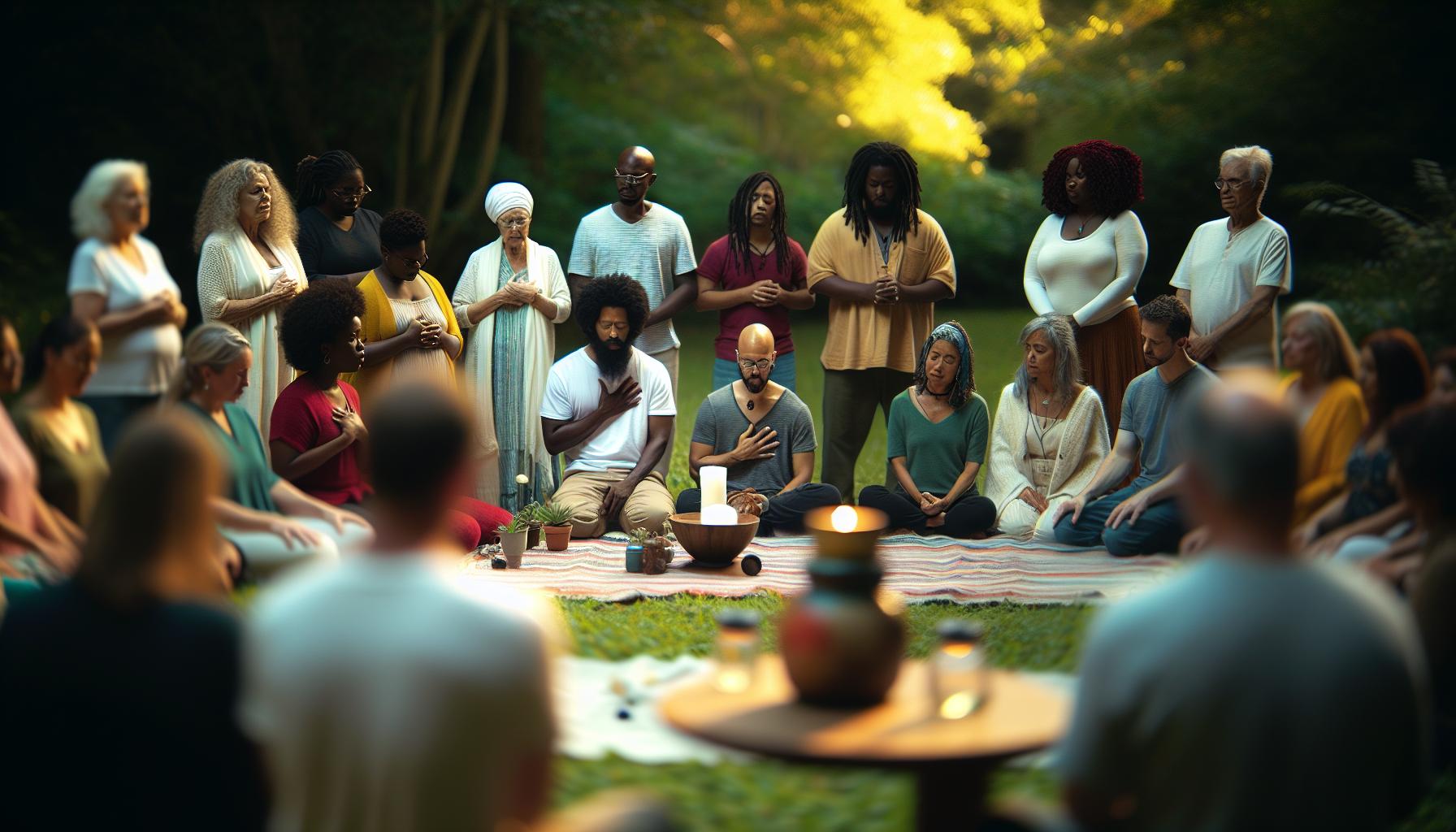
In our journey of faith, praying for family and community stands as a profound expression of gratitude that not only reflects our love for those around us but also reinforces the bonds that God has given us. Acknowledging the gift of family and the support of our community through thankful prayers can integrate deeper appreciation into our lives. These prayers become a channel through which we not only express thanks but also invite God’s blessings and guidance over our loved ones.
Crafting heartfelt prayers for family can be a powerful way to invoke unity and peace. Consider thanking God for specific attributes of your family members. For instance, you might pray, “Thank you, Lord, for the wisdom of my parents and the laughter of my children. May Your love bind us together in harmony.” Emphasizing individual traits helps nurture affection and appreciation, inviting God’s presence into family dynamics. Additionally, praying for the well-being and spiritual growth of family members allows us to place them into God’s care, fostering an environment where faith can flourish.
Community prayers can encompass broader concerns, inviting divine intervention in local challenges and furthering collective support. A prayer such as, “Thank you, God, for the friends and neighbors who uplift my spirit. Please bless our community with understanding and love, allowing us to be instruments of Your peace,” promotes a sense of belonging and mutual growth. By thanking God for the community and asking for His guidance, we reinforce the importance of togetherness and collective purpose, making our communities reflections of Christ’s love.
As we embrace these practices in our daily lives, we align our hearts with God’s will, recognizing that gratitude can transform not just our relationships but also our environment. Prayer can serve as a beacon of hope and encouragement, inspiring us to cultivate gratitude within our circles and reinforcing our connections with each other and with God. In maintaining this spirit of thankfulness, we create a thriving environment where love and faith can abound, gathering strength from one another as we navigate the journey of life together.
Crafting Personalized Thankful Prayers

Crafting personal prayers of gratitude is an enriching way to deepen your connection with God and cultivate a spirit of thankfulness in your life. When prayer is intimate and heartfelt, it sets the stage for a transformative experience akin to opening the doors of heaven. Each of us has unique life experiences and blessings to reflect upon, making personalized prayers particularly powerful. In this endeavor, consider focusing on specific aspects of your life that resonate personally, allowing your gratitude to flow freely.
One approach is to start your prayer by acknowledging the simple yet profound gifts in your life. For instance, you might express: “Thank you, Lord, for the breath in my lungs and the beauty of the world around me. Your creation is a constant reminder of Your goodness.” This awareness of the ordinary can shift our perspectives, helping us to see grace where we might otherwise overlook it. Additionally, don’t hesitate to incorporate elements that highlight your personal journey-perhaps a prayer for a challenging situation you’ve faced, acknowledging how God’s hand has been guiding you through it.
Another effective method is to express gratitude for specific relationships in your life. Names and attributes matter in our prayers; they add a personal touch that strengthens our request. You could pray: “Thank You, Lord, for my friend Jane who always encourages me; bless her with Your peace and joy this week.” This not only fosters gratitude for the people around us but also nurtures our relationships by lifting our loved ones up in prayer.
To deepen your practice, consider keeping a gratitude journal alongside your prayer life. Each day, jot down things you are thankful for, no matter how small. This act can inspire your prayers, providing a wellspring of specific items to express thanks for. Over time, you’ll cultivate a mindset that naturally overflows with gratitude, enhancing your spiritual growth and daily interactions.
Ultimately, the essence of lies in the authenticity of your heart’s expression. Embrace this sacred dialogue with God, and watch as gratitude opens heaven, bringing peace, joy, and a renewed sense of purpose to your life.
Celebrating Life’s Joys: Thankfulness in Action

In a world often filled with challenges and distractions, cultivating a heart of gratitude can transform our daily lives and experiences. Recognizing and celebrating the joys that life offers creates a pathway to deeper connection with God. Whether it’s the warmth of a loved one’s smile, the beauty of nature, or a recent personal victory, implementing thankfulness into our everyday actions can profoundly influence our spiritual journey.
An effective way to celebrate life’s joys is by creating rituals that focus on thanks. For instance, consider starting or ending your day with a moment of reflection. Sit quietly and list five things that brought you joy, no matter how small. Speak them aloud or write them in a journal, offering a prayer of gratitude. This daily practice not only cultivates a thankful heart but also helps you to be more attuned to God’s blessings throughout your day.
Engaging in acts of kindness can also be a tangible expression of your gratitude. When we acknowledge the goodness in our lives, it encourages us to share that positivity with others. Whether volunteering at a local charity, helping a neighbor, or simply offering a kind word, these actions not only spread joy but also reinforce our connection with the blessings we have received. As Paul reminds us in 2 Corinthians 9:11, “You will be enriched in every way so that you can be generous on every occasion, and through us your generosity will result in thanksgiving to God.”
Moreover, remind yourself to express your gratitude directly to God in prayer. Rather than just listing your wishes, make a practice of thanking Him for specific blessings. This directs your focus away from your challenges and towards the abundant grace in your life. Incorporating this practice can deepen your joy and strengthen your faith, opening your heart to further revelations from God and enriching your spiritual life. Celebrate every moment, recognizing that being thankful not only honors God but also invites His presence into your daily experiences.
Q&A
Q: What are the best ways to express gratitude in prayer?
A: To express gratitude in prayer, articulate specific blessings in your life. Start with a simple acknowledgment of God’s gifts, such as health, family, or provisions. Reflect on past difficulties that turned into blessings, fostering a deeper connection. Consider using thankfulness as a daily practice in your devotionals.
Q: How can thankful prayers impact my mental well-being?
A: Thankful prayers can greatly enhance mental well-being by shifting focus from worries to gratitude. Research shows that practicing thankfulness can reduce anxiety and improve mood, making prayer a powerful tool for emotional health. Consider incorporating gratitude reflections into your prayer routine.
Q: Why is gratitude important in Christian faith?
A: Gratitude is vital in Christian faith as it acknowledges God’s presence and provision in our lives. It fosters a humble heart and strengthens our relationship with God. Expressing gratitude reminds us of His faithfulness, encouraging us to cultivate a spirit of thankfulness continually.
Q: What scriptures support the practice of thankful prayers?
A: Several scriptures support thankful prayers, such as 1 Thessalonians 5:16-18, which encourages rejoicing, praying, and giving thanks in all circumstances. Other passages like Psalm 107:1 emphasize the importance of giving thanks to the Lord for His enduring love. Incorporate these verses into your prayer life.
Q: How can I create personalized thankful prayers?
A: To create personalized thankful prayers, start by listing specific blessings and experiences you are grateful for. Use these as focal points in your prayers, expressing heartfelt gratitude for each item. This practice will deepen your connection with God and make your prayers more meaningful.
Q: When is the best time to pray thankful prayers?
A: The best time to pray thankful prayers is when you are most likely to reflect on your blessings, such as in the morning to start your day positively or at night to end the day on a grateful note. Find a consistent time that works for you, enhancing your spiritual routine.
Q: How do thankful prayers help during difficult times?
A: Thankful prayers can provide comfort during difficult times by shifting your focus from challenges to blessings. They help maintain hope and remind you of God’s faithfulness, even in adversity. Use gratitude to strengthen your faith and resilience during tough moments in life.
Q: What role does community play in expressing thankfulness through prayer?
A: Community plays a significant role in expressing thankfulness through prayer by fostering collective gratitude. Joining group prayers encourages sharing of blessings and provides support. It increases the power of gratitude, encouraging each participant to celebrate and recognize God’s goodness together.
The Way Forward
Thank you for exploring “Thankful Prayers to God: Gratitude That Opens Heaven.” As you deepen your understanding of how gratitude transforms your prayer life, remember that your journey does not end here. Embrace the power of gratitude as a pathway to divine connection, and consider integrating these practices into your daily routine for a more vibrant faith experience.
If you’re looking for further inspiration, check out our articles on effective prayer techniques and Bible study resources that can enhance your spiritual discipline. Don’t forget to subscribe to our newsletter for regular updates, exclusive content on Christian living, and practical guidance in your faith journey. Share your thoughts in the comments below or start a discussion in our community to inspire others on their path to gratitude. Your engagement helps us create a nurturing environment for all believers. Let’s continue this journey together, uplifting one another in faith and devotion!